


Find auto parts that fit
Let’s search for parts that fit your vehicle.Welding Tools & Equipment































About Welding Tools & Equipment - Walmart.com
When you compare welding tools, you need clear guidance on process, power, and safety. You can use this category guide to match welding equipment to your projects and workspace.
If you're setting up a garage or updating a jobsite kit, you need choices that fit your outlet and material type. You can also compare helmets, gloves, and support gear in one place.
How to choose welding tools by process
You should start with the welding process because it shapes every other decision. You’ll notice MIG, TIG, Stick, and Flux-Cored setups handle different materials, thicknesses, and work speeds.
If you want fast setup for steel repairs, you may prefer MIG equipment and wire-feed accessories. If you want clean beads on thinner metal, you may lean toward TIG torches and precise controls.
For outdoor repairs, you may look at Stick-ready welder tools because wind affects shielding gas. If you need flexibility without external gas, you may compare Flux-Cored options for farm gates, trailers, and brackets.
- You can choose MIG for faster setup and steady feed on common steel projects.
- You can choose TIG when your work calls for cleaner seams and closer control.
- You can choose Stick for outdoor jobs, thicker metal, and straightforward repair tasks.
- You can choose Flux-Cored when you want strong output with fewer gas setup needs.
Choosing the right welding equipment tools for your power source
You should check your outlet before you compare output and accessories. You’ll find 110V and 120V units fit many home garages, while 220V units support heavier fabrication needs.
If you want flexibility, you may compare dual voltage models that switch between common power sources. You can use them at home, then move them to a shop space with higher output available.
You should also compare amperage range with the metal thickness you plan to join. You’ll usually see under 100A for lighter repairs, 100A to 200A for versatile projects, and over 200A for demanding work.
When you compare amperage, you’re really comparing arc strength and working range. You can handle small brackets and hobby work with lower output, while thicker steel often needs more current.
What to look for in welding tools and accessories
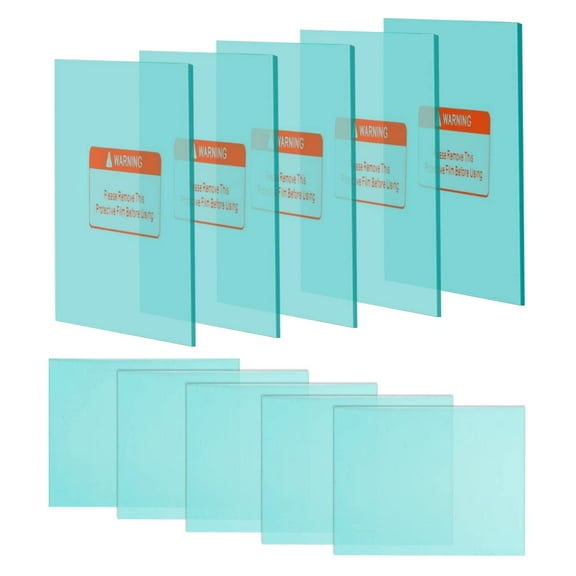
You should compare welding tools and accessories as a full setup, not as single pieces. You’ll often need a helmet, gloves, clamps, wire, tips, brushes, and storage that fit your process.
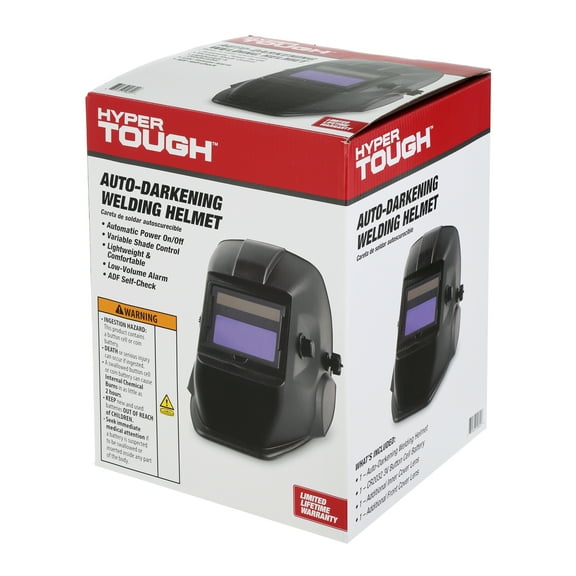
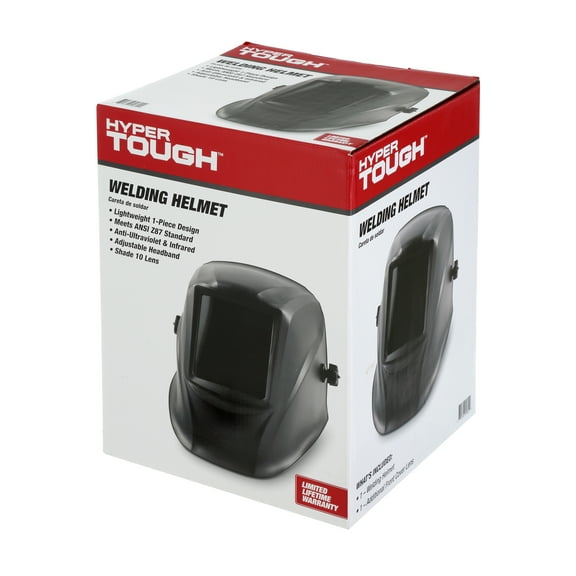
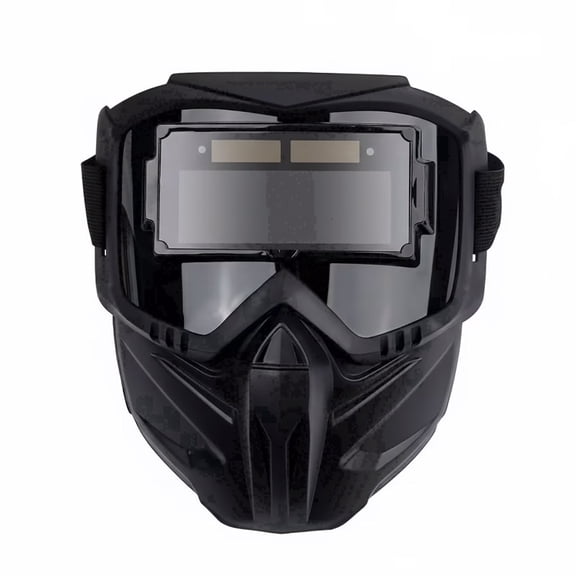
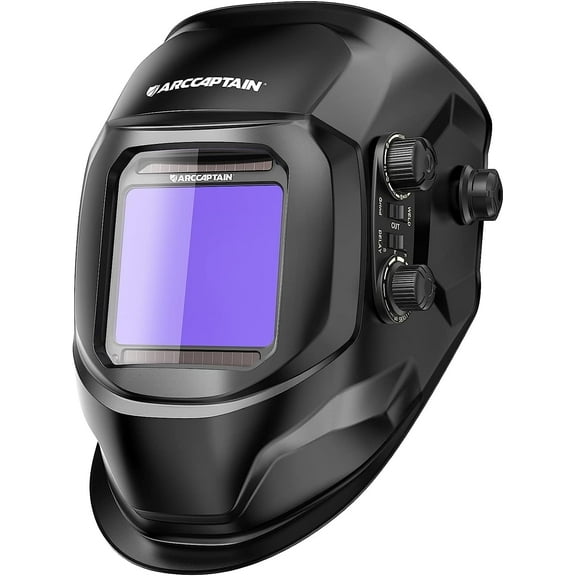
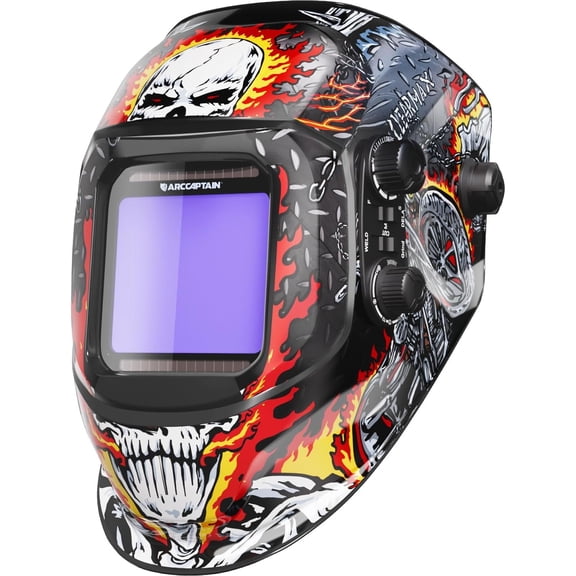
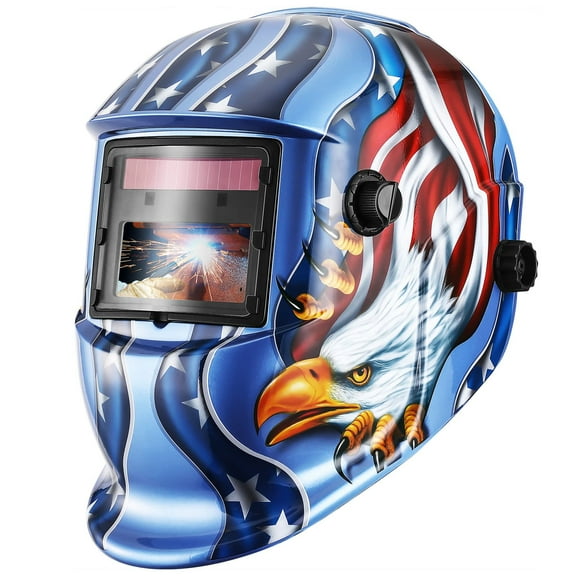
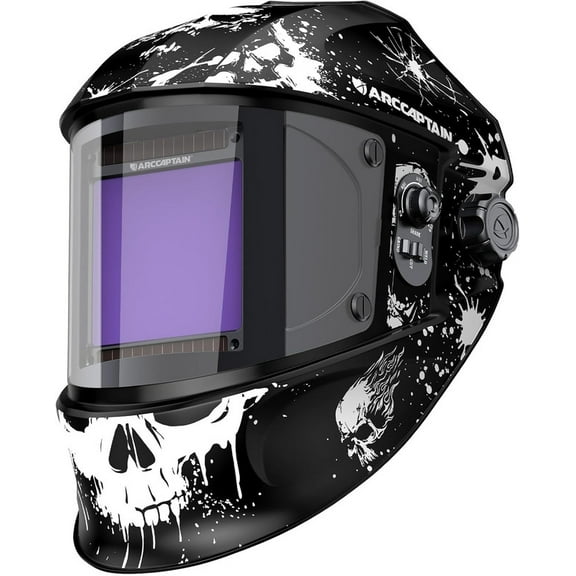
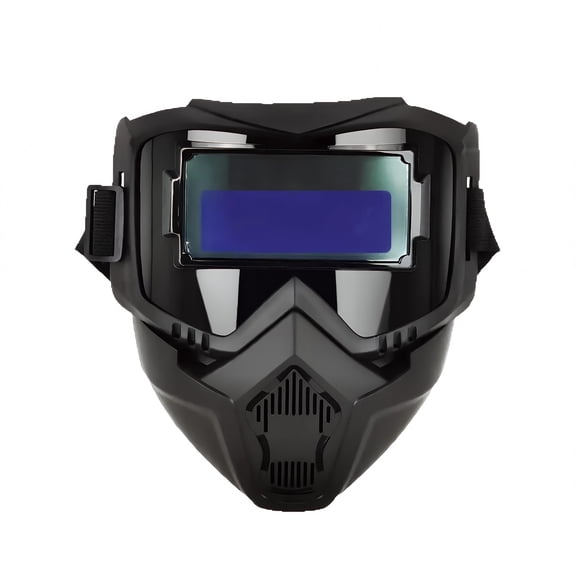
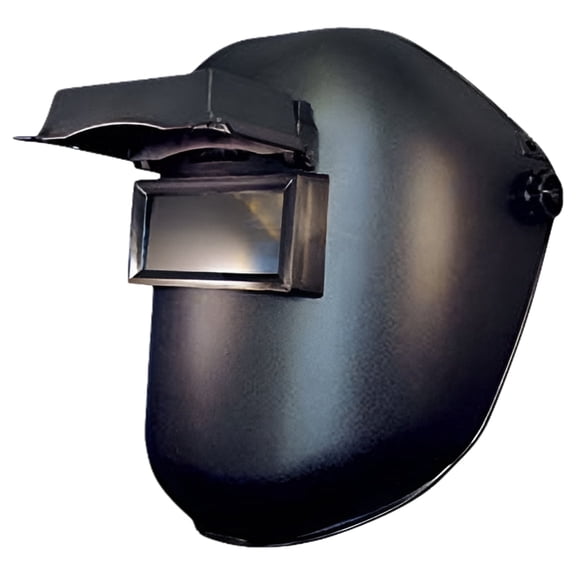
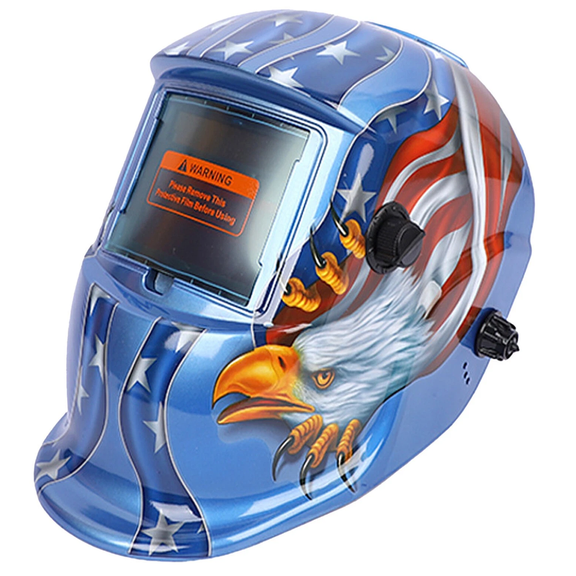
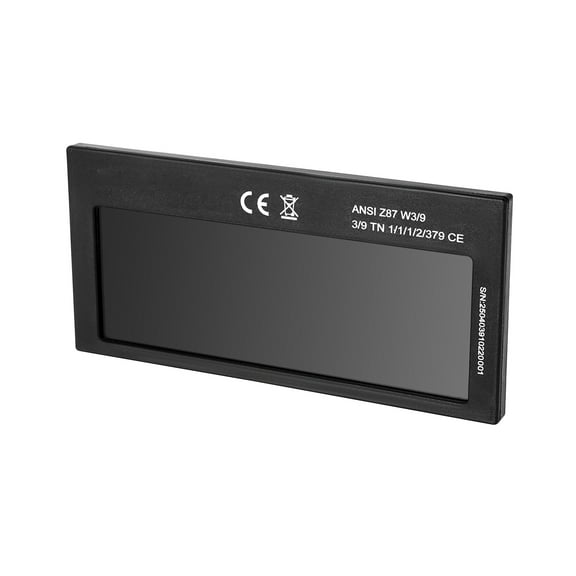
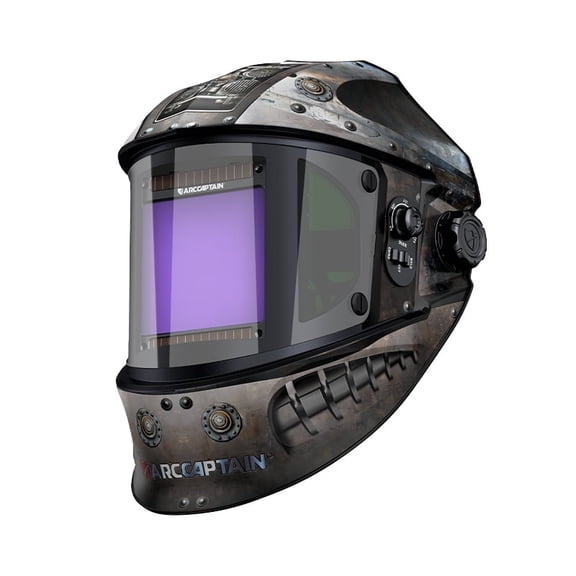
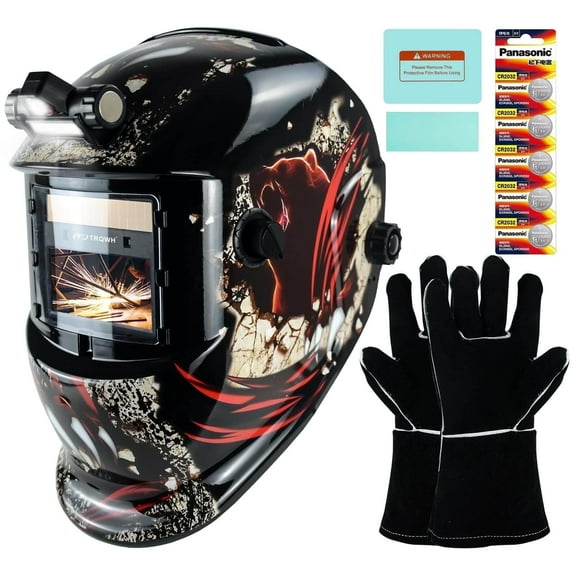
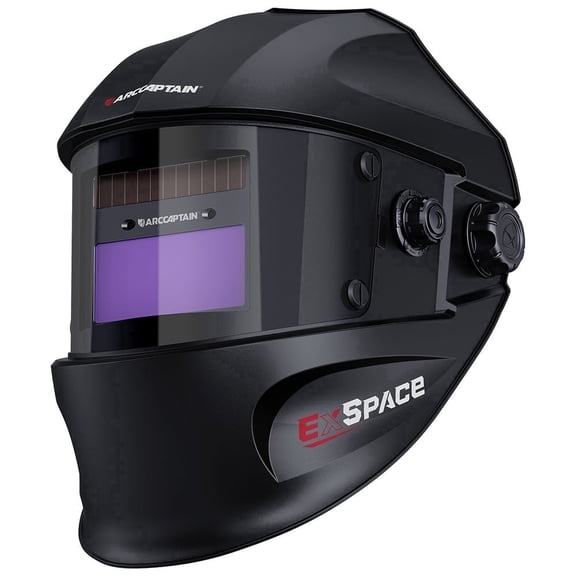
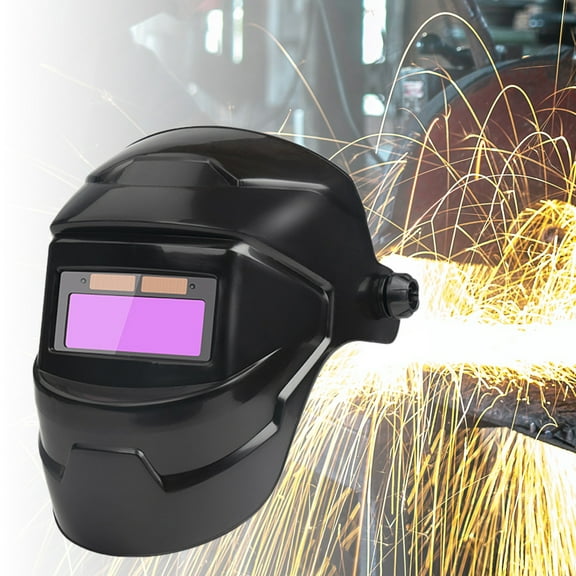
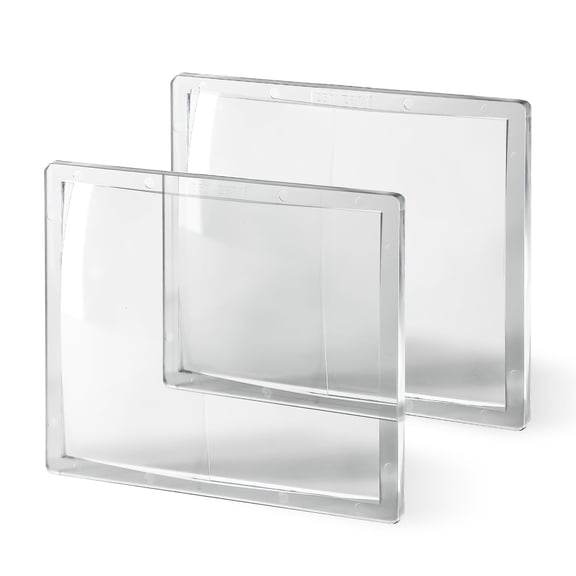
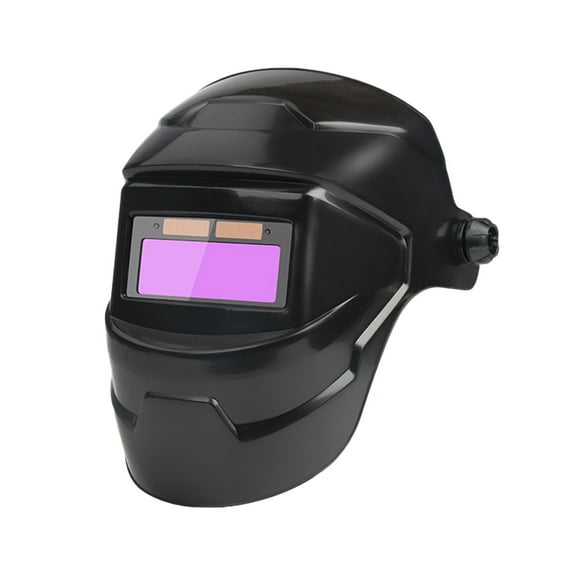
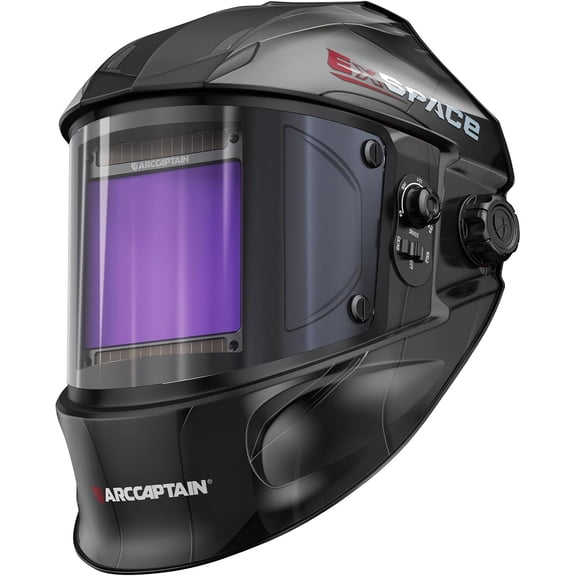
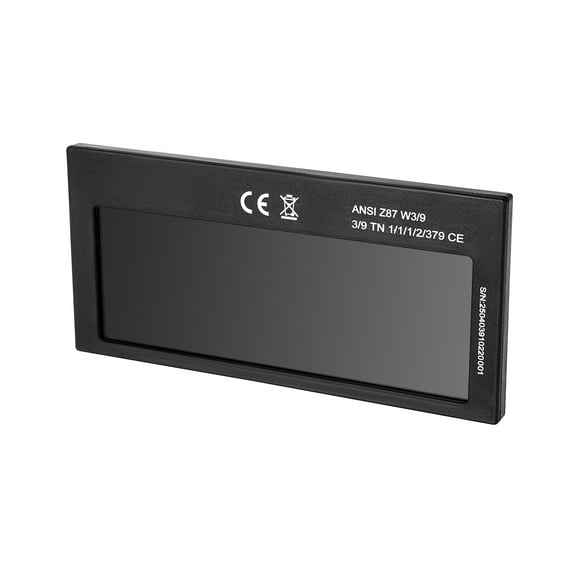
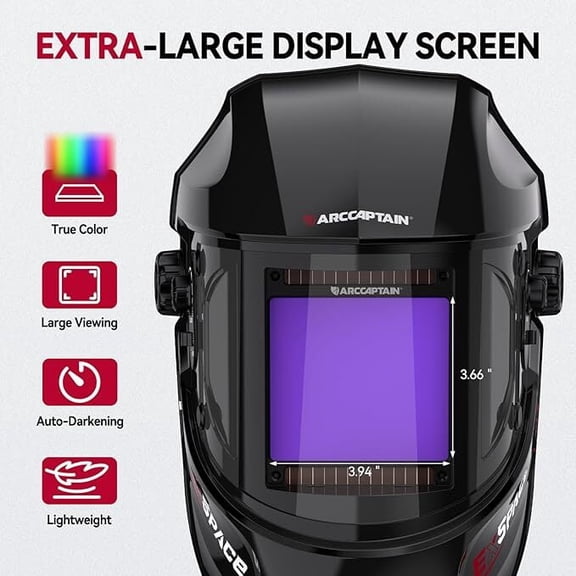
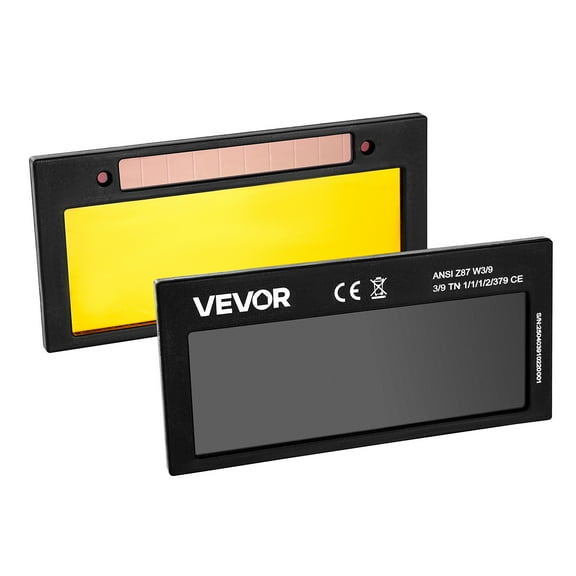
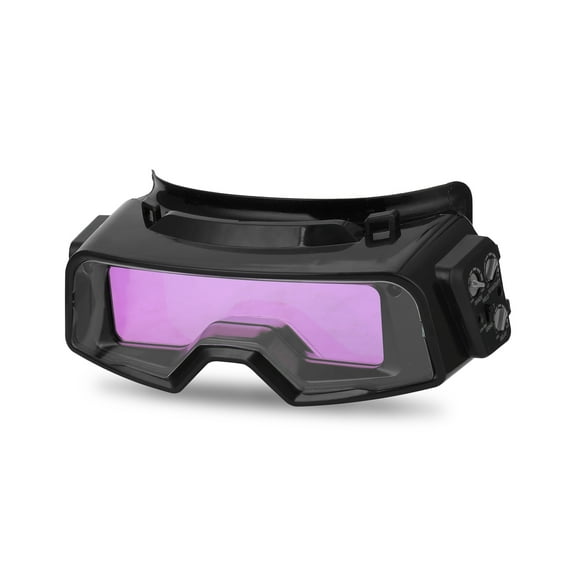
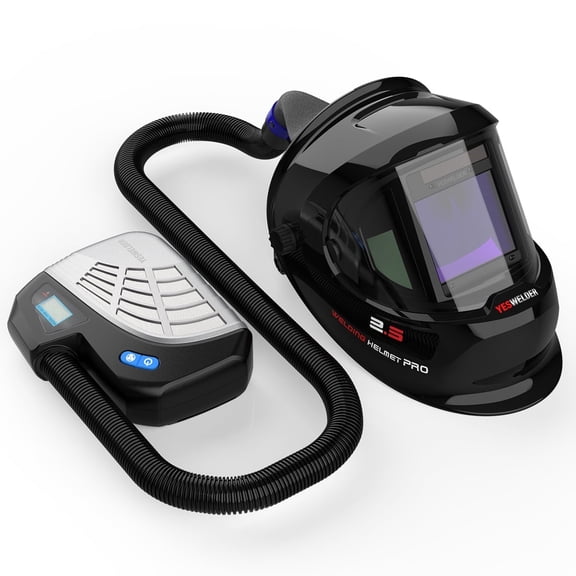
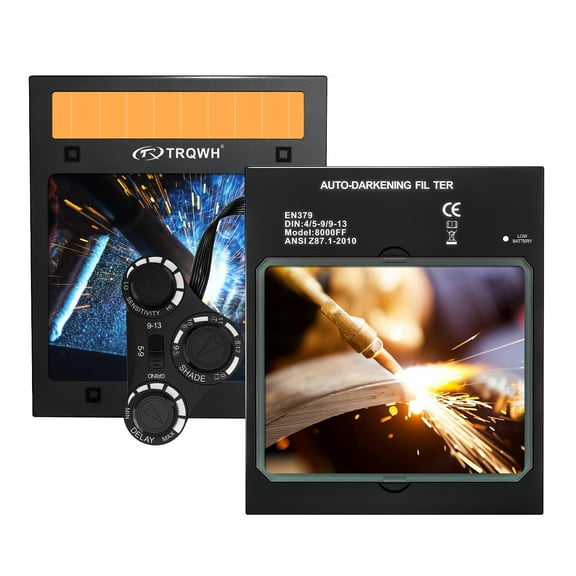
If you’re reviewing helmets, you should look for auto-darkening and variable shade controls. You can adjust visibility for different arcs, and you can keep your hands on the workpiece while you start.
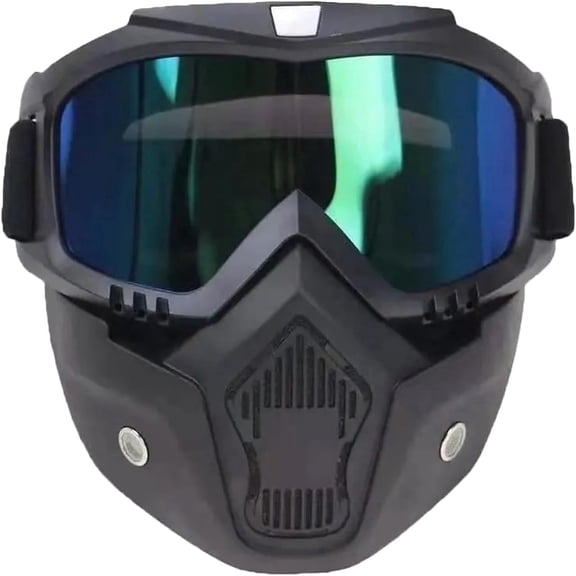
You may also compare heat resistant gloves and protective gear that match longer work sessions. You can use those features for added comfort when you’re handling hot metal and repositioning parts.
If you’ve searched Metalman or metal man welding helmet terms before, you may still want broader category guidance. You can use this page to compare safety features across welding equipment without narrowing your options too early.
Matching welding tools to your projects
You should match your welding tool choice to the work environment and material type. You can keep portable equipment in mind for driveway repairs, field maintenance, and smaller garage projects.
If you’re fixing exhaust parts, mower decks, or light frames, you may prefer compact units and easy-carry accessories. You can move faster when your gear fits a bench, cart, or shelf without crowding your space.
For fabrication tables, trailer work, and repeated shop use, you may compare heavier-duty output and longer duty cycles. You can also look for input voltage and amperage combinations that support extended welding sessions.
If you’re new to welding equipment, you should focus on process compatibility, outlet fit, and safety settings first. You can narrow choices faster when you compare those core details before extras and add-ons.
When you’re building a more complete setup, you may pair welders with helmets, gloves, ground clamps, and replacement consumables. You can keep your work flowing when your welding tools and accessories match the same process.
Why this category guidance matters
You need welding tools that match your process, power source, and safety preferences without guesswork. You can compare practical specs here and choose equipment that fits your workspace and metalworking plans.
If you use these decision points first, you can sort through welding equipment tools with more confidence. You’ll end up with a setup that supports cleaner starts, steadier output, and smoother project planning.