

Weekly Planners & Weekly Calendars | Walmart
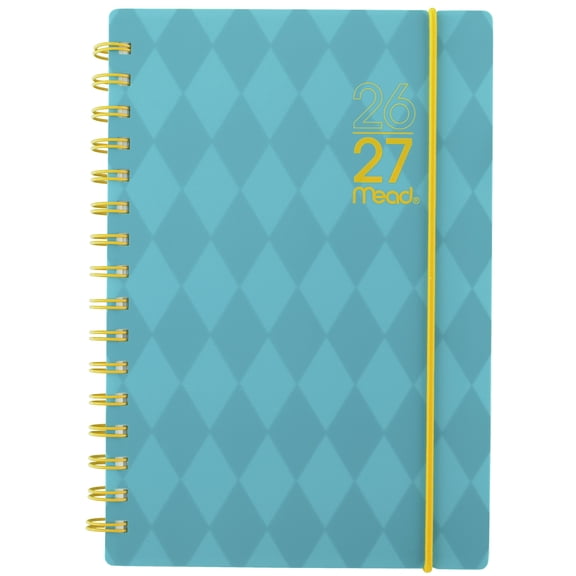


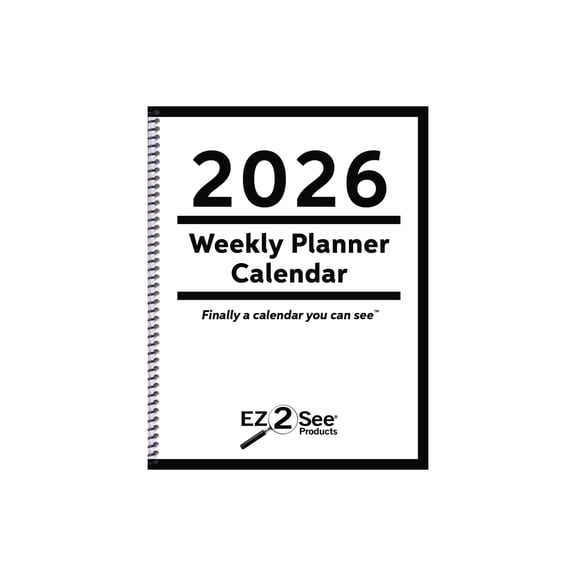
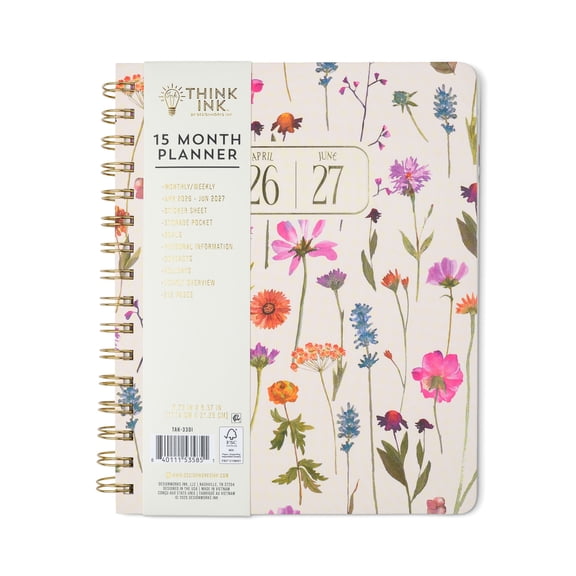
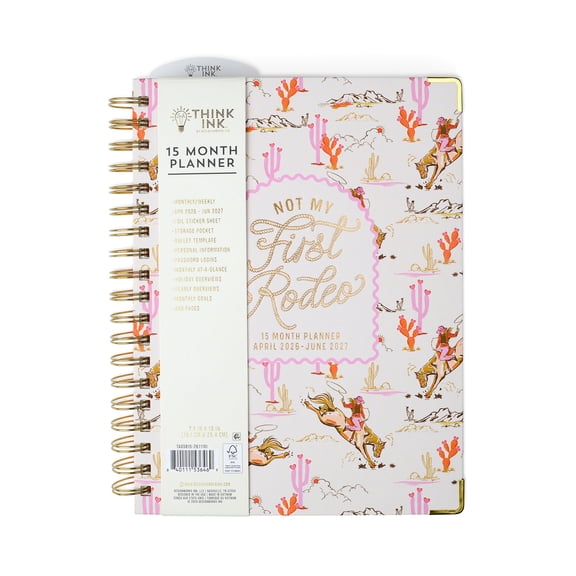























About Weekly Planners & Weekly Calendars | Walmart - Walmart.com
Weekly planners help you map busy days, track deadlines, and keep your week visible at a glance. You can compare layouts, sizes, and start dates to match school, work, or home routines.
If you need a paper system that feels easy to check, weekly planners give you writing space without the clutter of loose notes. You can also find formats that fit a desk, slide into a bag, or support long-range planning.
How to choose weekly planners for your routine
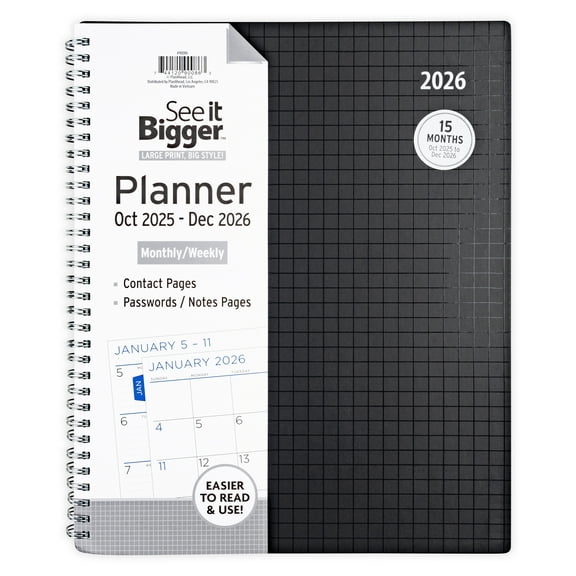
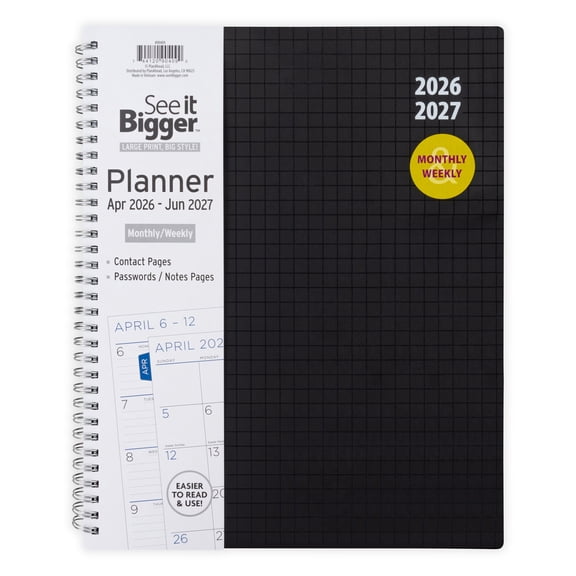
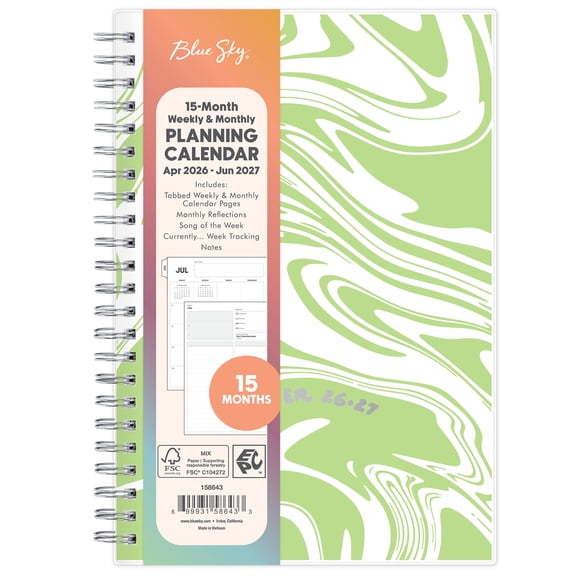
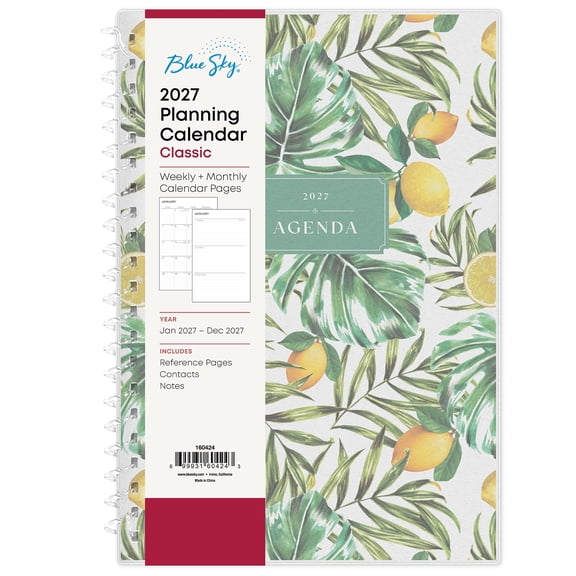
Start with layout style, because your page design changes how quickly you can scan appointments and tasks. You may prefer a weekly monthly planner if your schedule needs both short-term detail and long-range visibility.
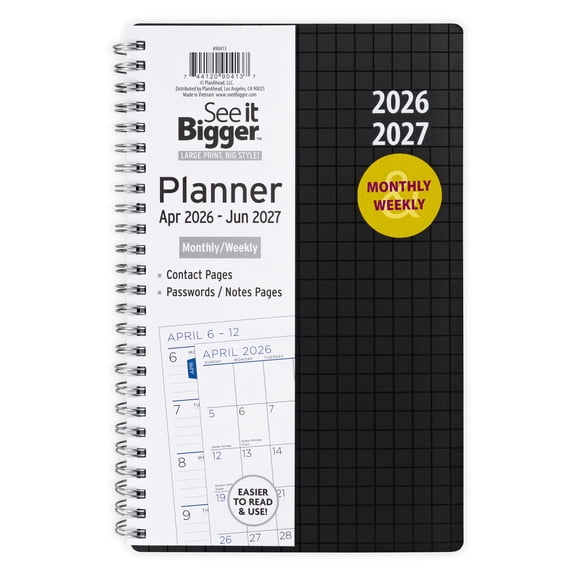
Horizontal layouts give you wider writing lines for to-do lists, meal plans, and short notes. Vertical columns help you separate classes, shifts, or family activities by time block.
If your days hold many appointments, you should compare weekly only formats with combined monthly pages. You can use monthly spreads for deadlines, then use weekly pages for daily action steps.
- You can track appointments, assignments, and errands on one consistent weekly view.
- You can choose layouts that balance writing space with fast scanning.
- You can keep school, work, and home plans organized in one place.
- You can pick formats that travel easily or stay open on your desk.
Choosing size, duration, and binding
Size affects how much you can write and where you can carry your planner. You may want an 8.5 x 11 format for desk use, or a 5 x 8 size for daily travel.
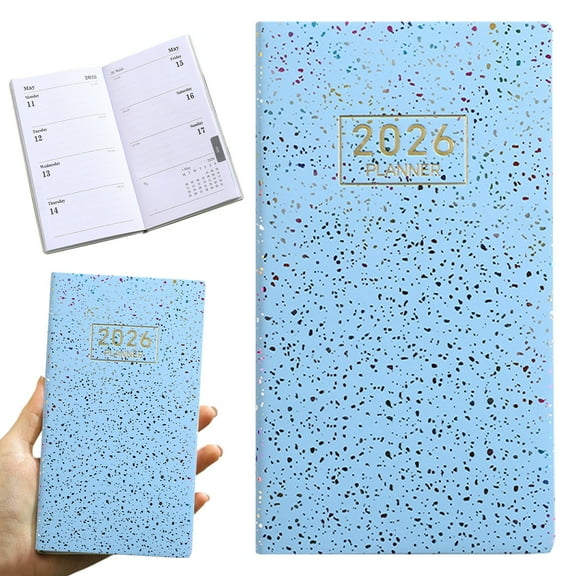
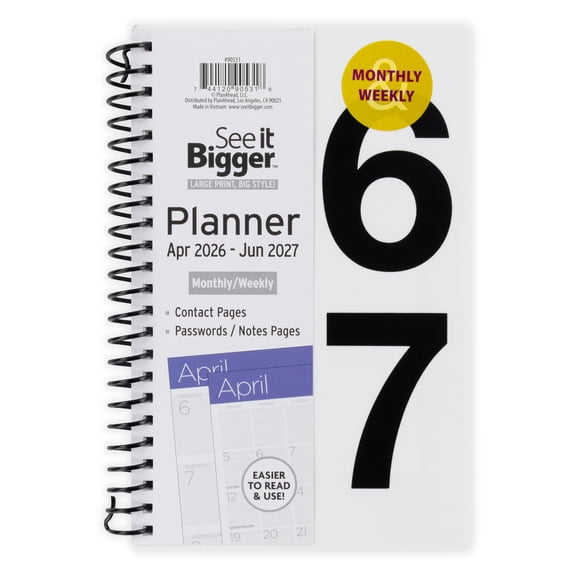
A big weekly planner gives you larger boxes for detailed notes, project steps, and packed family schedules. Pocket size options help you keep plans close when you commute, travel, or move between meetings.
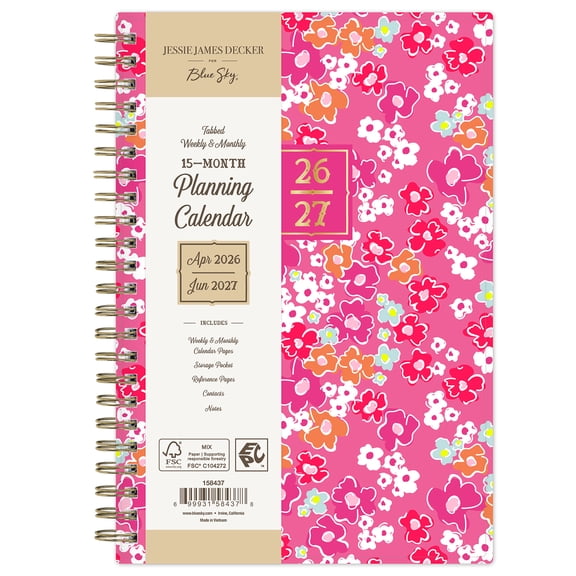
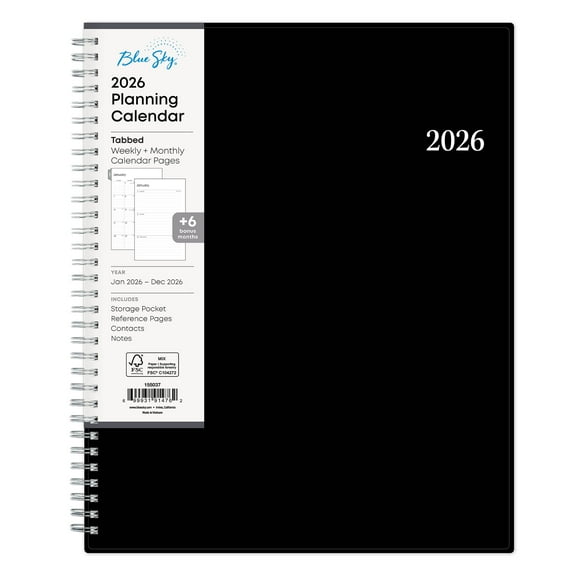
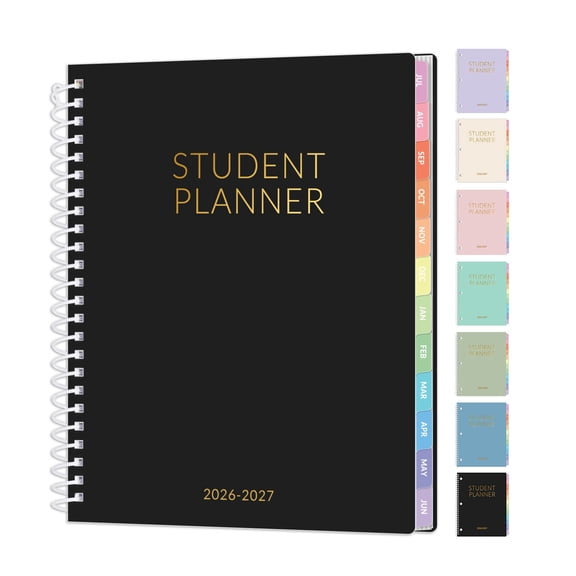
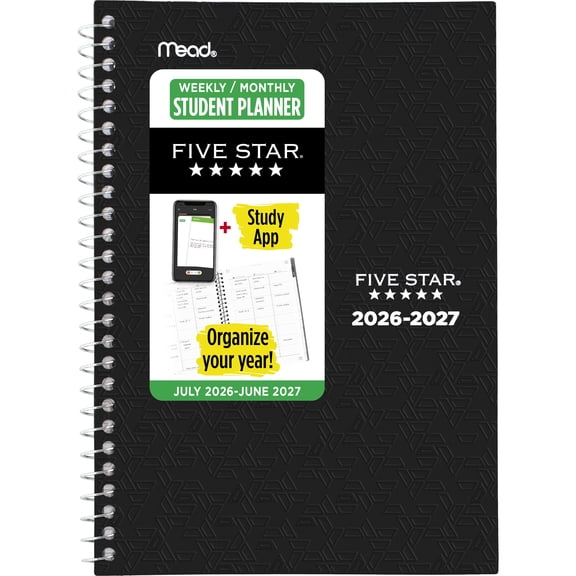
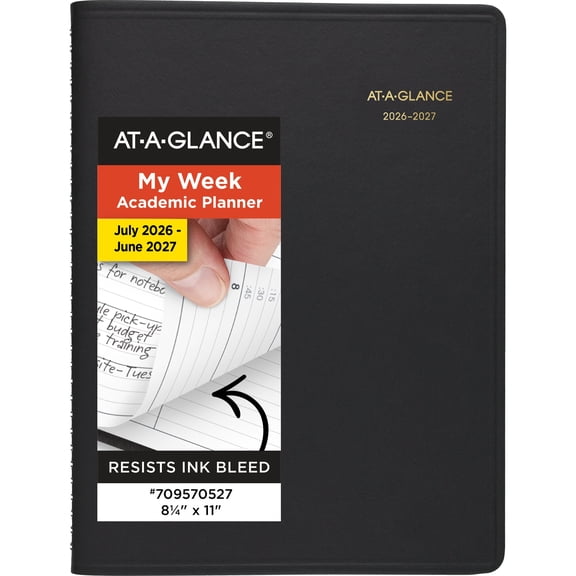
Duration matters because your start date should match your calendar needs. You can choose a 12 month weekly planner for a standard year, or pick an academic year format for a July start.
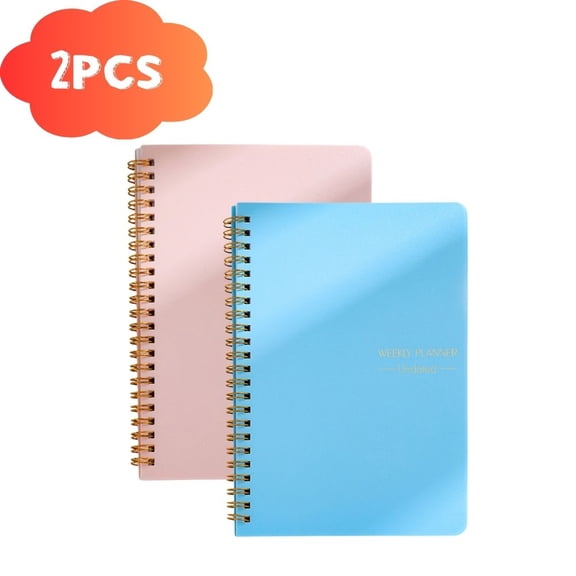
If your timeline changes often, you may prefer an undated format that lets you begin anytime. If you plan across semesters or extended projects, you can compare 18-month formats for longer coverage.
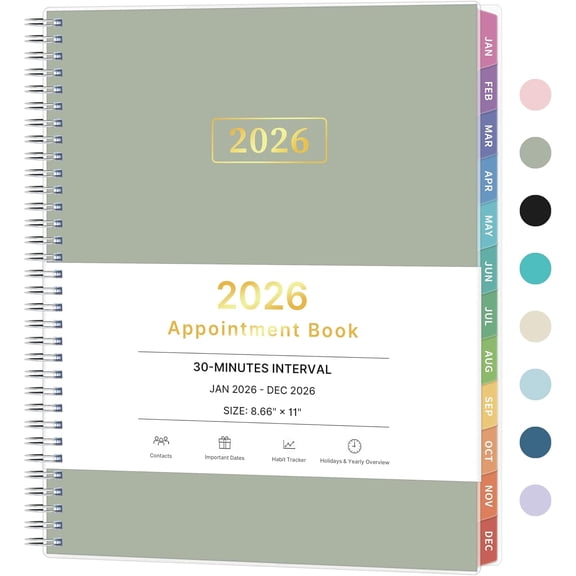
Binding also changes how your planner feels during daily use. You may like spiral bound or wire-o styles when you want pages to turn flat and stay open.
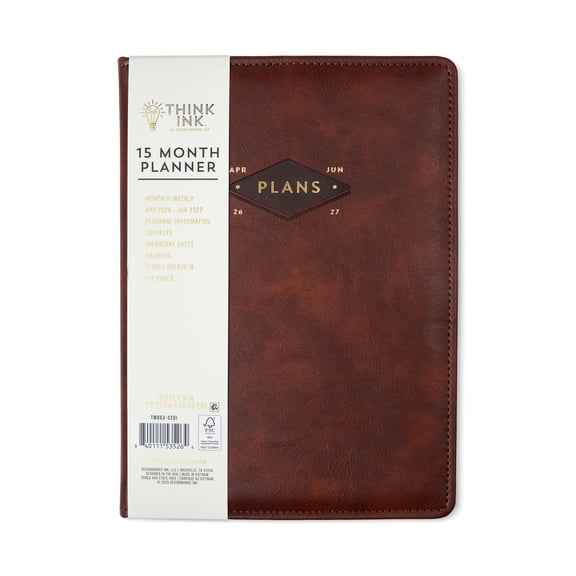
Hardcover formats give you a firmer writing surface when you write away from a desk. Softcover options feel lighter in a tote, backpack, or laptop bag.
What to look for in paper and page design
Paper quality matters if you write often or use different pens through the week. You should look for paper weight listed in GSM when you want more opacity and a smoother writing experience.
Higher GSM paper usually feels thicker and more substantial in hand. You may notice it works well when your pens lay down darker lines or more ink.
Page design deserves close attention because small details shape everyday use. You can compare ruled sections, appointment slots, note areas, and tabbed months to match your planning style.
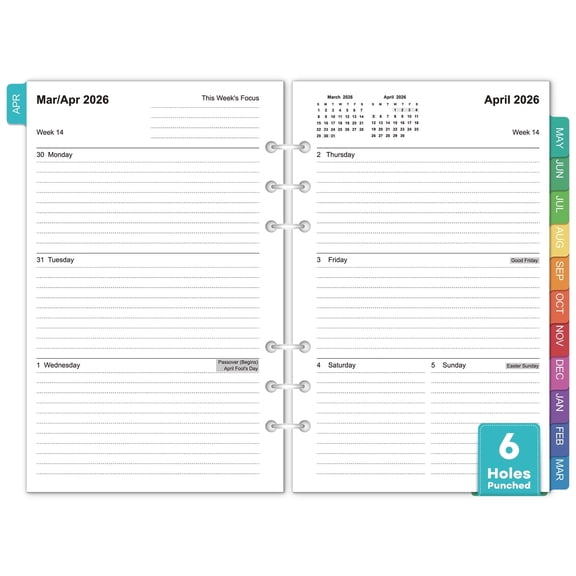
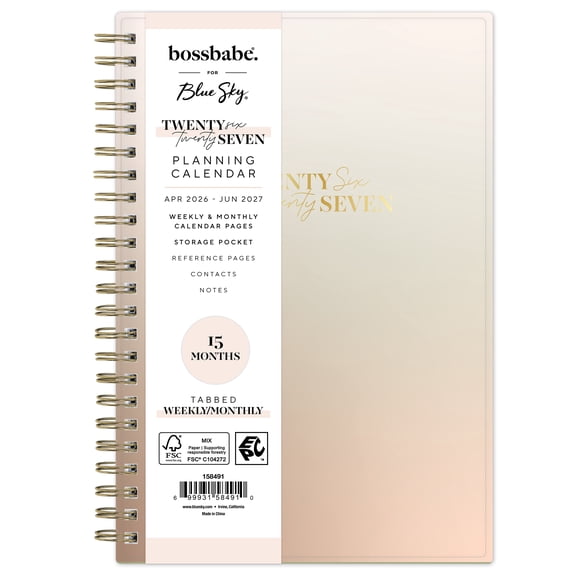
A weekly calendar book with monthly tabs helps you flip quickly between this week and upcoming dates. You may also want extra pages for contacts, goals, or project notes.
If you carry your planner every day, cover material and closure details can matter too. You should check dimensions, page count, and binding width before choosing a daily carry option.
Matching weekly planners to real-life use
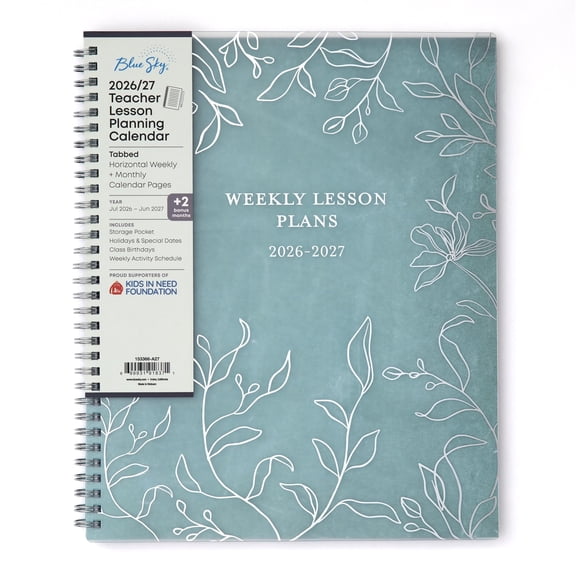
You can use a weekly calendar for class schedules, assignment tracking, and activity planning through the school year. Academic year formats make sense when your planning starts in summer instead of January.
For office planning, you may prefer vertical columns that separate meetings, calls, and task blocks. Larger pages also give you room for deadlines, notes, and follow-up items.
If your household runs on shared routines, you can use broader weekly spreads for meal planning, chores, and family events. A big weekly planner may help you write clearly when several people share one book.
For travel or commuting, you may want a smaller format that fits your handbag or work bag. Softcover and compact sizes help you keep plans nearby without adding much bulk.
If you like one book for both overview and detail, a weekly monthly planner can keep your schedule connected. You can mark important dates on monthly pages, then break them into weekly steps.
Some shoppers still look for the convenience behind weekly planner nearby searches. You can get that same planning-focused selection on Walmart.com with formats suited to home, school, or office use.
When you compare layout, size, duration, and paper weight, you can narrow choices with more confidence. The right planner helps you keep each week readable, portable, and ready for real writing.