








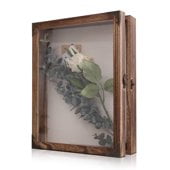

Wall Frames in Picture Frames


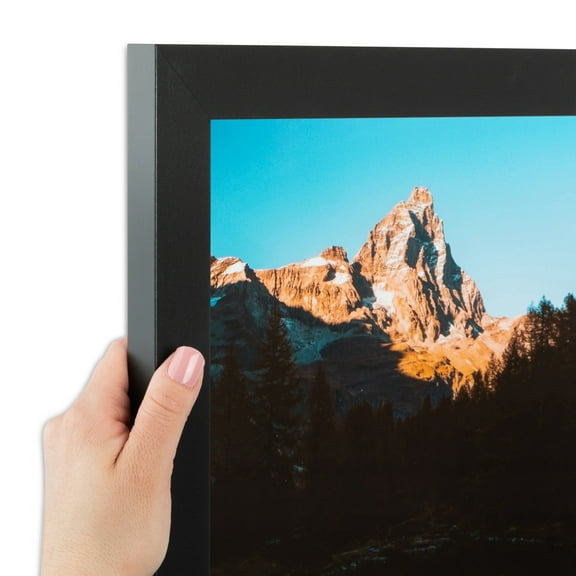


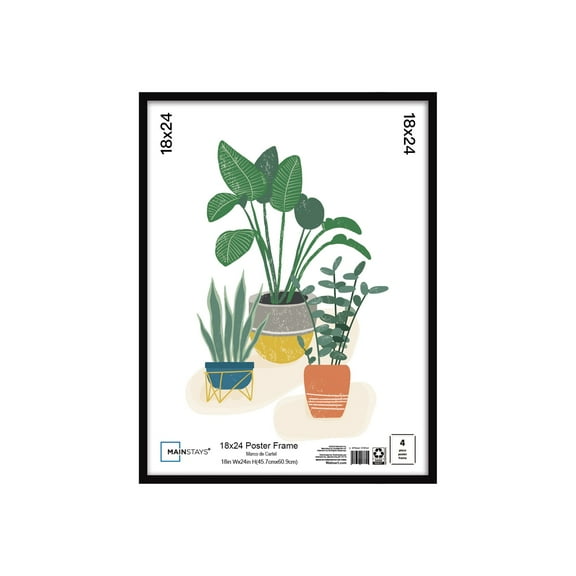



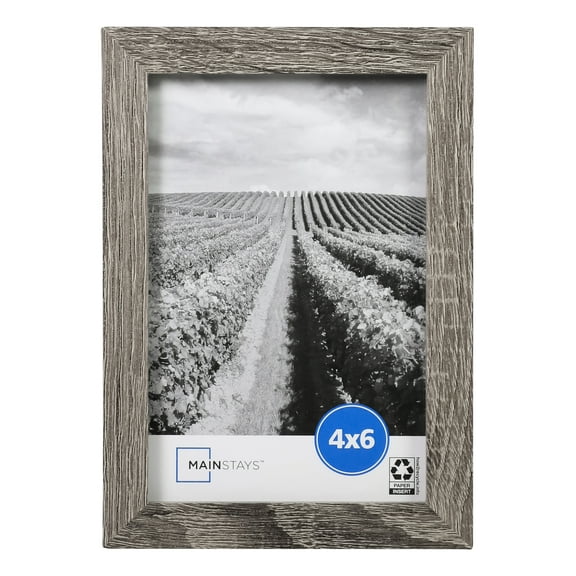


































About Wall Frames in Picture Frames - Walmart.com
Wall frames help you turn blank walls into personal displays with size, finish, and layout options that fit your room. You can compare single frames, collage formats, and coordinated sets to build a polished wall display.
How to choose wall frames for your space
You should start with the art, photo, or print size you want to display. You’ll get a cleaner fit when you compare frame size with the mat opening size.
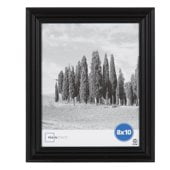
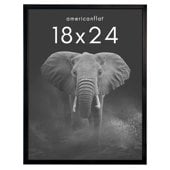
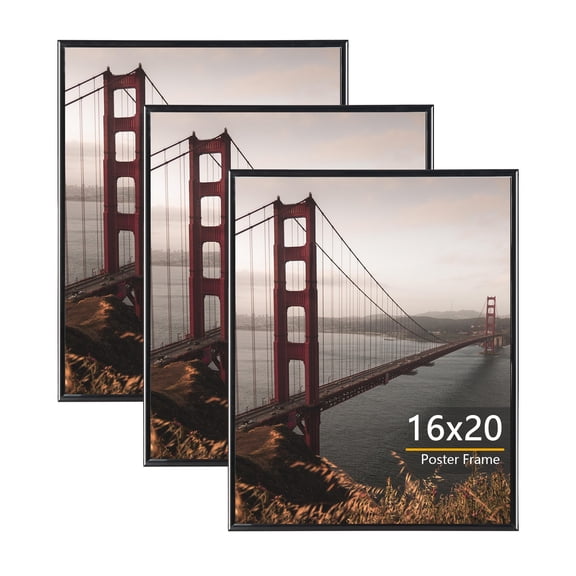
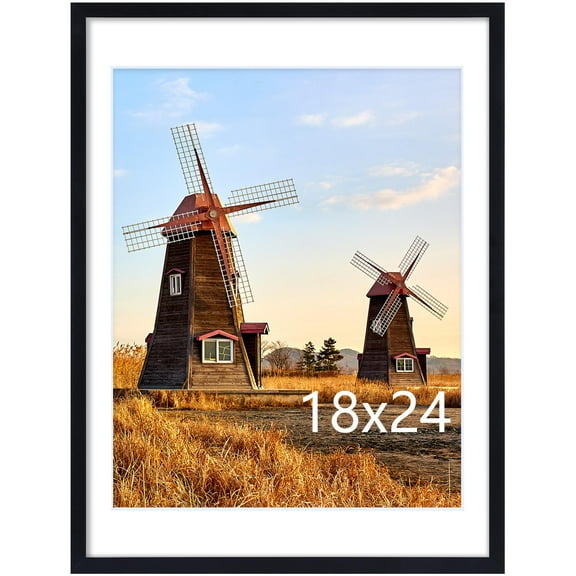
When you choose an 8x10 or 11x14 frame, you can highlight portraits, certificates, or smaller art in tighter spaces. When you choose 16x20 or 24x36 options, you can anchor a larger wall with fewer pieces.
You’ll also want to check border widths before you plan your layout. A wider border gives your display more presence, while a slimmer border keeps your wall looking lighter.
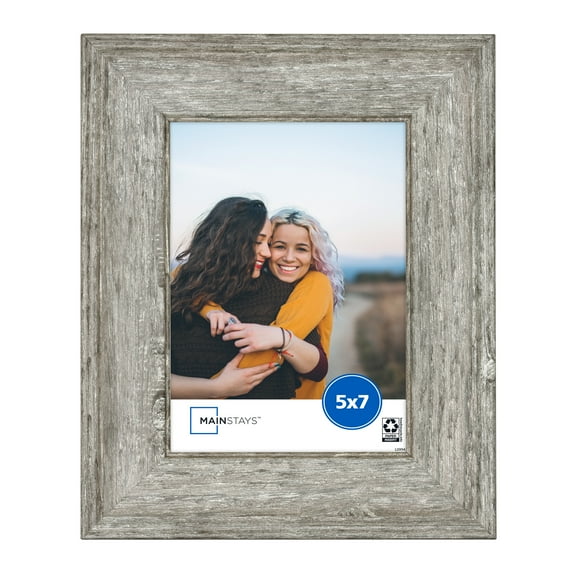
- You can use single frames for one standout photo or print.
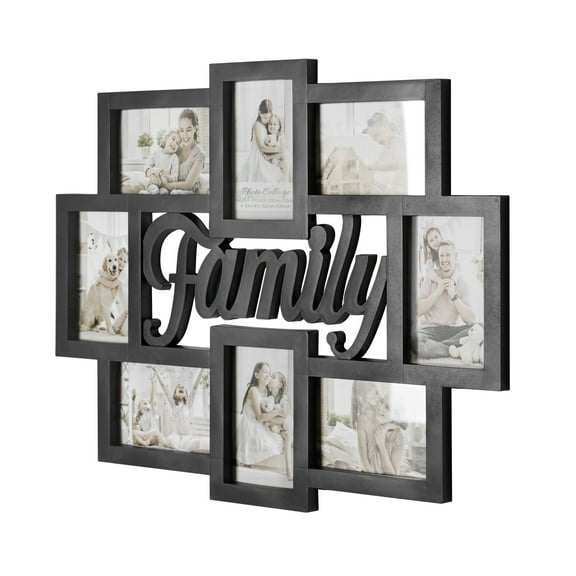
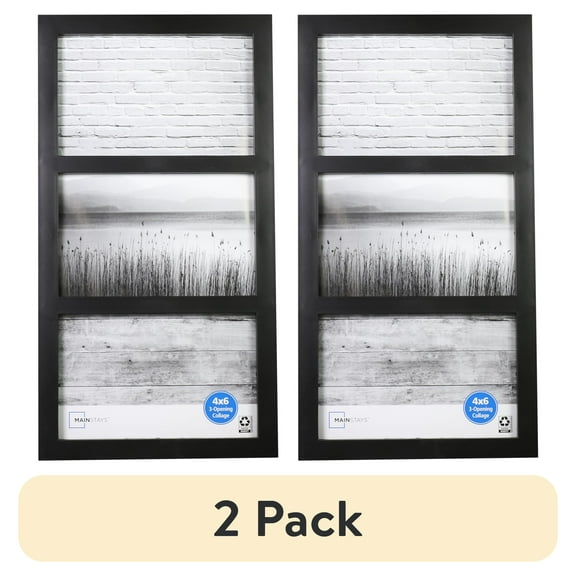
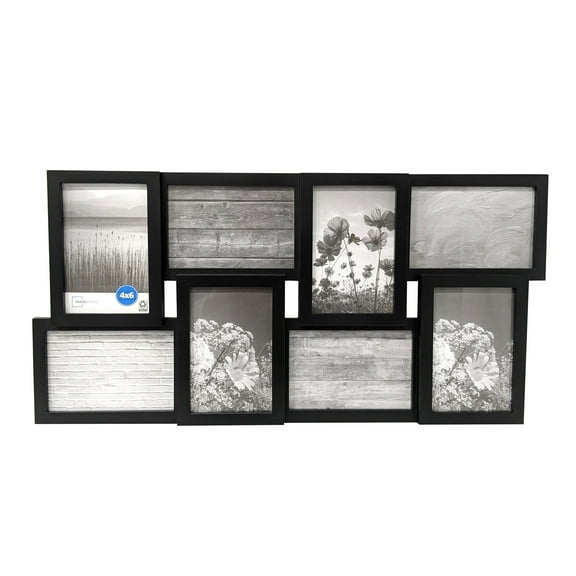
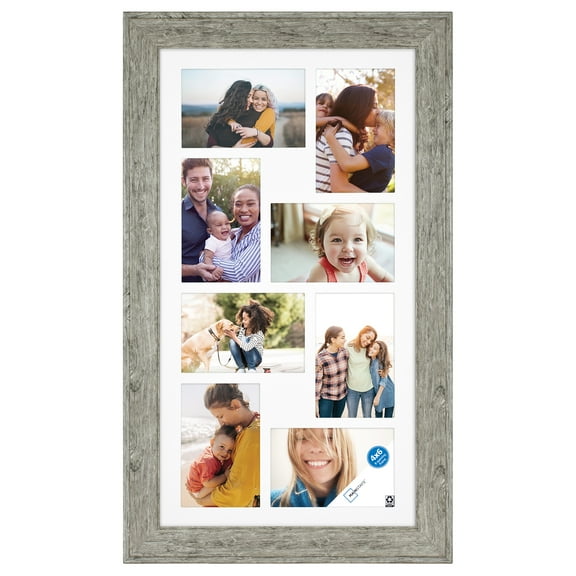
- You can choose collage wall frames when you want several images in one piece.
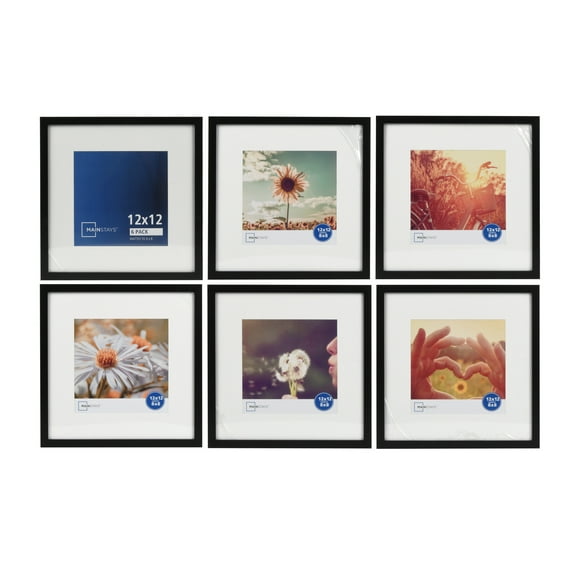
- You can arrange a gallery wall frame set when you want a coordinated layout across a larger wall.
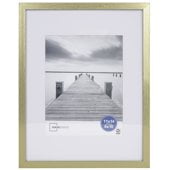
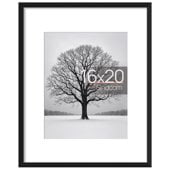
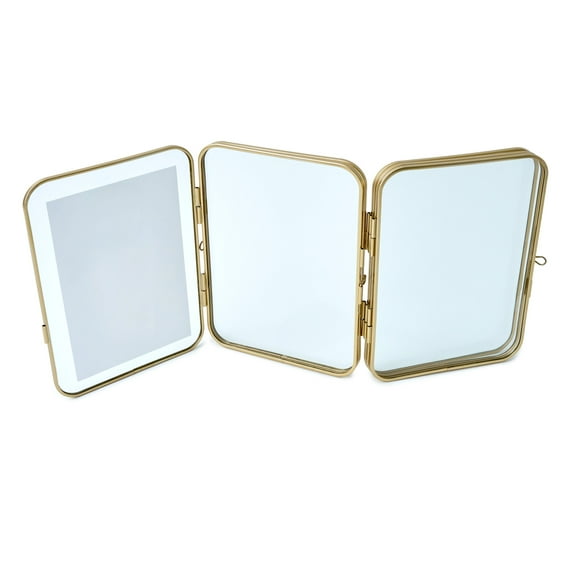
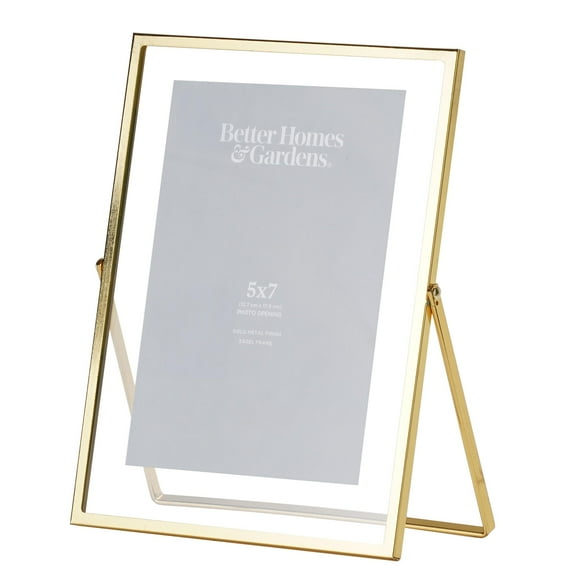
- You can match black wall frames, white finishes, gold-tone looks, or natural wood styles to your decor.
Choosing picture frames for wall layouts
You should measure your wall before you pick a display type. You can keep narrow halls simple with one row, or fill open living room walls with a grouped layout.
If you want picture frames for wall arrangements that look balanced, you should map spacing first. You can leave about two to four inches between pieces for a connected gallery effect.
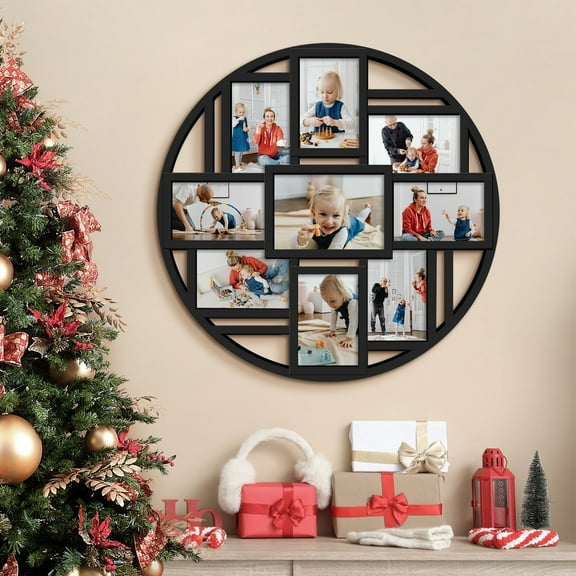
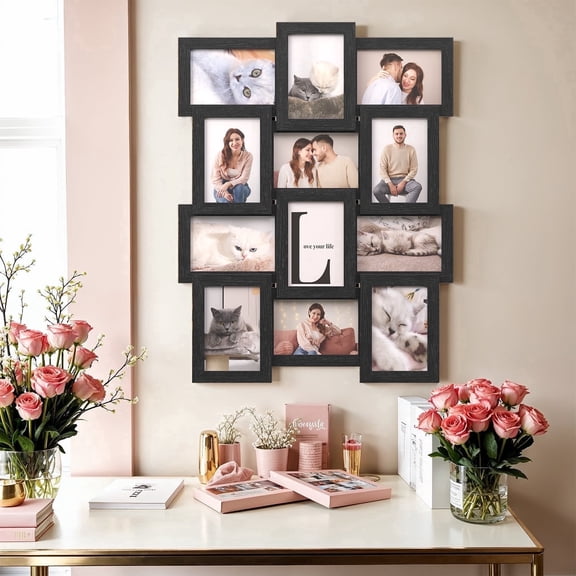
You may prefer collage wall frames when you want family photos, vacation moments, or milestone pictures together. You can use one frame to create a fuller look without placing many separate pieces.
For a gallery wall frame set, you should compare matching shapes and mixed sizes. You can create symmetry with equal frames, or add movement with varied rectangles and squares.
Comparing frame materials and finishes
You should compare material weight before you choose where each frame will hang. Wood picture frames often give you a warmer look, while plastic and MDF can feel lighter in hand.
If you want texture and a classic finish, you may lean toward wood picture frames. If you want a clean, simple profile, you may prefer metal or smooth composite styles.
You’ll notice that larger pieces can feel heavier depending on the material and glazing. You should check the hanging method so your frame works with your wall surface and placement plan.
Color matters just as much as material when you want a cohesive display. Black wall frames can define artwork clearly, while white, gold-tone, and natural wood finishes can soften or brighten your wall.
Understanding mat openings, glazing, and mounting
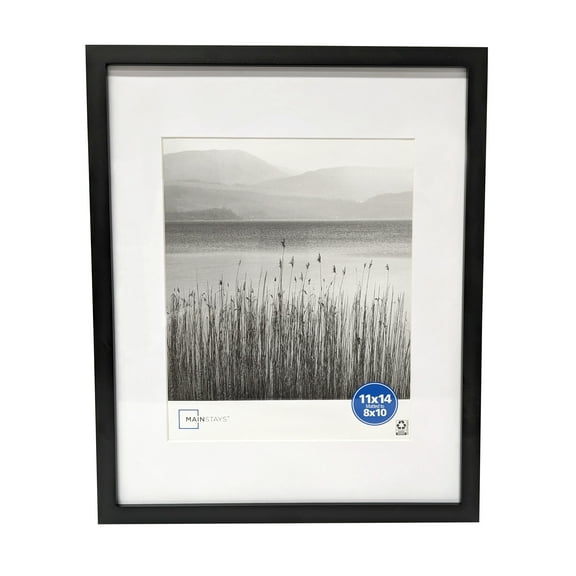
You should look closely at mat opening dimensions before you order. A frame may list an outer size like 11x14, while the mat opening fits a smaller photo inside.
When you compare mat opening size with your print, you can avoid unexpected trimming or loose borders. You should also note mat width, because a wider mat creates more breathing room around the image.
You may see glass or acrylic glazing when you compare wall frames. Glass gives you a classic clear surface, while acrylic can feel lighter and offer added shatter resistance.
If you’re framing valuable art, you should check whether the glazing notes UV protection. That detail can matter when your piece hangs in brighter rooms with steady daylight.
You should also review hanging hardware before you plan installation. Some wall frames include sawtooth hangers, D-rings, or wire, and some sets include templates for easier alignment.
When your set includes a template, you can mark placement before you hang each piece. That helps you keep rows level and spacing consistent across a gallery arrangement.
Matching wall frames to real rooms and projects
You can use large wall frames to ground a sofa, bed, or entry console with one bold focal point. You can also pair two matching pieces to create a structured look above furniture.
In hallways or stair areas, you may want smaller frames that build a story over time. You can combine portraits, travel photos, and art prints into a layout that follows the wall line.
If you’re decorating a home office, you might choose black wall frames for a crisp, organized feel. You can pair certificates, illustrations, or calendars with a simple finish that keeps your wall neat.
For family rooms, you may prefer collage wall frames that hold several milestones together. You can show school photos, celebrations, and candid moments without creating visual clutter.
You can also coordinate wall frames with nearby decor for a more intentional result. Natural wood can echo shelving and tables, while white or gold-tone finishes can brighten lighter spaces.
When you plan carefully, wall frames help your photos and artwork feel finished and easier to enjoy every day. You can create a display that fits your space, your style, and your layout goals.