

Wall Curtains & Wall Curtain Decor | Walmart



















About Wall Curtains & Wall Curtain Decor | Walmart - Walmart.com
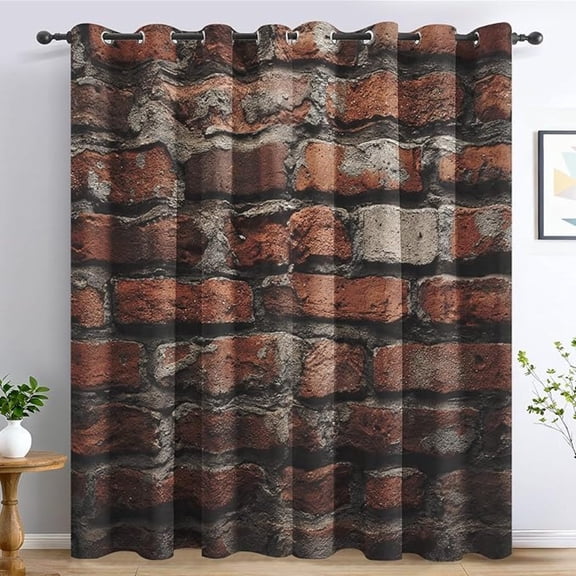
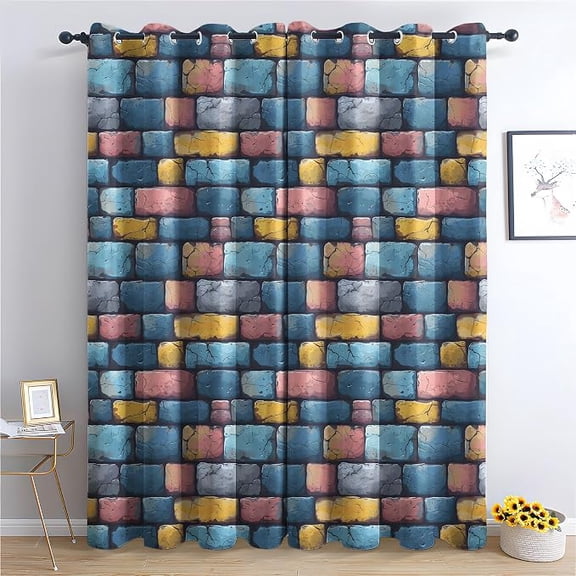
You can use wall curtains to soften hard surfaces, cover blank walls, and shape flexible rooms with texture and movement. You’ll also find they differ from window panels because you’re styling full wall spans, divider zones, and decorative backdrops.
When you’re choosing curtains on the wall, you should focus on coverage, hanging method, and fabric behavior. You’ll get a cleaner result when your measurements, hardware, and room purpose all match.
How to choose wall curtains for your space
You should start with the job your curtain needs to do in the room. You may want an accent wall, a closet cover, a room divider, or a softer backdrop.
If you’re decorating a bedroom, you may want wall drapes for bedrooms that add warmth and a layered look. If you’re styling a living room, you may want a wall of curtains living room setup that frames seating.
For a studio apartment, you can use panels to separate sleep space from work space without fixed construction. In an office, you can add texture behind a desk or create a softer video-call background.
- You can cover a wide blank wall with fabric that adds color, depth, and a finished look.
- You can divide open areas with less visual weight than shelves or folding screens.
- You can choose fuller fabric to soften echo and make large rooms feel calmer.
- You can switch styles by changing panel color, texture, or hanging height.
Choosing installation type and hardware compatibility
You should compare installation type before you choose color or pattern. You’ll want the heading style to match your rod, track, or ceiling mount hardware.
If you choose rod pocket panels, you’ll get a gathered look that works well for decorative wall curtain decor. If you choose grommet panels, you’ll get cleaner folds and easier sliding.
When you pick tab top styles, you’ll create a casual look that fits boho or relaxed spaces. When you need flexible room division, you may prefer ceiling mount hardware for wider coverage.
You should check whether your hardware mounts to the wall or ceiling before you order panels. You’ll avoid gaps and awkward drape lines when your support method matches your layout.
What to measure for curtains for wall covering
You should measure the full area you want to cover, not just the open wall surface. You’ll also need to include stacking space if panels will rest to one side.
For fuller drape, you should compare panel width against your total span using width multipliers. You’ll usually want more fabric than the exact wall width for softer folds.
If you want a flatter backdrop, you can choose less fullness and a straighter hang. If you want richer texture, you can choose extra width that creates deeper waves.
You should measure height from your mounting point to the floor or endpoint you want. You’ll get a more polished look when your curtain bedroom wall setup lands evenly across the full span.
Comparing fabric weight, light control, and style
You should think about fabric weight because it changes how your panels hang and move. You’ll notice lighter fabrics float more, while heavier fabrics create a denser wall presence.
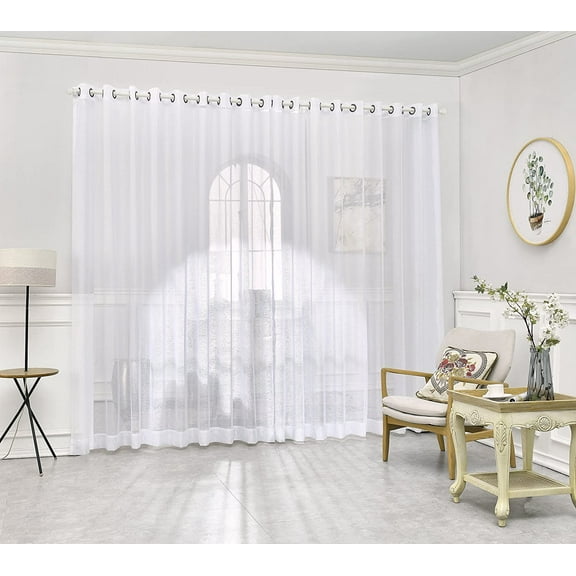
If you want airy wall hanging curtains, you can choose sheer or lightly textured fabric. If you want more coverage, you can choose thicker materials with a fuller drape.
You should also compare light filtration if your wall curtains sit near bright windows or open loft areas. You may prefer blackout styles for stronger coverage or sheer styles for a softer glow.
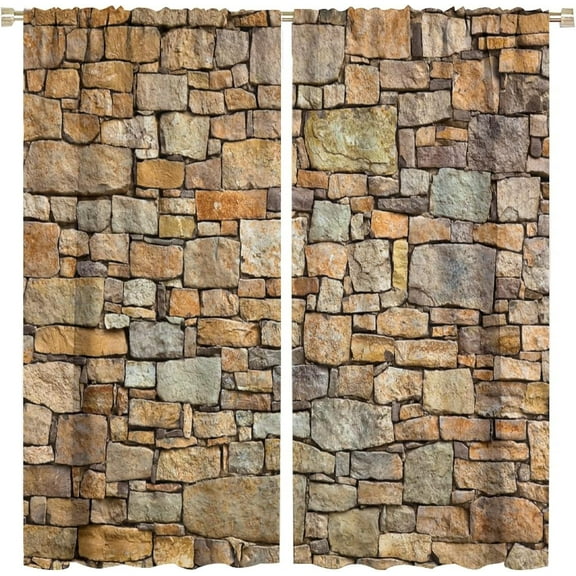
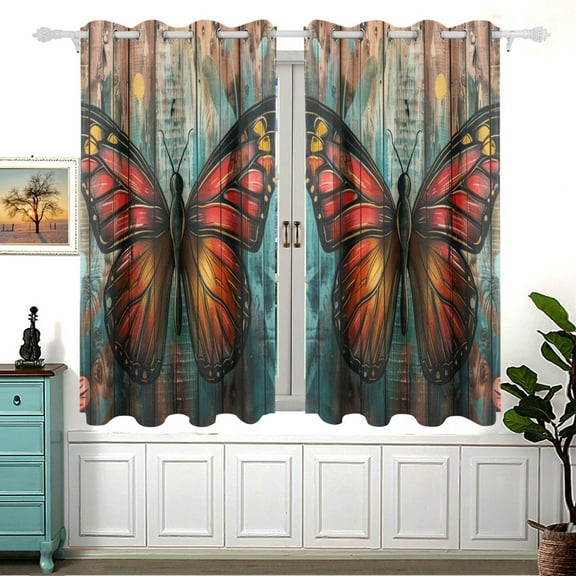
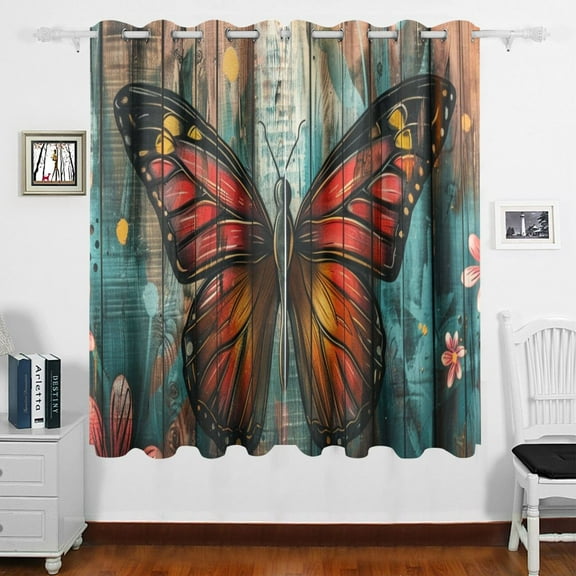
For style, you can match your room with boho textures, modern minimalist solids, elegant velvet looks, or decorative tapestry-inspired patterns. You’ll create a more intentional result when the fabric echoes nearby bedding, rugs, or upholstery.
Matching wall curtain decor to real room setups
You can use a ceiling-mounted panel run in a studio apartment when you need a flexible divider. You’ll create privacy between sleeping and living zones without adding bulky furniture.
In a bedroom, you can place curtains for wall behind the bed to create a soft headboard effect. You’ll add height and texture, especially when the wall feels plain or unfinished.
For a living room, you can hang curtains for wall decoration across a long blank surface. You’ll balance large furniture pieces and reduce the stark look of painted drywall.
If you need a closet cover, you can use wide panels instead of doors in tighter layouts. You’ll get easier access and a softer look that suits apartments, dorm-style rooms, and creative spaces.
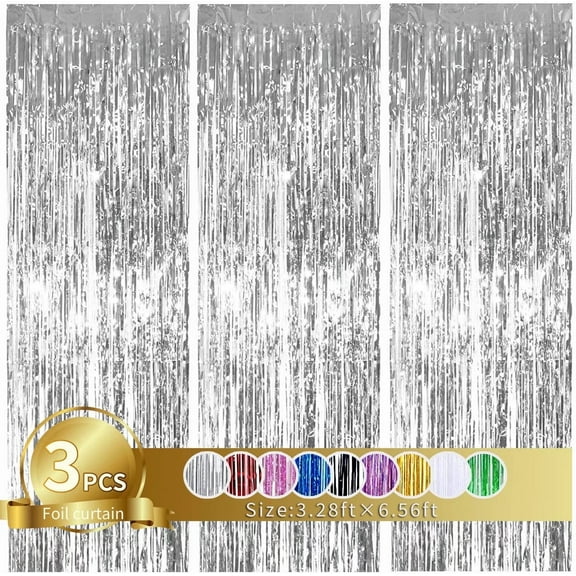
When you want a decorative backdrop, you can pair wall hanging curtain styles with string lights or framed art. You’ll create dimension without committing to paint, paneling, or permanent wall treatments.
If you’re trying to soften sound in open rooms, you can consider fuller panels and wider coverage. You’ll get a cozier feel because fabric helps reduce the hard look of bare walls.
Choosing with confidence
You should think of wall curtains as both decor and layout tools for bedrooms, living rooms, studios, and offices. You’ll get a cleaner, more intentional room when your measurements, mounting method, and fabric choice work together.