


Desk Treadmills and Walking Pads in Treadmills













































About Desk Treadmills and Walking Pads in Treadmills - Walmart.com
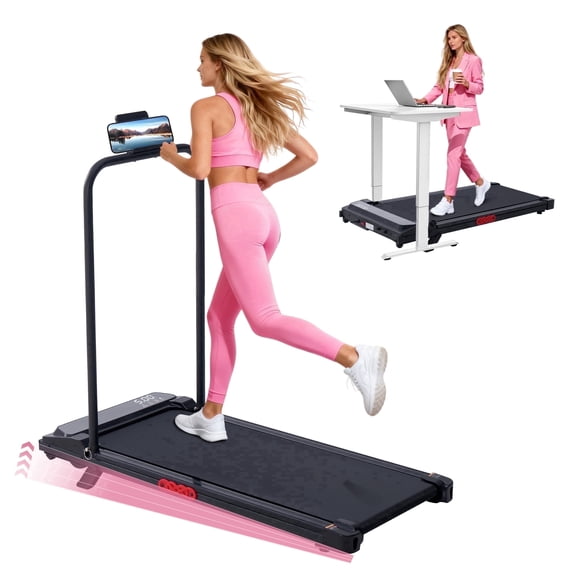
An under desk treadmill helps you keep moving through work hours without taking over your room. You can compare slim deck heights, quiet motors, and storage-friendly frames that fit real workspace routines.
Choosing the right under desk treadmill
When you choose an under desk treadmill, you should start with desk clearance and overall footprint. You’ll want a low profile deck that slides under your desk without crowding your legs.
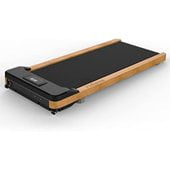
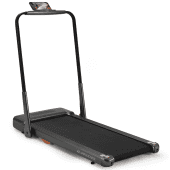
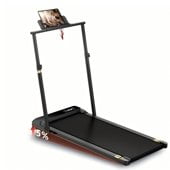
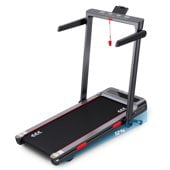
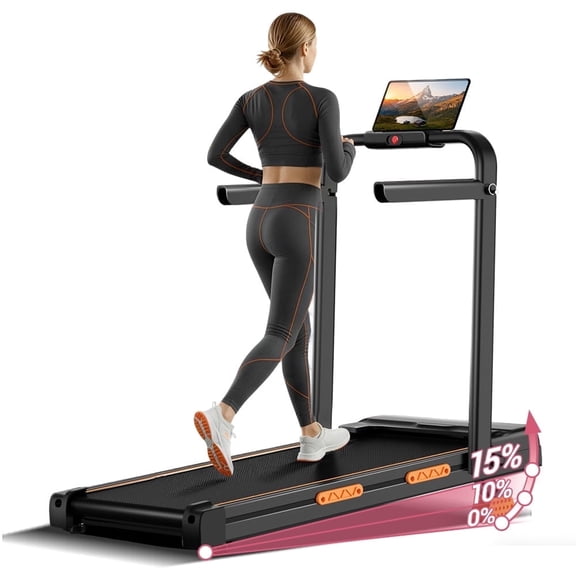
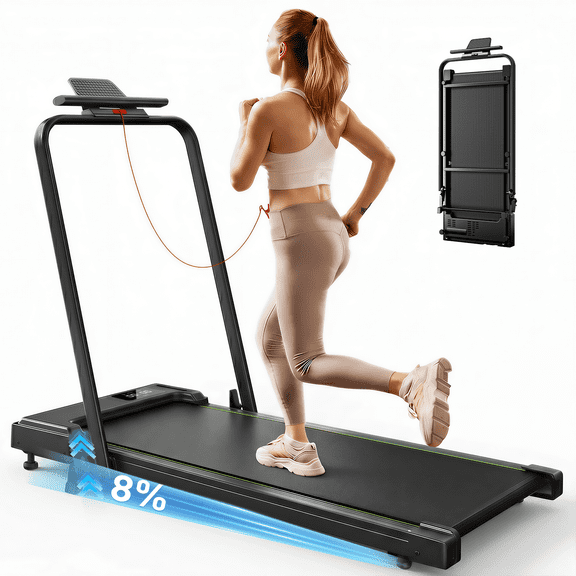
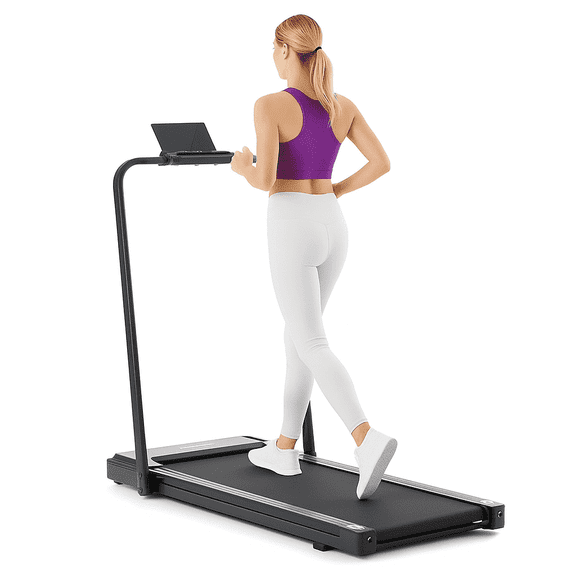
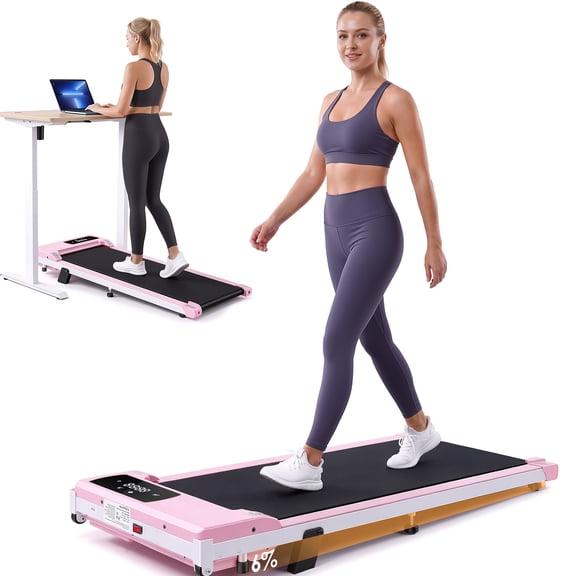
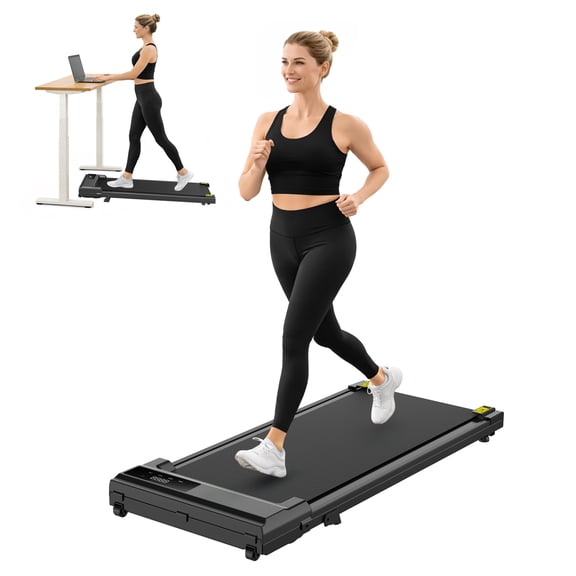
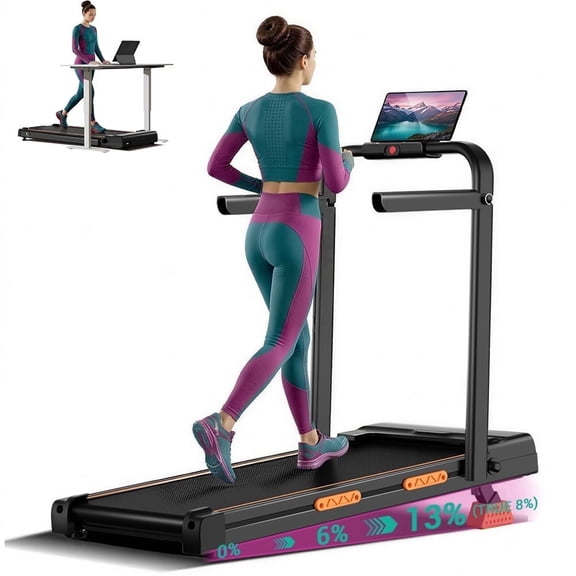
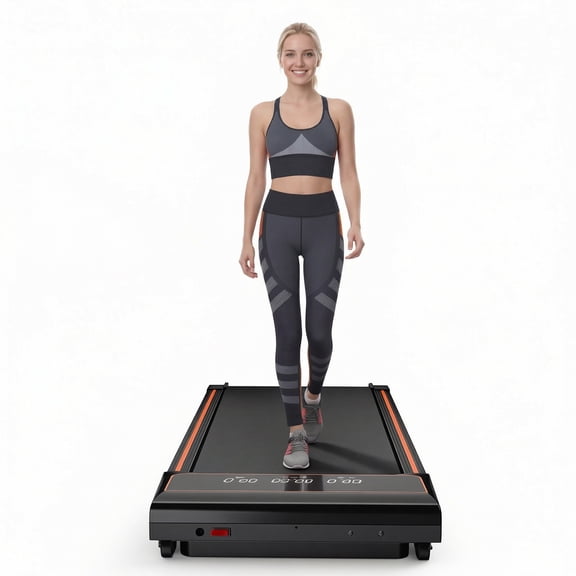
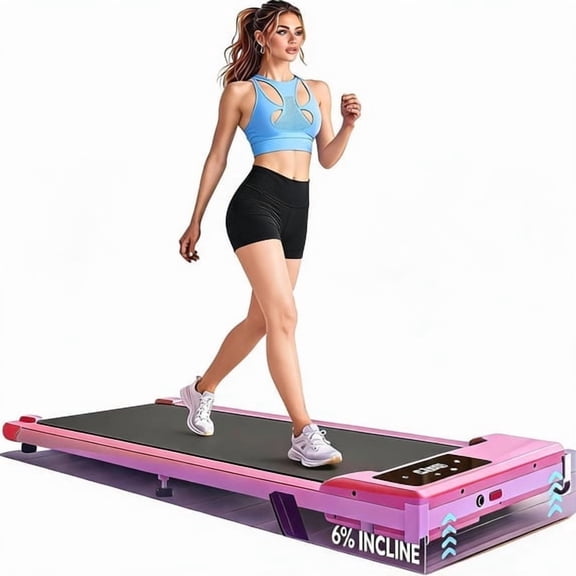
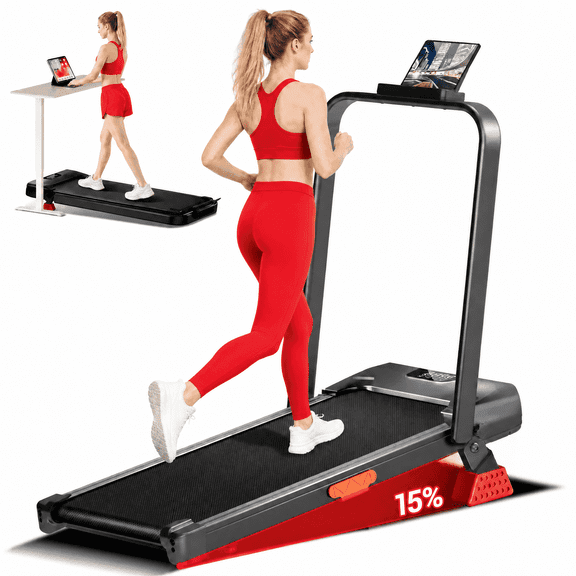
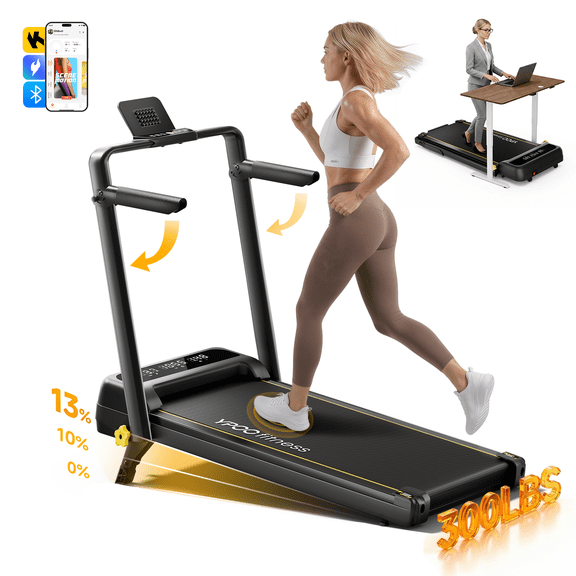
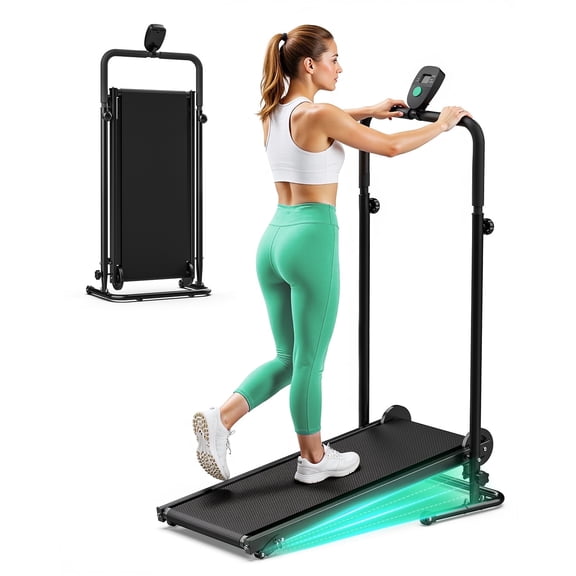
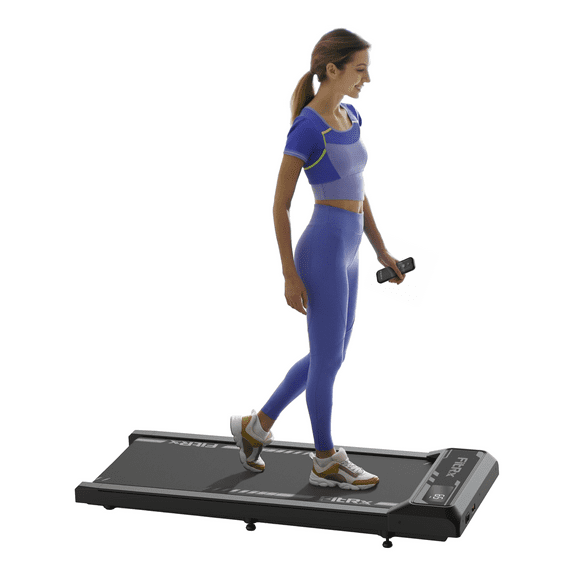
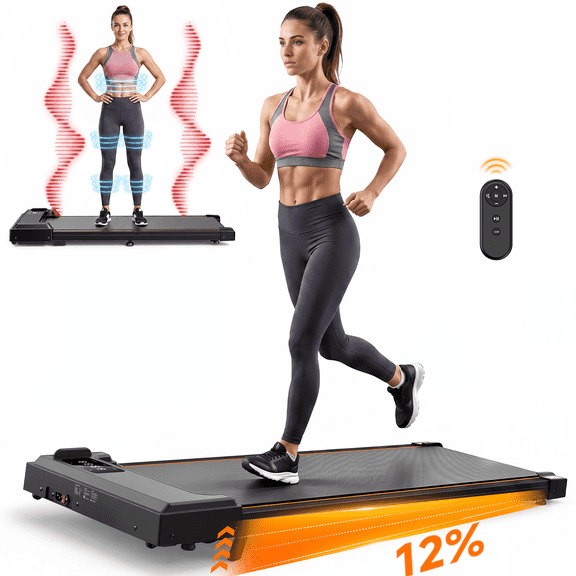
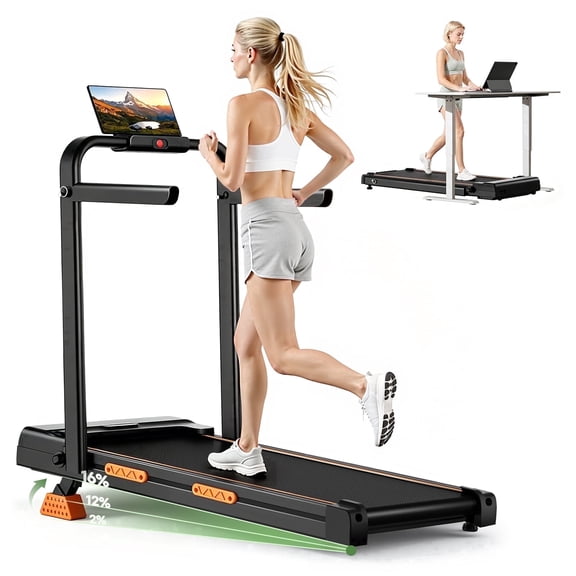
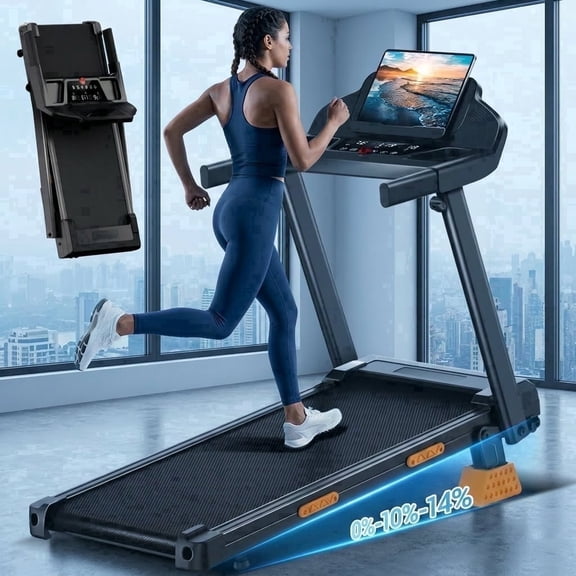
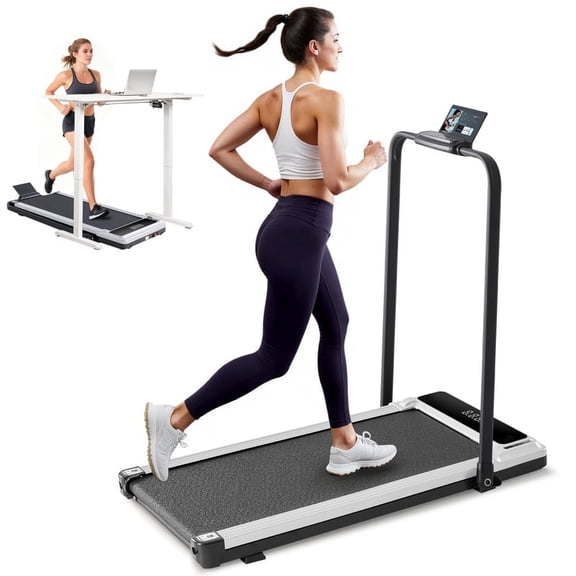
If you prefer a flat treadmill under desk, you’ll usually get a slimmer frame for tighter spaces. If you want extra support, you may prefer a folding under desk treadmill or a treadmill with handrail.
You can use this category to match movement with your workday instead of forcing a gym-style machine into your office. You’ll notice these designs focus on compact walking, easy storage, and lower operating noise.
What to look for in walking pad benefits
A walking pad can help you stay active while you answer emails, review spreadsheets, or join virtual meetings. You’ll appreciate how a compact deck keeps your floor space more open between sessions.
If noise matters during calls, you should compare motor sound and walking surface design. You’ll often prefer a quiet walking pad when you share a room or work close to others.
- You can maintain a steady walking rhythm without rearranging your entire office.
- You can store many models under furniture or against a wall after work.
- You can choose a format that matches walking breaks, desk work, or light movement sessions.
- You can reduce clutter by picking wheels, ultra-thin frames, or vertical storage options.
You may also benefit from a design that starts at 0.5 mph for slow, focused work sessions. You’ll get more flexibility when your pace needs to stay gentle during typing.
For shared spaces, you should compare width and portability along with sound. You’ll find that easier-to-move units fit apartments, bedrooms, and home offices with less disruption.
Comparing speed range, design, and capacity
Speed range shapes how you’ll use your machine every day. You should look at 0.5 to 4 mph for desk walking, while 0.5 to 6 mph or 0.5 to 8 mph supports faster sessions.
If your goal is steady workday movement, you may not need higher speeds. If you want flexibility after work, you might prefer a design that supports brisk walking or light jogging.
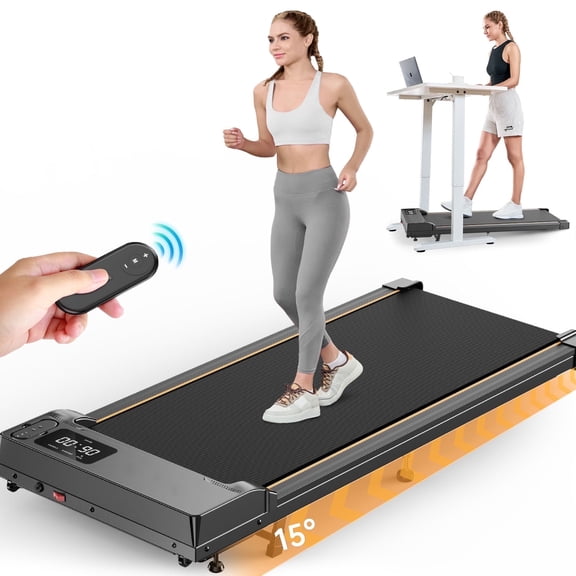
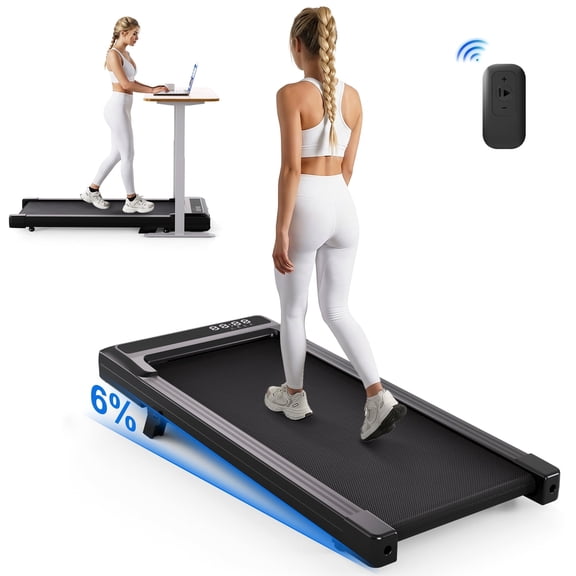
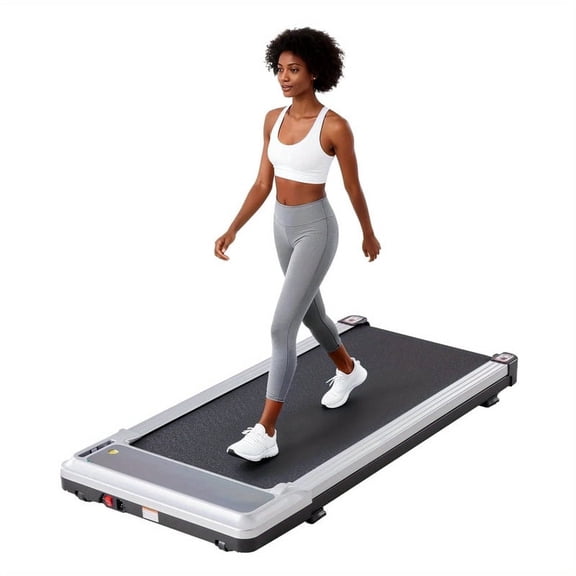
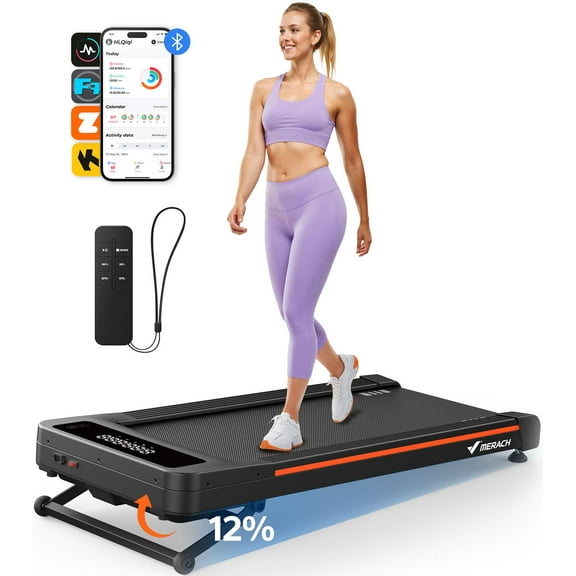
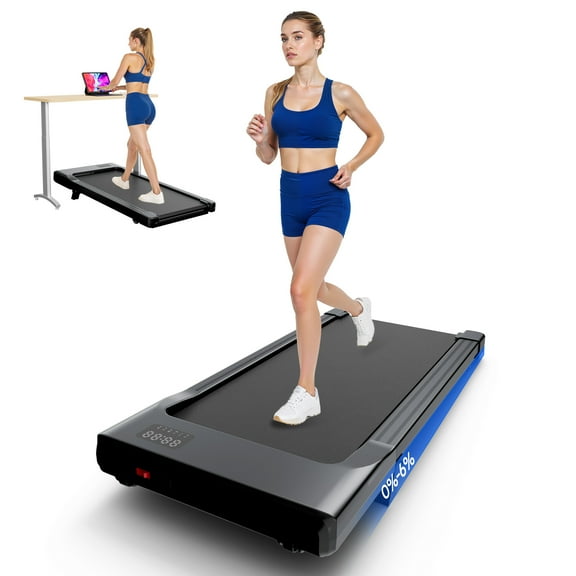
Design type also changes how your machine fits your routine. You’ll often choose a flat walking pad for minimal height, while a handrail model can suit off-desk sessions.
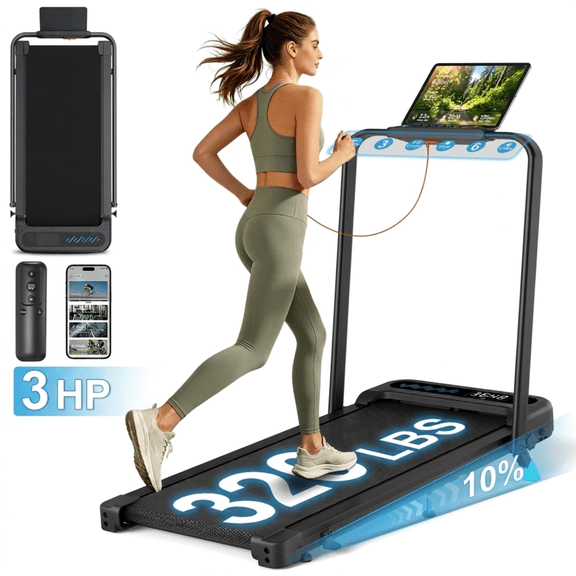
A folding under desk treadmill gives you another storage option when you need support and compact setup. You should check whether the folding mechanism stays simple enough for daily use.
Weight capacity affects stability, deck feel, and overall confidence during use. You should compare models under 220 lbs, 220 to 265 lbs, and 300 lbs and above.
If you want a heavy duty walking pad feel, you may prefer a higher max weight limit. You’ll often notice sturdier frames and a more planted walking surface in that range.
Under-desk height profile matters just as much as length and width. You should measure clearance in inches before choosing a unit, especially if your desk frame sits low.
How storage and portability affect your setup
Storage features can make daily use much easier in smaller homes or mixed-use rooms. You should compare with wheels, ultra-thin builds, and vertical storage options before deciding.
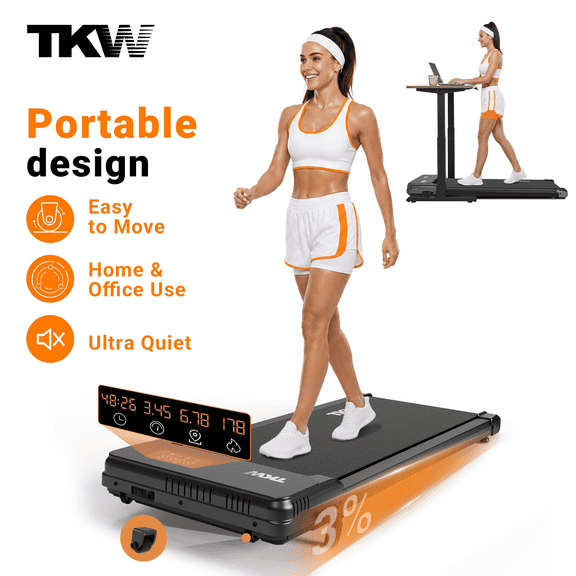
If you need quick transitions between work and open floor space, wheels can help you move the unit fast. You’ll spend less effort repositioning a portable treadmill between tasks.
An ultra-thin frame can slide under beds, sofas, or consoles when your office doubles as another room. You should look closely at handle shape and deck thickness before measuring storage spots.
Vertical storage can help when your floor space is narrow but your wall space is open. You’ll want to confirm the stored dimensions so your setup stays neat and practical.
Matching an under desk walking pad to real routines
If you work through long computer sessions, you may want an under desk walking pad with a low height profile. You’ll likely prefer slower starting speeds and a quieter motor for focus.
For apartment living, you should consider a quiet walking pad with wheels and an ultra-thin deck. You’ll get easier storage and a setup that fits tighter rooms.
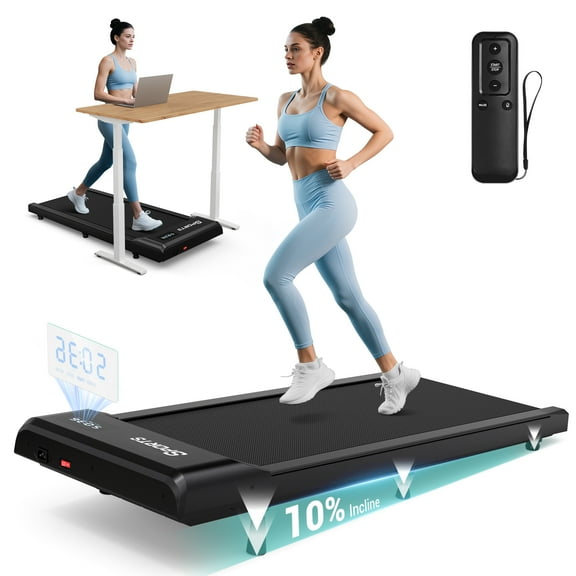
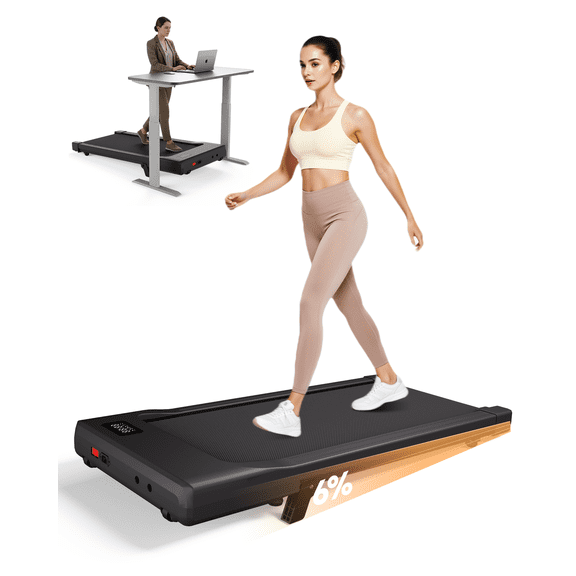
If your desk converts between sitting and standing, you may want a flat treadmill under desk for daytime movement. You can pair that format with simple controls and a compact footprint.
For shared home offices, you should check motor sound, deck stability, and speed increments. You’ll want smooth pace changes that don’t interrupt calls or concentration.
If you plan to walk during work and move faster after hours, you may prefer a treadmill with handrail. You’ll get a format that supports two routines in one footprint.
When your space changes often, you should focus on portability as much as performance. You’ll notice that slim frames and wheels matter every day, not just on delivery day.
You can feel more confident when you compare desk clearance, speed range, weight capacity, and storage before choosing. You’ll end up with a workspace-friendly setup that supports steady movement and simpler daily use.