



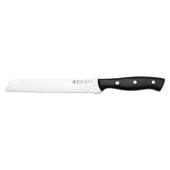
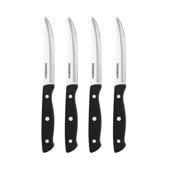
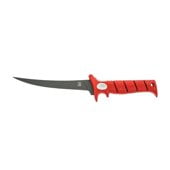
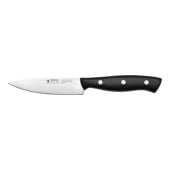

Paring Knives: Stainless Steel & Kitchen Knives























About Paring Knives: Stainless Steel & Kitchen Knives - Walmart.com
Paring knives help you handle detailed kitchen prep with steady control and clean cuts. You can compare blade material, length, shape, and grip before you choose your everyday knife.
If you're narrowing down small prep tools, you'll notice this category covers more than a basic paring knife. You can also find a stainless steel peeler, or pelador de acero inoxidable, while you choose the right size and grip.
How to choose paring knives by blade material
You should start with blade material because it shapes edge feel, upkeep, and daily convenience. You'll often compare stainless steel, high-carbon steel, and ceramic before you settle on a favorite.
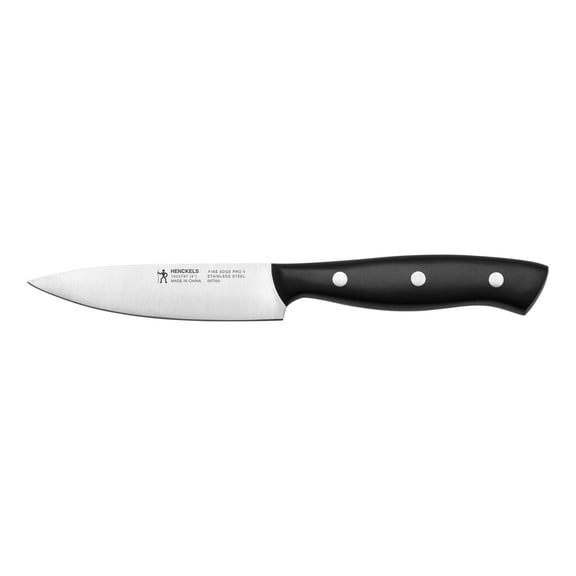
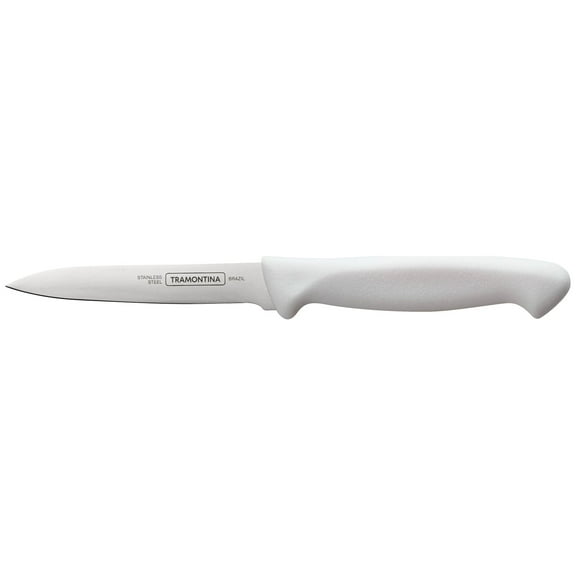
If you want easy routine care, you may prefer stainless steel paring knives for regular peeling and slicing. You'll usually get rust resistance and an edge that fits busy fruit and vegetable prep.
When you compare high-carbon steel, you'll often notice a crisp cutting feel during repeated prep. You should check care needs closely, because your blade may need thorough drying after washing.
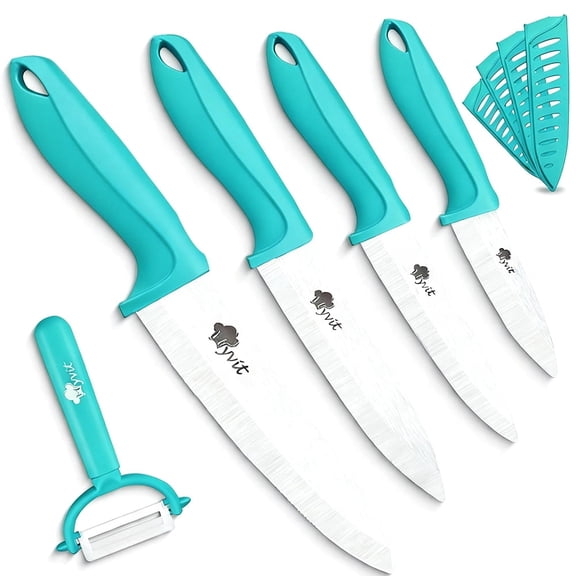
If you consider ceramic, you can get a very light knife that feels nimble in your hand. You'll notice ceramic edges stay sharp for many prep tasks, and your storage habits matter.
- You can use stainless steel for everyday peeling, trimming, and slicing.
- You may prefer high-carbon steel when your detailed prep needs a precise edge feel.
- You can choose ceramic when your hand prefers a lighter tool for controlled cuts.
Choosing the right small knives kitchen size and shape
You should compare blade length based on food size and the motion you use most. You'll usually see 2.5 inch, 3 inch, 3.5 inch, and 4 inch options.
If you peel apples, potatoes, or citrus, you may like a 3 inch blade for close control. You can turn tight curves more easily when your knife stays compact in your hand.
When you slice strawberries, trim beans, or portion garnishes, you may want a 3.5 inch or 4 inch blade. You'll get extra reach that helps your cuts stay smooth on longer surfaces.
You should also compare blade shape, because each profile changes how your knife moves through produce. You'll often see spear point, sheep's foot, and bird's beak designs across fruit knives.
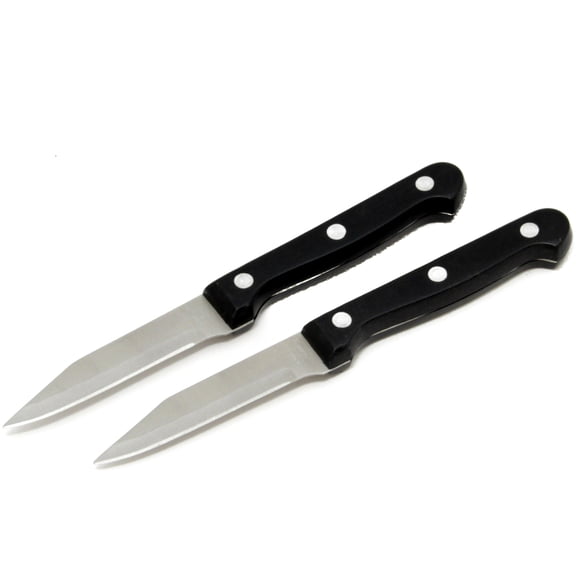
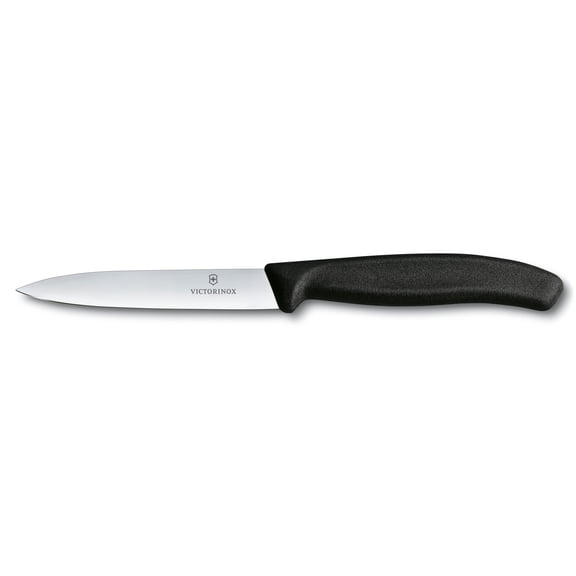
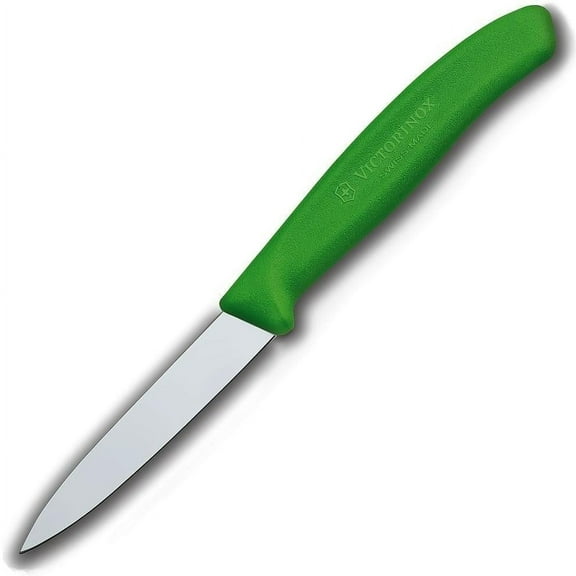
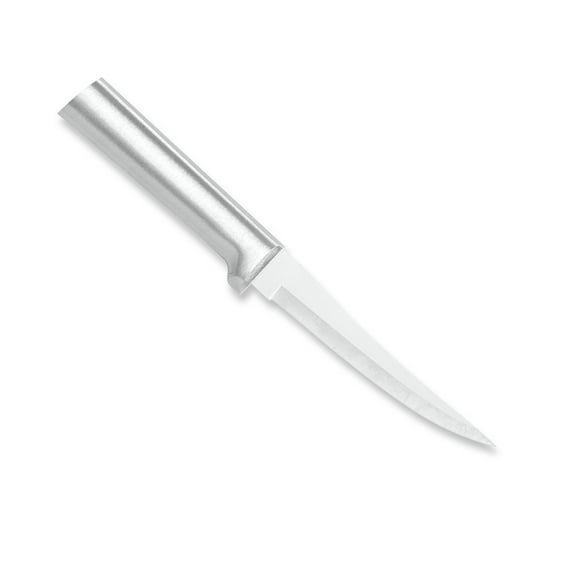
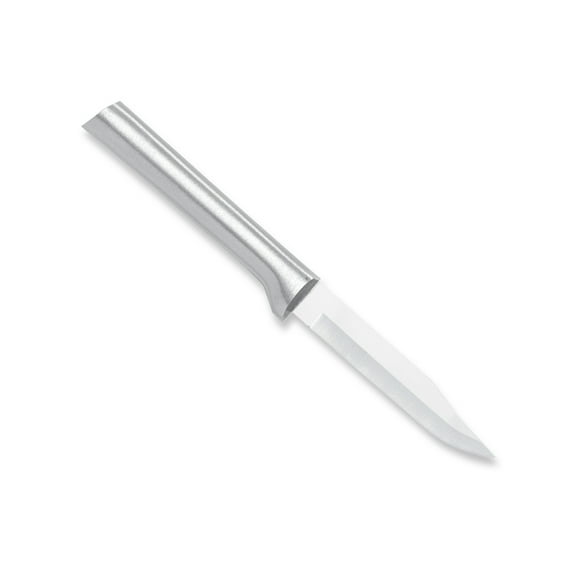
If you want an all-around profile, you can choose a spear point for peeling and small slicing jobs. You'll usually find it easy to guide around cores, stems, and narrow edges.
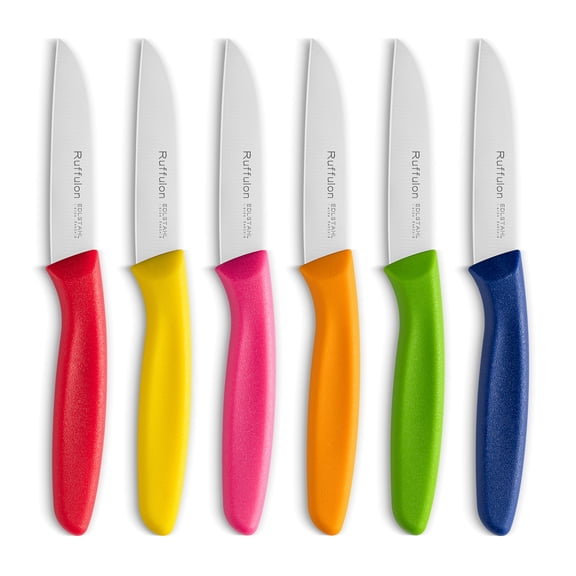
When you want a straighter edge, you may prefer sheep's foot shapes for neat board work. You can make tidy cuts on shallots, garlic, and citrus segments with steady hand placement.
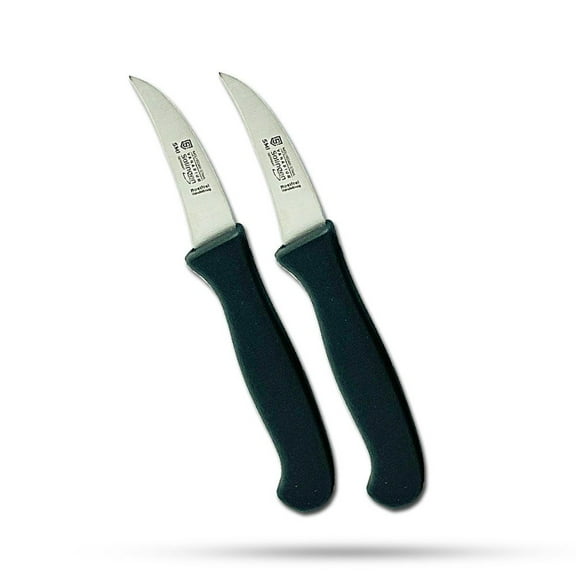
If you focus on peeling rounded produce, you should consider a bird's beak blade. You'll notice the curved edge follows skins and contours with less wrist movement.
What to look for in stainless steel paring knives and sets
You should check handle grip as carefully as blade steel, because comfort affects every motion. You'll want a handle that feels secure during quick prep, wet hands, and repeated turning cuts.
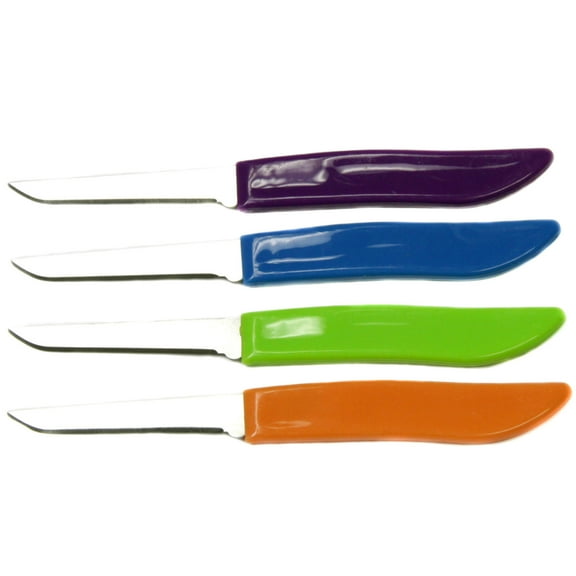
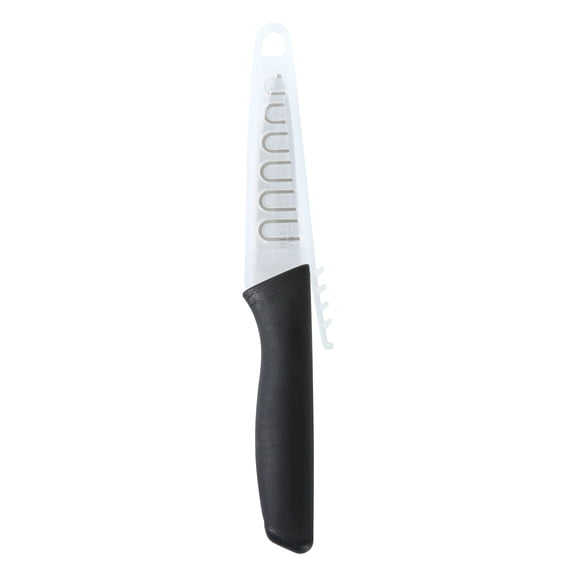
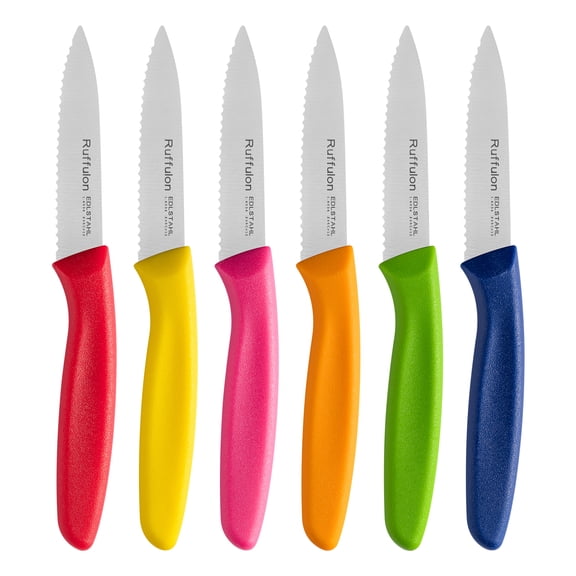
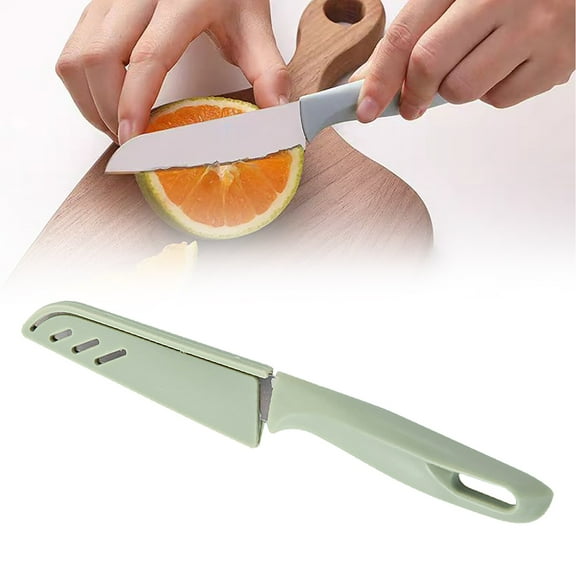
If you like a practical everyday feel, you may lean toward ergonomic plastic handles with texture. You can keep a steadier hold when you rinse produce and move quickly between tasks.
If your kitchen style matters along with grip, you may compare a wooden handle for warmth and balance. You should check shape and finish details, so your hold still feels controlled.
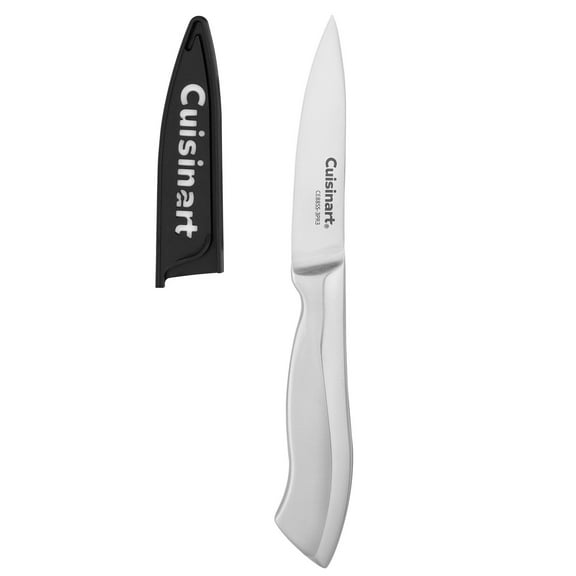
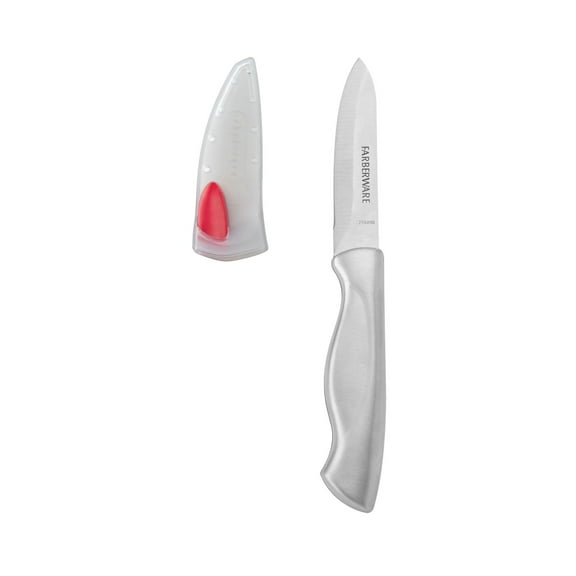
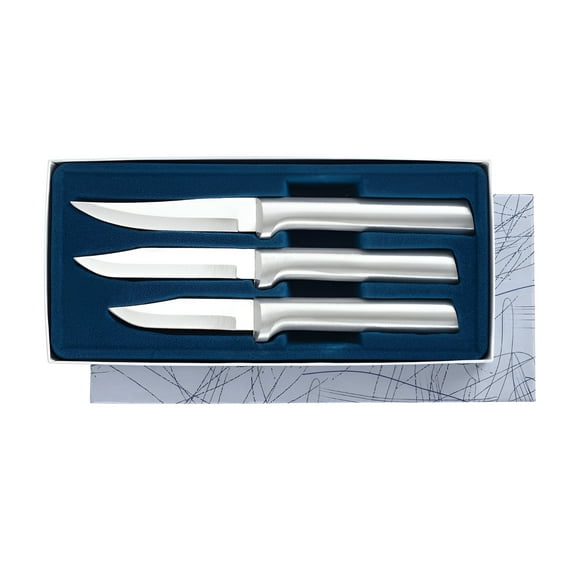
When you want a sleek look, you can consider a stainless steel grip or pelador de acero inoxidable style. You'll want to compare contouring and surface texture before you choose an all-metal handle.
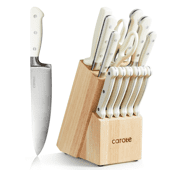
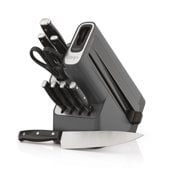
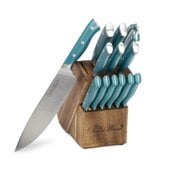
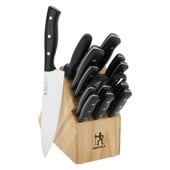
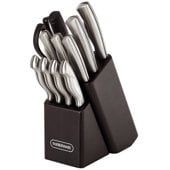
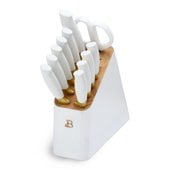
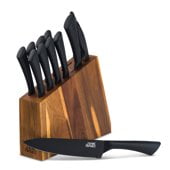
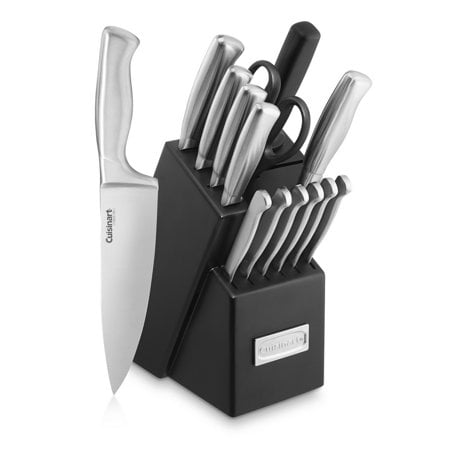
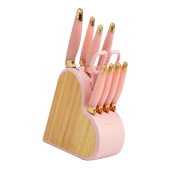
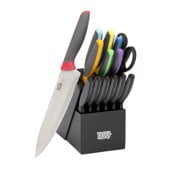
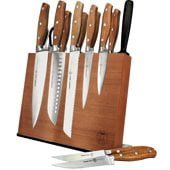
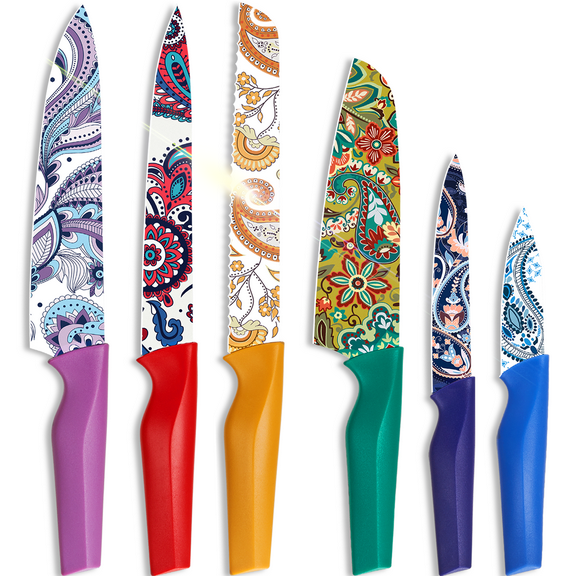
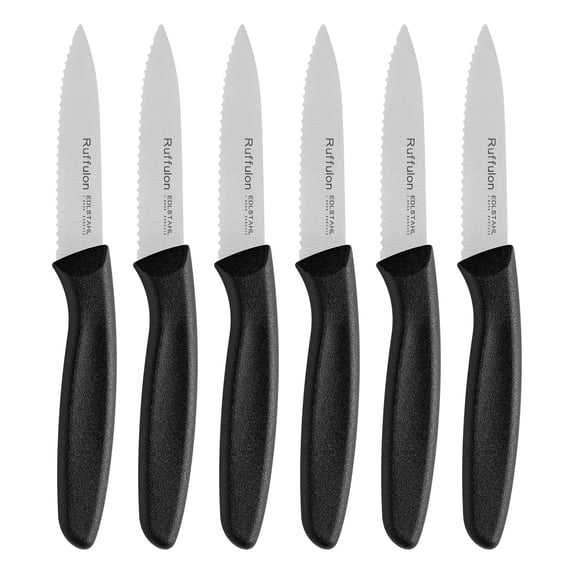
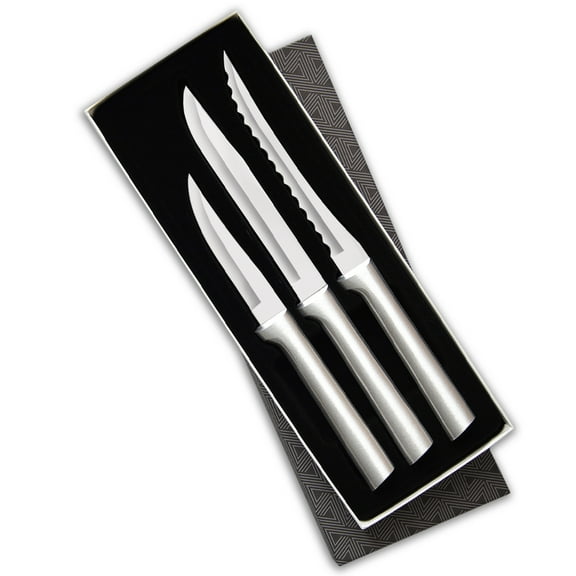
You should also compare a single knife, a set of paring knives, and a knife block set. You can match your choice to how often you prep and how many blade styles you use.
If you only need one daily tool, you may choose a single knife with your preferred blade length. You can keep your setup simple while covering peeling, trimming, and garnish work.
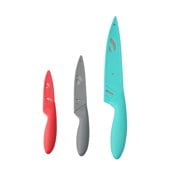
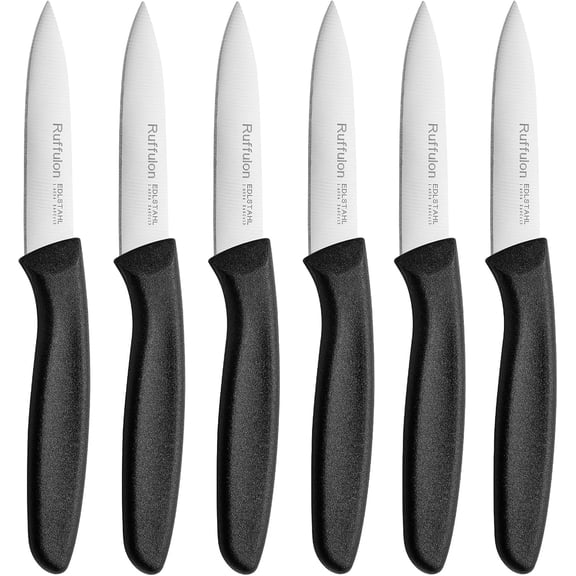
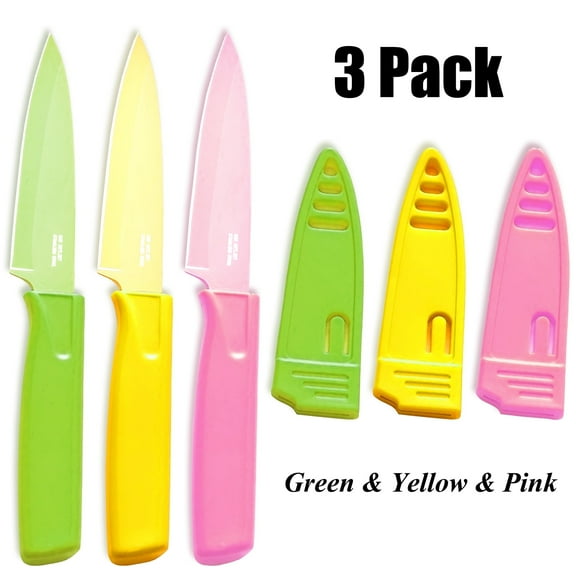
When you prep several ingredients at once, you may like a set of paring knives with different shapes. You can dedicate one blade to fruit, another to herbs, and another to vegetable detail work.
How to compare a paring knife for everyday use
You should review care details before you choose, because upkeep affects daily performance. You'll want to check whether your knife is dishwasher safe or hand wash only.
If you want quicker cleanup, you may favor options labeled for dishwasher use, though you'll still want to review maker guidance. You can simplify cleanup when your routine includes frequent prep sessions.
When you want longer-lasting finish details, you may prefer hand washing and drying after each use. You can help maintain wood accents, edge condition, and polished surfaces with regular care.
You should compare sharpening needs too, especially if you cook often and rely on precise cuts. You'll find that steel blades may benefit from occasional honing, while ceramic follows a different maintenance routine.
When you prep lunch boxes, cocktail garnishes, or weeknight salads, you'll appreciate a compact blade that stays easy to maneuver. You can trim strawberries, hull tomatoes, or peel peaches without reaching for a chef's knife.
If you build a fuller cutlery setup, you should pair your choice with knife sharpeners, chef's knives, or knife blocks. You can create a more organized prep station that supports tidy, efficient kitchen work.
You'll feel more confident choosing paring knives when you compare steel, size, shape, and grip as practical decisions. You can land on a knife that fits your prep style and keeps detail work accurate.