


Find auto parts that fit
Let’s search for parts that fit your vehicle.UTV Straps in UTV Transport & Storage
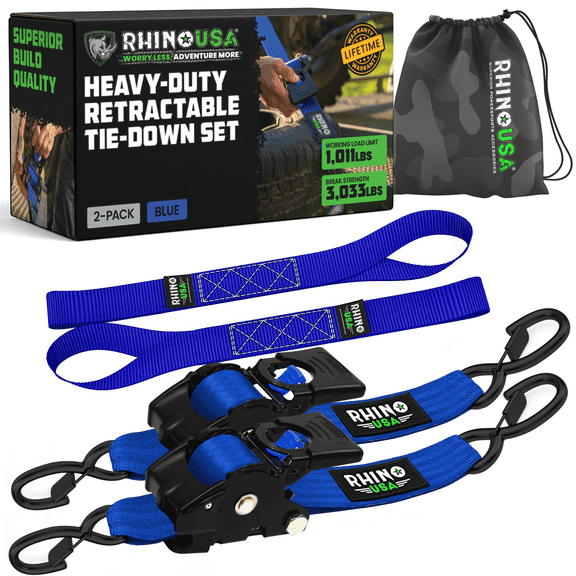

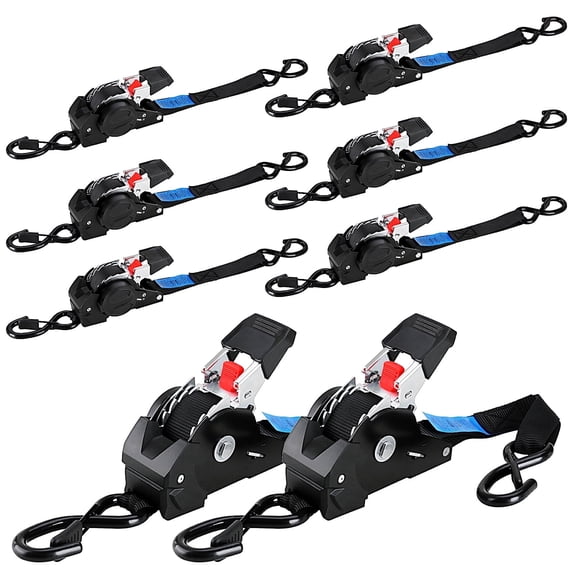


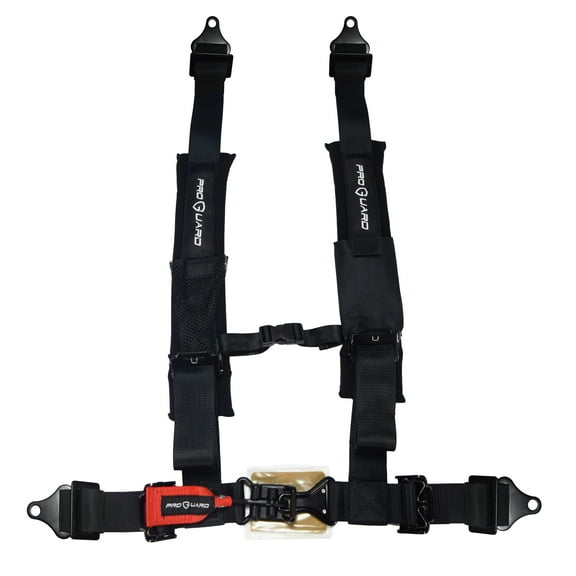


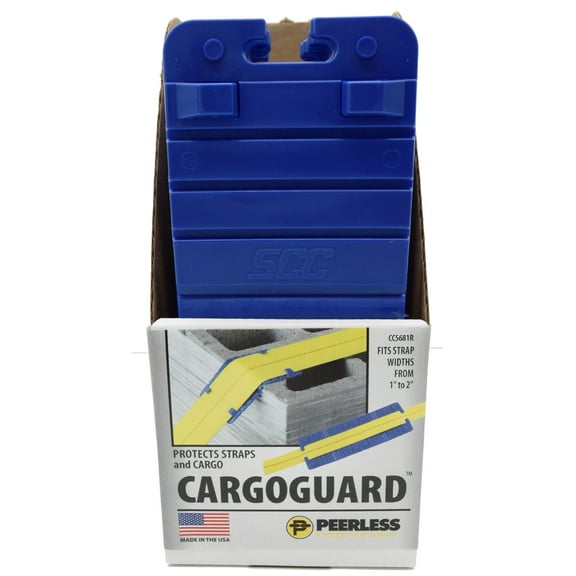

















About UTV Straps in UTV Transport & Storage - Walmart.com
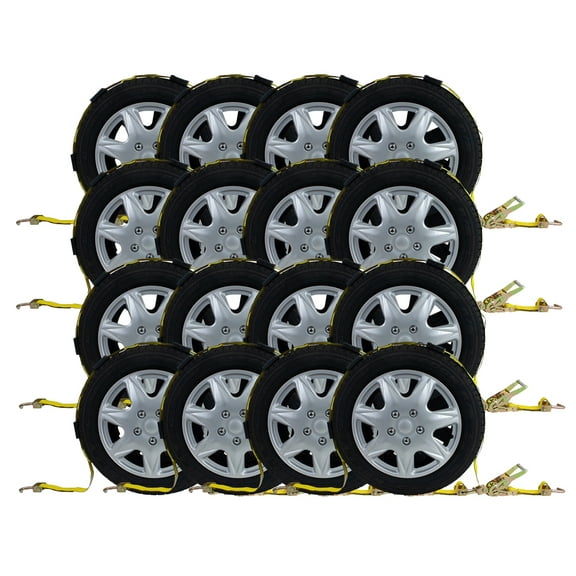
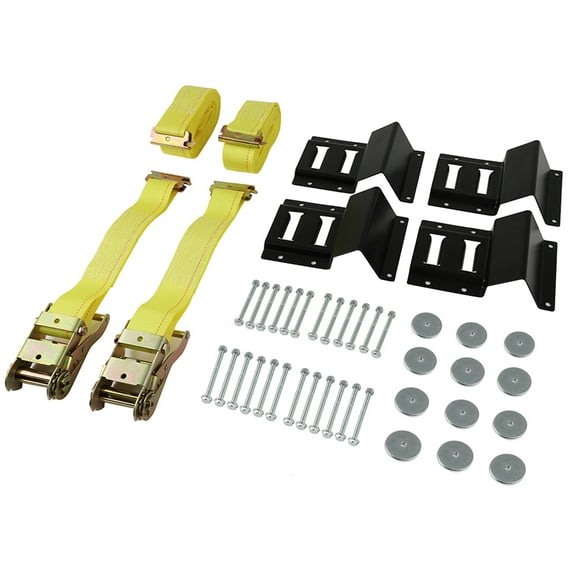
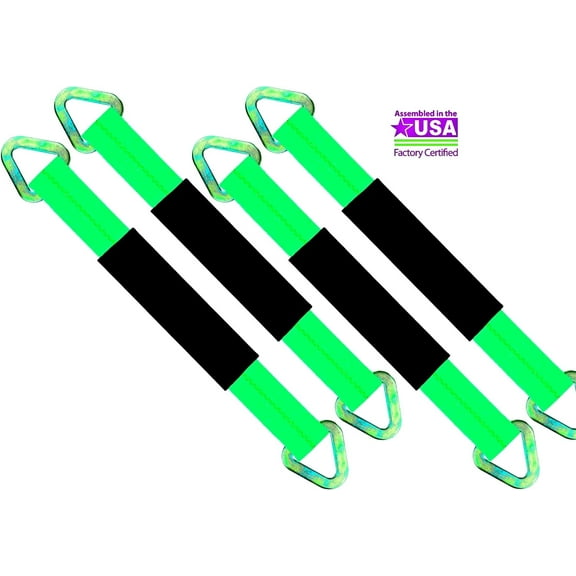
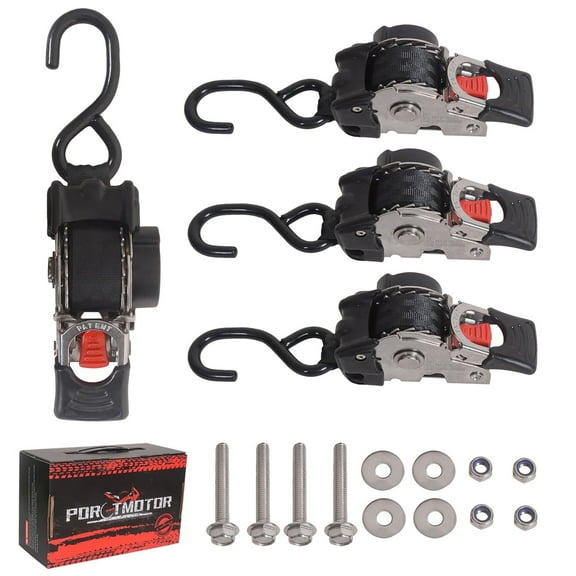
UTV straps help you secure your side-by-side for transport with fit-focused sizes, trailer-ready hook options, and load ratings that match your hauling setup. You can compare strap type, end fittings, working load limits, and strap dimensions before you choose the right tie-down plan.
If you haul on open trailers, you need gear that handles sun, water, and repeated tightening without adding guesswork. You may also want options that fit UTV frames, trailer anchors, and the weight of your machine.
How to choose UTV straps
You should start with your vehicle weight and your trailer layout. You can then compare working load limit, break strength, hook style, and strap length with a clearer plan.
When you choose carefully, you get steadier transport and less shifting during loading and unloading. You can also spend less time adjusting straps that don’t fit your anchor points or wheel positions.
- You can match strap types to how often you load and how much tension control you want.
- You can compare hook styles to fit rails, stake pockets, and anchor rings on your trailer.
- You can use load ratings to align your strap choice with your UTV’s size and hauling setup.
- You can select lengths and widths that reach secure tie-down points without excess webbing.
You may prefer ratchet straps when you want more precise tension on heavier machines. You may prefer cam buckle straps when you want faster setup and simpler release.
If you transport through changing weather, you should look for durable webbing that holds up outdoors. You may notice weather-ready materials matter when straps stay exposed between trips.
Choosing between UTV tie-down straps
You can compare ratchet straps, cam buckle straps, and tow straps by intended use. You should use tie-down styles for transport control, while tow straps fit pulling and recovery tasks.
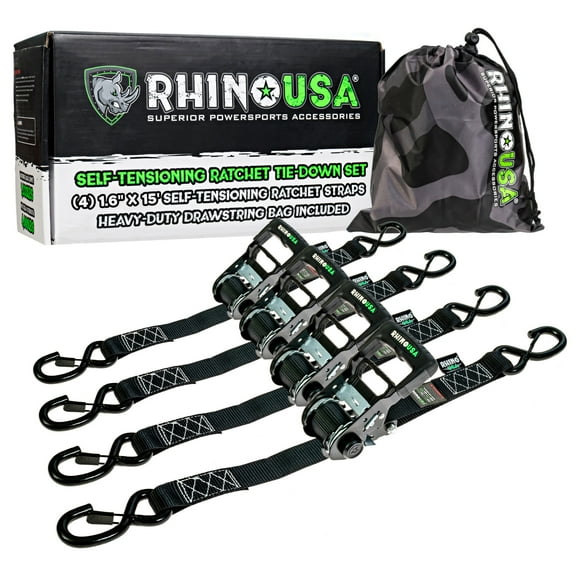
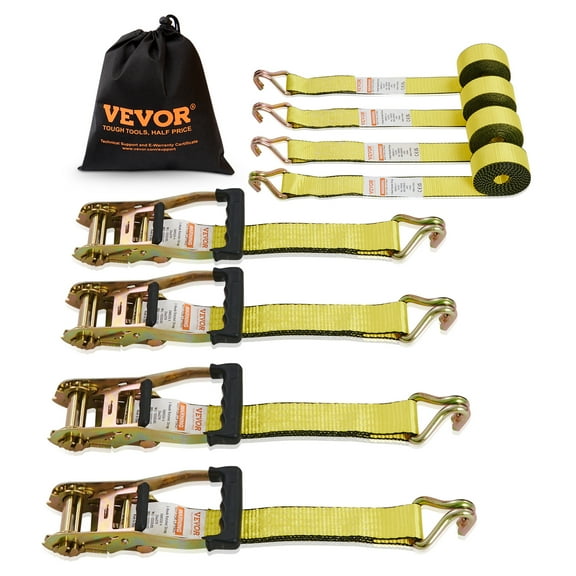
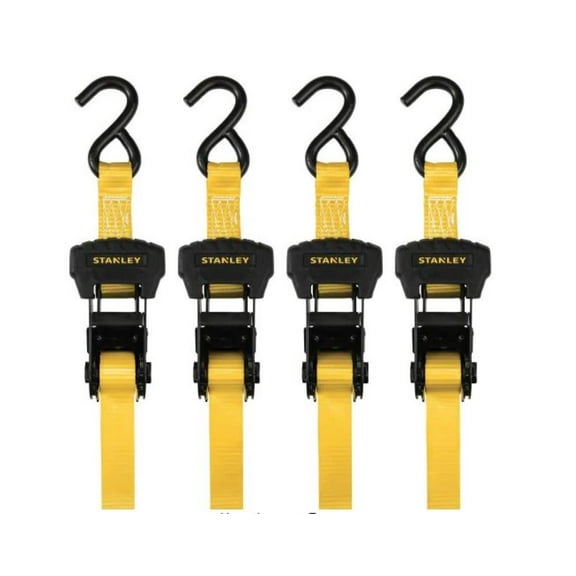
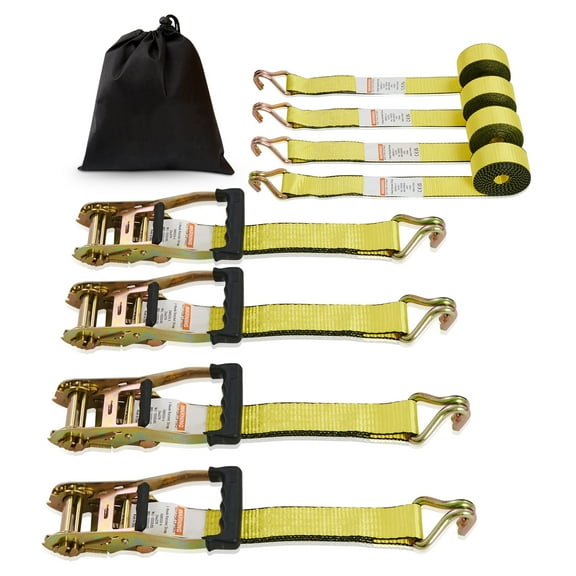
Ratchet styles give you a crank mechanism that helps you tighten with smaller adjustments. Cam buckle styles let you pull and lock quickly when you want a lighter-duty, simpler setup.
You should also check the difference between break strength and working load limit. Break strength shows the point of failure, while WLL shows the load you should actually use.
For example, you may compare ratings like 1,500 lbs, 3,000 lbs, 5,000 lbs, or 10,000 lbs. You should match those numbers to your vehicle weight and tie-down method.
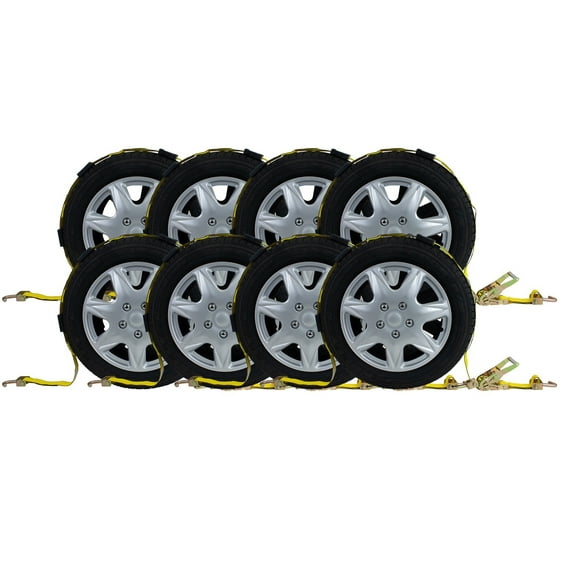
Hook choice matters because your trailer anchors may accept one fitting more easily than another. You can use S-hooks for common anchor points, while flat hooks can sit well on wider edges.
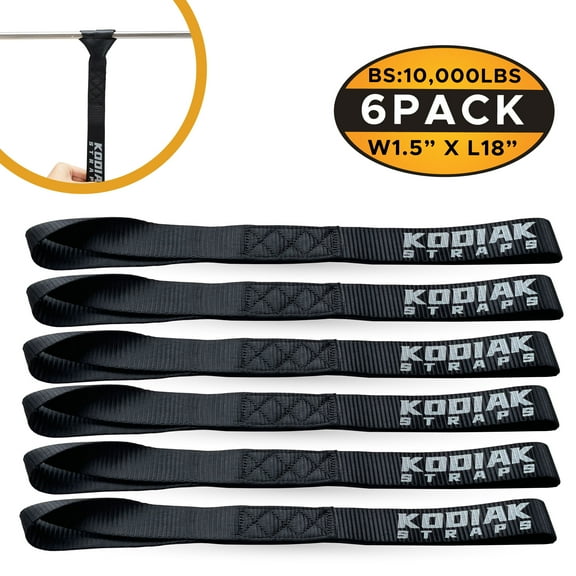
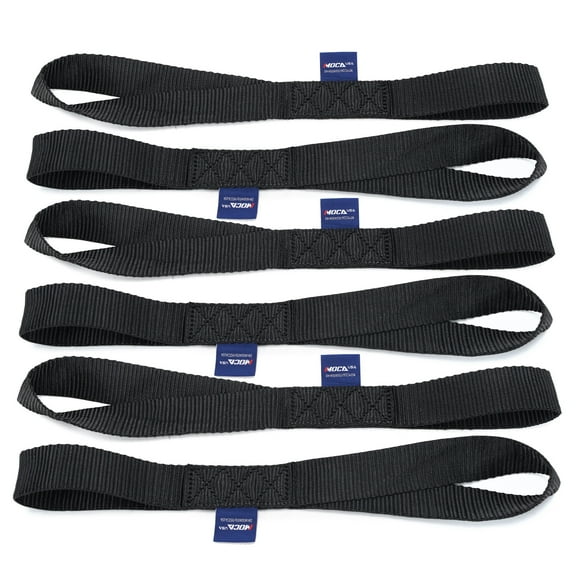
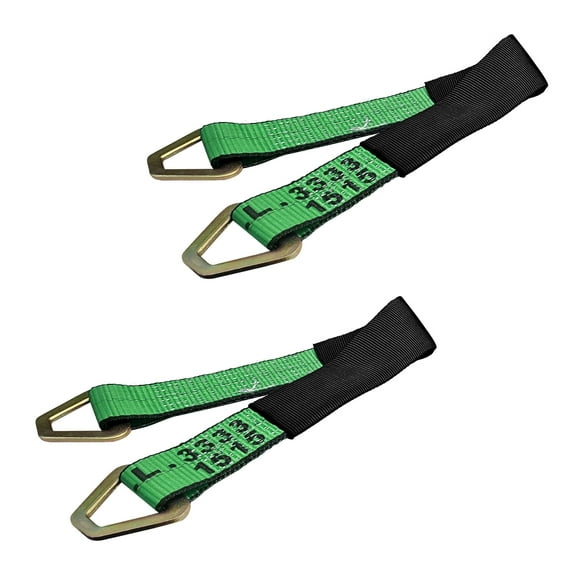
Double J-hooks may fit specific rails or rings where you need a more enclosed hold. Soft loops help you create an attachment point around bars or frames without using a metal hook there.
Strap dimensions also shape how easily you secure your machine. You can compare 1 inch x 6 ft, 2 inch x 8 ft, and 2 inch x 10 ft sizes.
Shorter straps can reduce loose ends when your anchors sit close to your UTV. Longer straps can help when your trailer is wider or your tie points sit farther apart.
What to look for in UTV / auto straps
You should measure your trailer anchor spacing before you pick a length. You should also check whether your tie-down points need narrow webbing or a wider strap.
Wider straps can spread force across a larger contact area on some setups. Narrower straps can route more easily through tighter spaces around wheels or frame sections.
You can check whether your end fittings match anchor rings, rails, or stake pockets. You can avoid awkward angles when your hooks sit cleanly in the hardware you already use.
Material matters when you haul through rain, mud, and long sun exposure. You should look for webbing designed for outdoor use so your straps stay dependable trip after trip.
You may also compare handle design and release style if you load often. You may appreciate easier tensioning when you secure your machine alone or in low light.
If your setup changes between trailers, you should keep versatility in mind. You can choose combinations of length, width, and hook style that work across more than one hauling layout.
Using UTV tie-down straps for real hauling setups
If you haul a compact side-by-side on a small trailer, you may use 1 inch x 6 ft straps. You can pair that size with cam buckles when your anchor points sit close.
If you transport a larger UTV on a utility trailer, you may need 2 inch x 8 ft straps. You can use ratchet mechanisms when you want more controlled tightening across longer reaches.
When your trailer has wide rails or edge-style anchors, flat hooks may fit your setup more cleanly. You can keep your connection simple when your fitting matches the anchor shape.
If your setup uses rings or rounded attachment points, S-hooks or double J-hooks may make more sense. You should compare the opening shape before you choose your hardware.
Soft loops can help when you need to connect around bars or other frame areas first. You can then attach the main strap hardware to the loop instead of direct metal contact.
For mixed garages, you may want UTV / auto straps that adapt to more than one vehicle. You can compare ratings and lengths that suit your trailer while still fitting other hauling tasks.
If you travel to trails often, you may want straps that tension quickly and store neatly after unloading. You can keep your routine smoother with dimensions that fit your trailer without extra bulk.
When you compare UTV straps by type, hook style, rating, and size, you make your transport setup easier to match. You can end with tie-down choices that fit your machine, your trailer, and your hauling routine.