


Find auto parts that fit
Let's search for tires that fit your vehicle.12 Volt Seed Spreader for UTV & Side by Side - Walmart
















About 12 Volt Seed Spreader for UTV & Side by Side - Walmart - Walmart.com
If you need a 12 volt seed spreader for utv work, you can cover ground faster with powered spreading and practical mounting options. You can compare power source, spreader type, material use, and mounting style to match your trails, plots, and property tasks.
How to choose a 12 volt seed spreader for utv
You should start with power source because it affects how consistently you spread seed, fertilizer, or ice melt. You’ll usually prefer 12-volt electric models when you want push-button operation from your vehicle.
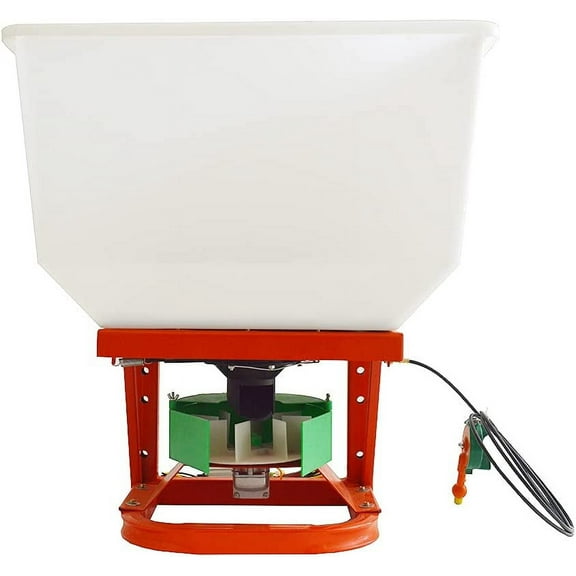
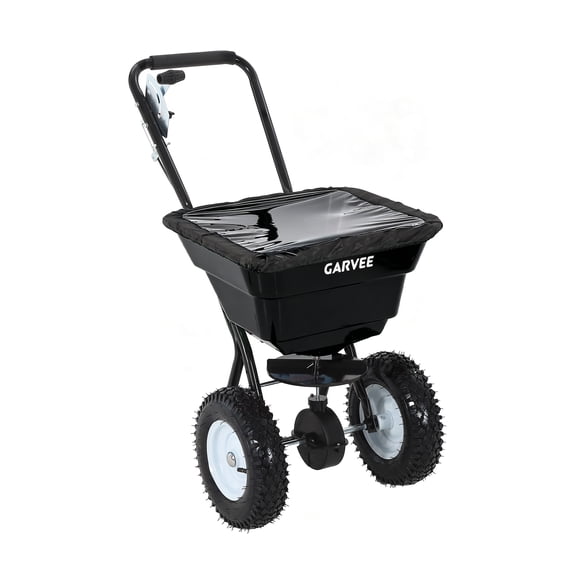
Manual or pull-behind options can suit lighter jobs, but you may want less wiring and simpler maintenance. PTO driven units fit specific setups, so you should check compatibility before you commit.
You should also compare how you’ll use the spreader through the season. You may want one setup for food plots in spring, lawn repair in summer, and driveway coverage in winter.
Choosing the right broadcast spreader for utv
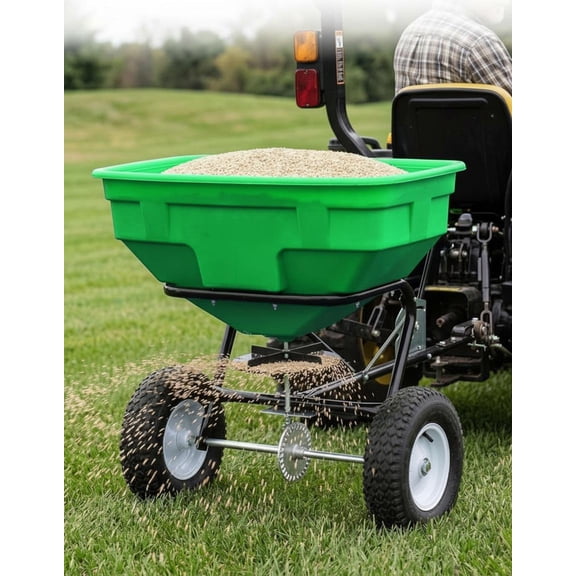
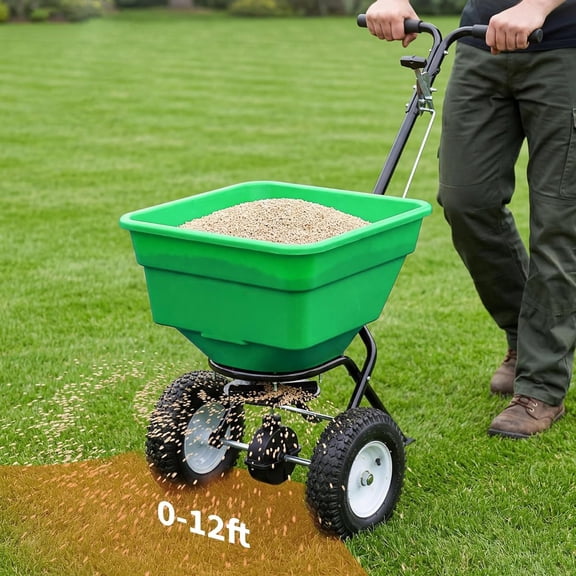
You’ll notice spreader type changes how material lands on the ground. You can use a broadcast spreader for utv when you want wide coverage across open areas.
A drop spreader gives you a narrower path, so you can place material more precisely along rows or edges. A seeder spreader combo can help you handle mixed property tasks with one attachment.
You should think about your terrain before you choose. You may prefer broadcast designs for field edges and trails, while drop designs can fit tighter routes and controlled passes.
- You can cover wider lanes with broadcast spreading on open ground.
- You can place material more precisely with drop spreading near rows and borders.
- You can handle multiple seasonal tasks with combo units that support seed and fertilizer applications.
- You can reduce refill stops by checking hopper capacity against the area you plan to cover.
What to look for in power, fit, and capacity
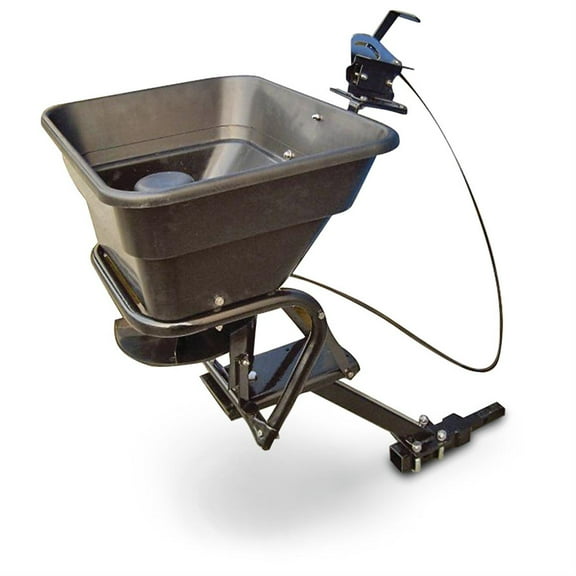
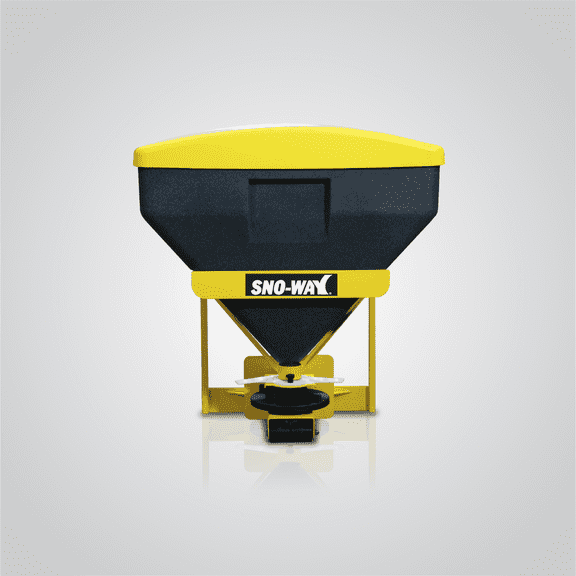
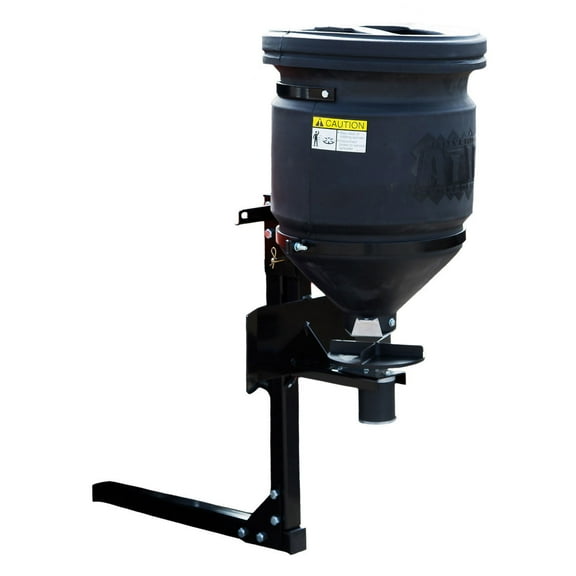
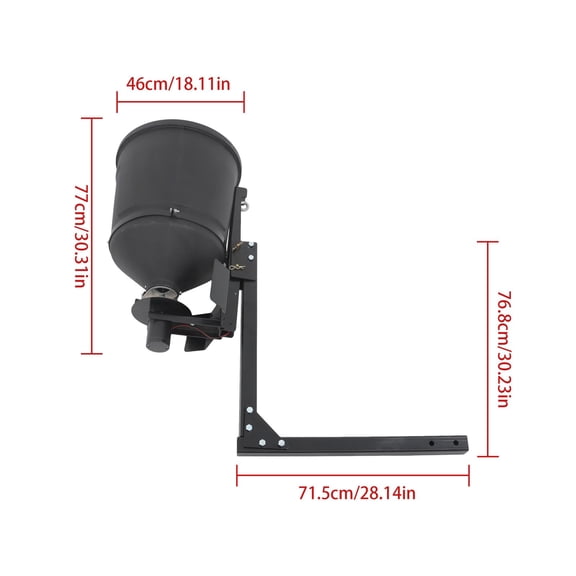
You should check hitch fit first because receiver size determines whether installation feels simple or frustrating. You may need a 2-inch receiver, while some vehicles use a 1.25-inch opening.
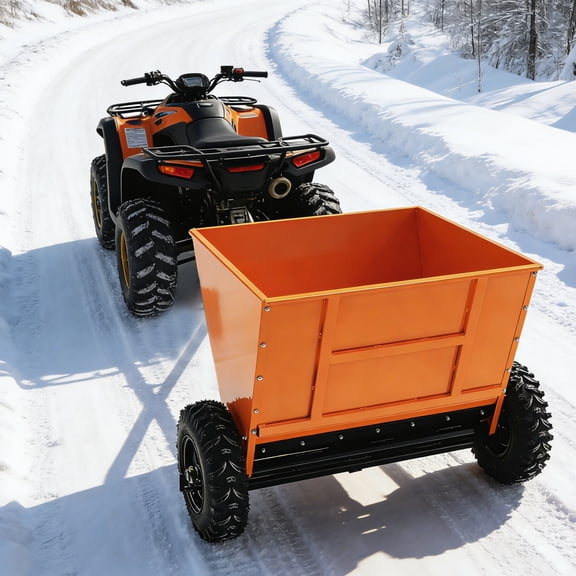
You should measure your receiver before you choose a receiver hitch mount. You can also compare cargo bed mount and tow-behind styles if your vehicle layout needs a different setup.
You’ll want to check motor details when you plan to spread heavier material. A sealed 12V motor and usable torque can help you move fertilizer or salt with steadier flow.
You should compare hopper capacity in pounds with the area you need to cover. A larger hopper can mean fewer refill breaks when you’re working long fence lines or food plots.
You should also look for adjustable flow gate controls because seed size changes how quickly material moves. You can fine-tune lighter grass seed differently than heavier pellets or coarse blends.
If you want a seed spreader for side by side use, you should compare wiring length and switch access. You’ll appreciate controls that feel easy to reach from the driver’s seat.
Matching application material to your property jobs
You should choose by material because seed, fertilizer, and salt can behave differently inside the hopper. You may need stronger motor support and steadier flow control for denser material.
If you need a fertilizer spreader for side by side tasks, you should pay attention to motor strength and gate adjustment. You can get more consistent coverage when the spreader handles heavier granules evenly.
If you’re covering food plots, you may want a side by side seed spreader with a broad pattern. You can seed access roads, openings, and plot edges without walking each pass.
You can also use a spreader for side by side property work during colder months. You may spread salt or ice melt on long driveways, private lanes, or worksite paths.
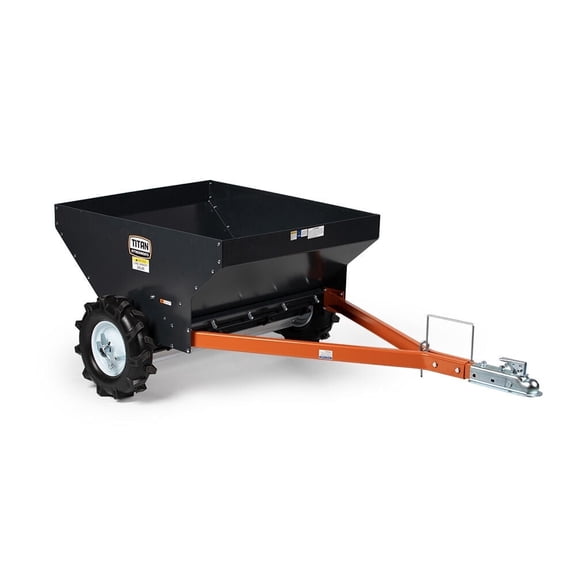
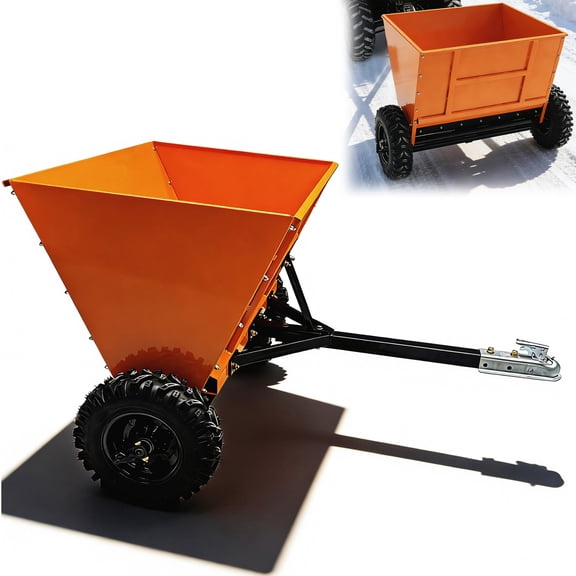
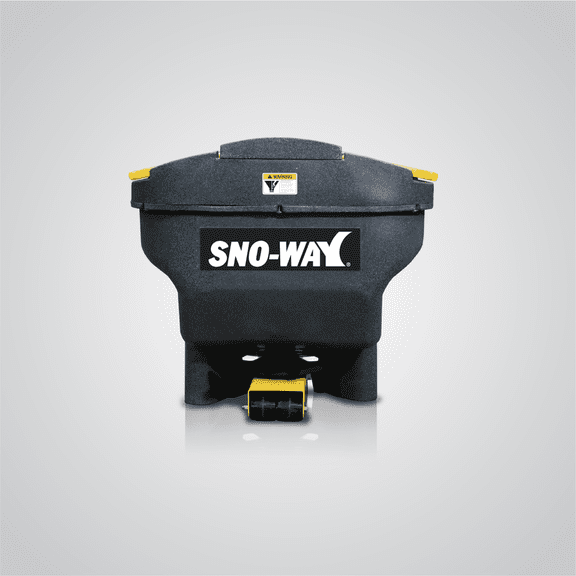
If you manage varied terrain, you should compare mount style with your route length. A cargo bed mount can keep weight centered, while a tow-behind style can suit larger loads.
You may also want to think about cleanup after each job. You’ll find simpler hopper access helpful when you switch between seed blends, fertilizer, or winter spreading material.
Use cases for side-by-side spreading
You can use a utv seed spreader when you plant wildlife plots, touch up pasture areas, or maintain large rural properties. You’ll cover more ground quickly than hand spreading allows.
If you maintain trails or field roads, you can use a seed spreader utv setup to reach uneven areas. You’ll find powered spreading useful where walk-behind equipment feels slow or awkward.
You can use a seed spreader for side by side setups on hunting land where access changes with weather and terrain. You’ll appreciate a mounted design that travels where a truck can’t easily go.
For mixed seasonal work, you may want one spreader that supports seed in spring and fertilizer later. You can keep your attachment plan simple while matching your material to the season.
You should compare hopper size, spread width, and flow control before long workdays. You’ll get a smoother routine when your spreader matches your acreage and refill frequency.
When you choose carefully, you can get a practical attachment that fits your receiver, handles your material, and covers your ground with fewer passes. You’ll finish property work with cleaner coverage and less effort from the seat.