


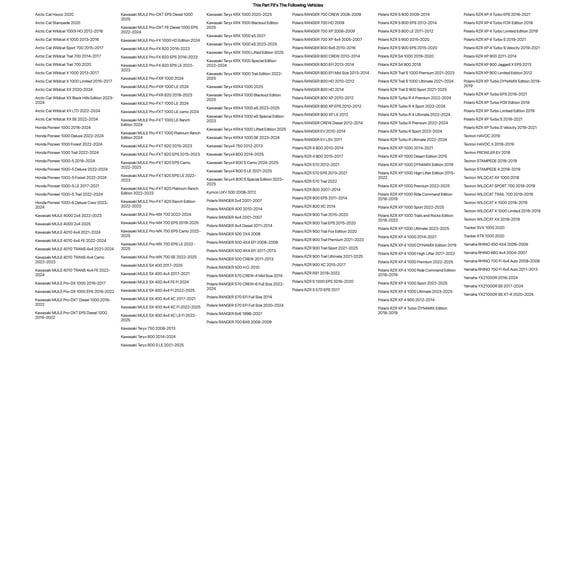
Find auto parts that fit
Let’s search for parts that fit your vehicle.UTV Safety Flags & Whip Poles for Side-by-Sides































About UTV Safety Flags & Whip Poles for Side-by-Sides - Walmart.com
You can choose the right utv safety flag by comparing pole type, mount style, and flag material for your riding area. You also get clearer visibility on dunes, trails, and open riding parks when your setup matches your machine.
If you ride a side-by-side in areas with flag rules, you should check height requirements before you head out. You can also compare quick-release options, fiberglass whips, and brighter flag colors to fit how and where you ride.
How to choose a utv safety flag
You should start with visibility, because your flag needs to stand above your vehicle in open terrain. You can often narrow your choice faster by checking pole length and flag color first.
When you compare four foot, five foot, and six foot poles, you should match height to your riding area rules. You may prefer taller options when you ride dunes or areas with long sight lines.
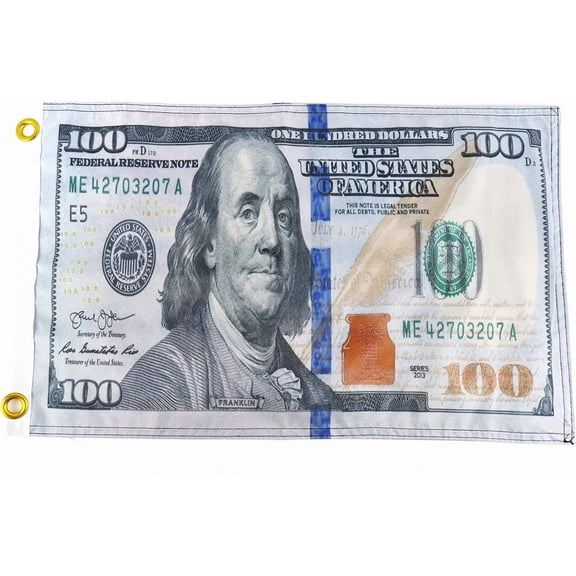
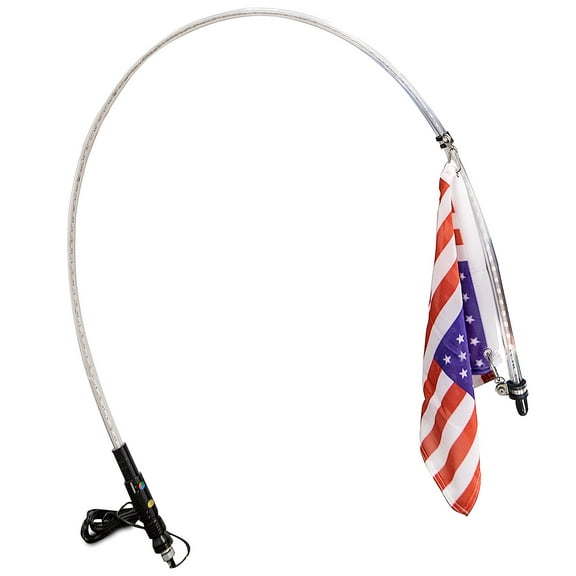
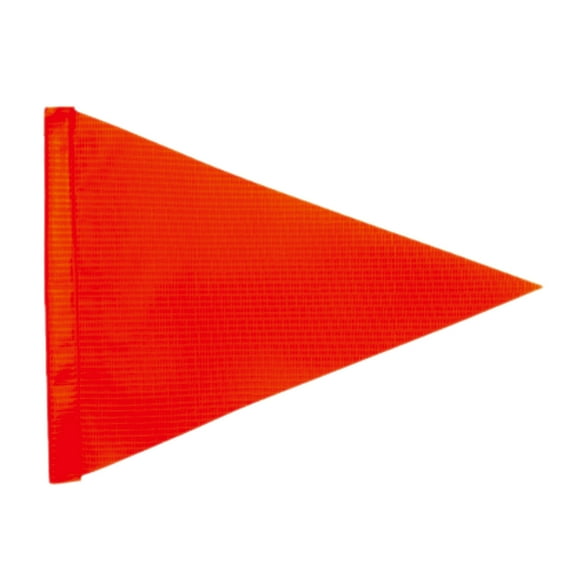
You should also compare flag designs based on your riding purpose and local expectations. You may want safety orange for compliance-focused visibility, while your utv american flag setup may fit recreational trail use.
- You can improve visibility with taller poles and bright flag colors.
- You can simplify removal with quick-release clamp mounting styles.
- You can match trail conditions by choosing flexible poles and reinforced flag seams.
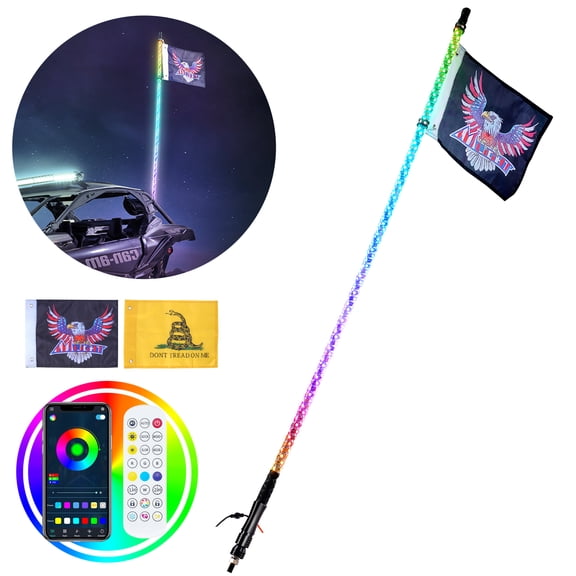
- You can pick lighted whips when your rides continue after sunset.
Choosing between utv flags and poles
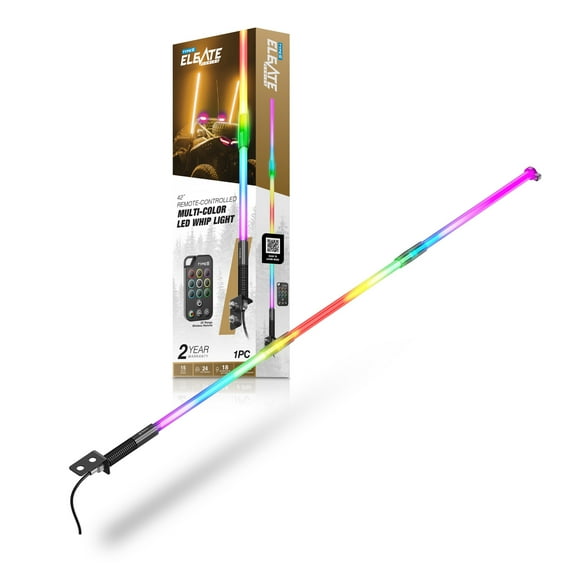
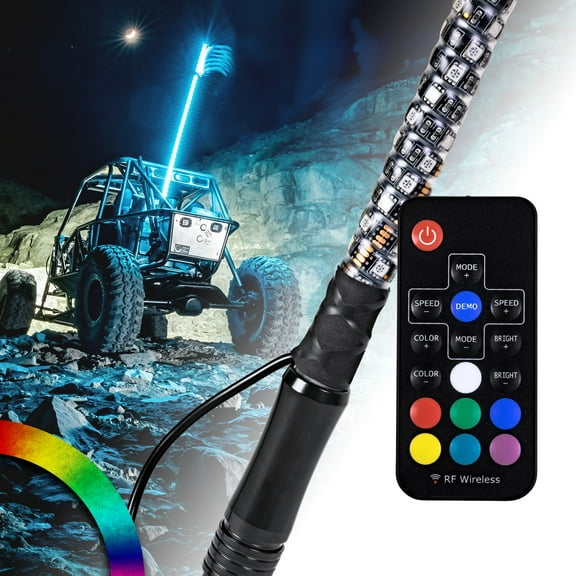
You should compare fiberglass whip, LED lighted whip, and steel rod options based on terrain and riding time. You’ll usually notice fiberglass whips flex more smoothly over rough ground and uneven surfaces.
If you ride at dusk or after dark, you may want side by side whip flags with LED lighted poles. You should check whether your machine supports 12V wiring before you choose a lighted setup.
When you want a simpler daytime setup, you can choose a non-lighted pole with fewer connection steps. You may prefer steel rod styles for rigid support, though you should consider how much flex your trail conditions need.
What to look for in flag materials and construction
You should compare polyester, nylon, and mesh flags by airflow, weight, and how your flag moves at speed. You’ll often find mesh styles let wind pass through more easily on faster rides.
If you want a fuller look, you may lean toward polyester or nylon panels with stronger stitching. You should look for double-stitched seams when your routes include open sand, hardpack, or longer weekend rides.
You can also use material choice to balance visibility and wear over time. Your flags for utv may stay neater longer when you match fabric weight to frequent wind exposure.
Choosing the right mount for your side-by-side
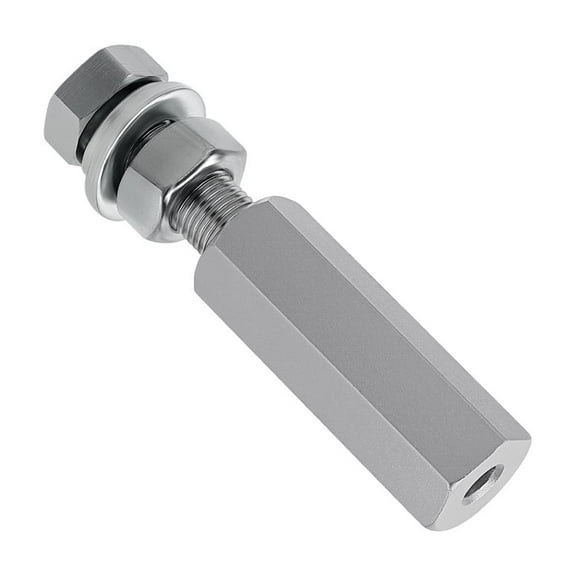
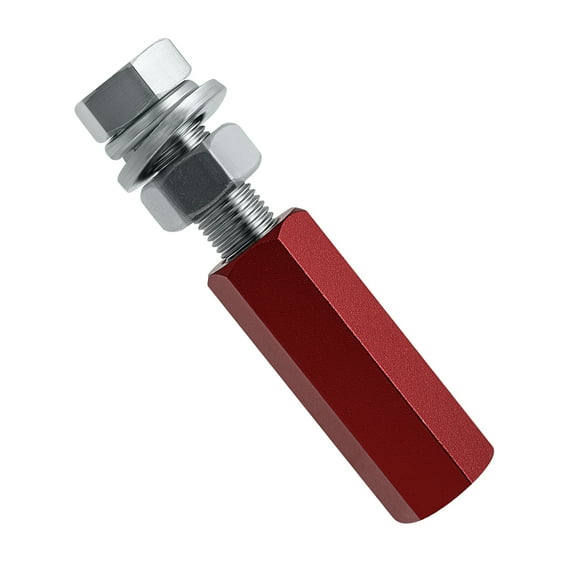
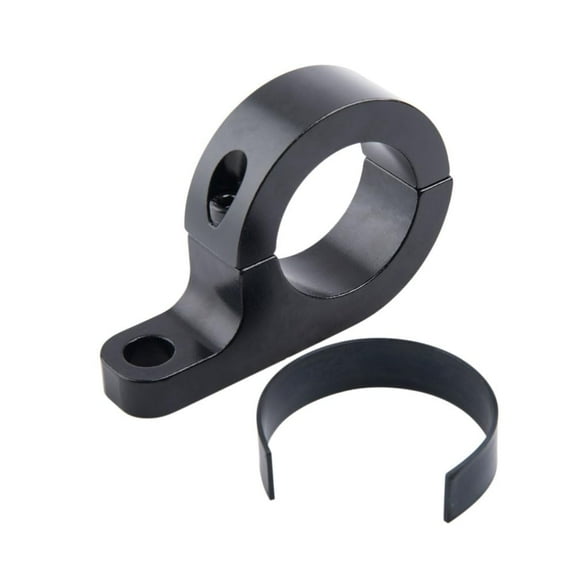
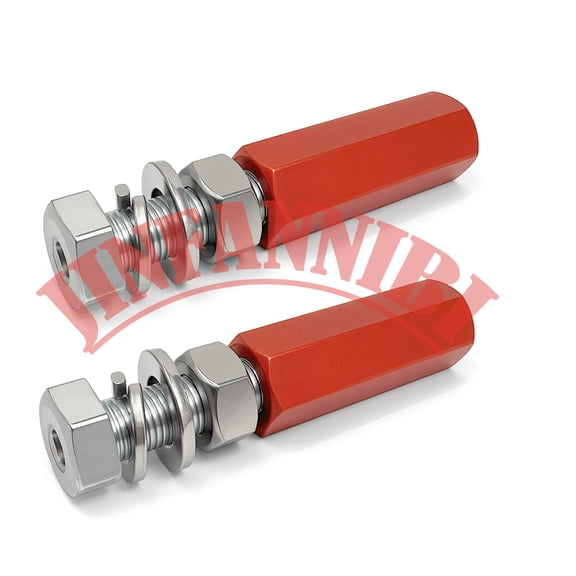
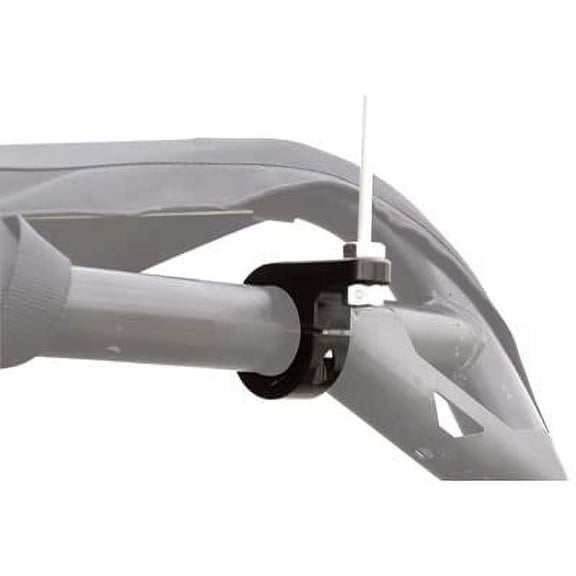
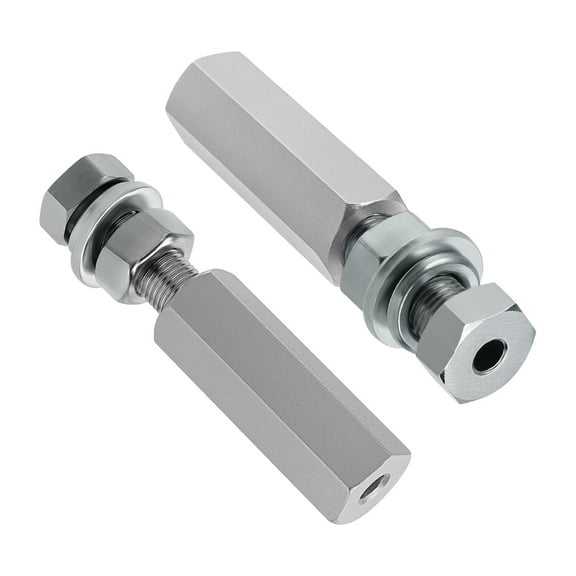
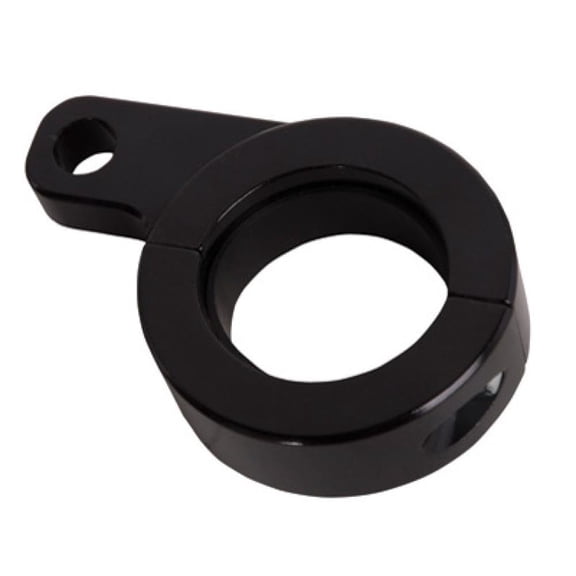
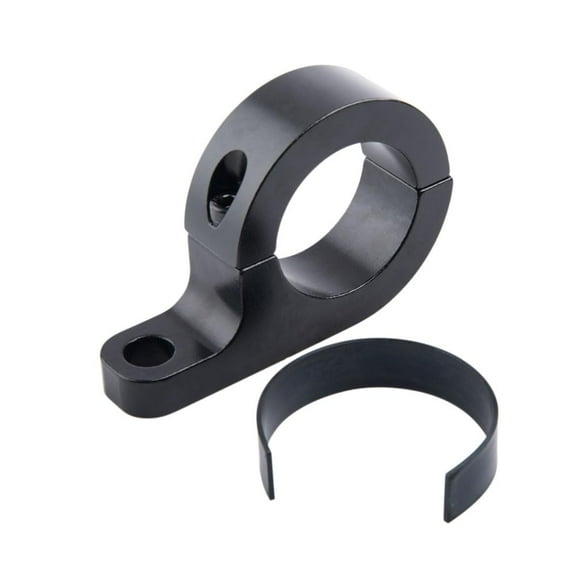
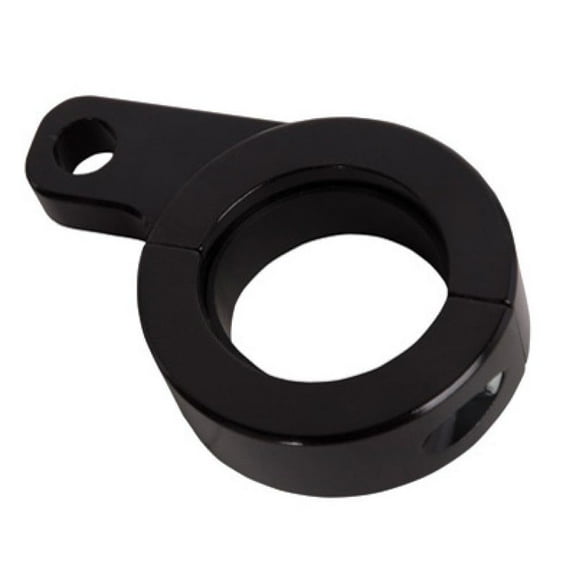
You should measure your mounting point before you choose bolt-on, bracket mount, or quick-release clamp hardware. You can avoid fit issues when you check whip mount thread size and bolt diameter first.
If you want a more permanent setup, you may choose bolt-on hardware that stays in place between rides. You may like quick-release clamps when your machine shifts between trail use, transport, and storage.
Bracket mounts can help you position a flag for side by side use without blocking cargo access. You should compare rack, roll cage, and rear frame locations based on how your machine is built.
Understanding size, compliance, and visibility
You should review local off-road park rules before you choose pole length or flag color. You can avoid guesswork when you match your setup to the posted vehicle requirements.
Some riding areas call for a visible safety flag mounted above the vehicle roofline. You should verify the required height at your destination, because rules can differ by park and terrain type.
If you ride dunes, open desert, or managed trail systems, you may need extra height for long-range visibility. You can use utv safety flags to stay easier to spot in changing terrain and dust.
Matching use cases to the right setup
If you ride wide sand areas, you may want a six foot fiberglass whip with a safety orange flag. You can gain better line-of-sight visibility when other riders crest dunes nearby.
When you ride wooded trails, you may prefer a shorter pole and a quick-release clamp for easier transport. You can remove the pole faster when your trailer clearance or garage height is limited.
If your focus is style as well as visibility, you may choose utv flags for whips with an American flag, skull, or custom design. You should still compare construction details, because your stitching and mount strength matter on rough routes.
For evening rides, you may choose side by side whip flags with LED lighting and 12V power connections. You should confirm your wiring path and switch access before you install a lighted whip.
If you switch between parks, dunes, and local trails, you may want more than one flag style. You can keep a compliance-focused orange flag and a second sxs american flag for different ride plans.
Why the right setup matters
You can make your off-road setup easier to choose when you compare material, pole type, mount style, design, and height together. You’ll ride with clearer visibility and a setup that fits your machine, terrain, and park rules.