


Find auto parts that fit
Let’s search for parts that fit your vehicle.Rear Diffusers & Car Bumper Panels






















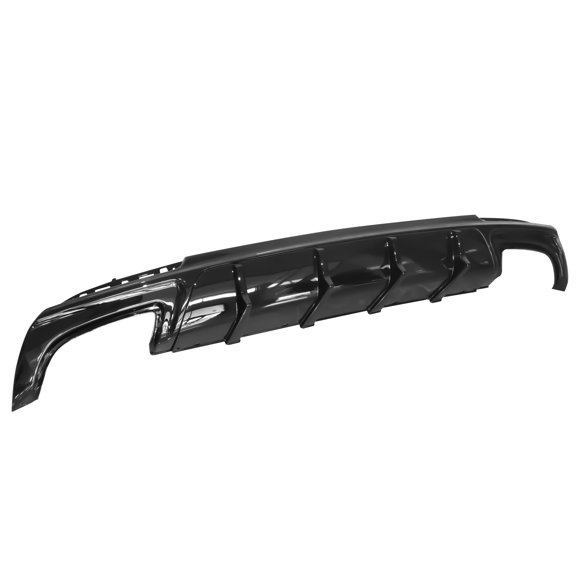


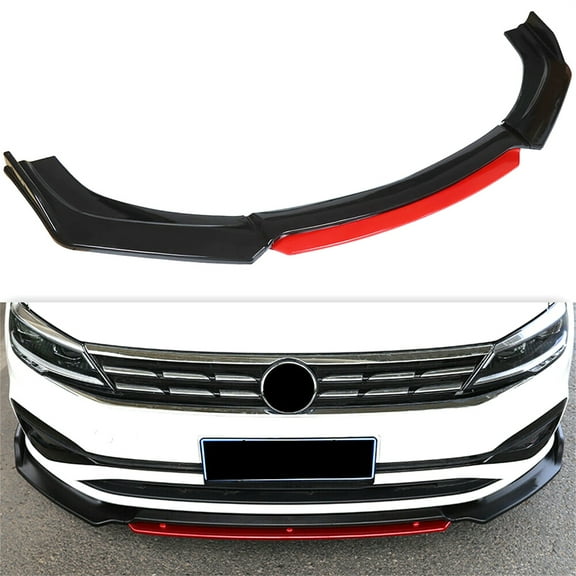


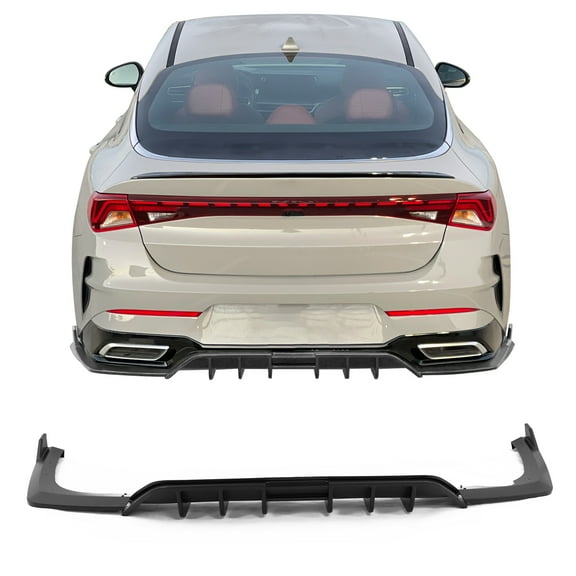


About Rear Diffusers & Car Bumper Panels - Walmart.com
Your rear diffuser choice shapes how your car looks from behind and how air moves under your bumper. You can use this guide to compare fitment, materials, finishes, and installation details before you choose a panel.
If you're replacing a factory piece or adding a custom accent, you need parts that match your vehicle and bumper shape. You can also compare rear bumper panels with diffuser styles that create a more defined lower edge.
How to choose the right rear diffuser
You should start with vehicle compatibility because your year, make, model, and trim affect bumper contours and mounting points. You can avoid guesswork when you check fitment notes for a Ford Mustang, Infiniti Q50, Chrysler 300, or universal application.
When you compare trim-specific parts, you may notice cutout shapes that match your exhaust layout and lower valance lines. You should also check whether your car uses parking sensors, splash shields, or factory fastener locations.
- You can narrow options faster when you confirm your year, make, model, and trim first.
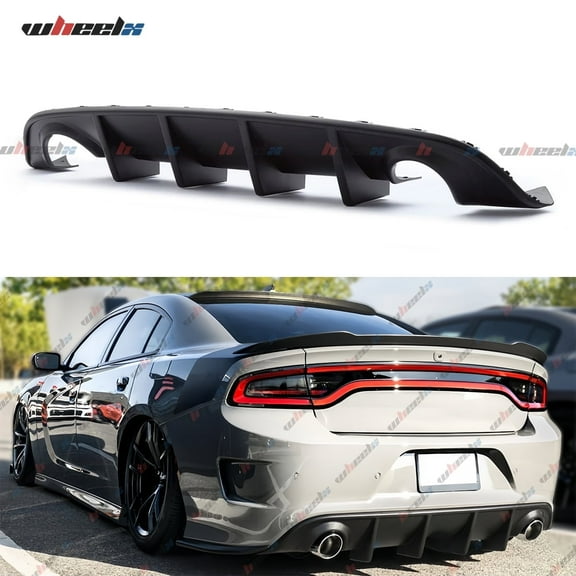
- You can match the diffuser shape to your dual exhaust, quad exhaust, or factory bumper openings.
- You can choose universal styles when you want a custom project and plan to measure carefully.
- You can compare panel depth and fin layout when you want a subtle or bold rear profile.
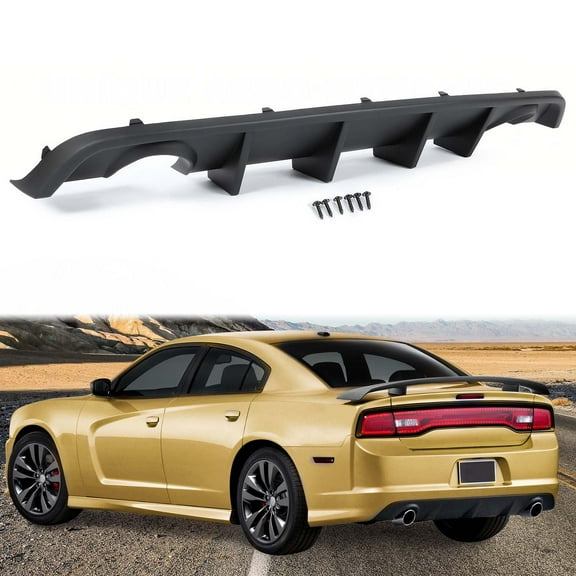
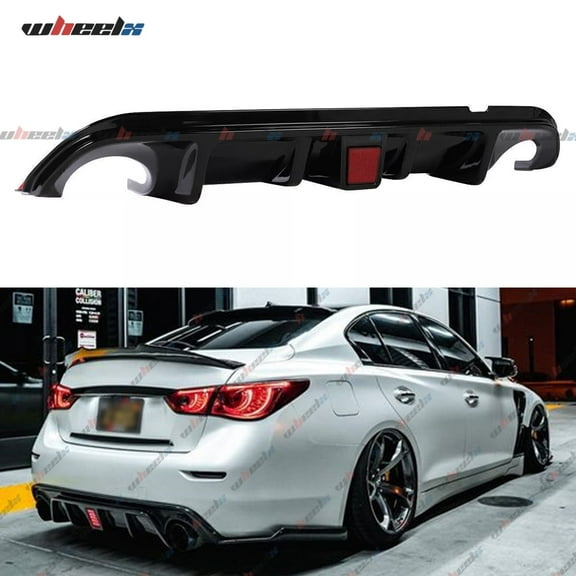
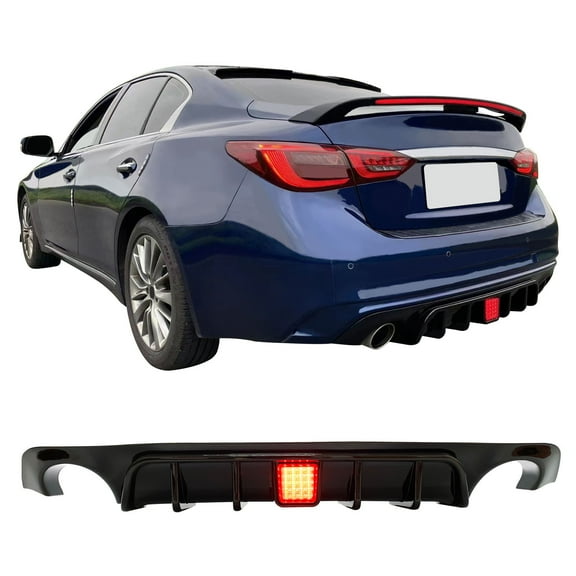
You may shop a 2018 Mustang rear diffuser when you want a model-specific look with lines that follow your factory bumper. You may prefer an Infiniti Q50 rear diffuser when you want a trim-conscious fit and a sharper lower fascia appearance.
Comparing material and rear lip diffuser styles
You should compare material first because it affects your part's weight, surface appearance, and daily-driving feel. You'll often see carbon fiber, ABS plastic, and polyurethane across rear lip diffuser and diffuser car bumper designs.
If you want a lighter, motorsport-inspired appearance, you may lean toward carbon fiber or a carbon fiber look finish. If you want a practical balance, you may choose ABS plastic because it usually gives you a clean molded shape.
You can look at polyurethane when you want a material that often has more flexibility during installation. You should still confirm product details, because your mounting hardware and edge design can vary by application.
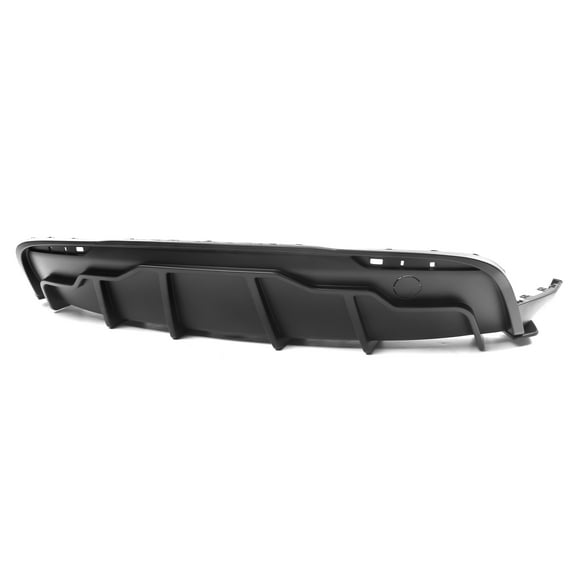
Finish matters because your bumper color and styling theme influence how your diffuser blends or stands out. You can choose matte black for a restrained look, glossy black for contrast, carbon fiber look for visual texture, or unpainted for custom finishing.
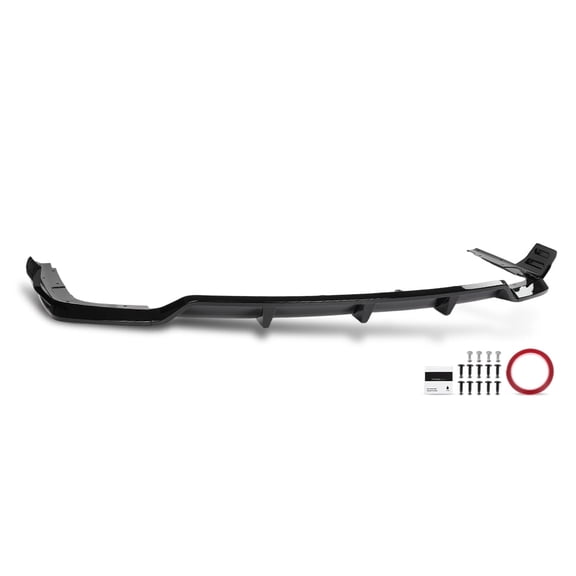
If you want a subtle update, you may prefer a low-profile lip diffuser with short fins and a close-to-bumper fit. If you want a stronger styling statement, you may choose deeper fins and a wider center section.
Checking installation type and fitment details
You should read installation notes carefully because one rear diffuser may mount with bolts, while another uses tape or mixed hardware. You can also find listings where manufacturers recommend professional installation for more complex bumper work.
With bolt-on designs, you may need to align brackets, reuse factory points, or mark drill locations. With tape-on styles, you should check your surface prep, edge alignment, and whether the shape follows your lower bumper evenly.
If you're comparing installation complexity, you should look for notes about bumper removal, drilling, or trimming. You can use those details to decide whether you want a simple weekend project or a shop-assisted install.
When you search with installation intent, you usually want clarity on labor level rather than general styling language. You should compare included hardware, mounting method, and fitment instructions before you commit to a specific panel.
Matching rear diffuser options to your vehicle and goals
You can use a rear diffuser to support two common goals: a more defined rear view and cleaner airflow management. When air exits more smoothly under your bumper, you may notice a design that looks more purposeful and performance-focused.
If you drive a Mustang, you may want a diffuser that follows your factory body lines and complements your spoiler or exhaust upgrades. If you drive an Infiniti Q50, you may look for a rear lip diffuser that sharpens your bumper without overwhelming your sedan profile.
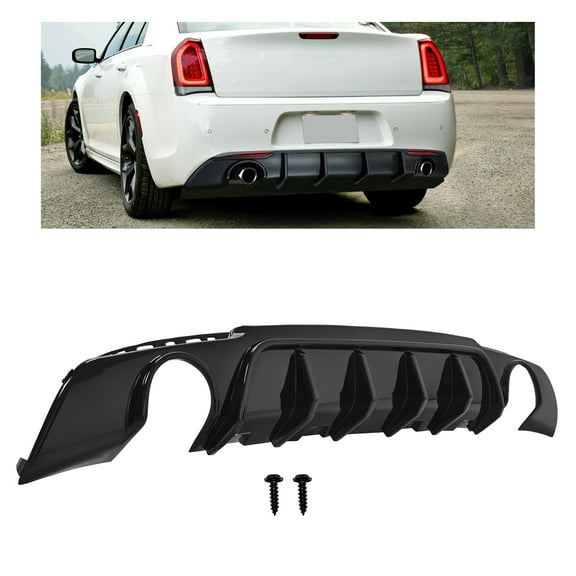
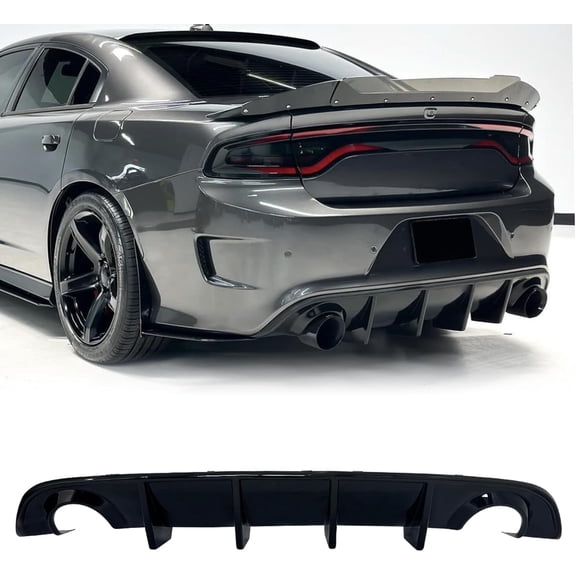
If you're updating a Chrysler 300 or searching around an SRT Chrysler bumper style, you should compare your trim shape and exhaust spacing closely. You can avoid mismatch issues when you verify your valance dimensions and lower edge contours first.
For universal fit projects, you should measure your bumper width, center depth, and corner curvature before ordering. You can get a clean custom result when you compare your fin spacing and mounting surface area in advance.
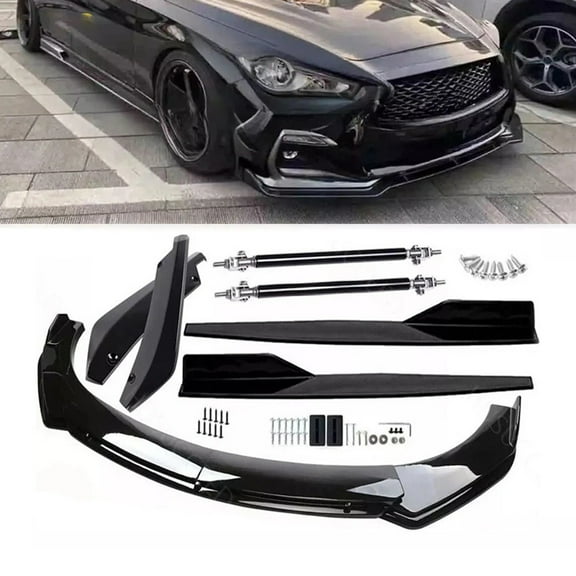
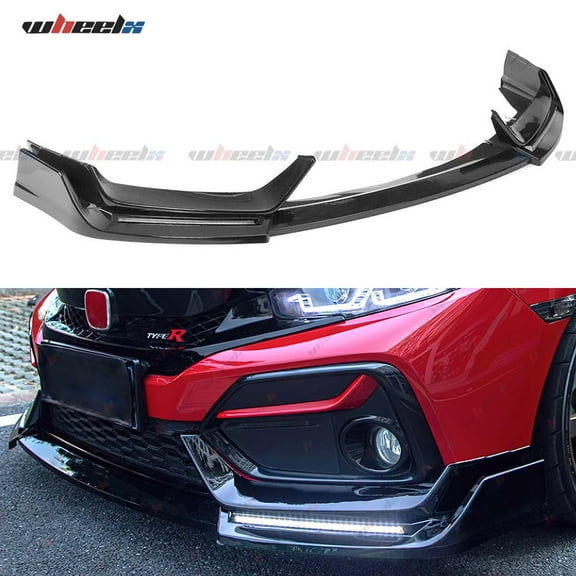
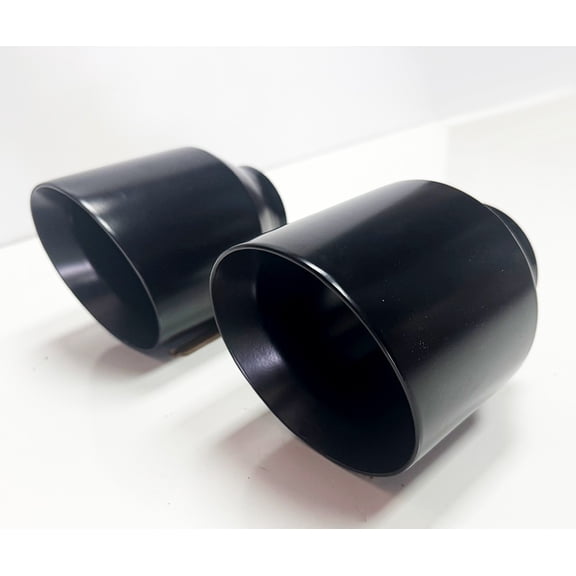
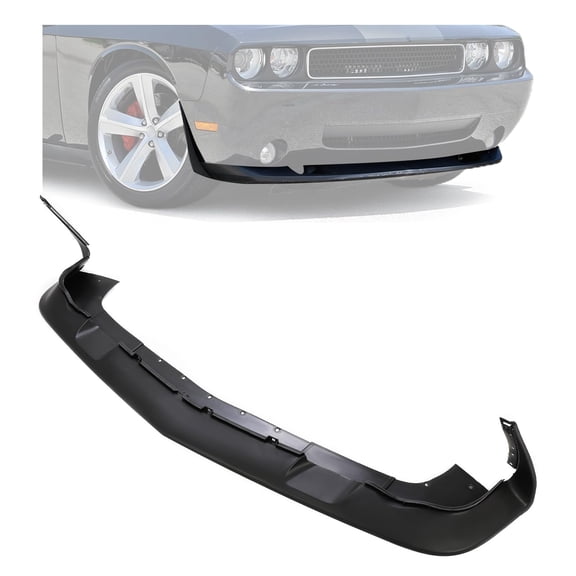
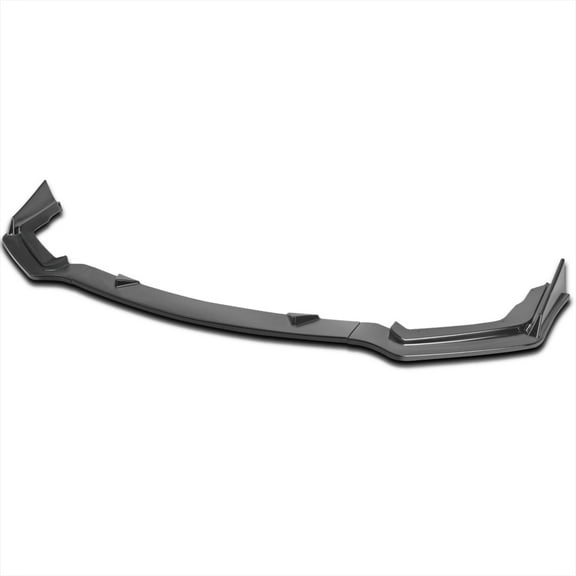
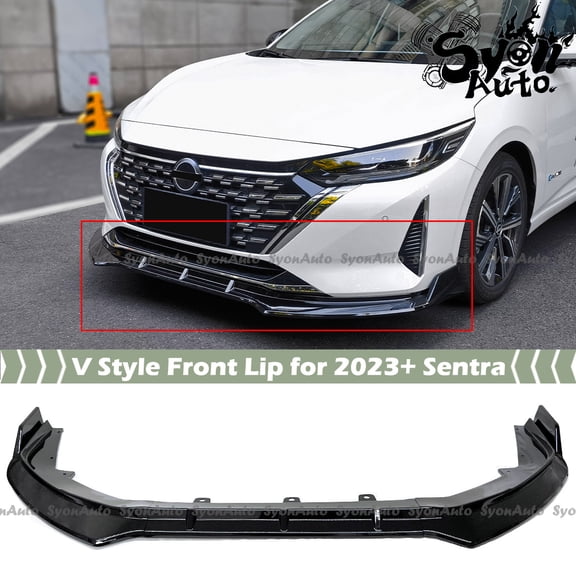
You may also coordinate your diffuser car bumper upgrade with your spoiler wings, bumper covers, front splitters, or exhaust tips. You can create a more cohesive exterior when your finish, edge shape, and gloss level work together.
Your final choice should balance your fitment accuracy, material preference, finish, and installation effort. When you compare those details carefully, you can land on a rear diffuser that fits your car cleanly and completes your rear styling.