


Food Roasters & Rotisseries - Electric Roasters


























About Food Roasters & Rotisseries - Electric Roasters - Walmart.com
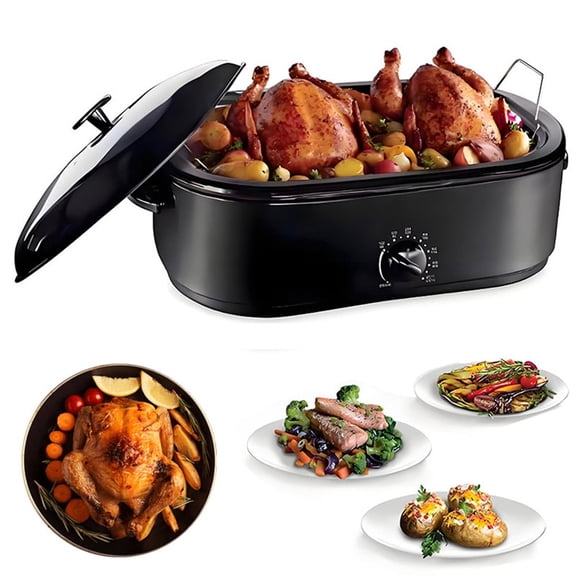
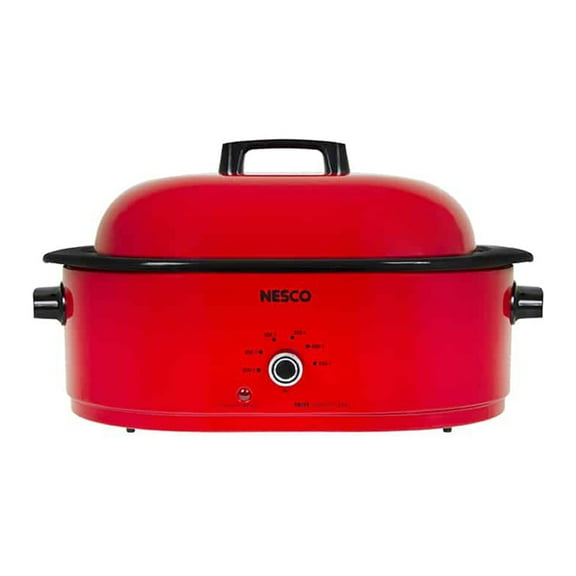
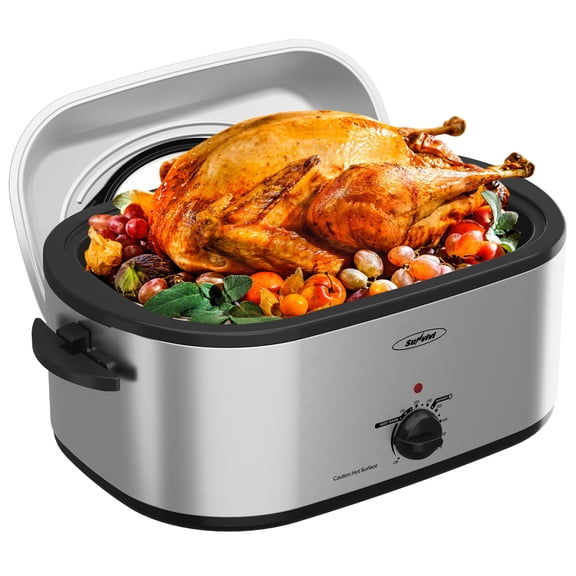
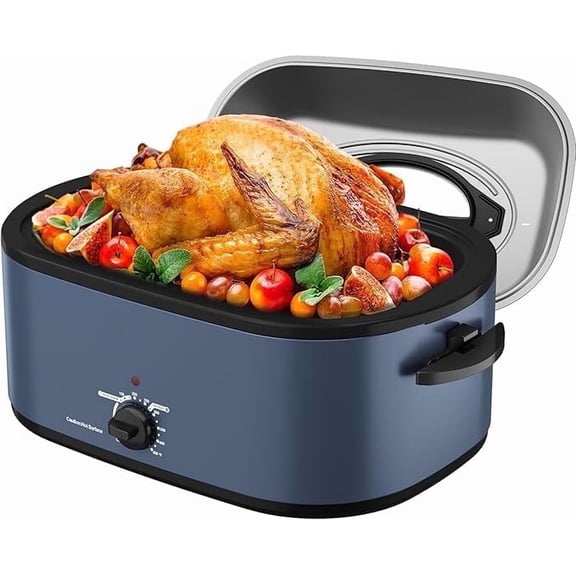
With roasters and rotisseries, you can handle holiday meals, batch cooking, and hands-off roasting in one category. You’ll compare capacity, power type, and cooking function, so your setup fits your kitchen and your meal plans.
How to choose roasters and rotisseries
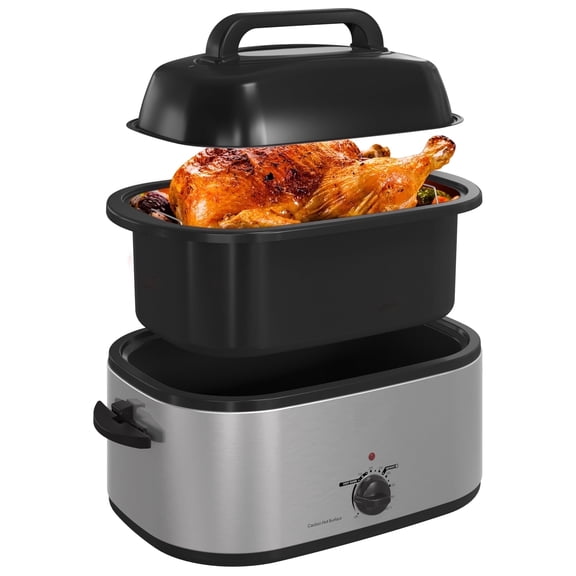
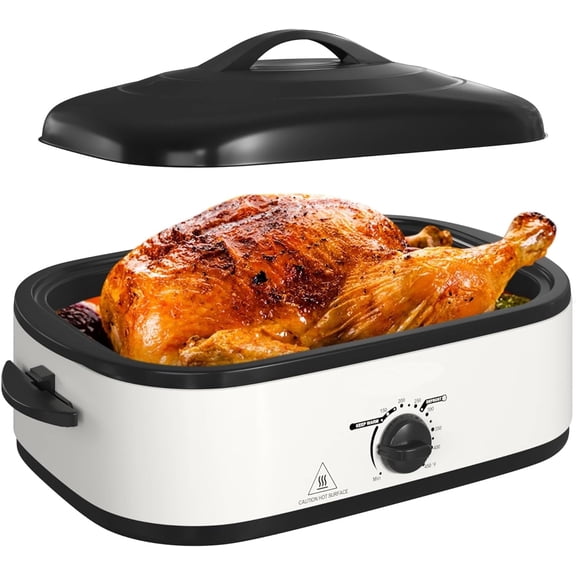
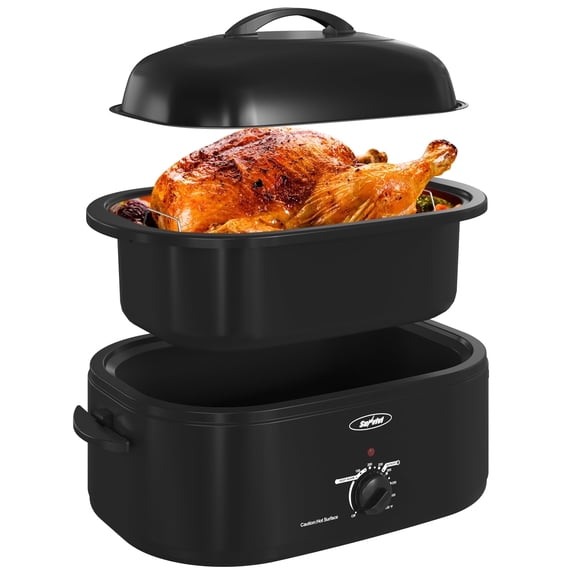
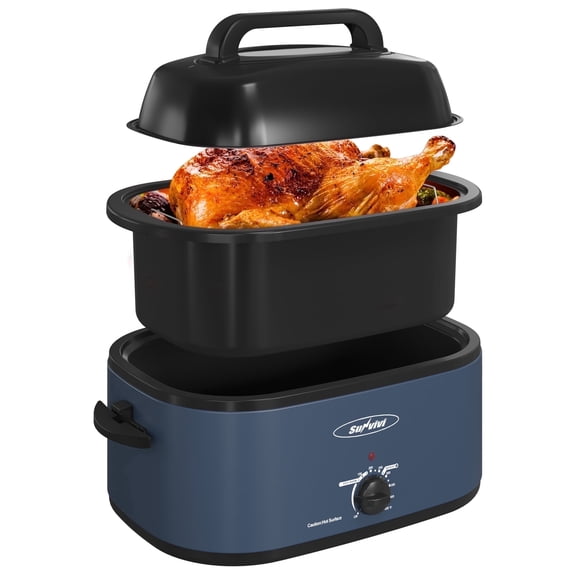
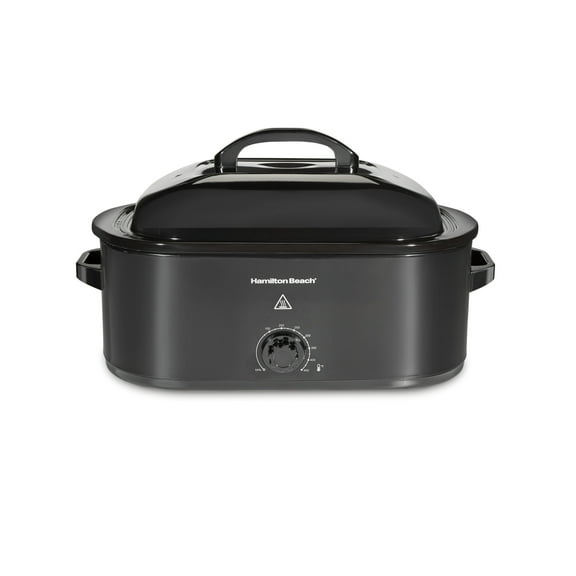
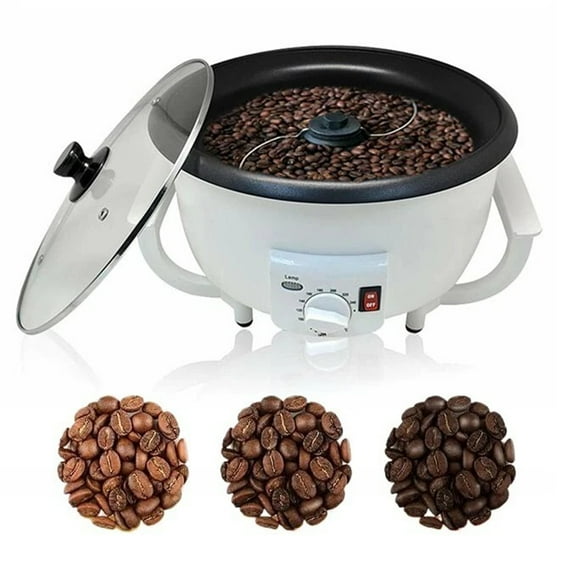
When you compare roasters and rotisseries, you should separate electric roaster ovens from countertop rotisserie options first. You’ll usually use a roaster for covered cooking, while you’ll use a rotisserie spit for turning meat as it cooks.
If you cook for gatherings, you may prefer turkey roasters that free up your main oven during busy meals. If you cook smaller cuts often, you may prefer a countertop unit that fits on your counter and stores easily.
Choosing the right capacity
You should start with capacity because quart size affects what you can cook and how much space the unit needs. You’ll often see 18 quart, 20 quart, 22 quart, and extra-large options across this category.
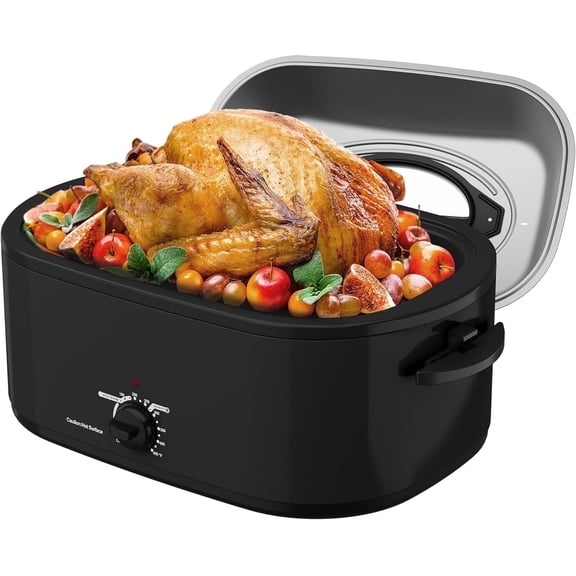
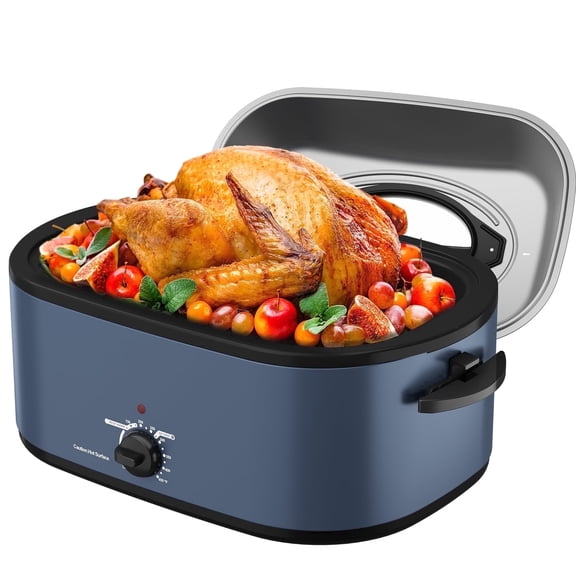
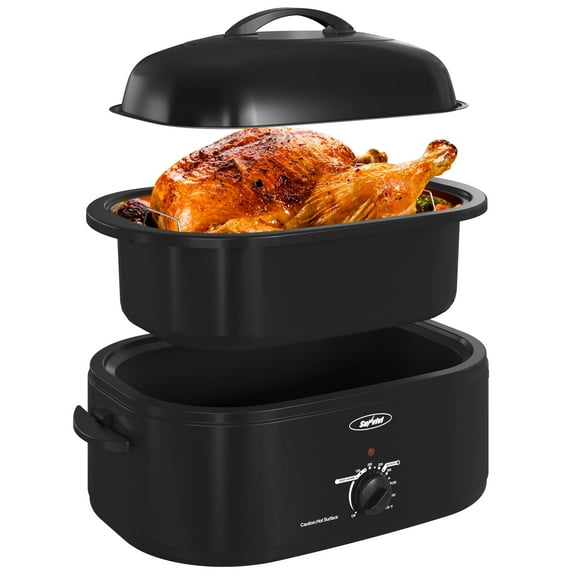
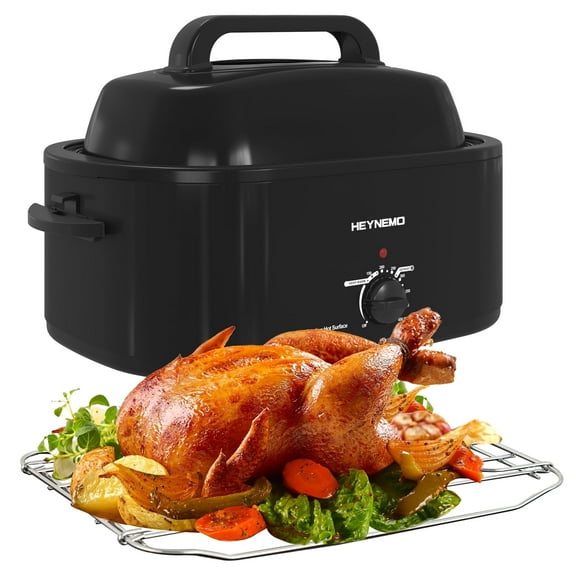
If you’re planning a thanksgiving turkey roaster, you should check both quart size and listed turkey weight guidance. You’ll find that a large capacity roaster gives you more room for big birds, roasts, and batch sides.
For smaller households, you may want a size that still handles casseroles or roast chicken without taking over your counter. You’ll appreciate a snug fit when you store the unit between holiday meals.
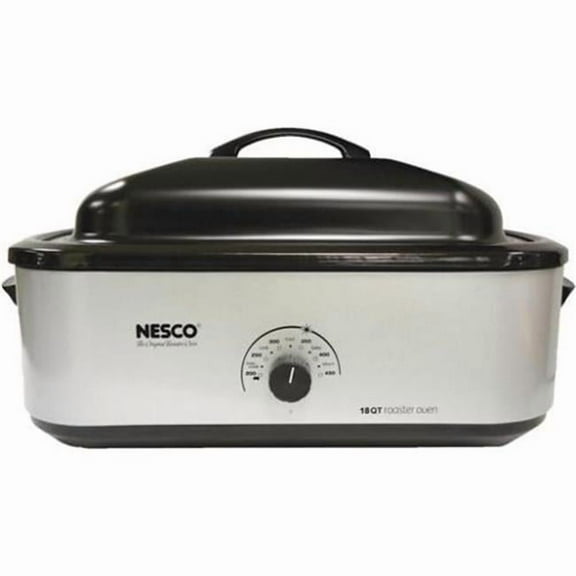
- You can choose 18 quart sizes for smaller roasts, casseroles, and compact storage.
- You can step up to 20 quart or 22 quart sizes for larger birds and family meals.
- You can consider extra-large models when you cook for holidays, potlucks, or larger gatherings.
You should also compare the insert shape because width and depth affect how evenly your food sits in the pan. You’ll often notice that a wider pan helps you place a turkey or roast with more confidence.
Comparing electric roaster ovens and countertop rotisserie options
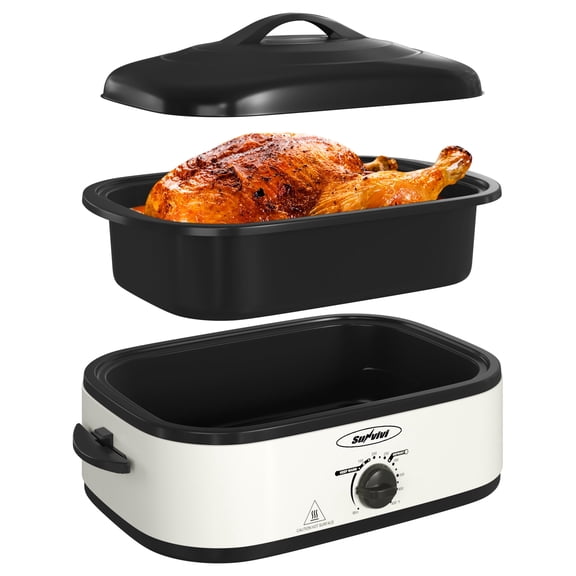
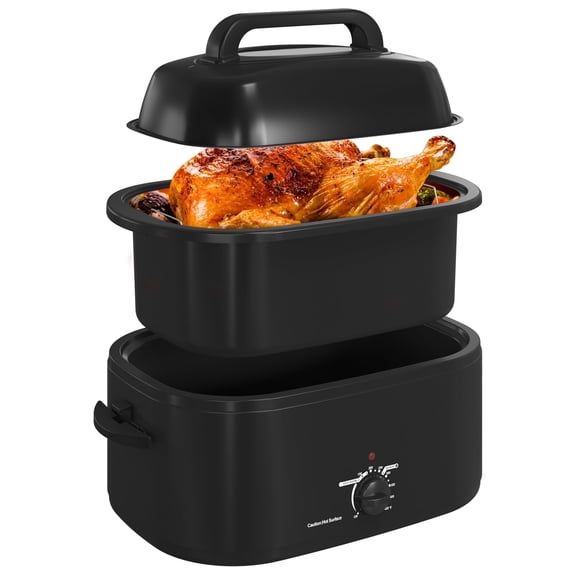
You should compare cooking style next because each format supports a different result on your table. With electric roaster ovens, you’ll get covered heat that works well for turkey, ham, and slow-cooked dishes.
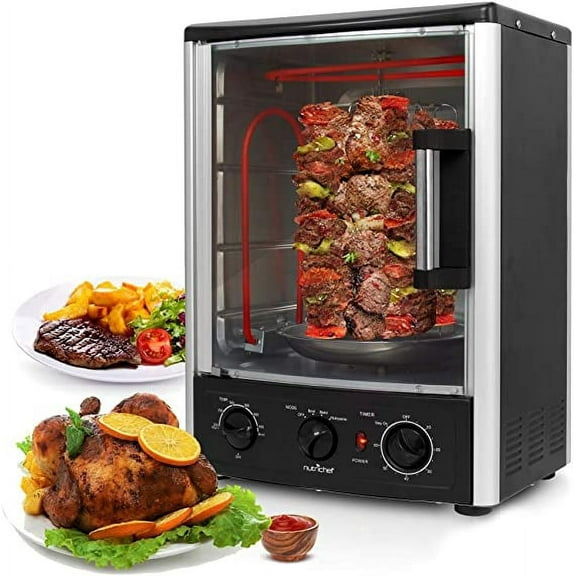
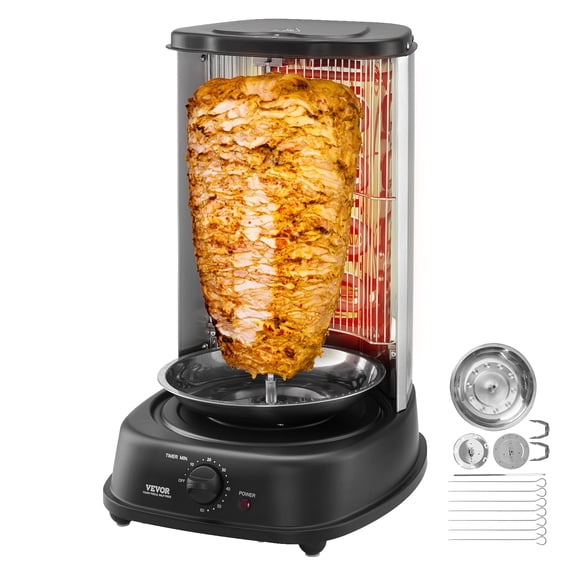
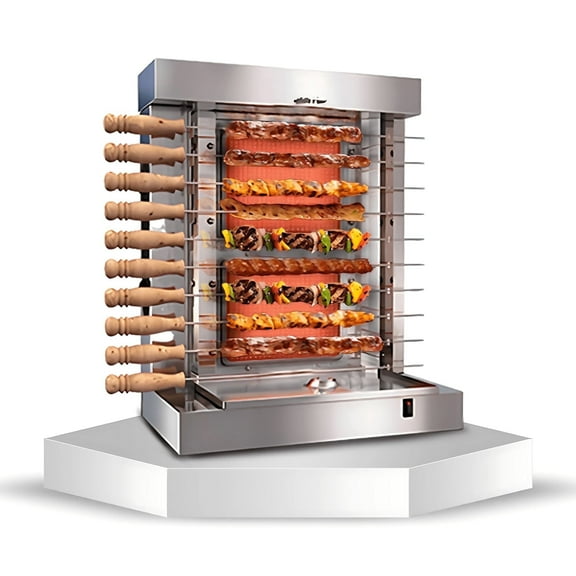
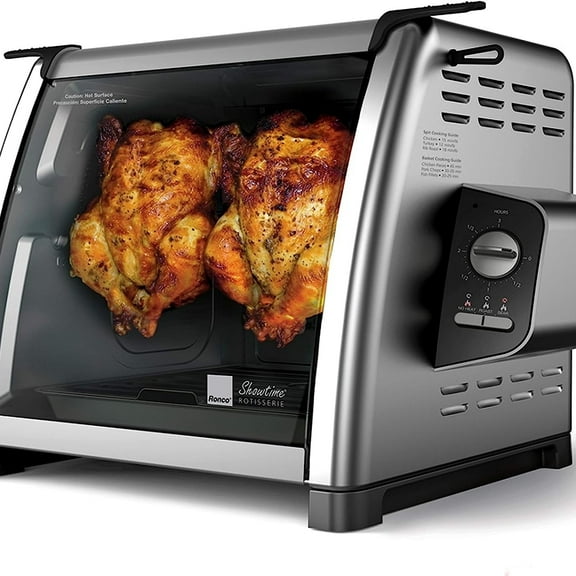
With a countertop rotisserie, you’ll get turning action that helps brown the outside evenly during cooking. You may prefer that setup when you want rotating chicken, pork loin, or kebab-style meals.
If you want one appliance for several tasks, you should look at functionality labels closely before you decide. You’ll see options described as roaster, rotisserie, slow cooker, or baker, and each label helps guide your use.
A multi-function unit can suit you when you want to bake sides, roast meat, and keep meals moving in one small cooking zone. A single-purpose unit can suit you when your cooking routine stays focused.
What to look for in power type and footprint
You should check whether the unit is electric, oven-safe, or countertop because placement changes your daily use. You’ll want an electric roaster oven if you need a separate heating source beyond your main oven.
An oven-safe roaster can work for you when you already have oven space and want a dedicated pan style. A countertop model can help you keep the main oven open for pies, sides, or extra trays.
You should also measure your counter and storage area before you choose a larger appliance. You’ll avoid crowding when you compare lid height, handle width, and the full footprint.
If your kitchen has limited space, you may lean toward compact forms that still handle regular family meals. If your kitchen has room, you may choose extra capacity for entertaining and holiday prep.
Checking materials and cleanup features
You should compare finish and material because they affect cleanup, appearance, and long-term use. You’ll commonly find stainless steel, black, and porcelain-enamel finishes in this category.
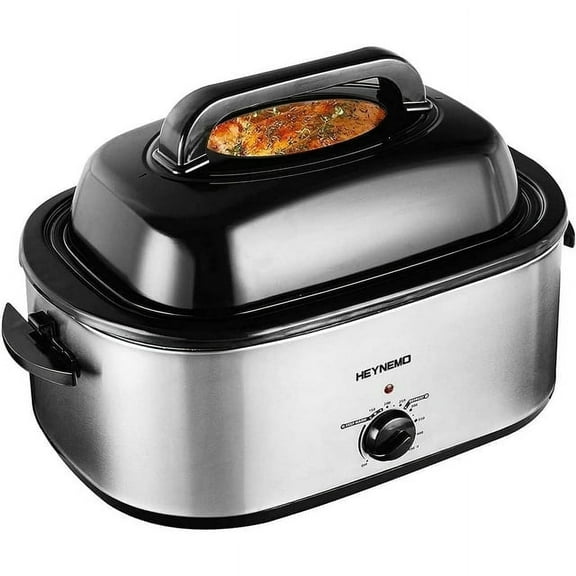
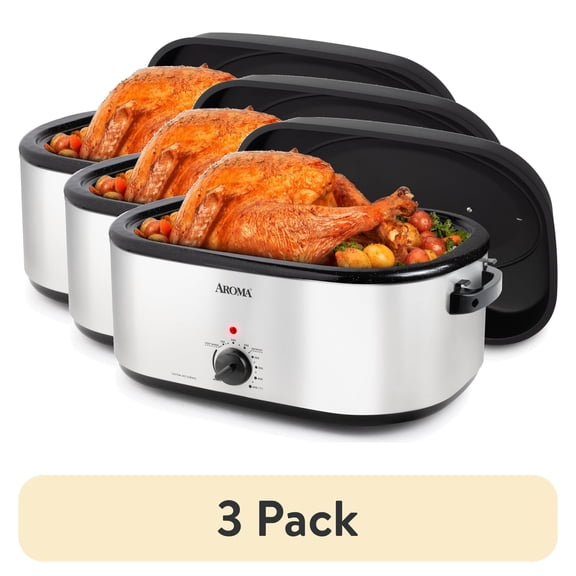
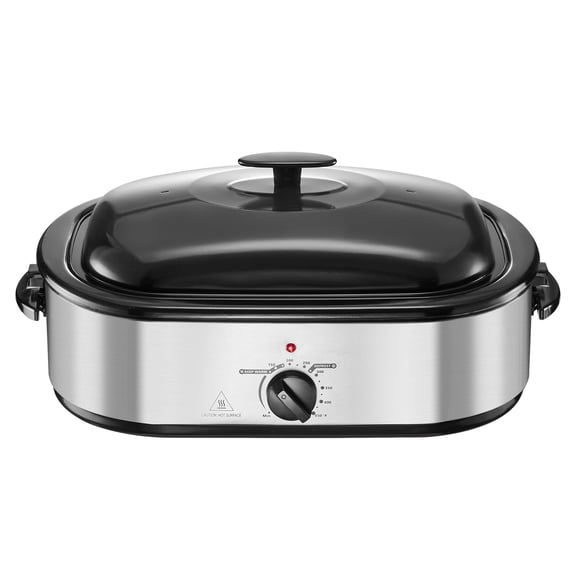
A stainless steel roaster can give you a classic kitchen look with a durable exterior. A black finish can blend into many countertops, while porcelain-enamel interiors can make stuck-on residue easy to remove.
You should look for a removable enamel pan when easy cleaning matters in your routine. You’ll also want to check whether racks, pans, or other parts are dishwasher-safe before you decide.
If you cook often, you may appreciate a self-basting roaster design that supports moisture circulation during covered roasting. You’ll also want handles and inserts that lift out smoothly after cooking.
Matching use cases to the right setup
You should match the appliance to your cooking habits instead of choosing by appearance alone. You’ll get more from the category when size, function, and cleanup fit your actual meal routine.
For holiday hosting, you may want turkey roasters in 22 quart or extra-large sizes with room for a bird and drippings. You’ll free your main oven for sides, desserts, and warming dishes.
For meal prep, you may prefer electric roaster ovens that handle larger proteins, baked pasta, or party-size casseroles. You’ll get steady countertop cooking without juggling multiple stovetop burners.
For crisp exterior browning, you may choose a countertop rotisserie with a rotisserie spit for turning meat during cooking. You’ll often use that setup for chicken, roasts, or skewered items.
If you want an appliance that crosses seasons, you should consider roaster models that also work as bakers or slow cooker alternatives. You’ll use them for holiday feasts, weekend roasts, and make-ahead gatherings.
When you compare roasters and rotisseries by capacity, function, footprint, and cleanup, you can choose equipment that fits your kitchen with minimal guesswork. You’ll end up with a setup that handles large meals, frees oven space, and keeps roasting more manageable.