

Trolling Motor Plugs in Trolling Motor Parts and Accessories





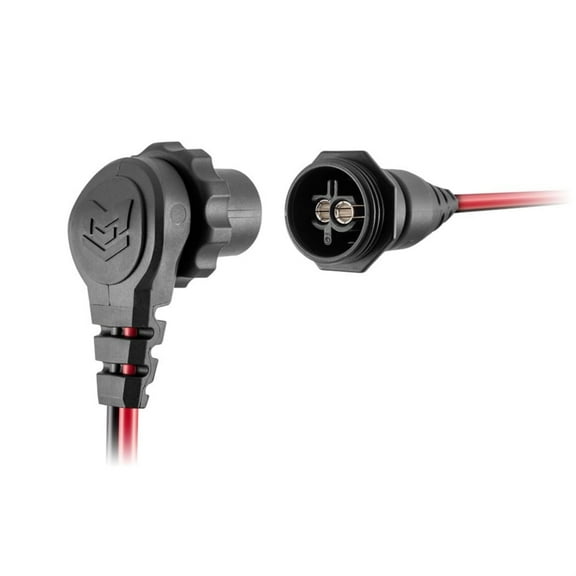
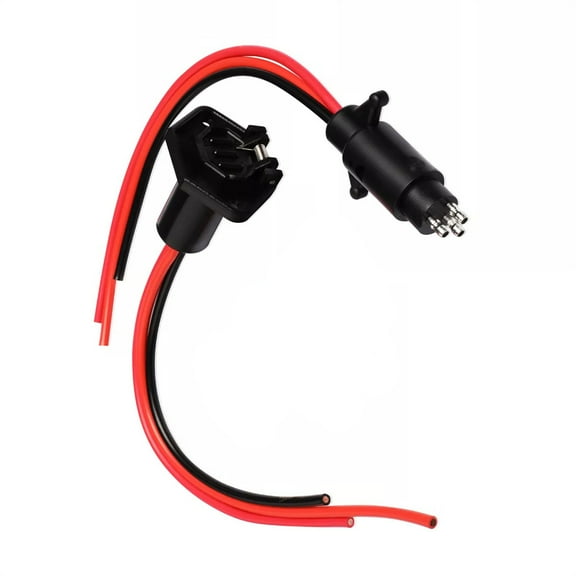
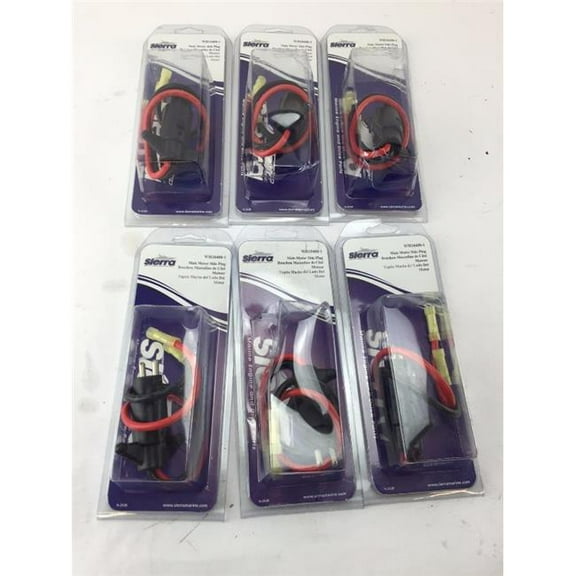

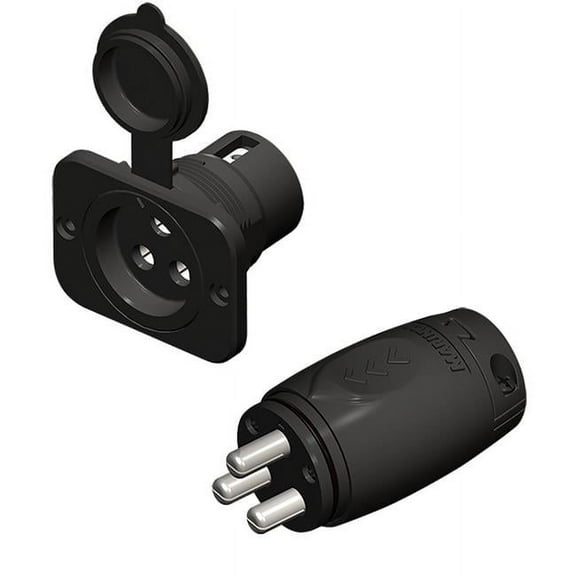
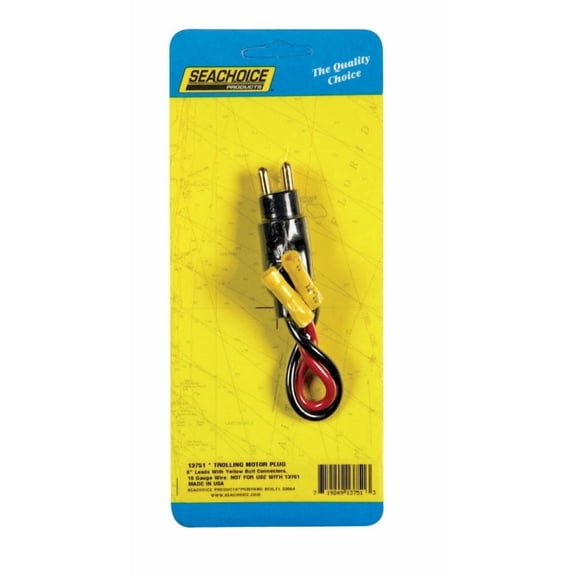

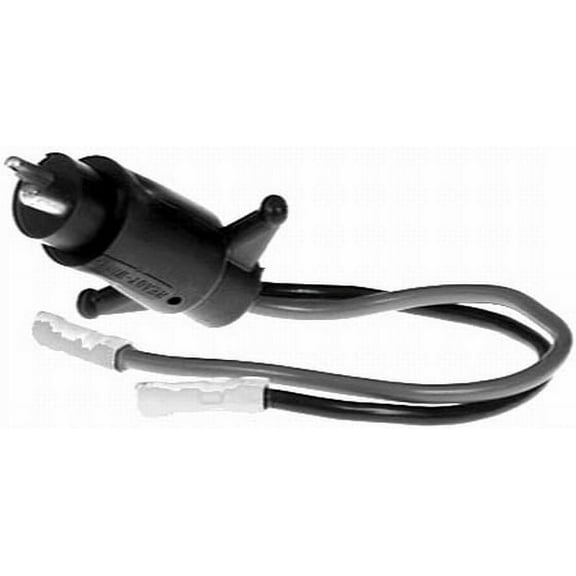


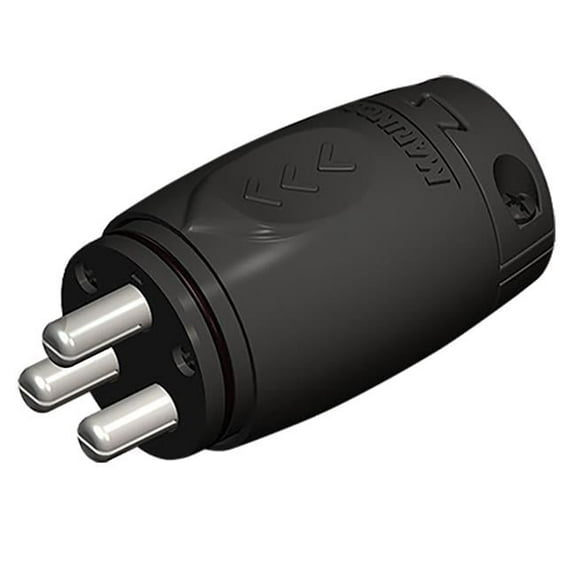
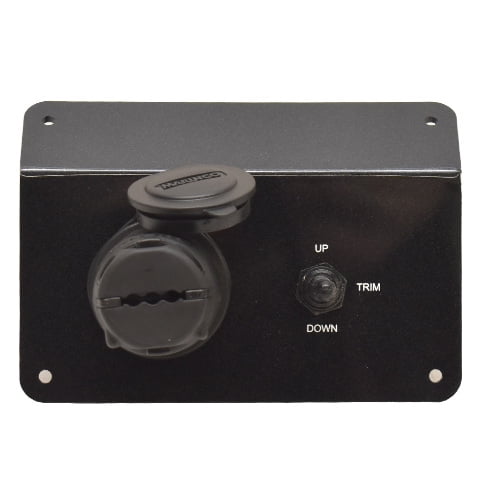
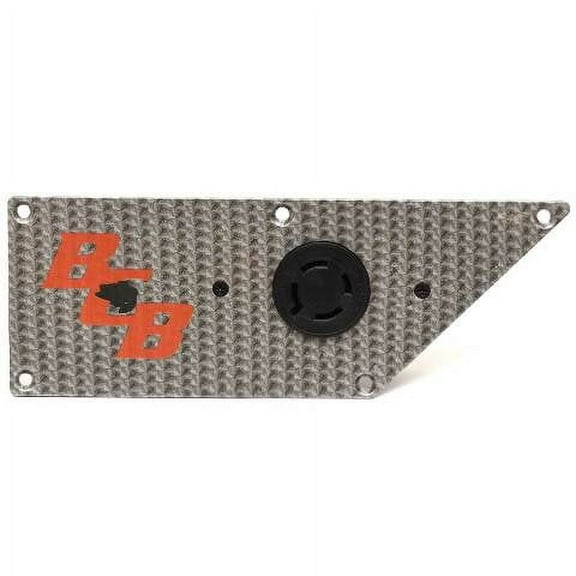


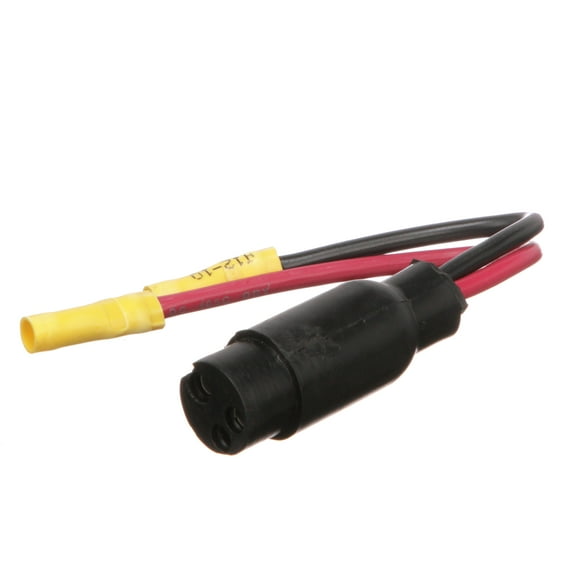
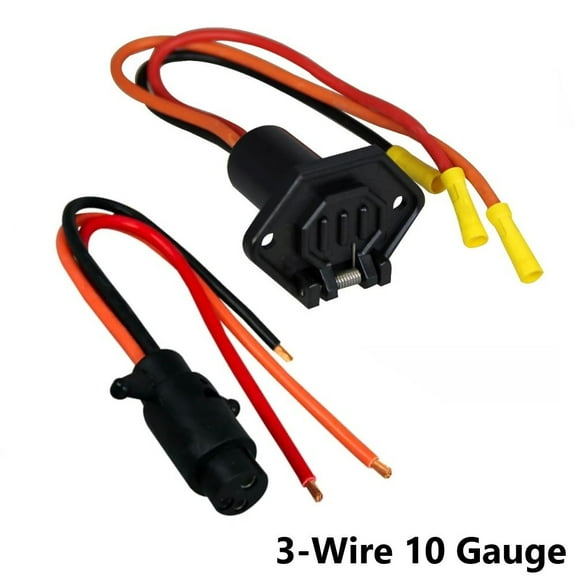
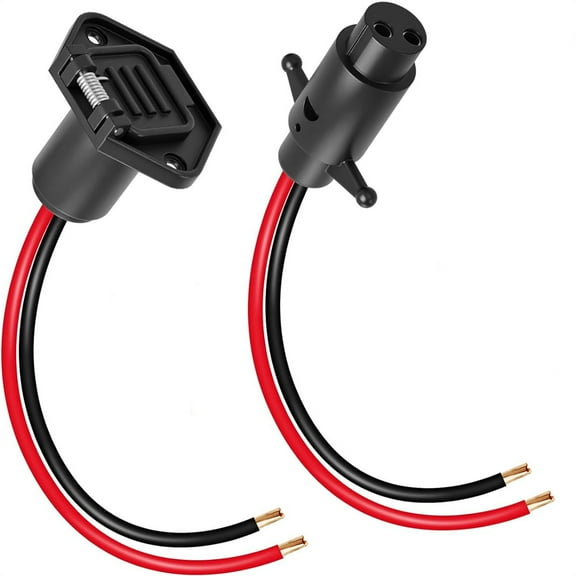
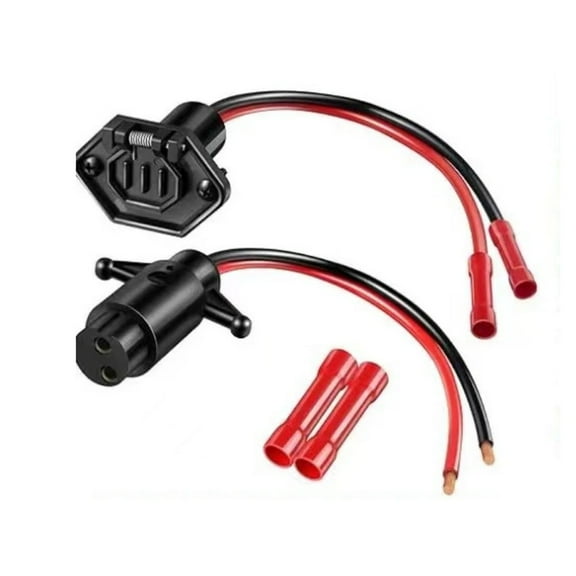

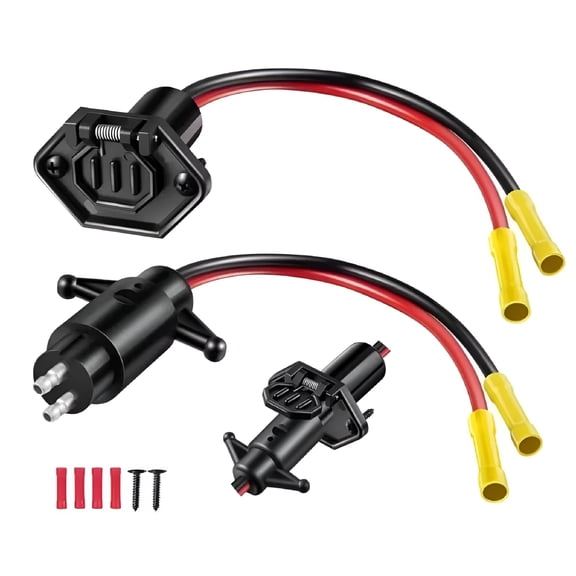
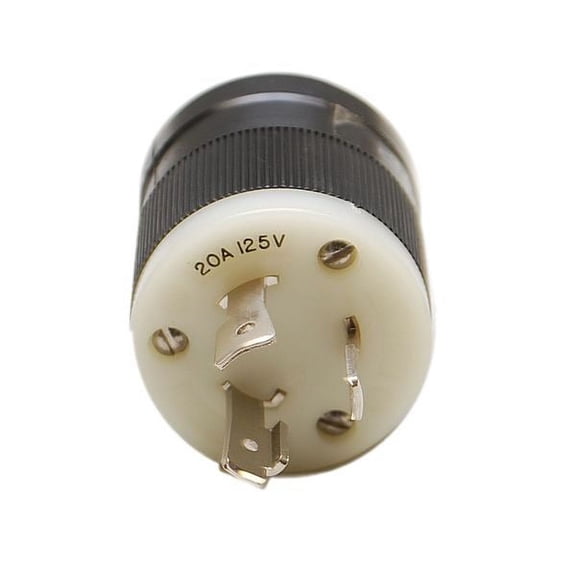

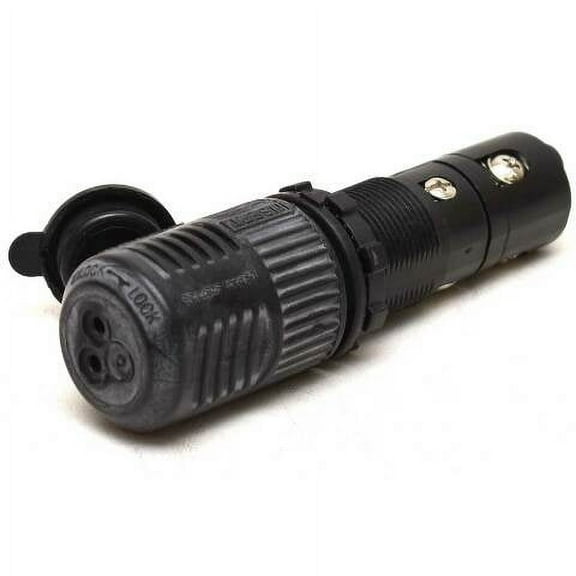
About Trolling Motor Plugs in Trolling Motor Parts and Accessories
If you need a trolling motor plug nearby, you’ll want clear compatibility details before you choose. You can compare voltage, plug style, and wiring fitment here, so your boat setup stays straightforward.
When you’re replacing a worn connector, you need parts built for wet marine conditions. You can also narrow options for 12V, 24V, and 36V systems without guessing at fit.
How to choose a trolling motor plug nearby
You should start with your motor system voltage, because that choice affects matching across your boat. You’ll usually see trolling motor plug 12v, trolling motor plug 24v, and 36V options labeled clearly.
If your boat runs a single battery setup, you may need a 12V connection style. If your setup uses multiple batteries, you should check whether your plug matches 24V or 36V wiring.
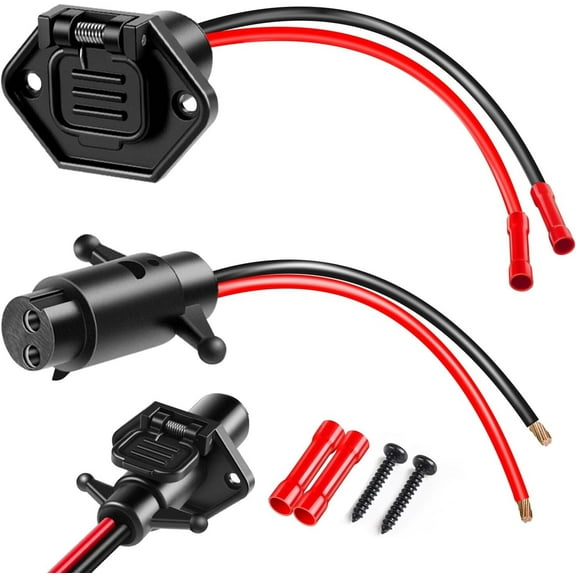
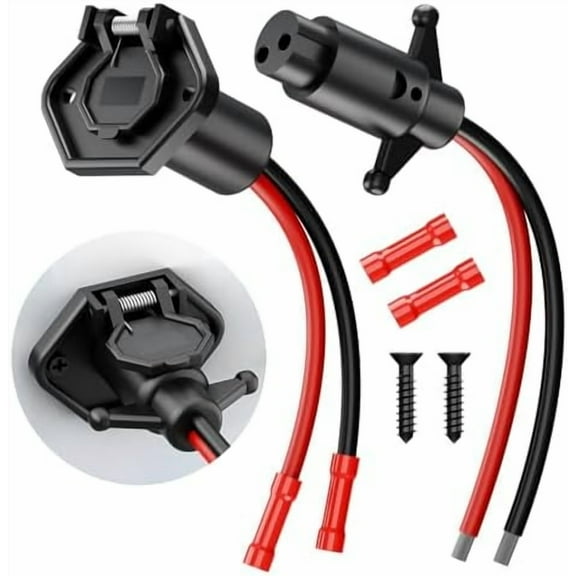
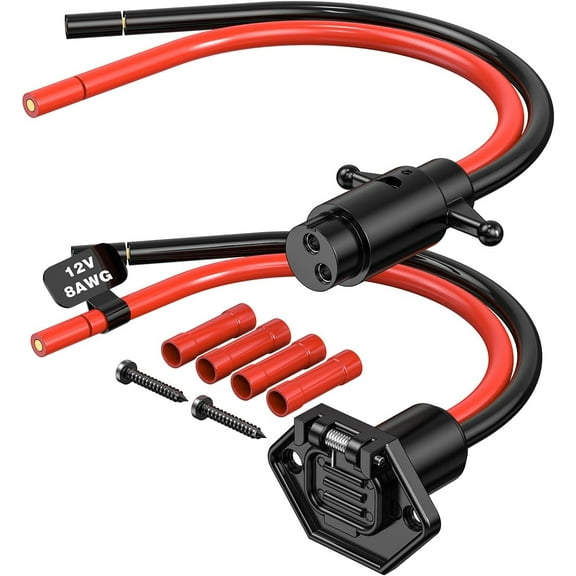
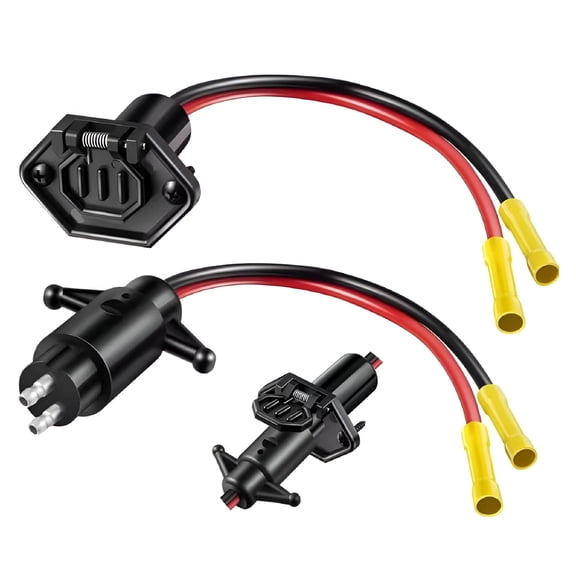
You should also compare component type before you order. You may need a plug, a trolling motor receptacle, or a trolling motor plug kit for a full replacement.
- You can match your connector to your boat’s voltage system before installation.
- You can choose a receptacle when your dash or panel connection needs replacement.
- You can select a plug kit when you want coordinated components in one package.
- You can look for marine-ready housings that handle repeated connection and removal.
Choosing voltage compatibility and wiring setup
You should confirm whether your system uses 12V, 24V, or 36V before comparing plugs. You’ll avoid mismatched connections when your voltage rating matches your trolling motor setup.
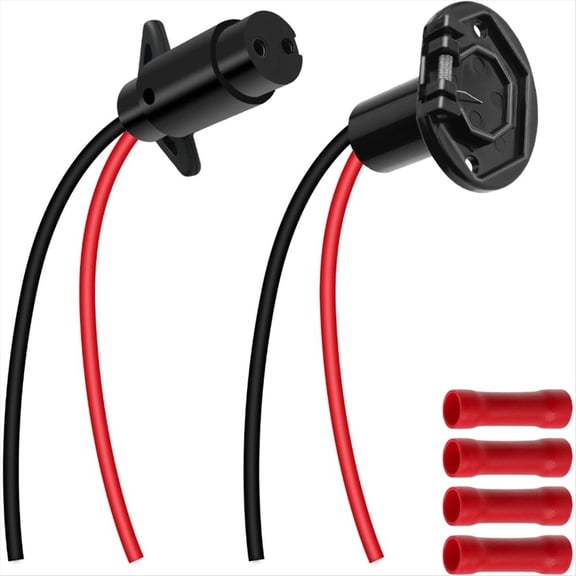
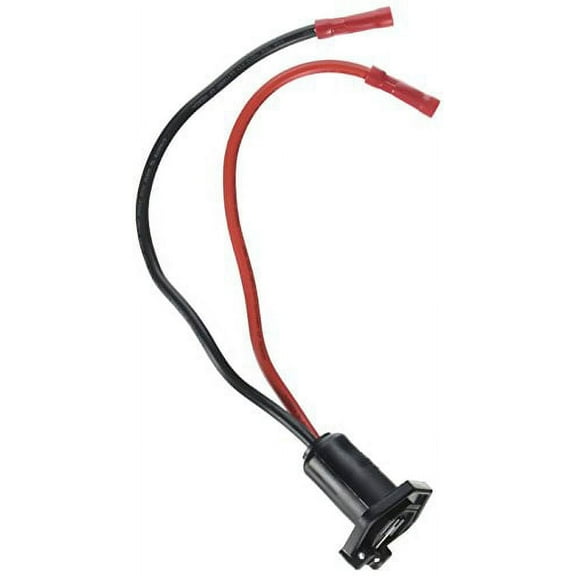
You should also check wiring setup, because a 2 wire trolling motor plug fits different layouts than a 3-wire version. You can use that detail to narrow options before you start any install.
When you compare wire fitment, you should look for supported gauge ranges like 8 AWG or 10 AWG. You’ll want enough room for your cable size, so terminals fit cleanly.
You may also look for a trolling motor electrical plug with a secure locking design. You’ll notice a firm connection helps limit unwanted movement while your boat is underway.
Comparing plug configuration and receptacle type
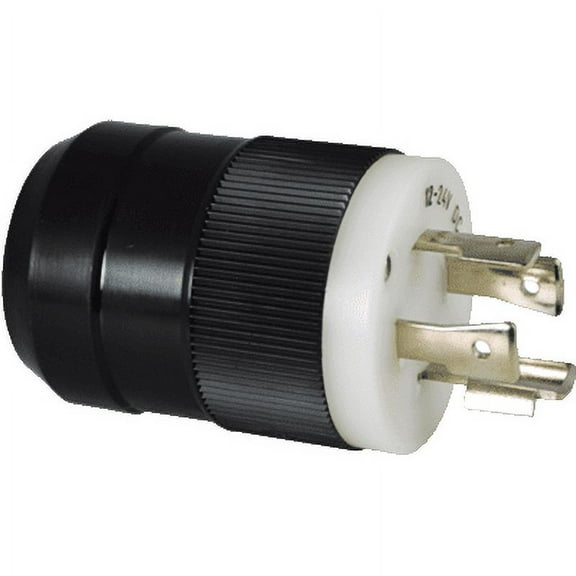
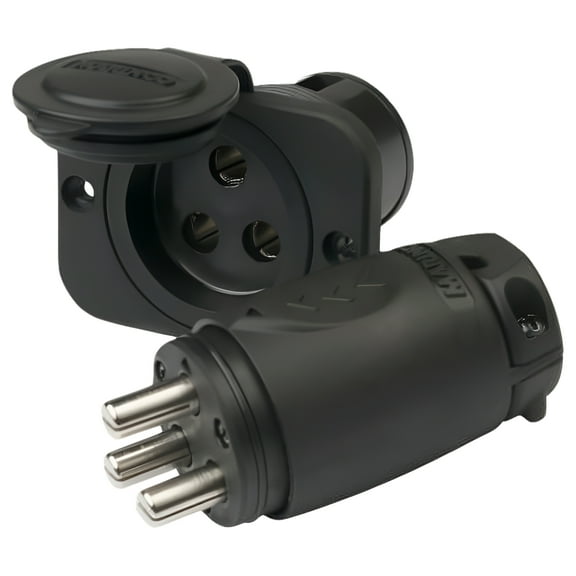
You should match your plug configuration to the receptacle already mounted on your boat. You can compare 2-prong, 3-prong, 2-pin, and 4-pin layouts before you commit.
If you’re replacing a 2 prong trolling motor plug, you should confirm the blade pattern and housing shape. You can avoid fit issues when your new part mirrors your current connection style.
You may also need a 2 pin trolling motor plug for compact setups with simple power routing. You should check product details closely, because pin count changes compatibility fast.
When your receptacle is worn, you should replace that matching component instead of forcing an old housing. You’ll get a cleaner install when your plug and trolling motor receptacle pair naturally.
What to look for in marine durability
You should look for marine-grade materials that hold up around water, spray, and sun exposure. You’ll want housings and contacts that stay dependable through repeated trips.
If you fish in freshwater or saltwater, you should compare corrosion-resistant finishes and covered terminals. You can keep your connection points cleaner when the design includes moisture protection.
You may also prefer a plug kit with strain relief, sealing caps, or sturdy mounting hardware. You’ll appreciate those details when your boat deck sees frequent setup changes.
For everyday use, you should consider how easily the connector seats and releases. You can make launch prep smoother when your plug locks in without extra force.
Matching combinations to real boating setups
If you run a smaller boat with a single battery, you may choose a trolling motor plug 12v with a simple two-wire layout. You can keep replacement planning easier when the voltage and wire count align.
If your boat uses a higher-draw setup, you may need a trolling motor plug 24v and heavier cable support. You should check gauge compatibility carefully when your wiring carries more power.
When you’re rigging a bow panel from scratch, you may prefer a trolling motor plug kit with both matching pieces. You can streamline installation when your plug and receptacle are built together.
If you trailer often or remove your motor between trips, you should look for a connector with a firm lock. You’ll benefit from a stable fit that reconnects quickly at the ramp.
You may also pair this category with trolling motors, marine batteries, and marine wire and cable. You can build a more complete electrical setup when every connection point matches your system.
With the right trolling motor plug nearby, you can match voltage, prong style, and wire fitment with more confidence. You’ll end up with a cleaner marine connection that suits your boat from plug to receptacle.