


Find auto parts that fit
Let’s search for parts that fit your vehicle.Trickle Chargers for Cars in Car Battery Chargers





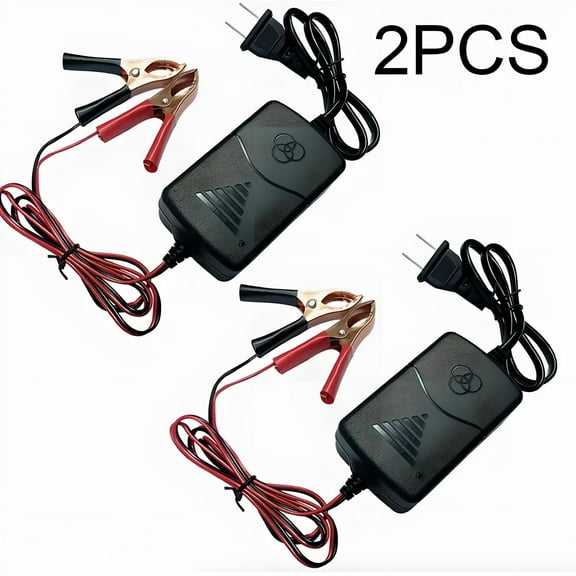
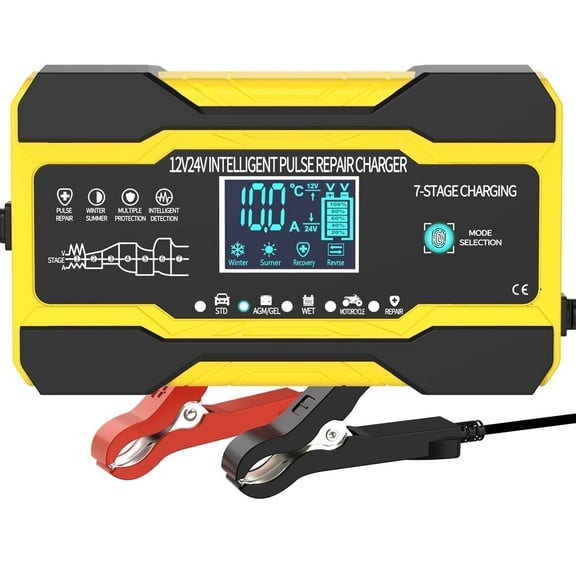


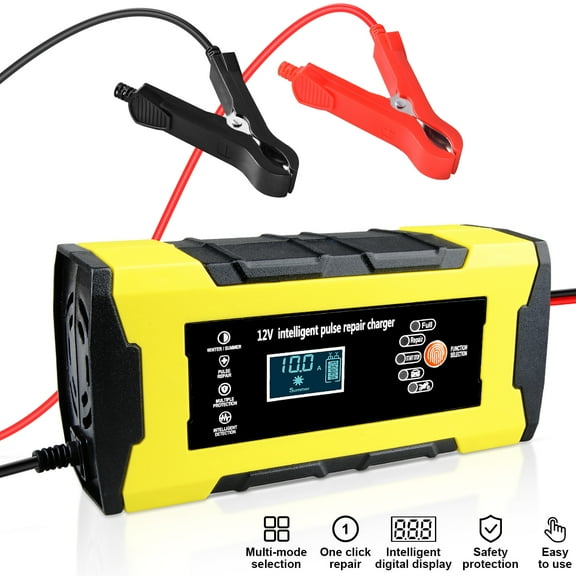
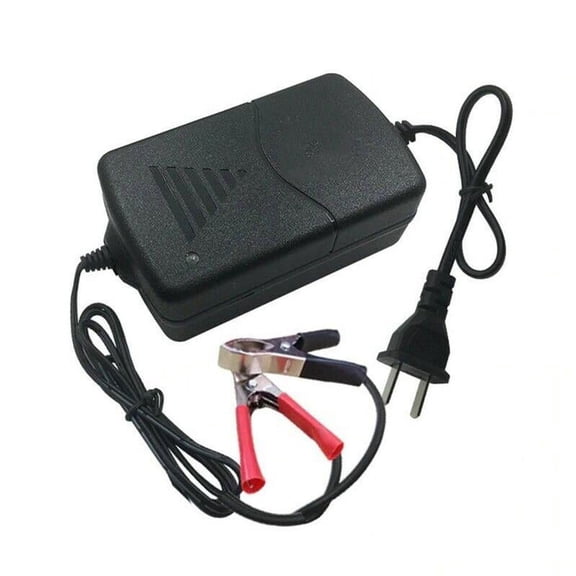
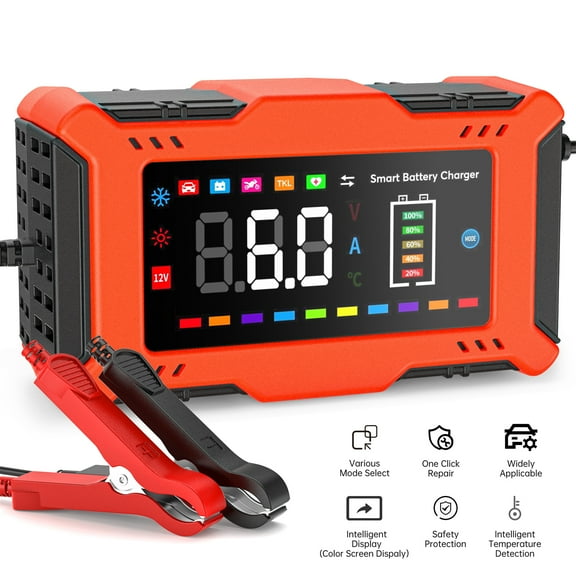

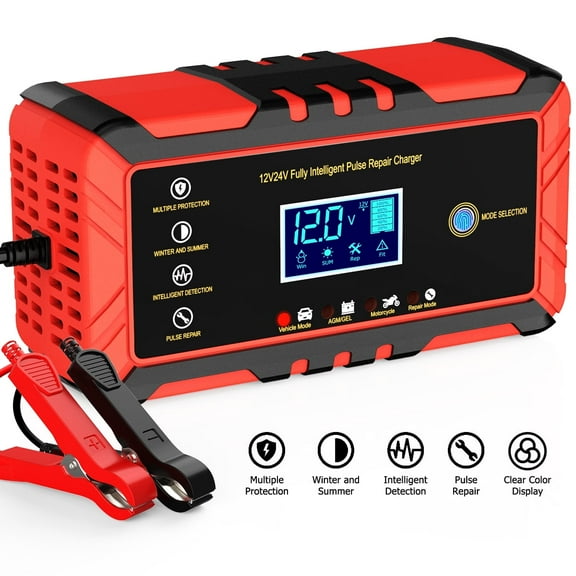

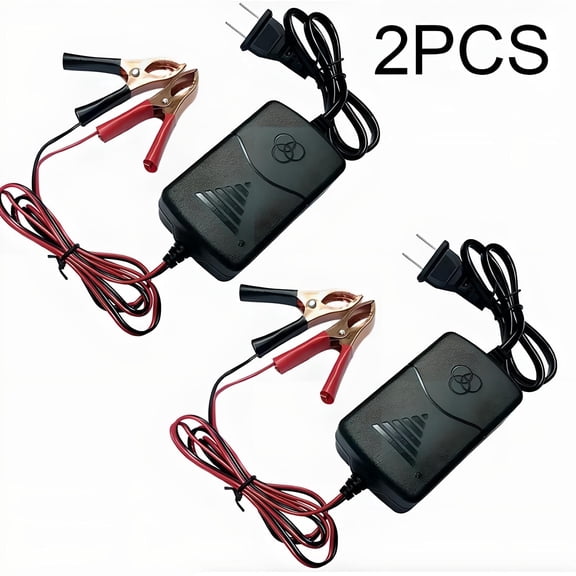
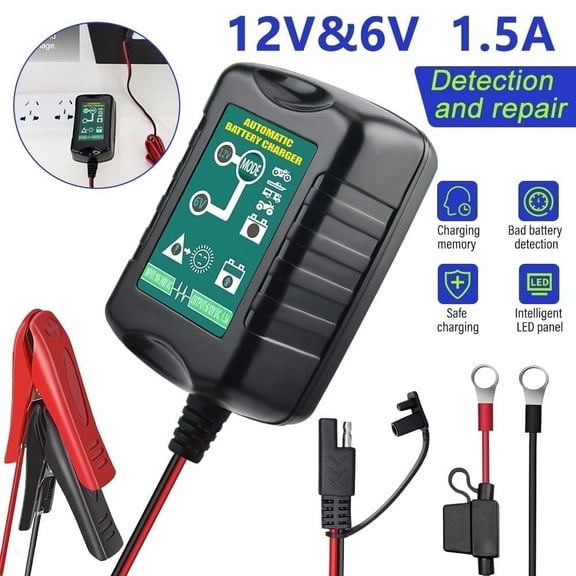
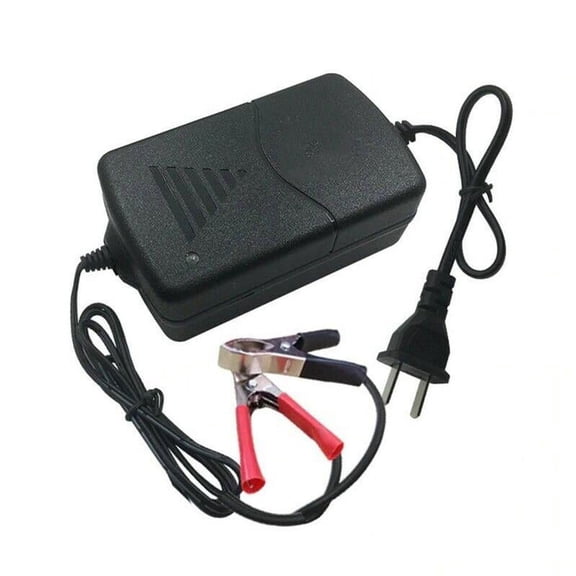


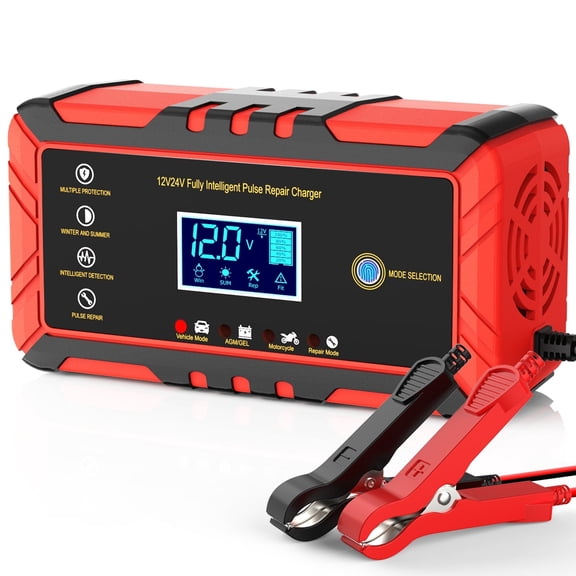


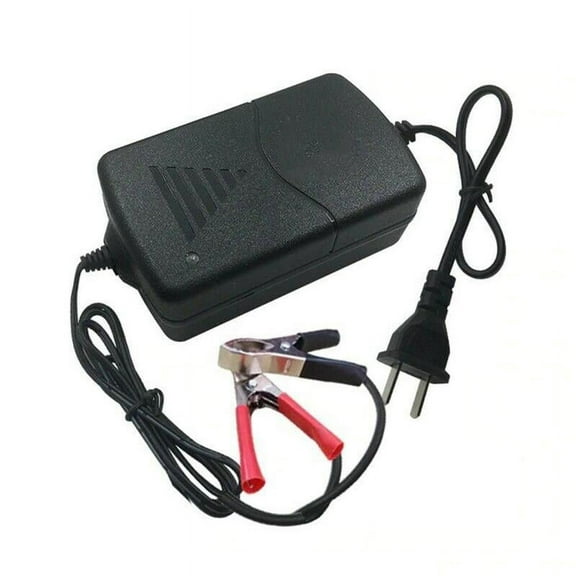
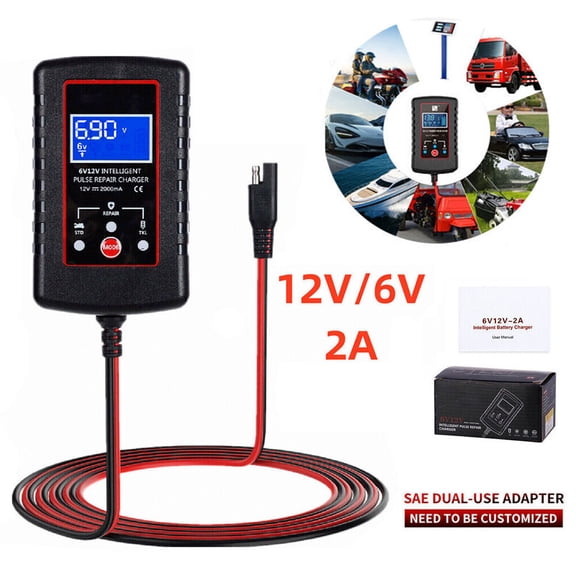
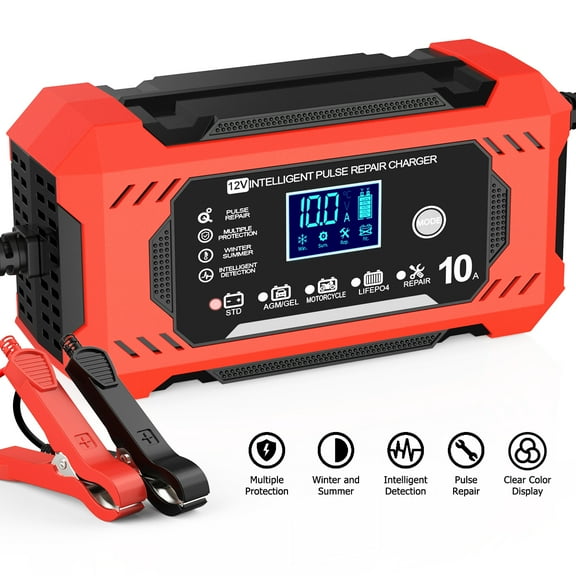
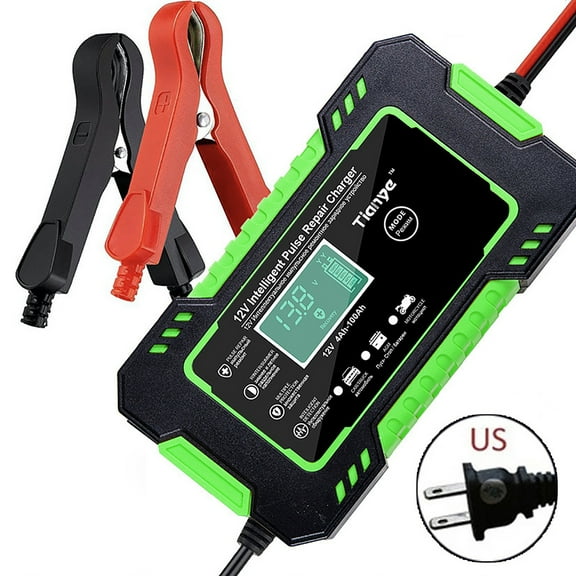


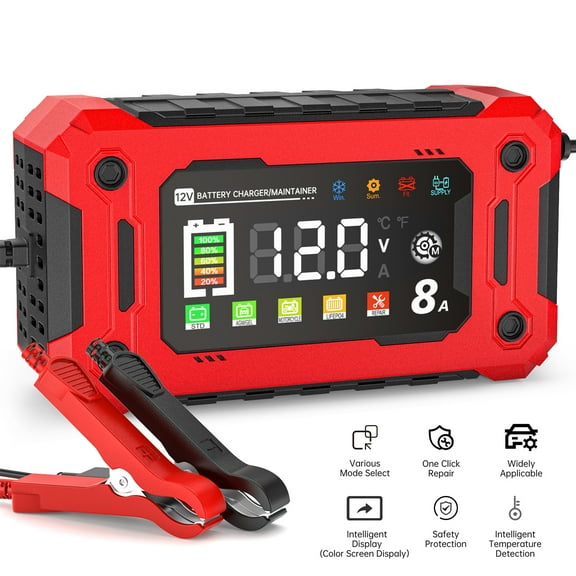
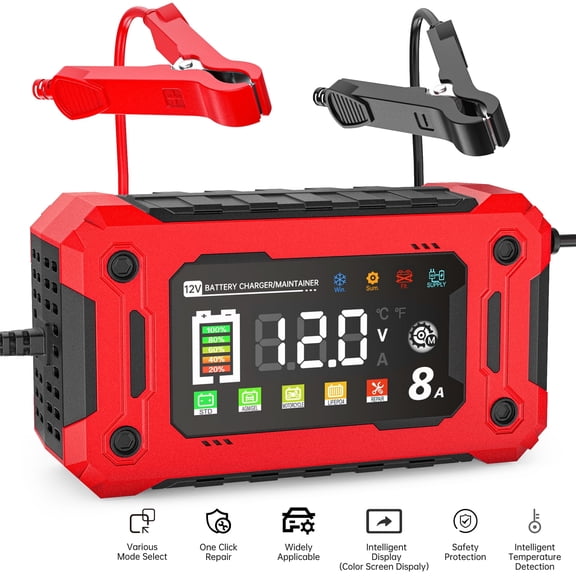



About Trickle Chargers for Cars in Car Battery Chargers - Walmart.com
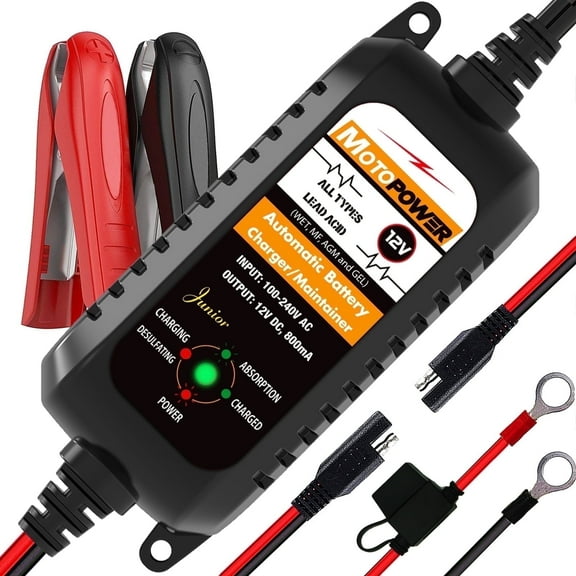
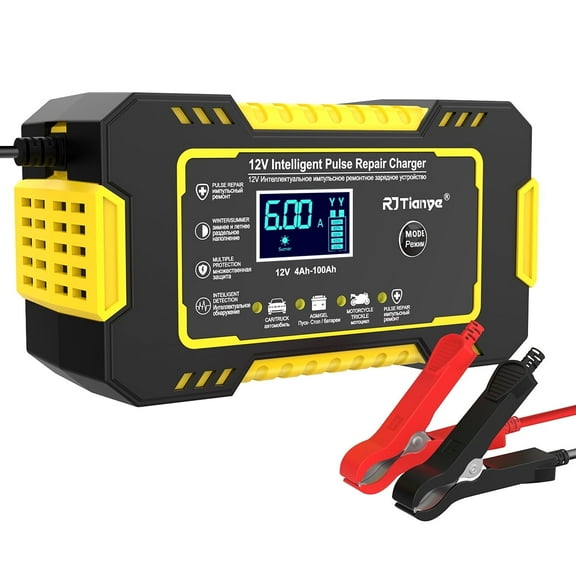
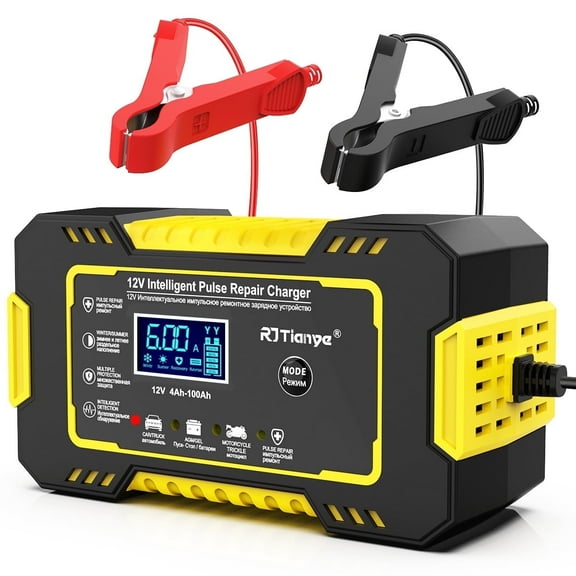
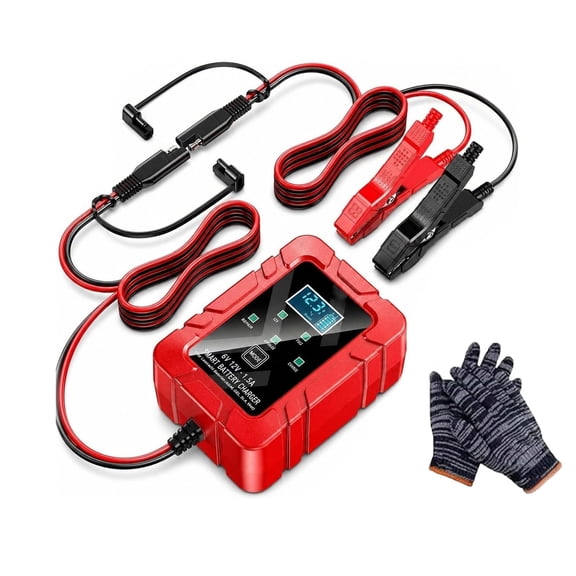
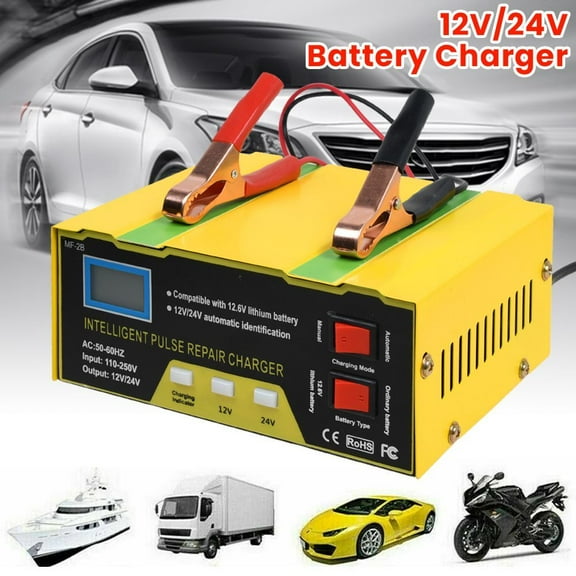
Trickle chargers for cars help you keep a parked vehicle ready for the next drive. You can compare voltage, amperage, battery chemistry, and safety controls before you choose.
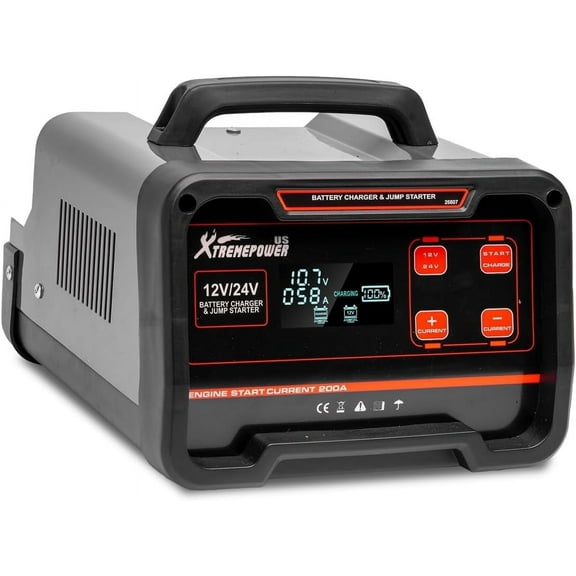
If your car sits between errands, seasons, or weekend outings, you need a charger built for steady maintenance. You’ll also want guidance that explains how a car battery trickle charger differs from a jump starter.
Choosing the right trickle chargers for cars
You should start with voltage because your charger must match your vehicle’s electrical system. You’ll usually choose a 12v trickle charger for standard passenger cars, while some specialty uses need 6V or 24V.
Before you decide, you should check your battery label or owner materials for the correct voltage. This helps you avoid mismatched charging and narrow your options much faster.
Amperage tells you how gently or how quickly the charger works over time. You’ll often use 0.75A or 1.5A for maintenance, while 2A or 5A can support slower charging.
- You can use lower amperage for long parked periods.
- You can compare 2A or 5A options for slower recharging needs.
- You should match voltage to your battery before anything else.
- You can look for chemistry-specific modes when your vehicle uses AGM or lithium.
What to look for in a car battery trickle charger
You should confirm battery type compatibility before you pick an automotive battery maintainer. You’ll often see support for Lead-Acid, AGM, Gel, and Lithium-Ion batteries on the product page.
If your vehicle uses AGM, you should look for an agm trickle charger or a charger with an AGM mode. You’ll get charging behavior that fits that battery design more closely.
When your garage includes different vehicles, you may need broader chemistry support. You’ll benefit from clear labels that show whether one charger works across multiple battery types.
You should also compare automatic functions that support routine maintenance. You’ll often want spark-proof clamps, reverse polarity protection, overcharge protection, and automatic shut-off.
Float or maintenance mode matters when your battery reaches full charge. You’ll want a charger that shifts to upkeep instead of sending constant power.
Indicator lights and simple displays can also make setup easier. You’ll spend less time checking whether you connected the charger correctly or maintaining as expected.
Comparing 12v trickle charger options by output
You should treat amperage as a practical buying guide, not just a technical number. You’ll notice that lower output usually suits maintenance, while higher output can help with a slow recharge.
A 0.75A or 1.5A model often fits a vehicle that stays parked for long stretches. You’ll get a gentler maintenance pattern for storage, seasonal use, or occasional driving.
A 2 amp battery charger can make sense when your battery needs more than simple upkeep. You’ll have more flexibility without shifting into jump-starter territory.
If you’re comparing a 5A option, you should check whether it offers both charging and maintenance modes. You’ll get a suitable fit for vehicles that alternate between sitting and regular use.
You should remember that a maintainer charger for car batteries serves a different role than a jump starter. You’ll use it for steady battery care, not for a quick engine start.
How safety features support overnight and seasonal use
You may want to leave an automatic battery charger connected during storage or cold weather. You’ll feel more confident when the charger includes automatic shut-off and maintenance mode.
If overnight use matters to you, check whether the charger features technology to monitor charge level and adjust output. You’ll want that control for a more hands-off routine.
Winter storage creates a common use case for a winter car battery charger. You’ll appreciate a model that maintains charge on a car that sits in a garage or driveway.
For a collector car or weekend convertible, you may prefer a compact charger with simple clamps and clear status lights. You’ll make occasional maintenance easier without adding setup hassle.
If your commute includes short trips, your battery may not always get a long recharge from driving alone. You’ll find that a maintenance-focused charger fits that pattern well.
When you manage several vehicles, you should compare cord length, display style, and supported chemistries. This helps reduce guesswork when each battery type has a clearly marked setting.
How to match charger attributes to your vehicle
You should think in combinations when you compare options across this category. You’ll make a more informed choice when voltage, amperage, chemistry, and safety features line up with your routine.
If you drive a standard passenger car, a 12V model with automatic maintenance mode often makes practical sense. You’ll get compatibility that aligns with common automotive batteries and parked-car upkeep.
If your vehicle stays stored for weeks, you should consider lower amperage and automatic monitoring. You’ll support long-term maintenance without needing constant check-ins.
For mixed garages, you should check whether one charger supports AGM, Gel, or Lithium-Ion profiles. This helps reduce guesswork when each battery type has a clearly marked setting.
By focusing on the right charging style instead of fast-start equipment, you can choose with more clarity. You’ll end up with a charger that fits storage, seasonal use, and everyday readiness.