


Setting Powder in Face Makeup









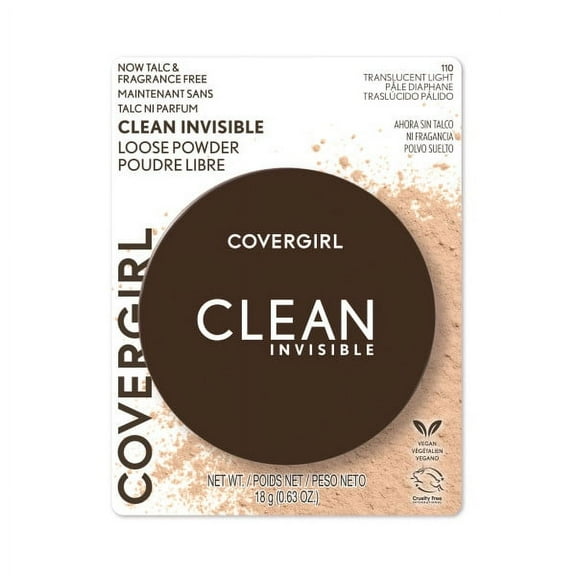


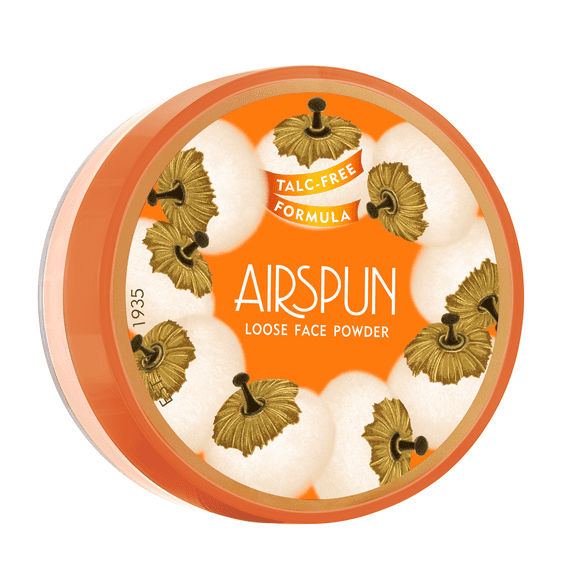


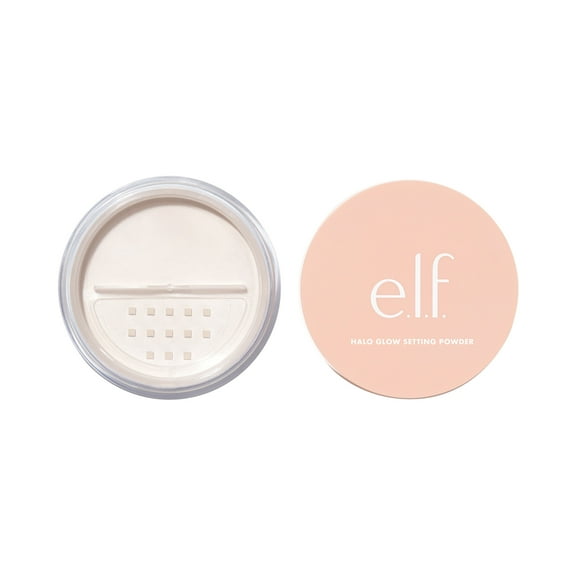


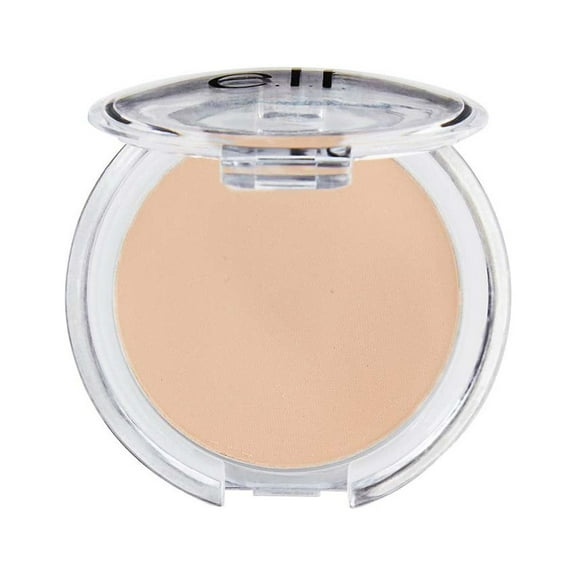










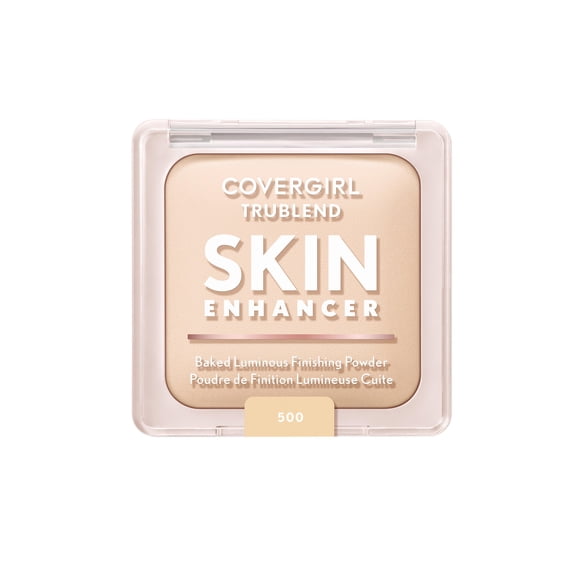


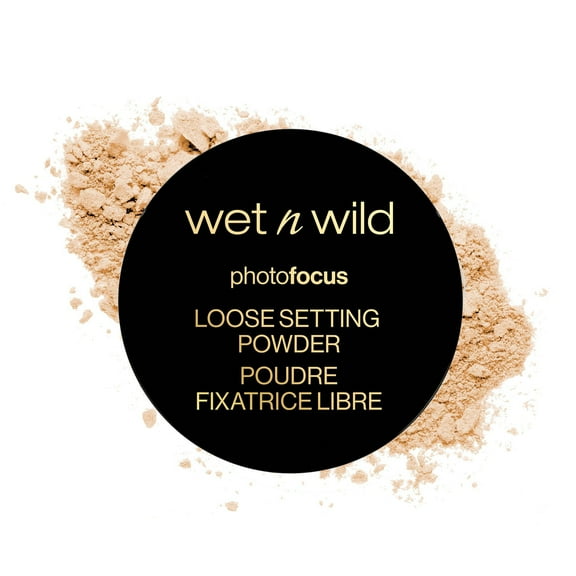
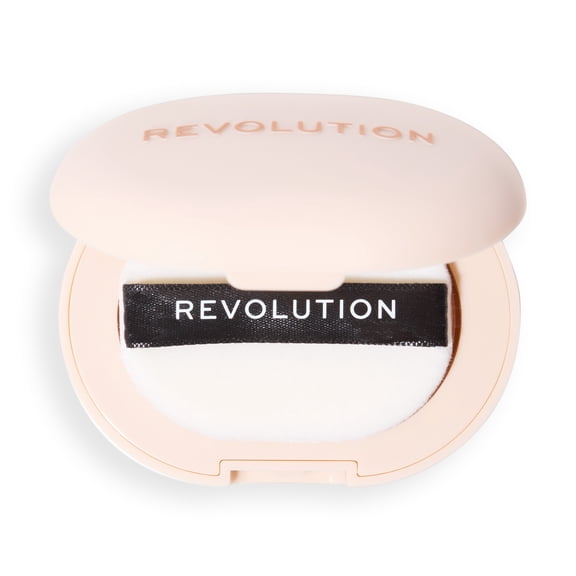


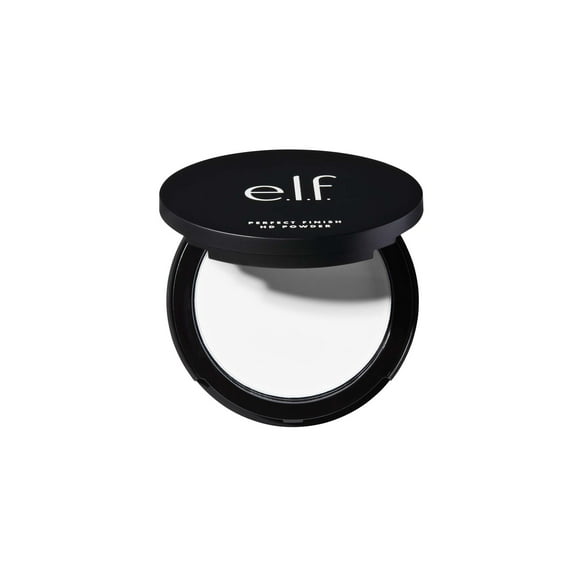
















About Setting Powder in Face Makeup - Walmart.com
Setting powder helps you keep your makeup in place with a smoother finish and less touchup time. You can compare loose, pressed, translucent, and tone-correcting options for your routine and skin type.
If you wear foundation, concealer, or cream blush, you’ll notice setting powder can reduce slip and help your base look more even. You can also narrow your choice by skin type, formula, finish, and ingredient preference.
How to choose setting powder
You’ll get the right match when you pair your powder with how your makeup wears during the day. You can start by checking whether you want oil control, a softer look on dry areas, or a portable compact.
When you compare formulas, you should think about where you apply makeup and how often you reapply. You may prefer a loose jar at home, while your bag may favor a pressed compact.
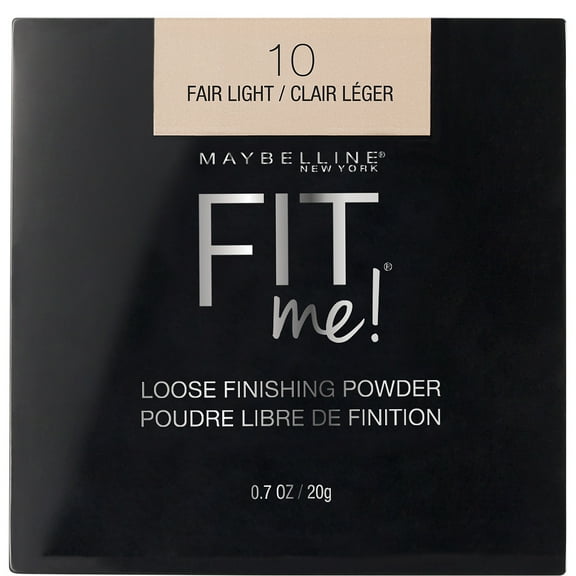
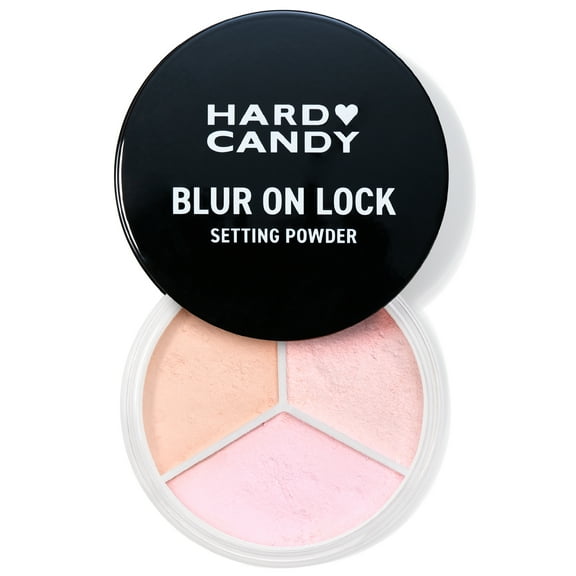
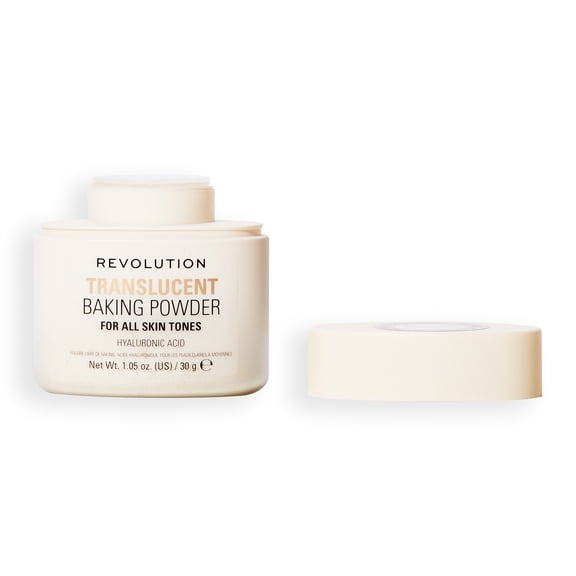
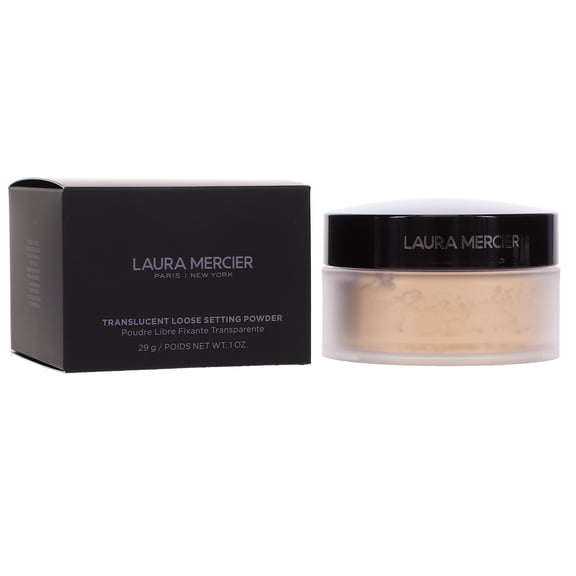
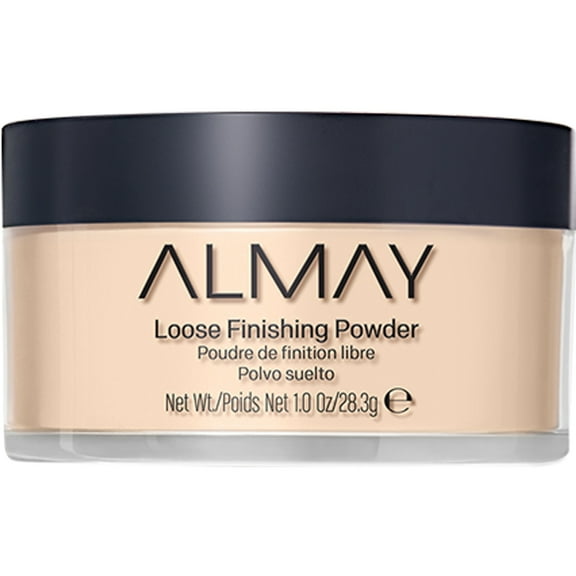
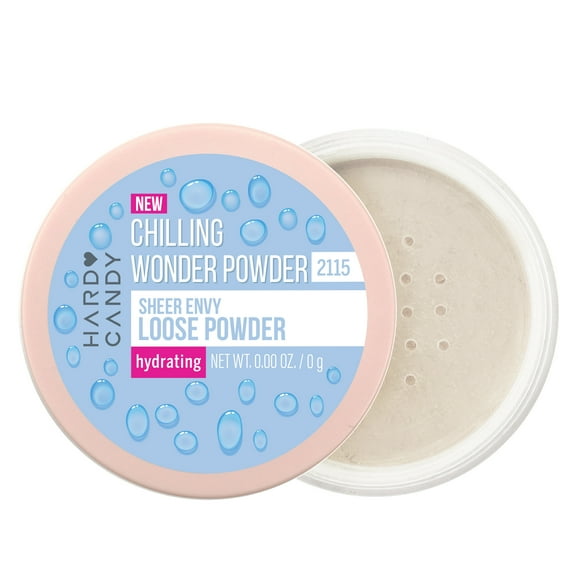
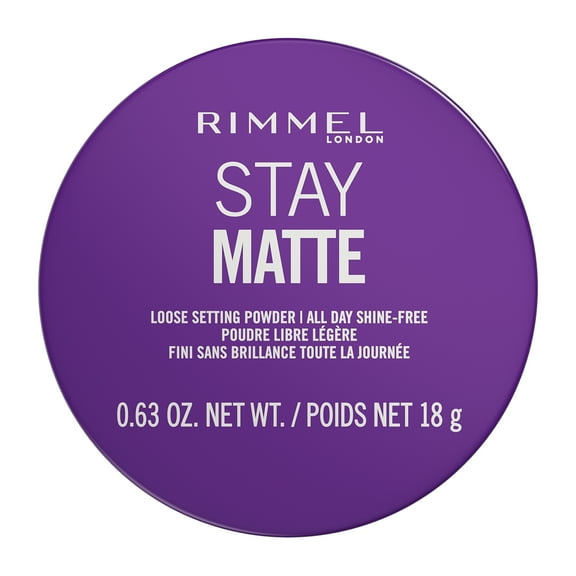
- You can use loose powder when you want a softer, airbrushed finish for baking and fuller brush application.
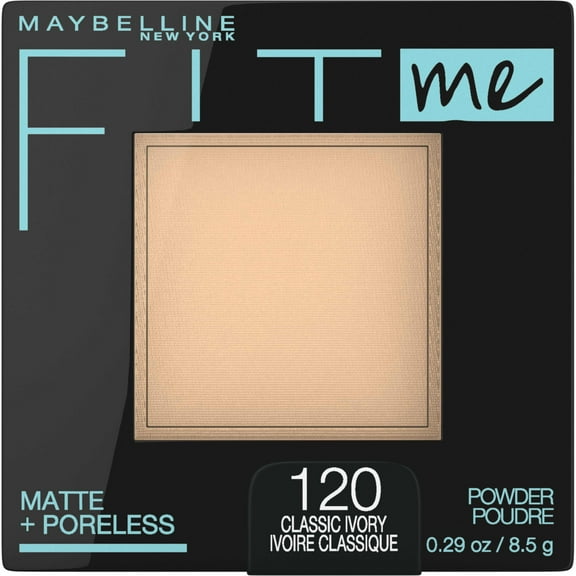
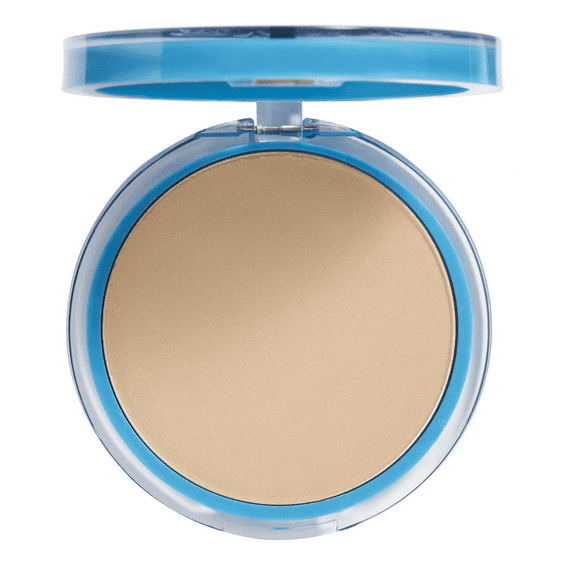
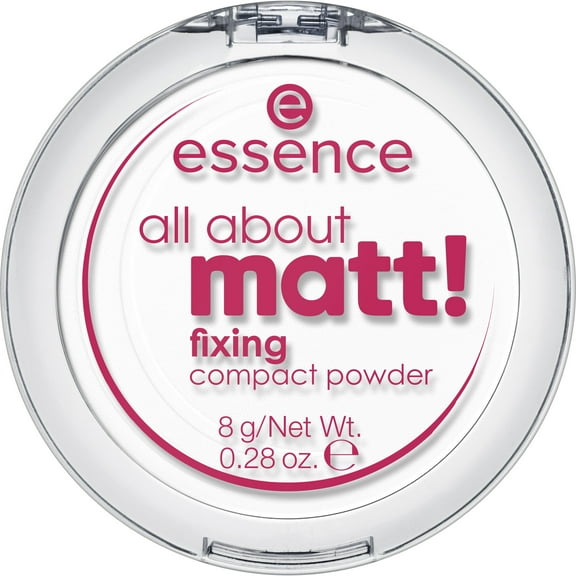
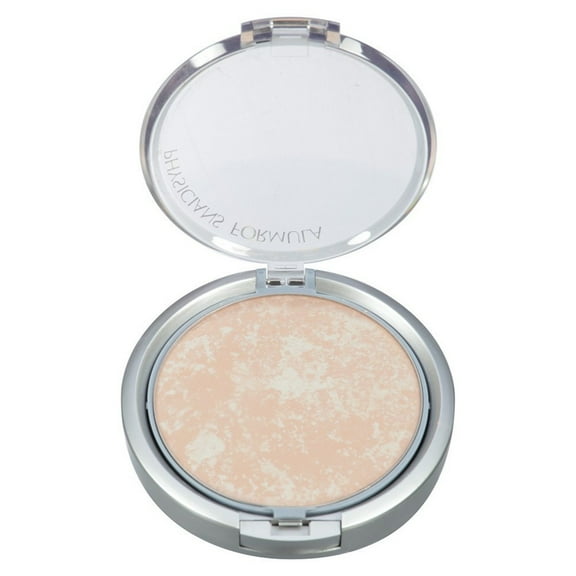
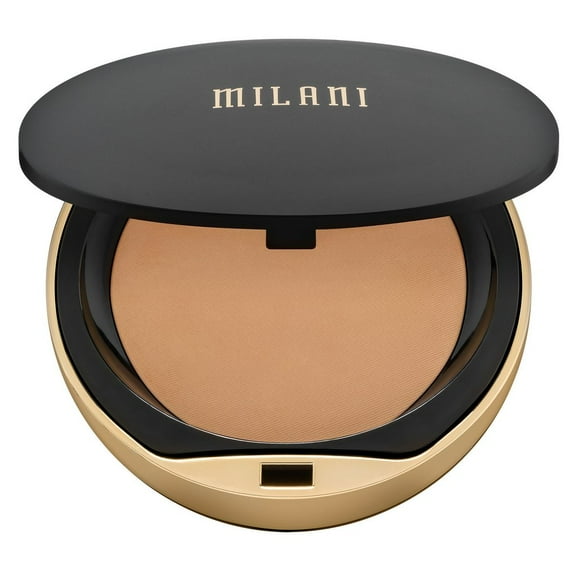
- You can choose pressed powder when you want a tidier format for quick touchups and travel.
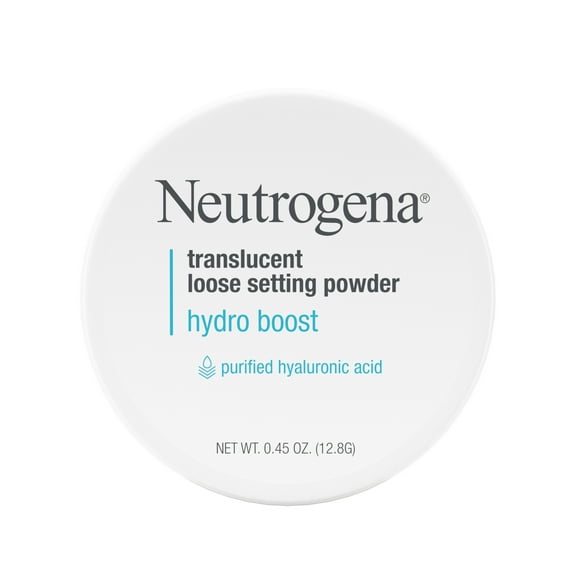
- You can pick translucent shades when you want setting support without changing your base color.
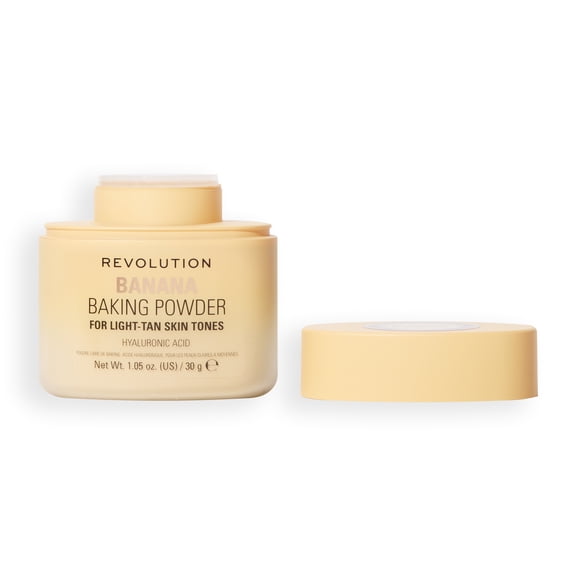
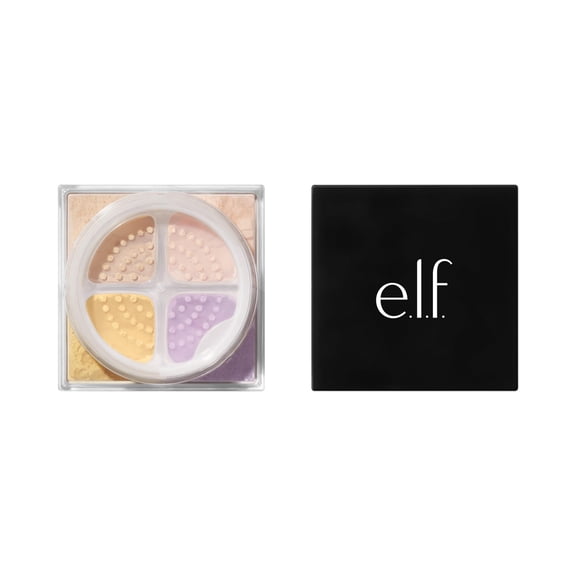
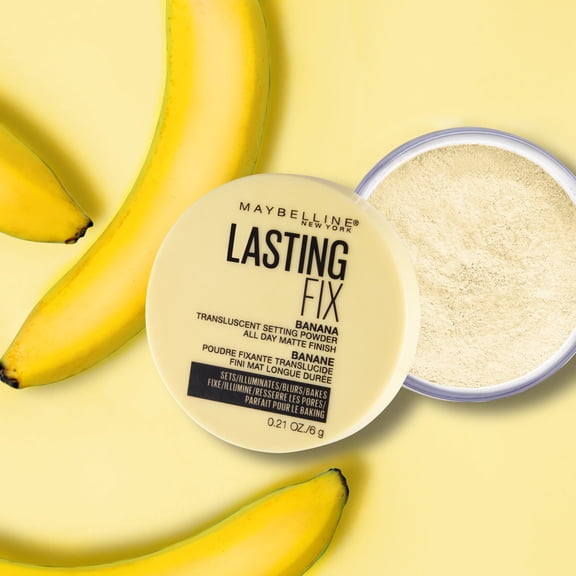
- You can try pink or banana tones when you want to brighten areas or offset visible dullness.
Choosing loose powder foundation and pressed powder
You should compare loose powder and pressed powder by application style first. You’ll usually get lighter, diffused coverage from loose powder, while pressed formulas can feel easier to control.
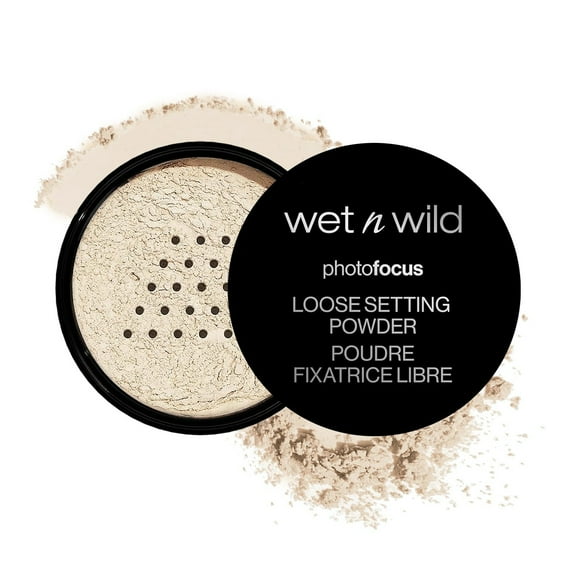
If you like baking under your eyes or around the T-zone, you may lean toward a loose powder foundation style. You can dust it on with a fluffy brush or press it in with a puff.
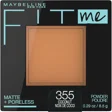
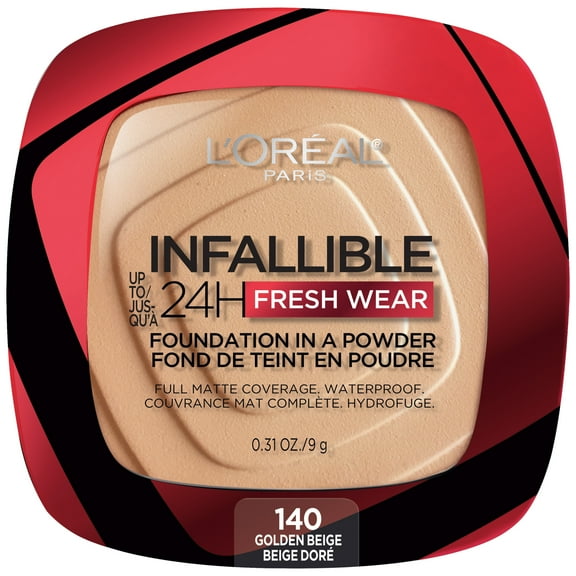
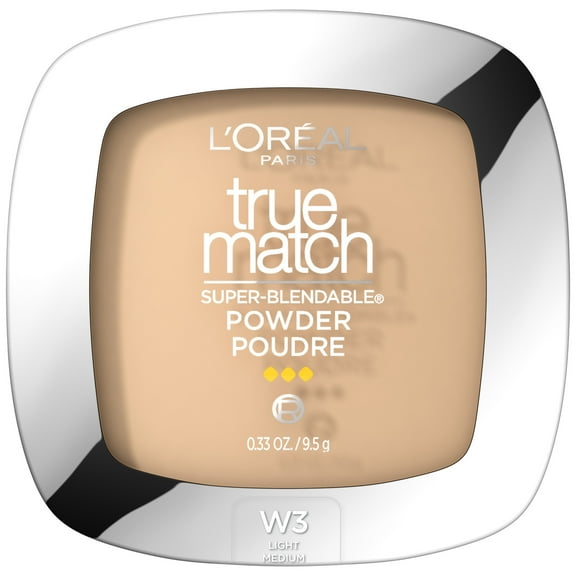
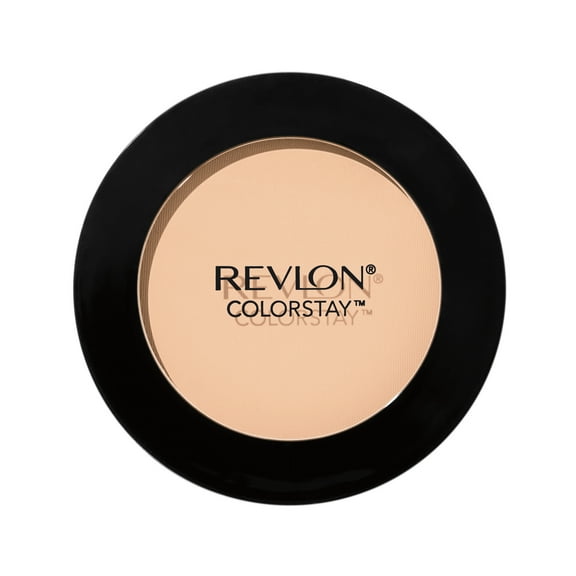
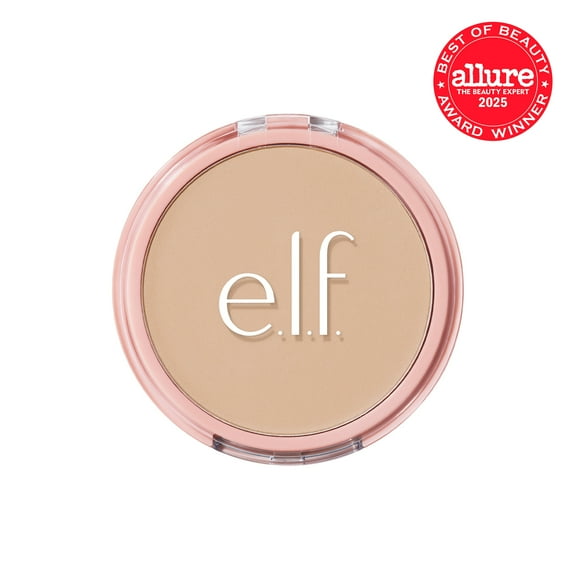
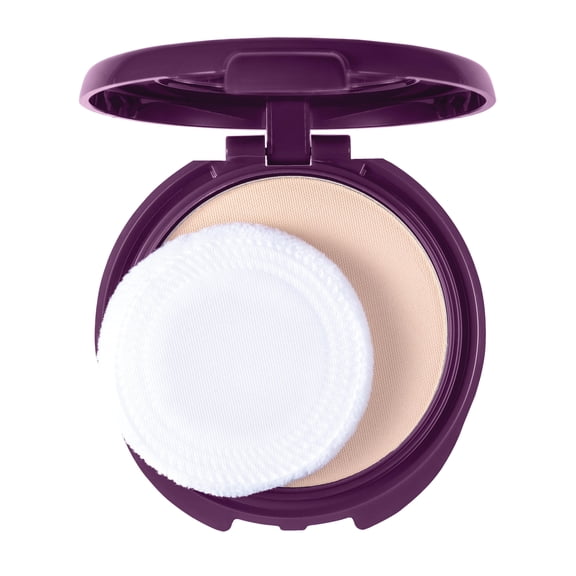
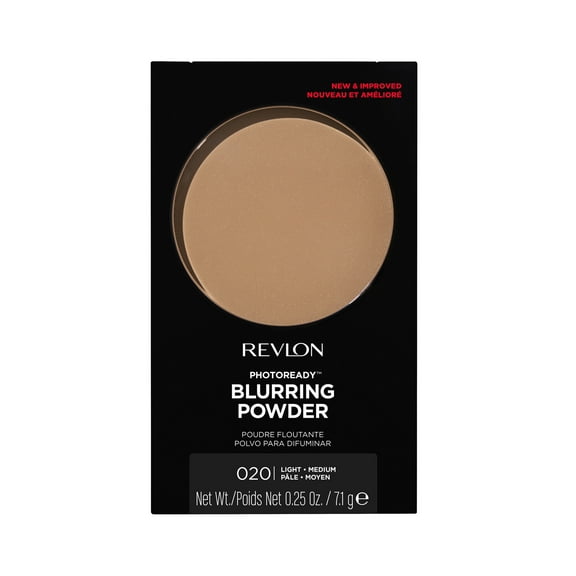
For quick touchups, you may want pressed makeup powder that fits into your daily bag. You can smooth shine around your nose, chin, and forehead without carrying a separate jar.
You should also check how much coverage you want from your face powder. You may prefer sheer setting support, or you may want a cover powder effect that slightly evens your complexion.
Choosing setting powder for oily skin and dry skin
You can narrow your options quickly when you shop by skin type suitability. If your makeup shifts by noon, you may want setting powder for oily skin with a lighter, shine-focused finish.
When your skin feels dry, you should look for face powder for dry skin with a smoother feel and less chalky payoff. You may also prefer finely milled formulas that layer lightly over liquid or cream products.
If your skin changes across your face, you can choose powders labeled for combination skin. You might use a mattifying formula on your T-zone and a softer powder on drier areas.
For sensitive skin, you should check ingredient details before you choose. You can compare talc-free and mineral-based options when you want a simpler ingredient direction for daily wear.
Choosing translucent, pink, banana, and tinted finishes
You should match finish and tone to the result you want in photos and natural light. You can use translucent powder when you want your base shade to stay visually unchanged.
If you’ve asked what does pink setting powder do, you’re usually looking for a brighter look in specific areas. You can tap pink powder under the eyes or across the center of the face.
You may choose banana powder when you want a warmer brightening effect on targeted spots. You can also consider tinted options when you want your setting step to add a little extra evening.
When you compare translucent options, you may also recognize searches for elf translucent powder as a finish preference. You can use that search as a starting point while comparing shade tone, texture, and format.
Before you decide, you should think about your undertone and flashback preference. You can test whether a tone looks seamless in daylight, bathroom lighting, and phone photos.
Choosing vegan powder makeup and other ingredient preferences
You can shop with more direction when you compare ingredient preference labels alongside finish and skin type. You may look for vegan powder makeup, cruelty-free options, talc-free formulas, or mineral blends.
Those details can help you sort a large beauty page into choices that fit your routine. You should still compare texture, shade range, and packaging so your powder works with your brushes and puffs.
If you use setting spray, primer, and foundation together, you should think about how each layer interacts. You can build a smoother face makeup routine by pairing powder with your primer and foundation choices.
When you want a simple everyday routine, you may choose one powder for setting and touchups. If you prefer more control, you can keep one formula at home and another in your bag.
Matching your powder to real makeup routines
You can use loose powder for full-face glam, bridal looks, or longer makeup days at home. You may prefer that format when you like baking, buffing, and detailed brush work.
Pressed powder can fit work bags, gym bags, and quick mirror checks between errands. You can swipe it on after commuting or before photos when your base needs a fast refresh.
If your skin gets shiny by midday, you can focus on the center of your face with a lighter hand. If your skin runs dry, you can apply powder only where your makeup tends to crease.
You can also coordinate your powder with related face products for a more balanced result. You may pair it with makeup primer and foundation to help your base look smoother from first application to final check.
You’ll make a more informed choice when you compare skin type, formula, tone, and ingredient details together. With the right setting powder, you can keep your makeup looking polished, even, and camera-ready longer.