

Bike Training Wheels in Bike Accessories




















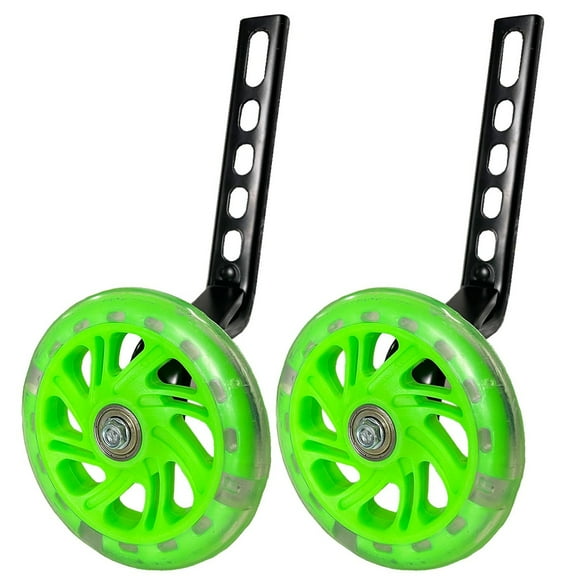


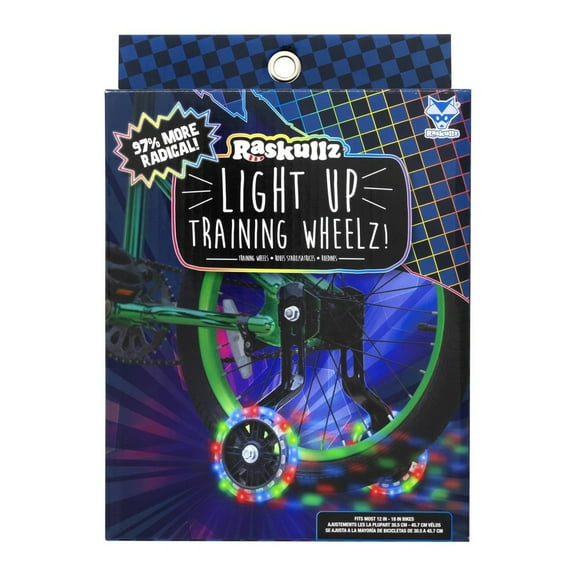
About Bike Training Wheels in Bike Accessories - Walmart.com
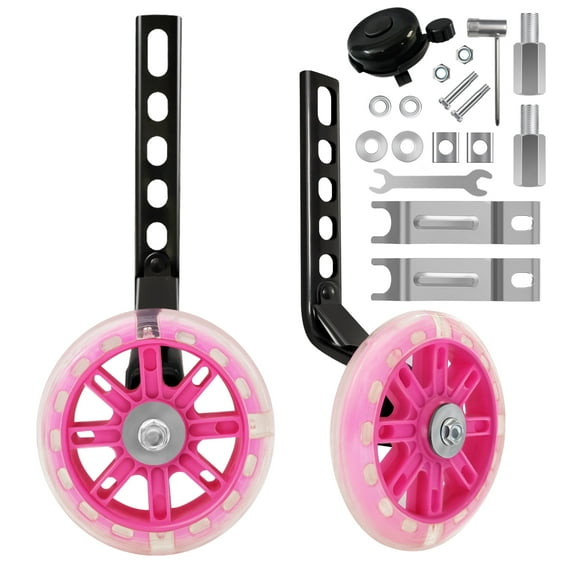
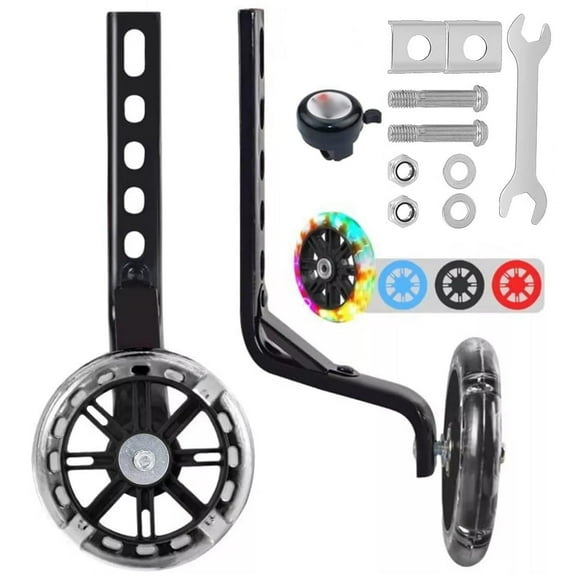
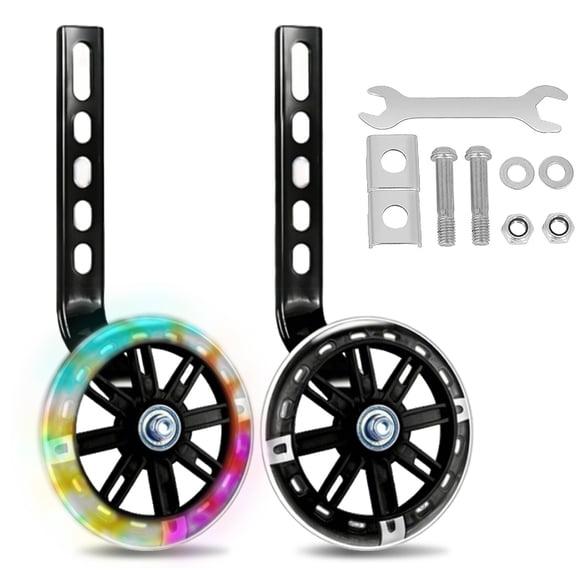
Bike training wheels help you add steady support while your rider learns pedaling, turning, and starts. You can compare size compatibility, bracket strength, and adjustability, so your choice fits the bike and riding stage.
How to choose bike training wheels
When you compare bicycle training wheels, you should start with the bike’s wheel diameter and axle fit. You’ll want a match for 12 inch, 14 inch, 16 inch, 18 inch, or 20 inch bikes.
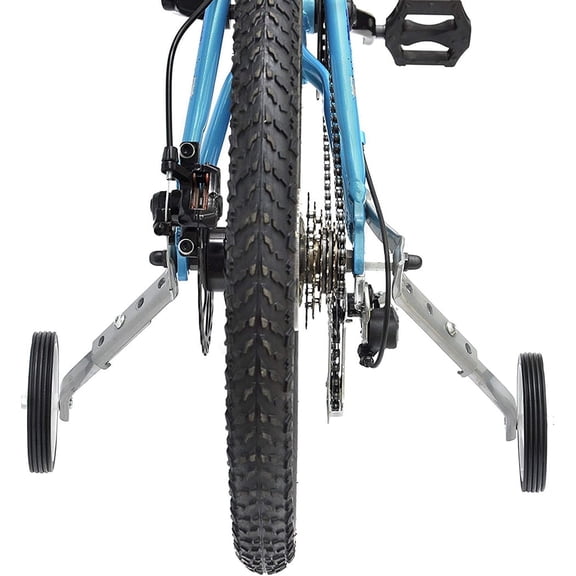
Size matters because you need the wheels to sit at the right height beside the rear tire. This helps you get smoother turns and steadier practice when your setup matches the bike frame correctly.
Many shoppers also compare bracket style before they choose a set. You should check whether you want adjustable training wheels, multi-fit hardware, or a fixed bracket design.
Key benefits you should compare
You’re usually looking for steady side support during early practice rides. You may notice that the right setup helps your rider start, stop, and pedal with more confidence.
Bracket strength is another major decision point for growing riders and frequent use. You may prefer heavy duty training wheels when you want stronger support for rough sidewalks or heavier riders.
- You can get more stable practice when the wheel size matches your bike correctly.
- You can reduce wobble by choosing sturdy brackets and the right height adjustment.
- You can make setup easier when you choose kits with mounting hardware and clear instructions.
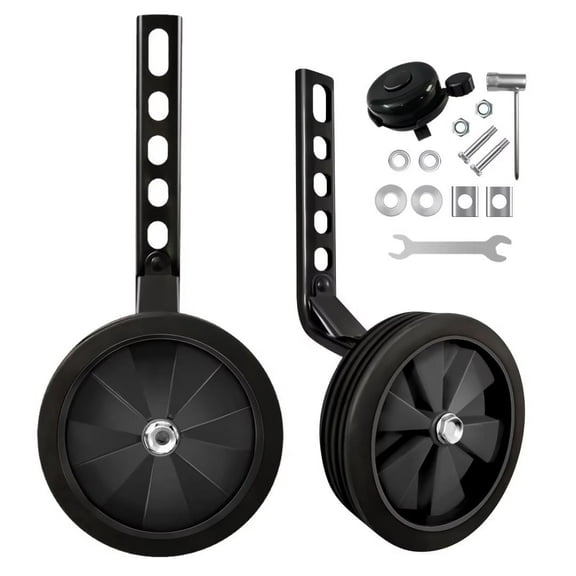
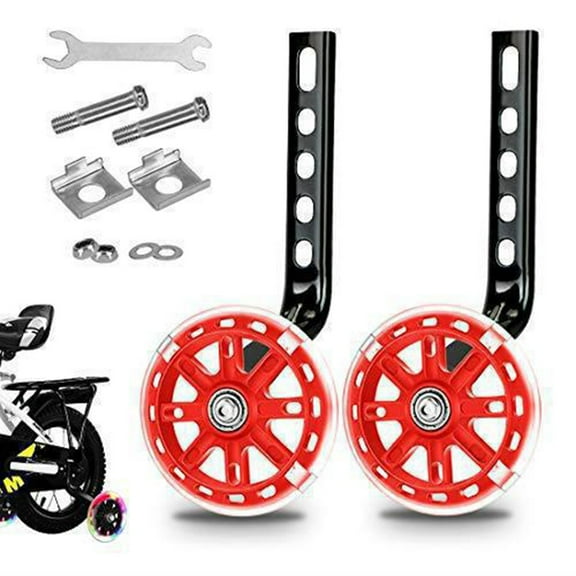
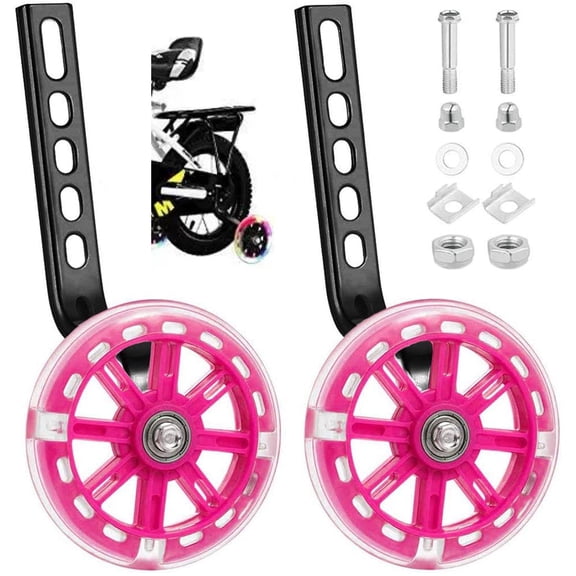
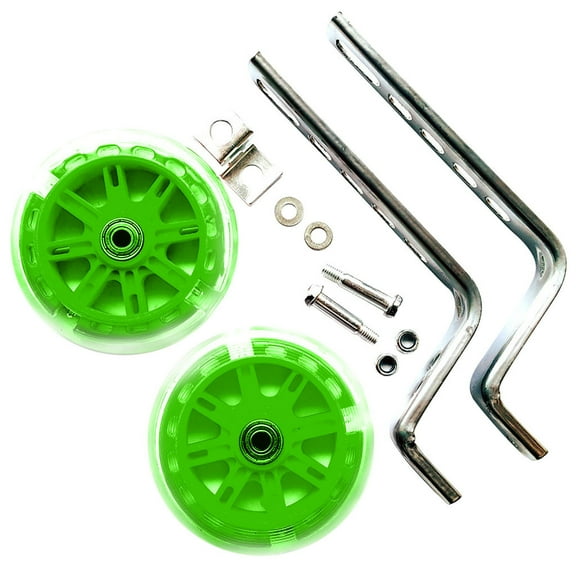
- You can compare rubber and plastic wheel styles based on noise and surface feel.
Surface feel can change how each ride feels on driveways, sidewalks, and paved paths. You may like rubber wheels if you want quieter rolling and a gentler feel on hard surfaces.
Hard plastic wheel styles can also work well when you want a simple, lightweight option. You should compare where the bike will roll frequently before picking a wheel material.
Choosing the right size and weight capacity for bike training wheels
You should measure the bike before you choose training wheels for 16 inch bike setups or another size. You’ll want to confirm wheel diameter, rear axle shape, and clearance around the frame.
Some sets fit several bike sizes, which gives you more flexibility as needs change. You may prefer a multi-fit option if your bike falls between common frame shapes.
Weight capacity affects how steady the bike feels when your rider leans during starts and turns. You should look at standard, heavy duty, and adult bike training wheels based on rider size.
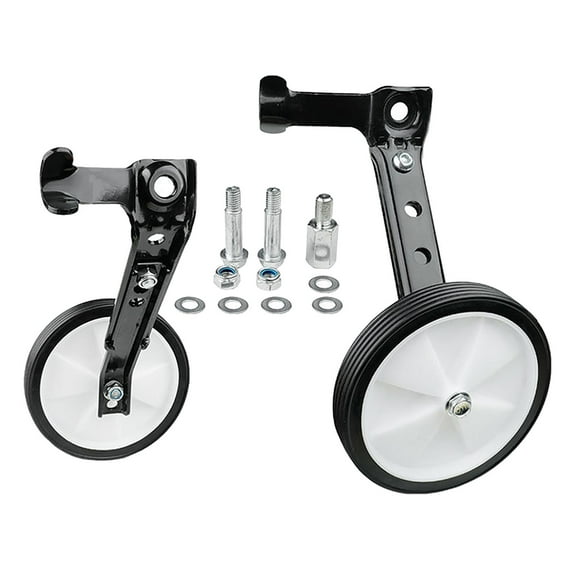
Heavy duty training wheels often use stronger steel bracket or reinforced alloy parts for added stiffness. This helps provide extra support when you need less flex at the rear axle.
Material choice also changes durability and ride feel over time. You may compare steel bike training wheels, rubber wheels, plastic wheels, and reinforced alloy parts before deciding.
Steel brackets can give you a solid mounting point for regular neighborhood use. Reinforced alloy can appeal to you when you want strength with a lighter feel.
What to look for in adjustability and installation
You should check whether the set offers adjustable height, because setup changes how quickly the bike tips side to side. You’ll get a more tailored fit when you can fine-tune wheel contact.
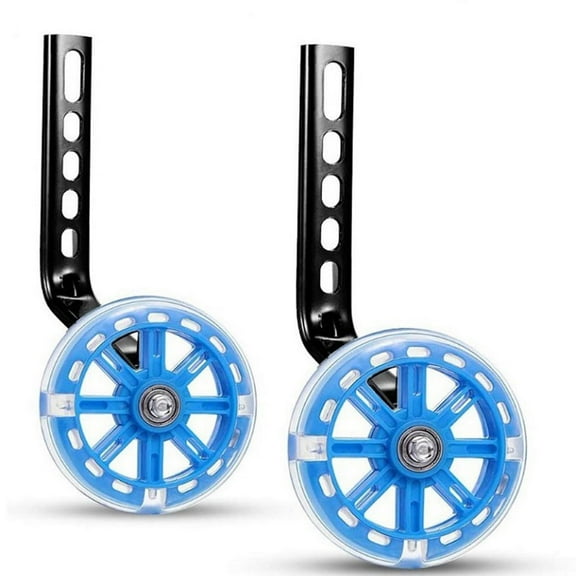
Adjustable training wheels can help you match different bike frames and rider stages. You may start with more support, then reduce contact as balance improves.
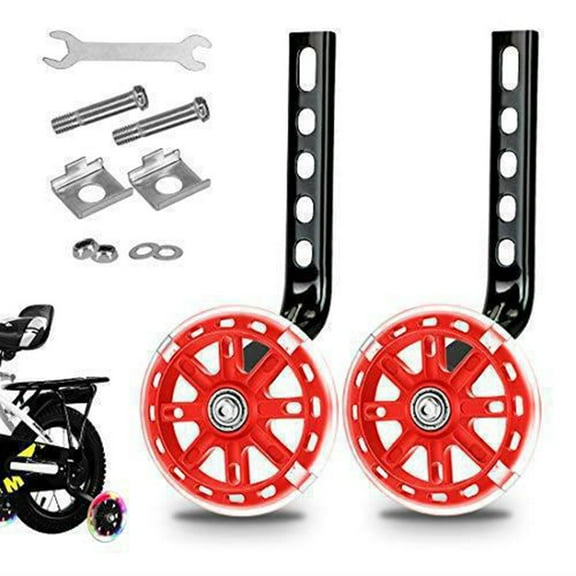
Installation details matter because you want fewer surprises during setup at home. You should look for included hardware, simple instructions, and parts that match common rear axle layouts.
Some kits are designed for a straightforward install with basic tools. You’ll want to check the product details so the bracket style matches your bike’s rear frame area.
Wheel material can also affect sound and rolling feel during practice. You may prefer rubber for quieter rides, while hard plastic can suit outdoor practice on smoother pavement.
Matching bike training wheels to real riding situations
If your child is starting on a smaller bike, you should focus first on wheel diameter and basic adjustability. You’ll often find that a correctly sized set creates a smoother first ride.
For a 16 inch bike used several times each week, you may want training wheels for 16 inch bike setups with a sturdy steel bracket. You’ll likely appreciate dependable support during repeated starts and stops.
If your rider is taller or the bike sees rough pavement, you should compare heavy duty options carefully. You’ll want stronger brackets and stable contact when rides include uneven sidewalks.
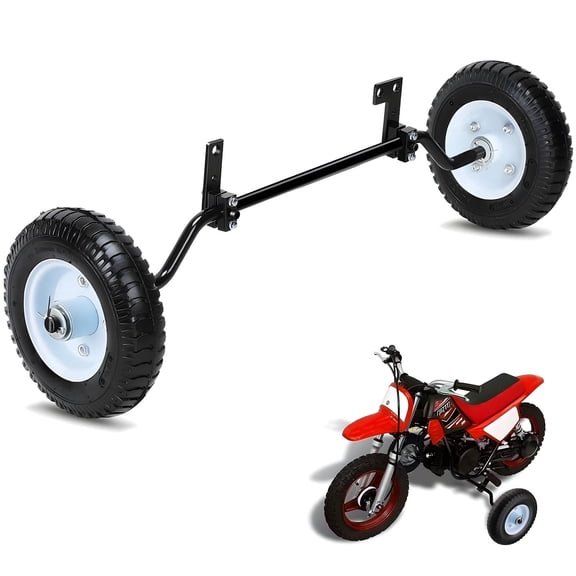
Adult bike training wheels can make sense when you need support on a larger frame with higher weight capacity. You should confirm both wheel size and axle compatibility before choosing.
For indoor practice spaces or smoother garage floors, you may care more about sound and surface feel. You’ll often prefer rubber wheels when you want quieter rolling and less chatter.
If you’re choosing for a bike that may change riders, a multi-fit design can simplify future adjustments. You should compare height settings and bracket range so the set adapts more easily.
With the right match, you can support early riding skills without guessing on size, strength, or setup. This helps you feel more confident when your training wheels fit the bike, the rider, and the practice surface.