

Tractor Weights in Tractor Attachments





















About Tractor Weights in Tractor Attachments - Walmart.com
Tractor weights help you improve traction, balance, and loader control while matching your tractor’s mounting setup and lift capacity. You can compare suitcase styles, wheel-mounted options, and counterweight boxes to fit your work and your machine.
If you’re adding ballast for fieldwork, mowing, grading, or loader tasks, you’ll want guidance that matches real tractor decisions. You’ll find that bracket style, weight capacity, and front or rear placement matter more than simple weight alone.
How to choose tractor weights
When you compare tractor weights, you should start with where the weight mounts on your machine. You’ll want to check for a front bracket, rear hitch, or wheel rim setup before you choose a style.
Bracket style affects how quickly you can attach or remove weight between jobs. You’ll also want to compare bolt pattern details, because your mounting points need to match your tractor hardware.
Weight capacity is your next decision point, and you should match it to your tractor’s size and task. You may see options like 42 lbs, 50 lbs, 70 lbs, and 100 lbs for different ballast needs.
Lighter options can help you fine-tune balance without overloading smaller equipment. Heavier options can give you more counterbalance when you’re using a loader bucket or carrying rear-mounted implements.
- You can use front-mounted ballast to steady loader work and improve steering feel.
- You can use rear-mounted ballast to offset front attachments and support traction on working surfaces.
- You can use wheel-mounted options when you want weight close to the axle and out of the way.
Choosing tractor suitcase weights and other attachment types
You’ll often compare tractor suitcase weights with wheel weights and counterweight boxes. Each attachment type changes how you add ballast and how easily you adjust your setup.
Suitcase weights work with a front bracket or rear bracket system that accepts individual plates. You can add or remove weight in small steps, which helps you tune balance for changing attachments.
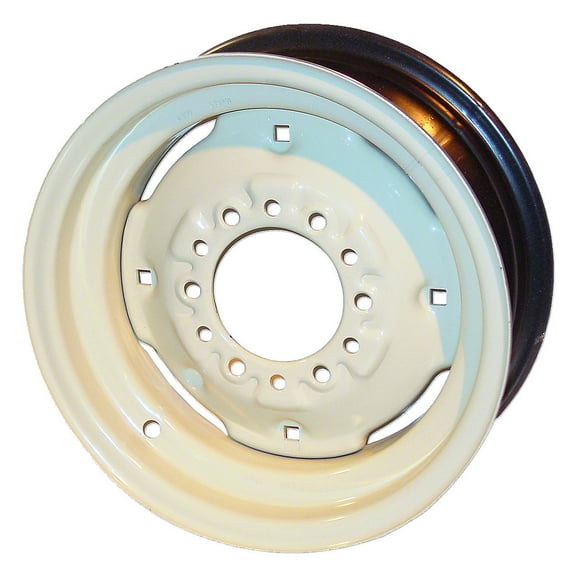
Wheel weights for tractors mount at the rim, so you keep ballast low and close to the drive wheels. You may prefer this setup when you want added traction without taking up hitch space.
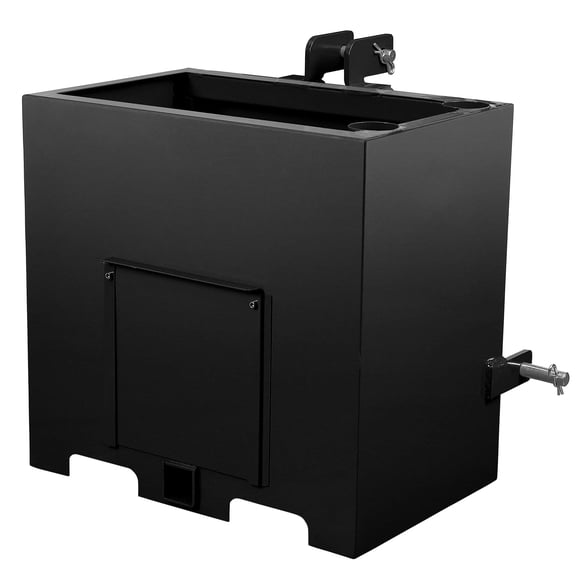
Counterweight boxes connect at the rear hitch and hold ballast at the back of your tractor. You can use them when front implements or loaders need stronger rear counterbalance during lifting and transport.
Rear tractor weights can make a big difference when your front end carries extra load. You’ll want to compare how far back the ballast sits, because distance from the axle affects balance.
What to look for in tractor ballast weights
Material affects durability, handling, and how the weight fits your routine. You’ll usually see cast iron, concrete-filled, and steel options across this category.
Cast iron weights give you dense ballast in a compact shape, which helps when space around brackets is limited. You may find them easier to stack or combine on bracket systems.
Concrete-filled options can give you ballast in larger forms, often within box-style setups. You should check overall dimensions carefully, because bulkier designs may change clearance around implements.
Steel weights and weight boxes can suit shoppers who want sturdy mounting hardware and straightforward attachment points. You’ll want to review finish, handle design, and hitch fit for easier installation.
Compatibility matters as much as material, especially when your tractor uses a specific bracket style. You should measure your bracket width, inspect your bolt pattern, and confirm hitch category details before choosing.
If your ballast mounts at the wheel, you’ll need to verify wheel rim compatibility and hardware needs. You can avoid fit issues by comparing rim dimensions with the product’s stated mounting range.
Matching front and rear ballast to your work
You should think about ballast placement based on the attachment doing the work. Front and rear weight distribution can change steering response, traction feel, and how planted your tractor feels.
For loader jobs, you’ll often want rear ballast to help counter the load carried up front. You can use a rear hitch box or rear-mounted weights when your bucket work needs extra balance.
For rear implements, you may want front ballast to help keep steering steady and predictable. Tractor suitcase weights on a front bracket can help when mowers, blades, or other rear tools shift weight backward.
If you work on uneven ground, you’ll want ballast that supports steady contact at the drive wheels. You can compare wheel-mounted options or rear ballast when traction matters during pulling or grading.
For compact tractors and garden tractor weights, smaller increments can be easier to manage. You may prefer several lighter pieces instead of one heavy unit when you need flexible setup changes.
When you switch between mowing, tilling, hauling, and loader work, adjustable ballast can simplify your routine. You’ll appreciate setups that let you change weight without reworking your entire mounting system.
Key specs to compare before you choose
You should review total weight, attachment type, and compatibility before narrowing your options. You’ll also want to compare handle shape, mounting hardware, and whether the design supports quick changes.
Check whether the listed capacity fits your tractor’s ballast plan and lift limits. You can use those specs to choose enough weight for control without selecting more ballast than your setup needs.
Look closely at front bracket, rear hitch, or wheel rim compatibility notes on each listing. You’ll make a more confident choice when your ballast matches your tractor’s mounting points and your everyday jobs.
With the right ballast setup, you can keep your tractor more balanced during lifting, grading, and traction-focused work. You’ll notice a steadier feel that supports more controlled operation across changing tasks.