

Tractor Tire Chains in Tractor Accessories











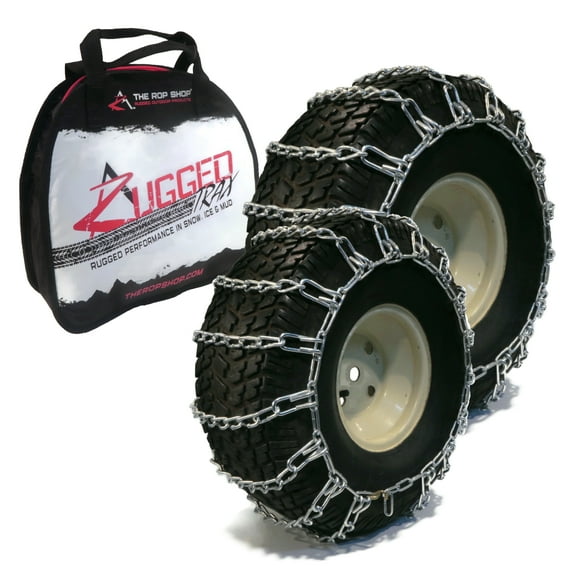

![TerraGrips Tire Chains (26x12-12) [ST90011]](https://i5.walmartimages.com/seo/TerraGrips-Tire-Chains-26x12-12-ST90011_660fc9f6-a4de-4e95-a603-e1e22715b26b.6c93096e265e55750360f3631b58fec0.jpeg?odnHeight=576&odnWidth=576&odnBg=FFFFFF)




About Tractor Tire Chains in Tractor Accessories - Walmart.com
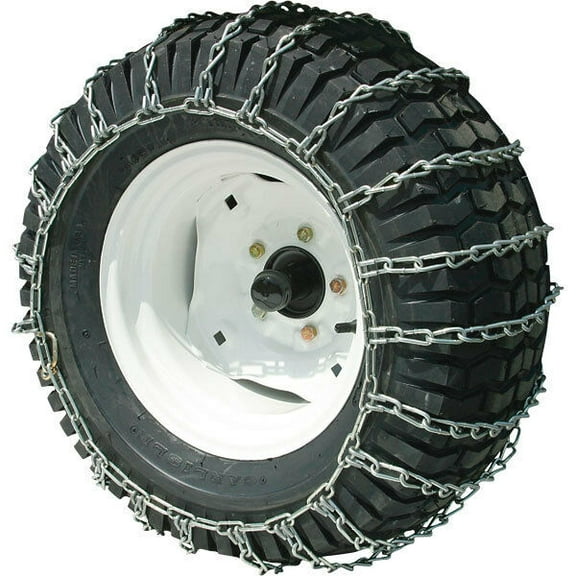
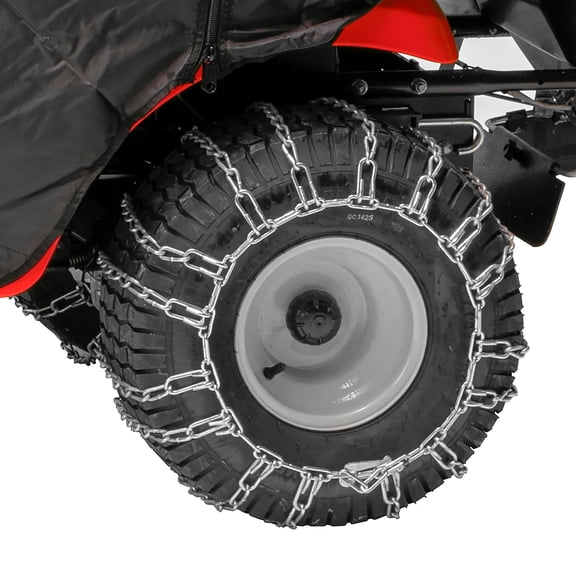
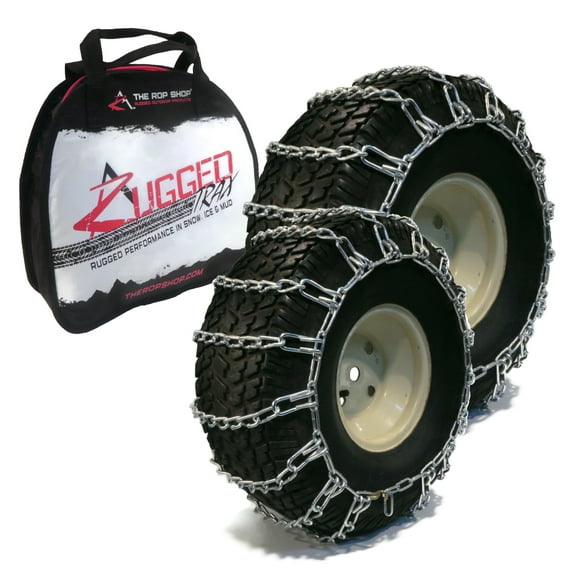
Tractor tire chains help you keep traction steady on snow, ice, and mud while your tractor still needs to work. You can compare fitment, link style, spacing, and clearance here before choosing a setup for your machine.
If you clear drives, move feed, or haul supplies in winter, you need chains that match your tire size closely. You also need enough clearance around fenders and frames, so your setup fits cleanly during turns.
How to choose tractor tire chains
You should start with the tire sidewall numbers, because exact fitment shapes every other decision. You can check markings like 20x10-8, then compare them to the listed chain size.
When you compare tire chains for tractors, you should first narrow by lawn mower sizes, compact tractor sizes, or utility tractor sizes. You can choose faster when your machine type matches the fitment range from the start.
You should also measure clearance around your tire, axle area, and fender edges before you choose a chain profile. If your space is tight, you may need a lower-profile option that sits securely without rubbing nearby parts.
- You can use exact sidewall numbers to narrow the correct chain size.
- You should compare your tractor application before choosing chain weight and tread coverage.
- You can check frame and fender clearance before selecting a chain profile.
- You may match smaller sizes for garden equipment and larger sizes for utility tractors.
Choosing fitment by tractor application
You may shop differently for a garden tractor than for a utility machine. You should expect lighter fitment ranges for garden equipment and wider coverage for larger tractors.
If you need garden tractor chains, you should look for sizing built around smaller rear tires and closer frame clearance. You can use that same approach for tire chains for garden tractor setups on mowing and snow-clearing equipment.
For sub-compact and utility tractors, you may want more chain coverage across the tread for steadier contact. You may notice fitment accuracy matters even more when your tractor pulls loads or carries attachments.
If you run industrial equipment, you should compare chain weight and contact pattern with your working surface. You can choose a layout that supports repeated starts, turns, and loaded travel across mixed ground.
What to look for in chain link style
You can compare twist link, V-bar, stud link, and ladder pattern designs based on your terrain. Each style changes how your tractor wheel chains contact the ground during starts, climbs, and turns.
If you run on packed snow or mixed mud, you may prefer twist link designs for balanced grip and smoother rolling. If you work on icy surfaces, you may consider V-bar styles because their raised contact points grip firmly.
You can look at stud link options when you want extra contact on slick ground. You may choose a ladder pattern when you want a familiar layout that spreads traction across the tire width.
Heavy duty tractor chains often matter when your machine pulls implements, handles slopes, or moves through repeated winter conditions. You should compare link style with your terrain, because aggressive links can feel different on cleared pavement.
Comparing 2-link and 4-link spacing
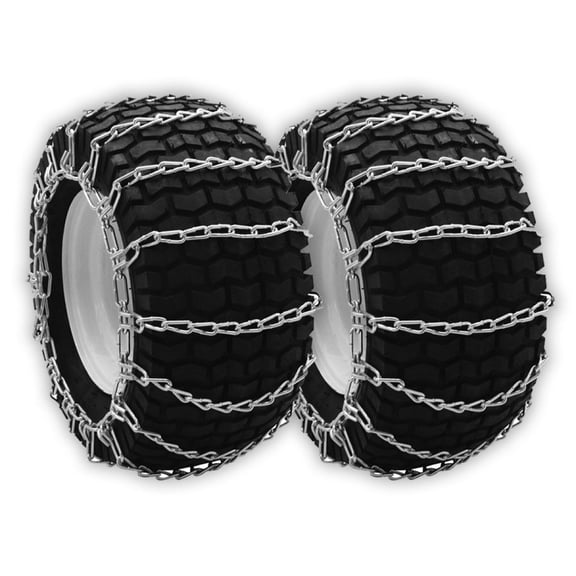
You should compare link spacing carefully, because it changes how often cross chains touch the ground. With 2-link spacing, you get more frequent contact points around the tire.
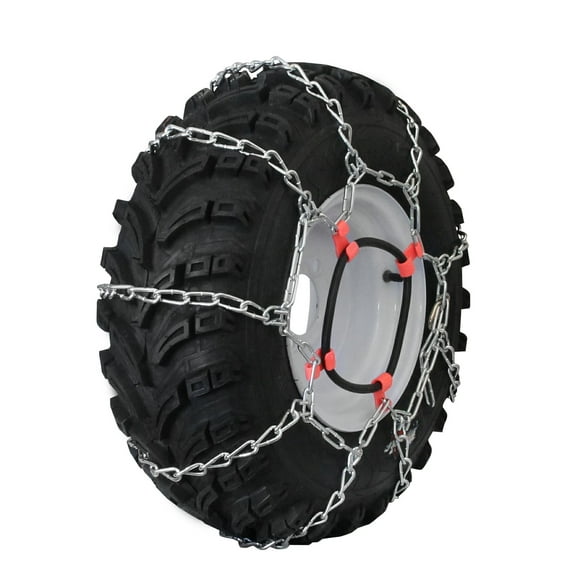
You may notice smoother, more consistent traction with 2-link spacing during steady travel and repeated starts. With 4-link spacing, you get wider gaps, which some shoppers choose for lighter use or simpler setups.
If you plow snow on long paths or work on uneven ground, you may want the steadier feel of 2-link spacing. If you use your tractor occasionally, you may compare 4-link spacing for a more basic traction pattern.
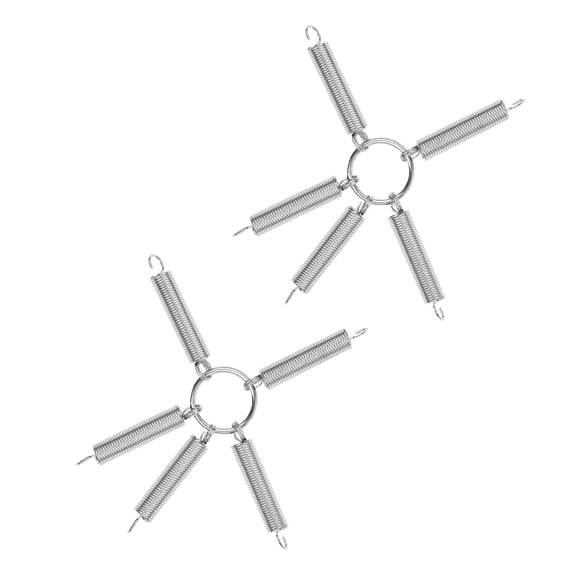
You can also review tractor tire chain parts, such as fasteners, side chains, and tensioning components, when you compare spacing layouts. Those details help you understand how your chain stays centered across your tread.
Using chains in real tractor conditions
You can use tractor tire chains for driveway clearing, barn access, feed runs, and cold-weather hauling. You can get strong results from them when your fitment, terrain choice, and clearance all match your machine.
If you maintain acreage, you may need garden tractor chains for snowy paths, compact parking areas, and short utility tasks. You can pair smaller fitment ranges with tighter-clearance frames for a cleaner installation.
When you work on larger properties, you may need chain for tractor setups that handle sloped lanes, gravel drives, or muddy transitions. You should compare link style by surface, especially when your route shifts from snowpack to exposed ground.
You can also plan around attachments like blades, spreaders, or carts that change how your tractor loads the tires. That’s why tractor tire chains work effectively when you match sidewall size, spacing, and chain pattern together.
You can make an informed choice when you compare tire size fitment, link spacing, link style, and tractor application in one step. With the right chain setup, you can keep traction more consistent through winter work and rough ground.