

Tractor Plows & Plow Attachments for Tractors | Walmart




















About Tractor Plows & Plow Attachments for Tractors | Walmart - Walmart.com
Tractor plows help you prepare fields, gardens, and food plots with equipment that matches your hitch, horsepower, and soil conditions. You can compare bottom count, plow type, and tractor fit in one place, so your setup stays practical from the first pass.
How to choose tractor plows for your land
When you compare tractor plows, you should start with the ground you work and the tractor you already own. You’ll want a setup that matches your hitch category, available horsepower, and the depth you expect to cut.
Different plow styles handle soil in different ways, so your choice affects how cleanly you turn residue and how steadily you pull. You should also compare cutting width and number of bottoms, because those details shape how much ground you cover each pass.
What you gain from the right plow setup
The right plow helps you open compacted ground, turn under cover crops, and create cleaner rows for planting. You’ll notice each pass feels more controlled when your implement matches your tractor size and field conditions.
- You can turn and bury surface residue with a moldboard plow for cleaner seedbed preparation.
- You can choose a single bottom plow for smaller plots or tighter horsepower limits.
- You can move up to a 2 bottom plow or 3 bottom setup when your tractor supports wider coverage.
- You can match a compact tractor plow or garden tractor plow to smaller acreage and lighter-duty jobs.
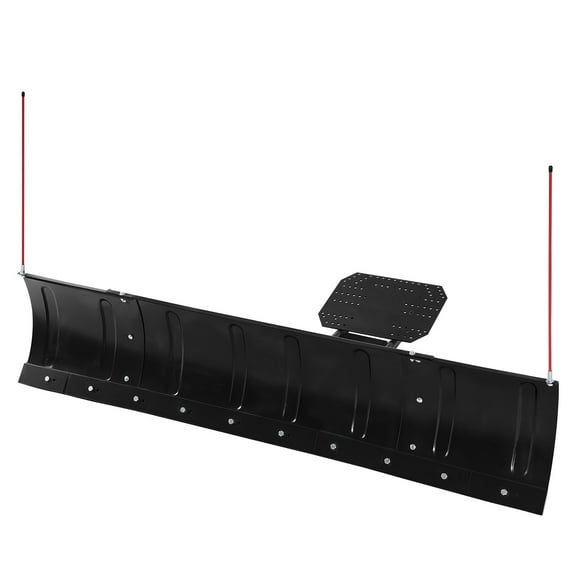
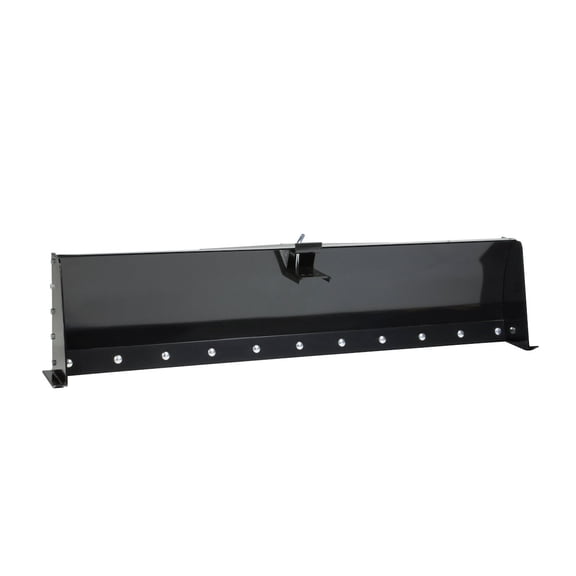
- You can keep seasonal flexibility by comparing agricultural models with a snow plow for tractor setups.
Your results also depend on how well the plow enters the soil and stays at a consistent depth. You’ll get a smoother workflow when you compare shank design, bottom count, and hitch style before choosing.
Choosing plow type by soil condition
You should compare plow type first, because each design handles soil movement in a different way. You’ll usually choose a moldboard plow when you want to roll soil over and bury residue in gardens or worked fields.
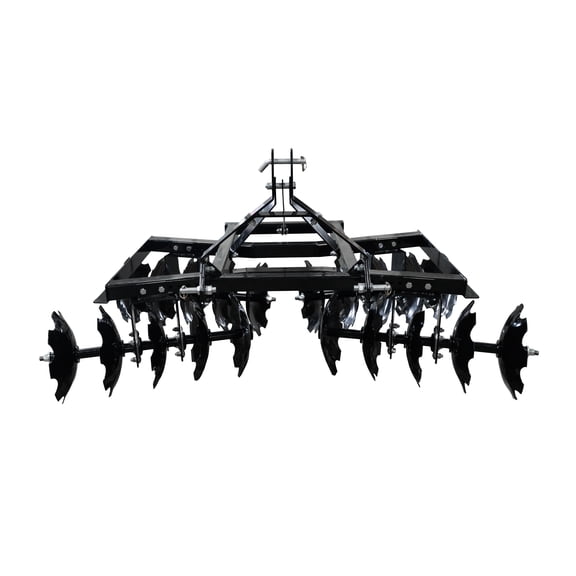
If your ground feels harder or rougher, you may consider a disc plow for conditions where rolling blades help keep the pull moving. You can look at a chisel plow when you want to loosen soil with less turning across larger sections.
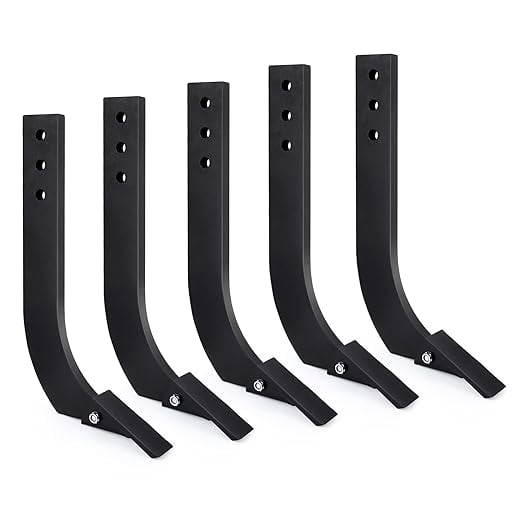
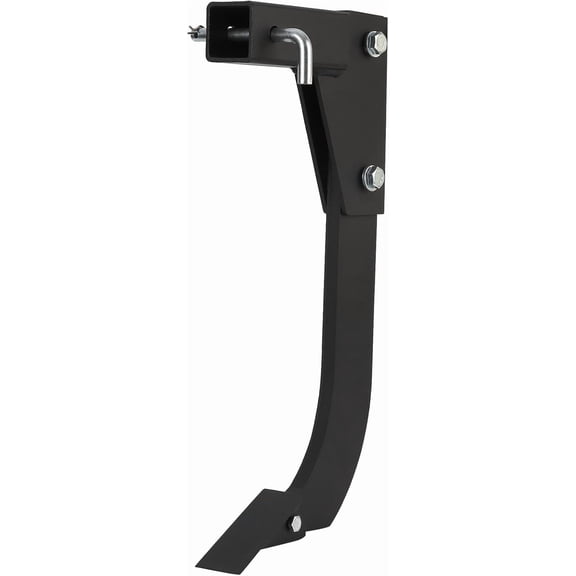
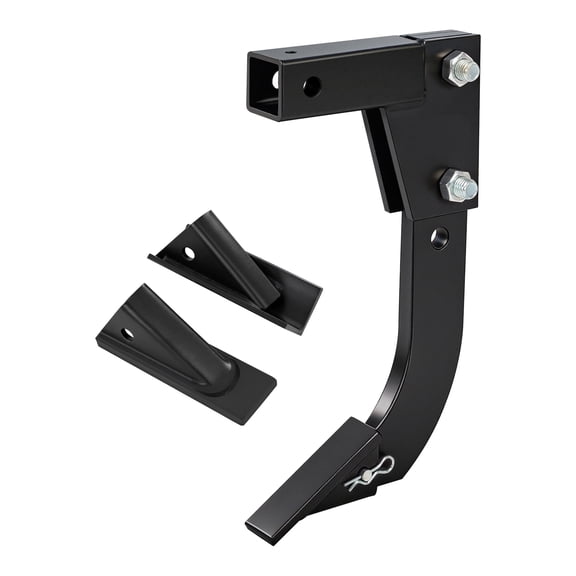
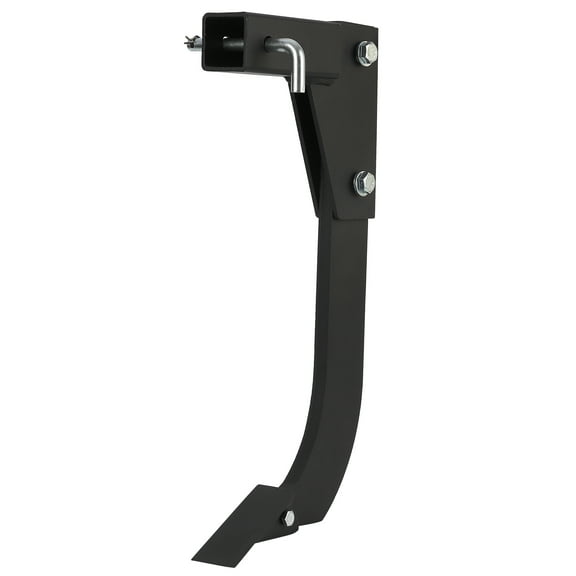
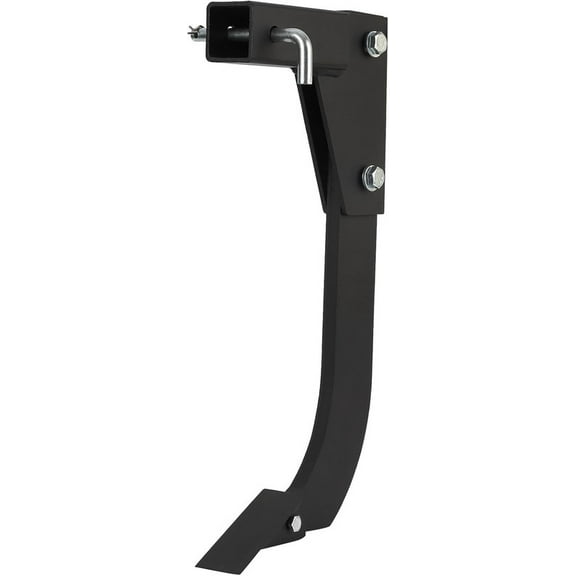
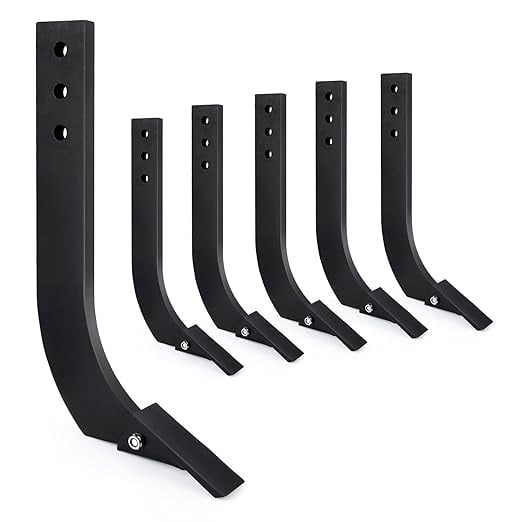
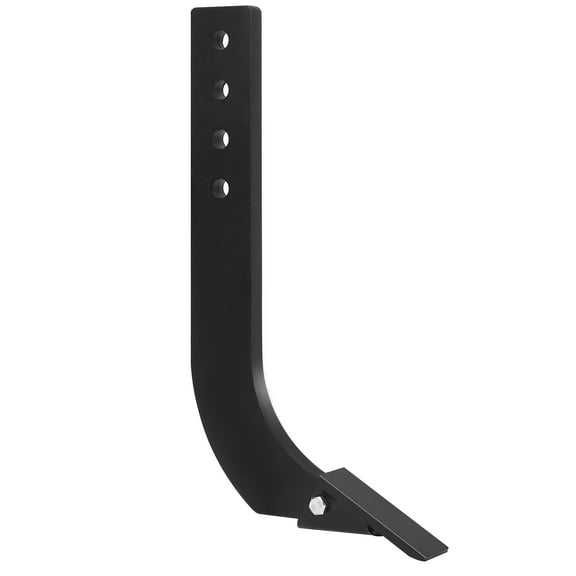
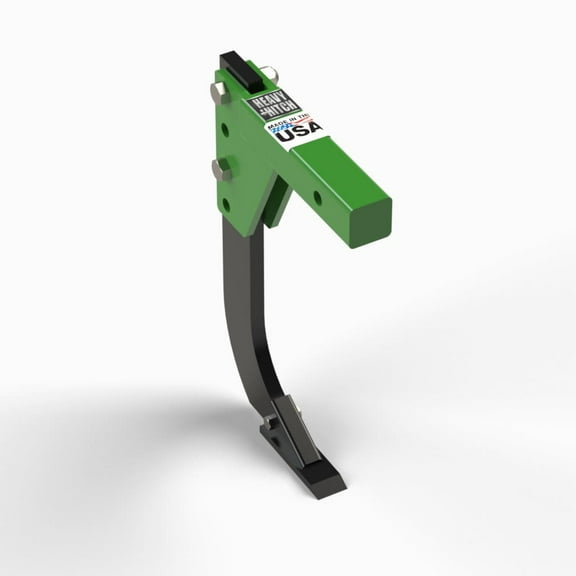
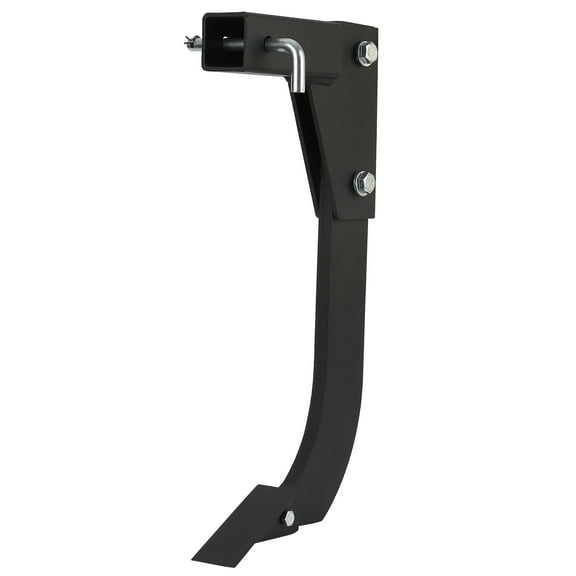
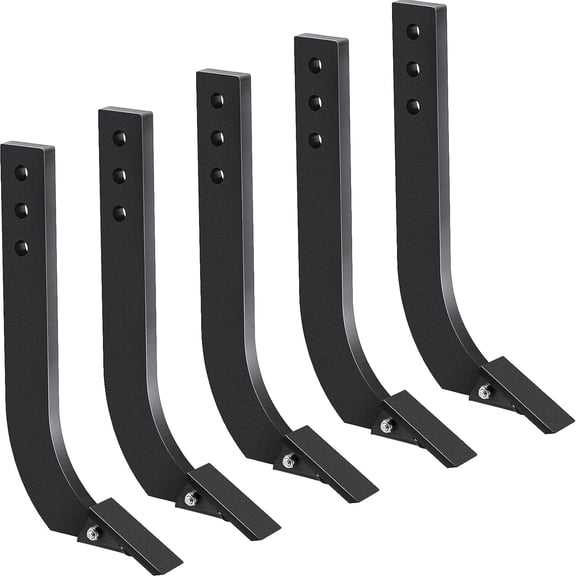
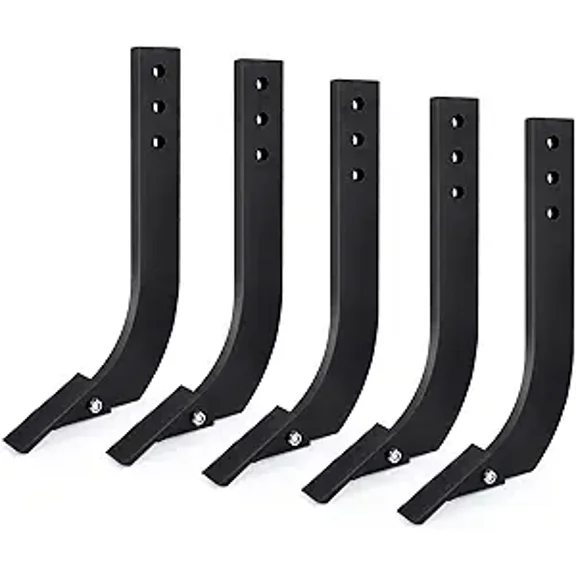
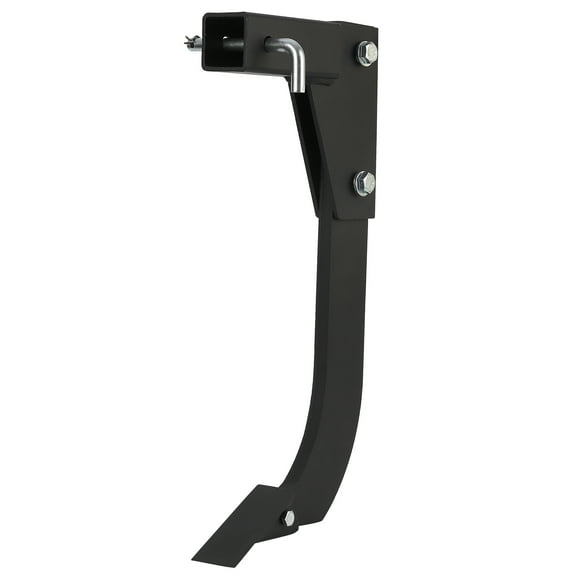
For dense ground layers, you may compare a subsoiler when you want to break deeper compaction below the surface. You should check the listed cutting depth and width, because those numbers tell you how aggressively the tool works.
Choosing a 3 point tractor plow or other hitch style
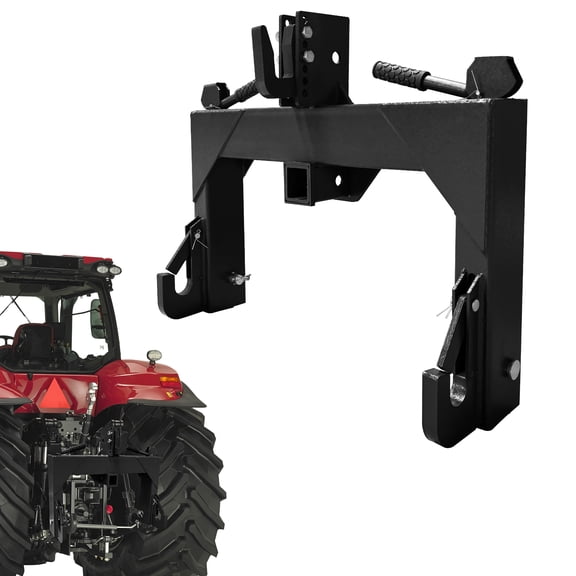
Your hitch connection decides whether the implement fits your tractor and lifts correctly during transport. You should check whether your tractor uses a 3-point hitch, pull-type setup, or sleeve hitch before you compare sizes.
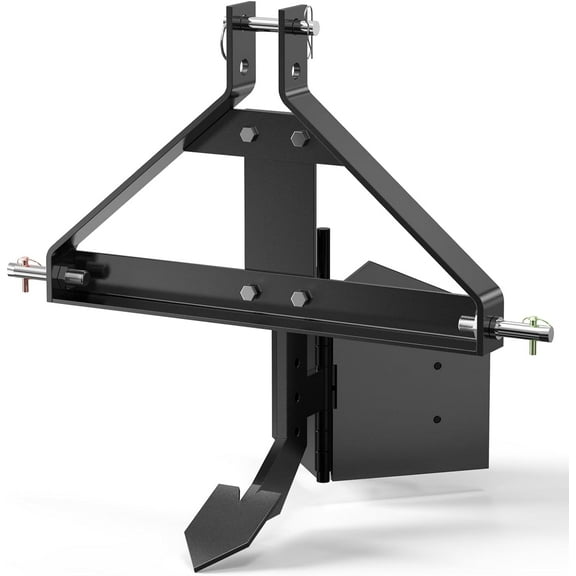
A 3 point tractor plow often suits compact and utility tractors that lift implements directly from the rear linkage. You’ll want to verify Category 1 or Category 2 compatibility, because pin spacing and lift arm fit matter.
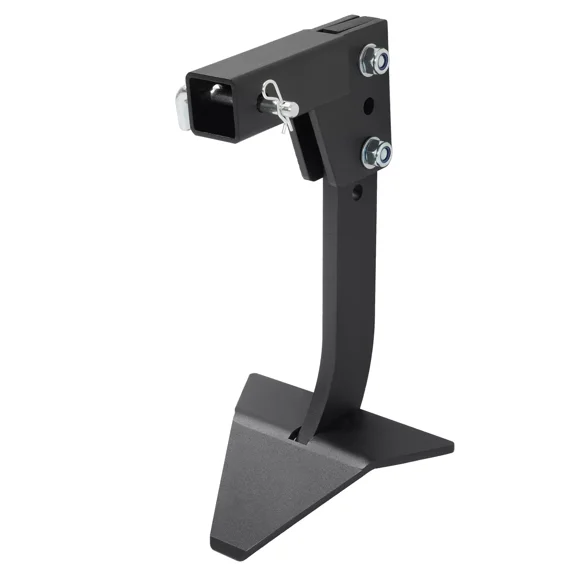
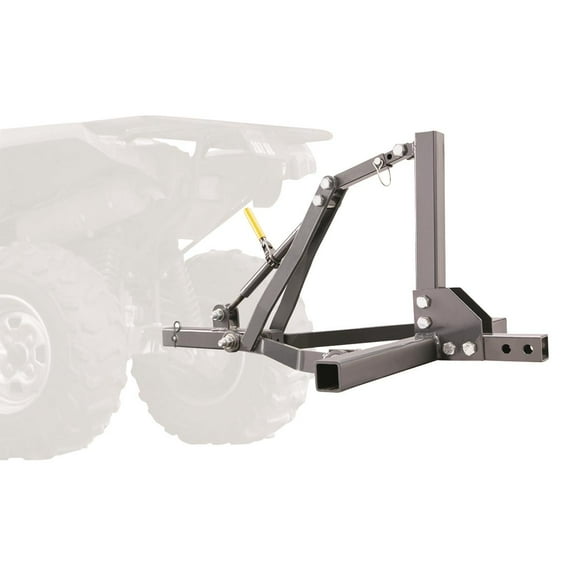
If you use a garden tractor plow, you may need a sleeve hitch or another smaller connection style. You should compare those mounting details carefully, because a mismatch can limit lifting range and field control.
Matching bottoms and horsepower to your tractor
You should treat horsepower as a key buying guide, because each additional bottom asks more from your tractor. You’ll often choose a single bottom plow when you work smaller plots, lighter soil, or lower-horsepower equipment.
A 2 bottom plow can help you cover more ground when your tractor has the traction and power to pull evenly. You should also consider ballast, tire setup, and field conditions, because wet or heavy soil increases drag.
If you use a compact tractor plow, you’ll usually compare lighter frames and narrower working widths. You can step toward utility tractor applications when your machine supports wider cuts and deeper penetration.
What to look for in depth, width, and real use
You should check maximum cutting depth and working width before you choose, because those numbers shape field speed and finish. You’ll want enough depth for root zones and residue turnover without overloading your tractor.
In sandy soil, you may prefer a setup that pulls smoothly and maintains depth without constant adjustment. In clay or hard-packed ground, you should compare stronger penetration and plow types that keep moving through dense sections.
If your land includes gardens, food plots, or small farms, you can match implement size to acreage and turning space. You’ll also find a tractor plow attachment that suits seasonal tasks, from spring soil prep to fall field turnover.
Choosing tractor plows with confidence
You can narrow tractor plows quickly when you compare plow type, hitch style, bottom count, and tractor compatibility together. Your final choice can feel more dependable when it fits your land, pulls within your horsepower range, and cuts the depth you need.