

John Deere Drawbars & Tractor Draw Bars | Walmart

















About John Deere Drawbars & Tractor Draw Bars | Walmart - Walmart.com
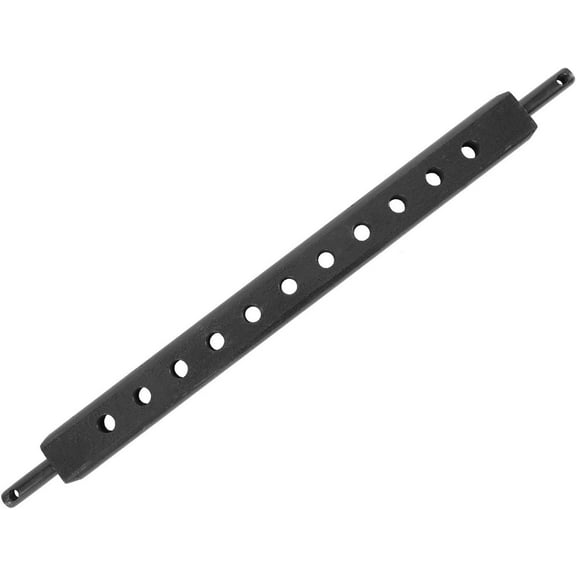
Tractor drawbars help you match your tractor to towing, pulling, and mounted implement jobs with the fit and strength your equipment needs. You can compare hitch category, drawbar style, steel construction, and brand compatibility faster when the page explains what each choice means.
How to choose tractor drawbars
You should start with hitch category because pin size and spacing determine whether a drawbar lines up correctly. You can narrow options faster when you check Category 1, Category 2, or Category 3 before anything else.
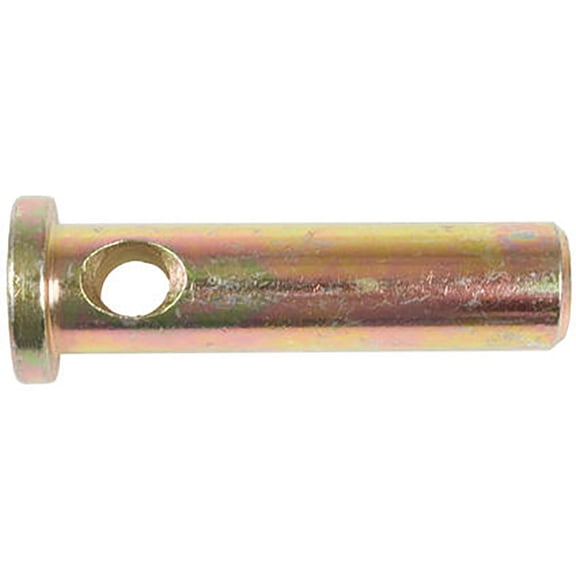
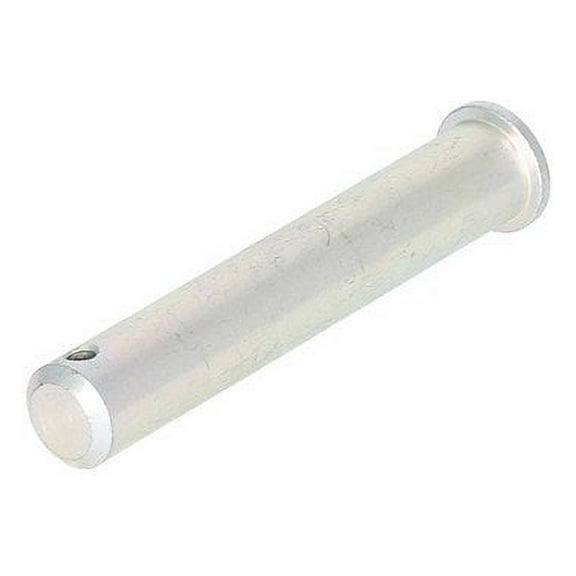
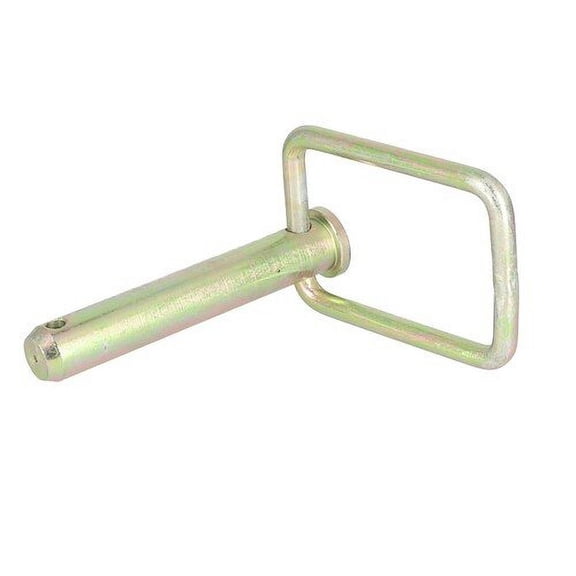
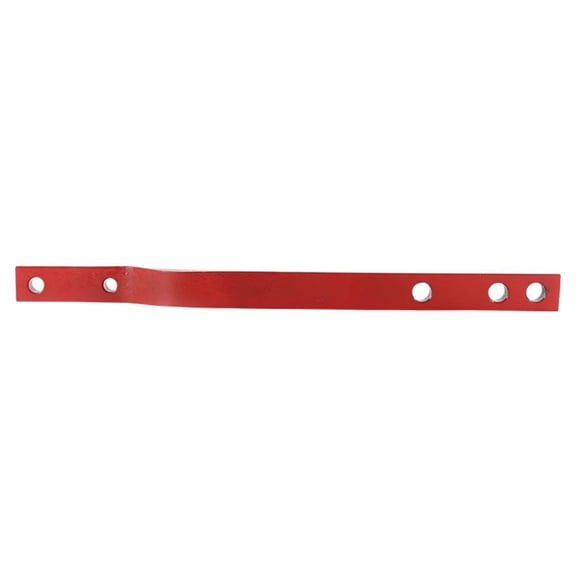
A category 1 tractor drawbar usually fits smaller tractors and lighter utility tasks around fields, gardens, and acreages. You should compare pin diameter and arm spacing carefully, because your hitch hardware needs a proper match.
Category 2 and Category 3 setups usually serve larger tractors and heavier pulling jobs. You should check your tractor manual, because your equipment size affects attachment fit and working stability.
Key decisions for hitch category and fit
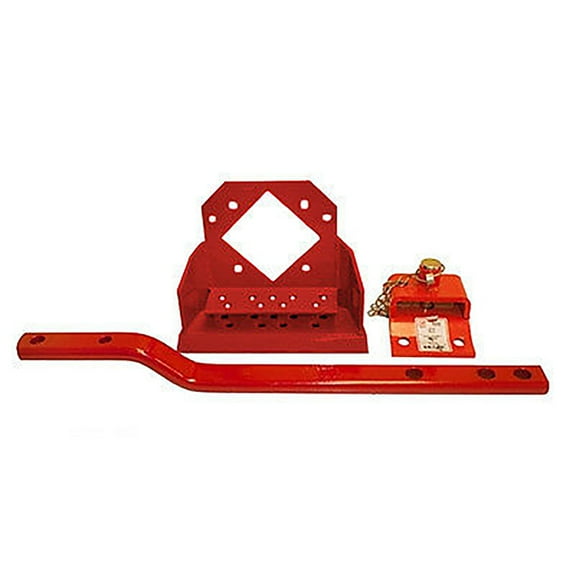
You can avoid fit issues when you compare mounting points, support frames, and the hitch style your tractor already uses. You should also check whether you need a replacement tractor drawbar or a complete tractor drawbar hitch setup.
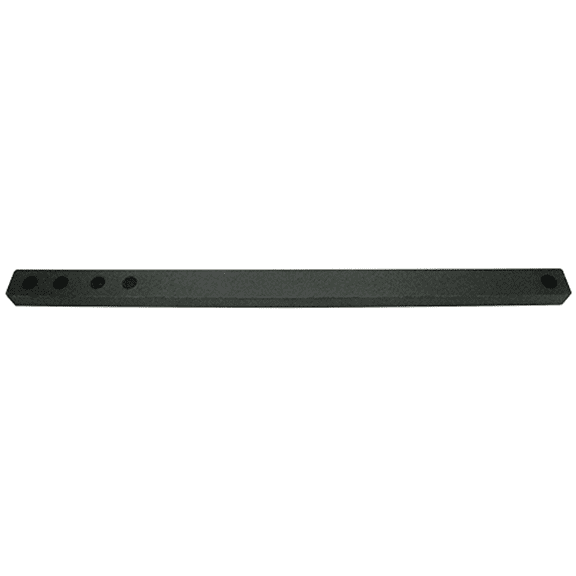
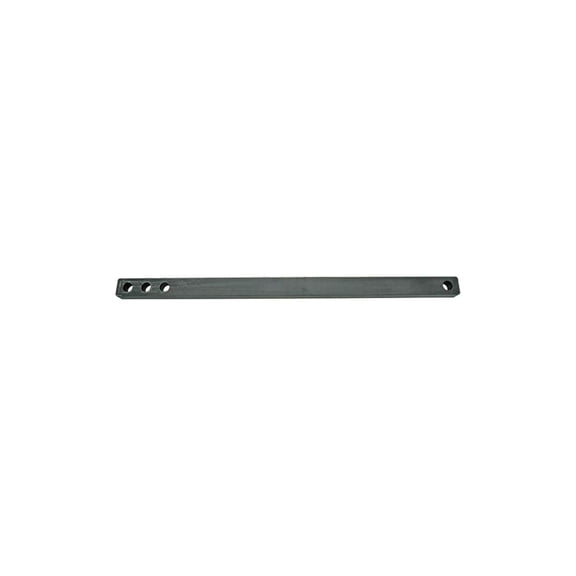
- You can use straight drawbars when you want a simple pull point for trailers, wagons, and towing tasks.
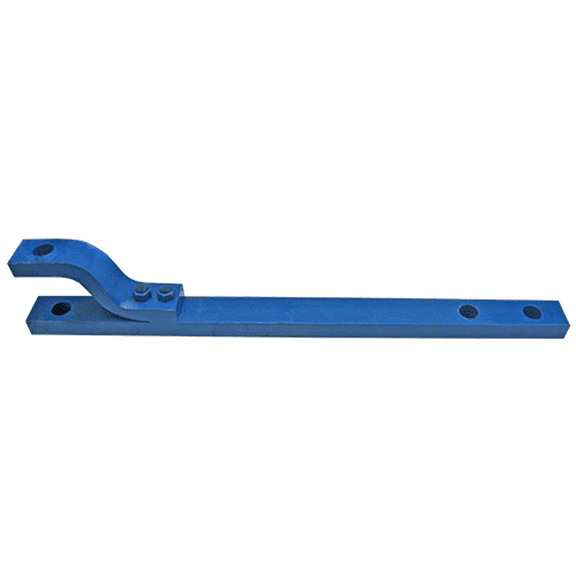
- You can choose offset drawbars when you need extra clearance around tires, implements, or PTO-driven equipment.
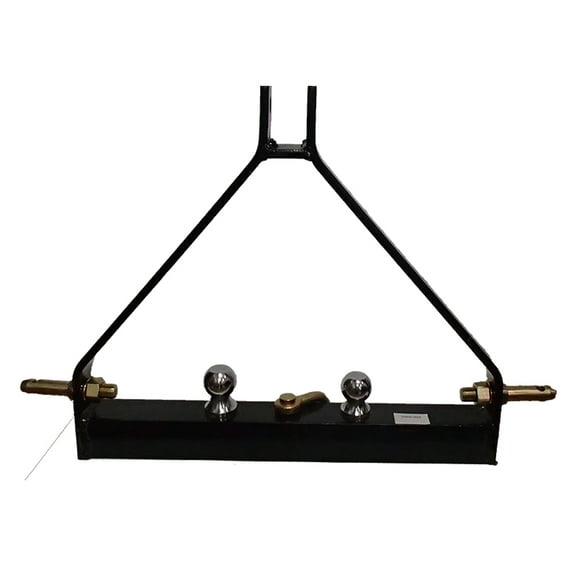
- You can select a 3 point tractor drawbar when you want quick hitch-based mounting and easier implement changes.
- You can compare swinging styles when you need some side movement during field turns and uneven terrain work.
You should measure connection points before you choose universal fit options for John Deere, Kubota, or Massey Ferguson tractors. You can compare listed dimensions with your current setup to reduce guesswork during installation.
Choosing a heavy duty tractor drawbar
You should compare material and construction next, because steel thickness and build method affect how a drawbar handles repeated pulling. You can look for forged steel or heavy-duty carbon steel when your work includes trailers, sprayers, or loaded farm carts.
A heavy duty tractor drawbar can give you more confidence during frequent towing and rough ground use. You should still check stated tongue weight and pulling capacity, because strength claims need matching numbers.
You may also want powder-coated finishes when you store equipment outdoors or work in muddy conditions. You can keep surfaces looking cleaner longer when your finish resists grime and routine weather exposure.
Comparing drawbar types and mounting styles
You should compare straight, offset, three-point, and swinging designs based on how your tractor works each day. You can make a smarter choice when you match drawbar shape to clearance, turning, and attachment needs.
Straight styles give you a centered connection point for common towing jobs. You can use them when your trailer or implement tracks well behind your tractor without extra offset.
Offset styles move the connection point slightly, which can help with tire clearance and implement alignment. You should consider offset designs when your setup needs more room around mounted equipment.
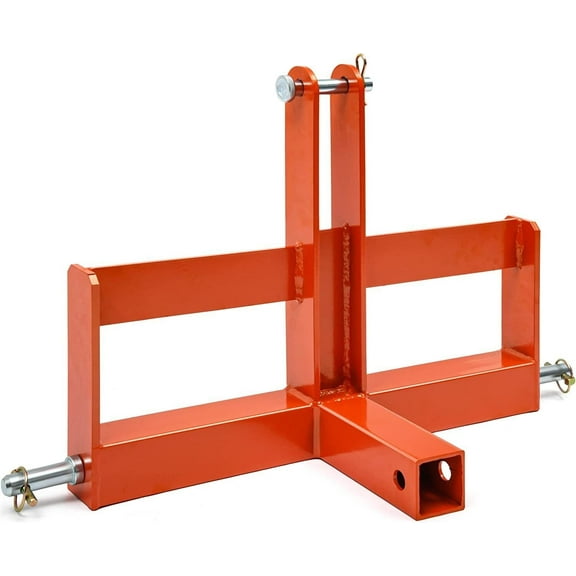
A 3 point tractor drawbar mounts through the hitch arms, so you can attach and remove it through your lift system. You can prefer this style when you switch between rear implements and towing attachments often.
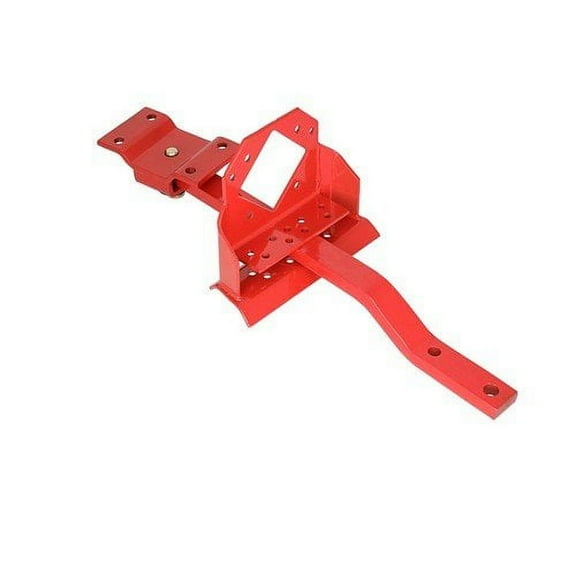
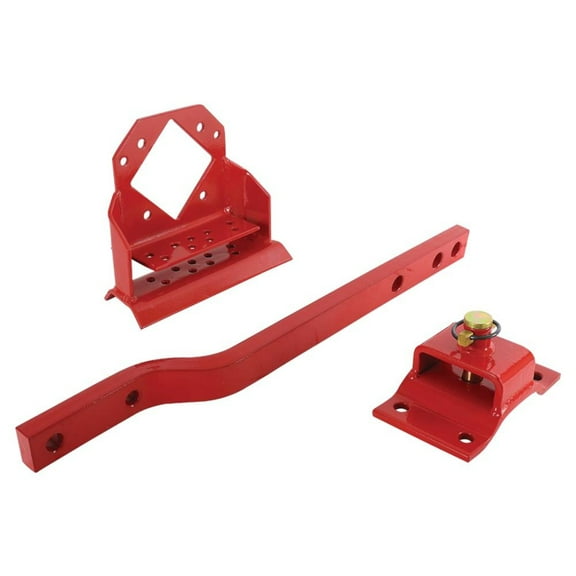
You should also compare a drawbar support frame with a hitch-mounted option, because installation changes how the load sits behind your tractor. You can choose support-frame setups when your equipment calls for a fixed pulling position.
Using tractor drawbars for real farm and property tasks
You can use tractor drawbars for wagons, utility trailers, seeders, spreaders, and other pull-behind equipment. You should match the hitch category and capacity to the job, so your setup stays aligned and practical.
If you manage a compact tractor on a small property, you may lean toward a category 1 tractor drawbar. You can pair that fit with a straight or three-point style for routine mowing, hauling, and light field tasks.
If you run a larger utility tractor, you may need Category 2 or Category 3 hardware and thicker steel construction. You can look for a tractor drawbar hitch that matches heavier implements and longer working hours.
You should think about ground conditions too, because uneven terrain can affect turning space and attachment movement. You can consider swinging styles or offset designs when your rows, gates, or field edges demand more flexibility.
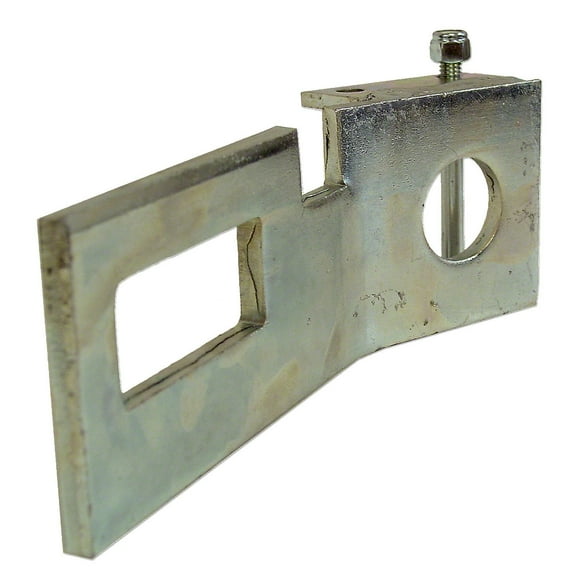
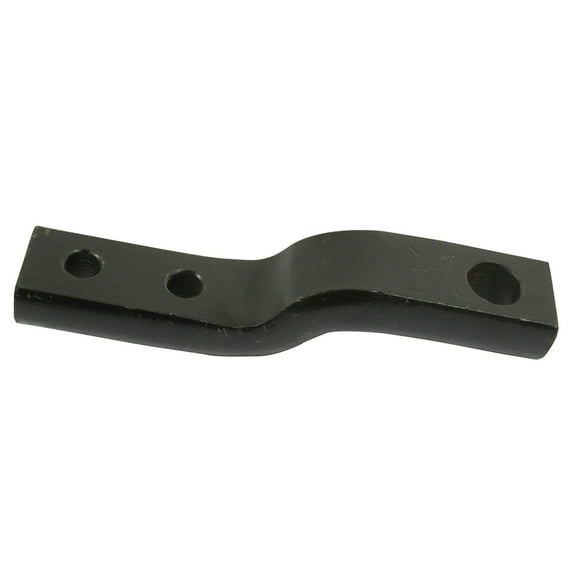
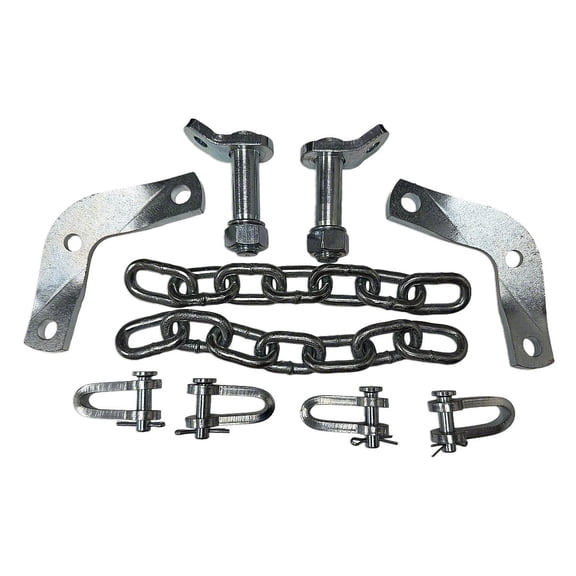
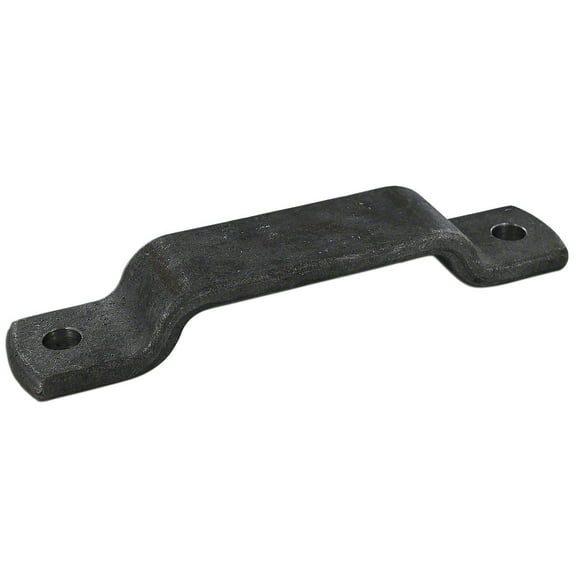
When you replace worn hardware, you should compare hole size, bar length, and mounting style with your existing part. You can find a replacement tractor drawbar that restores fit without changing your whole hitch system.
What to check before you choose
You should confirm category size, drawbar length, hole spacing, and weight capacity before you decide. You can also check compatibility notes for universal tractor drawbar options and major tractor brands.
With the right match, you can get cleaner attachment fit, steadier towing, and less trial-and-error during setup. You should focus on category fit and mounting style first, because those details drive everyday performance.