

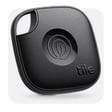
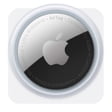
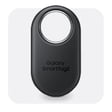
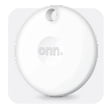

Bluetooth Tracking Devices for Cell Phones
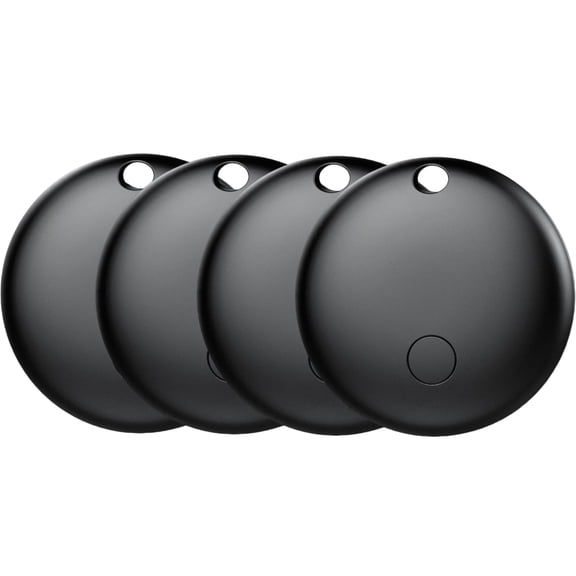


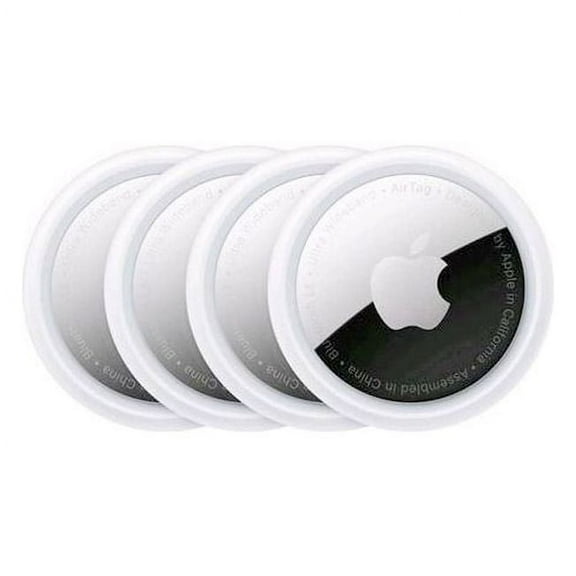

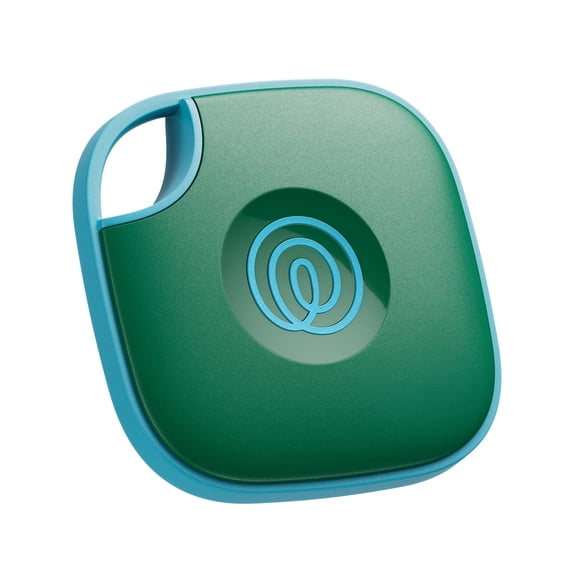


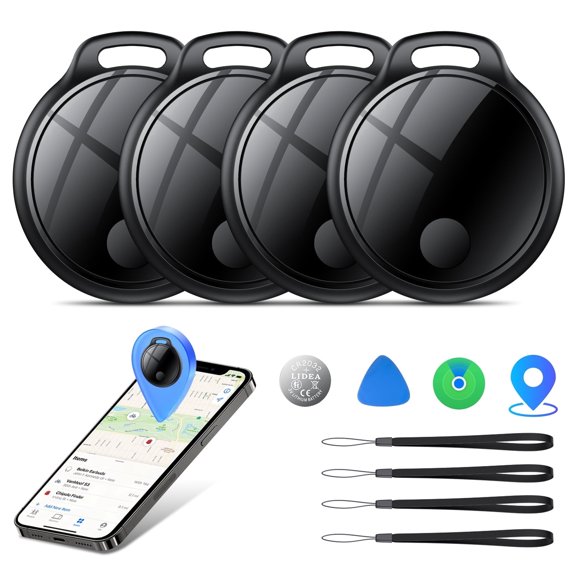








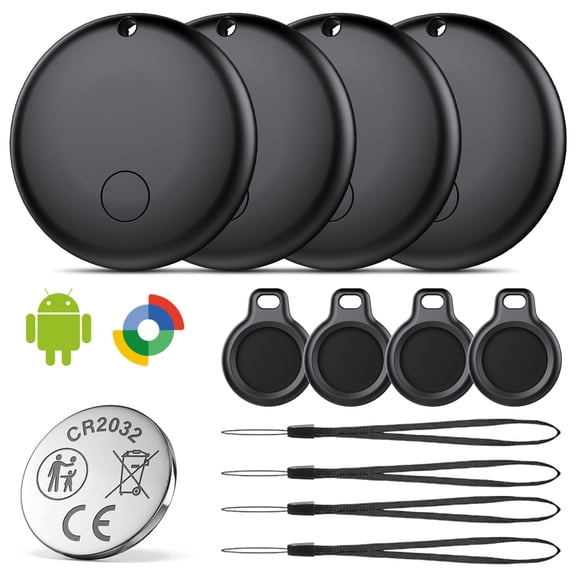


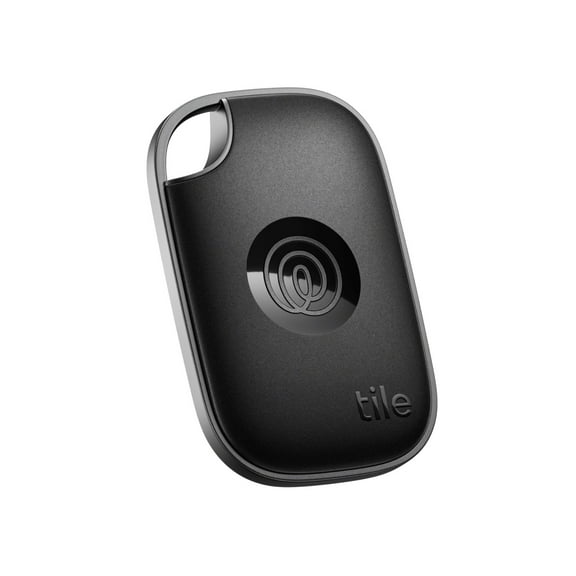
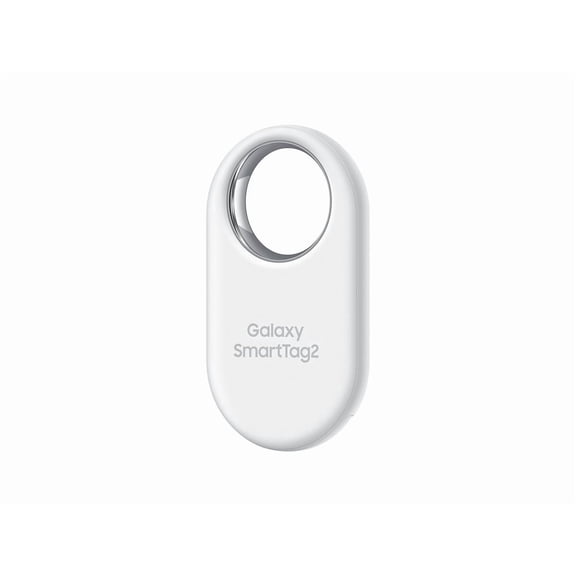


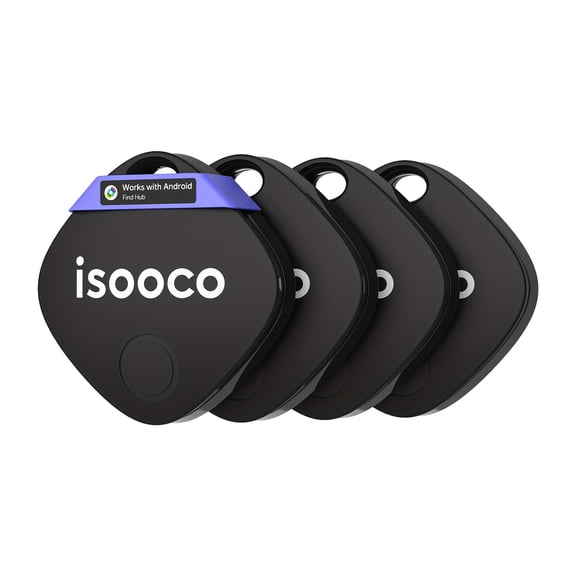




About Bluetooth Tracking Devices for Cell Phones - Walmart.com
Tracking devices help you keep tabs on everyday essentials, travel bags, and gear with setup options that match how and where you move. You can compare bluetooth trackers, gps trackers, and smart tags by range, compatibility, and battery style before you choose.
If you often misplace keys, wallets, or luggage, you’ll want tracking devices that fit your routine instead of adding extra steps. You can find compact tags, slim card shapes, and loop-ready designs that suit pockets, key rings, and travel use.
How to choose tracking devices by technology type
When you compare Bluetooth, GPS, cellular, and UWB options, you should start with range and coverage. You’ll usually use bluetooth trackers for nearby items, while gps trackers help you follow items across longer distances.
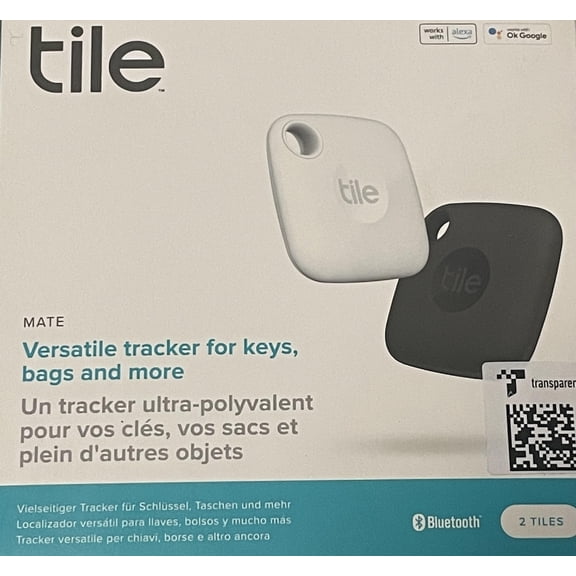
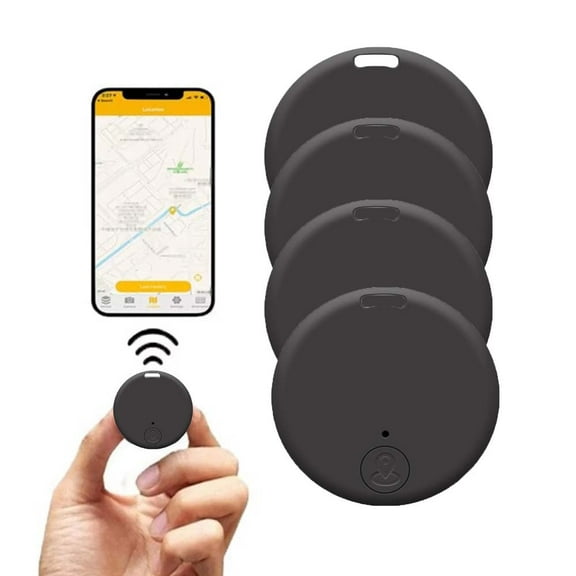
Bluetooth trackers work well when you want quick item-finding through your phone and nearby network support. You can use them as key finders, wallet trackers, or luggage trackers for daily carry items.
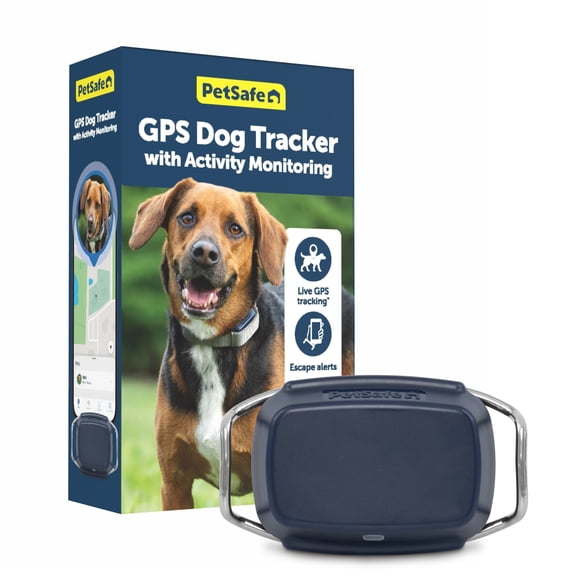
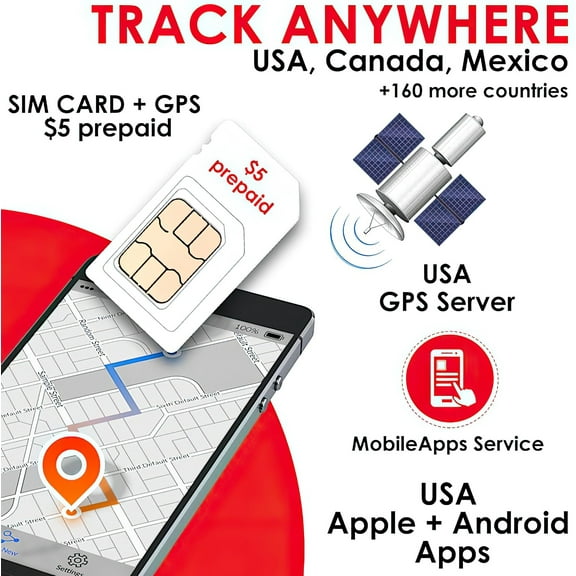
GPS and cellular models make more sense when you need location updates beyond Bluetooth range. You should also check whether your device uses a monthly service plan, since some long-range options include ongoing fees.
UWB models can add more precise finding guidance when you want help locating an item in a room. You may notice that this matters most when your keys slip into couch cushions or your bag hides under a car seat.
What to look for in bluetooth trackers and key finders
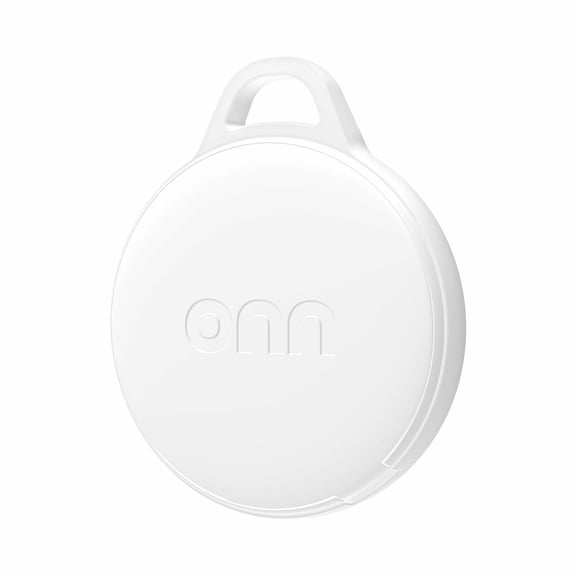
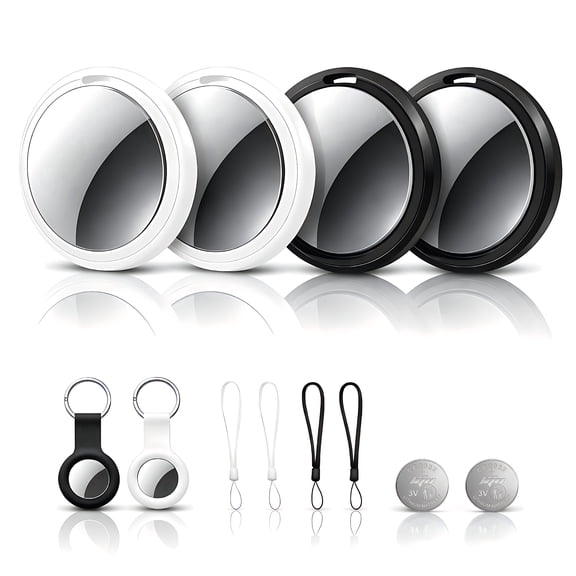
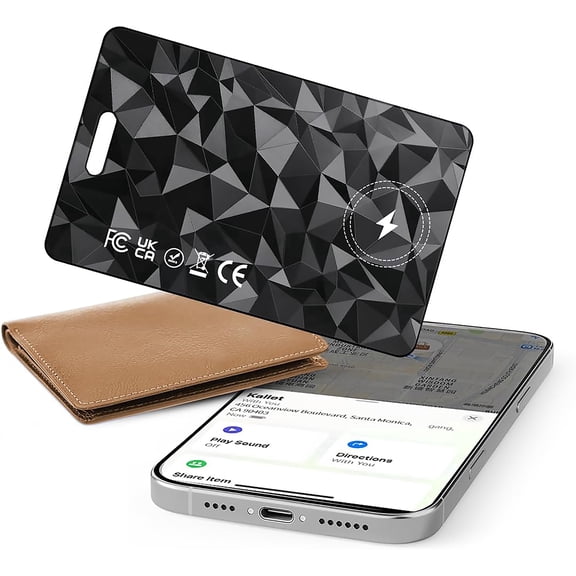
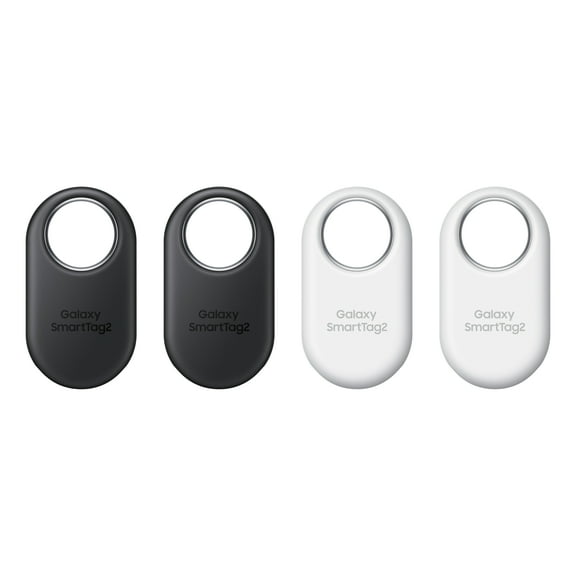
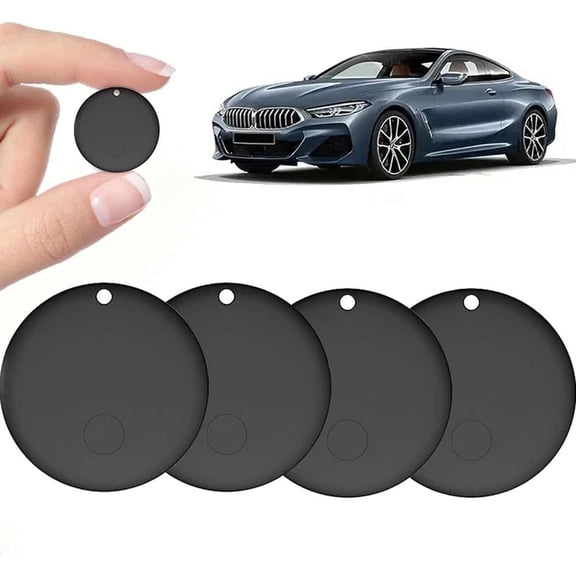
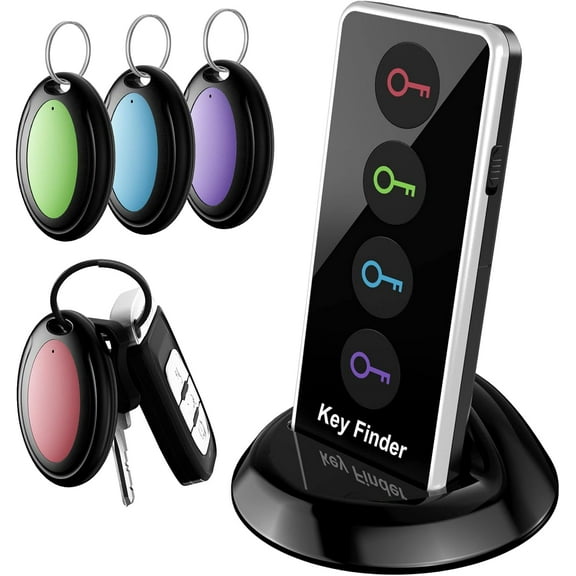
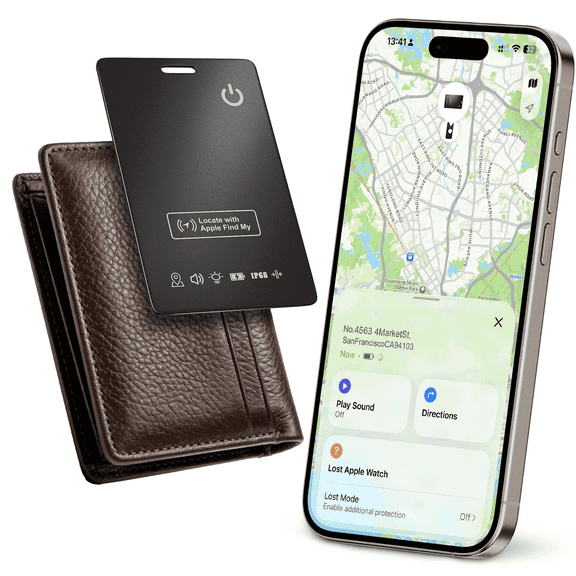
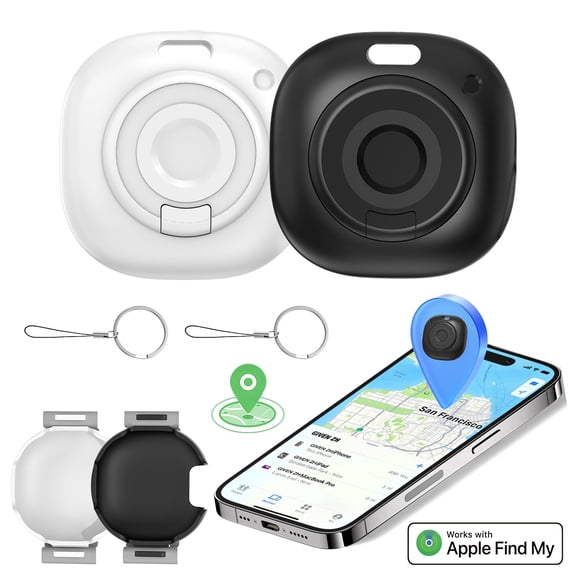
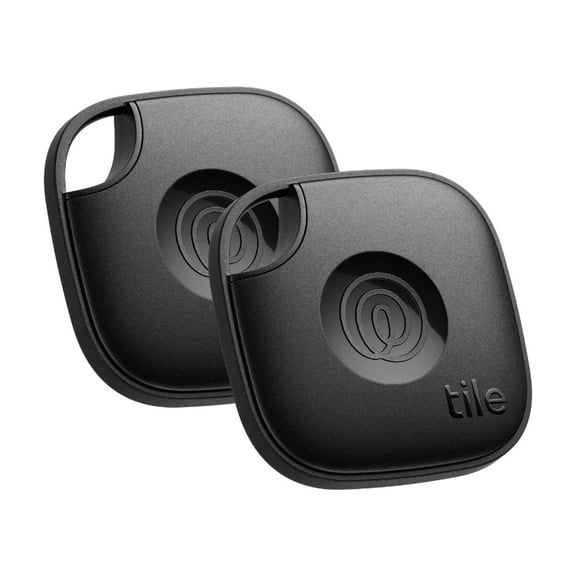
You should match the form factor to the item you track most often. You can choose key finders for rings, card styles for wallets, loop tags for bags, or stickers for smaller surfaces.
- You can keep keys easier to spot with loop-ready tags that attach without extra bulk.
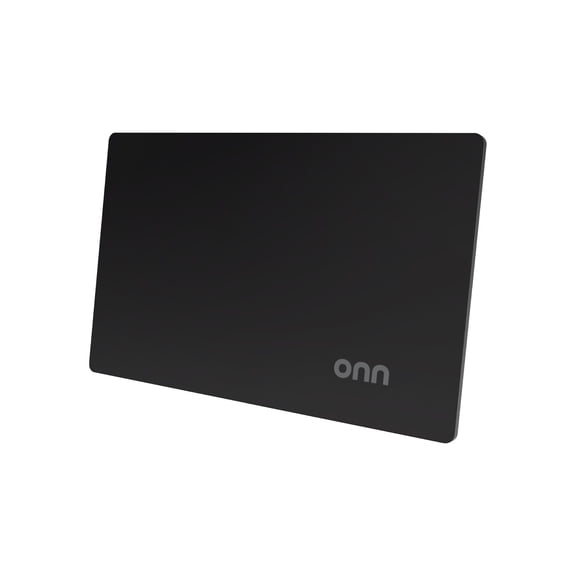
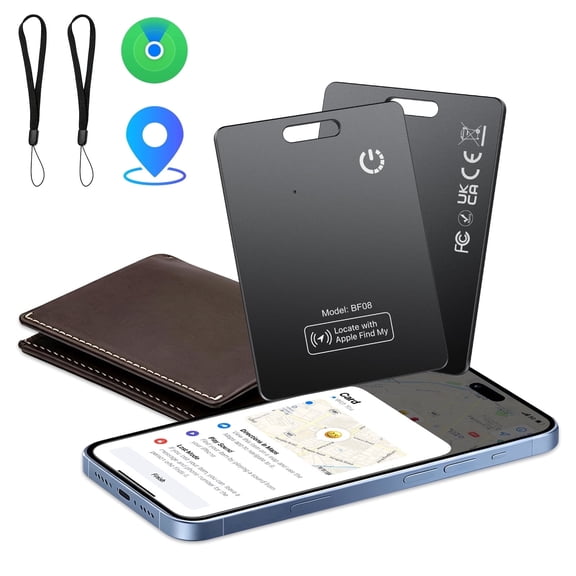
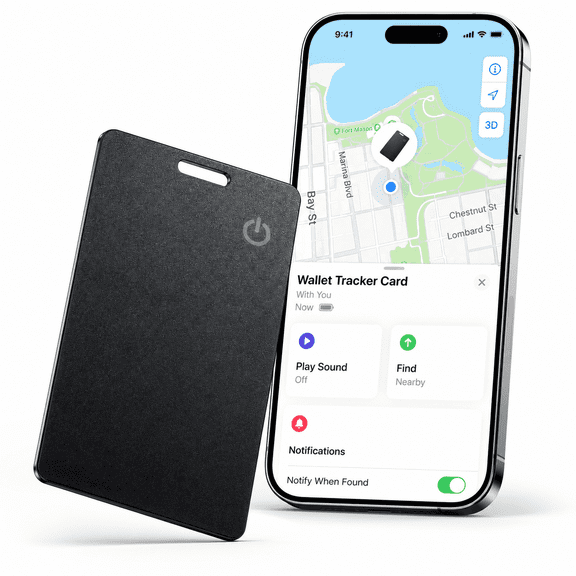
- You can slide card or wallet trackers into slim spaces without changing how your wallet fits.
- You can tag luggage with larger loops or smart tags that stay easy to identify during travel.
- You can place sticker styles on remotes, cases, or other small household items.
Form factor also affects how often you’ll actually use the tracker you pick. You’ll get a smoother experience when your tracker fits naturally into your daily carry setup.
Many shoppers also compare sound alerts, app maps, and shared finding access before they decide. You should look for features that make your item tracker simple for your household to use.
Choosing battery life, charging, and replacement
Battery style changes how much upkeep you’ll handle over time. You can choose replaceable battery models, rechargeable designs, or trackers with one-year or three-year lifespans.
Replaceable batteries can be practical when you want to keep the same tracker in use longer. You should check battery type and replacement access, especially if you want a tag for everyday keys.
Rechargeable options can suit routines where you already charge devices regularly. You may prefer them when your tracker stays in frequent use and you don’t want to buy replacement cells.
Stated battery life helps you compare maintenance expectations before you buy. You can often use longer-life models for luggage, spare bags, or seasonal gear that you don’t check daily.
Checking compatibility and app experience
Compatibility should guide your shortlist before you compare shape or color. You need to check whether your tracker works with iOS, Apple Find My, Android, Samsung SmartThings, or a universal app.
Apple Find My compatible options can fit smoothly into an iPhone-centered setup. You’ll likely prefer that route when you want your tracker inside the same ecosystem as your other devices.
Android compatible models matter when you want alerts and setup that align with your phone. You should also compare whether the tracker uses a brand app or broader network support.
Universal options can help when your household uses mixed devices across operating systems. You can reduce setup friction when everyone who may track the item can access the same app experience.
Comparing water resistance and everyday durability
Water resistance matters more when your tracker lives on keys, bags, or outdoor gear. You should compare water-resistant, weatherproof, and IP67 waterproof designs based on where your items go.
IP67 waterproof ratings can make sense when your tracker may face rain, splashes, or rough travel conditions. You may want that extra coverage for luggage trackers, backpack tags, or frequently handled smart tags.
Weatherproof and water-resistant designs can still suit many daily situations. You can often use them confidently for indoor items, commutes, and routine errands.
Matching tracking devices to real-life use
You can use bluetooth trackers for keys, earbuds cases, and wallets that stay within your usual routine. You’ll usually appreciate fast setup and compact size for these smaller everyday items.
For travel trackers, you should focus on battery life, loop design, and water resistance. You can keep luggage, duffels, and carry-ons easier to locate during flights, road trips, and hotel stays.
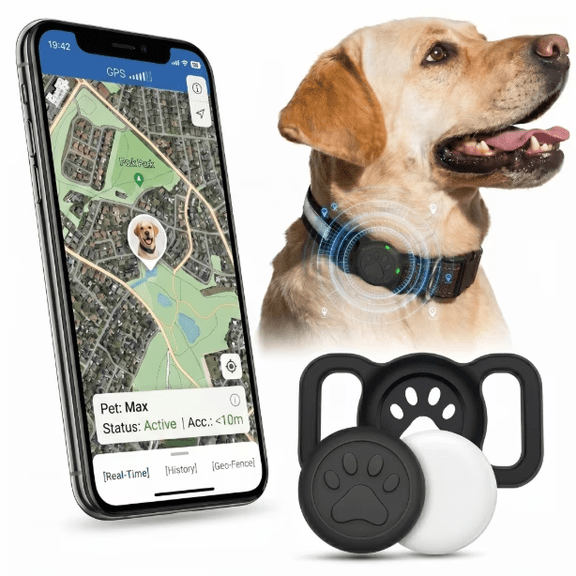
If you track gear that moves farther away, you may want gps trackers or cellular-connected models. You should compare network coverage and subscription details before you choose one for extended range.
Households with multiple phones should pay close attention to compatibility before making a final pick. You can avoid setup issues when your chosen tracker works with the devices your household already uses.
When you compare tracking devices with range, battery style, compatibility, and form factor in mind, you can narrow choices with more confidence. You’ll end up with a tracker that fits your items, your phone, and your routine from day one.