



Tow Straps & Straps for Towing Cars











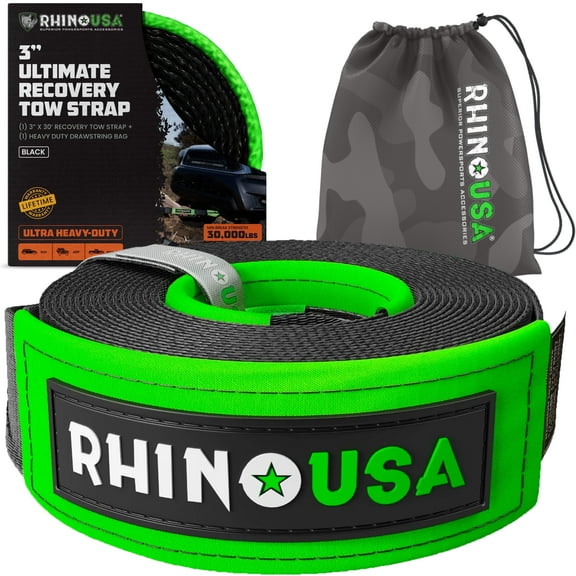


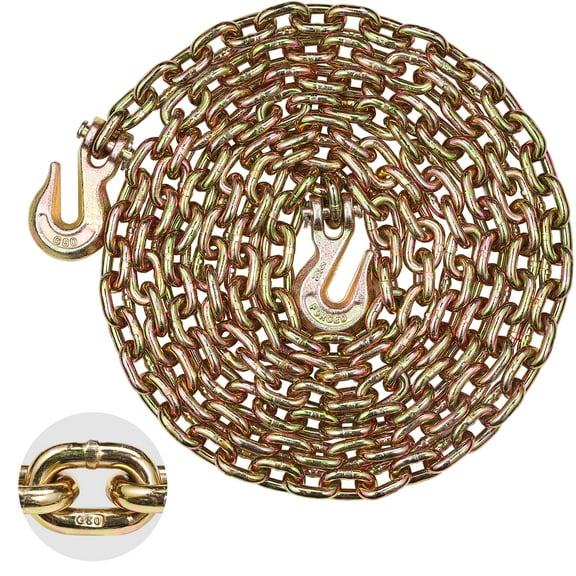
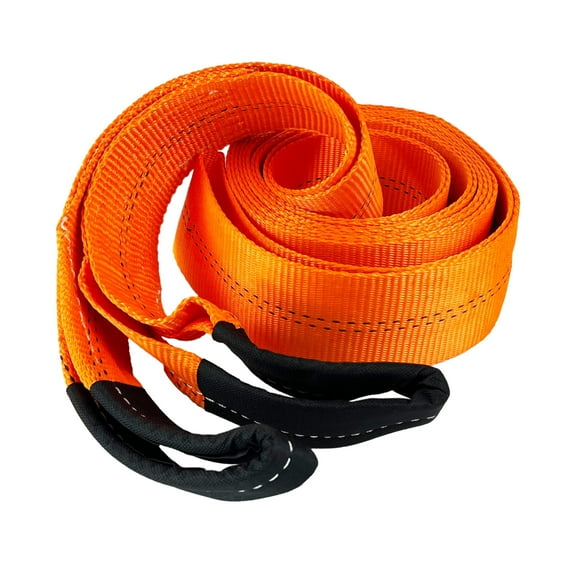


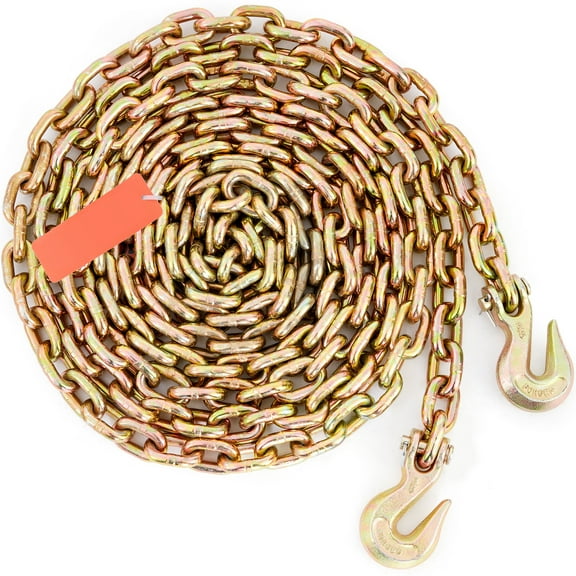

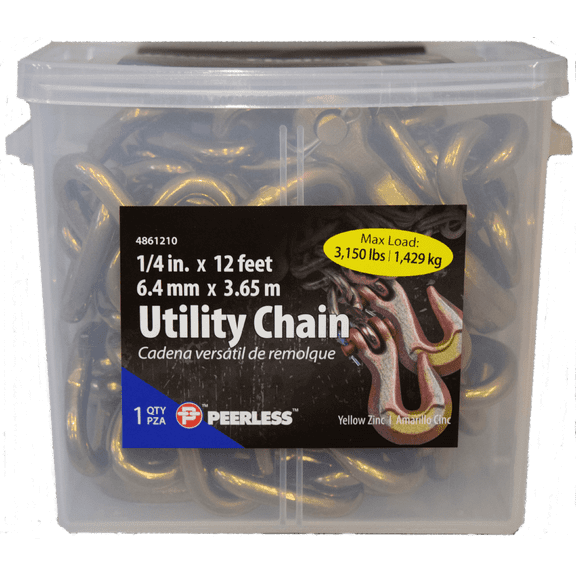

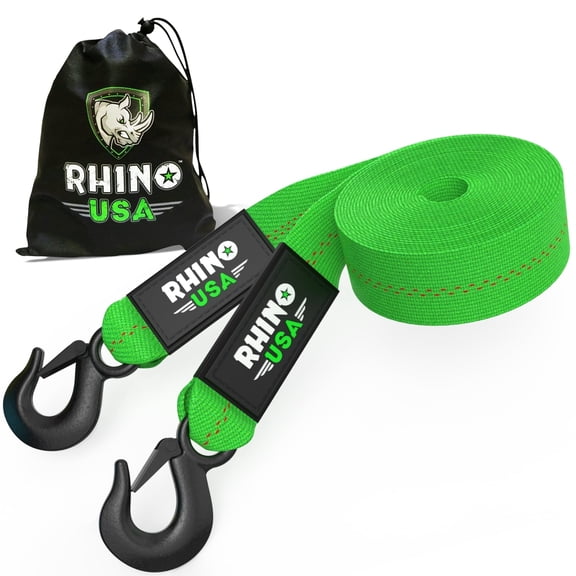

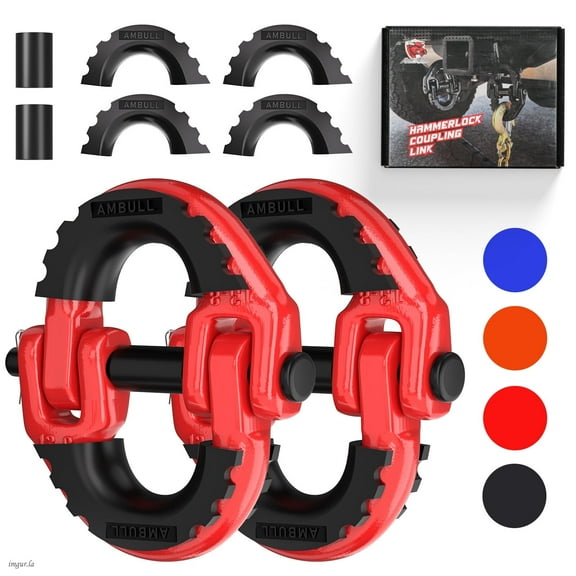
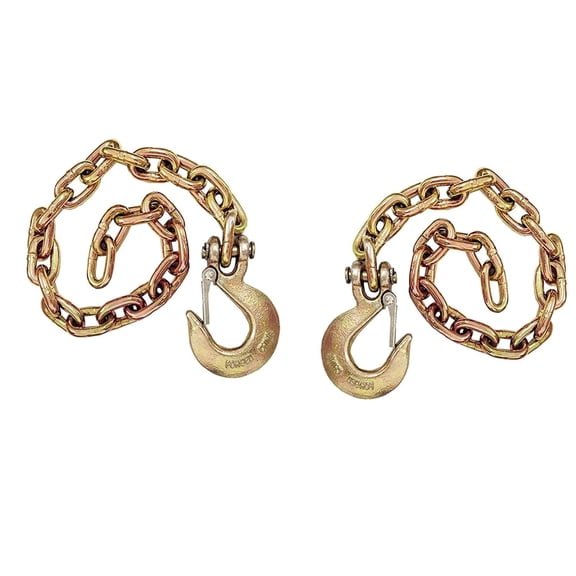






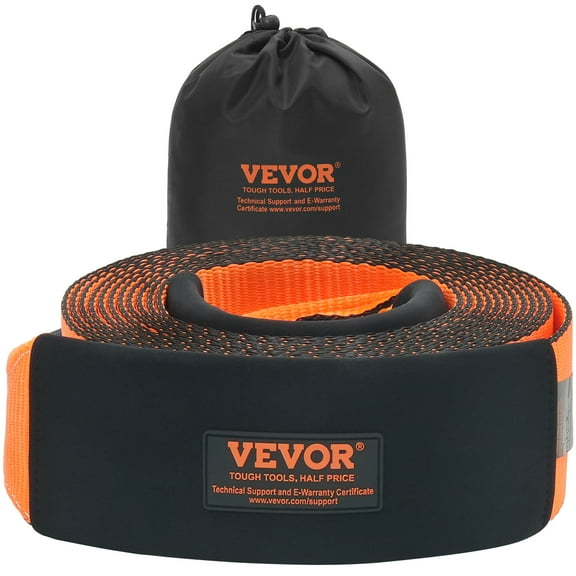
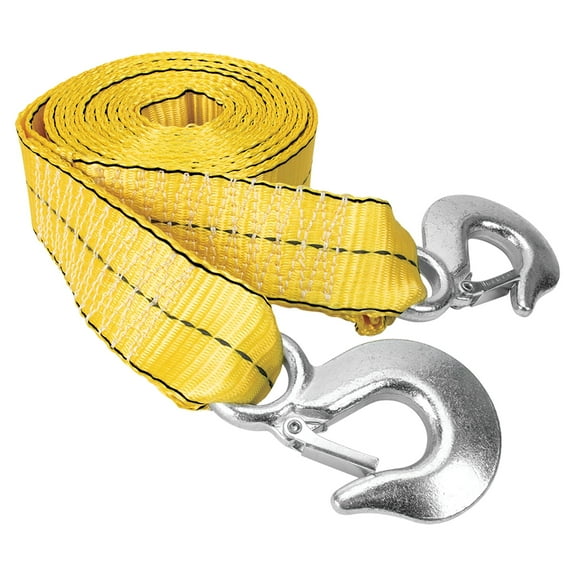
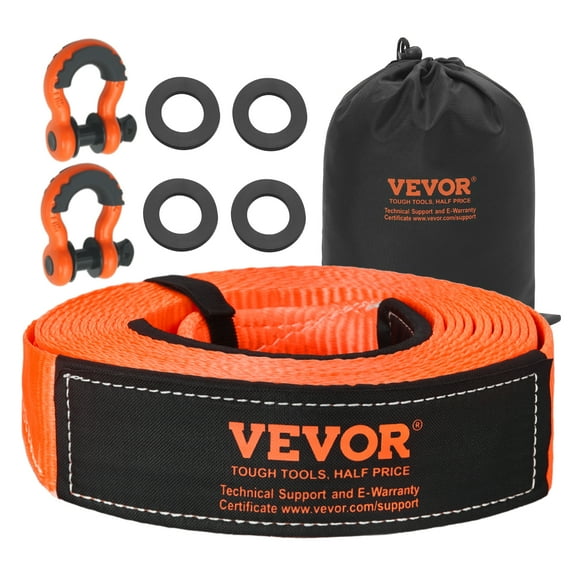
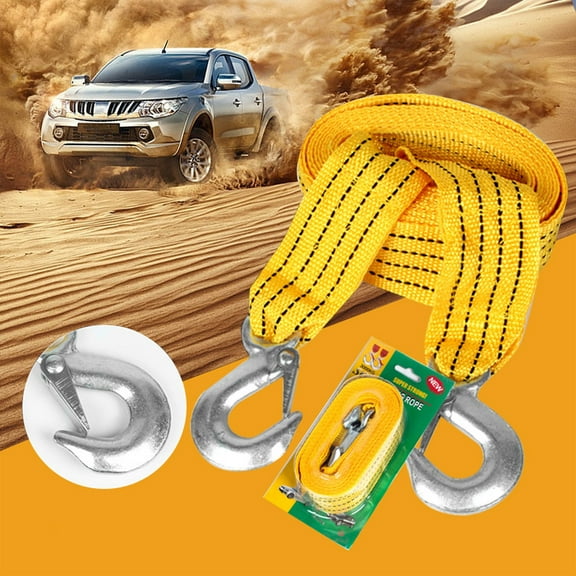


About Tow Straps & Straps for Towing Cars - Walmart.com
When you need straps for towing cars, you should compare capacity, attachment style, material, and length before you choose. You can use this guide to sort tow straps, towing straps for cars, and heavy duty recovery straps with more confidence.
You may be replacing a worn strap, building a roadside kit, or matching gear to your truck or SUV. You’ll want details that fit real towing tasks, including static pulls, recovery needs, and vehicle recovery points.
How to choose straps for towing cars
You should start with the job you plan to handle. You’ll usually need one strap type for flat towing and another for pulling a stuck vehicle free.
If you’re comparing tow straps, look for low-stretch construction that keeps the pull steady. If you’re comparing recovery straps, you’ll want controlled stretch that supports kinetic recovery use.
You can narrow your options faster when you compare these decision points first. You’ll usually get a clearer match by checking capacity, ends, material, and length together.
- You can choose a break strength that matches the size of your passenger car, SUV, light truck, or ATV.
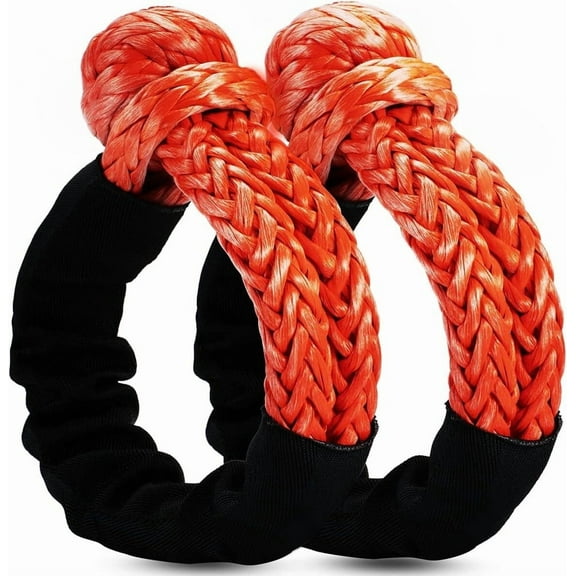
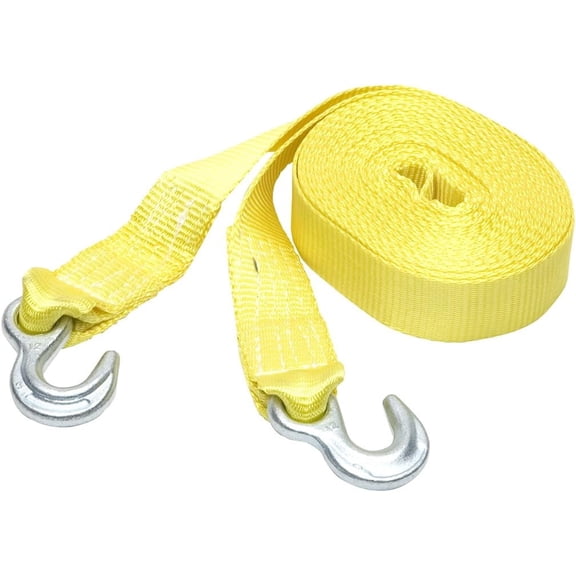
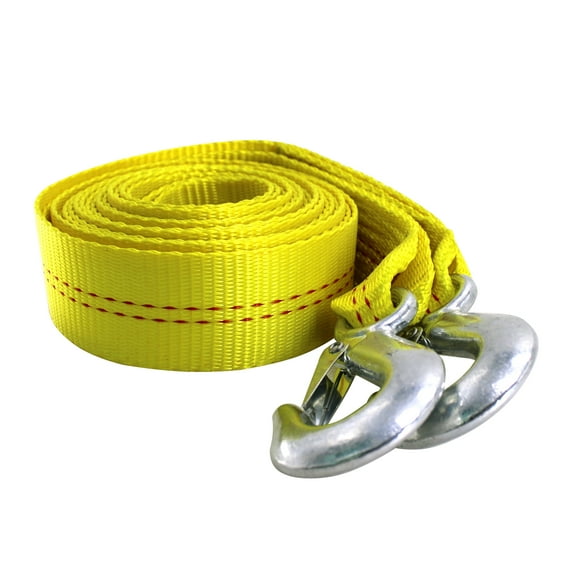
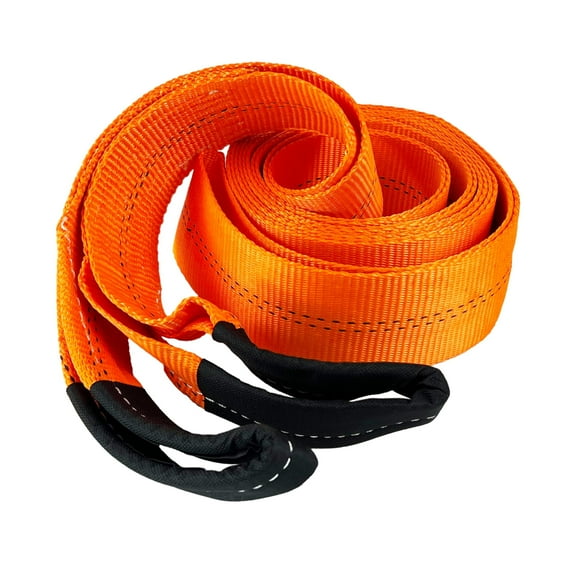
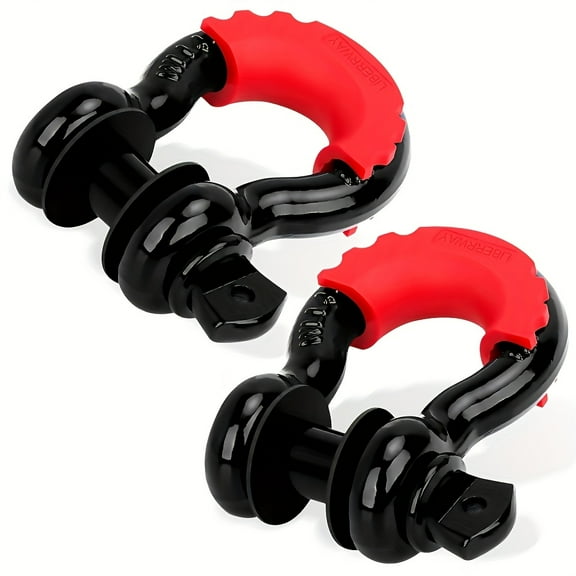
- You can match hooks, loop ends, or shackles to your vehicle’s approved recovery points.
- You can pick polyester for static towing or nylon for elastic recovery situations.
- You can select 15-foot, 20-foot, or 30-foot lengths based on spacing and maneuvering room.
Comparing capacity and heavy duty recovery straps
You should check break strength rating first, because it shows the strap’s tested peak capacity. You should also review working load guidance, because your regular use should stay well below that break point.
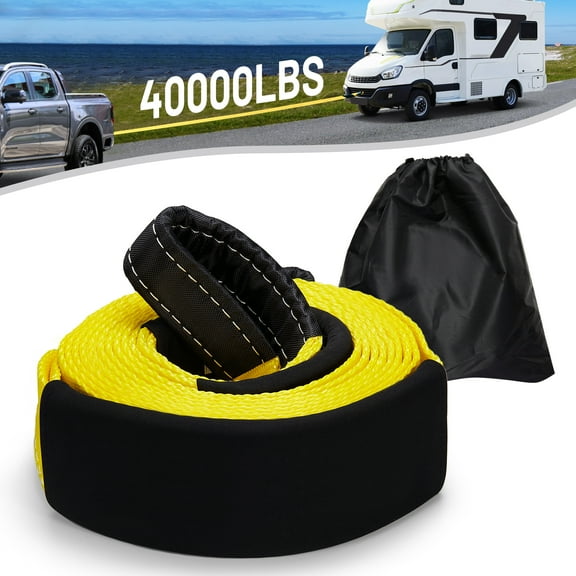
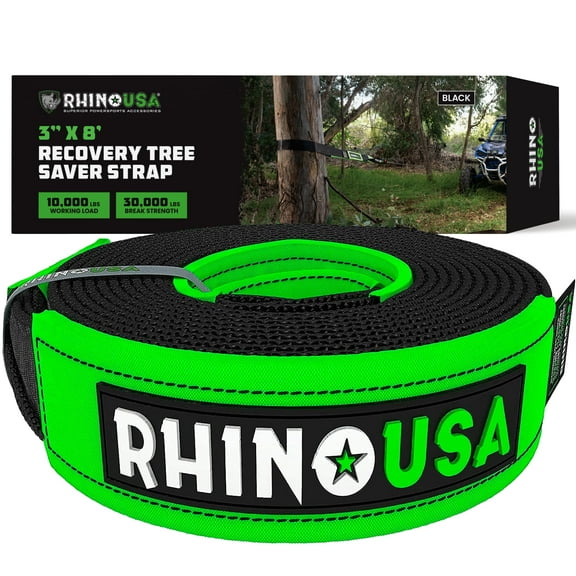
If you’re choosing among 10,000 lbs, 20,000 lbs, or 30,000 lbs options, you should match the rating to your vehicle class. You’ll often see heavy duty recovery straps used for larger SUVs, light trucks, and tougher pull situations.
You may notice that higher ratings can bring wider webbing and stronger hardware. You should compare those details when you want vehicle tow straps that feel suited to repeated use.
For passenger cars, you may prefer a tow strap for cars that doesn’t add extra bulk. For SUVs and light trucks, you may want more headroom in the rating for a steadier match.
Choosing hooks, loop ends, and shackles
You should match the strap ends to your vehicle’s connection points before anything else. You can avoid guesswork when you check whether your setup uses hooks, loop ends, or shackles.
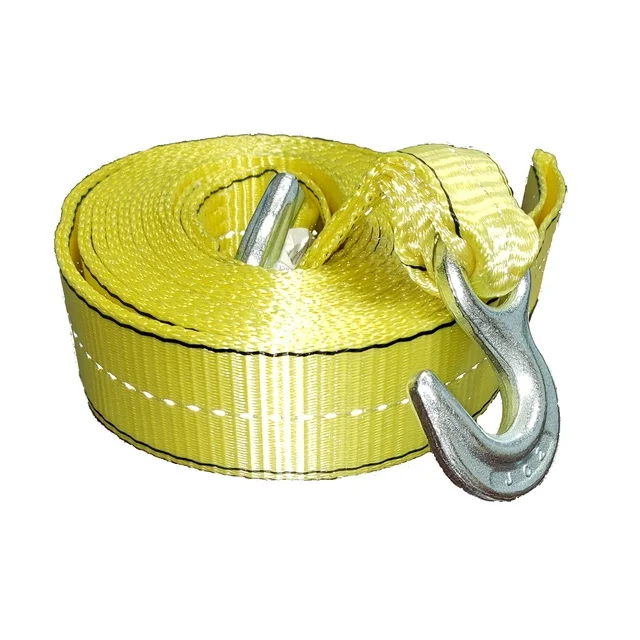
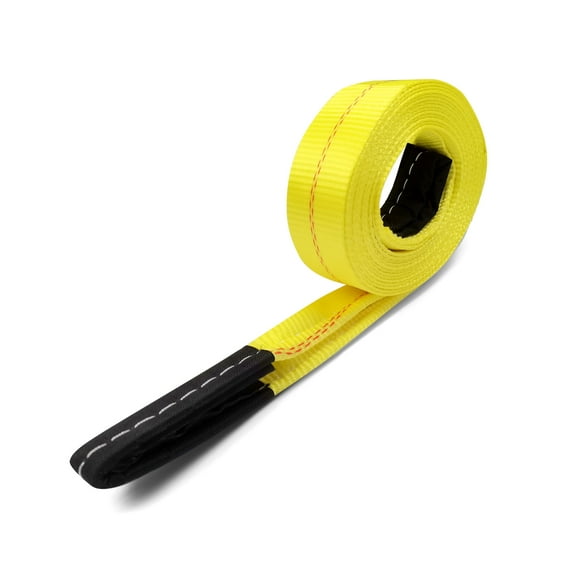
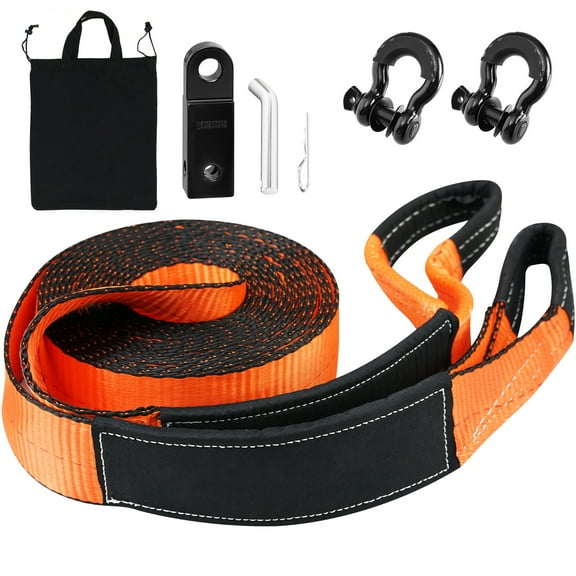
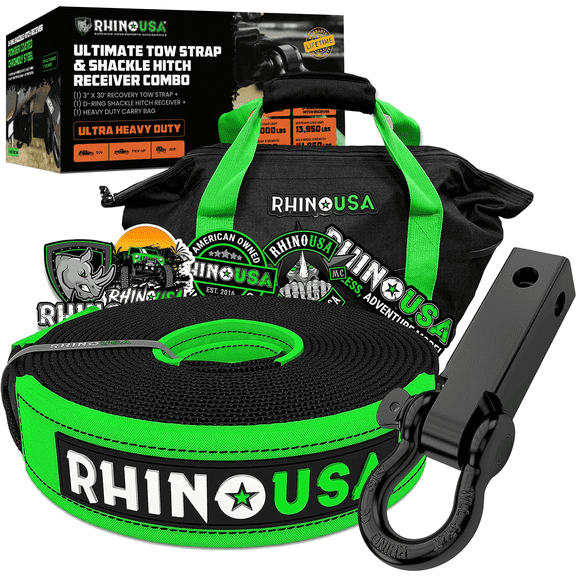
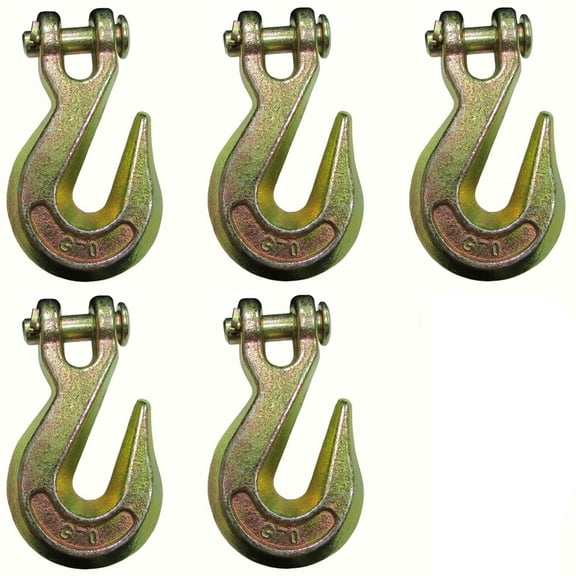
If you want faster connection, you may look for hooks on some tow hitch strap setups. If you want flexible pairing with recovery hardware, you may prefer loop ends with separate shackles.
You should confirm that your vehicle has appropriate tow or recovery points for the strap style you choose. You’ll get a cleaner fit when your end attachment matches the hardware you already carry.
For towing straps for cars, you may like simpler end styles that store easily in a trunk kit. For off-road gear, you may prefer loop ends that pair with rated shackles and recovery points.
Tow straps vs. recovery straps
You should separate static towing from recovery use when you compare options. You’ll usually want polyester tow straps for steady pulls and nylon straps for elastic recovery.
If you’re moving a disabled vehicle in a controlled pull, you may prefer polyester because it has less stretch. If you’re freeing a stuck vehicle, you may prefer nylon because it can stretch and rebound.
You may see shoppers use the terms interchangeably, but you should treat them as different tools. You’ll make a smarter pick when you match the material to the job instead of the name alone.
When you search heavy duty toe strap, you’re usually looking for the correct heavy duty tow strap category. You can use that corrected term to compare options built for vehicle pulling and recovery tasks.
Picking the right strap length for your vehicle
You should choose strap length based on the space you have and the distance you need between vehicles. You can compare 15-foot, 20-foot, and 30-foot options for different setups.
If you need a compact option for roadside kits, you may prefer 15 feet for easier storage. If you want more room between vehicles, you may choose 20 feet or 30 feet.
You should also think about where you’ll use the strap most often. You may want a longer option when you need extra positioning room on trails, shoulders, or uneven ground.
For passenger cars and smaller SUVs, you may find shorter straps easier to pack and handle. For light trucks and wider recovery spacing, you may find longer straps easier to position.
Matching vehicle tow straps to real use cases
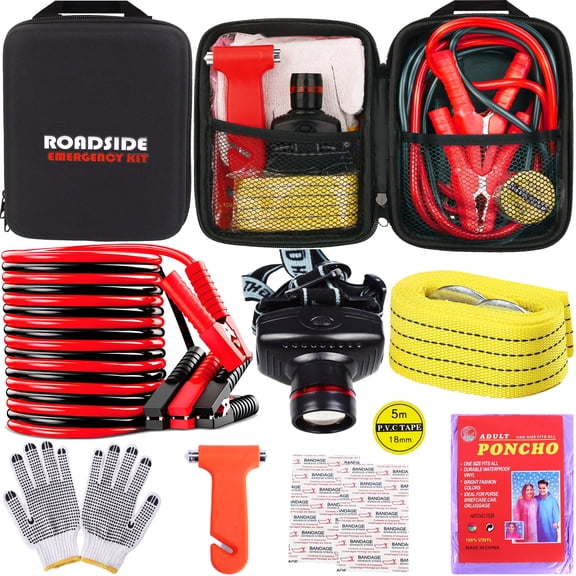
You may keep one strap in your trunk for roadside towing support and another in your garage for planned recovery gear. You’ll cover more situations when your setup matches both vehicle type and pull style.
If you drive a passenger car, you may want straps for towing cars with moderate capacity and manageable storage size. If you drive an SUV or light truck, you may want a heavier rating and longer reach.
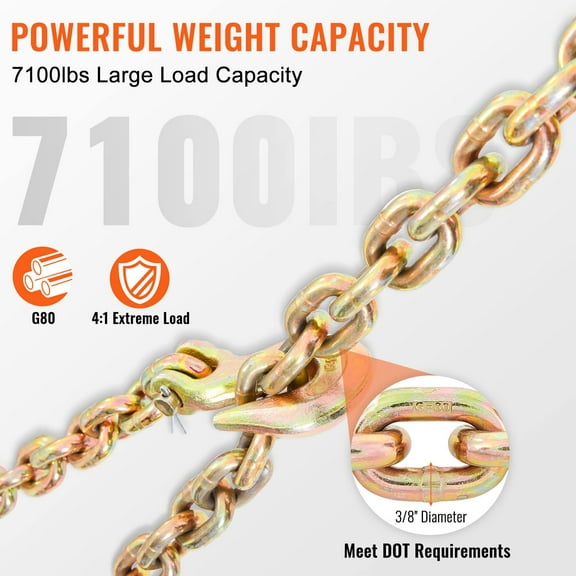
You may also compare tow straps with related gear like trailer hitches, shackles and D-rings, or tire chains. You’ll build a more complete towing setup when your strap works with the rest of your equipment.
When you choose the right combination of rating, material, ends, and length, you’ll get gear that fits your vehicle and task. You can then focus on a steadier connection and a more organized towing kit.
You’ll make a stronger choice when you compare working load guidance, material stretch, and end compatibility together. You can use those details to pick tow straps that fit your vehicle, your gear, and your planned pulling distance.