

Curtain Tie Backs for Stylish Window Decor


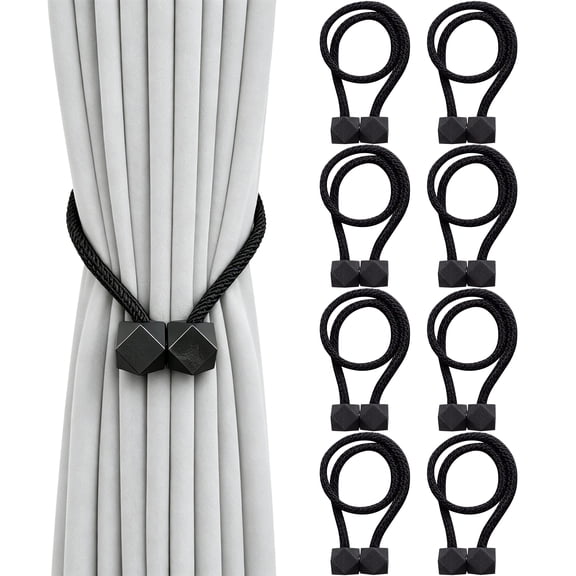
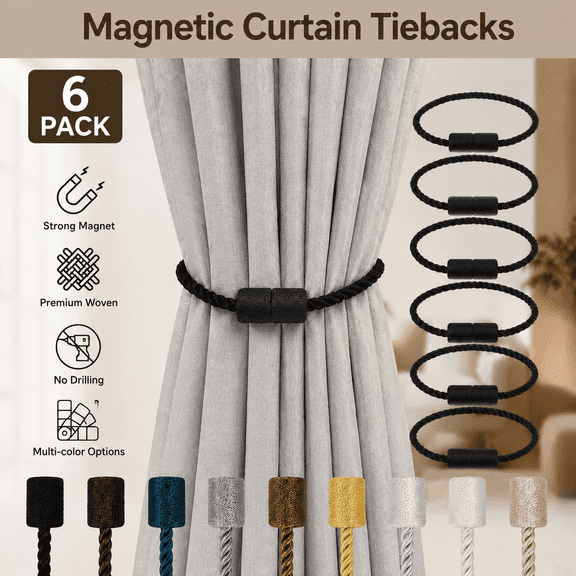










![VEGCOO [6 Pack] Magnetic Curtain Tiebacks Convenient Drape Tie Backs Pearl Decorative Rope Holdback Holder for Small, Thin or Sheer Window Drapries (Gray)](https://i5.walmartimages.com/seo/VEGCOO-6-Pack-Magnetic-Curtain-Tiebacks-Convenient-Drape-Tie-Backs-Pearl-Decorative-Rope-Holdback-Holder-Small-Thin-Sheer-Window-Drapries-Gray_b01a22fa-72ba-4061-8d9a-344169c0e900.5f99c0c47dcd5b852587d811e0ee512d.jpeg?odnHeight=576&odnWidth=576&odnBg=FFFFFF)
















![VEGCOO [4 Pack] Magnetic Curtain Tiebacks Convenient Drape Tie Backs Pearl Decorative Rope Holdback Holder for Small, Thin or Sheer Window Drapries (white)](https://i5.walmartimages.com/seo/VEGCOO-4-Pack-Magnetic-Curtain-Tiebacks-Convenient-Drape-Tie-Backs-Pearl-Decorative-Rope-Holdback-Holder-Small-Thin-Sheer-Window-Drapries-white_1ba95c32-3498-41ed-93c3-475cd587cd8b.5bb6df228806d34a4055c6f7e0708244.jpeg?odnHeight=576&odnWidth=576&odnBg=FFFFFF)
![2-pack, modern minimalist style, gray, variant on VEGCOO [4 Pack] Magnetic Curtain Tiebacks Convenient Drape Tie Backs Pearl Decorative Rope Holdback Holder for Small, Thin or Sheer Window Drapries (white)](https://i5.walmartimages.com/asr/66045c4f-fa14-4ef2-b5ce-f2be8e2086c1.c0a95d05b2b9618659f4c32a6db2596e.png?odnHeight=30&odnWidth=30&odnBg=FFFFFF)
![2-pack, modern minimalist style, white, variant on VEGCOO [4 Pack] Magnetic Curtain Tiebacks Convenient Drape Tie Backs Pearl Decorative Rope Holdback Holder for Small, Thin or Sheer Window Drapries (white)](https://i5.walmartimages.com/asr/c144c5e6-b17f-4856-aa53-441a9eaae92c.5b701972c49676c9c63a2ef4be3dd9b4.png?odnHeight=30&odnWidth=30&odnBg=FFFFFF)
![4-pack, Pearl style, White, variant on VEGCOO [4 Pack] Magnetic Curtain Tiebacks Convenient Drape Tie Backs Pearl Decorative Rope Holdback Holder for Small, Thin or Sheer Window Drapries (white)](https://i5.walmartimages.com/asr/25967bd6-fd6d-48b7-a2ba-63020f6b2ad8.50ff85a00ed68797045bd6fd49585d1d.png?odnHeight=30&odnWidth=30&odnBg=FFFFFF)
![4-pack, Pearl style, gray, variant on VEGCOO [4 Pack] Magnetic Curtain Tiebacks Convenient Drape Tie Backs Pearl Decorative Rope Holdback Holder for Small, Thin or Sheer Window Drapries (white)](https://i5.walmartimages.com/asr/39a43fa2-51cc-410f-a00e-59527c8d859b.e2f5fa2e3b946549eda4e1f7e786c171.png?odnHeight=30&odnWidth=30&odnBg=FFFFFF)

















About Curtain Tie Backs for Stylish Window Decor - Walmart.com
Curtain holdbacks tiebacks help you shape light, frame your windows, and give your room a finished look. You can compare magnetic, hook, rope, and tassel options to match your curtains and installation needs.
If you’re updating a living room, bedroom, or dining space, you’ll notice these accents do more than gather fabric. You can use them to show off patterned panels, open sheers, or keep drapes neatly off the glass.
How to choose curtain holdbacks tiebacks
When you compare curtain tiebacks, you should start with how you want your curtains to sit each day. You can create a loose drape, a sharp pulled-back shape, or a soft gathered look.
Your installation preference matters just as much as your style choice. You may want screw-in hardware for a fixed setup, or you may prefer magnetic curtain tiebacks for a no-drill option.
Pack size also deserves a quick check before you choose. You’ll want to confirm whether your windows need a single accent, a pair, or several matching sets.
Choosing by type and everyday benefits
Each type creates a different look, so you should compare form and function together. You can use rope styles for softness, tassel designs for decoration, hook styles for structure, and magnets for quick changes.
- You can open curtains neatly and let in more daylight without bunching fabric at the center.
- You can match your window hardware with finishes, textures, and silhouettes that fit your room style.
- You can choose options that suit sheer panels, standard curtains, or fuller drapes with deeper folds.
- You can simplify daily use with magnetic or clip-on designs that move quickly during morning and evening routines.
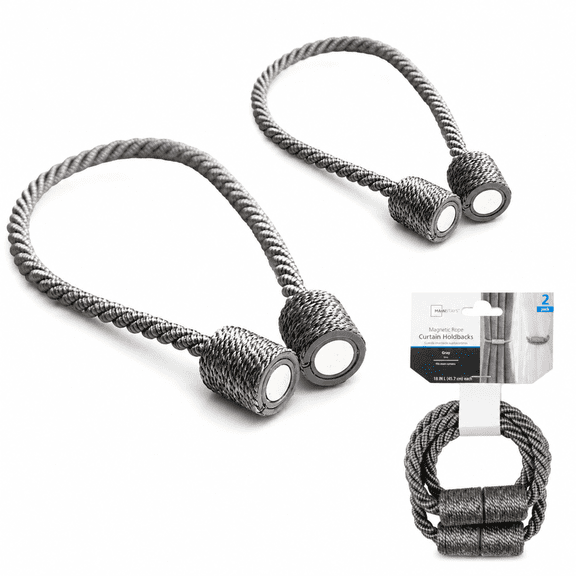
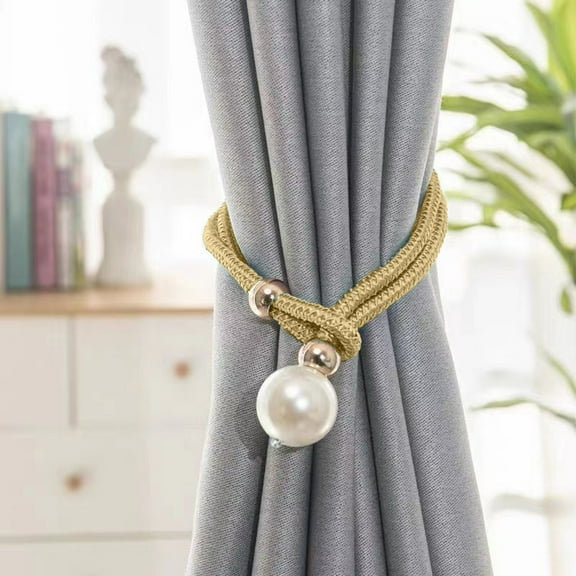
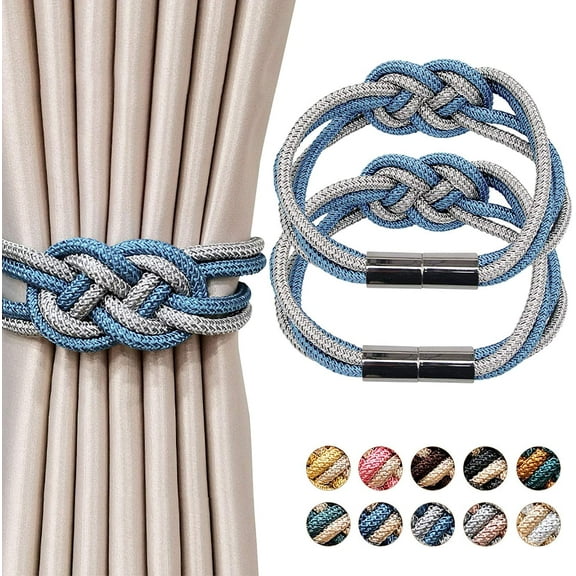
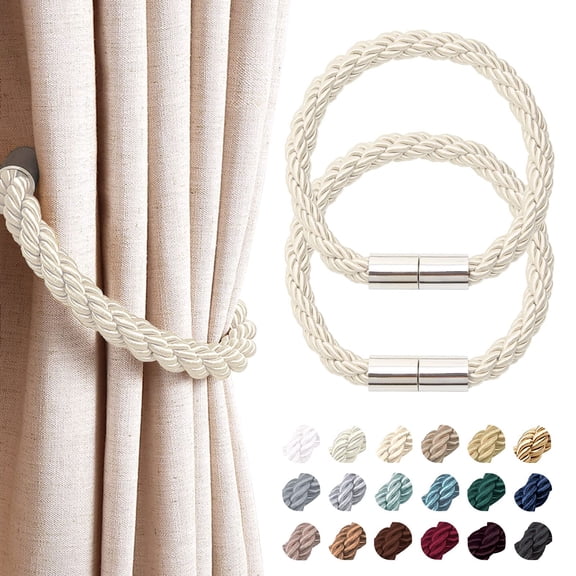
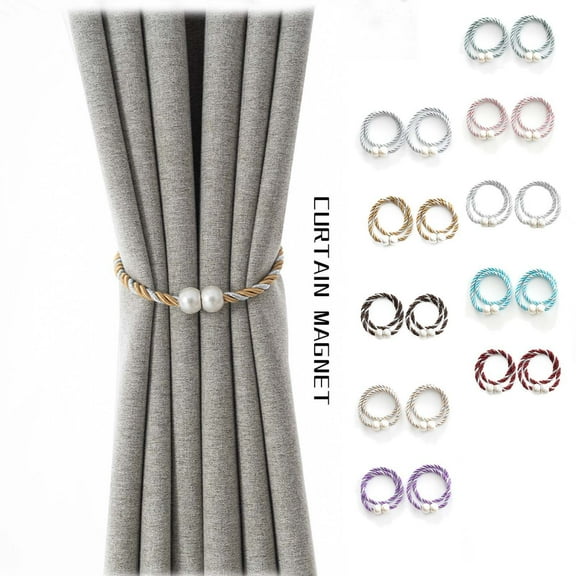
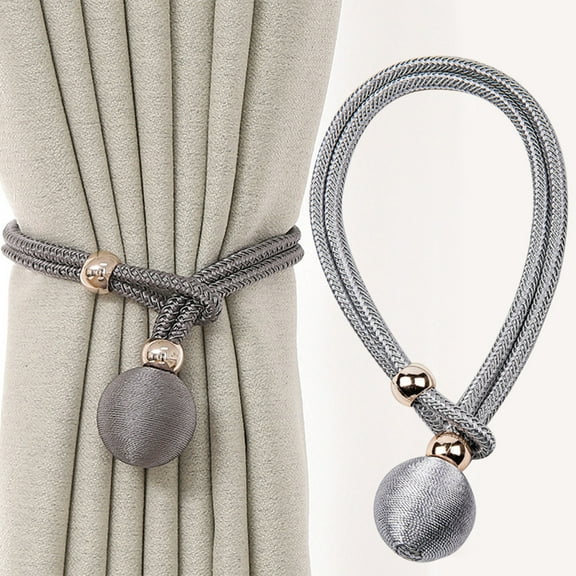
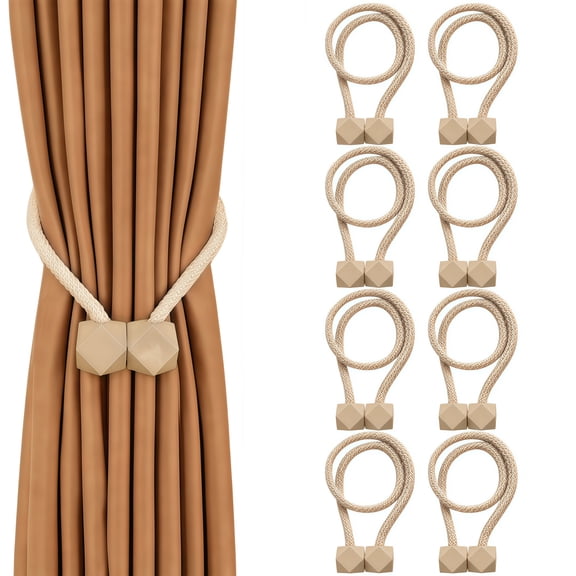
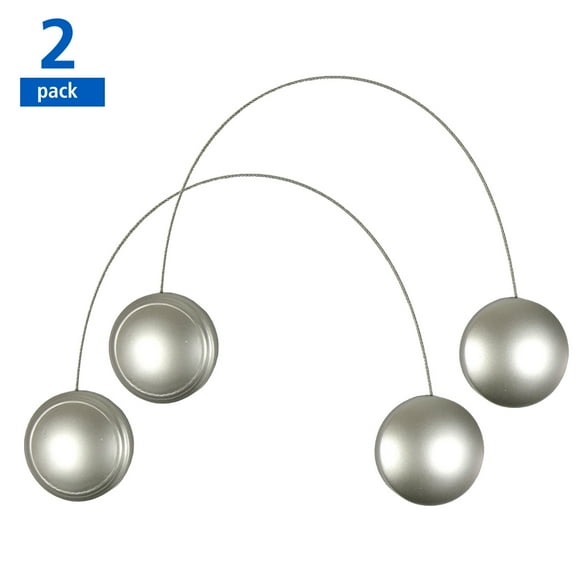
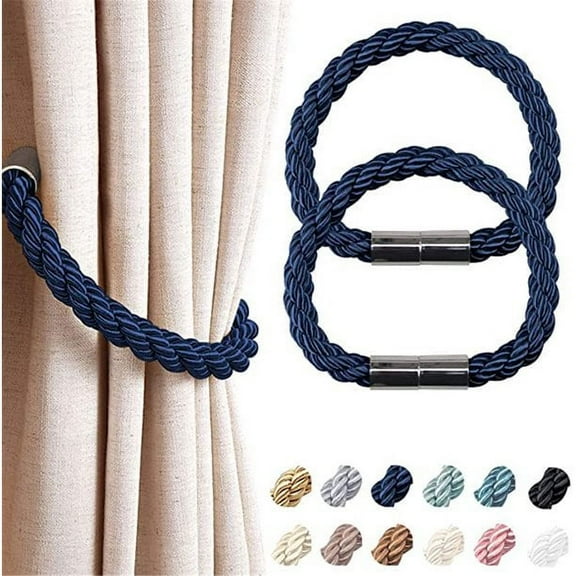
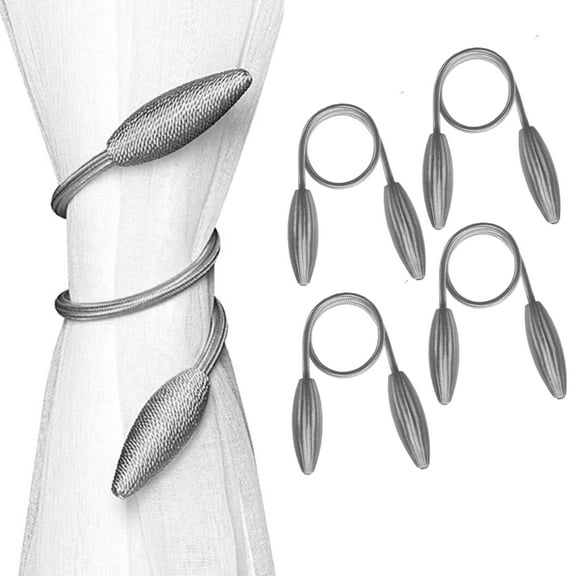
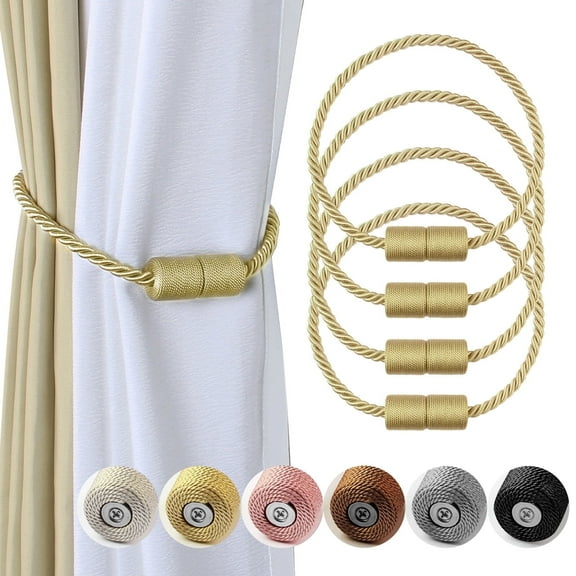
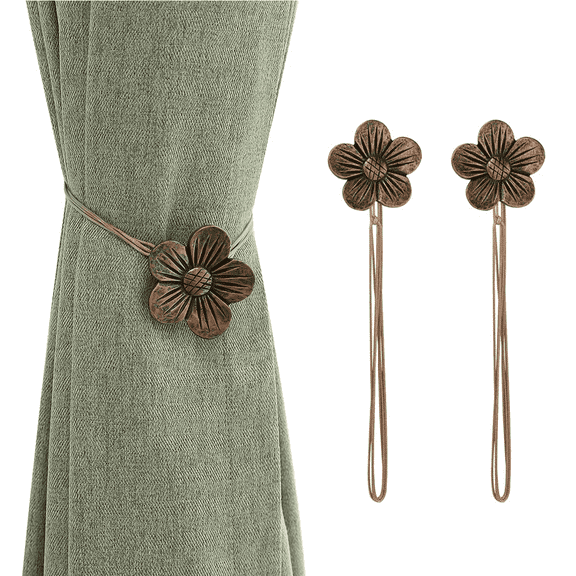
Magnetic curtain tiebacks work well when you want flexibility without wall mounting. You can wrap them around panels fast and adjust the hold as your lighting changes.
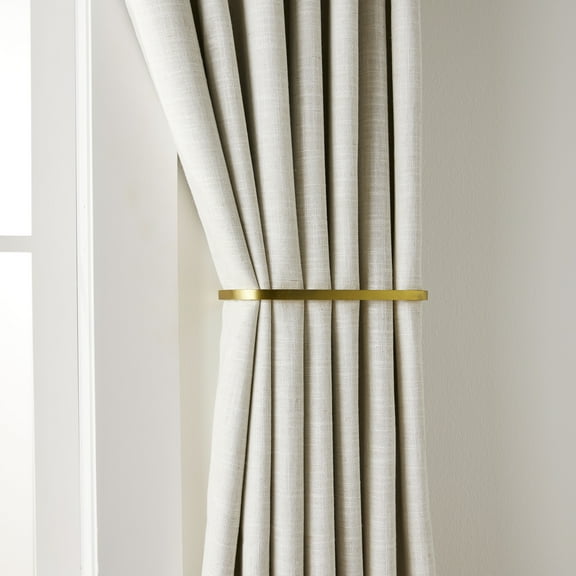
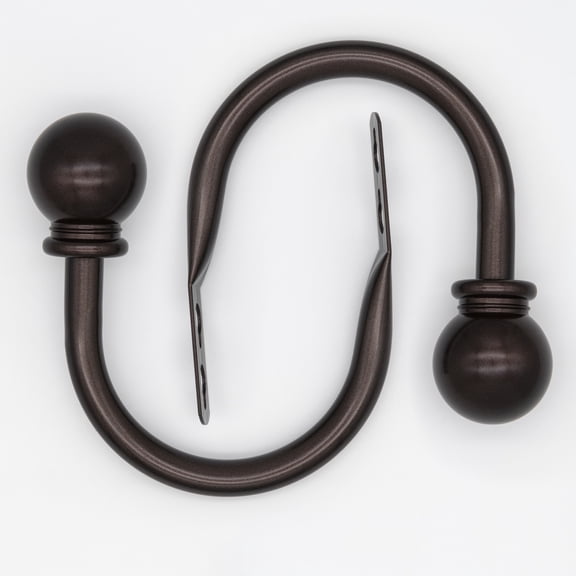
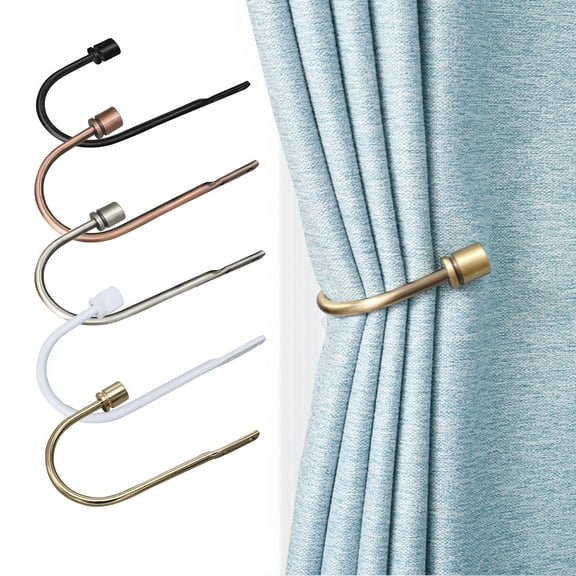
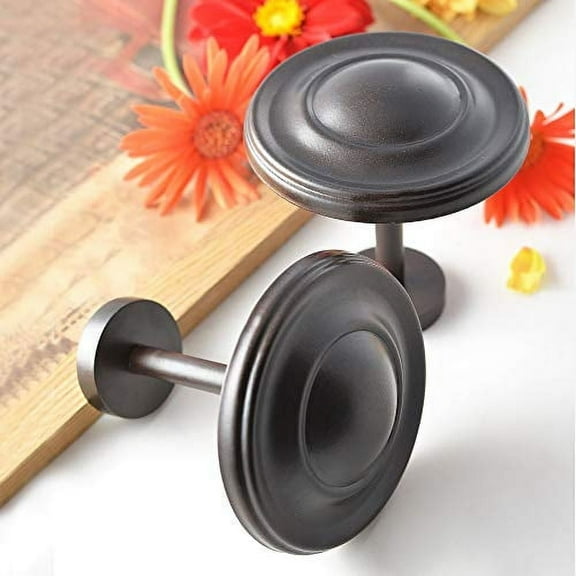
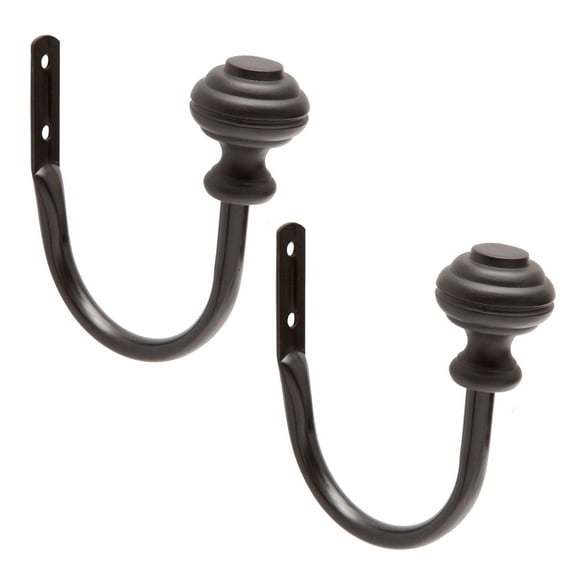
Hook styles give you a more defined drape line along the wall. You can use them when you want curtains to stay in a consistent pulled-back position.
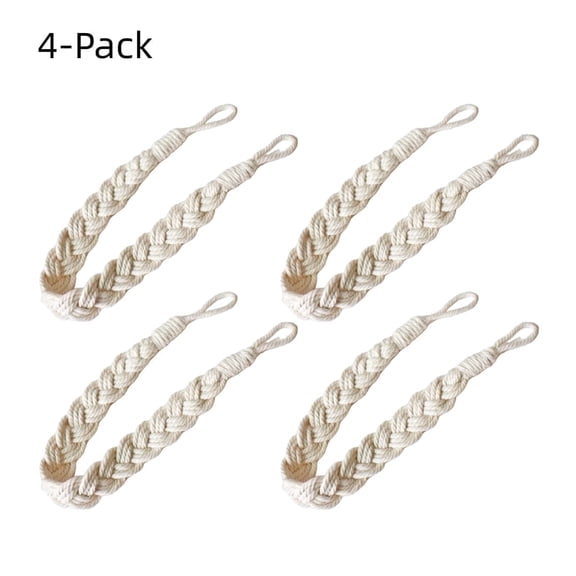
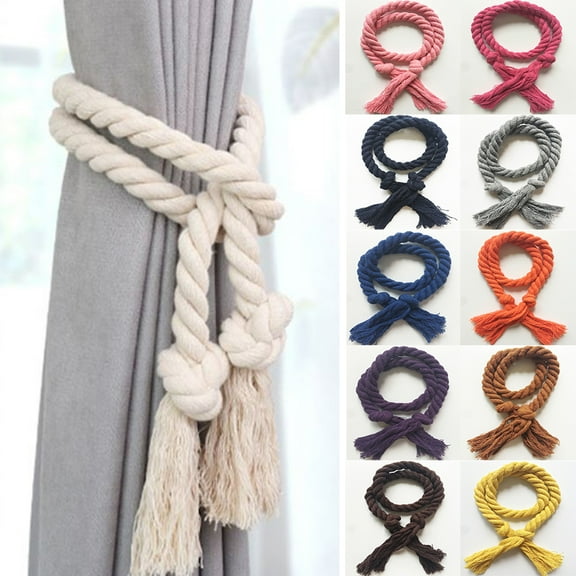
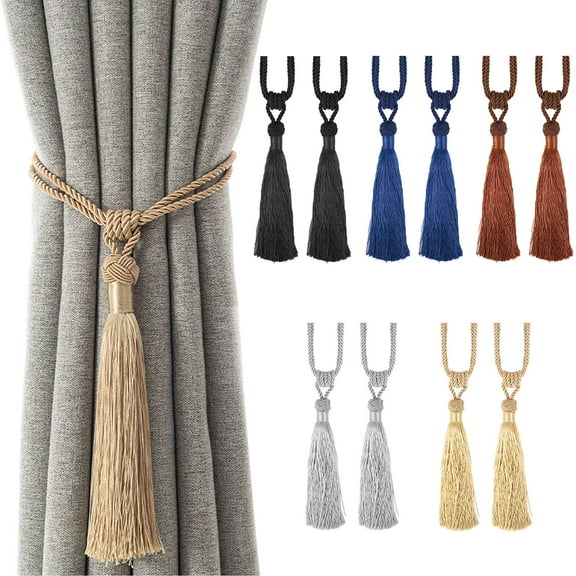
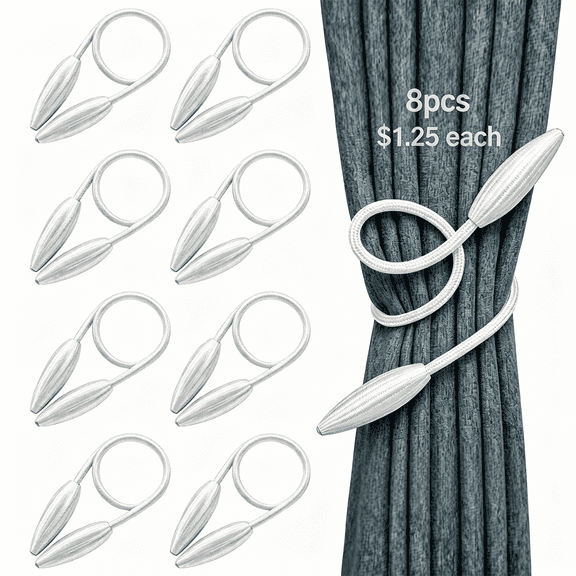
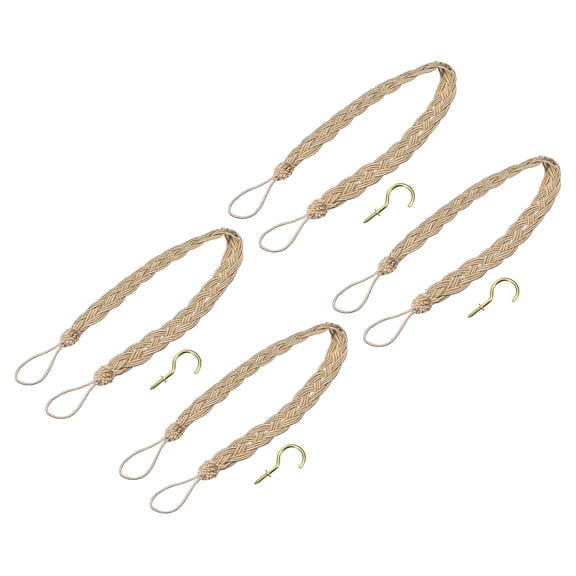
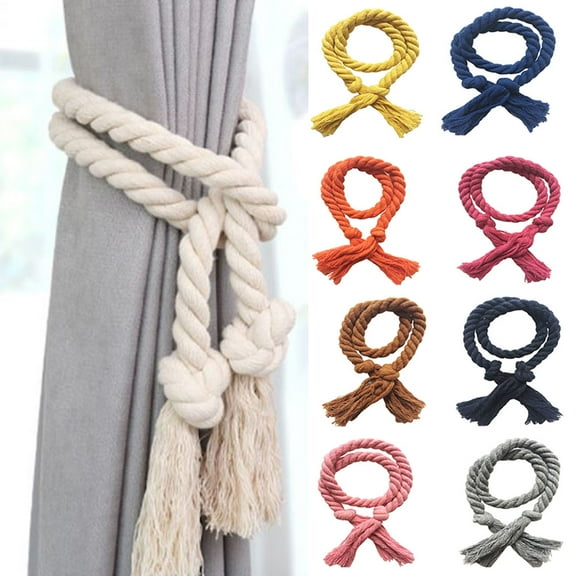
Rope and tassel drapery tiebacks bring in texture and a decorative finish. You can use them when your room needs a classic, vintage, or boho touch.
Comparing materials, installation, and compatibility
Material affects both appearance and how your window treatment feels in the space. You can compare metal, wood, fabric, and crystal looks based on your hardware, furniture, and curtain weight.
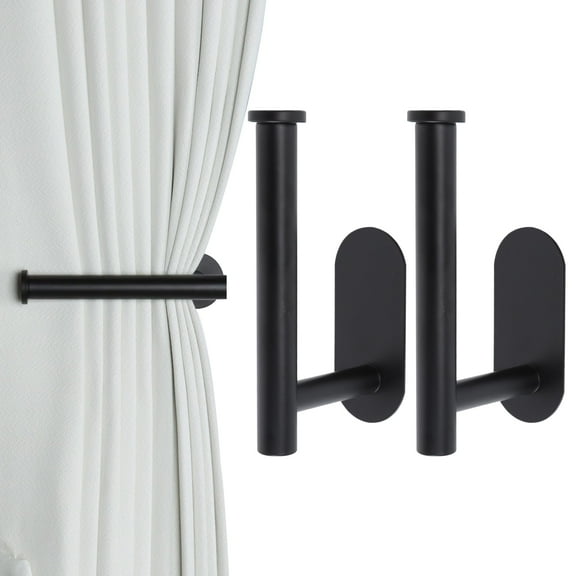
Metal curtain holdbacks often suit modern rooms, industrial spaces, or clean-lined decor. You can pair black, gold-tone, or brushed finishes with rods and rings for a more coordinated setup.
Wood styles add warmth that works nicely with rustic, farmhouse, or casual interiors. You can use them when your room already features natural finishes or woven textures.
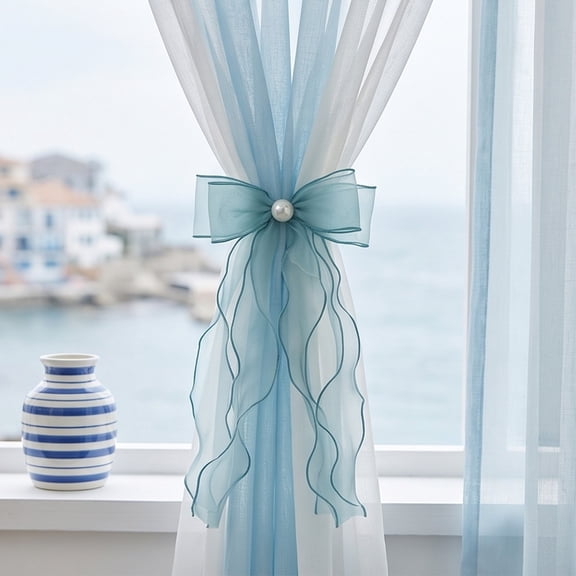
Fabric tiebacks create a softer outline around the curtain stack. You may prefer them when you want gentle texture that blends with linen-look panels or layered sheers.
Crystal accents add shine and a dressier feel near the window. You can choose them when chandeliers, mirrored decor, or glam details already shape your room.
Installation is a key decision because it changes both setup time and placement flexibility. You should compare screw-in, magnetic no-drill, and clip-on options before narrowing your search.
Screw-in curtain holdbacks give you a mounted look with a fixed position on the wall. You can measure your preferred height carefully if you want a symmetrical frame around each window.
Magnetic no-drill styles keep setup simple and easy to change. You can use them in spaces where you want a cleaner process or a less permanent arrangement.
Clip-on options can work well when you want a quick decorative touch. You should check product details closely so your clip style matches your curtain header and fabric thickness.
Curtain weight compatibility also matters when you compare options. You’ll want stronger support for heavy drapes, while sheers usually pair easily with lighter magnetic or fabric designs.
Matching style, room use, and window goals
Your room style can guide you toward the right finish and shape. You can look for modern lines, vintage curves, rustic textures, or boho details to keep the window area cohesive.
In a living room, you may want curtain holdbacks that frame a larger window and highlight natural light. You can choose metal or wood designs when your curtains stay open for much of the day.
For bedrooms, you might prefer drapery tiebacks that let you switch between privacy and daylight with little effort. You can use magnetic curtain tiebacks when you open blackout panels in the morning.
In dining rooms or formal spaces, you may want a more decorative gathered look. You can use tassel or crystal-inspired styles when your curtains serve as part of the room’s visual focal point.
If you’re styling sheer panels, you should look for lighter designs that won’t overwhelm airy fabric. You can create a soft sweep that keeps the window open and the curtain shape visible.
When you’re dressing heavier drapes, you should check that the holdback or tieback can manage fuller stacks. You can keep thick panels controlled without losing the polished outline at the sides.
Layered windows need extra planning before you choose. You can compare how a tieback will sit with sheers, blackout curtains, rods, and nearby wall space.
Height placement changes the final look, so you should think about proportion before installing anything. You can mount holdbacks lower for a relaxed drape or higher for a taller, more formal effect.
When you compare styles and installation methods carefully, you can narrow your options with more confidence. You’ll end up with curtain holdbacks tiebacks that fit your fabric, your room, and your daily routine.