

Tennis Equipment for Outdoor Enthusiasts & Accessories




















About Tennis Equipment for Outdoor Enthusiasts & Accessories - Walmart.com
Tennis court equipment helps you create a clean, playable setup for practice, school matches, club play, and tournament prep. You can compare nets, posts, windscreens, and accessories by fit, material, and court use before installation.
How to choose tennis court equipment by type
You should start with the equipment type that shapes daily play and court upkeep. You may need nets for active play, posts for support, windscreens for calmer courts, or markers and ball mowers for organized sessions.
When you compare tennis court equipment, you can match each item to your court layout and player traffic. You can also separate permanent hardware from portable accessories when your space serves multiple programs.
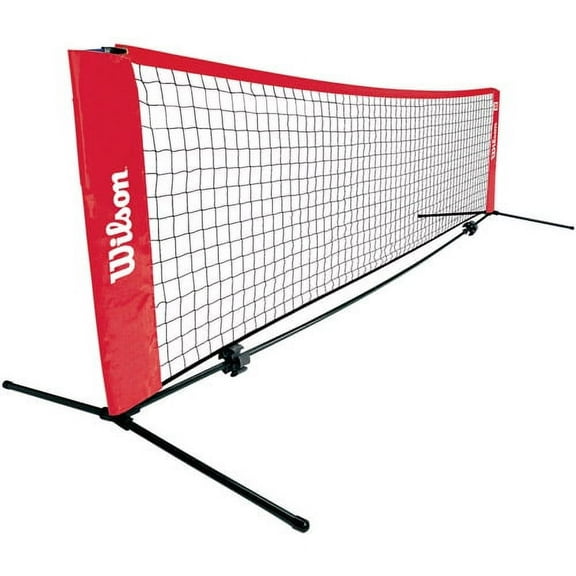
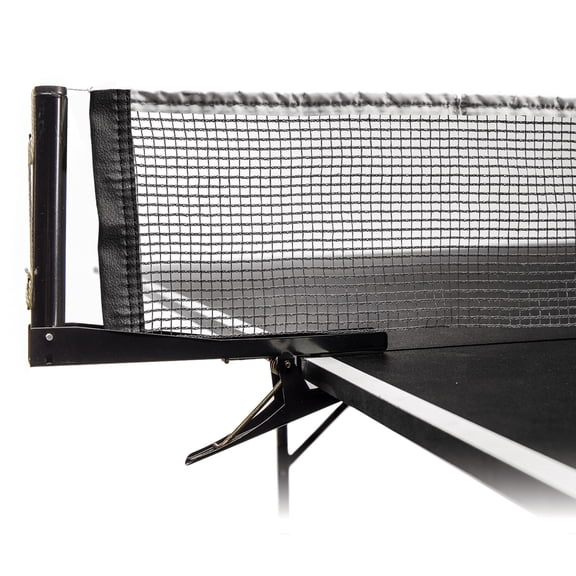
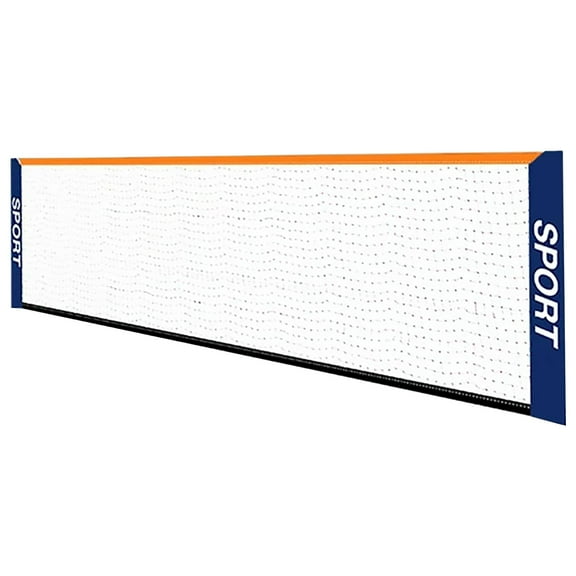
- You can use tennis court nets to create consistent net height and cleaner ball return during drills and matches.
- You can choose tennis court posts that match sleeve size and support steady net tension across standard court widths.
- You can add tennis court windscreens to reduce visual distractions and create more privacy around active courts.
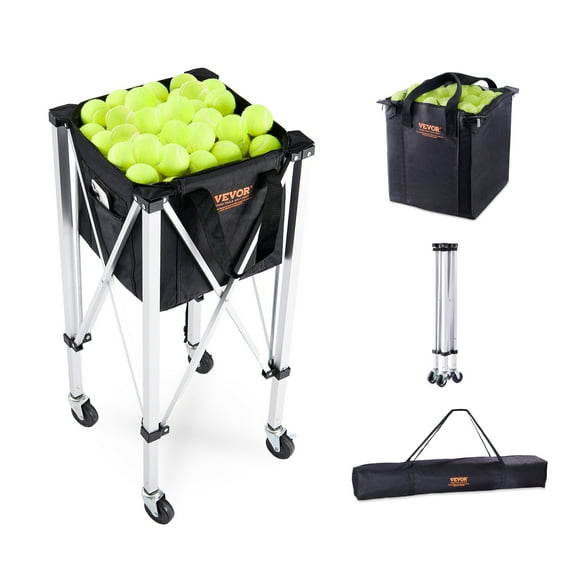
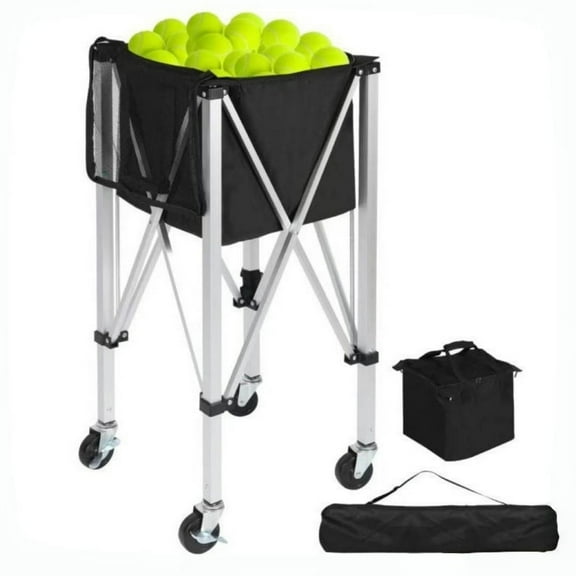
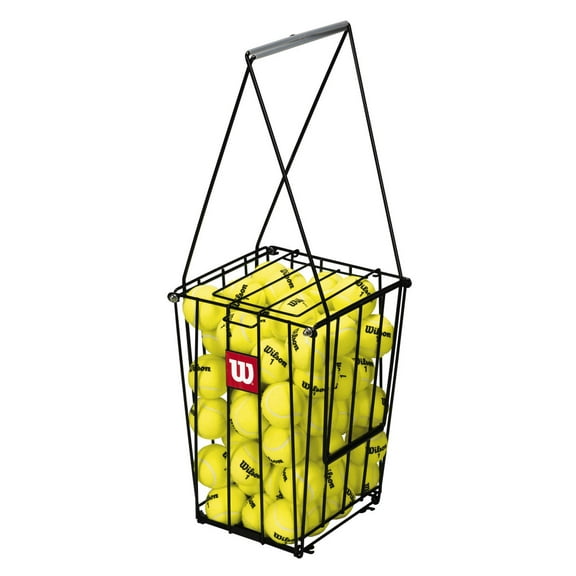
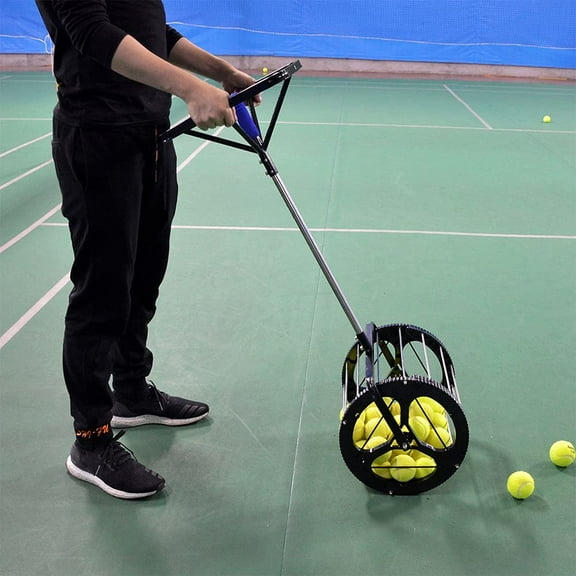
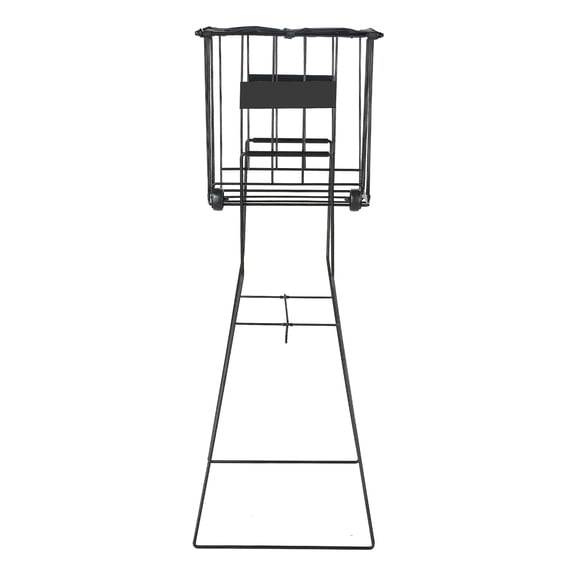
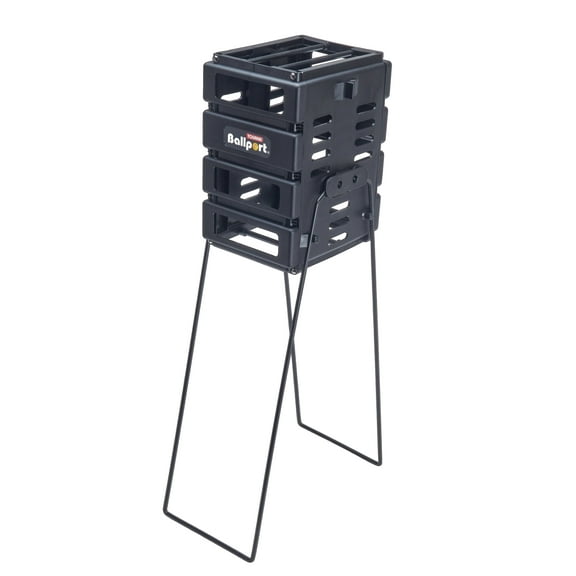
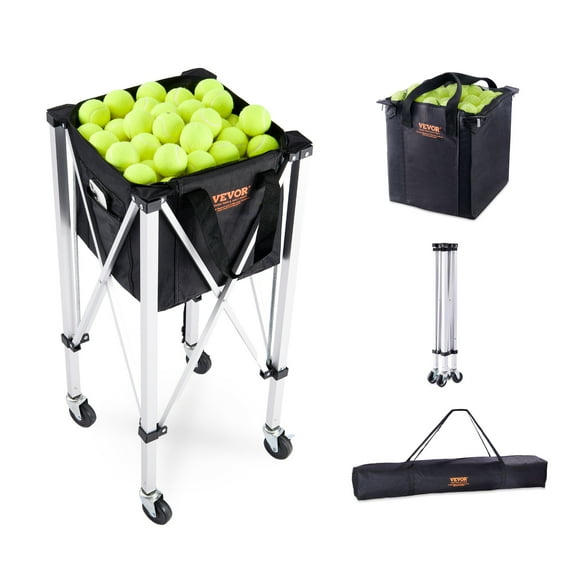
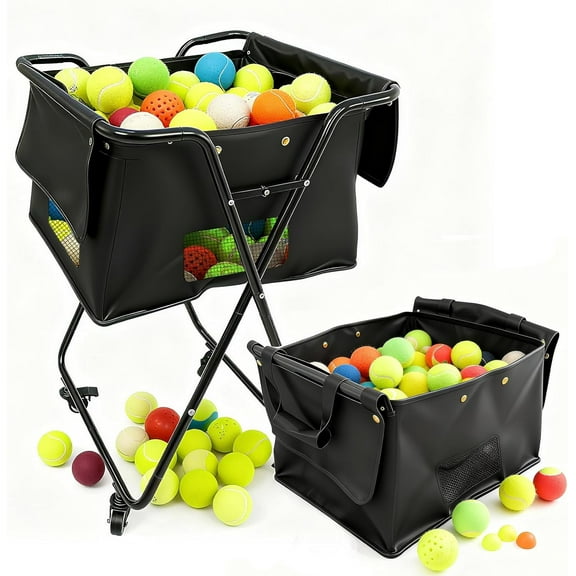
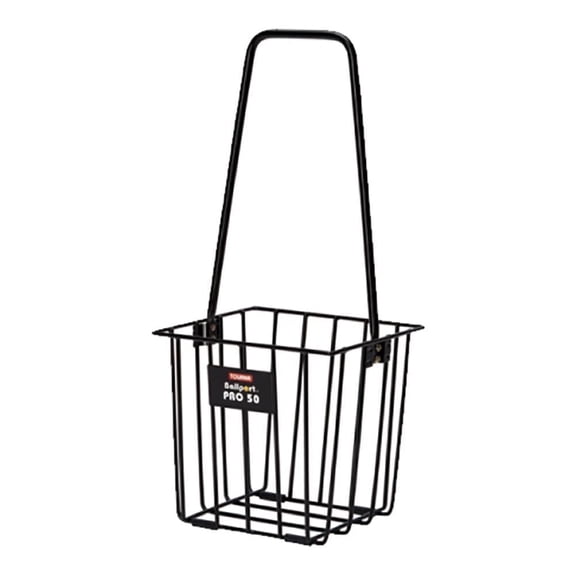
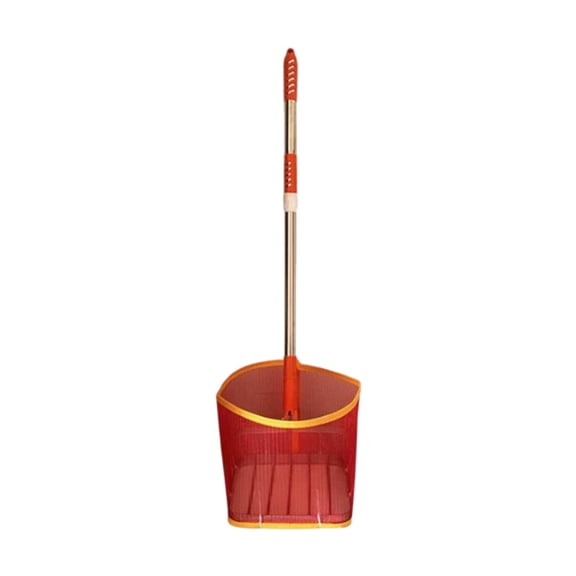
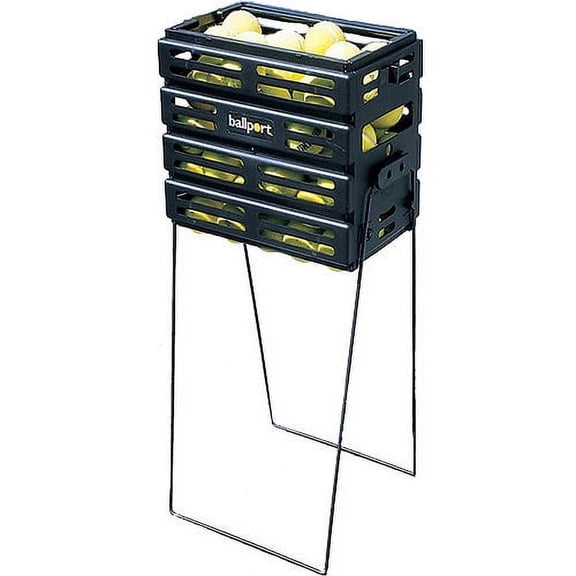
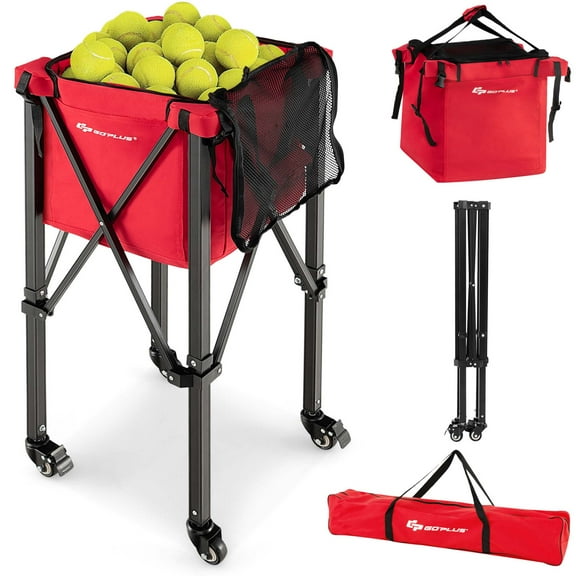
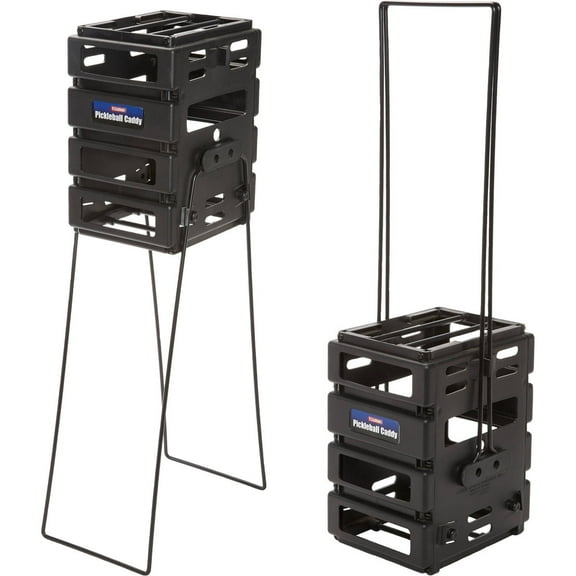
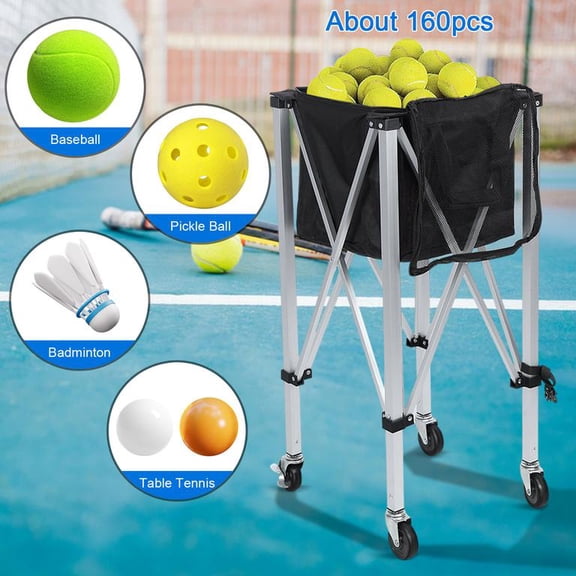
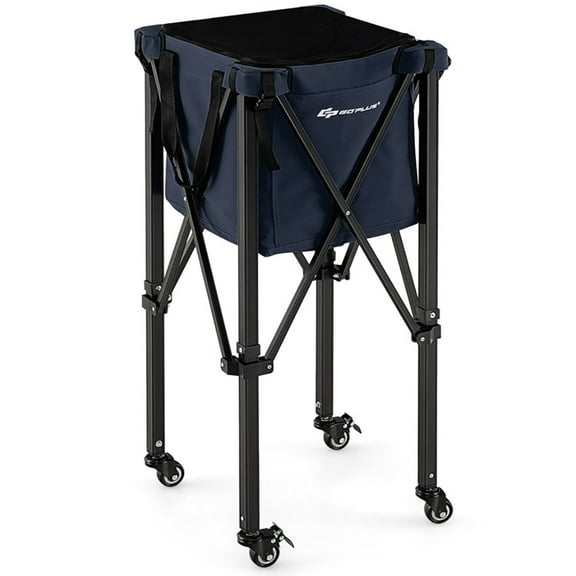
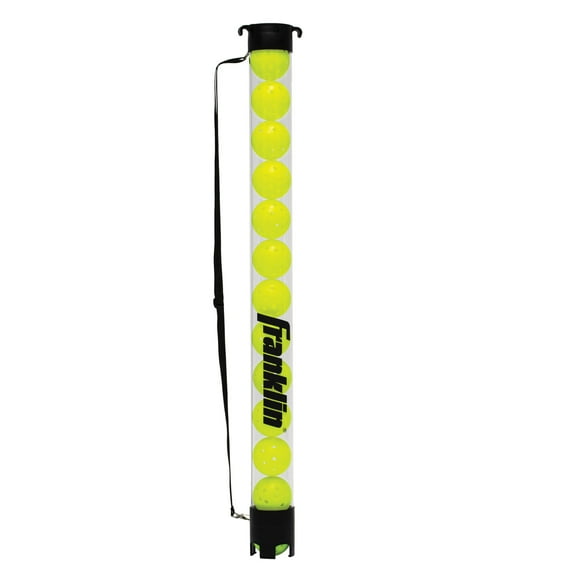
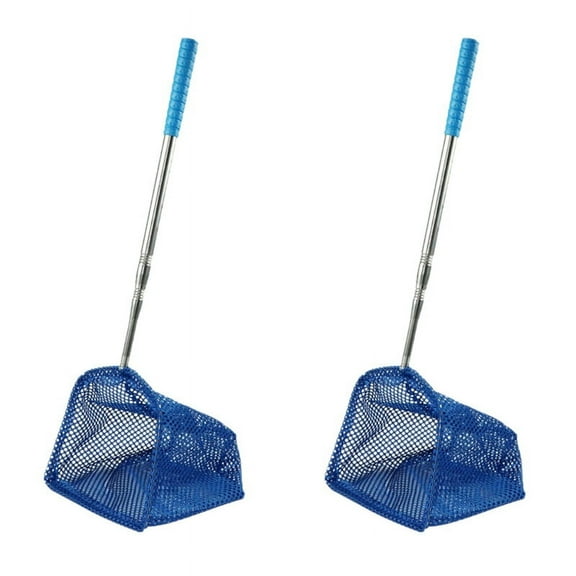
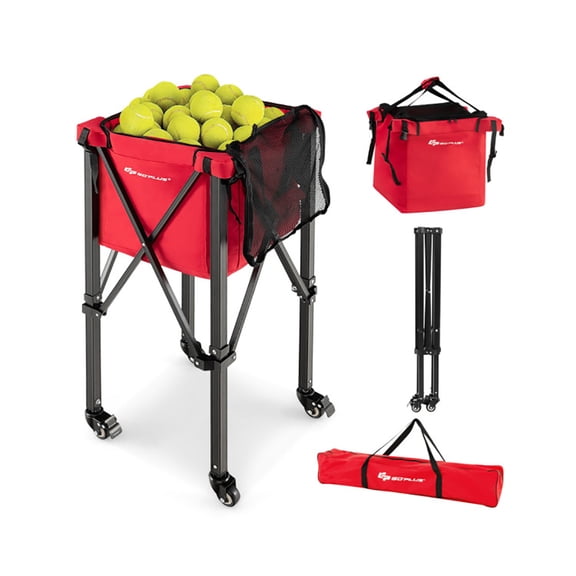
- You can use court markers and ball mowers to organize practice stations and simplify ball collection.
You may also want tennis court accessories that support maintenance and setup between sessions. You can keep play moving with tools designed for clubs, schools, and home courts.
Choosing materials and weather-ready construction
You should compare materials closely because outdoor courts stay exposed to sun, wind, and changing weather. You can look for heavy-duty steel, aluminum, polyethylene, and vinyl based on where and how often you play.
If you need tennis court nets for outdoor use, you can compare braided and twisted polyethylene. You’ll often find braided styles feel denser, while twisted options can support lighter-duty court setups.
You should also check whether the net includes UV treatment for longer outdoor use. You can keep the mesh looking more consistent when materials feature direct-sun construction.
For posts, you can compare heavy-duty steel and aluminum based on install style and maintenance preferences. You may prefer rust-proof finishes and all-weather construction when your court stays outside year-round.
When you review windscreens, you can compare vinyl and polyethylene by airflow, opacity, and weight. You can choose a screen that balances wind reduction with the amount of privacy you want.
What to look for in tennis court equipment specs
You should measure first because fit determines whether your setup installs smoothly and stays aligned. You can check court dimensions, post spacing, and sleeve compatibility before you choose hardware.
For tennis court posts, you should review outer diameter and wall thickness if you’re matching existing ground sleeves. You can avoid installation issues when your post measurements match the court hardware already in place.
You may also want to confirm net length, center strap compatibility, and tensioning hardware. You can create a more even playing surface when each part works with standard court dimensions.
If tournament use matters, you should compare products described for regulation-style play. You can check whether dimensions align with USTA or ITF expectations for organized matches and formal practice settings.
With windscreens, you should compare height and opacity based on court exposure and surrounding views. You can choose taller or denser options when you want more wind blockage or added visual separation.
Matching equipment to your court setting
You can choose different setups depending on whether your court serves a club, school, residence, or tournament site. You should match durability and installation style to the number of players using the space.
For commercial clubs, you may need heavier materials and hardware that support frequent restringing and daily play. You can focus on steel posts, UV-treated netting, and windscreens sized for full perimeter coverage.
At residential courts, you may want equipment that installs cleanly and stays easy to maintain. You can compare aluminum posts, practical windscreens, and court markers for family practice or weekend rallies.
For schools, you can look for equipment that supports repeated use across classes, lessons, and team practice. You may also want ball mowers and tennis court accessories that help staff reset courts quickly.
If you’re preparing for tournaments, you should prioritize regulation-minded sizing and a polished court appearance. You can coordinate nets, posts, and windscreens to support a more consistent look across multiple courts.
How related gear supports a complete setup
You may also compare related categories when you’re building a full tennis program. You can pair court equipment with tennis racquets, tennis balls, and tennis training aids for smoother practice planning.
That approach helps you prepare courts for lessons, drills, and match days without missing key setup items. You can keep your facility ready for players with equipment that supports both play and upkeep.
With the right tennis court equipment, you can create a court that feels organized, durable, and ready for steady use. You can choose pieces that fit your space, your standards, and your schedule.