

T-Posts & Steel Fence Posts























About T-Posts & Steel Fence Posts - Walmart.com
T-posts help you build sturdy garden, farm, and boundary fencing with simple installation and dependable steel strength. You can compare heights, duty ratings, and finishes to match your fence plan.
If you're planning a new enclosure, you need posts that drive into soil quickly and hold wire securely. You can use this guide to choose the right setup for gardens, livestock areas, silt fence runs, and property lines.
Choosing the right t-posts for your layout
When you compare t-posts, you should start with height because burial depth changes the usable fence height. You'll usually plan on burying about two feet in the ground for steady support.
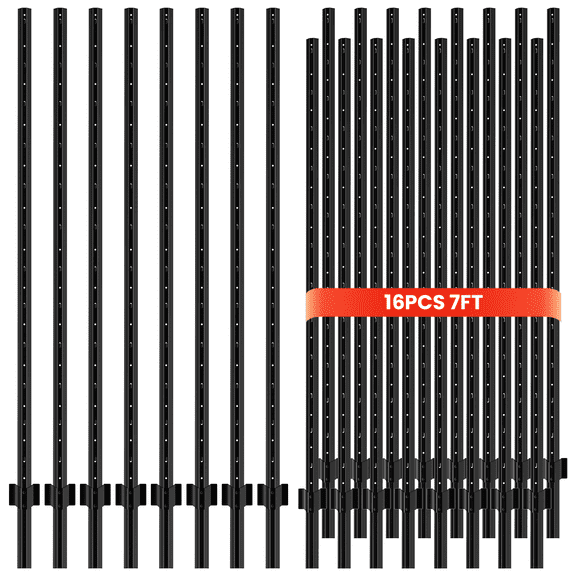
A 5 ft post can suit shorter garden barriers when you need less exposed height above grade. A 6 ft or 7 ft post can fit many residential and farm fence layouts.
If you need taller wire runs or stronger visual boundaries, you may prefer 8 ft posts. You should measure your target fence height first, then match the post length to your layout.
Weight rating matters next because steel mass affects rigidity under wire tension and animal pressure. You'll often see light duty, 1.25 lbs per foot, and 1.33 lbs per foot options.
For lighter garden fencing, you may choose a lighter profile that supports mesh, temporary barriers, or small plots. For pasture lines, you may want heavier steel that feels more planted.
- You can use 5 ft to 6 ft posts for shorter garden fences and marked borders.
- You can choose 7 ft to 8 ft posts when you need more exposed height above ground.
- You can look for 1.25 lbs per foot for lighter fence loads and simpler layouts.
- You can step up to 1.33 lbs per foot for livestock fencing and longer fence runs.
What to look for in steel fence post materials
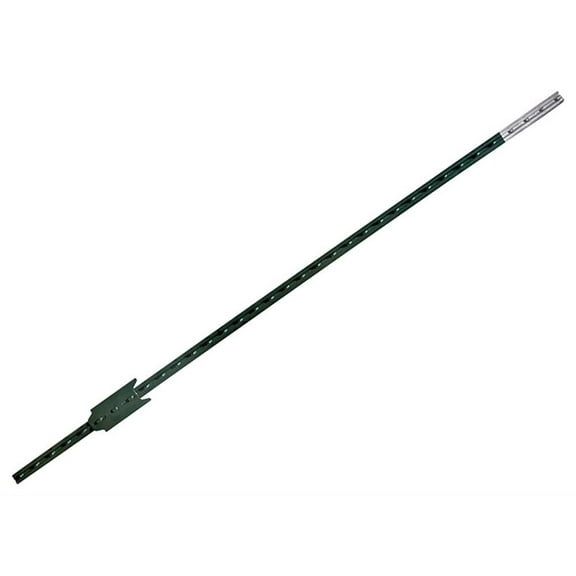
You should compare finish types because outdoor exposure, soil contact, and appearance all affect your choice. You may see powder-coated steel, galvanized steel, and untreated steel across this category.
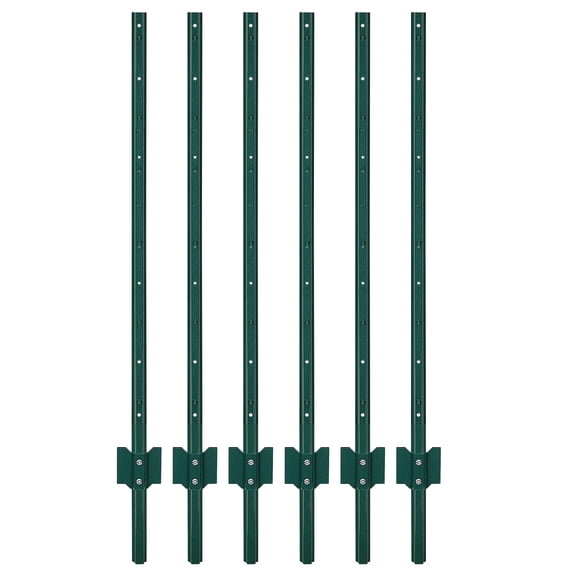
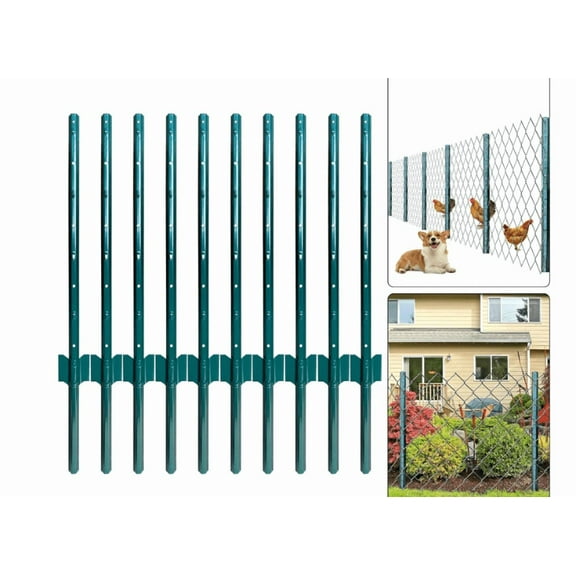
Powder-coated steel can help you keep a cleaner finished look in visible garden spaces. You may also prefer common colors like green or orange for easier line tracking.
Galvanized steel can make sense when you want a classic metal look for open fields or utility areas. You can also choose silver finishes when visibility and a plain appearance matter.
If you're using posts for temporary marking or jobsite support, untreated steel may fit your project needs. You should check the finish description so your choice aligns with placement and weather exposure.
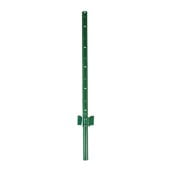
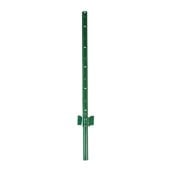
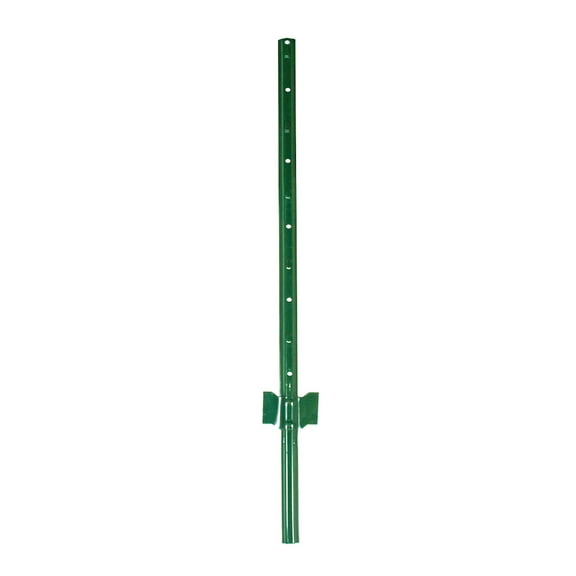
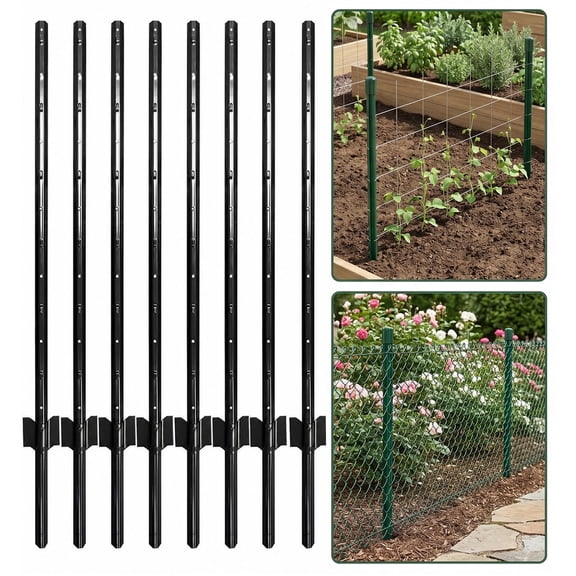
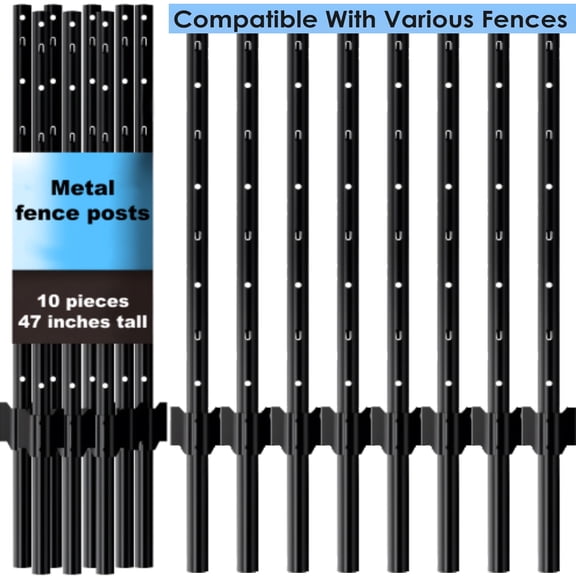
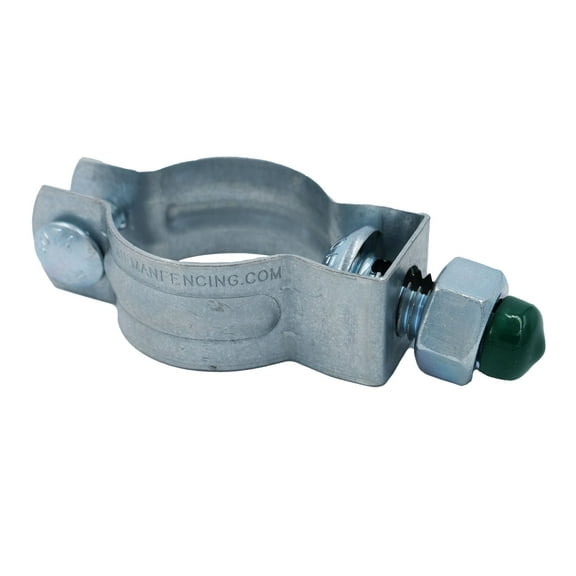
Studs and anchor plates also matter when you attach fencing material to each post. You should look for designs that help your wire, clips, or mesh stay positioned during setup.
Where to buy t posts for garden and farm fencing
When you search where to buy t posts, you usually want dependable availability, clear sizes, and compatible accessories. You can compare posts, post drivers, clips, and fencing wire together on Walmart.com.
If local convenience matters to your project schedule, you can also check pickup and delivery options while choosing your order. You get a practical way to plan your materials without guessing at fit.
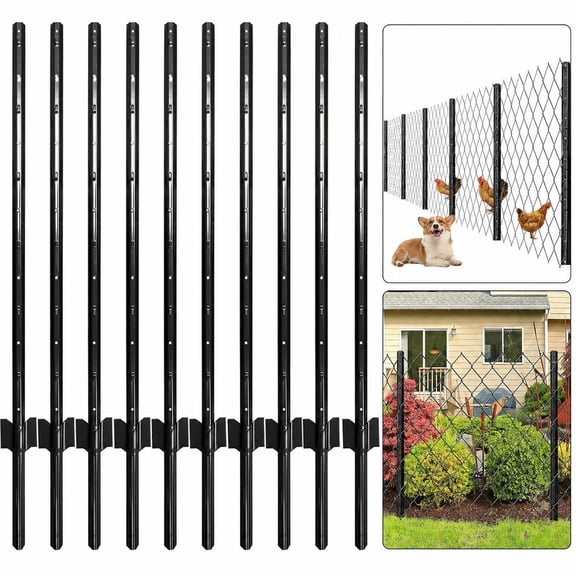
For garden fencing, you may use posts to support welded wire around raised beds, produce rows, or flower plots. You can space posts about 8 to 12 feet apart, depending on wire type.
For livestock fencing, you may need heavier duty steel and tighter planning around corners, gates, and longer stretches. You should match the post rating to the fence tension and animal activity.
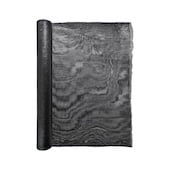
If you're setting up silt fence support, you may want a layout that installs fast along changing ground lines. You can use visible colors like orange when you need easy line identification.
For boundary marking, you may want spaced posts that create a clear visual edge without a full enclosure. You can also pair your order with chain link fencing or wire products for expanded projects.
How to plan installation and accessories
You should estimate post count before ordering so your fence line stays consistent from start to finish. You can divide the total run by your spacing and add extra posts for ends and corners.
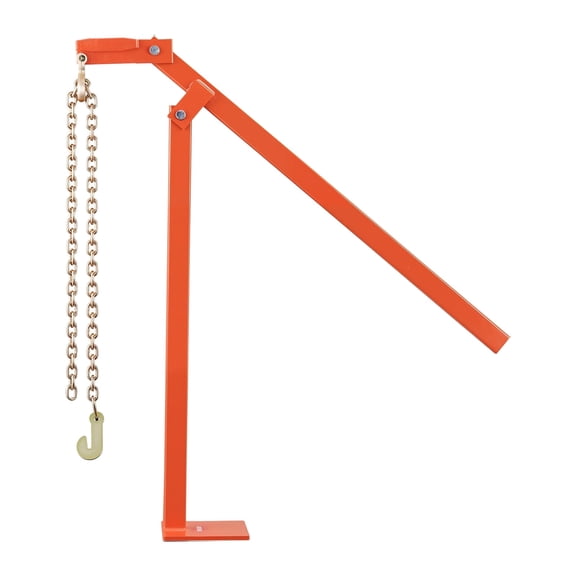
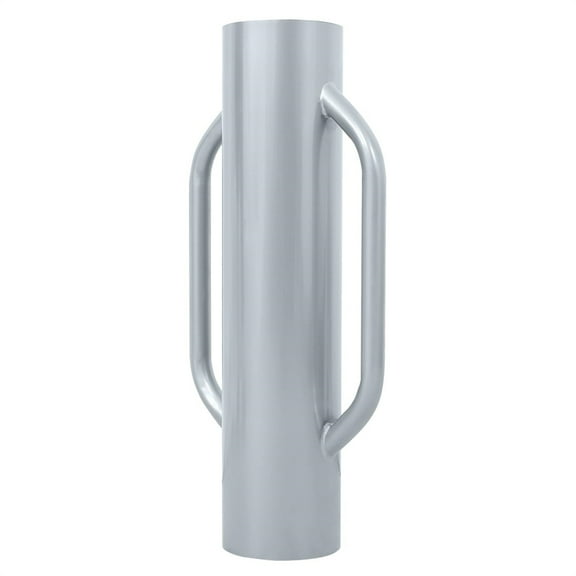
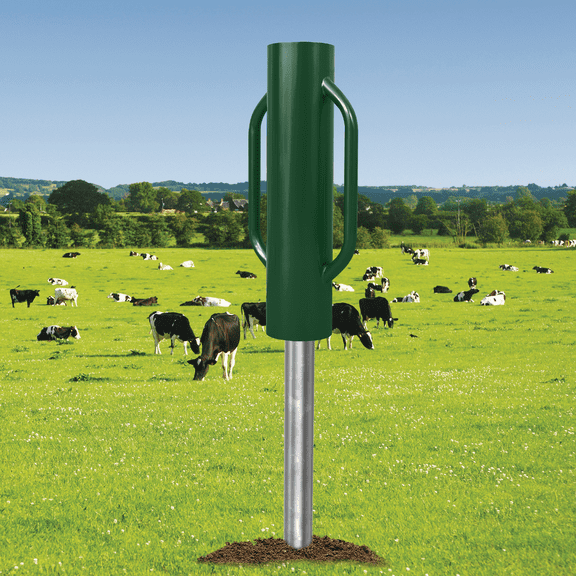
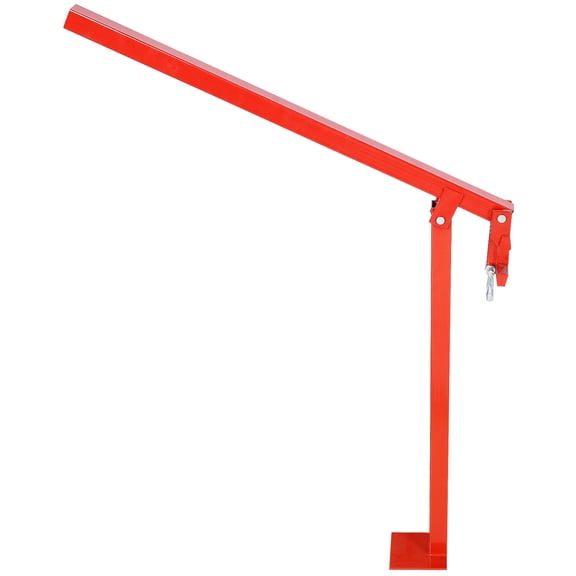
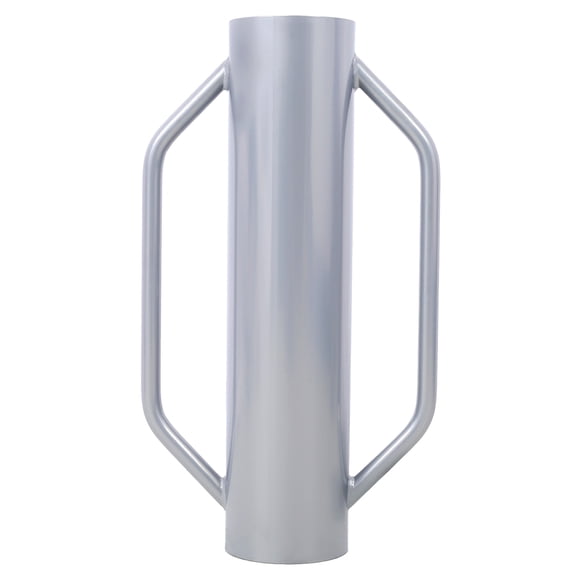
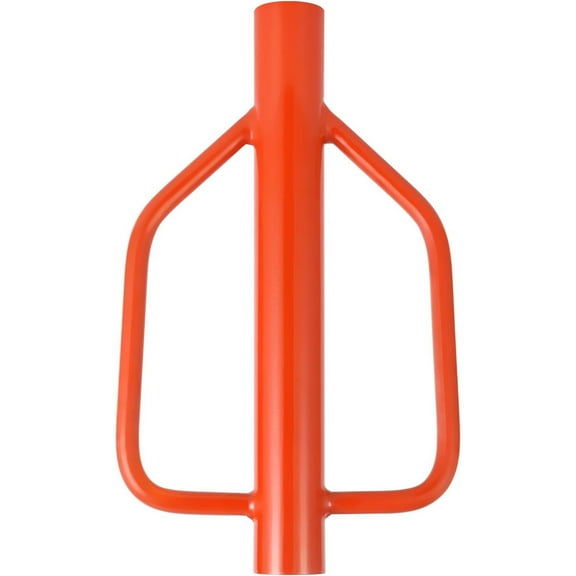
A post driver can make installation more efficient because you need clean downward force for steel fence posts. You may also need clips or ties so your wire attaches securely to each studded edge.
If your soil is firm or uneven, you should check whether a heavier duty post supports your layout more confidently. You can also review spacing, corner reinforcement, and wire type before finalizing quantities.
With the right height, duty rating, finish, and accessories, you can build fencing that fits your land and purpose. You leave with a clearer plan, steadier installation, and fewer material surprises.