




Camping Knives and Tools - Pocket Knives & Multi-Tools











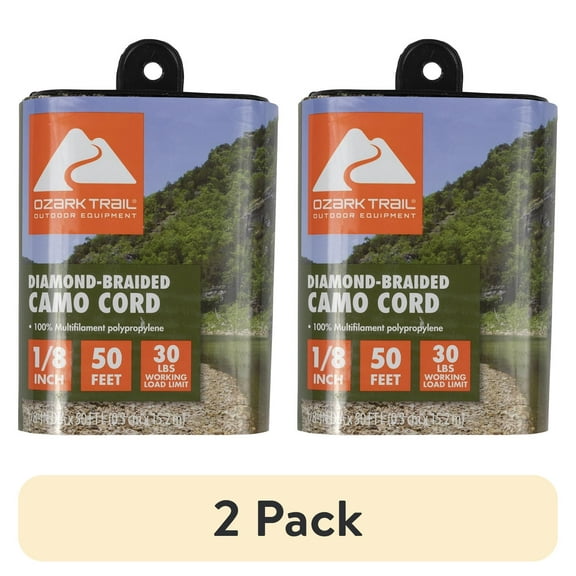
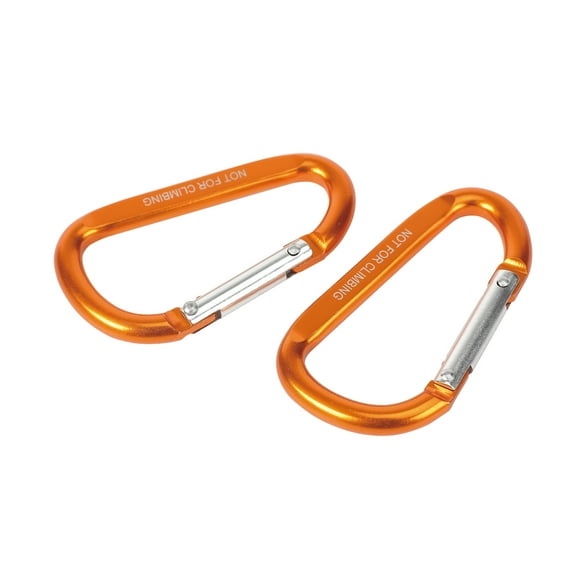
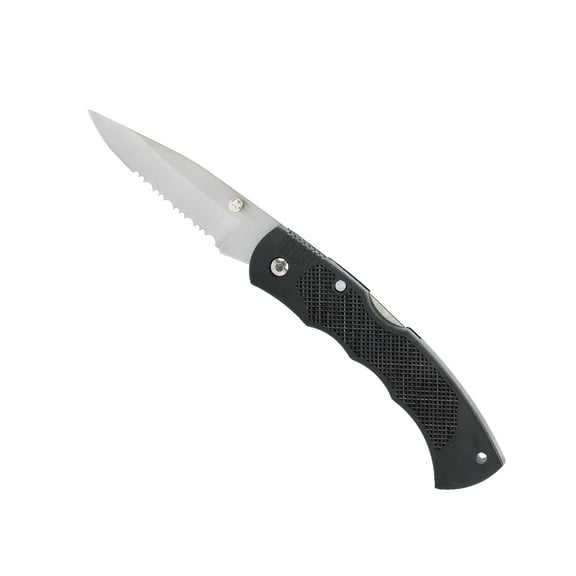


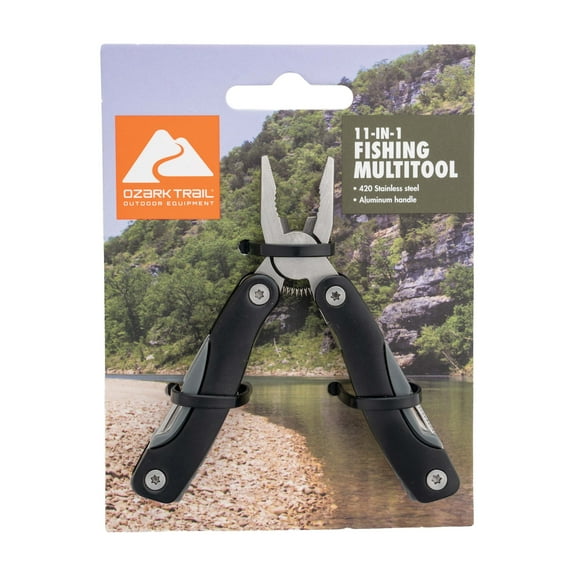







About Camping Knives and Tools - Pocket Knives & Multi-Tools - Walmart.com
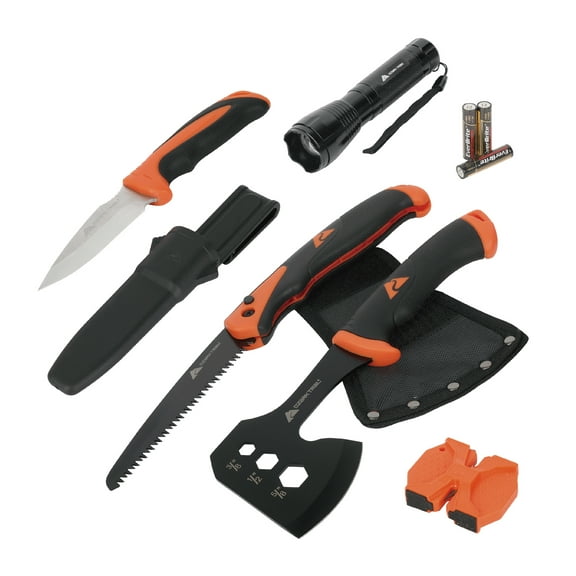
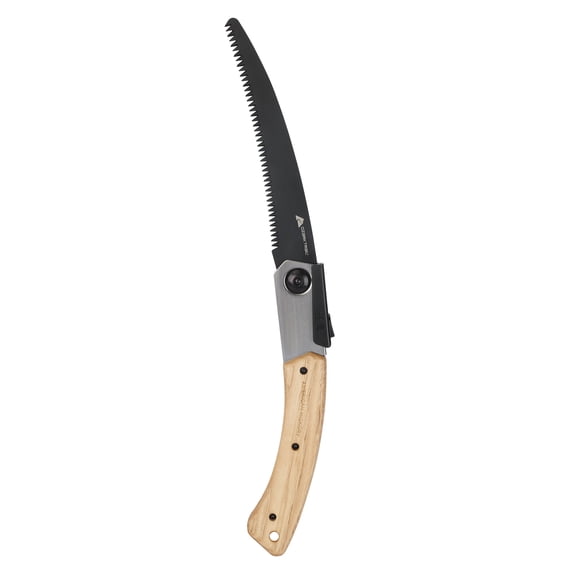
Camping knives tools help you handle trail prep, camp kitchen tasks, and quick gear fixes with less bulk in your pack. You can compare blade styles, steel types, and carry options that fit how you camp.
If you hike light, car camp often, or build a more complete setup, you need tools matched to your routine. You’ll find category choices that focus on portability, control, and everyday camp utility.
How to choose camping knives tools for your trip
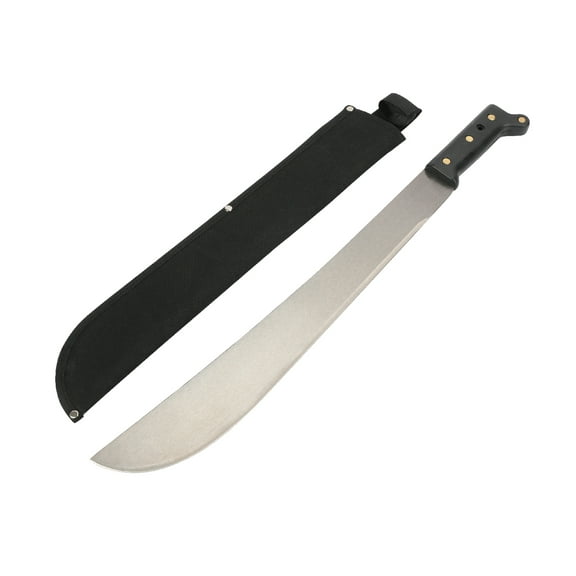
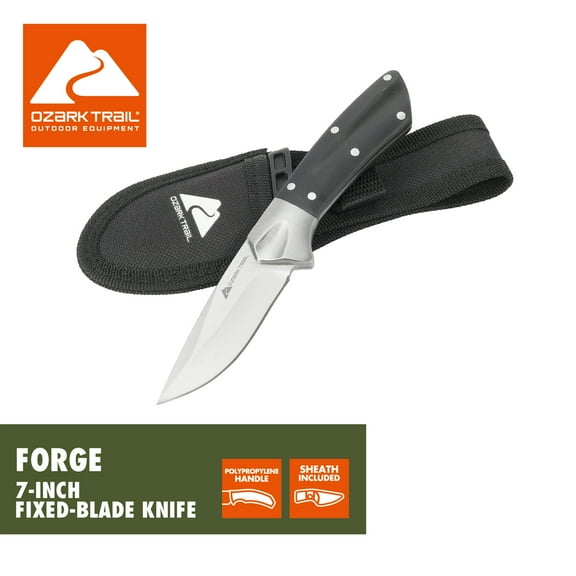
Start with blade type because it changes how you carry and use your gear. You may prefer fixed blade options when your priority is steady handling and fast access.
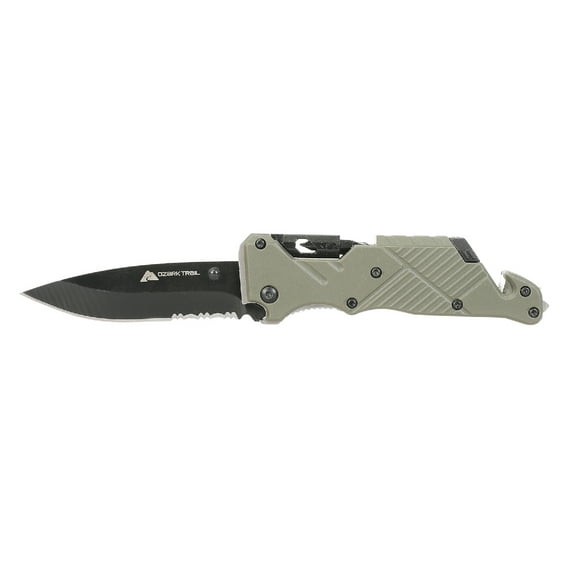
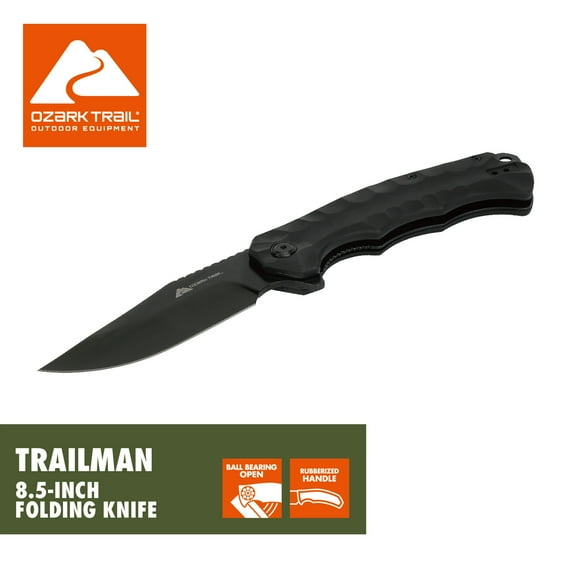
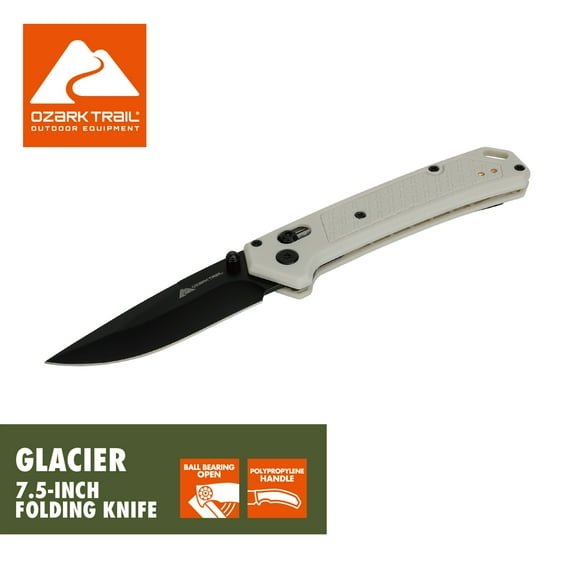
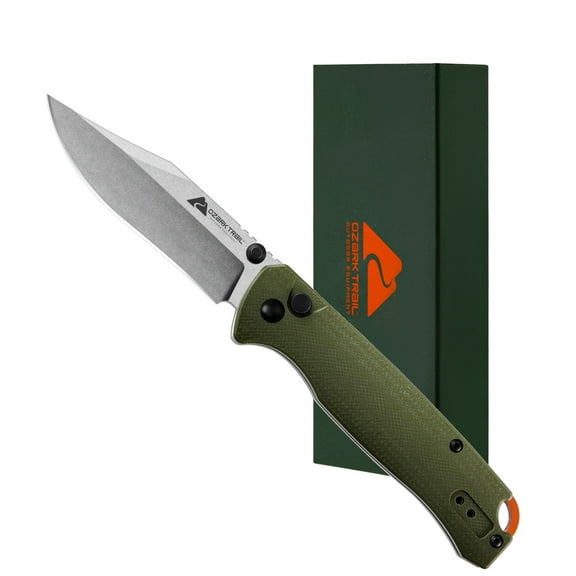
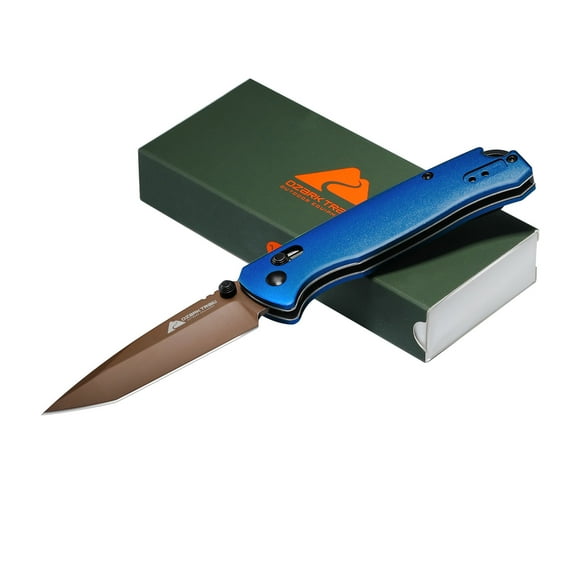
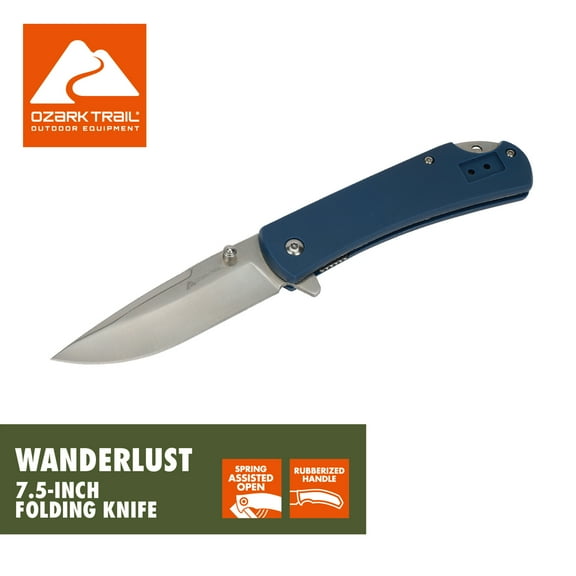
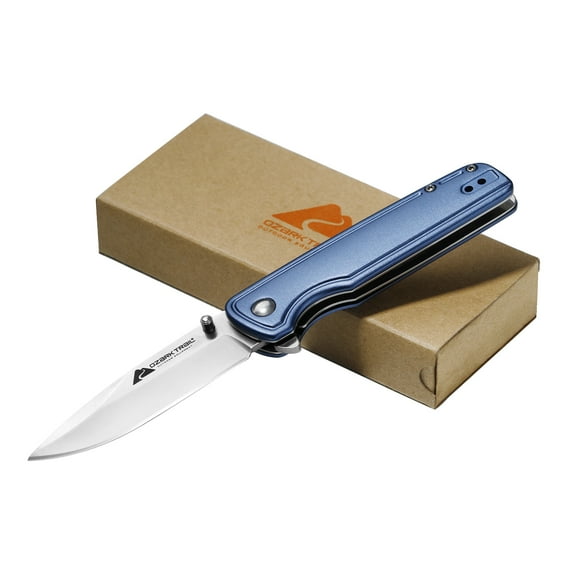
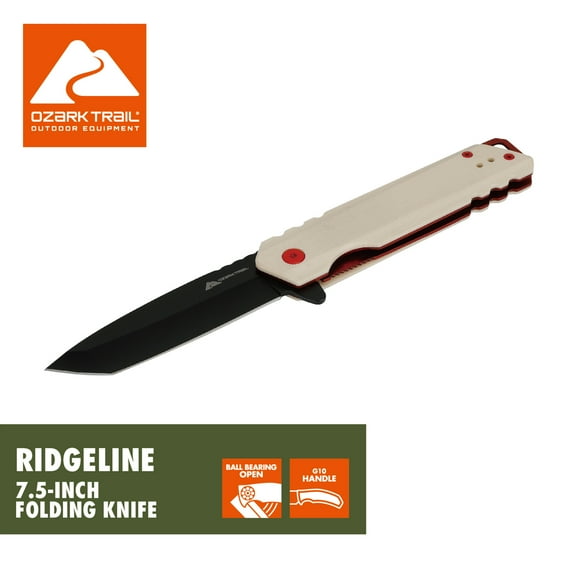
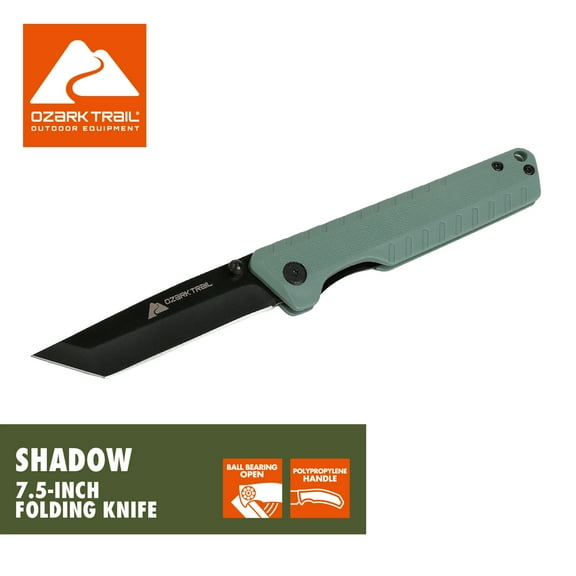
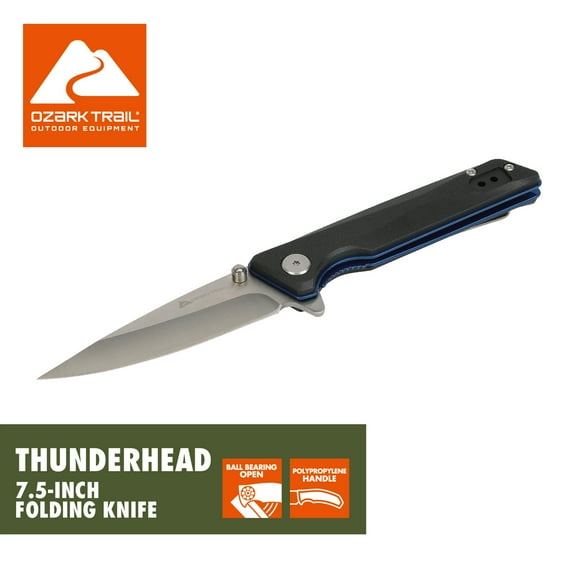
Folding camping knives work well when you want compact storage in a pocket or pack organizer. You can keep them close without dedicating much space to a full sheath setup.
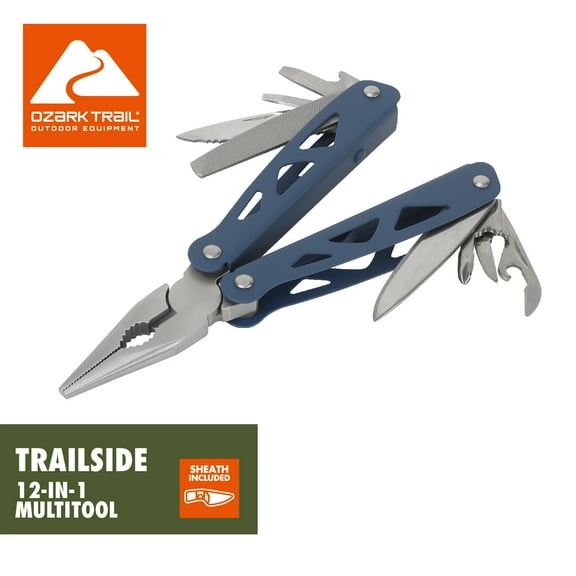
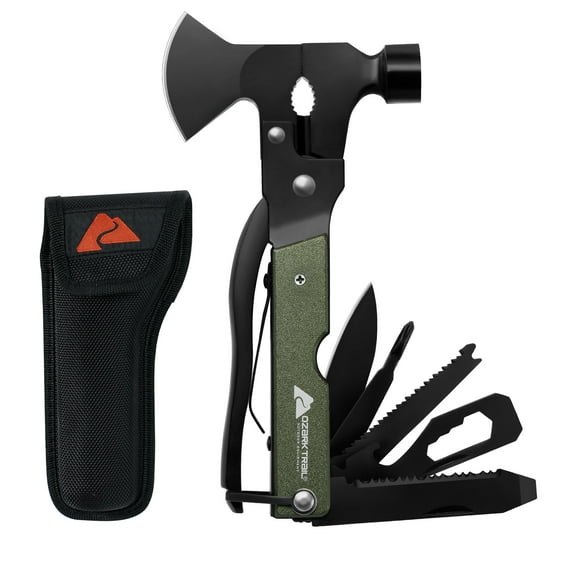
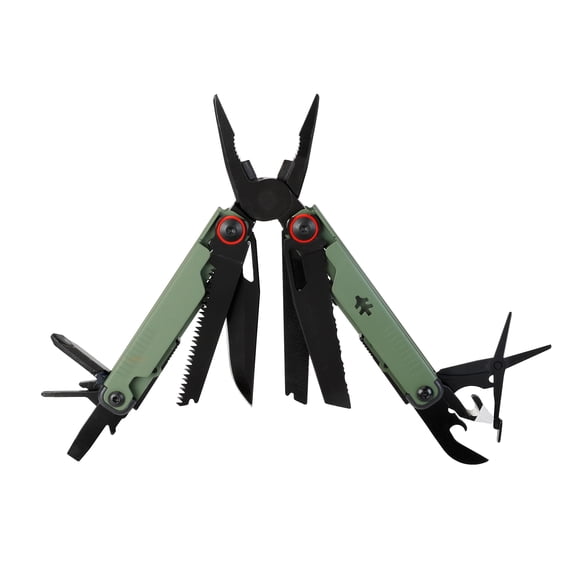
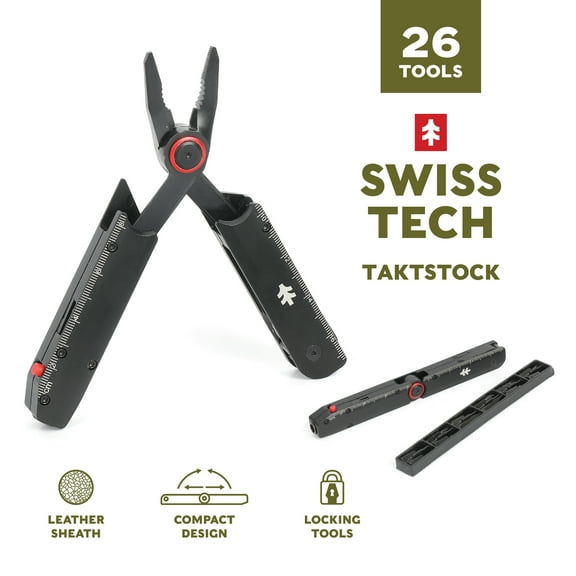
Pocket knives suit quick camp tasks like opening packaging, trimming cord, or slicing small food items. A multi-tool for camping makes sense when you want pliers, screwdrivers, and blades in one piece.
- You can choose fixed blade designs for stable cutting and simple access around camp.
- You can pick folding styles when your priority is compact carry and packability.
- You can use pocket knives for light utility and everyday campsite tasks.
- You can carry multi-tools when you want extra functions for gear adjustments.
Choosing blade material and handle details
Compare blade material next because steel affects upkeep, edge holding, and wet-weather performance. You’ll often see stainless steel, carbon steel, and titanium across camping knives and outdoor survival knives.
Stainless steel, including grades like 8Cr13MoV, usually fits damp campsites and lakeside trips well. You’ll notice it emphasizes corrosion resistance, which helps when your gear sees rain, splash, or humid storage.
D2 and other carbon-forward steels can hold an edge longer during repeated cutting. You may need more maintenance, so they often fit users who don’t mind wiping and storing gear carefully.
Titanium options can reduce carried weight, which matters when your backpacking knives setup stays minimal. You should still compare cutting needs, because lighter construction may trade off with blade feel.
Handle material also shapes your grip during food prep, carving, and general utility tasks. You can compare G10, micarta, wood, and rubberized grip handles based on feel and conditions.
G10 and micarta usually appeal when you want a structured, dependable hold in changing weather. Wood can offer a classic look, while rubberized grips can feel secure during wet camp mornings.
What to look for in tool count and carry options
Tool count should match the kind of jobs you actually handle outside. You can keep weight down with a single blade, or add functions when you expect repairs.
A single blade often works for meal prep, cord cutting, and simple campsite chores. You won’t carry extra parts you rarely use, which helps when every ounce matters.
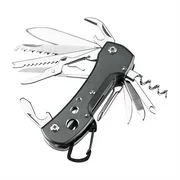
Multi-tool choices with five to 10 functions can cover common adjustments without adding too much complexity. You may get scissors, can openers, screwdrivers, or pliers that support camping gear and equipment.
Heavy duty options with 10 or more functions fit broader repair needs around stoves, lanterns, or tent hardware. You should compare function count carefully, because added tools can increase size and pocket weight.
Carry options matter just as much as blade shape or tool count. You’ll want to check whether a sheath is included and whether it supports belt carry, pack attachment, or pocket storage.
A sheath can keep your knife accessible when you move around camp or trailhead. You can also compare clip styles and folded profiles when you want fast access without loose gear shifting.
Matching camping knives to real outdoor use
Your primary use case should guide every choice you make in this category. You can narrow camping knives tools faster when you match them to survival, camp kitchen, carving, or utility tasks.
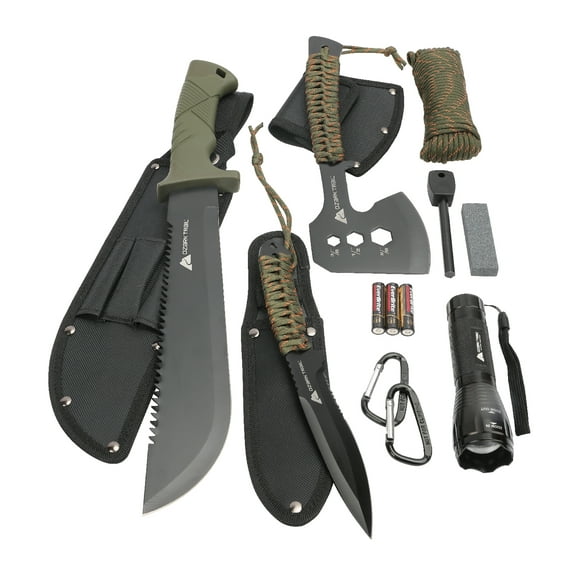
For survival-focused kits, you may lean toward fixed blade options with sturdy handles and simple carry. You’ll often want dependable grip, straightforward access, and steel that suits outdoor exposure.
For camp kitchen use, you may prefer compact blades that feel easy to control during slicing and prep. You can look for shapes that handle food tasks cleanly without adding unnecessary bulk.
For wood carving, you may want a blade that offers control through detailed hand movement. You should compare handle comfort closely, because long carving sessions depend on steady grip and balance.
For general utility, pocket knives and folding camping knives often cover the widest range of quick tasks. You can open packaging, cut cord, adjust small items, and keep your setup streamlined.
If your trips center on hiking mileage, backpacking knives and lighter multi-tools can help reduce pack weight. If your trips stay close to the vehicle, you may carry larger outdoor survival knives with more features.
When you compare blade type, steel, handle material, tool count, and carry method together, your decision gets much easier. You’ll end up with camping tools that fit your routine and keep camp tasks straightforward.