

Study Room Furniture































About Study Room Furniture - Walmart.com
Study room furniture helps you build a focused workspace without crowding your floor plan. You can compare compact desks, vertical storage, and seating choices that fit a small room.
If you're furnishing a dorm nook, bedroom corner, or shared apartment, you need pieces that earn their footprint. You can create a cleaner setup when your desk, shelves, and storage work together.
How to choose study room furniture for a small space study room
You should start with measurements before you compare styles or finishes. You can check desk width, desk depth, and walking clearance so your layout feels open.
When you measure your wall and chair space, you avoid a cramped setup. You can leave enough room to pull out your chair and move comfortably.
You may also want furniture that supports books, devices, and daily supplies in one zone. You can keep your study area organized when each piece has a clear job.
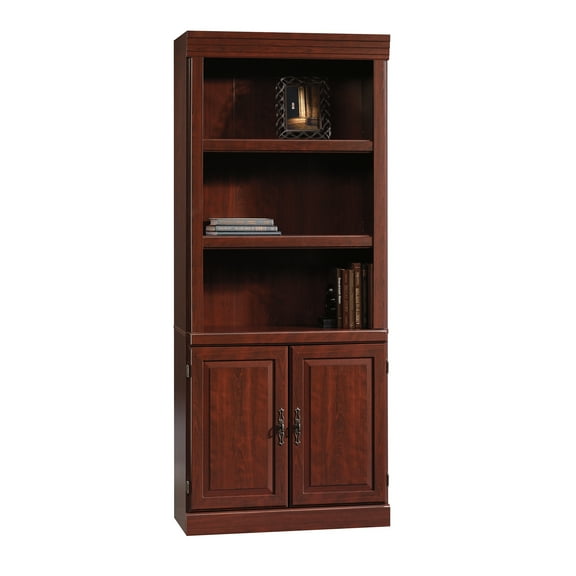
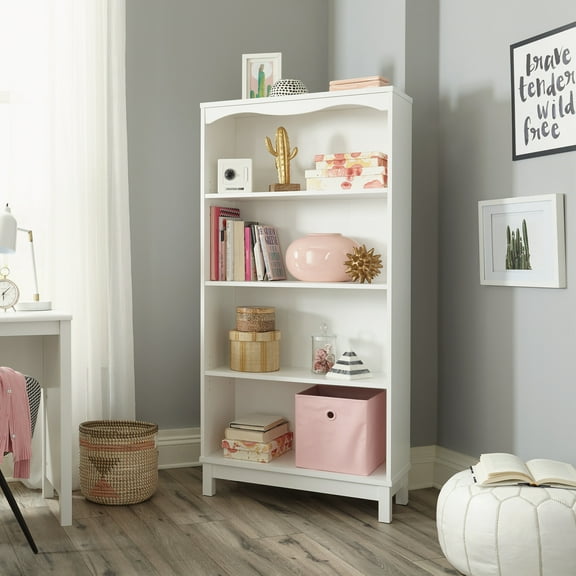
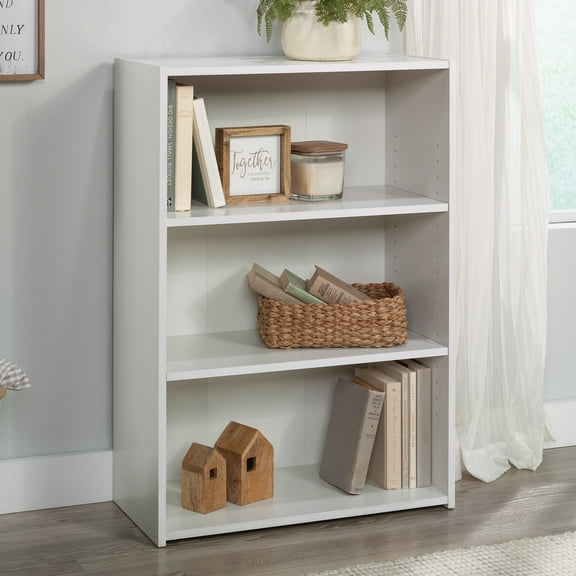
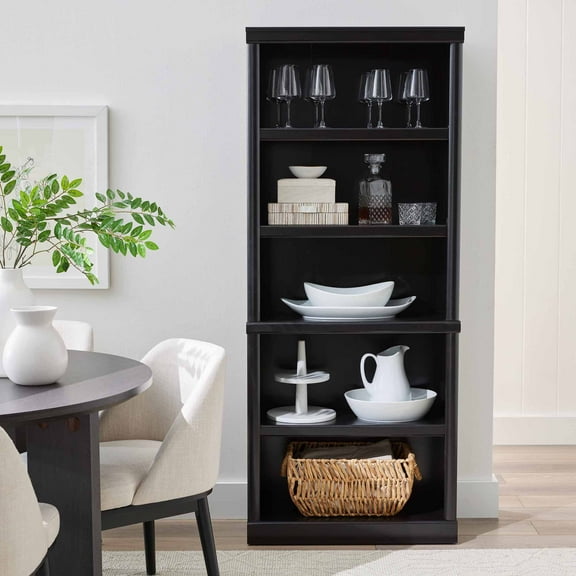
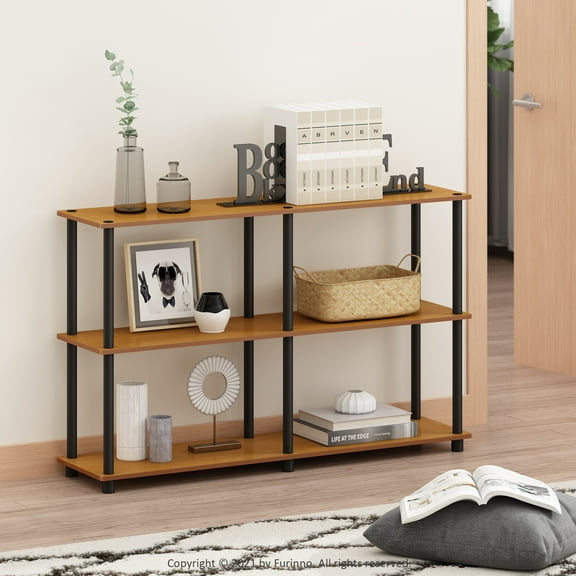
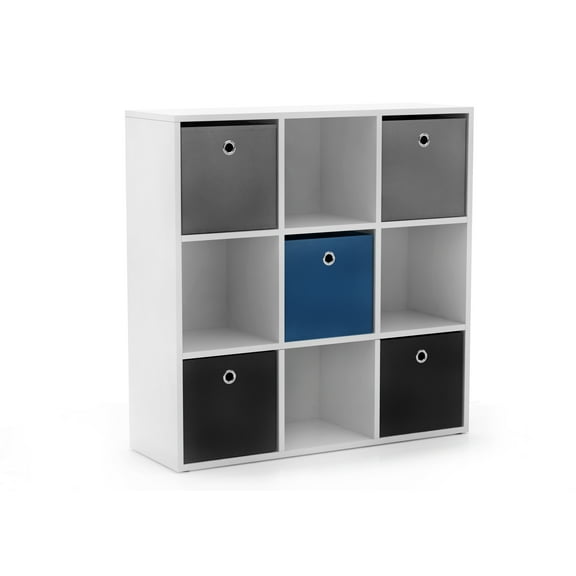
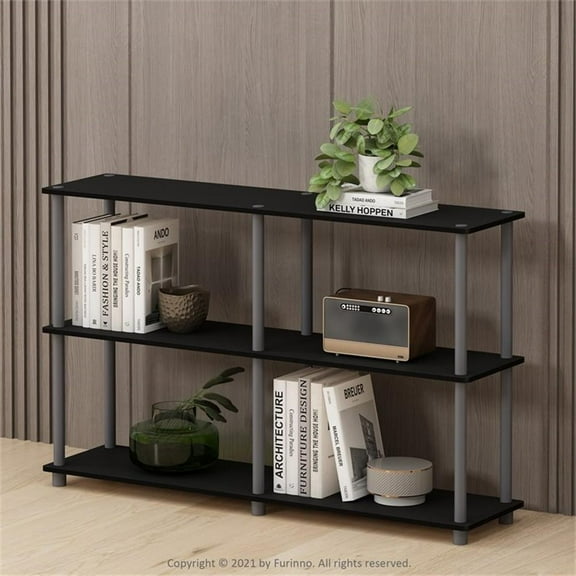
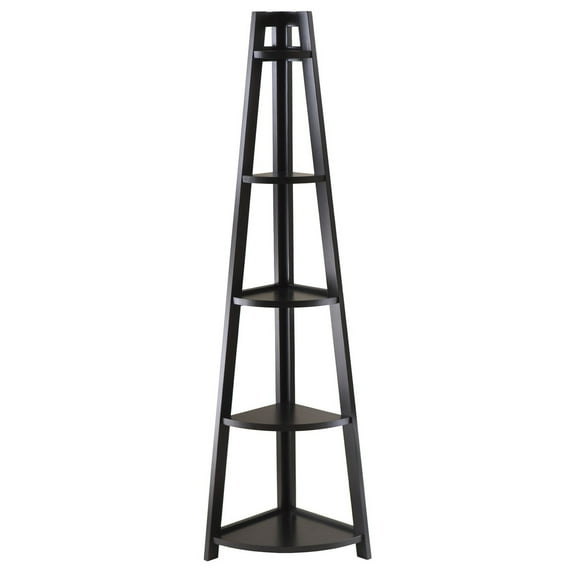
- You can use vertical storage to hold books and bins without taking extra floor space.
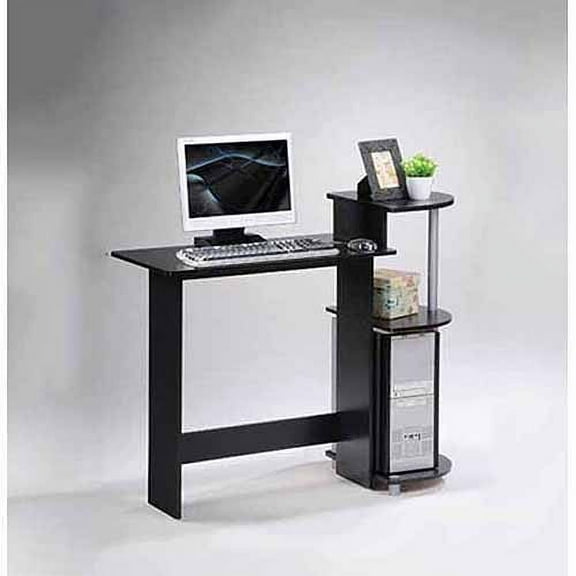
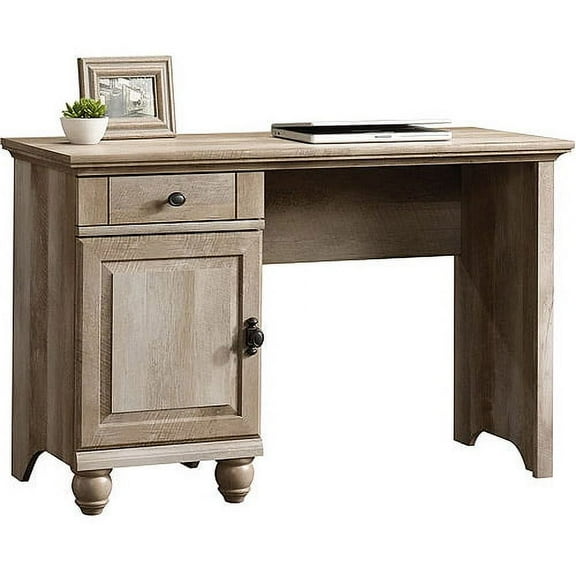
- You can choose a compact study desk that supports writing, laptop work, and reading.
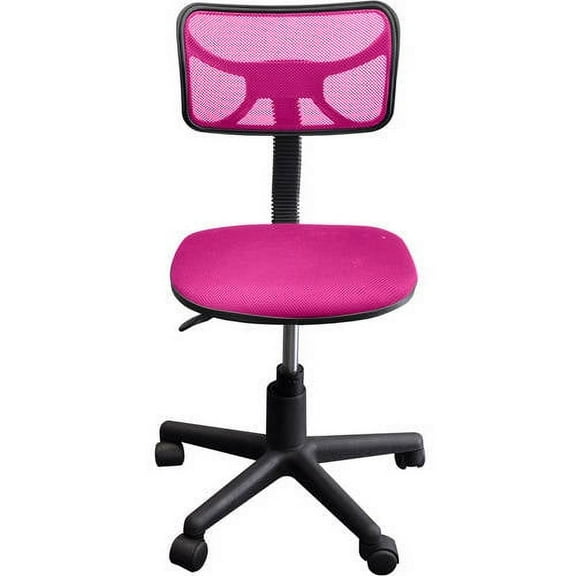
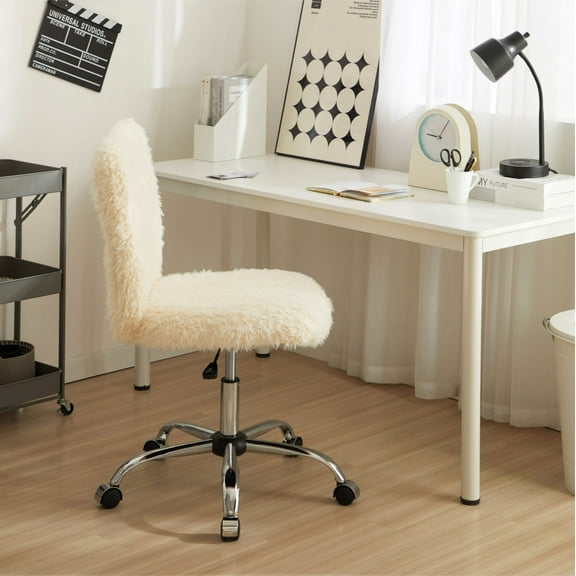
- You can add seating with adjustable height so your posture feels more natural during longer sessions.
- You can look for simple assembly details when you want a faster room setup.
Choosing between study room desks
You can match desk type to your room shape and your work style. You may prefer a writing desk for open legroom and a lighter visual footprint.
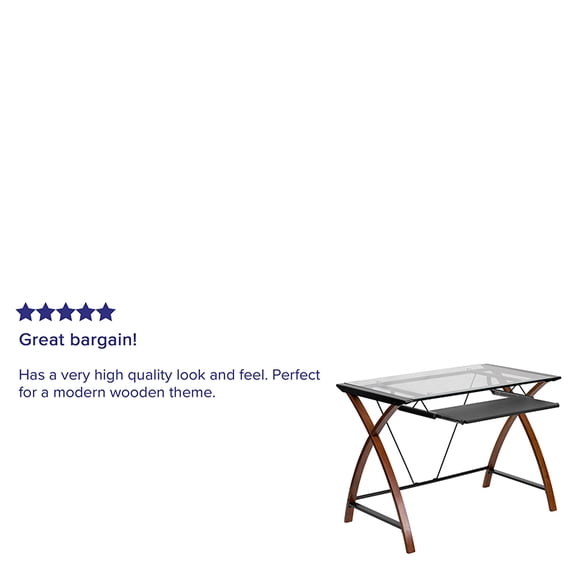
If you use multiple screens or need keyboard space, you can consider a computer desk. You may like a floating desk when your floor area is tight and your wall space works harder.
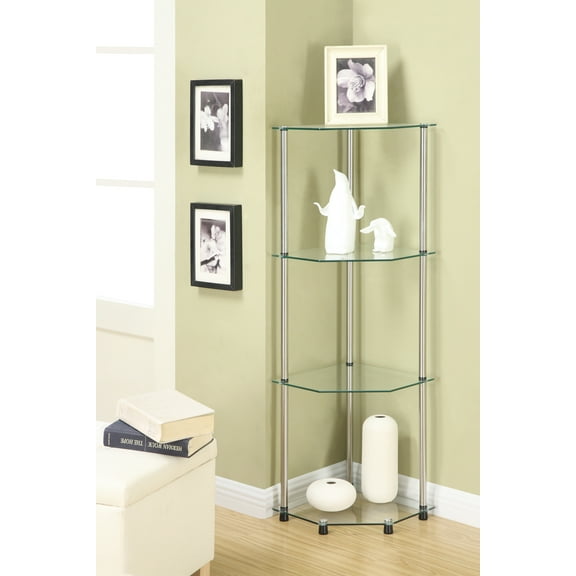
You can place a corner desk into an unused angle and open the center of the room. You may find that shape especially useful in a bedroom study setup.
Before you choose, you should compare work surface needs with room dimensions. You can check whether notebooks, a lamp, and your laptop fit without crowding the edge.
Choosing study room storage and surface balance
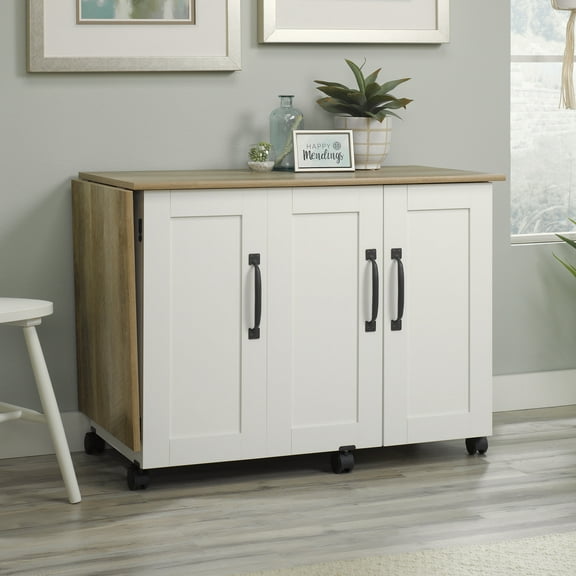
You should think about what stays on your desk every day. You can decide whether shelves, drawers, or a hutch fit your supplies and your study habits.
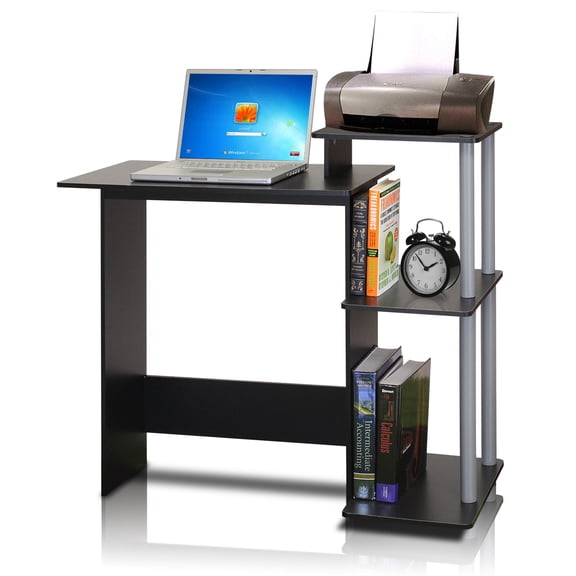
If you keep books, folders, and chargers nearby, you can use desks with shelves to lift storage upward. You get more organization without asking for more floor area.
You may want drawers when you prefer a cleaner top surface and hidden organization. You can choose a hutch desk when you need vertical sections for books and display items.
If you like a simple look, you can choose a minimalist design and add separate organizers later. You keep the room lighter when your storage plan stays intentional.
Comparing size, footprint, and room flow
You should compare ultra-compact, small space, and standard footprints based on your actual layout. You can often fit an ultra-compact desk where a full office desk feels bulky.
For a small space study room, you should measure depth as carefully as width. You need enough front clearance for your chair, your legs, and easy movement.
You can use a narrower desk in a hallway nook, bedroom wall, or studio corner. You may want a deeper top when your work includes textbooks, monitors, or sketch pads.
When your room serves several purposes, you can choose furniture with a lighter footprint and cleaner lines. You help the area feel calmer while keeping your supplies close.
Understanding materials and everyday use
You can compare engineered wood, metal, and solid wood based on look and routine use. You may like engineered wood when you want a smooth finish and versatile style.
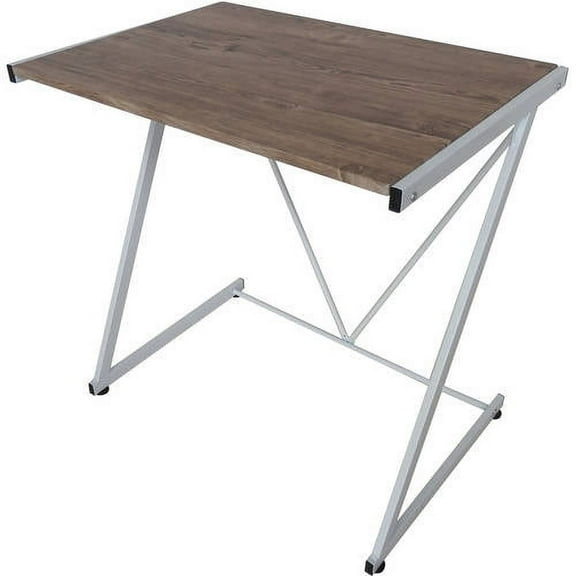
If you want a streamlined frame, you can consider metal accents or full metal bases. You get a crisp look that pairs well with modern or industrial rooms.
You may choose solid wood when you want a classic appearance and a warmer feel. You can match material choice to the rest of your room for a highly cohesive setup.
You should also look at how surfaces fit your daily routine. You can pick finishes and frames that feel easy to live with through classes, homework, and remote work.
Using study room furniture for daily routines
You can build a focused zone for homework, online classes, and creative projects with the right layout. You may start with a back to school study desk that fits your wall and schedule.
If you study in a shared room, you can use shelving and drawers to separate your supplies fast. You keep your materials close without spreading them across other furniture.
You can turn an unused bedroom corner into a study room design that feels intentional. You may combine a corner desk, vertical shelf space, and adjustable seating for longer sessions.
When your day mixes work and study, you can choose furniture that shifts easily between tasks. You keep your notes, devices, and books within reach, which supports a smoother routine.
You should also check assembly details before you decide. You can look for tool information, setup steps, and simple construction that fits your comfort level.
With thoughtful measurements, practical storage, and the right desk shape, your study area can feel organized from day one. You get a space that supports focus without overwhelming your room.