

Scissors - Office, Craft & School Scissors | Walmart



















About Scissors - Office, Craft & School Scissors | Walmart - Walmart.com
Scissors help you handle school projects, office tasks, crafts, sewing, and daily household cutting with cleaner results and less guesswork. This assortment covers key choices like blade length, tip type, handle design, pack format, and material compatibility.
When you're comparing a single pair or a classroom pack, clear category guidance makes selection easier. Walmart brings together everyday options for paper, fabric, cardboard, and light plastic in one place.
How to choose scissors by use case
Start with the job, because use case changes the shape, size, and control you need. Office pairs often focus on paper, envelopes, and light packaging. School styles usually include smaller sizes and kid-friendly tip shapes.
Craft options favor detail work, while sewing pairs are shaped for cleaner fabric cuts. Household designs lean toward multi-purpose use across drawers, desks, and utility spaces.
Consider these practical benefits before you compare individual products. Each one affects how smoothly your scissors fit everyday routines.
- Office scissors support quick paper cutting, mailing tasks, and document prep.
- School scissors fit class activities, homework stations, and shared supply bins.
- Craft scissors help with detail cutting for scrapbooking, cards, and decorative paper.
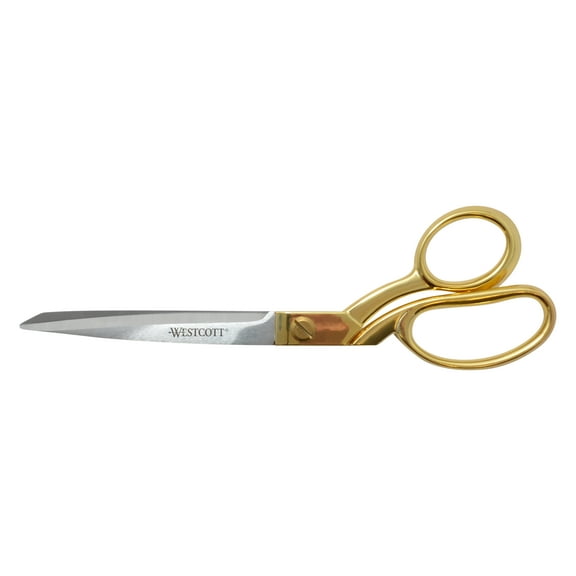
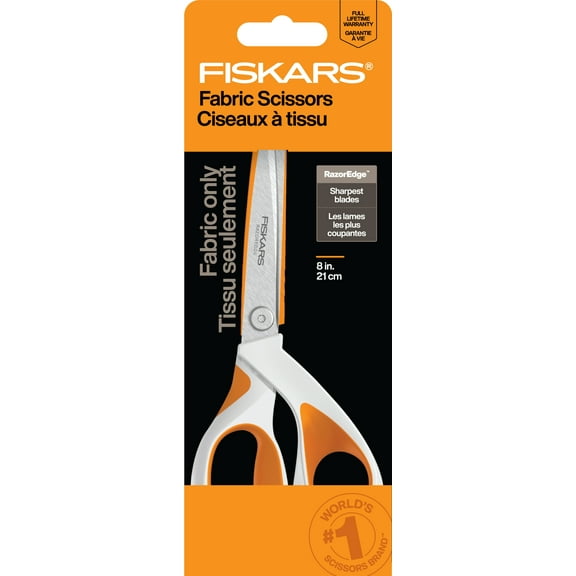
- Choose fabric-oriented pairs for sewing tables and textile projects.
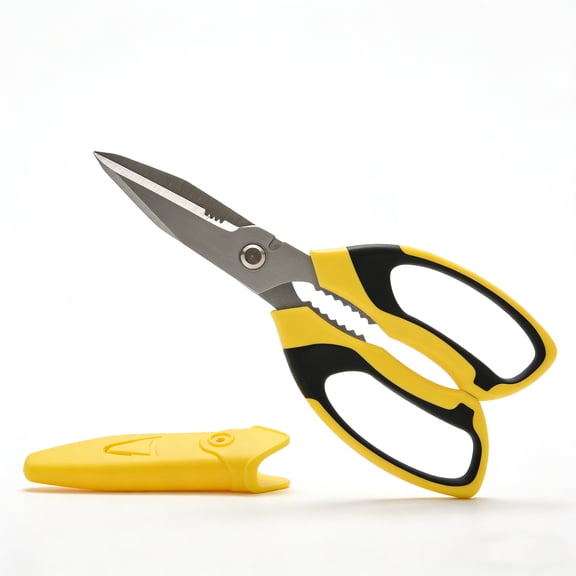
- Household pairs cover mixed jobs like opening packages, trimming tags, and cutting coupons.
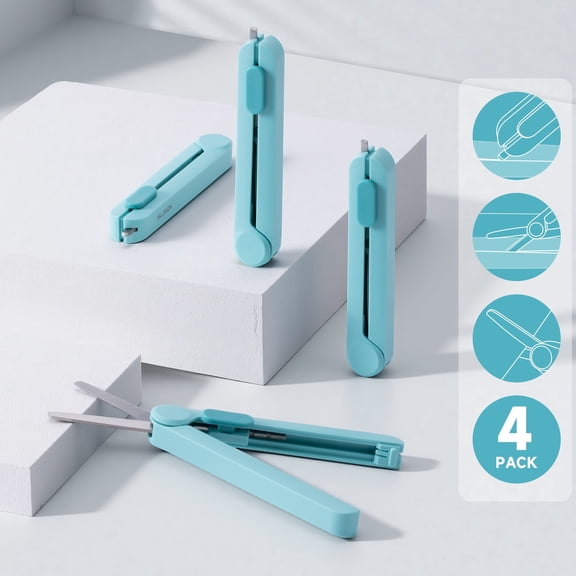
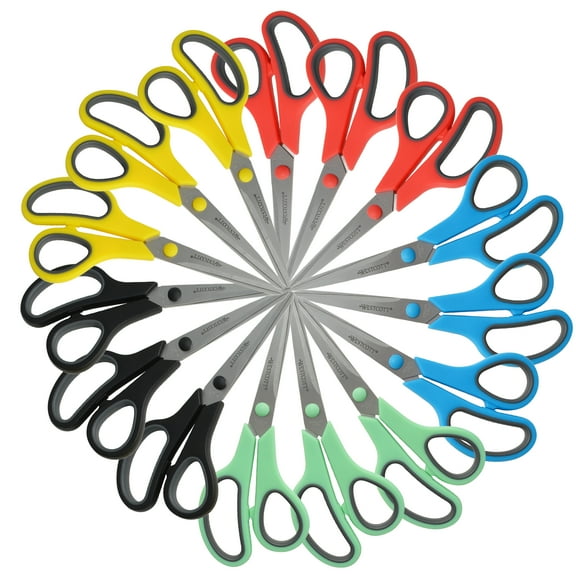
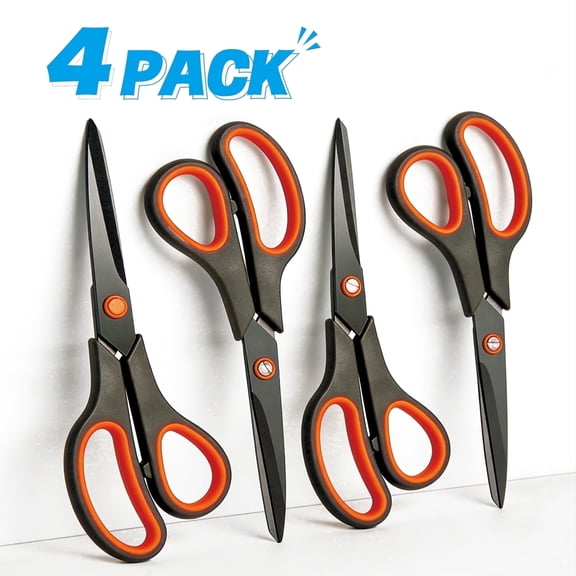
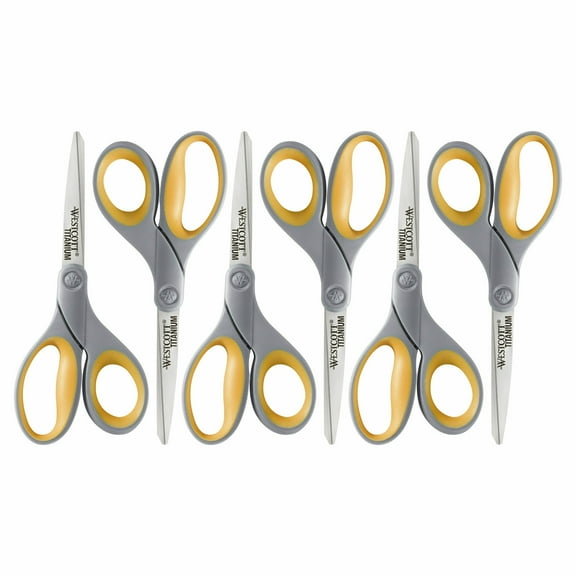
- Multi-pack and classroom pack options simplify supply lists and shared spaces.
Use case also helps narrow cost expectations in a smart way. A single pair works for one station, while multi-packs support desks, classrooms, or family use.
Choosing the right scissors size and tip type
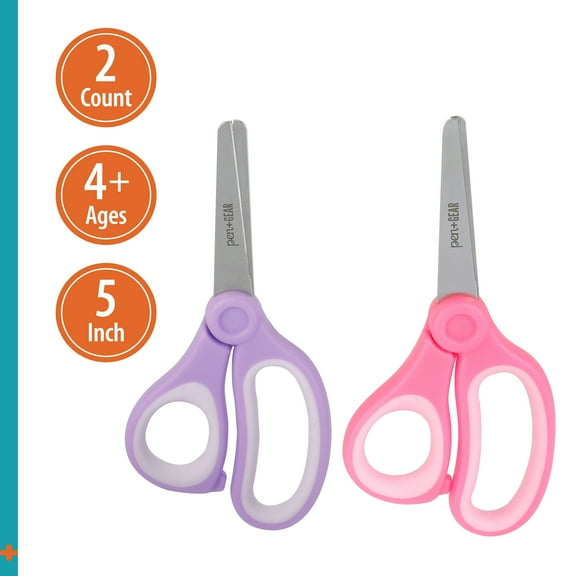
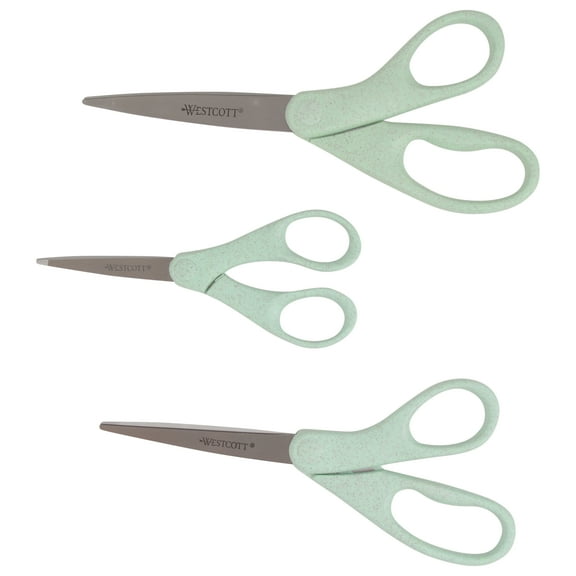
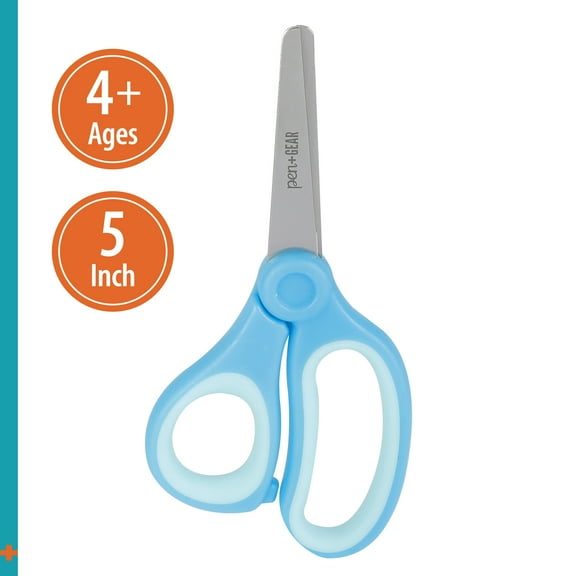
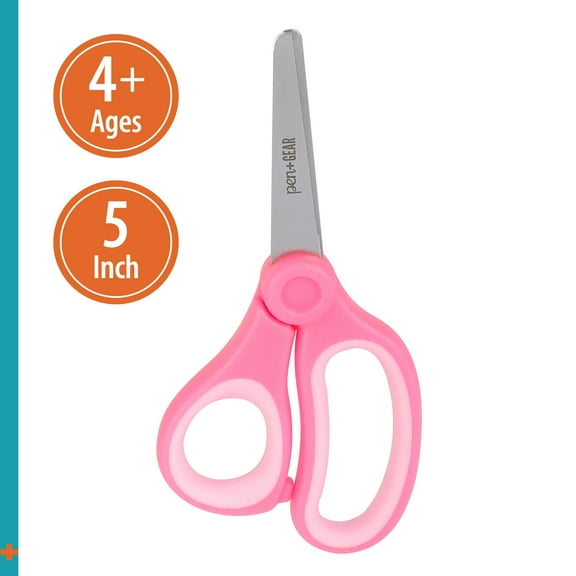
Blade length changes reach, leverage, and control. Small and 5-inch scissors suit pencil cases, kids' supplies, and tight cutting paths.
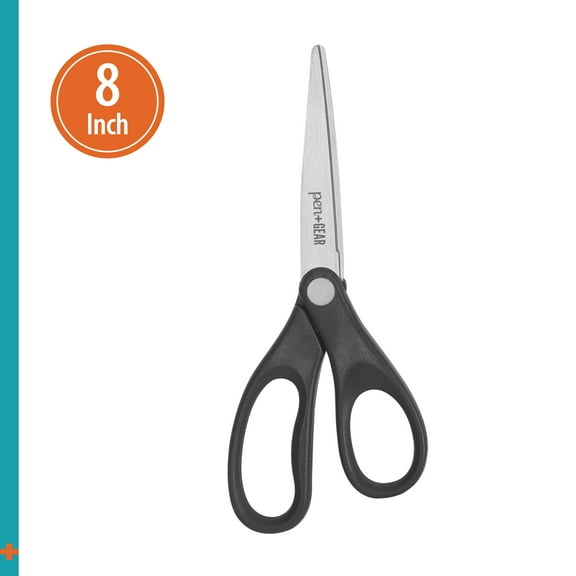
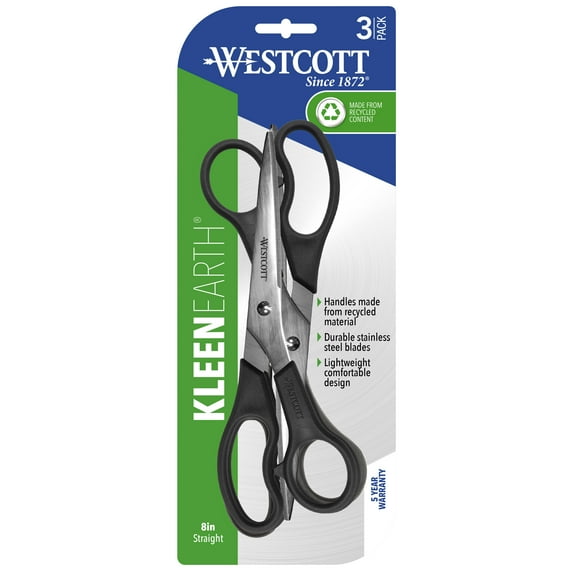
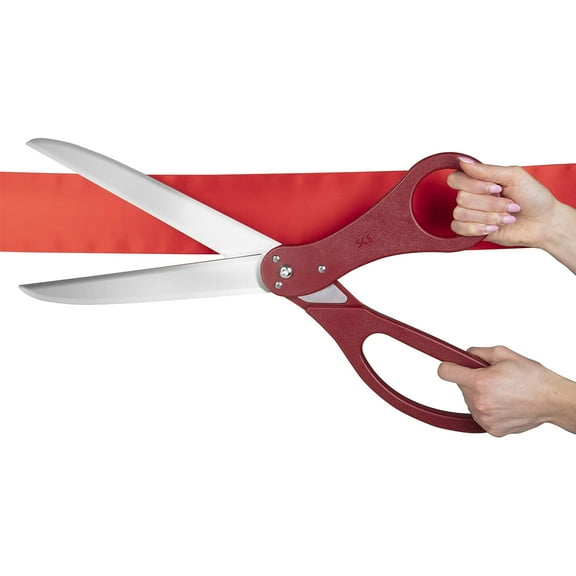
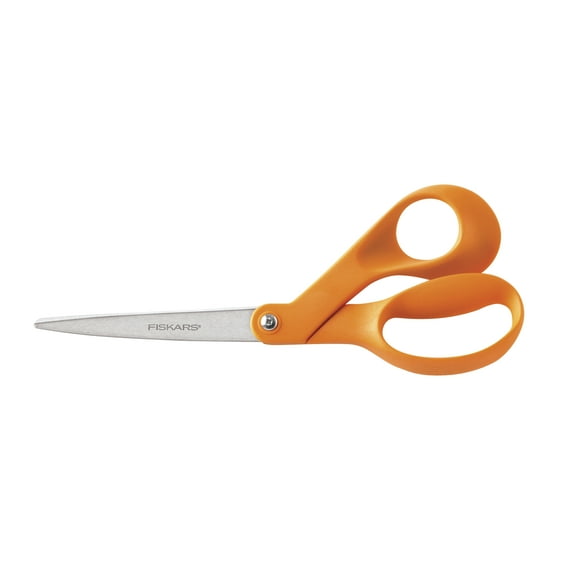
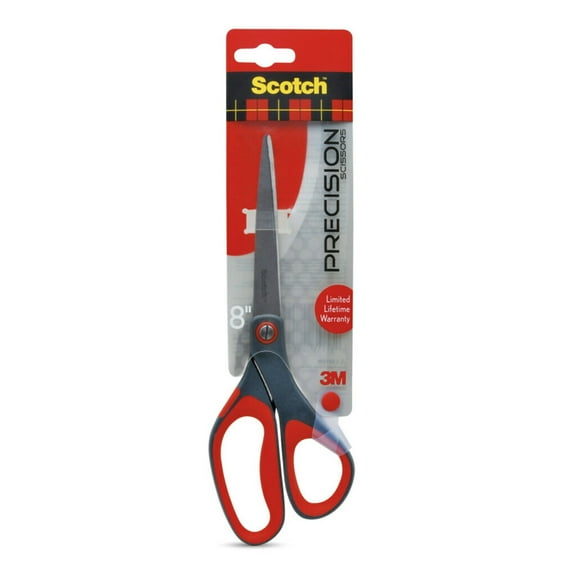
Medium and 8-inch sizes fit office desks and common household jobs. Large pairs give you longer strokes across wrapping paper, poster board, and broader sheets.
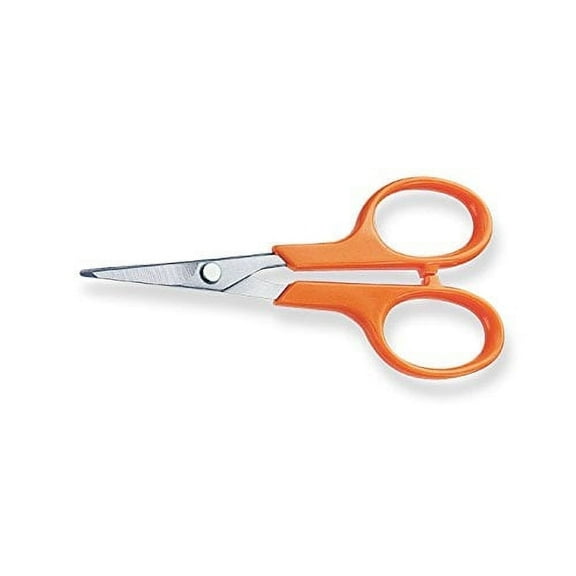
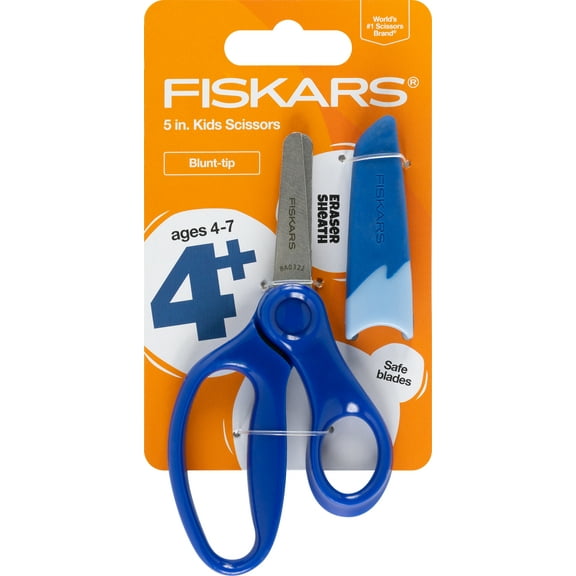
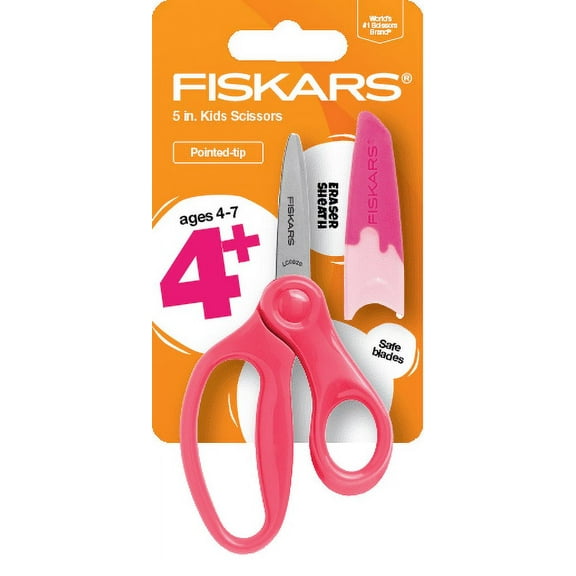
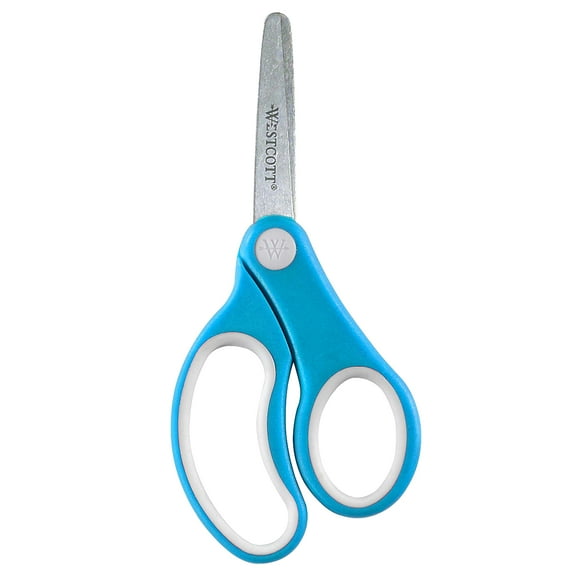
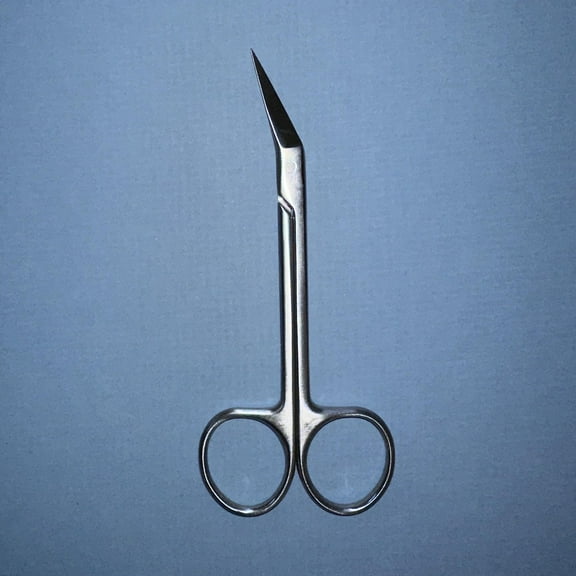
Tip type matters just as much as length. Blunt tip and rounded tip designs are often picked for younger users and shared classroom settings. Pointed tip and precision tip styles help with narrow corners, detailed shapes, and careful trimming.
When you're comparing a pair of scissors, check whether the tip matches the task. Size and tip choices can also shape how the tool feels during repeated use. Shorter blades can feel easier to guide, while longer blades can reduce extra snips on bigger materials.
Comparing handle design and material compatibility
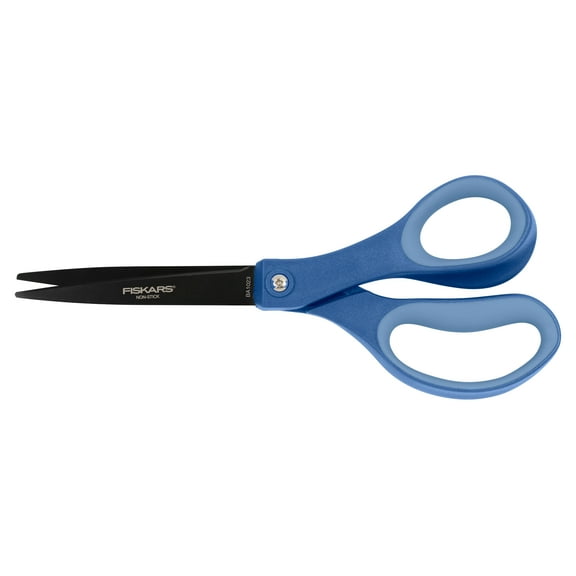
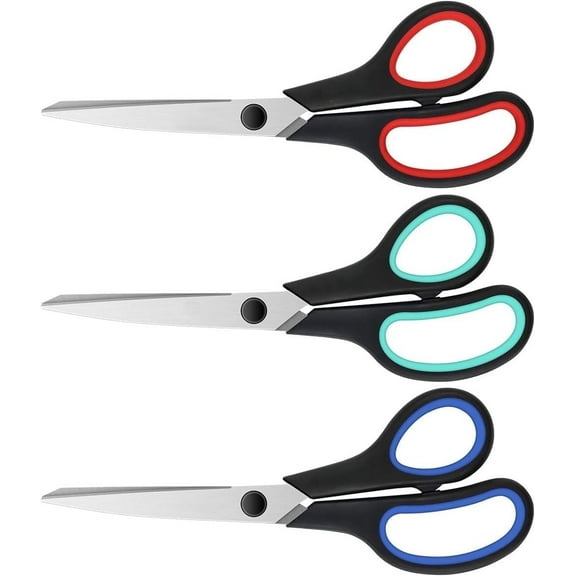
Handle design affects comfort, control, and hand fit. Comfort grip and ergonomic styles are useful when cutting through stacks of paper or repeated project pieces.
Ambidextrous options support shared use, while left-handed and right-handed designs can improve natural blade alignment. That detail matters during schoolwork, office prep, or craft sessions.
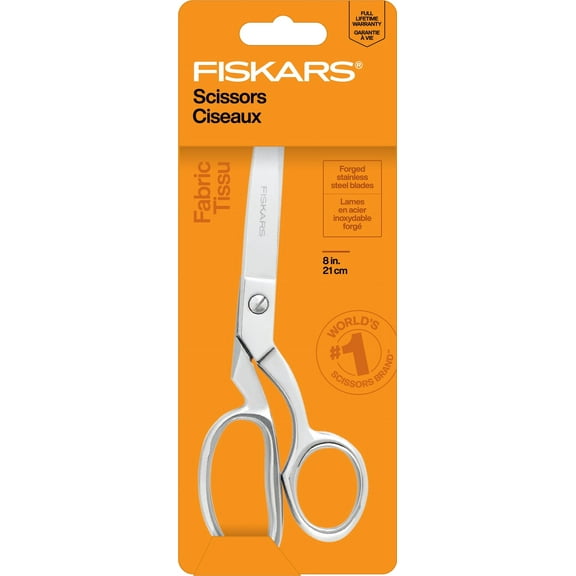
Material compatibility is another key decision point. Paper scissors are common for homework, forms, and crafting with cardstock. Choose fabric-oriented pairs for sewing tables and textile projects.
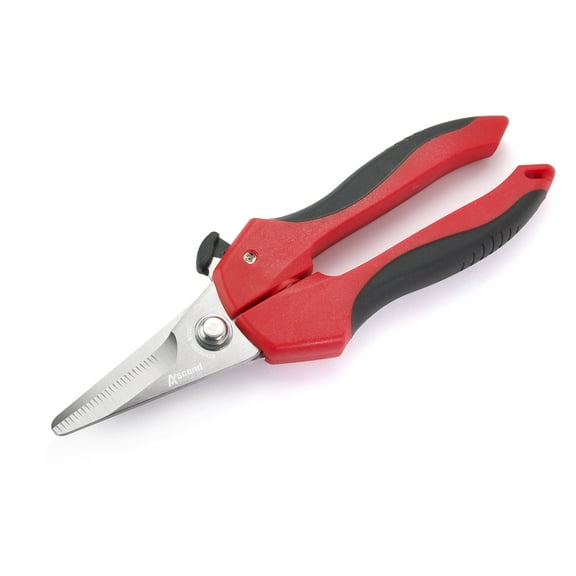
Cardboard and light plastic tasks often need sturdier multi-purpose designs. Checking material fit helps you avoid using one style for every job.
These differences are category specific, not minor extras. Fabric cutting, classroom safety tips, and handed handle options don't translate to unrelated office tools. That's why scissors shoppers often compare design details before they commit to a set.
Matching pack format to your routine
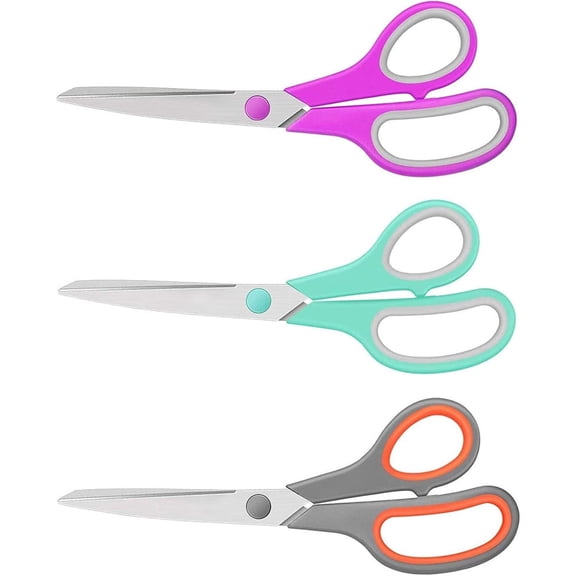
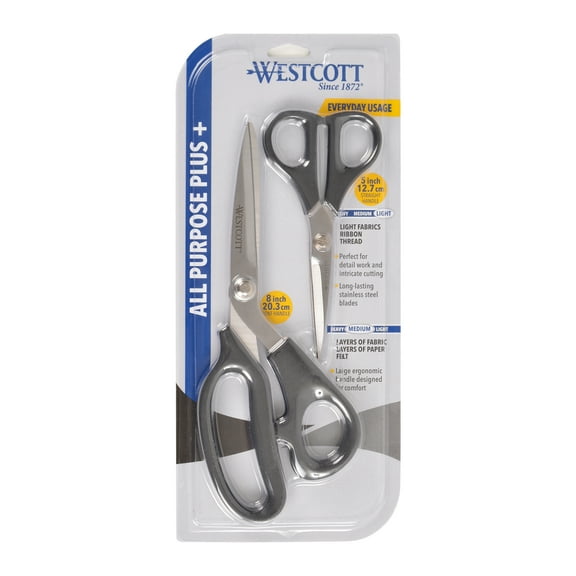
Pack format changes convenience and organization. A single pair suits one drawer, one workstation, or one supply caddy. A 2-pack gives you a backup for home and office.
Multi-pack options work well for busy households with several rooms. Classroom pack formats help teachers organize shared supplies across many students.
Pack format also influences how shoppers think about scissor cost. Instead of focusing on one style only, compare how many pairs you need and where they'll be used. That makes it easier to balance everyday needs, storage space, and replacement planning.
On Walmart.com, you can compare formats across common household and school needs. When the goal is steady access, extra pairs reduce searching between rooms or work areas. That's especially helpful for homework tables, craft carts, offices, and wrapping stations.
Scissors for everyday tasks and specialized projects
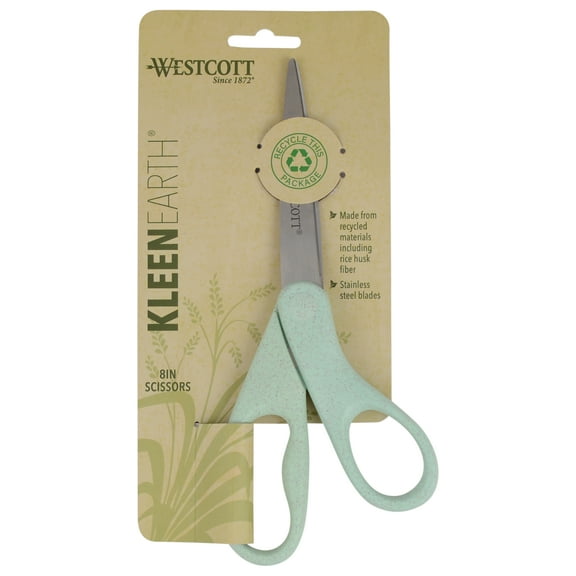
Everyday tasks usually call for versatile designs that move easily between paper, labels, and light packaging. An 8-inch pair with a comfort grip often suits a home office or kitchen drawer. School projects may call for a smaller size with a rounded tip.
Crafting often leans toward pointed or precision tip control for detailed edges. Sewing setups benefit from scissors chosen for fabric compatibility and steady handling. Card makers and scrapbookers often compare tip shape for curves, corners, and layered paper.
Households that open shipments regularly may prefer multi-purpose pairs placed in several rooms. These use cases help narrow the field fast.
If you're stocking a classroom, check blunt tip or rounded tip options and classroom pack counts. If you're organizing a desk, compare handle style, blade length, and whether left-handed use matters. For general home routines, look for a pair that matches mixed materials and frequent access.
The right scissors keep common cutting tasks neat, simple, and ready whenever you need them. Choosing scissors gets easier when you compare use case, size, tip, handle, material fit, and pack format together. That approach helps you land on a pair that cuts the right materials cleanly and fits your routine from the first use.