


Packaging Materials Cost & Packing Supplies | Walmart






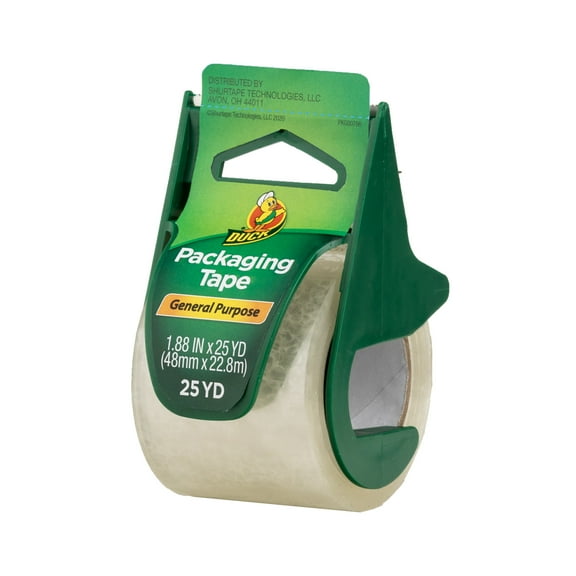

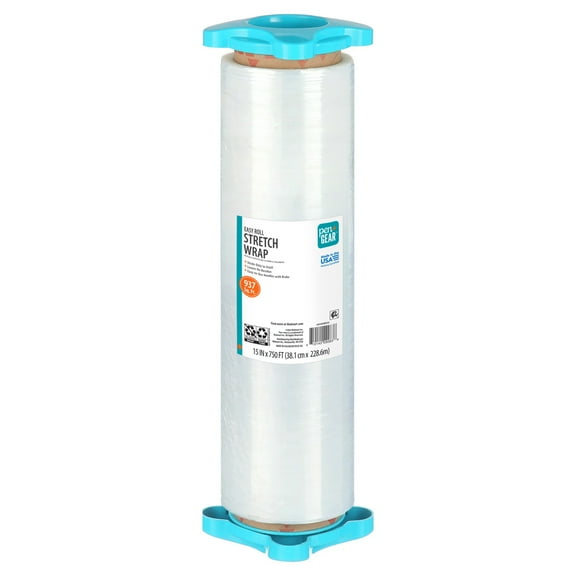
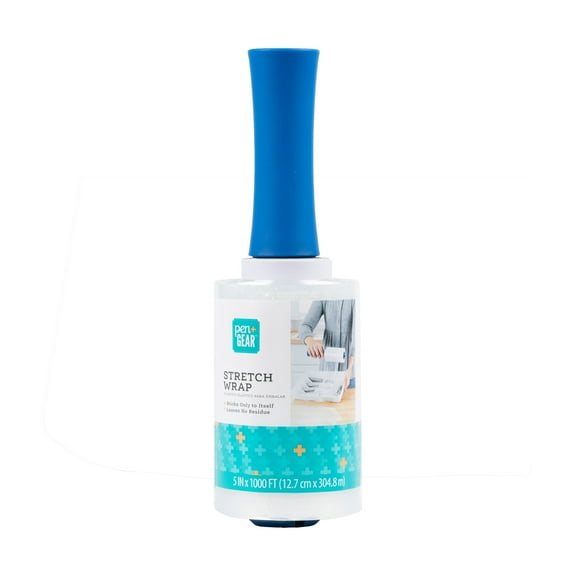
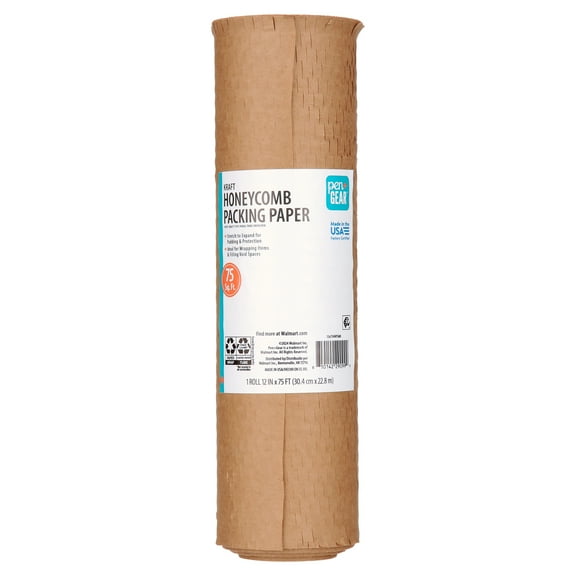








About Packaging Materials Cost & Packing Supplies | Walmart - Walmart.com
Packaging materials cost matters when you're planning a move, shipping orders, or storing supplies. This category helps you compare paper, plastic, cardboard, and honeycomb options by protection level, format, and quantity needs.
Start with the job, then match the material to the item. Delicate glassware needs different cushioning than books, framed art, office equipment, or boxed inventory.
Choosing packaging materials cost by project
Cost planning starts with item count, breakability, and box size. A small apartment move often needs fewer layers than a multiroom move or a steady shipping station.
Measure how much surface area needs wrap, how many boxes need void fill, and how often you'll pack. That comparison helps you narrow the right packaging material mix.
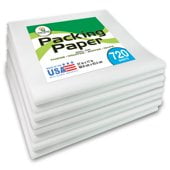
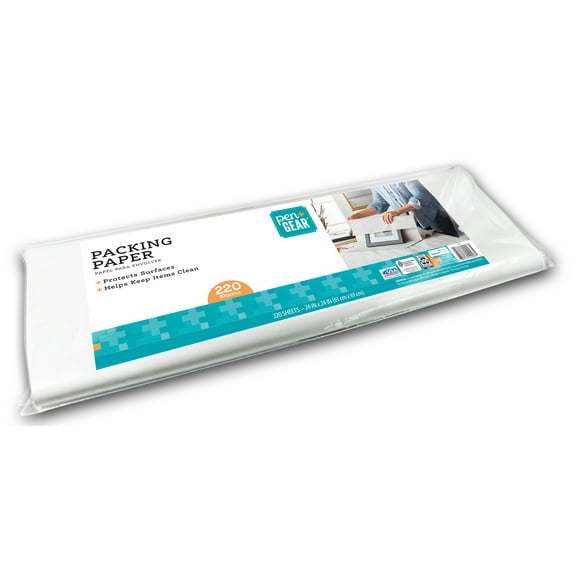
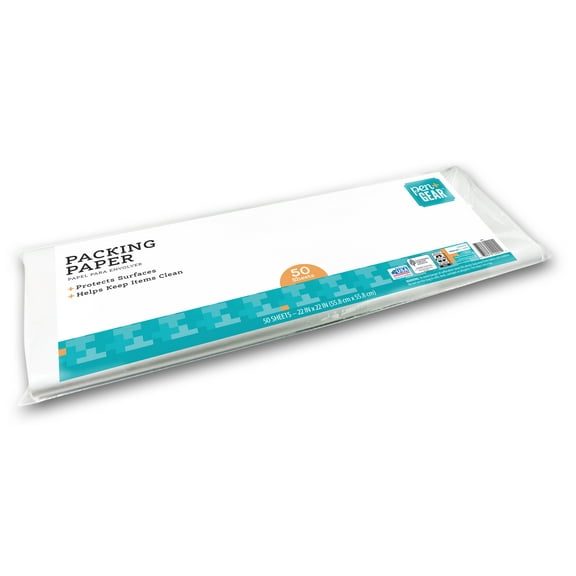
- Paper options work well for wrapping, layering, and light void fill.
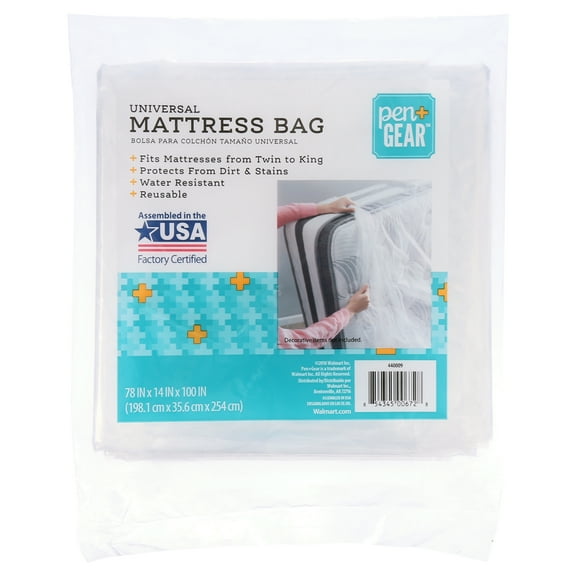
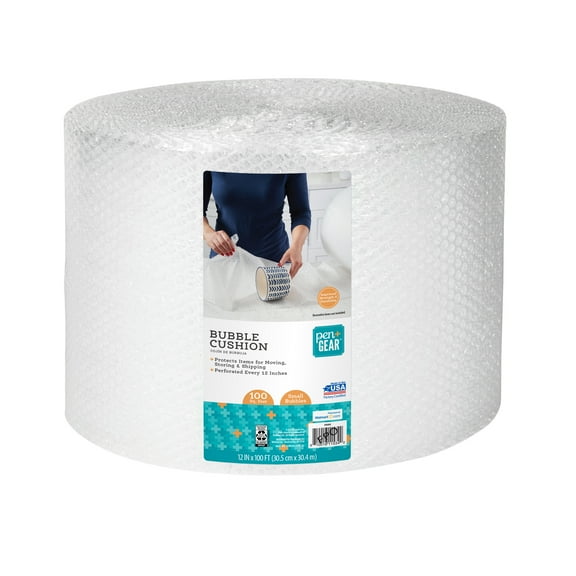
- Plastic packaging can suit moisture-prone storage and clear product presentation.
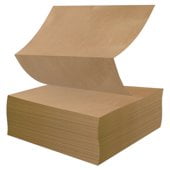
- Cardboard inserts help separate items and support stacked cartons.
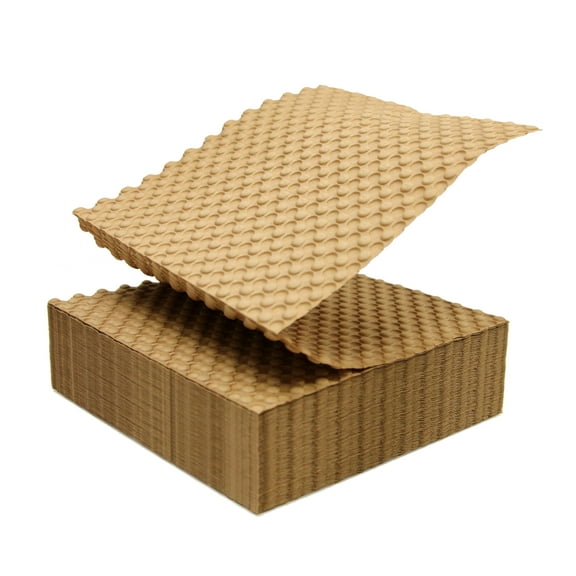
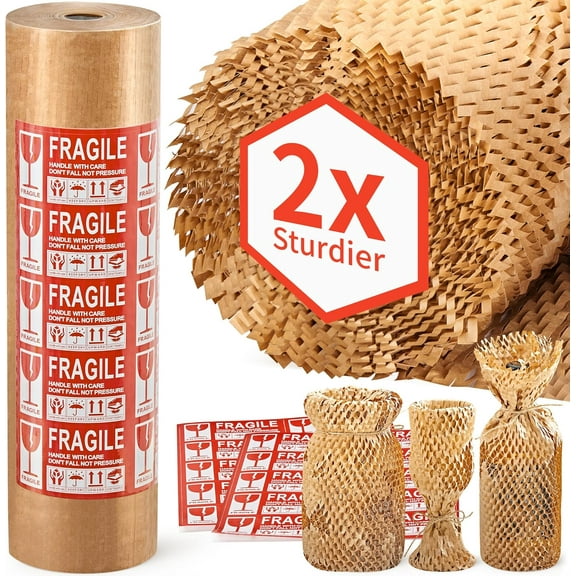
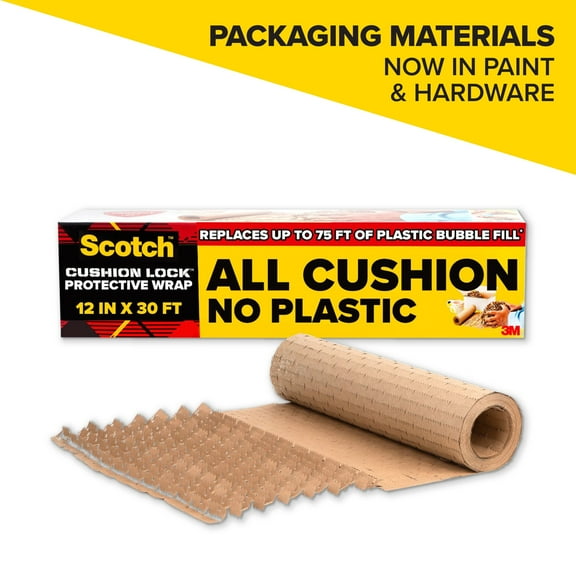
- Honeycomb cardboard expands for cushioning without adding bulky rolls.
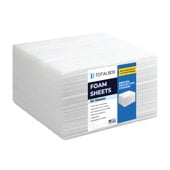
Look for formats that match your workflow. Sheets are easy to count, wrap covers large surfaces, grid packing flexes around shapes, and loose fill suits empty spaces.
How to choose packing materials for moving and shipping
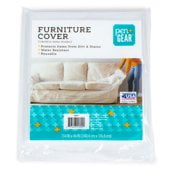
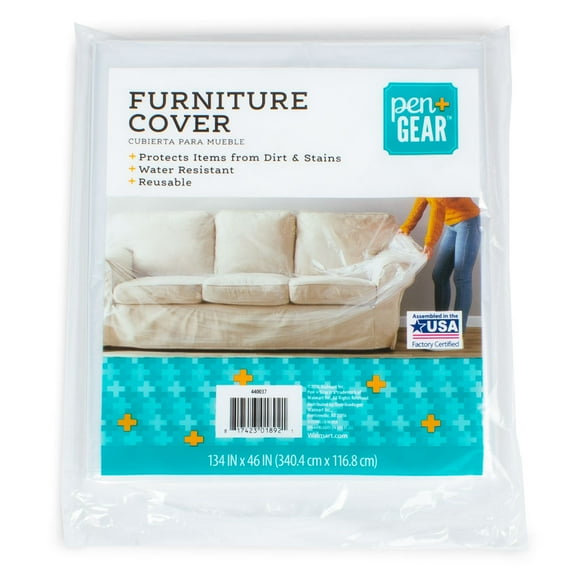
Moving and shipping create different demands. Household moves often need corner coverage, dish separation, and furniture surface protection, while parcel shipping needs compact cushioning inside smaller cartons.
For moving, compare wraps, sheets, and paper honeycomb for dishes, decor, and seasonal storage bins. For shipping, check void fill coverage, mailer fit, and how snugly items sit inside the box.
Heavy items usually need dense support at the bottom and between edges. Lighter goods can use paper layers, grid structures, or flexible wrap to reduce shifting.
Storage projects bring another decision. Choose materials that help separate surfaces, cushion stacked items, and keep contents organized between moves or seasonal rotations.
Comparing honeycomb cardboard, paper honeycomb, and grid packing
Honeycomb cardboard is useful when you need expandable cushioning. Use it to wrap mugs, candles, and small framed pieces so your items stay separated.
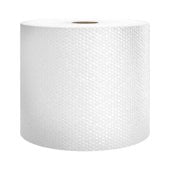
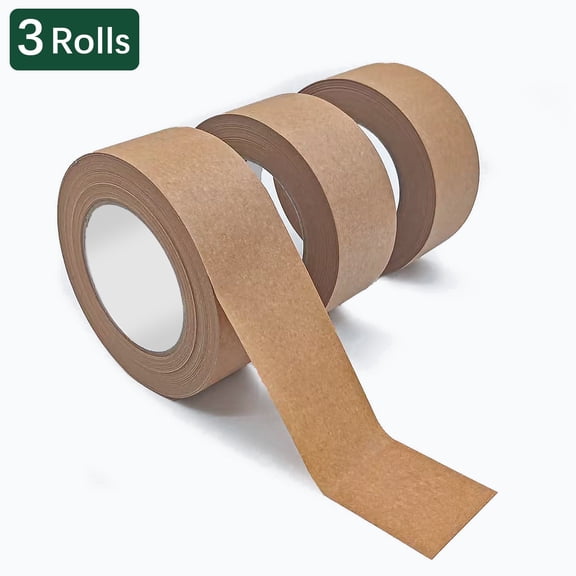
Paper honeycomb works when you want a paper wrap format instead of plastic film. It can pair with tissue or kraft paper for layered presentation and protective cushioning.
Grid packing is designed to flex around uneven shapes. That makes it practical for jars, home accents, and bundled products that don't sit neatly against flat sheets.
Cardboard dividers and inserts serve a different purpose. They create sections inside cartons for glasses, office supplies, samples, or small parts.
These material types aren't interchangeable in every project. Compare whether you need wraparound coverage, interior separation, surface shielding, or box-filling support.
Understanding plastic packaging and other material options
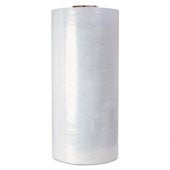
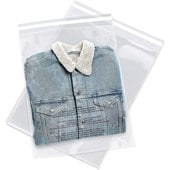
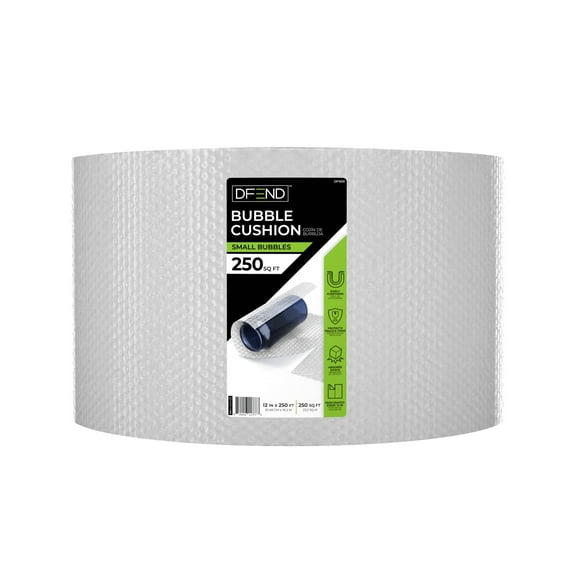
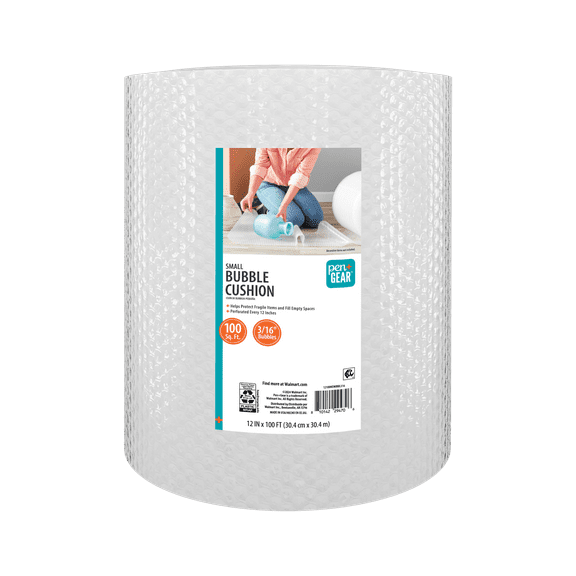
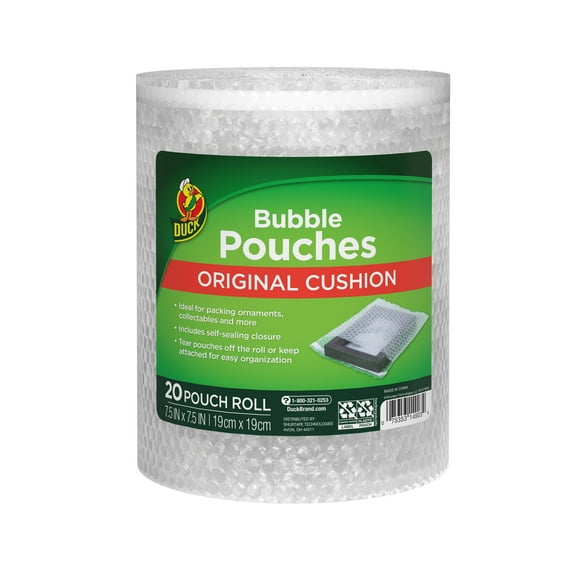
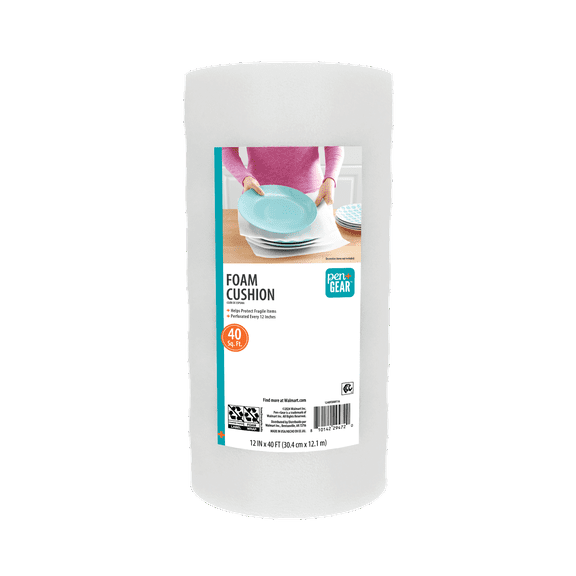
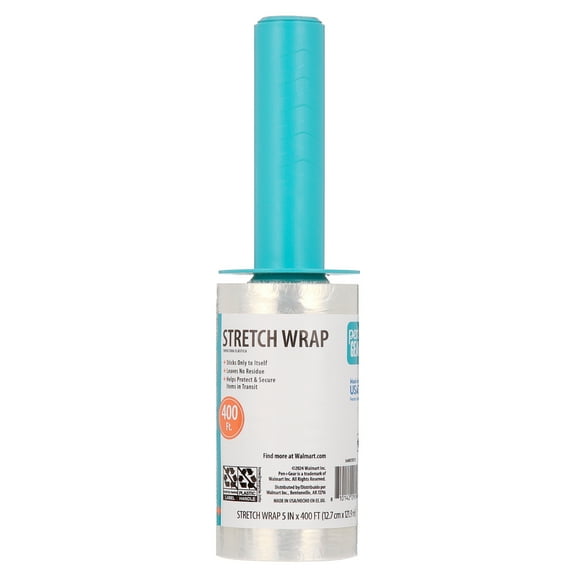
Plastic packaging includes wraps, air-filled cushioning, and protective sleeves. These formats are often chosen for visibility, clean presentation, and flexible coverage around products of different shapes.
Paper materials can be easier to layer and tear by hand during busy packing sessions. Cardboard works well when structure matters, especially for inserts, edge support, and stacking stability.
Protection level should guide the decision. Light cushioning suits surface coverage and small gaps, while fragile-item protection needs thicker layers, separation, and tighter box fit.
Void fill matters more than many shoppers expect. Empty space inside a carton can change how an item sits, so check whether loose fill, crumpled paper, or formed wrap fits the job.
Also compare packaging format with packing speed. Sheets help with counting and prep, while rolls and wrap formats support continuous packing at a station.
Where to buy packing supplies with pickup and delivery
When shoppers search where to buy packing materials or where can I get packing supplies, convenience usually drives the search. Walmart supports that intent with online shopping, pickup, delivery, and broad category coverage.
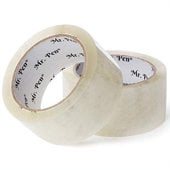
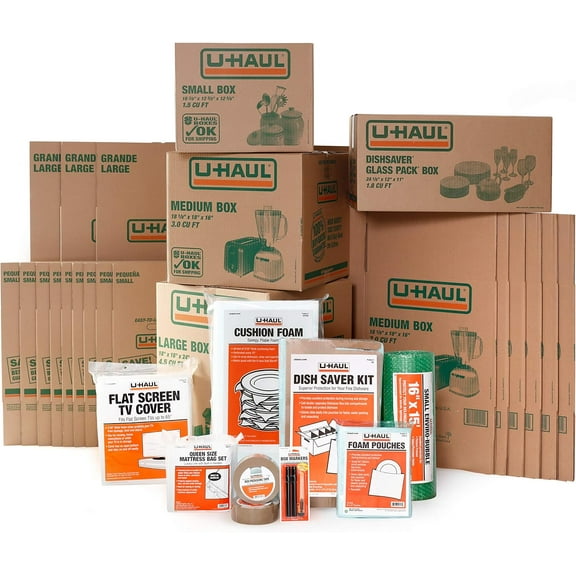
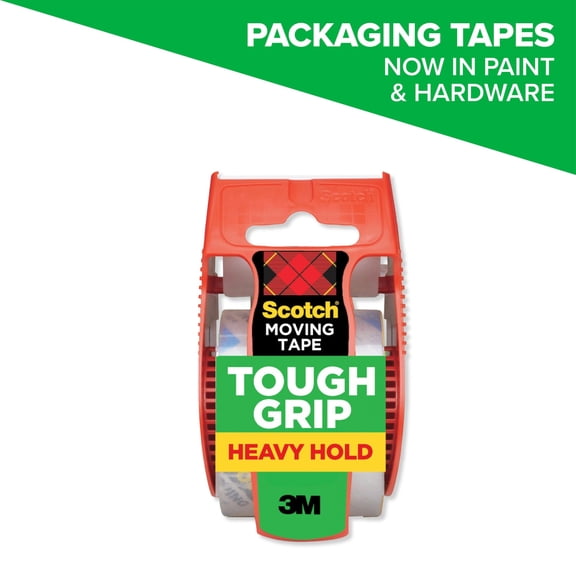
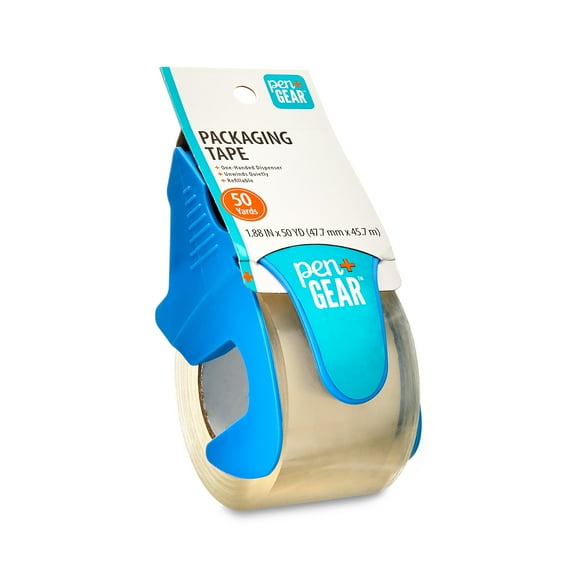
This page works as a place to buy packing supplies for moving, shipping, and storage in one stop. You can compare packaging material types, then add related items like boxes, tape, mailers, and storage containers.
Fulfillment matters when timing is tight. Pickup helps with planned moves, while delivery can support office shipping stations, home businesses, and restocking between projects.
Availability also shapes decisions on a national browse page. Checking online options first can help you plan quantities, formats, and compatible supplies before checkout.
Matching material type, format, and quantity to real projects
For a dorm or apartment move, consider paper wrap, cardboard dividers, and void fill for kitchen items and desk accessories. Those formats help protect mixed loads without overcomplicating packing.
For online selling, compare plastic packaging, paper honeycomb, and mailer-friendly cushioning for cosmetics, candles, and small electronics accessories. Compact formats can help keep packing stations organized.
For long-term storage, surface protection and box stability matter most. Sheets, inserts, and wrap can help separate seasonal decor, office archives, and craft supplies inside stacked bins.
If you're estimating bulk needs, count boxes first, then map materials by item type. That approach gives you a clearer packaging materials cost picture and reduces leftover mismatched supplies.
Packing materials work best when the material, format, and protection level align with the project. Clear comparisons across honeycomb, paper, plastic, and cardboard help you pack with fewer gaps and steadier support.