







Disposable Gloves in First Aid






![Fifth Pulse Disposable Nitrile Gloves L [100] Latex & Powder Free Gloves - Blue](https://i5.walmartimages.com/seo/Fifth-Pulse-Disposable-Nitrile-Gloves-L-100-Latex-Powder-Free-Gloves-Medial-Grade-Food-Grade-Blue_02cf77f0-658d-46e4-a467-da9e82d13adf.cdc55bb4bad0551f5b6f0b281f67b24d.jpeg?odnHeight=576&odnWidth=576&odnBg=FFFFFF)











About Disposable Gloves in First Aid - Walmart.com
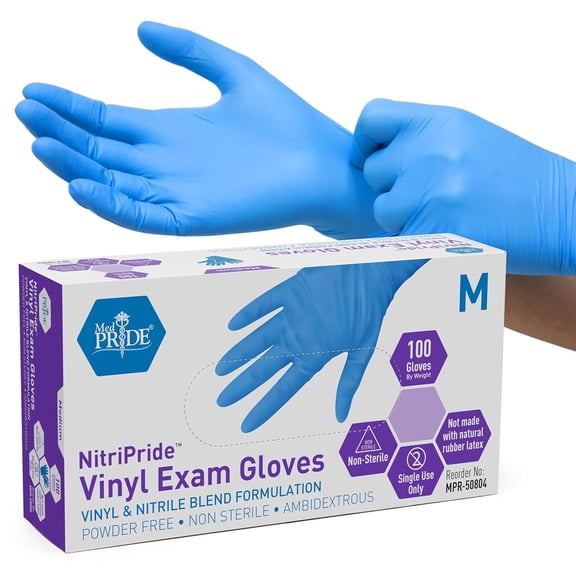
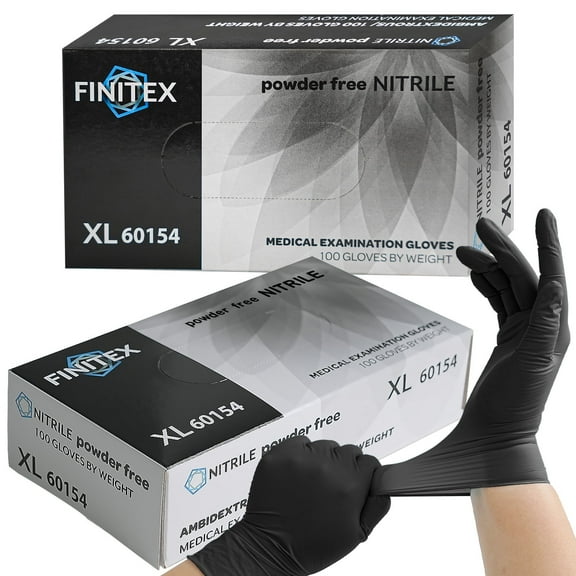
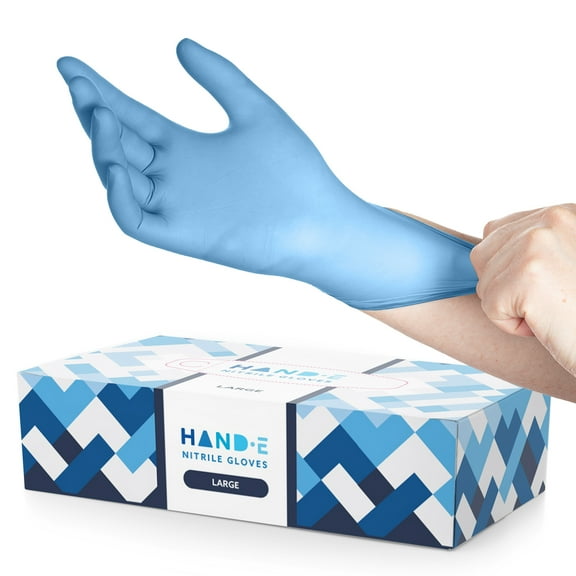
Disposable gloves help you handle food prep, cleaning, salon tasks, and exam routines with the right material, fit, and box count. You can compare nitrile, vinyl, latex, and synthetic options at Walmart, so your choice matches touch sensitivity, durability, and intended use.
If you stock up for home, workplace, or service needs, you’ll want guidance that goes beyond color and count. You can use this buying guide to compare material type, grade, powder content, thickness, and pack size before you choose.
How to choose disposable gloves by material
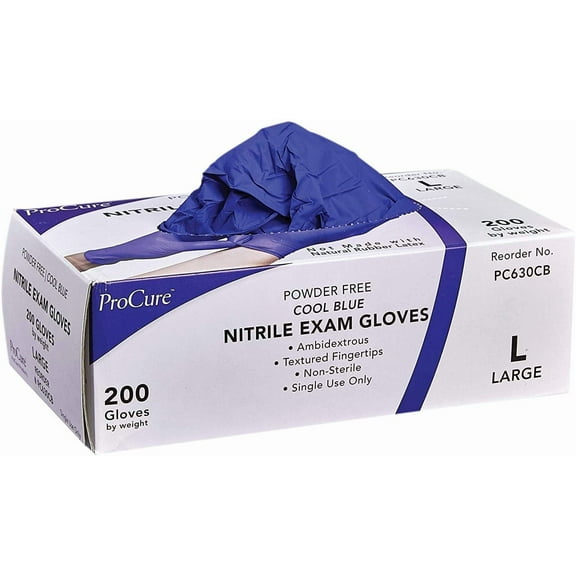
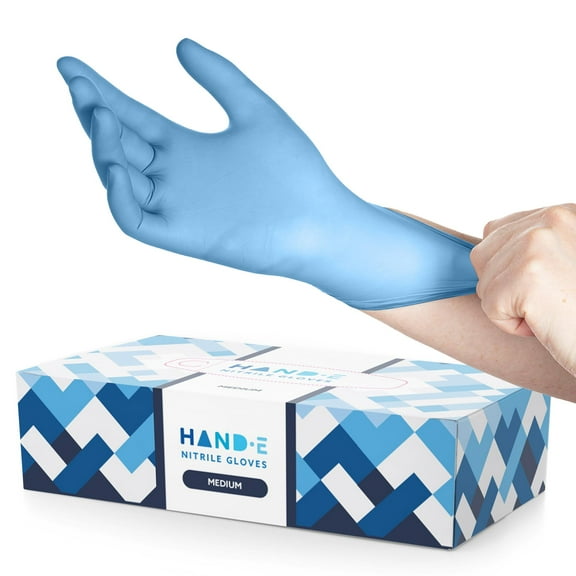
When you compare materials, you should start with how your gloves need to feel during repeated tasks. You’ll often notice nitrile disposable gloves offer a flexible feel with strong puncture resistance for busy setups.
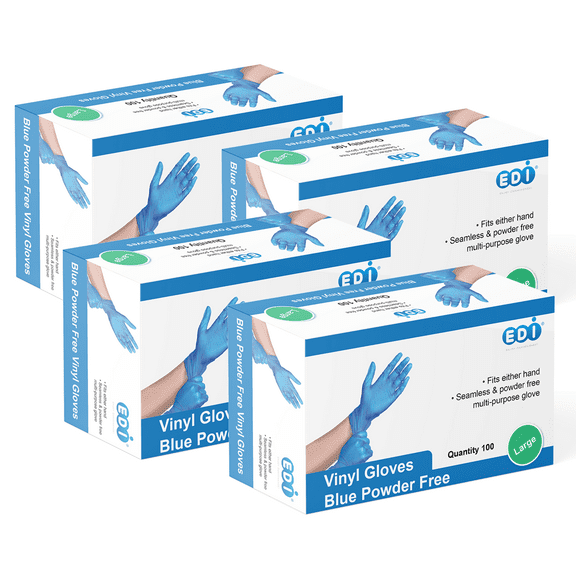
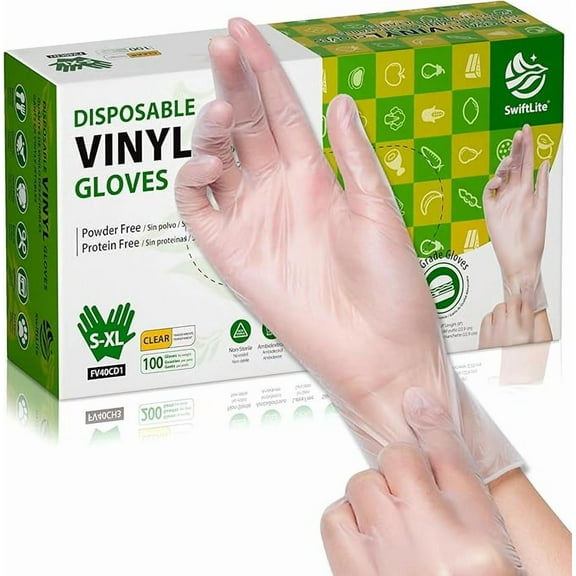
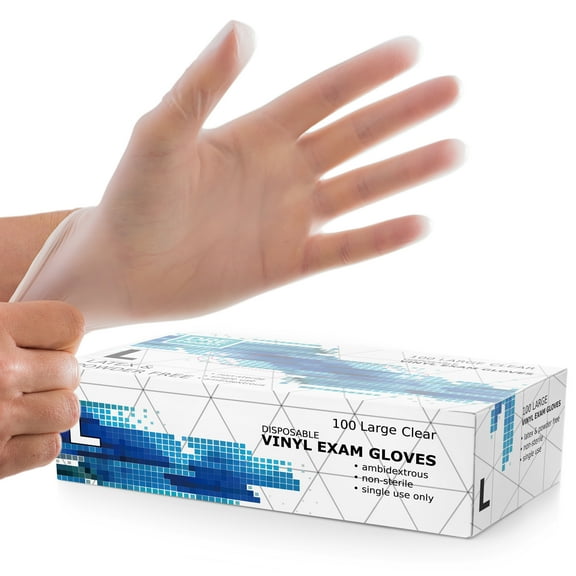
If you want a softer stretch, you may consider latex disposable gloves for close-fitting movement during detailed work. If you need a straightforward option for lighter jobs, you may prefer vinyl disposable gloves for short wear times.
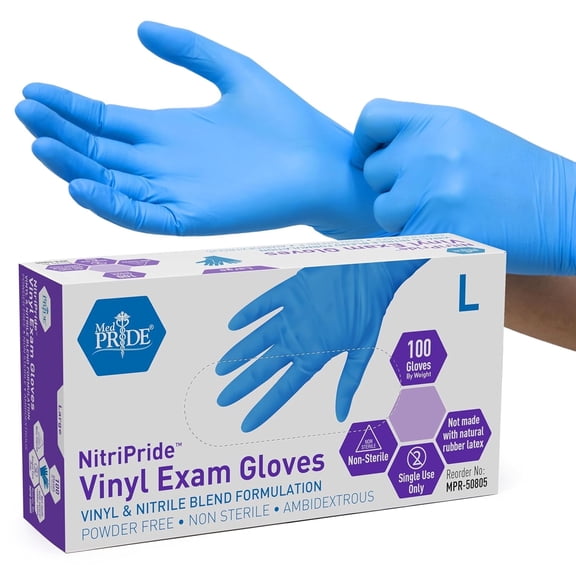
Synthetic gloves can also help you balance fit, comfort, and broad task use without locking into one classic material type. You should compare each material against your daily routine, because food prep, exam use, and janitorial work create different demands.
How to compare glove grades and task labels
You should check grade labels early, because they show whether your gloves align with the work in front of you. Exam grade gloves support tasks where you want consistent fit, cuff coverage, and dependable single-use handling.
If you work around meals, you should look for food safe gloves that match kitchen prep, serving, and ingredient handling. Industrial grade options can suit cleaning, maintenance, and shop tasks where you want coverage for surfaces, tools, and repeated changes.
- You should match exam grade gloves to exam and patient-facing routines.
- You should choose food safe gloves for prep tables, serving lines, and kitchen stations.
- You should consider industrial grade gloves for cleaning carts, supply rooms, and work benches.
- You should review package labeling when you want a close fit for precise tasks.
Because labels can vary, you should read package details before you choose a box of gloves for shared use. You’ll make a clearer decision when you align the grade with the task instead of choosing by color alone.
Choosing powder-free options, fit, and size
You might look for powder free disposable gloves when you want a clean feel during frequent glove changes. You may find powder-free options especially practical when you move between food prep, cleanup, and front-of-house tasks.
Fit matters just as much as material, because loose gloves can reduce control and oversized fingertips can slow precise handling. You should check the size chart and measure your hand width, so your gloves feel secure without feeling tight.
If your gloves fit correctly, you’ll usually notice smoother movement when you grip utensils, tools, or small items. You should also consider cuff length and wrist coverage, especially when your work includes repeated reach, lifting, or wiping.
Understanding thickness and durability in disposable gloves
Mil ratings help you compare durability, and you should think of them as a guide to thickness and task intensity. A three mil glove can feel lighter and more flexible, while a five mil glove can add structure for longer wear.
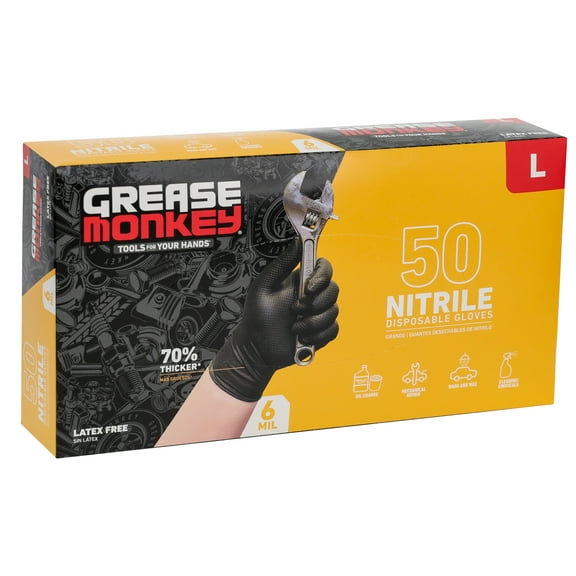
If you need more touch sensitivity, you may prefer three mil or four mil gloves for quick changes and detailed handling. If you want heavier coverage, you may look at five mil or eight mil heavy duty styles for tougher cleanup and shop use.
You should balance durability with dexterity, because thicker gloves can feel sturdier but may reduce fine fingertip feel. That tradeoff matters when you switch between food slicing, salon work, equipment wiping, or detailed exam tasks.
How pack size and use case work together
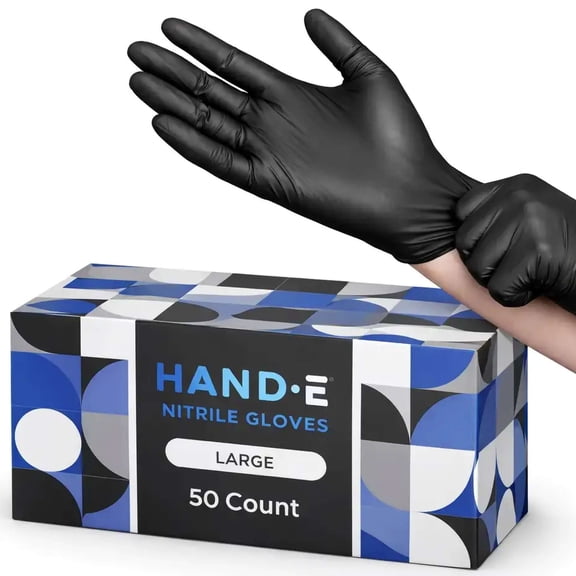
Pack size affects convenience, and you should choose counts that fit how often you change gloves during a shift or project. A 50-pack can work for occasional home use, while a box of gloves with 100 count suits steady weekly needs.
If you manage a busy kitchen, clinic, or cleaning team, you may want bulk case counts around 1000 gloves. You’ll reduce interruptions when you keep the right count on hand for stations that require frequent glove swaps.
Color coding can also help you organize tasks, especially when you separate food handling, cleaning, and front-counter duties. You should compare count, storage space, and refill frequency together, so your supply plan stays simple.
Using nitrile disposable gloves, vinyl disposable gloves, and latex disposable gloves
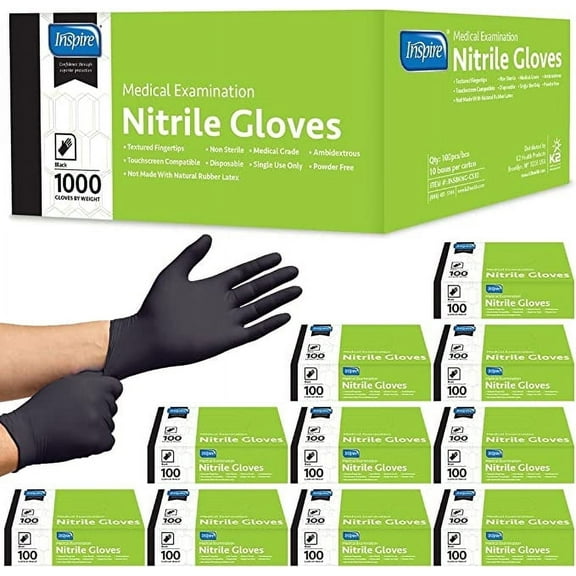
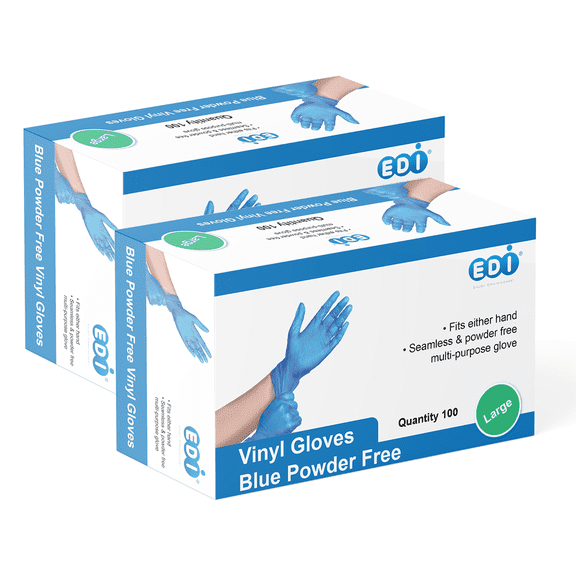
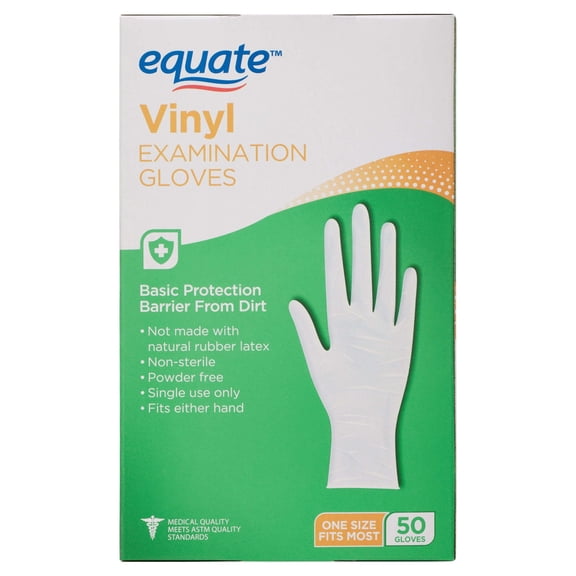
You can match nitrile disposable gloves to food prep lines, cleaning stations, and exam rooms when you want a balance of flexibility and durability. You may choose vinyl disposable gloves for short serving tasks, quick changes, or light-duty household jobs.
When close fit matters, you may reach for latex disposable gloves during detailed tasks that involve frequent hand movement. You should also compare powder content, cuff style, and thickness if your work changes throughout the day.
For shared home use, you might keep different materials ready for kitchen cleanup, hair coloring, pet messes, and garage projects. That mix helps you assign the right glove to each task, so your workflow feels cleaner, faster, and more organized.
When you compare disposable gloves by material, grade, thickness, fit, and pack size, you can choose with more confidence and less guesswork. You’ll end up with gloves that match your routine, feel right during use, and keep everyday tasks moving smoothly.