

Steam Cleaners in Vacuums, Steamers & Floor Care
























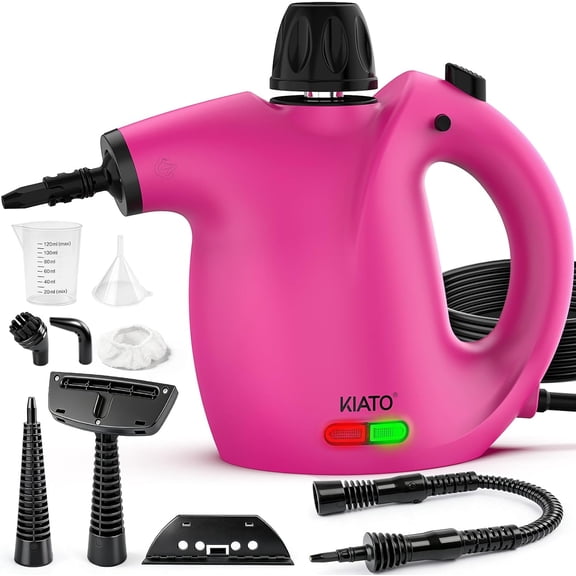
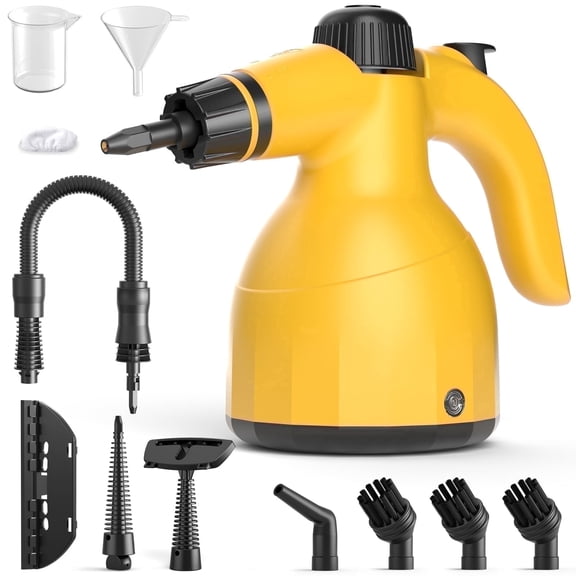

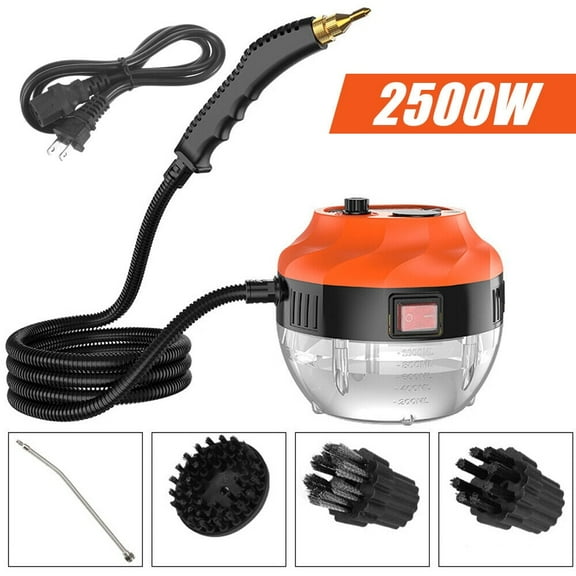




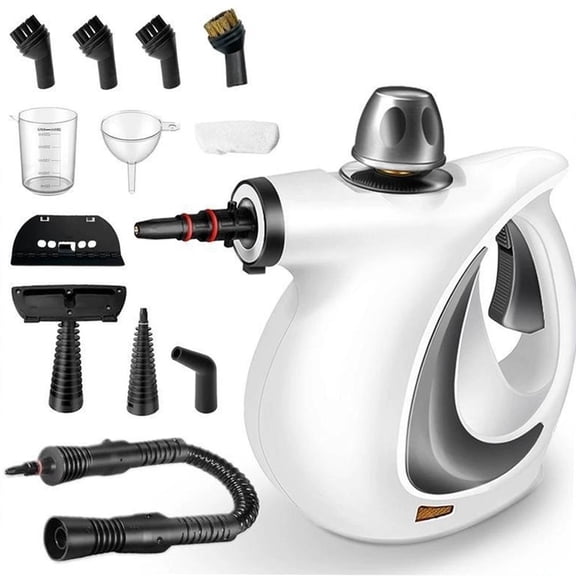
About Steam Cleaners in Vacuums, Steamers & Floor Care - Walmart.com
Futons give you flexible seating and sleeping in one piece, which helps you furnish a living room, guest room, or studio with less bulk. You can compare frame materials, sleeper sizes, and conversion styles that fit your layout and your daily routine.
Choosing the right futons for your space
When you choose futons, you should start with your floor plan and how often you expect overnight use. You’ll want enough room for the sofa position and the fully opened bed position.
A small space futon can help you keep walking paths open in apartments, dorms, and bonus rooms. You can look for compact arms, slimmer backs, and clean lines that feel less crowded.
Design style also shapes how your room comes together, especially when your sofa stays in view every day. You can compare modern, mid-century, contemporary, and traditional looks with your existing tables, rugs, and lighting.
- You can use one piece for everyday seating and overnight sleeping.
- You can match your room with modern, mid-century, contemporary, or traditional styling.
- You can choose layouts that work well in apartments, offices, and guest rooms.
- You can pick a convertible sofa bed or split-back design for different routines.
How to compare frame materials and sleeper sizes
Frame material changes the feel and look of your setup, so you should compare wood, metal, and upholstered bases carefully. A wooden futon frame can give your room warmer lines, while metal can feel lighter and more streamlined.
If you prefer a softer profile, you may lean toward upholstered frames that blend into lounge spaces. You should also check the listed weight limit in pounds, because that helps you compare everyday durability.
Sleeper size matters just as much as the frame, especially if you host guests often. You can choose twin options for tighter rooms, full size futon designs for flexible guest use, or queen styles for broader sleeping space.
Folded dimensions and opened dimensions should both fit your room before you decide. You can measure wall width, coffee table clearance, and nearby doors so your setup feels easy to use.
What to look for in a futon sofa bed mattress
A futon sofa bed should feel supportive when you sit and practical when you unfold it for sleep. You can compare mattress thickness, foam layers, and surface feel based on how often you’ll use the bed.
If comfort is a priority, you may look at a futon mattress with memory foam layers or mixed foam construction. A memory foam futon can give you a more cushioned feel during movie nights and overnight stays.
Some shoppers also compare coil count when they want a different feel under the cover. You should use that spec as a comfort clue, because it helps you judge structure and support.
Thickness can change seat height, back feel, and sleep comfort, so you should read dimensions closely. You can pair a thicker mattress with a guest room setup, while slimmer styles may suit tighter spaces.
Choosing the right conversion style
Conversion style affects how easily you move from daytime seating to nighttime sleeping. You can choose a convertible sofa bed if you want a straightforward fold-flat setup for regular use.
A split-back design lets you adjust each side separately, which helps when you share the seat for reading or watching TV. You can also compare adjustable arms if you want more lounging positions during the day.
If you switch modes often, you should look for a mechanism that feels simple and smooth in product details. You can check whether the back lowers easily and whether the seat moves without extra steps.
That practical difference matters when you turn a home office or den into a guest area. You’ll notice an easier conversion helps your room stay useful without adding another large bed frame.
Matching fabric and style to everyday use
Upholstery fabric shapes how your seating looks and feels in your room each day. You can compare linen, velvet, faux leather, and microfiber based on texture, appearance, and maintenance preferences.
Linen can give you an airy look, while velvet can add a richer surface in more formal rooms. Faux leather can create a cleaner profile, and microfiber can feel soft for casual spaces.
Your design style should work with your room rather than compete with it. You can pair mid-century lines with wood accents, or choose contemporary shapes that suit simple, open layouts.
If you want one piece to serve several jobs, you should balance style with daily function. You can focus on a small space futon that looks polished as a sofa and practical as a bed.
How futons fit real rooms and routines
You can use futons in a first apartment when you need a sofa for guests and a bed for occasional overnight stays. You can also place one in a home office to create a flexible sleep space.
In a teen room or media room, you may want a split-back style for lounging, gaming, or streaming. You can choose a full size futon when you want extra sleeping room without filling the whole floor.
If your room has a warmer, furniture-forward look, you may prefer a wooden futon frame with visible arms. If your room feels sleek and compact, you might lean toward metal or upholstered silhouettes.
For frequent guests, you should compare mattress thickness, foam type, and opened dimensions before choosing. You’ll get a setup that feels easier to live with when your room and your routine match the design.
You can feel more confident when you compare size, frame, mattress, and conversion details together instead of focusing on looks alone. Your final pick can give you everyday seating, guest-ready sleep space, and a cleaner room layout.