


Find auto parts that fit
Let’s search for parts that fit your vehicle.UTV Sprayers in UTV Implements and Attachments

















About UTV Sprayers in UTV Implements and Attachments - Walmart.com
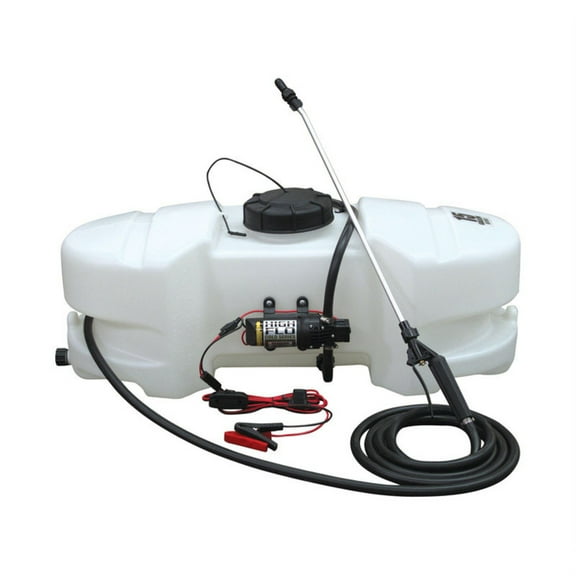
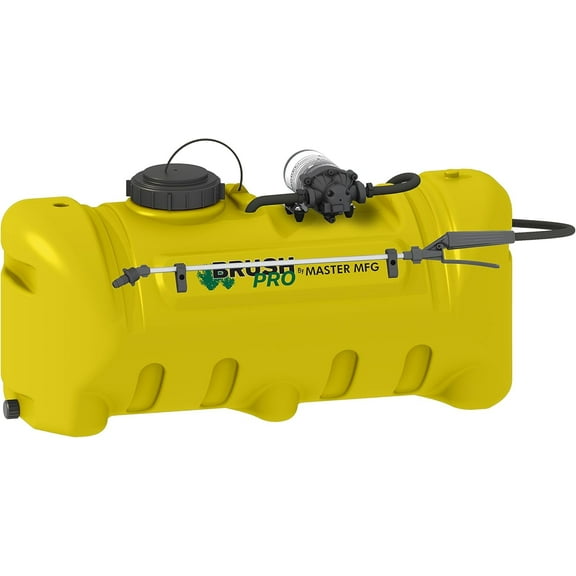
Your yard guard 25 gallon sprayer search points to a practical size for property work, because you get useful coverage without the bulk of larger tanks. You'll find this category helps you compare capacity, sprayer type, vehicle fit, and power choices for repeated lawn and field tasks.
When your route includes fence lines, food plots, trails, or large yards, you'll want a mounted setup that matches your machine. You'll make a cleaner choice when you compare 25 gallon, 15 gallon, and 40 gallon options by weight, reach, and refill rhythm.
How to choose a yard guard 25 gallon sprayer
Capacity comes first, because your tank size affects payload, refill stops, and how your cargo bed handles a full load. You'll often see 25 gallon models land in the middle for coverage and maneuverability.
As you compare 15 gallon, 25 gal, and 40 gallon tanks, you'll want to match each size to your route length. You'll usually keep lighter jobs on 15 gallon setups and longer passes on 25 gallon options.
Full-tank weight also matters when your machine carries tools, seed, or other gear on the same trip. You'll avoid fit issues when your payload rating and bed dimensions match the filled sprayer.
- You can reduce refill interruptions with a 25 gallon lawn sprayer on medium-size properties.
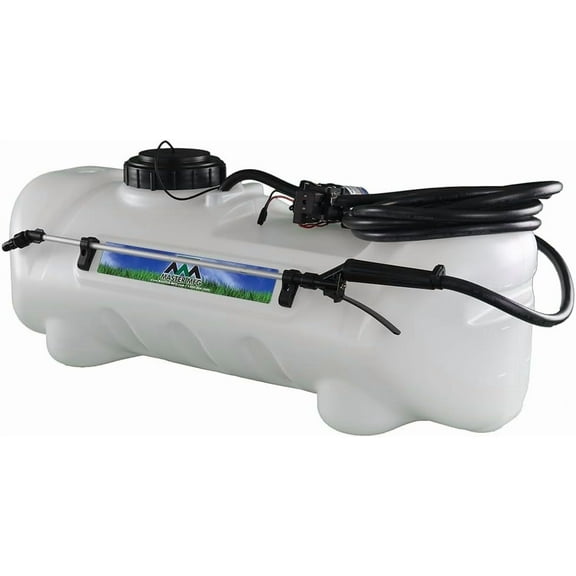
- You can target weeds, fence rows, and trail edges with a utv spot sprayer setup.
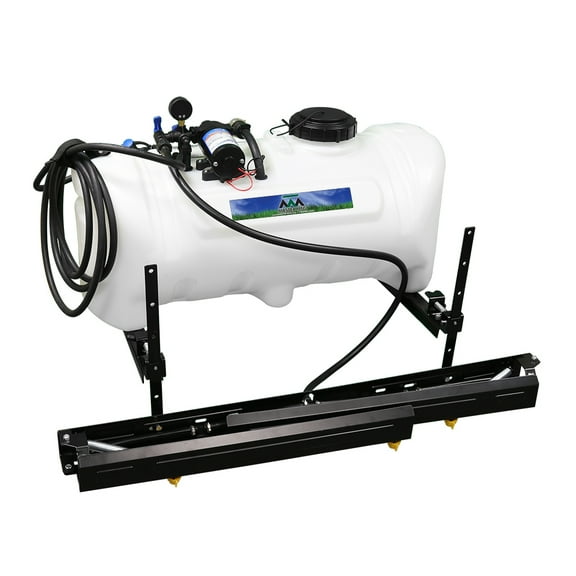
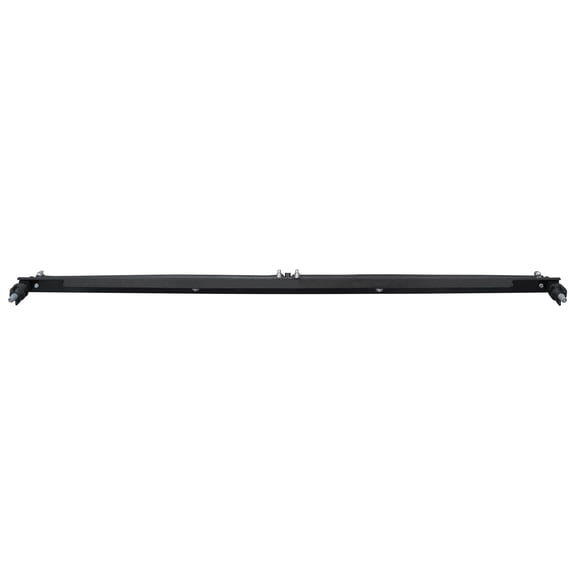
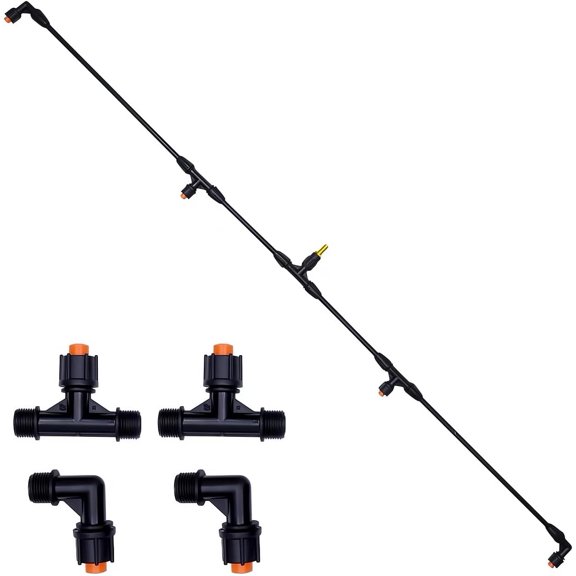
- You can cover broader sections when your application calls for boom or boomless spraying.
- You can match tank size and power source to your vehicle's bed space and wiring.
Choosing the right 25 gallon lawn sprayer features
Flow rate helps you understand how fast your system moves liquid, and you'll usually compare it with tank size. You'll get a clearer picture when GPM supports the pace and coverage you expect.
If your work centers on gates, trees, and patch spraying, you'll often want controlled output and a moderate tank. If your route covers long edges, you'll appreciate fewer refill breaks from a 25 gallon lawn sprayer.
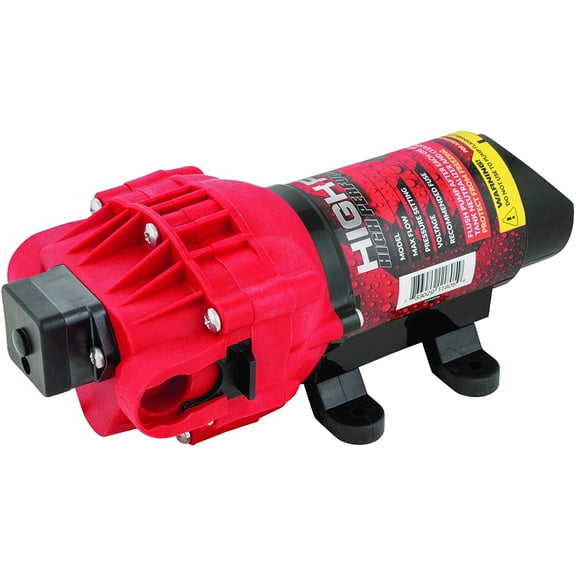
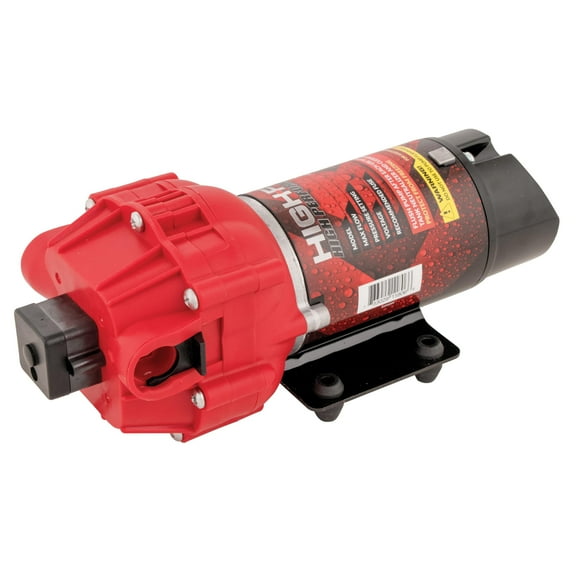
Check whether your unit uses a 12V battery connection or a gas engine before you finalize your choice. You'll want to confirm amp draw, cable reach, and hookup style when your machine powers the pump.
Gas-powered setups can make sense when you want power separate from your vehicle battery during long runs. You'll weigh that option against engine upkeep, fuel storage, and the extra space on your rig.
Pump materials and seal compatibility deserve close attention when your spraying plan includes herbicides, pesticides, or mixed property work. You'll choose with more confidence when listed components support the liquids you plan to use.
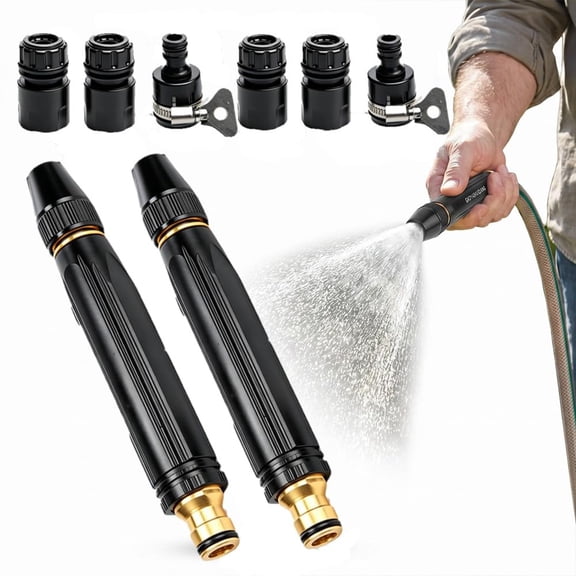
Look for strainers, shut-off controls, hose reach, and wand storage as you compare different layouts. You'll notice these details matter when your route includes driveway edges, pasture borders, and uneven ground.
Choosing between spot, boom, and boomless coverage
Sprayer type changes how precisely or widely you can apply each pass across your property. You'll usually choose a spot sprayer for targeted work and a boom sprayer for more even swaths.
When your path winds around posts, culverts, or tree lines, you'll get more control from a utv spot sprayer. When your route opens into broad grassy sections, you'll keep steadier coverage with a boom setup.
Boomless designs can help when you want wider coverage without a full bar extending behind your machine. You'll often find that style useful on rough trails where clearance and turning room matter.
Coverage style also affects how much acreage you can handle in one outing before refilling. You'll balance precision against reach so your passes fit the shape of your land.
Checking vehicle compatibility and real property uses
Measure your cargo area before choosing weed sprayers for utv setups, because tank footprint and frame shape can vary. You'll also want to check hose length and tie-down points for a cleaner installation.
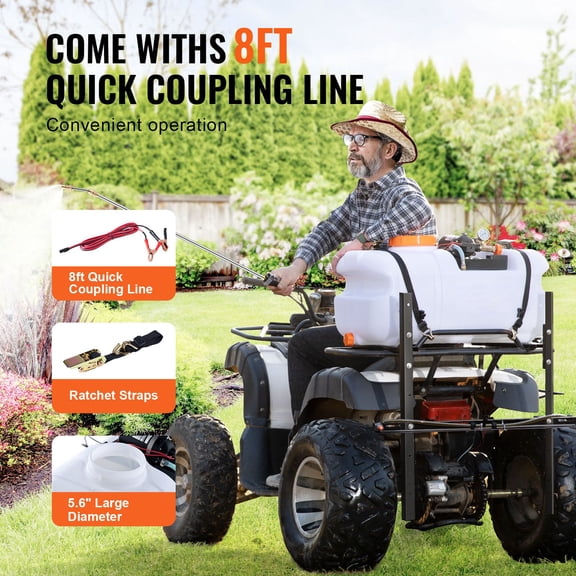
If your machine is a UTV, you'll usually want a bed-friendly layout with simple wiring and secure mounting points. If your machine is an ATV or tractor, you'll compare rack space, hitch options, and overall balance.
Many shoppers use these sprayers for fence lines, orchard rows, food plots, and long gravel drives with grassy edges. You'll get more useful performance when your capacity, spray pattern, and power source fit those repeated tasks.
For medium acreage, a yard guard 25 gallon sprayer often gives you a steady middle ground between refill frequency and machine handling. You'll keep your route efficient without moving into the heavier footprint of a 40 gallon tank.
On smaller properties, a 15 gallon tank may suit lighter maintenance and shorter passes around buildings or gardens. On larger acreage, you'll consider 40 gallon options only when your vehicle supports the added load.
Once your capacity, coverage type, voltage needs, and compatibility line up, you'll have a setup that fits real yard and field routines. You'll finish recurring property work with fewer interruptions and steadier application control.