

Coolers with Spout & Spigots - Water Beverage Coolers
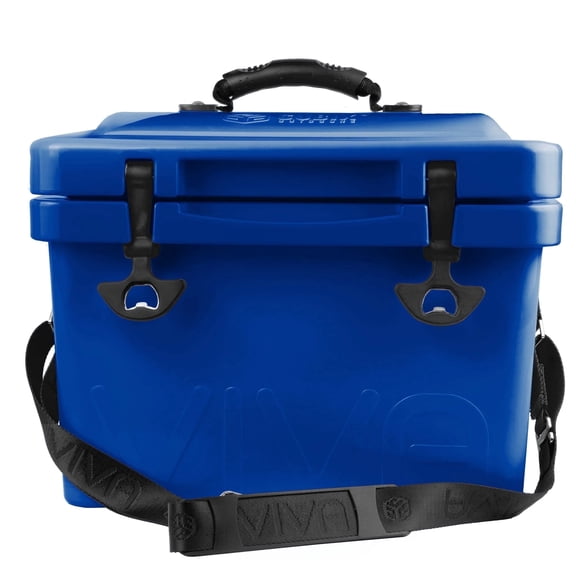
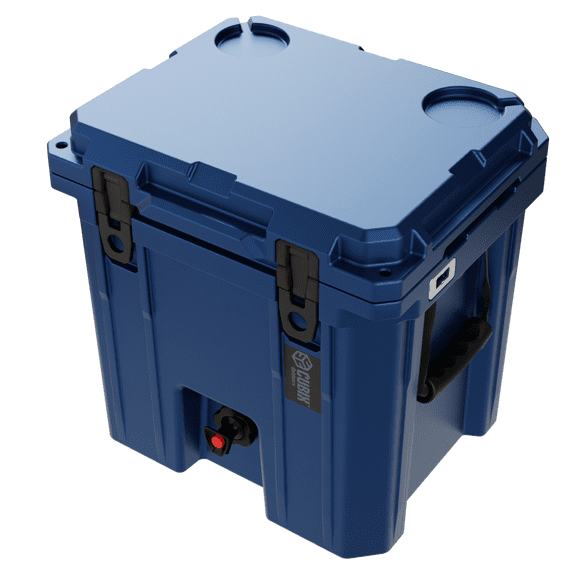


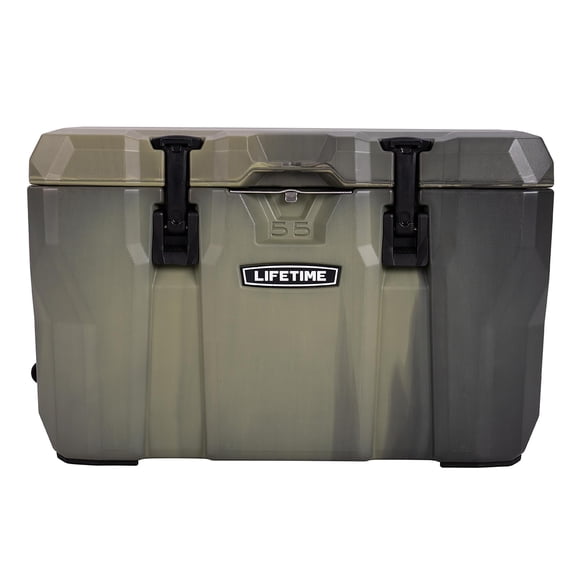


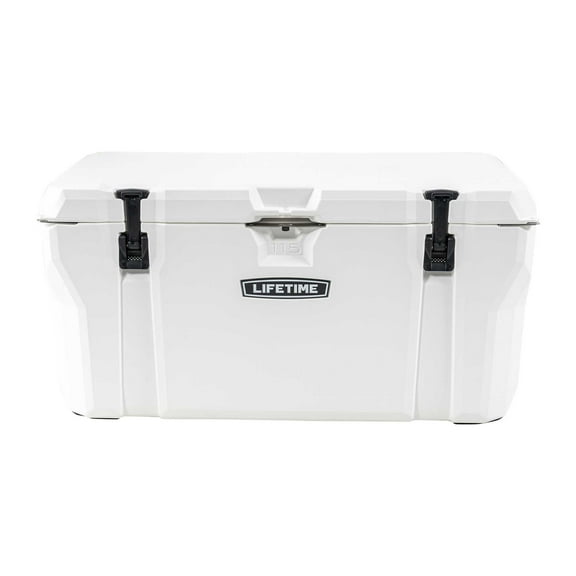











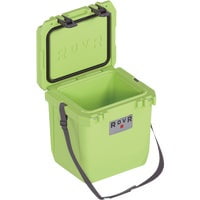
About Coolers with Spout & Spigots - Water Beverage Coolers - Walmart.com
You can choose a cooler with spout more confidently when you compare capacity, flow control, and insulation together. You may be planning cleaner pouring and steadier drink access during long outdoor hours.
You can see this category differs from a basic ice chest because your drinks dispense through a tap, spigot, or nozzle. You can serve campsites, sidelines, jobsites, and backyard gatherings without tipping a heavy container.
How to choose a cooler with spout
You should start with capacity because your group size affects refill frequency and carrying weight. You can use personal size options for solo outings, while your 3 gallon cooler with spout suits smaller groups.
You may want 5 gallon or 10 gallon sizes when your team, crew, or guests need steady access all day. You can reduce refill trips, and your serving station can stay organized during active events.
You should compare how your spout works before you pick a model. You can find push-button spigots, fast-flow taps, pull nozzles, and screw-on pour spouts across this category.
- You can use a push-button spigot when your guests need quick cups with one-hand operation.
- You may prefer a fast-flow tap when your team fills larger bottles between games or shifts.
- You can choose a pull nozzle when your setup needs simple control and easier cleaning access.
- You might like a screw-on pour spout when your priority is controlled pouring from a compact container.
You should also compare insulation because your drink temperature affects every refill and every pour. You can choose single-wall builds for short outings, while your foam-insulated options fit longer events.
Choosing cooler with spout features that fit your routine
You can match your container size to your event instead of only checking shelf dimensions. You may carry a personal size or 3 gallon model more easily, and your storage footprint can stay smaller.
You should consider 5 gallon and 10 gallon coolers when your sports event or jobsite lasts for hours. You can keep drinks available longer, and your group can avoid constant water and ice refills.
You can compare a cooler with nozzle, cooler with tap, or cooler with spigot by thinking about flow rate. You should look for a spout style that matches how quickly your group fills cups or bottles.
You may prefer a fast-flow tap when your line moves quickly between drills, breaks, or shifts. You can choose a push-button spigot when your setup needs simpler cup filling with steady control.
You should check insulation level next because your ice retention shapes the whole experience. You can see single-wall, double-wall vacuum, foam-insulated, and heavy-duty builds in this category.
You may use single-wall designs for shorter outings where you serve your drinks quickly. You can choose an insulated water cooler with tap when your cooler sits outside for extended stretches.
You should examine materials because your cooler may ride in a vehicle, sit on gravel, or move between storage areas. You can often choose heavy-duty plastic, stainless steel, or BPA-free construction options.
You may pick heavy-duty plastic when your priority is lighter carry weight for everyday outdoor use. You can select stainless steel when your setup needs a durable exterior and a polished serving look.
Comparing spout cooler use cases
You can match personal size or 3 gallon options to short hikes, park visits, and small family outings. You may get a manageable container that pours neatly without taking over your trunk space.
You may use a 5 gallon water cooler with spout at youth sports, practice fields, or community events. You can keep enough drinks ready for repeated cups while your setup stays easier to move.
You should consider 10 gallon sizes for jobsite hydration or all-day tournaments with larger groups. You can reduce refill interruptions, and your crew can access drinks from one central station.
You can pair a fast-flow tap with bottle filling during sports breaks and team huddles. You may prefer a push-button spigot when your guests mostly fill small cups at parties or cookouts.
You should look for stronger insulation for camping trips where your cooler stays outside for long periods. You can use a cooler with pour spout and foam insulation when your overnight ice retention matters.
You may lean toward rugged plastic or stainless steel when your cooler moves from truck to field to storage. You can benefit from materials that fit repeated transport and frequent outdoor handling.
You can also check whether your handles and lid shape fit the way you carry and refill the container. You may appreciate sturdy side handles and wide openings when your cooler gets heavier.
You can make a smarter pick when you compare event size, pour style, insulation, and portability together. You can end up with a beverage cooler with spout that pours cleanly and supports smoother group serving.