

Living Room Sets Sofas and Couches for Sale Online









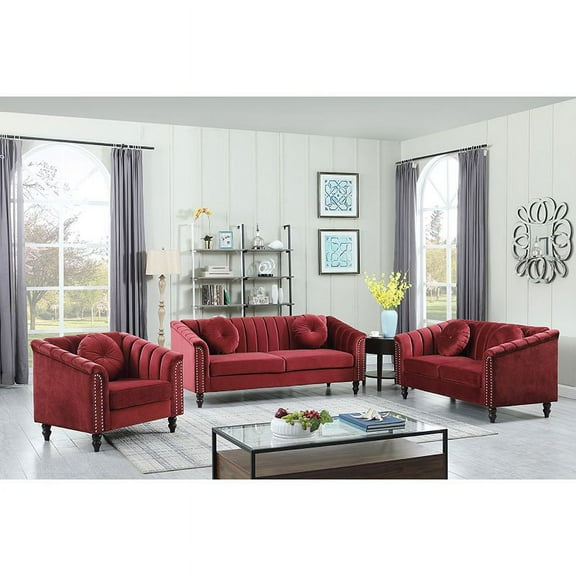


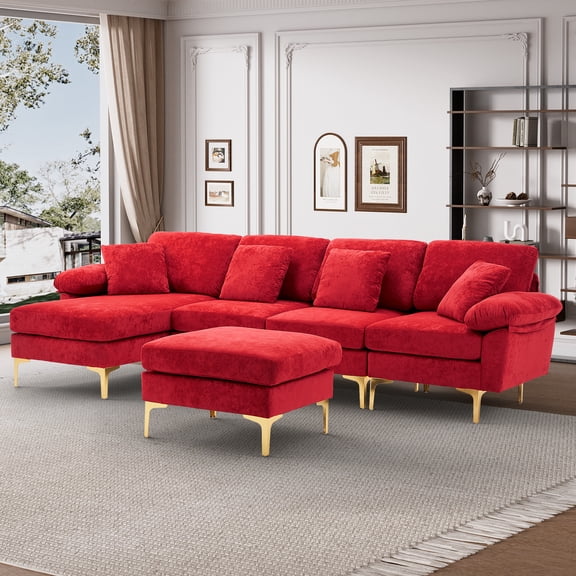


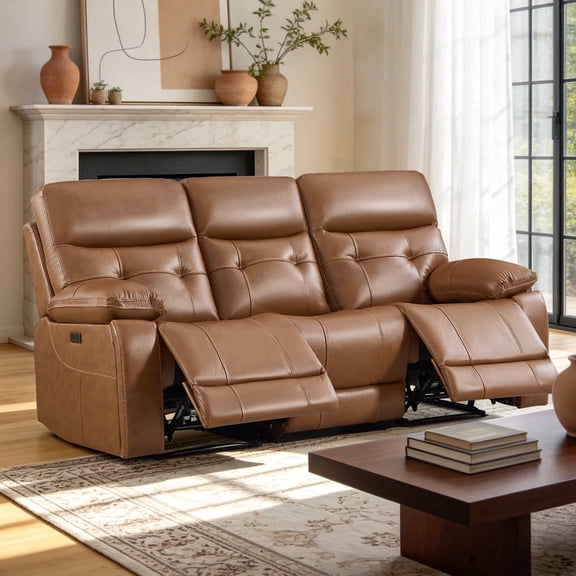


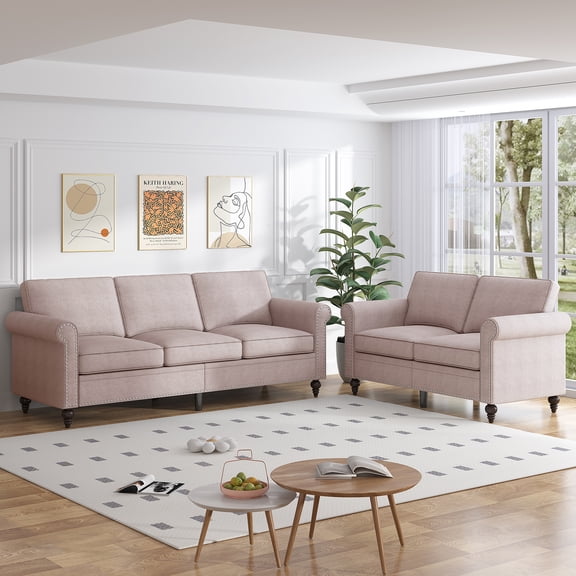


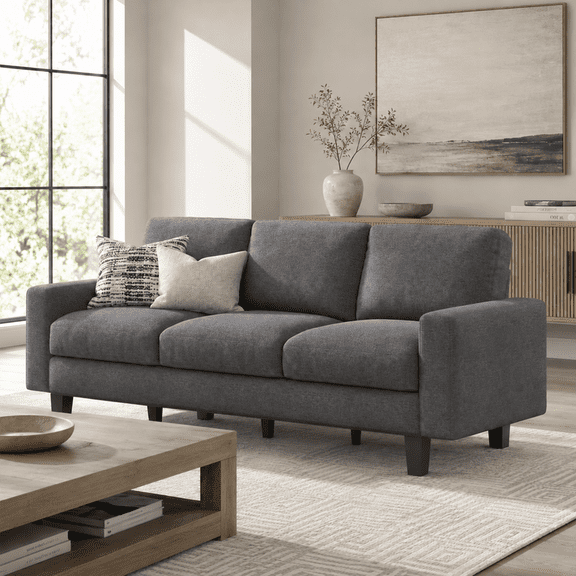


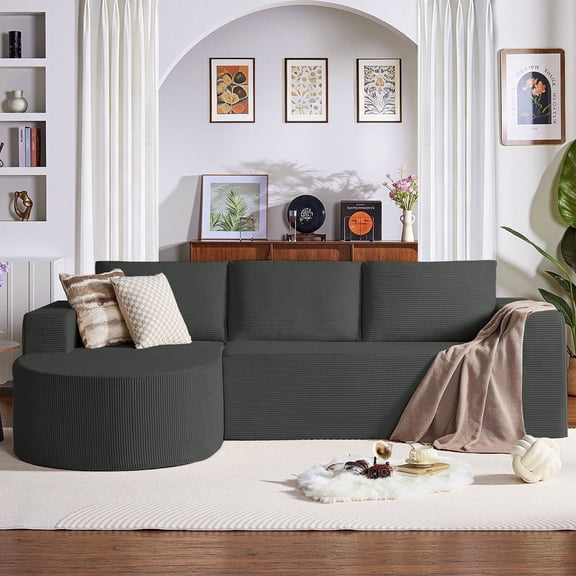


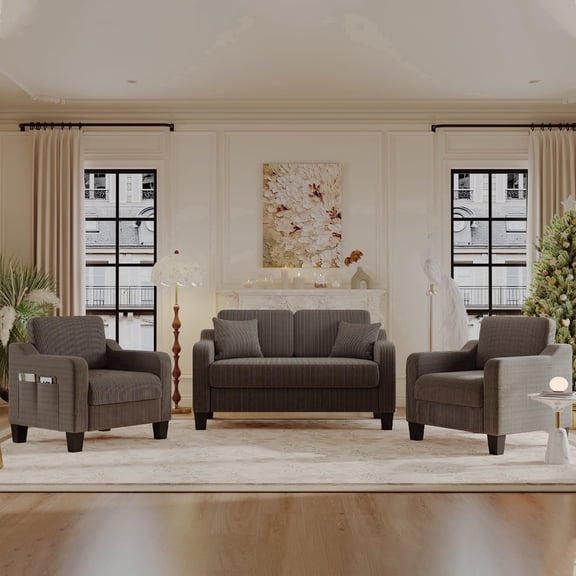
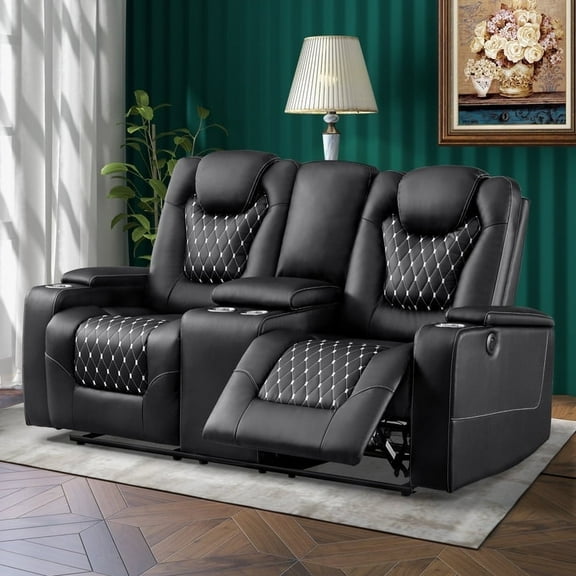


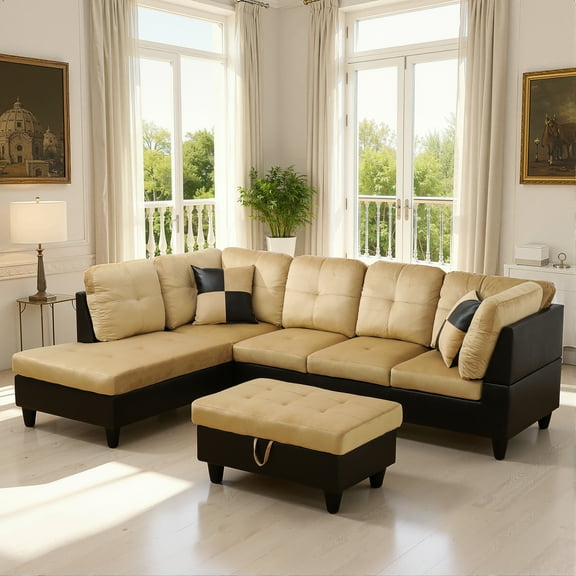


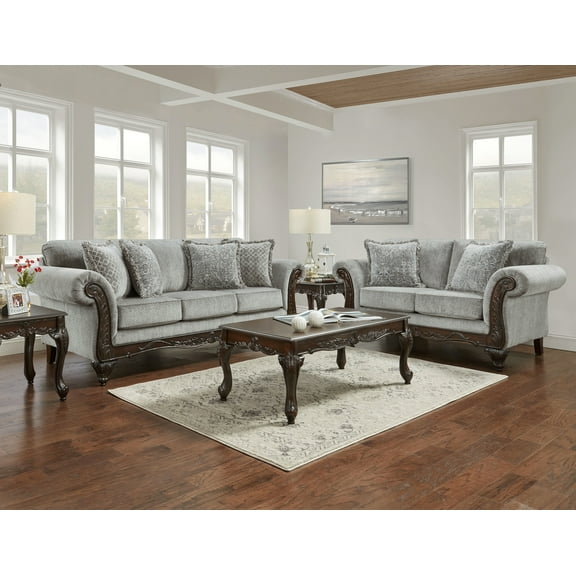


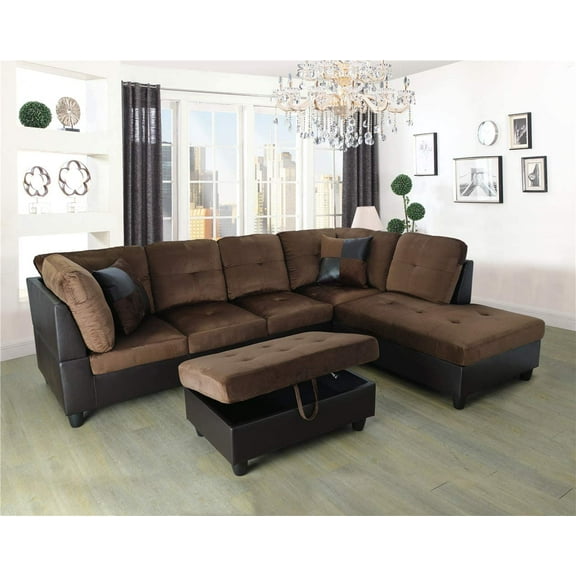


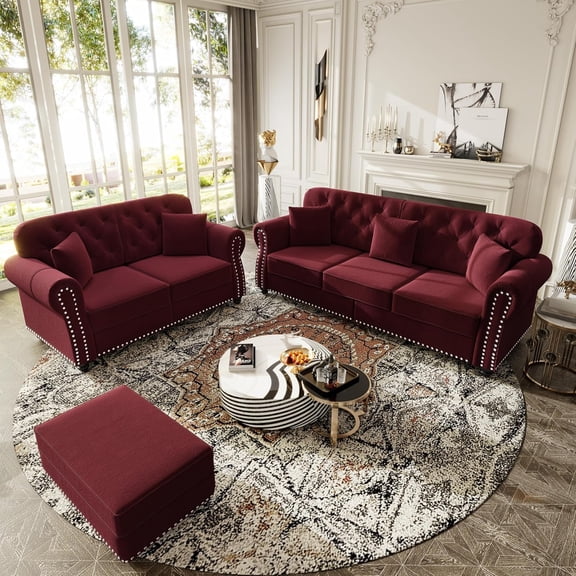


About Living Room Sets Sofas and Couches for Sale Online - Walmart.com
You can compare living room sets easily when matching pieces, room scale, and style all matter in one purchase. You’ll find coordinated seating that helps your space look pulled together without guessing which sofa, loveseat, or chair works together.
How to choose living room sets for your space
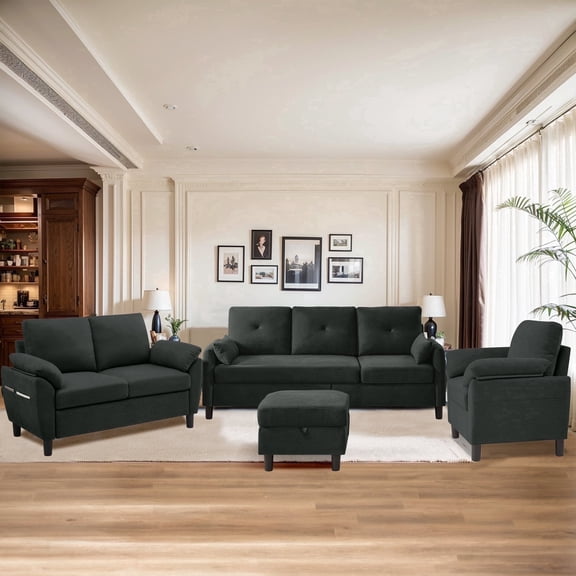
Start with set configuration, because your layout decides how many pieces fit comfortably. You may prefer a two-piece arrangement for simple seating or a 3 piece living room set for added flexibility.
Measure your wall length, walkway space, and coffee table area before you compare options. You’ll also want to check doorway clearance, stair turns, and elevator space for smoother delivery.
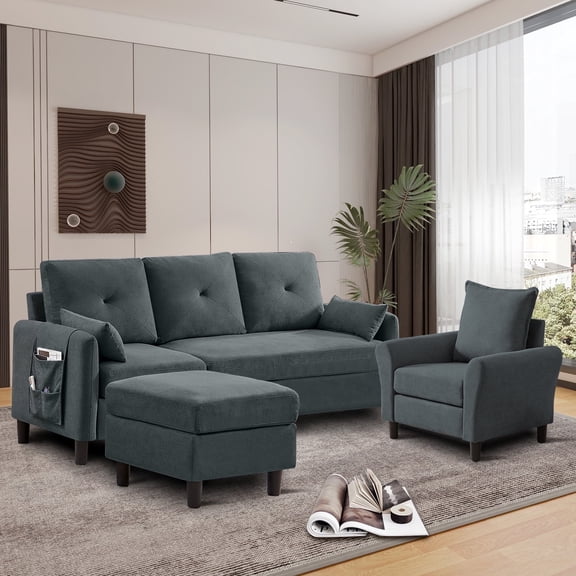
Small homes often benefit from small living room sets with apartment-size proportions and slimmer arms. Larger rooms can handle deeper seats, wider frames, and extra pieces that anchor open floor plans.
Key differences in living room furniture sets
When you compare living room furniture sets, look at what each collection includes and how each piece supports your routine. You may see sofa and loveseat sets, sofa-chair combinations, or four-piece layouts with matching tables.
- You can create a coordinated look efficiently because finishes, cushions, and silhouettes work together naturally.
- You can plan seating clearly when each set lists its piece count and room-friendly scale.
- You can match your décor with fewer styling decisions when colors and shapes already complement each other.
- You can choose layouts for guests, movie nights, or everyday lounging by comparing two-piece, three-piece, and four-piece collections.
Matching sets also help you balance visual weight across the room. You’ll notice that paired arm shapes, seat heights, and leg finishes create a clean layout.
If you’re furnishing a first apartment or refreshing one room, a set can simplify the process. You get a consistent look without mixing unrelated pieces from different collections.
Choosing configuration, material, and color
Configuration is your first major decision, because each piece changes traffic flow and seating capacity. You may choose sofa and loveseat sets when you want a familiar setup that leaves space for side tables.
A two-piece set usually suits tighter layouts and apartment living. A three-piece or four-piece setup gives you more seating zones when you entertain often or fill a larger room.
Material is another practical choice, especially when your household habits shape daily use. You can compare fabric, leather, velvet, and faux leather based on texture, upkeep, and the look you want.
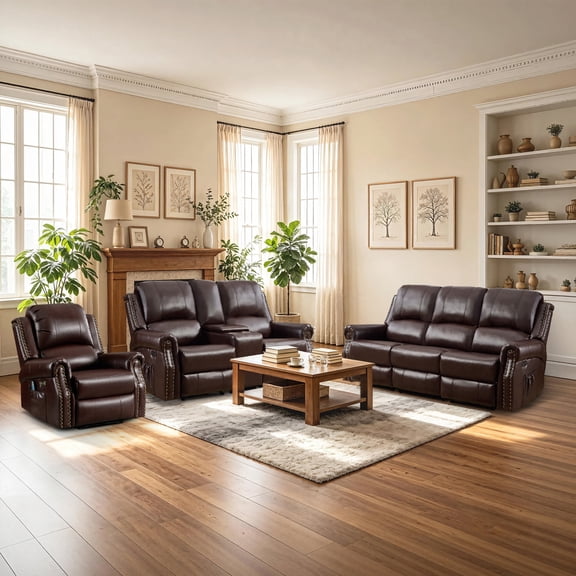
Fabric can feel relaxed and versatile across casual spaces and family rooms. Leather can give your room a tailored look, while faux leather offers a similar visual direction with easy-wipe surfaces.
Velvet adds a dressier finish and stronger color depth in formal or styled spaces. You’ll want to compare cushion firmness, seat depth, and arm width along with upholstery type.
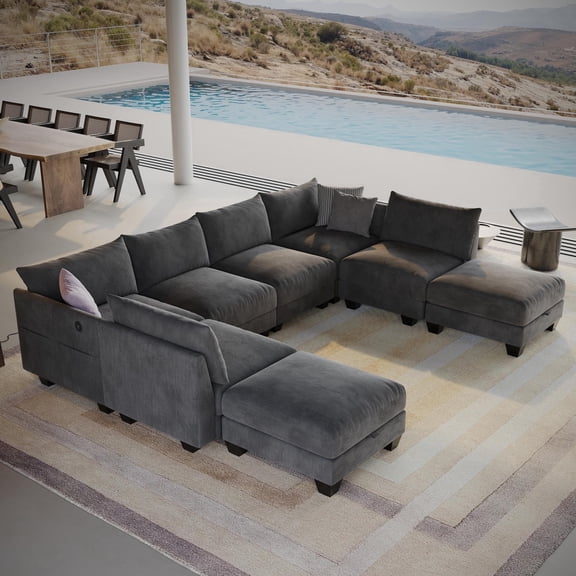
Color helps your set blend with flooring, wall paint, and existing accent pieces. You can choose grey living room sets for a neutral base, or black, beige, blue, and brown for different moods.
Grey and beige can pair easily with changing rugs, pillows, and wall art over time. Blue can add contrast, while brown and black often support warmer woods and metal accents.
How style choices shape your room
Style affects how your room feels before anyone even sits down. You can compare modern living room sets, contemporary silhouettes, traditional details, rustic textures, and mid-century modern lines.
Modern living room sets often feature clean arms, simple profiles, and a lighter visual footprint. Contemporary options can mix current shapes with softer edges that feel easy to layer.
Traditional sets usually include rolled arms, tufted details, or richer wood accents. Rustic looks may bring textured upholstery and sturdy frames that pair well with natural finishes.
Mid-century modern shapes often use tapered legs, streamlined cushions, and lower profiles. You may prefer these lines when you want your room to feel open and visually lighter.
Consider your coffee table, media stand, and rug before finalizing a style direction. You’ll create a cohesive room when your set echoes the lines and finishes already present.
What to look for in delivery and setup
Delivery details matter because large furniture needs a clear path into your home. You should compare overall dimensions, packed dimensions, and assembly notes before choosing a collection.
Check whether removable legs, modular sections, or knock-down backs help with tighter entries. You’ll avoid layout surprises when you measure hallways, doors, and the final room placement first.
Some sets work well for quick room refreshes with straightforward assembly and matching pieces. Others suit long-term layouts where you want larger seating, deeper cushions, and more defined placement.
If you’re furnishing a condo, apartment-size seating can help you keep walkways open. If you’re styling a family room, extra pieces can create conversation areas that feel intentional.
You can also coordinate your set with accent chairs, coffee tables, and area rugs for a finished look. That planning helps your room feel balanced, especially when your seating set becomes the visual center.
When you compare living room sets by configuration, scale, material, and style, you make a clear decision for your home. You’ll end up with coordinated seating that fits your layout, supports your routine, and completes the room with less guesswork.