


Smith Machines in Home Gym Equipment















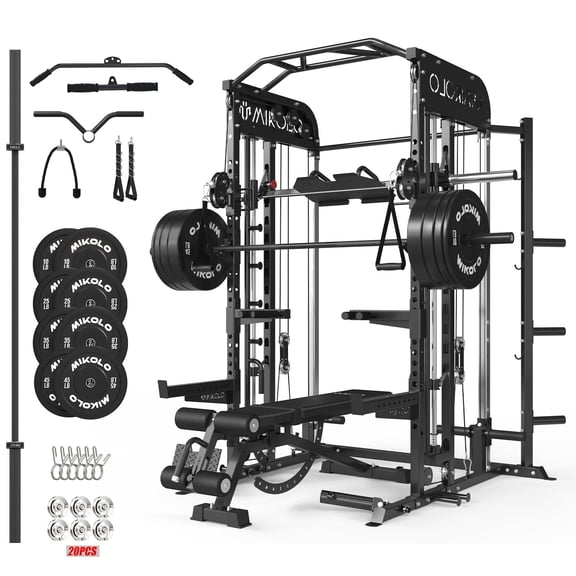


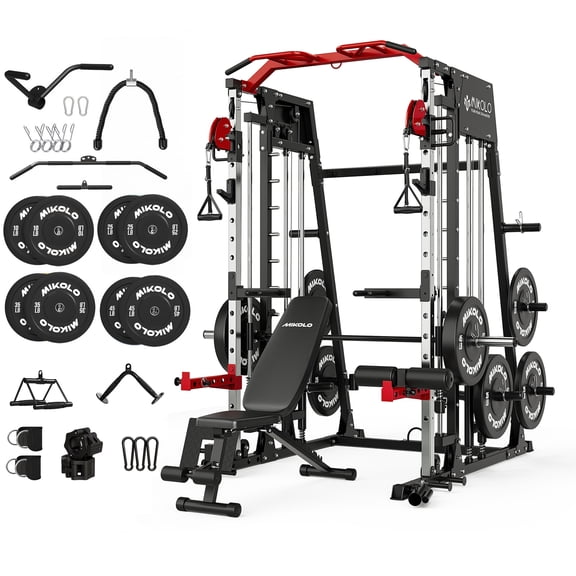


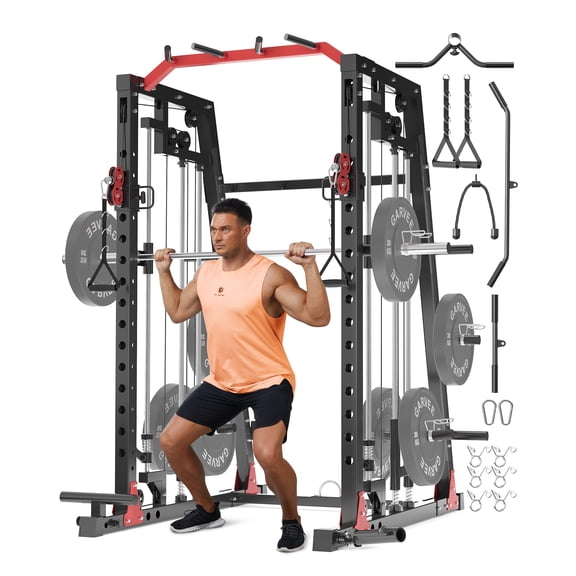


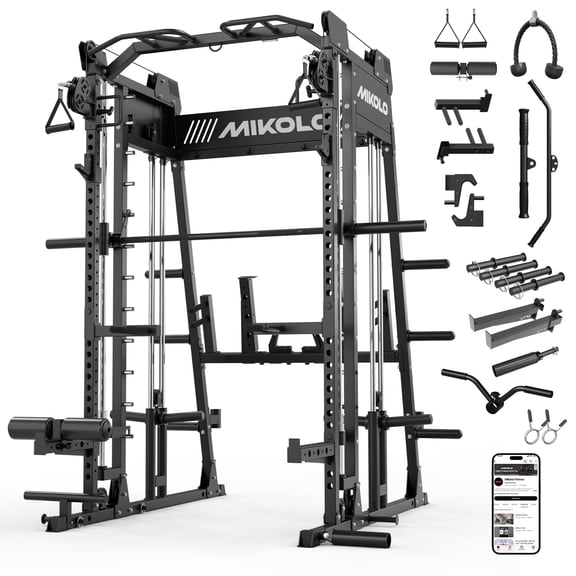

























About Smith Machines in Home Gym Equipment - Walmart.com
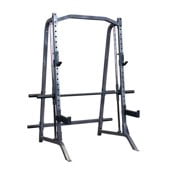
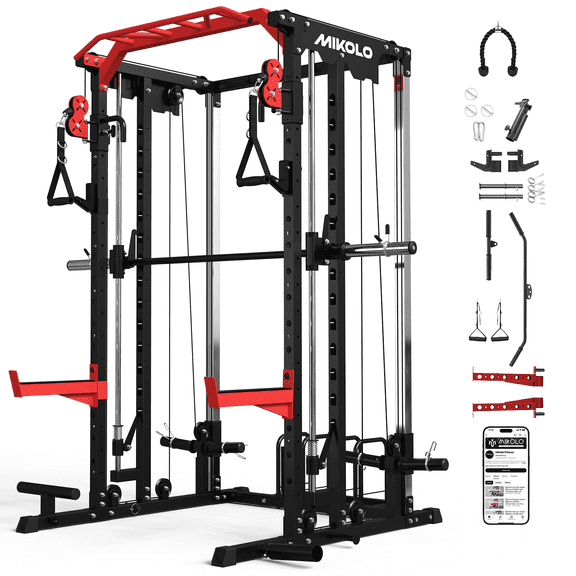
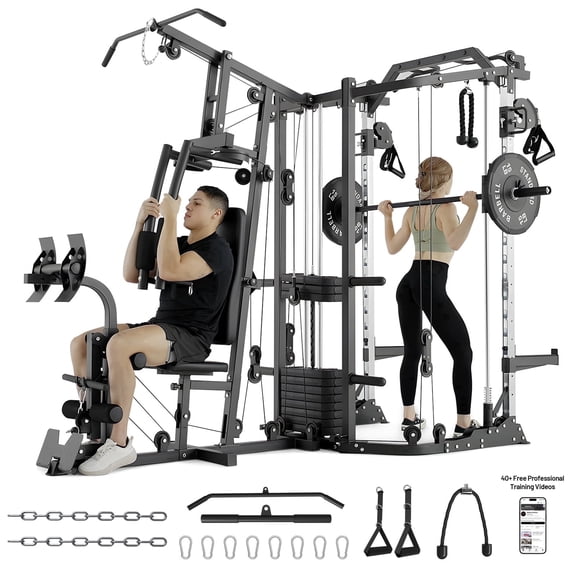
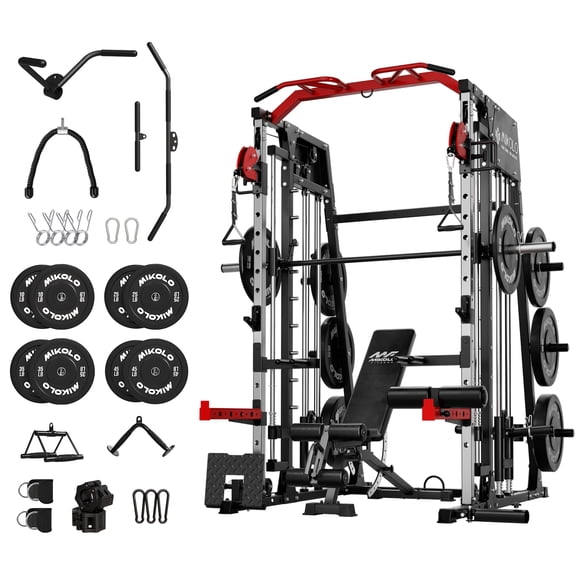
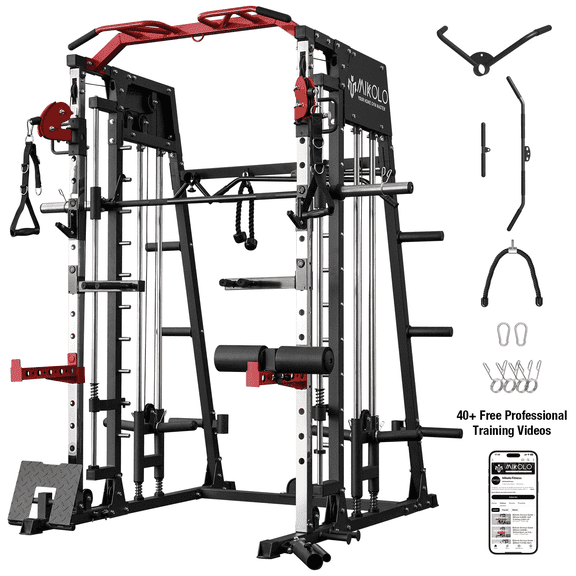
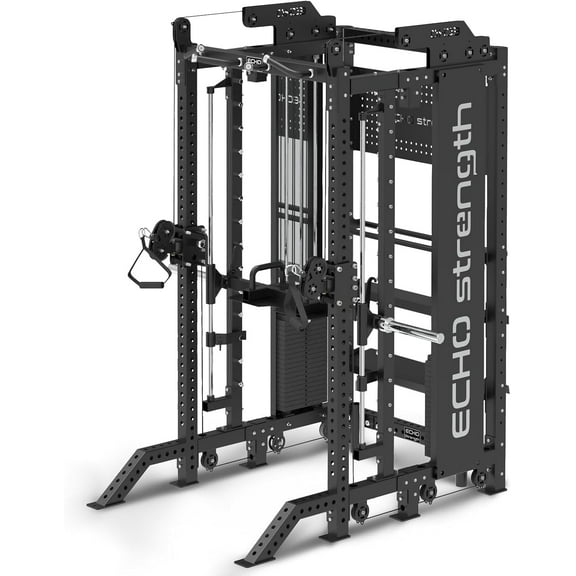
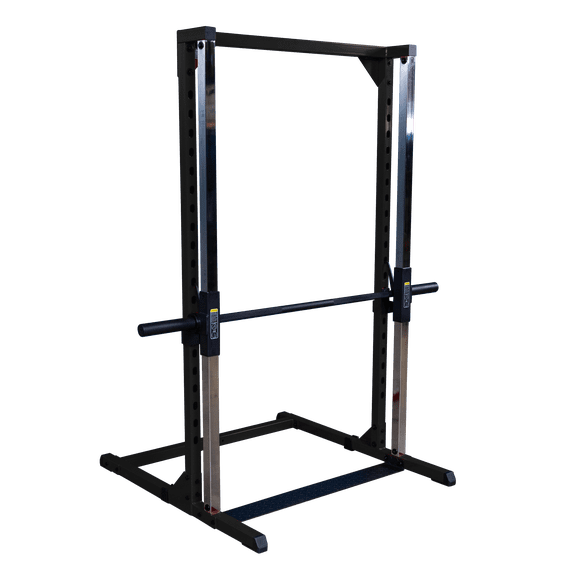
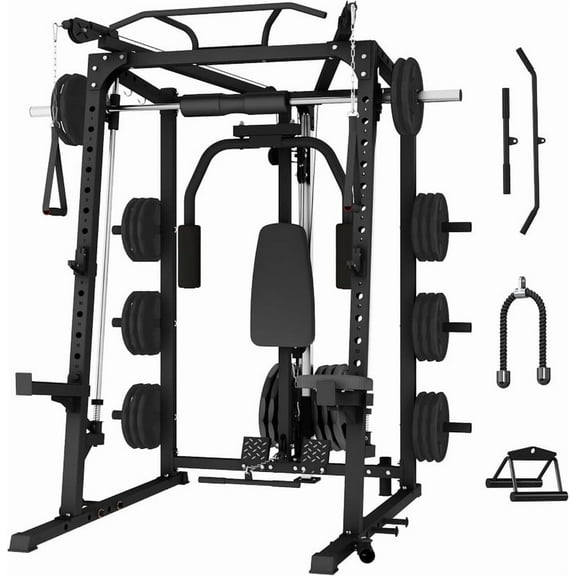
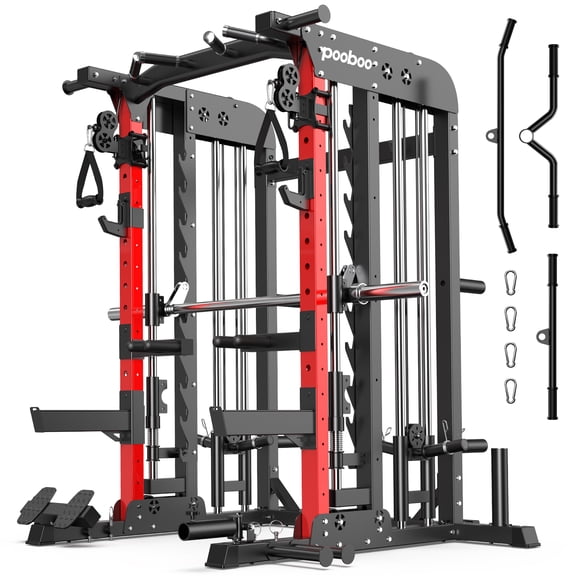
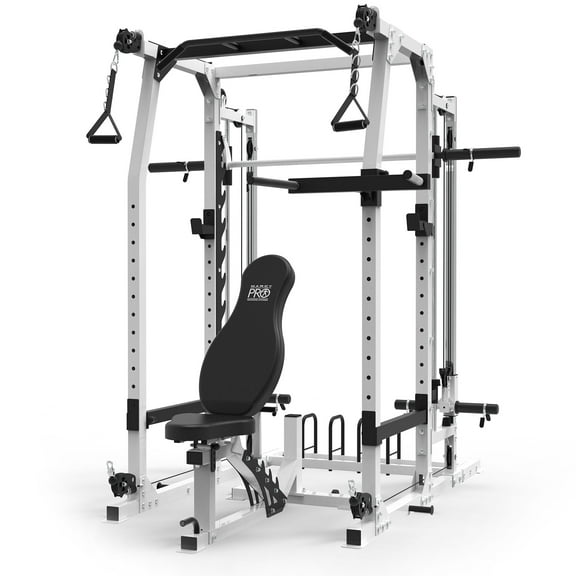
Smith machines give you a guided strength setup that fits serious home training. You can compare safety systems, pulley options, and footprint details before choosing your setup.
If you're building a smith machine home gym, you'll want clear buying guidance first. You can narrow your options faster when you compare bar type, plate fit, and ceiling clearance.
Choosing the right smith machines for your space
Start with the machine's full height, depth, and width before anything else. You need enough ceiling room for the frame, pull up bar, and your overhead movement.
Look for extra clearance around the sides and front of your smith machine cage. You should leave room for loading plates, moving a bench, and stepping into squats safely.
Your training style should guide your footprint choice. If you want presses, rows, and pulldowns in one station, you'll likely need a deeper frame.
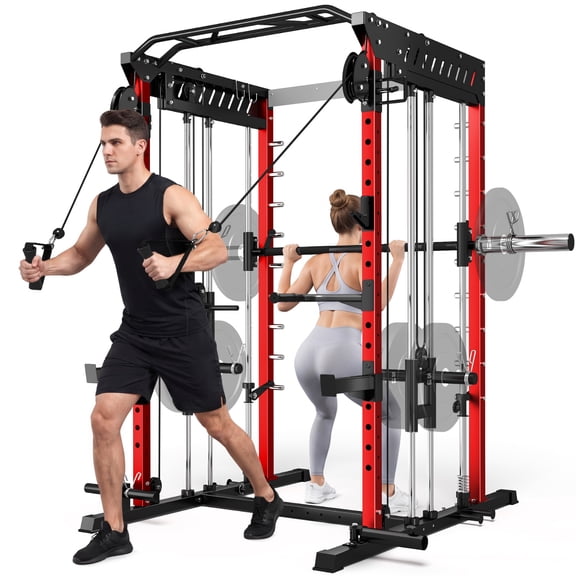
- You can keep your bar path controlled for squats, presses, and lunges.
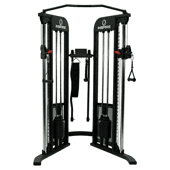
- You can add cable work when your machine includes a pulley station.
- You can train in tighter rooms when you measure ceiling height and depth first.
- You can match plate sleeves to your current standard or Olympic plates.
How to compare weight capacity and included components
Weight capacity is one of your biggest decision points. You should compare 500 lbs, 700 lbs, and 1000 lbs ratings based on how heavy you plan to load.
A heavier duty smith machine usually suits progressive strength plans and shared household use. You may want a higher rating if you train with heavier plates or repeated rack work.
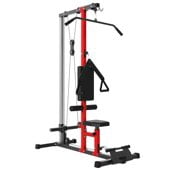
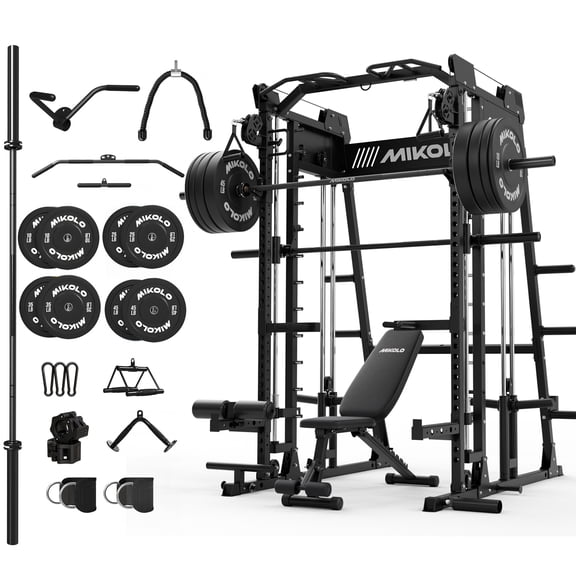
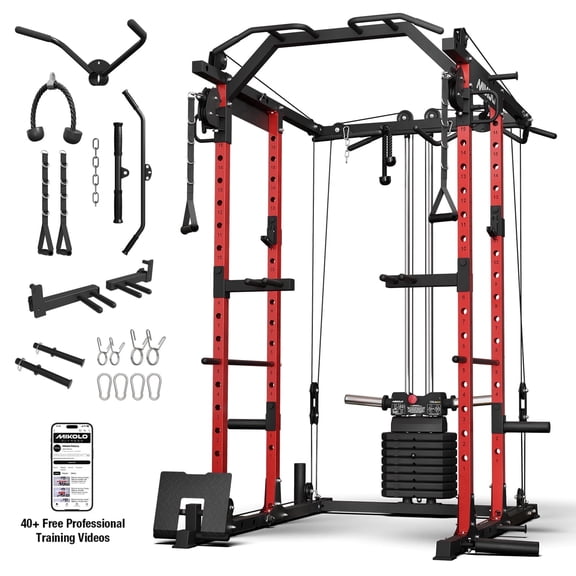
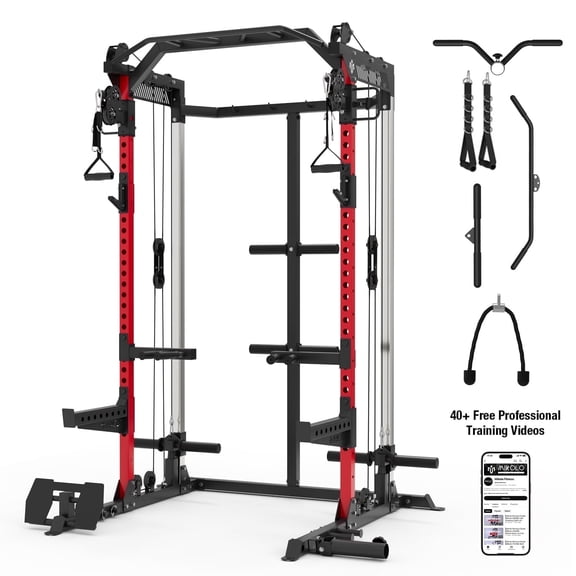
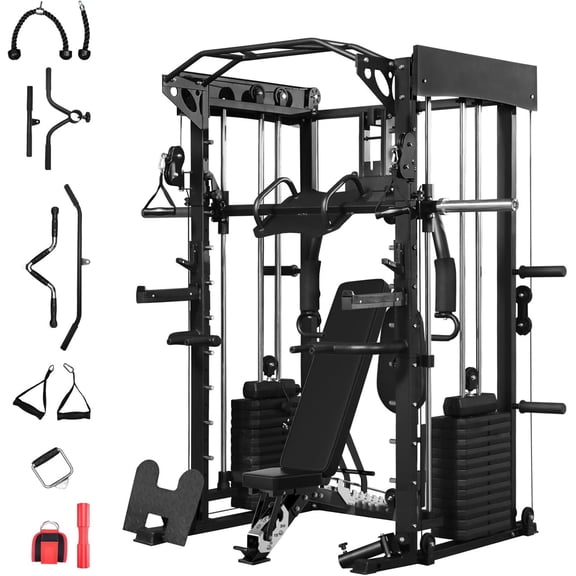
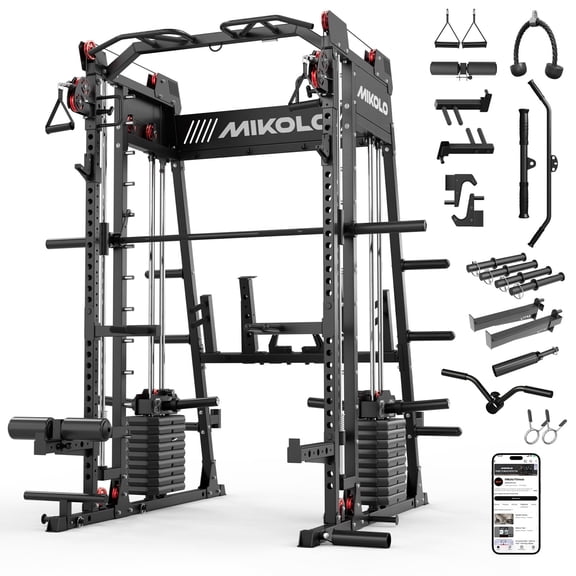
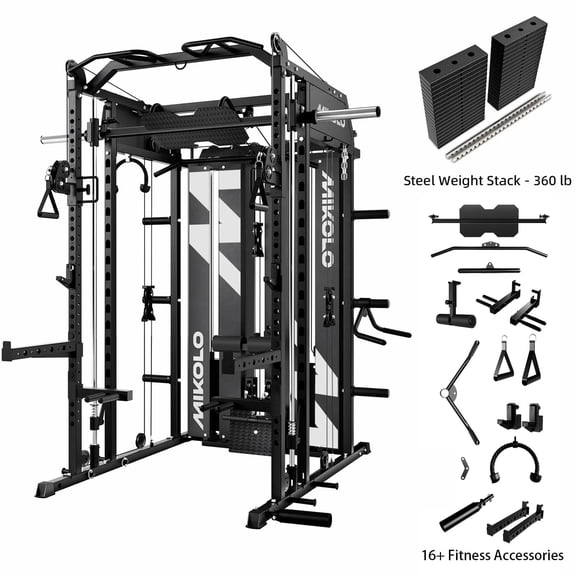
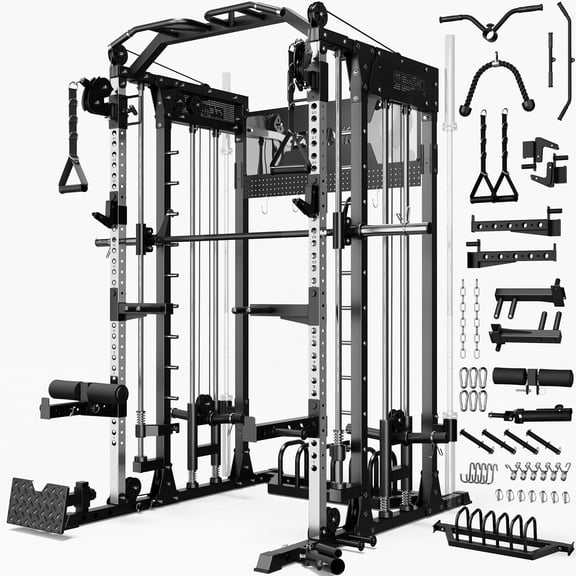
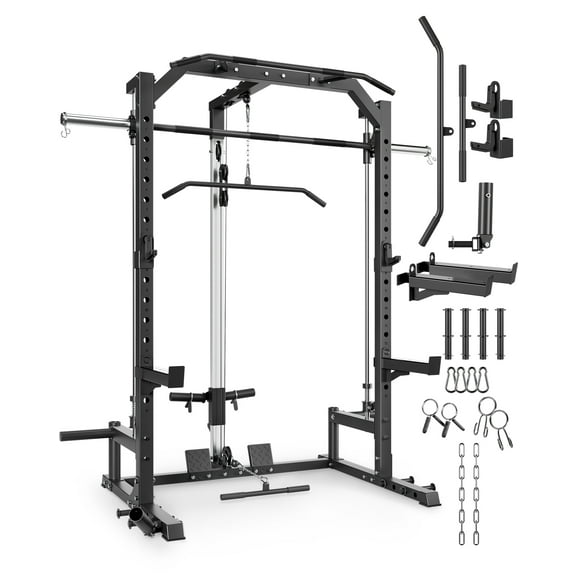
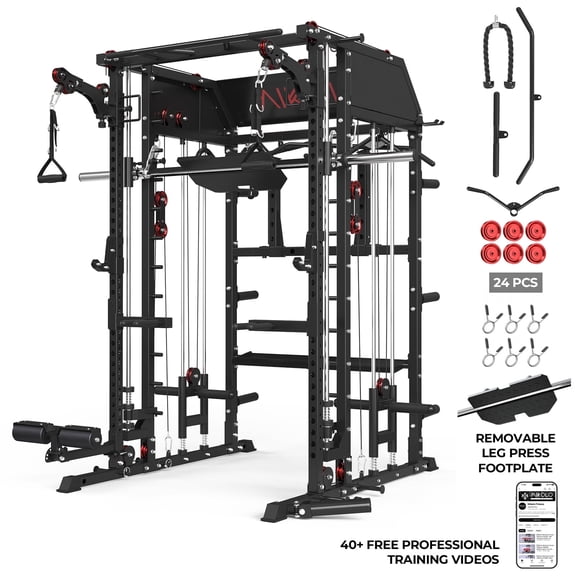
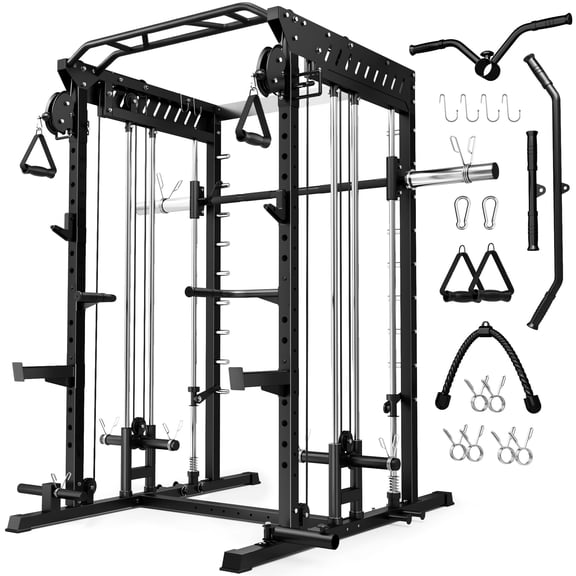
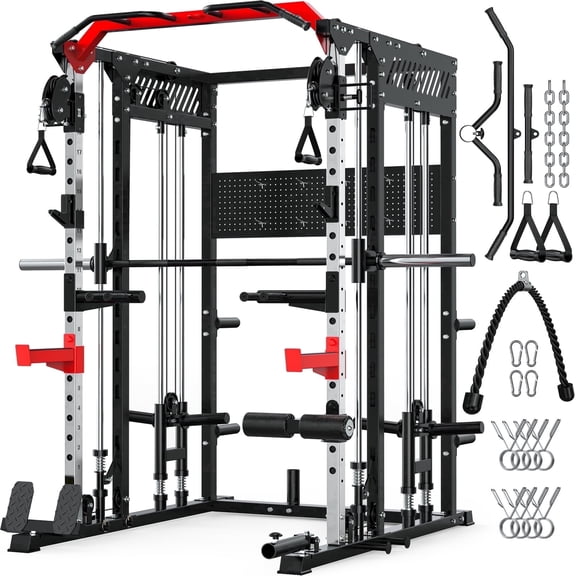
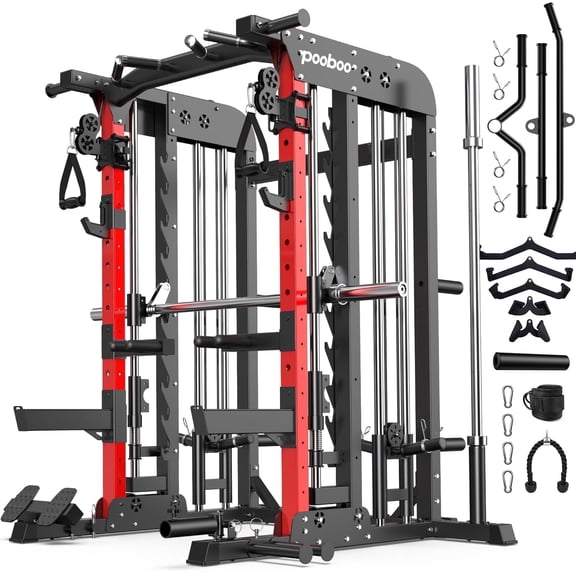
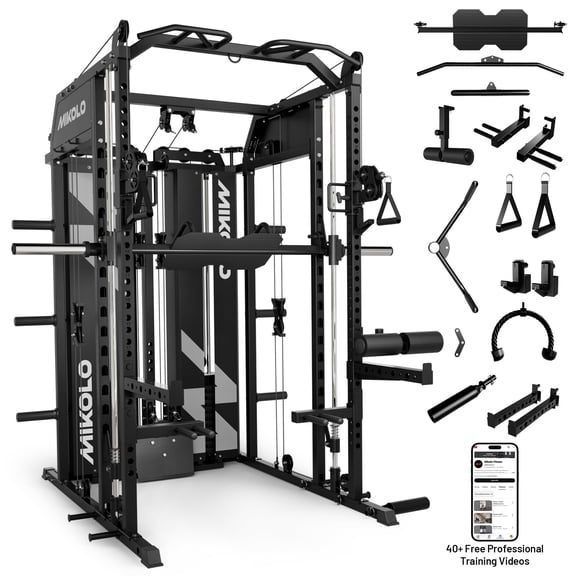
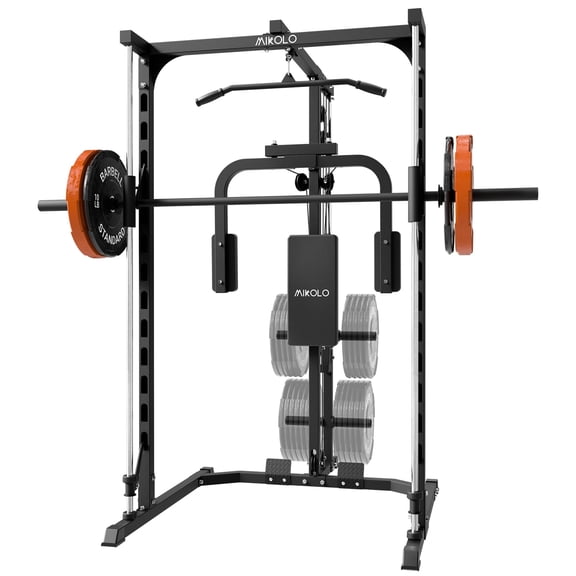
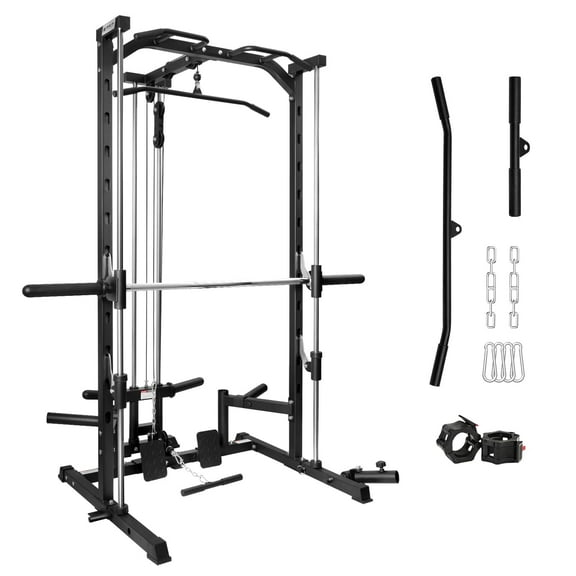
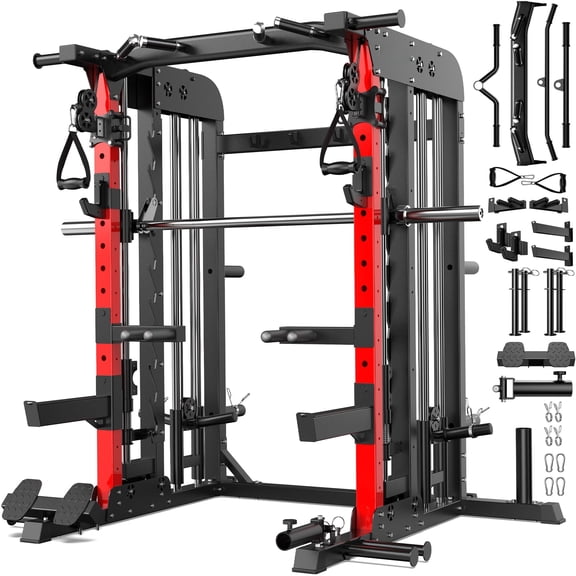
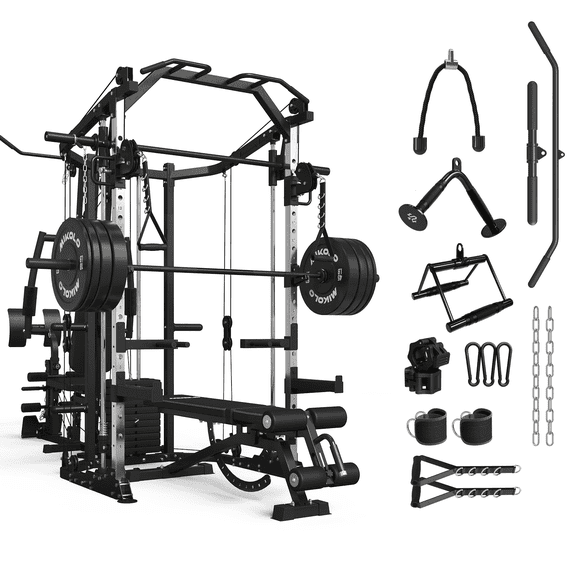
Included components can change how much your station replaces separate equipment. You can compare a pull up bar, lat pulldown, weight bench, and storage-ready frame details.
If you want smoother bar travel, check whether linear bearings are included. You'll usually notice a cleaner glide feel than basic bushing systems during repeated reps.
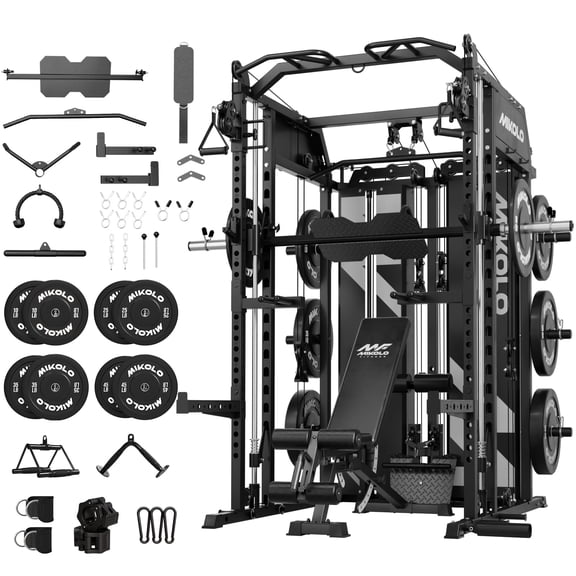
A smith machine with attachments can cover more movements in one footprint. You can move from bench press and squats to pulldowns and low rows without switching stations.
Key differences in pulley systems and bar types
Your pulley setup changes how cable training feels during every rep. You should compare a 1:1 ratio and a 2:1 ratio based on control and load preference.
With a 1:1 ratio, you move the same amount of weight you load. You may prefer that setup when your rows, pulldowns, and triceps work need a direct feel.
With a 2:1 ratio, the handle travels farther with a lighter in-hand feel. You may like that option when you want smoother cable control for higher-rep accessory work.
Bar type matters just as much as the pulley system. You can choose a guided barbell, a counterbalanced smith machine, or a frame with a free weight option.
A guided barbell helps you keep a fixed path through squats and presses. A counterbalanced bar can feel lighter at the start, which helps you learn movement patterns.
If you want plate flexibility, check sleeve diameter before you buy. You need standard 1-inch sleeves for standard plates or 2-inch sleeves for Olympic plates.
An olympic smith machine can make sense if your current setup already uses 2-inch plates. You can avoid adapters and keep loading changes simple between stations.
What to look for in safety features and daily use
Safety details should be easy to spot and easy to use. You should look for safety catches, spotter arms, and locking points that adjust without guesswork.
Those features matter when you train alone at home. You can set stopping points for squats or presses and keep your workout flow more controlled.
Daily comfort also comes from the bar path and glide system. You may prefer linear bearings for a smoother feel, while bushings can suit lighter, simpler setups.
A smith machine squat rack works well when you want guided lifting with rack-style support nearby. You can pair that layout with a bench for presses, incline work, and seated movements.
If your routine mixes cables, plate work, and bodyweight training, compare stations with a pull up bar and lat attachment. You can get more exercise variety from one frame.
Matching your smith machine home gym to your routine
If you focus on lower-body training, you may want higher capacity and strong safety stops. You can use your setup for squats, split squats, calf raises, and hip-focused work.
If your plan centers on chest and shoulder days, check bench compatibility and bar clearance. You need enough depth to position your bench and enough height for incline movement.
For full-body circuits, you may want a smith machine with weights compatibility across your existing plates. You can move faster when your sleeves match your current plate collection.
If several people use the station, compare quick adjustments and bar starting height. You can keep sessions moving when catches and cable positions change without much setup time.
January fitness resets often push shoppers toward a home gym smith machine that handles many lifts. You can keep strength work consistent when your machine supports presses, rows, and pullups.
When your room is compact, measure every doorway and assembly area too. You don't want a large frame that fits the workout space but not the path inside.
With the right combination of capacity, pulley ratio, and plate fit, your smith machine can support steady training at home. You can train with more confidence when your setup matches your room and routine.