


Gravel for Fish Tanks & Aquarium Gravel | Walmart




















About Gravel for Fish Tanks & Aquarium Gravel | Walmart - Walmart.com
Aquarium gravel sand substrate helps you build a cleaner, more natural tank base for fish, plants, and decor. You can compare texture, depth, and water chemistry effects before you choose the right foundation.
When you set up a freshwater tank, shrimp tank, or planted reef, your substrate choice shapes daily care. You’ll notice it affects rooting, waste capture, and how your aquarium looks from day one.
Choosing aquarium gravel sand substrate by type
You should start with substrate type because each option supports a different tank style. You can compare gravel, sand, active substrate, and clay by texture, plant support, and maintenance needs.
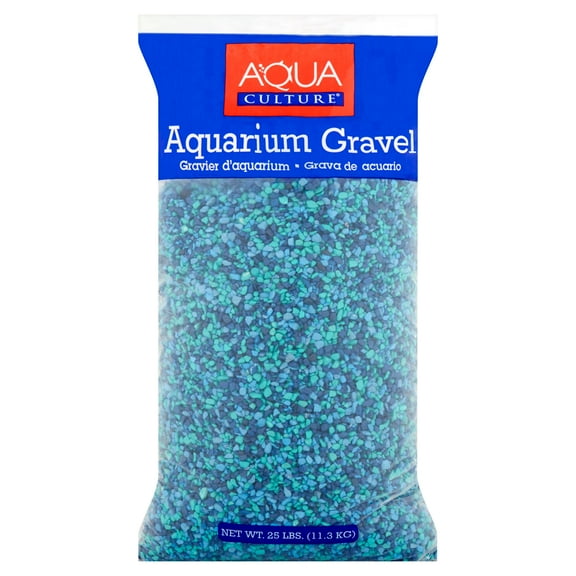
If you want steady water flow through the base, you may prefer aquarium gravel for many community tanks. You’ll often find gravel easier to vacuum, and your beneficial bacteria can colonize its open spaces.
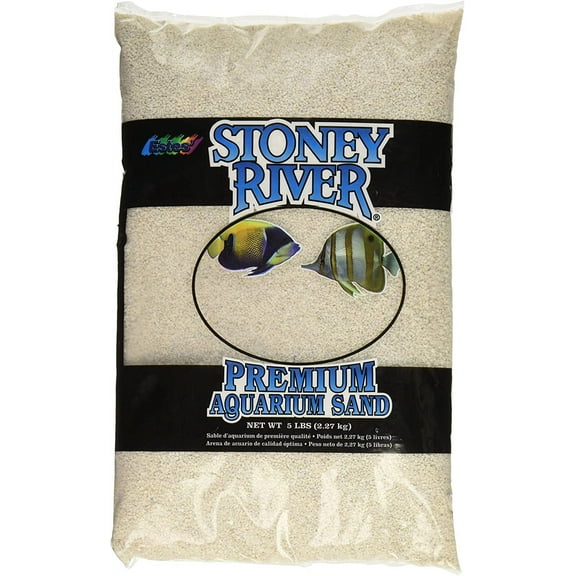
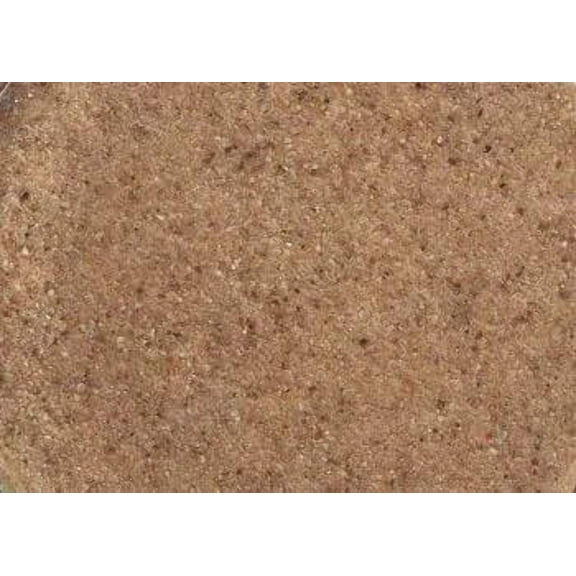
If you keep bottom-dwellers, you may want smooth aquarium sand instead of rough pebbles. You’ll give corydoras and similar fish a gentler surface for sifting and resting.
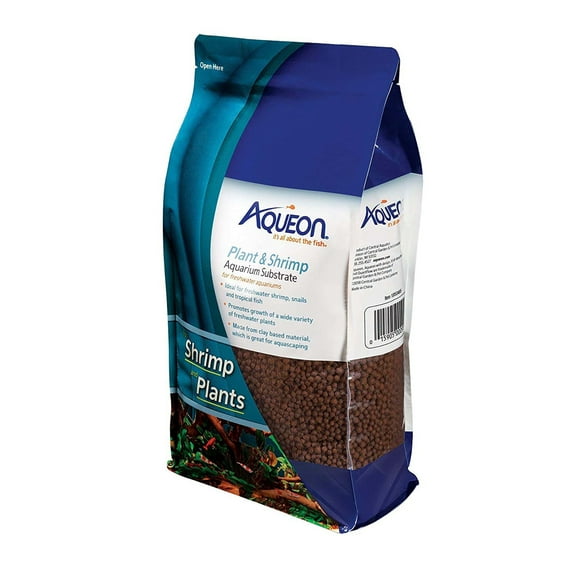
When you build a planted setup, you may compare fish tank substrate options with added mineral support. You’ll often see active substrate or clay used where rooted plants need stronger anchoring and nutrient access.
- You can use gravel when you want easier debris cleanup and a classic tank look.
- You can choose sand when your fish sift, burrow, or rest along the bottom.
- You can pick active substrate when your rooted plants need a more supportive base.
- You can consider clay blends when you want a planted aquarium substrate with strong root contact.
Comparing grain size and texture
You should compare grain size because it changes how waste settles and how roots spread. You can choose fine sand, medium gravel, or coarse pebbles based on your livestock and plants.
If you want a smooth bottom layer, fine sand gives you a tighter surface with a softer look. You’ll often like it for shrimp tanks, burrowing species, and clean aquascape lines.
When you want balance, medium gravel gives you easier circulation around the base and simple planting. You can use it in mixed freshwater tanks where you want decor, roots, and filtration support.
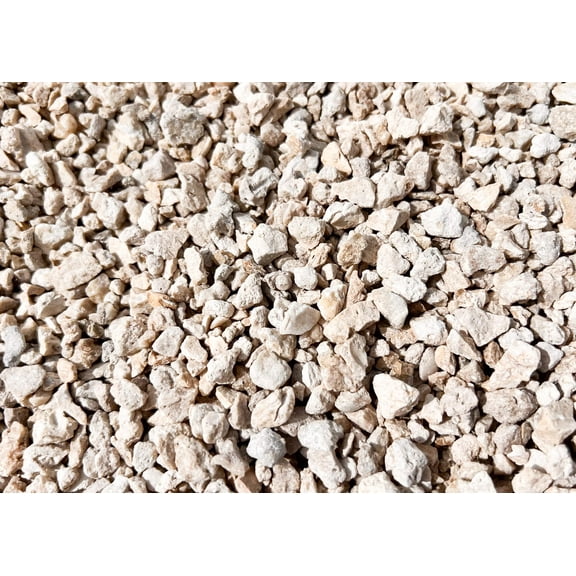
If you choose coarse pebbles, you’ll get a chunkier appearance with larger gaps between pieces. You should check whether your fish prefer that texture before you build the full tank floor.
Choosing color and visual style
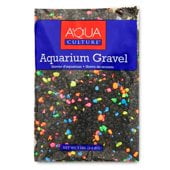
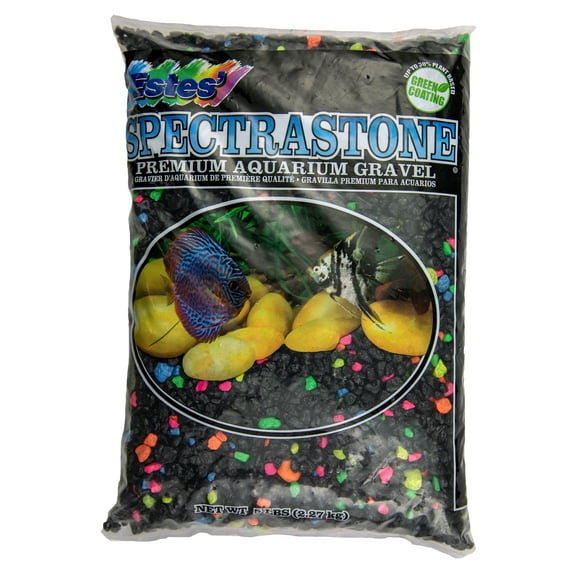
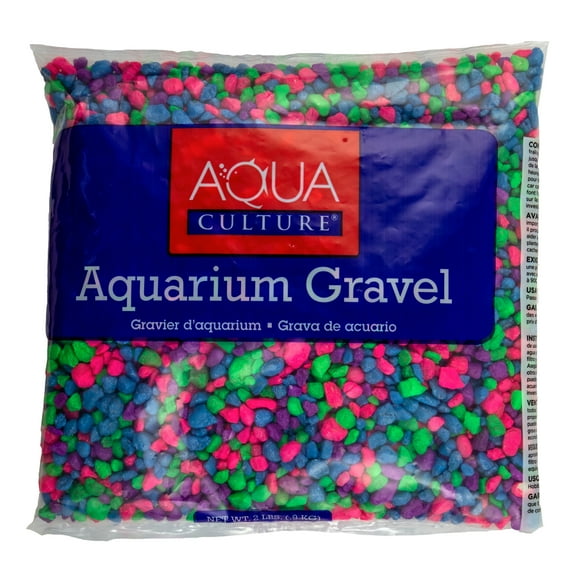
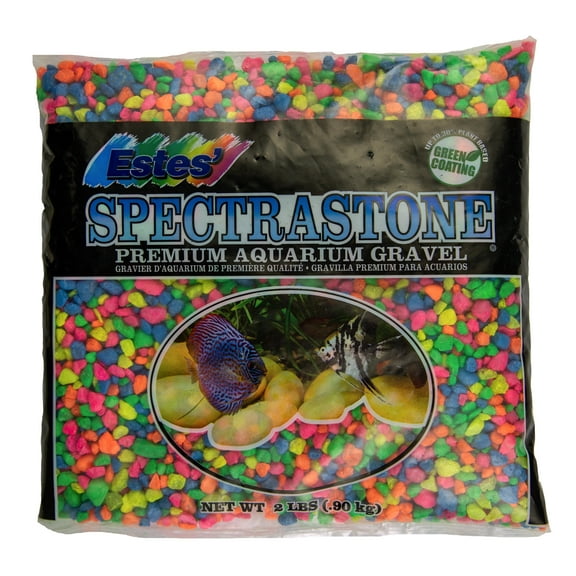
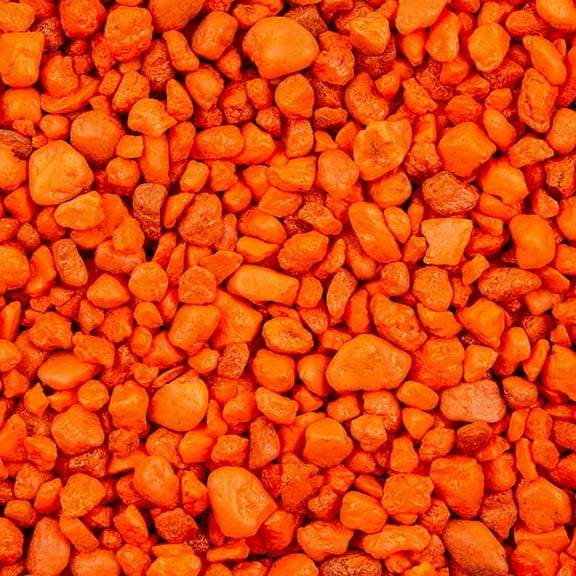
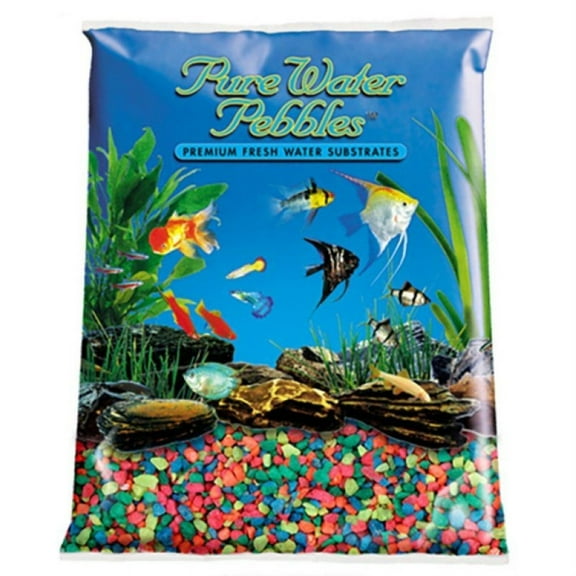
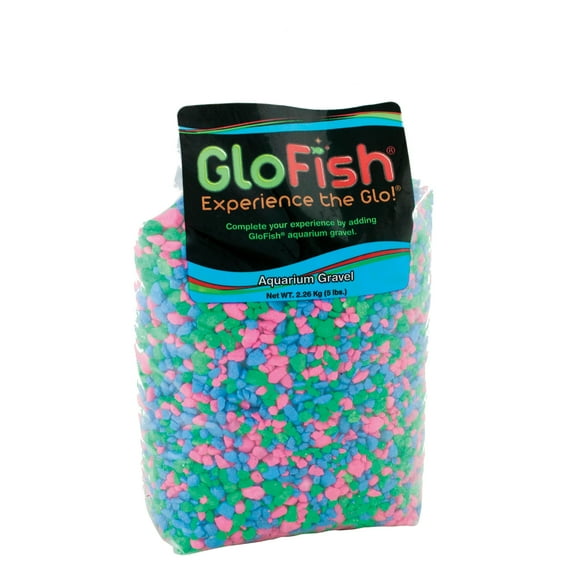
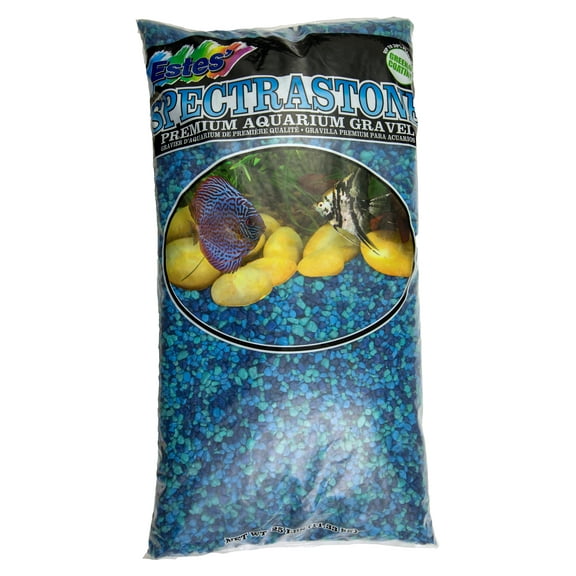
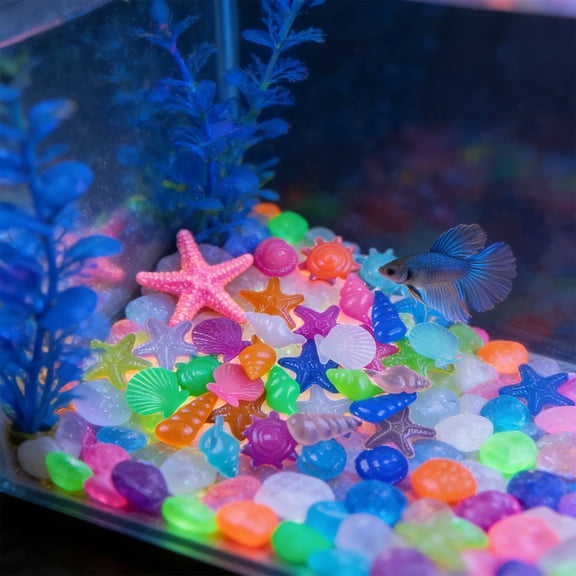
You can use color to shape how your tank lighting, plants, and fish stand out. You should compare black, natural brown, white, and neon colored options with your decor plan.
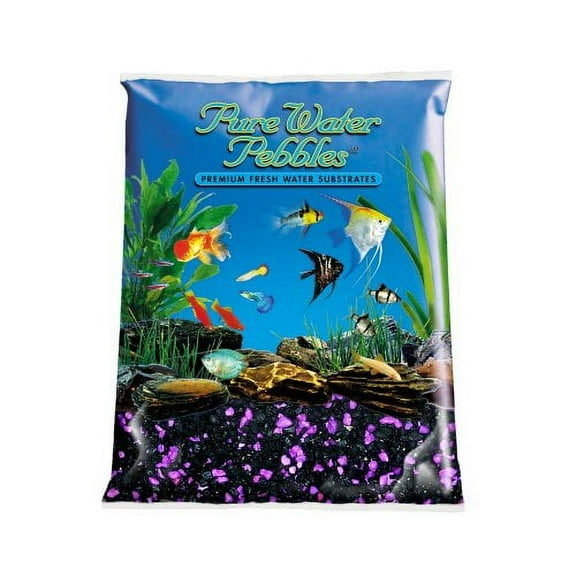
If you want stronger contrast, black aquarium sand can make green plants and bright fish appear more defined. You’ll also get a modern look that pairs well with rock and driftwood layouts.
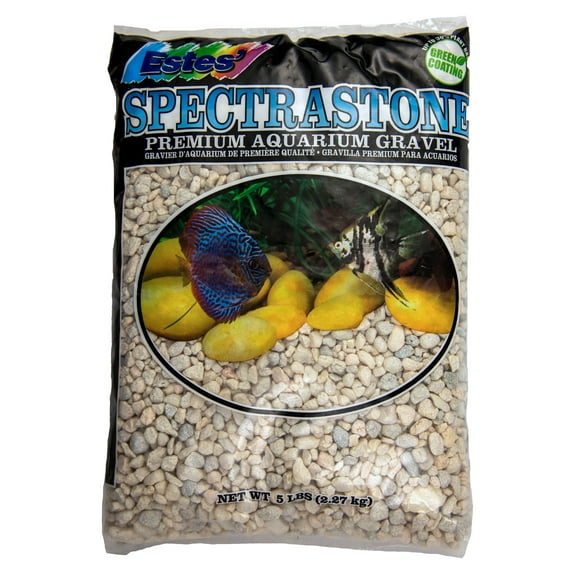
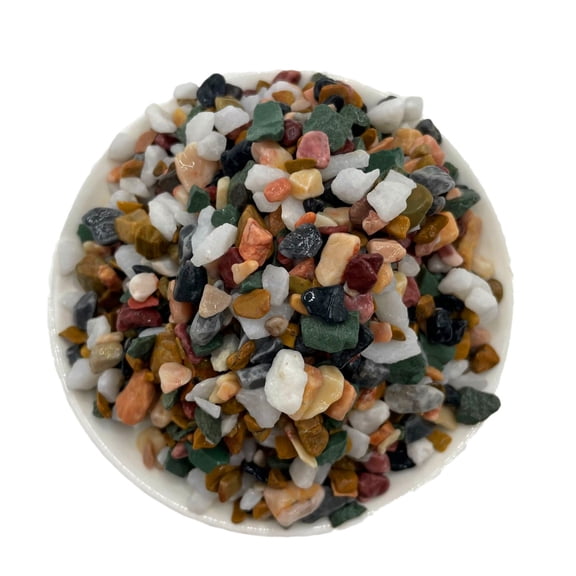
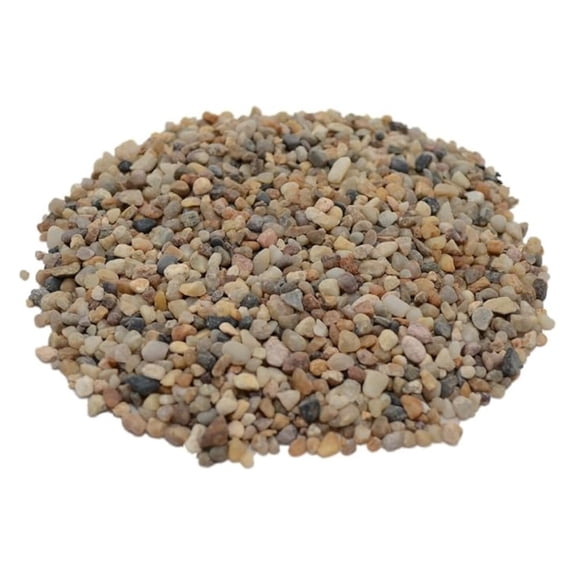
When you want a natural riverbed feel, brown and mixed earth tones can soften the whole scene. You can match these shades with wood, stones, and live plants for a grounded layout.
If you prefer a bright setup, white substrate can reflect more light across the bottom. You should expect more visible debris, so you may plan for more frequent gravel vacuuming.
Matching substrate to your tank environment
You should match your substrate to your target environment before you choose color or bag size. You can narrow options faster when you know whether your tank is freshwater, saltwater, planted reef, or shrimp-focused.
For many freshwater tanks, you can use inert gravel or sand when you want stable, flexible setup options. You’ll get room to adjust decor, plants, and stocking without forcing one narrow layout.
If you keep rooted plants, you should compare planted aquarium substrate choices with nutrient-holding ability. You’ll see cation exchange capacity, or CEC, on some products, and that means roots can access stored nutrients more easily.
When you build a shrimp tank, you may want substrate that supports the water profile you’re aiming for. You’ll find some soils buffer water downward, while other bases stay more neutral and simple.
If you keep African cichlids, you should check whether aragonite-based material fits your setup goals. You’ll get a substrate that can buffer pH upward, which suits certain hard-water environments.
How much fish tank substrate you may need
You should estimate quantity before checkout so your tank floor looks even and functions well. You can use a simple rule of thumb of 1.5 to 2 pounds per gallon.
If you want about a 2-inch bed, that range usually gives you enough coverage for many tanks. You should add more depth where you plan heavy planting or layered aquascape designs.
You may also compare bag sizes like aquarium gravel 20 lb options for medium tanks or top-off needs. You’ll avoid mixing too many textures when you calculate your depth before setup.
What to look for before adding substrate
You should check texture, water impact, and cleaning needs before you pour anything into the tank. You can make setup easier when you compare smoothness, grain size, and intended environment first.
Before installation, you should rinse many substrate types until the water looks clearer. You’ll reduce cloudiness at startup, and your tank can look more settled once filtration begins running.
If you plan live plants, you should measure the rooting zone and compare nutrient support. You’ll create a stronger base for stems, carpeting plants, and root feeders that need more than decorative coverage.
With aquarium gravel sand substrate, you can build a base that fits your fish, planting plan, and water goals. You’ll get a tank foundation that looks right, supports daily maintenance, and helps your layout stay organized.