


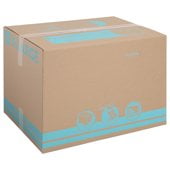
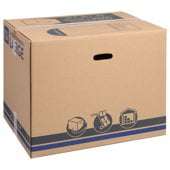
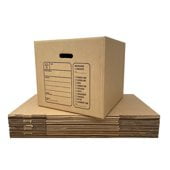
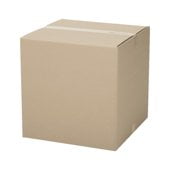
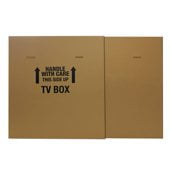
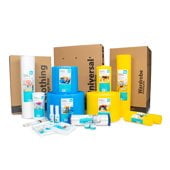
Moving Boxes
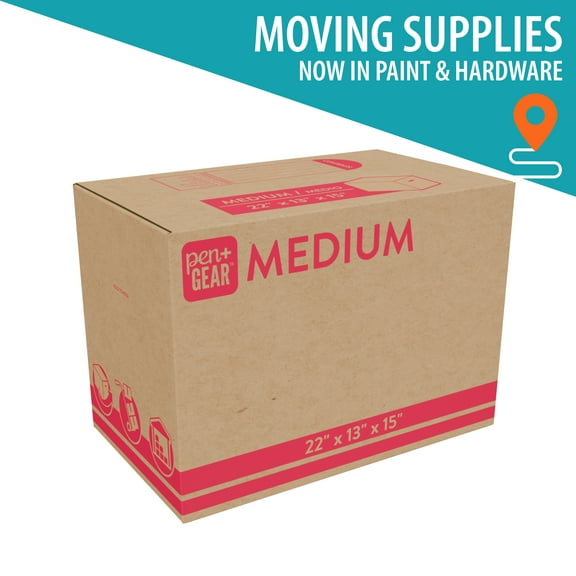

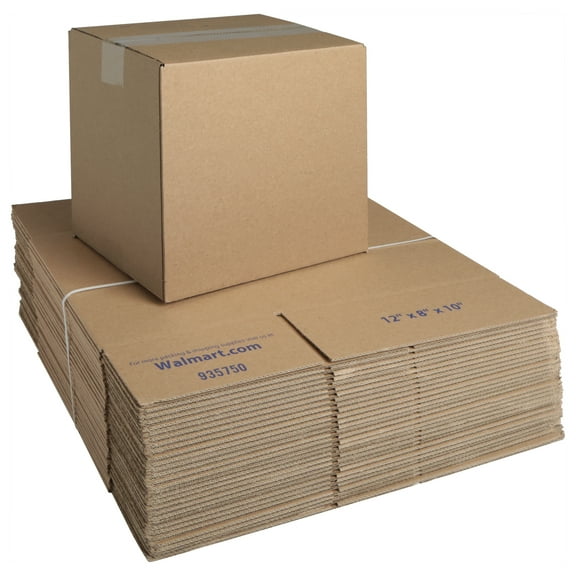
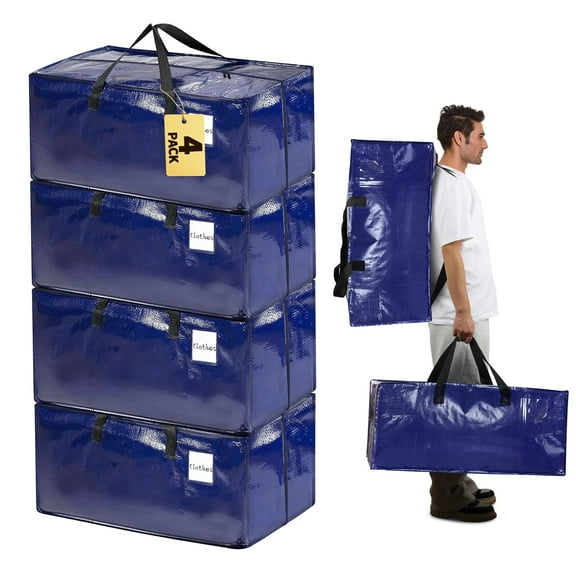
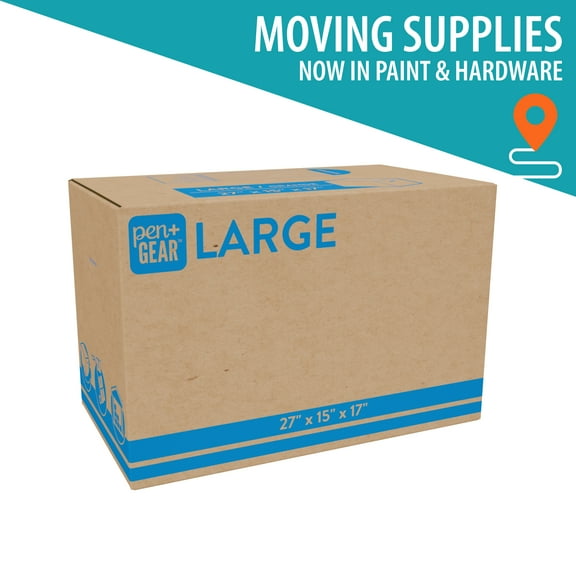
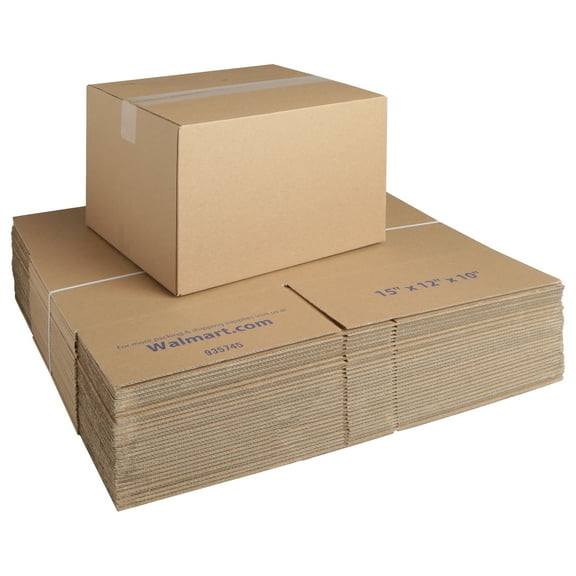
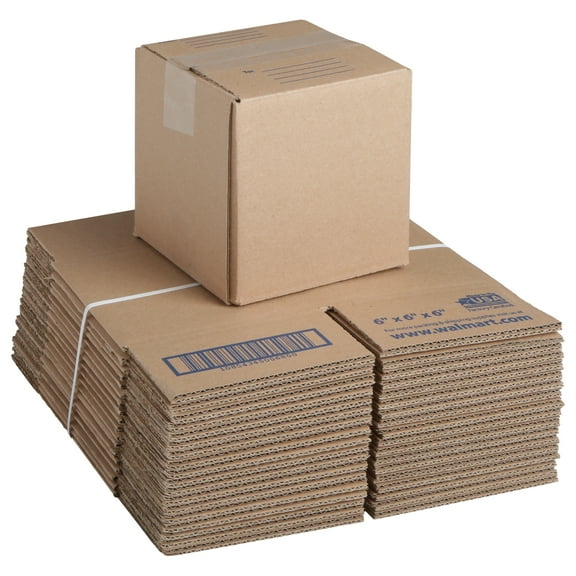
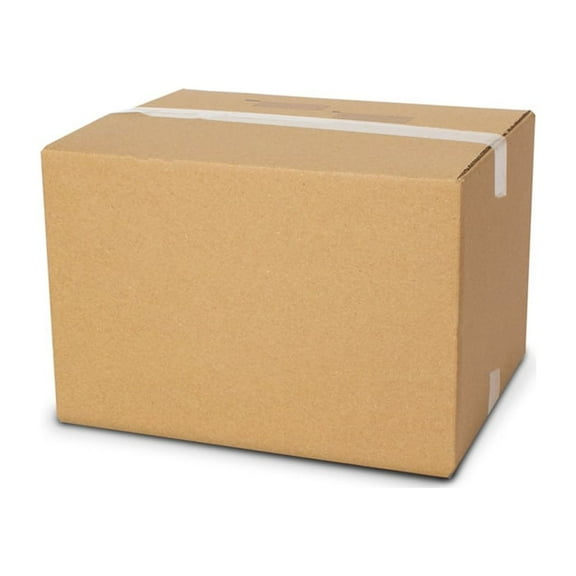
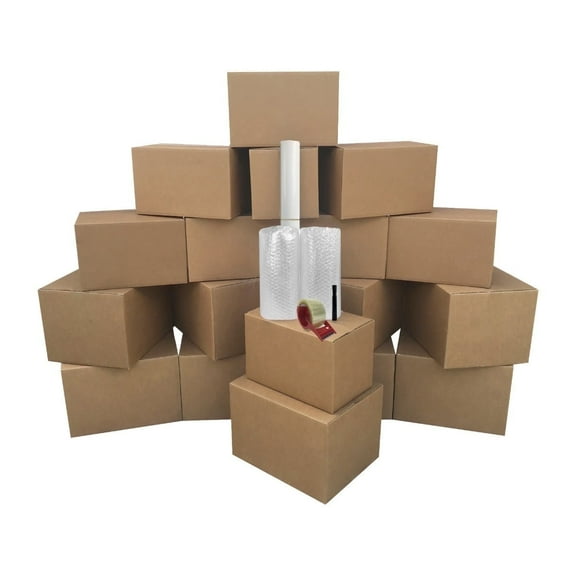
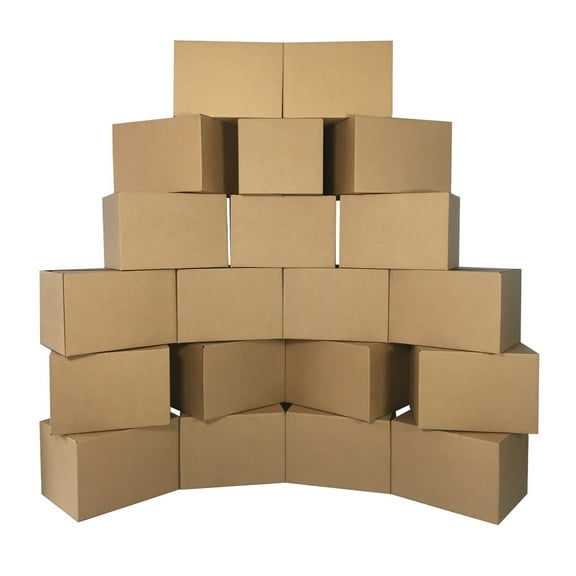

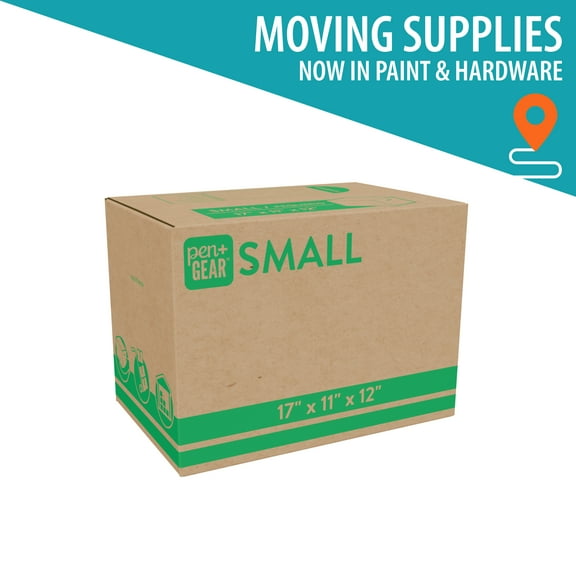










About Moving Boxes - Walmart.com
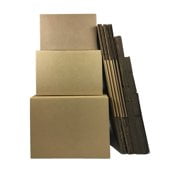
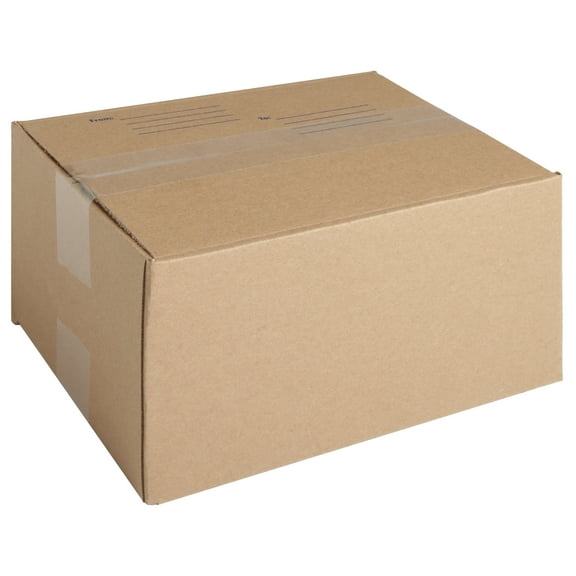
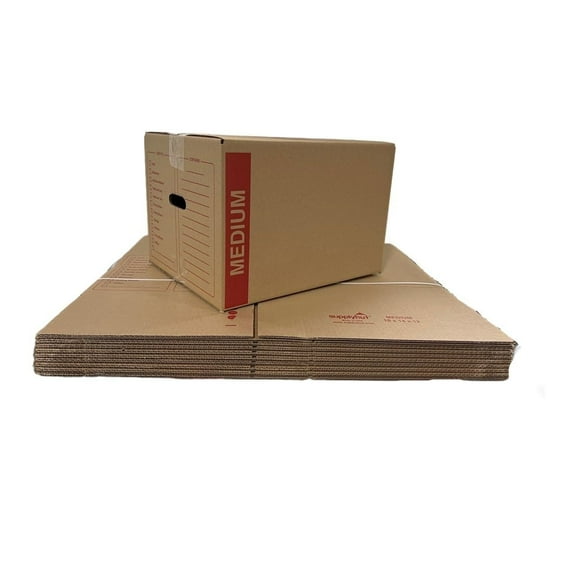
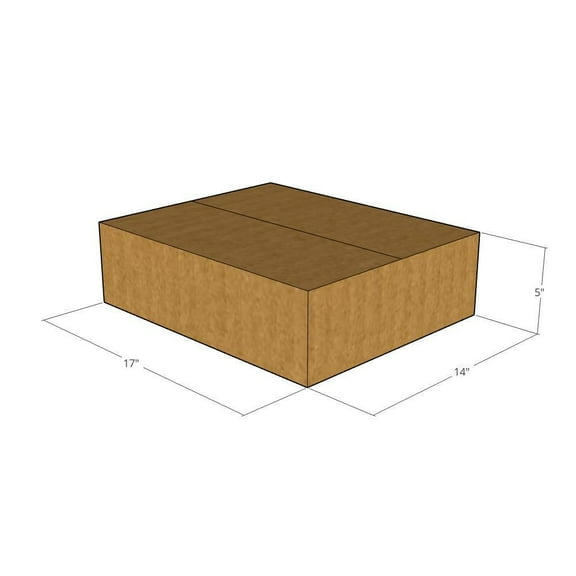
With moving boxes kits, you can plan your move faster and match each room with the right box sizes. You also get a clearer path for packing kitchens, closets, books, and breakable items.
How to choose moving boxes kits for your home size
When you compare moving boxes kits, you should start with your home size and room count. You can often use one to two bedroom kits for apartments and lighter household loads.
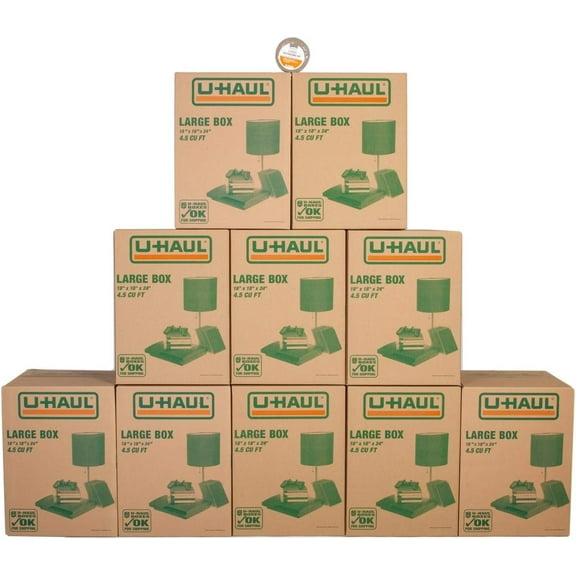
If you’re packing a three to four bedroom home, you may need more medium and large cartons. You should also look for extra large boxes for bedding, lampshades, and lightweight bulk items.
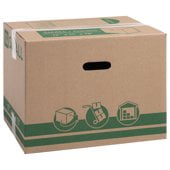
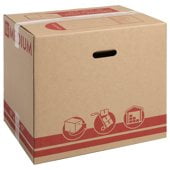
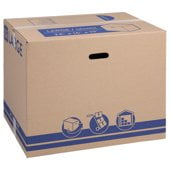
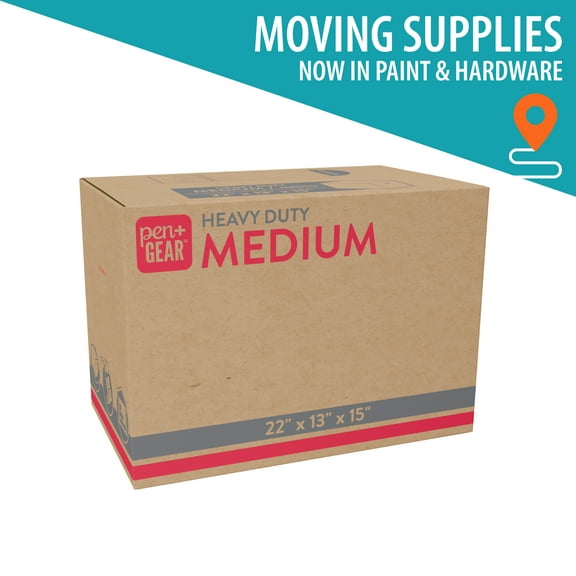
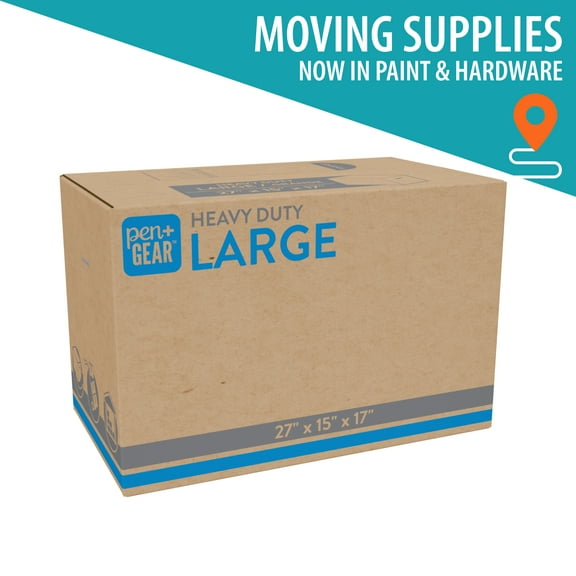
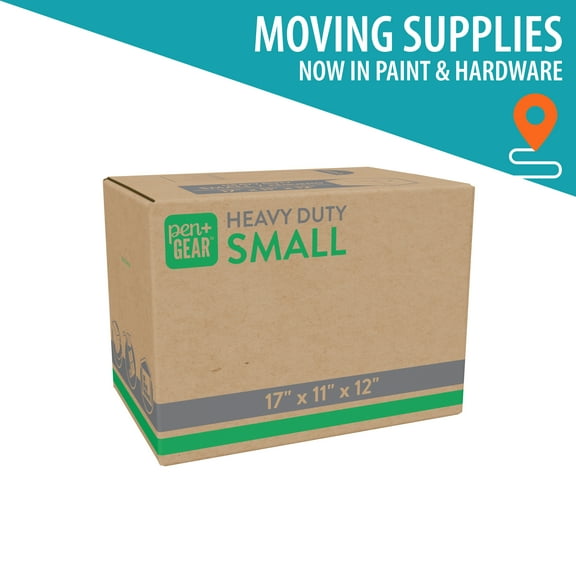
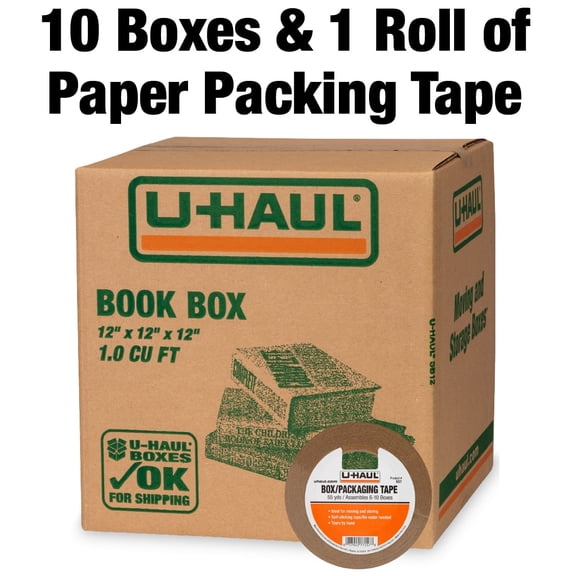
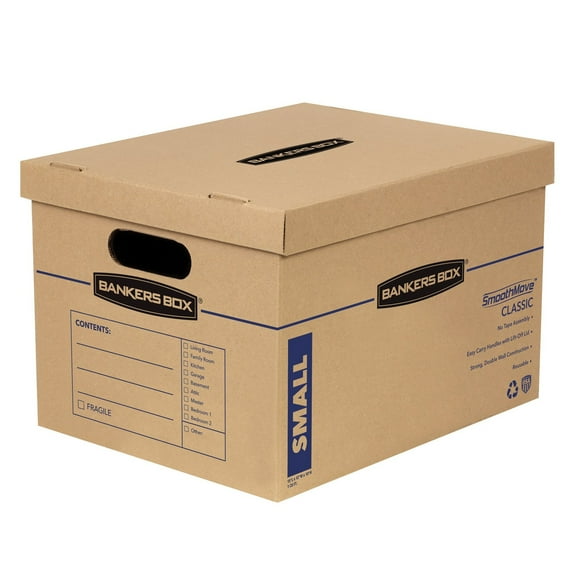
Small boxes help you control weight when you pack books, canned goods, tools, or small decor. Medium boxes usually fit toys, pantry items, and folded clothes, while large boxes hold pillows and linens.
- You can use small boxes for dense items that get heavy quickly.
- You can choose medium boxes for mixed household goods and everyday room packing.
- You can pick large or extra large boxes for bulky but lighter contents.
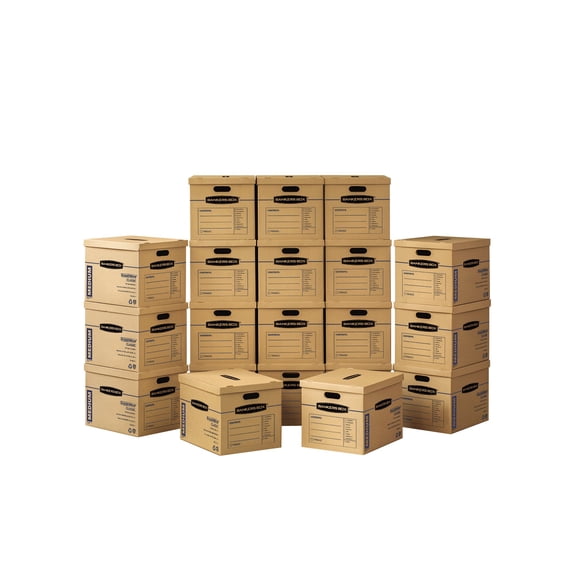
- You can simplify planning with moving box sets built for apartment or whole-home moves.
Before you choose a kit, you should count major spaces like kitchens, bedrooms, bathrooms, and storage areas. You’ll make steadier progress when your box count matches the rooms you actually need to pack.
Choosing cardboard moving boxes by strength and construction
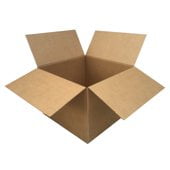
When you compare cardboard moving boxes, you should check wall construction before you load heavy contents. You’ll usually see single-wall, double-wall, or heavy-duty options across packing boxes for moving.
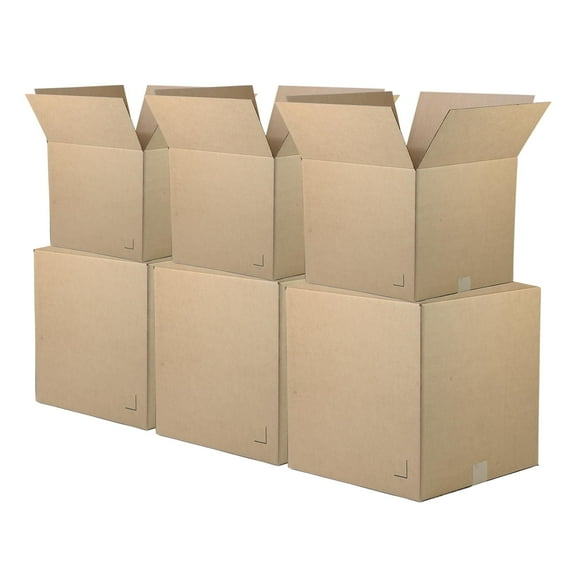
Single-wall boxes work well when you’re packing lighter household items and everyday room contents. You may prefer them for clothing, towels, or decor that doesn’t put intense strain on the carton.
Double-wall corrugated boxes add another layer of support, which helps when you pack books, dishes, or small appliances. You’ll notice they feel sturdier during stacking and transport.
If you see ECT-32 on a box, you can treat it as a useful strength clue for stacking performance. You should still match that rating with the weight and shape of your packed items.
Heavy-duty boxes can make more sense when you’re packing dense loads or fragile kitchen pieces. You can also use them when your move includes longer storage time or several loading stops.
For kitchen packing, you may want dish packs or reinforced cartons that handle plates, bowls, and glassware more neatly. You’ll often get better item separation when you pair strong boxes with packing paper.
Comparing kit types and included accessories
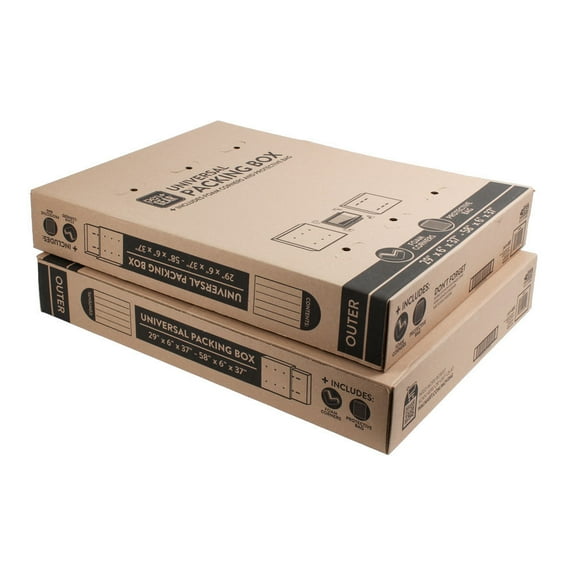
As you review moving box sets, you should decide whether a general kit or specialty kit fits your move. You can often choose from one to two bedroom kits, three to four bedroom kits, wardrobe kits, and room-specific options.
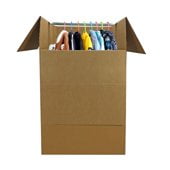
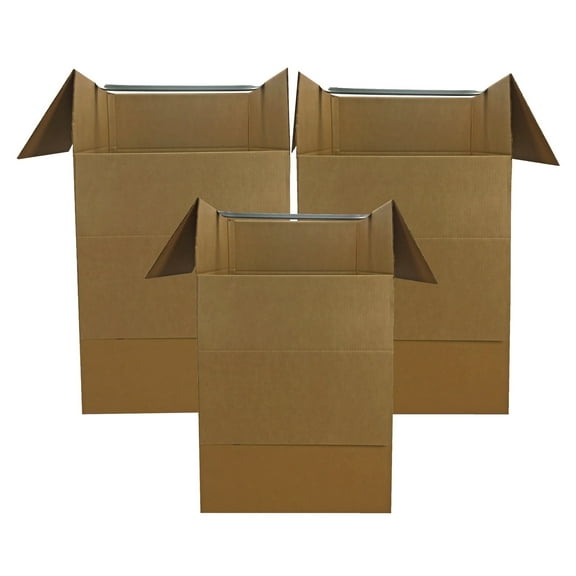
Wardrobe boxes for moving help you keep hanging clothes upright during packing and unloading. You’ll appreciate that setup when you want shirts, jackets, and dresses to stay on hangers.
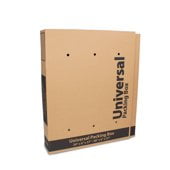
Specialty kits can include dish barrels, divider cells, or mirror boxes for awkward household pieces. You should consider these kits when standard cartons won’t protect shape or organization.
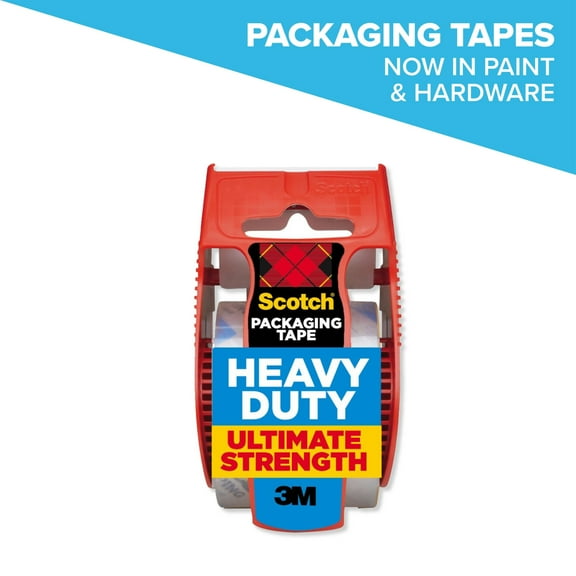
Many shoppers also compare moving kits with tape, bubble wrap, or packing paper already included. You can reduce last-minute supply runs when your kit arrives with those packing basics.
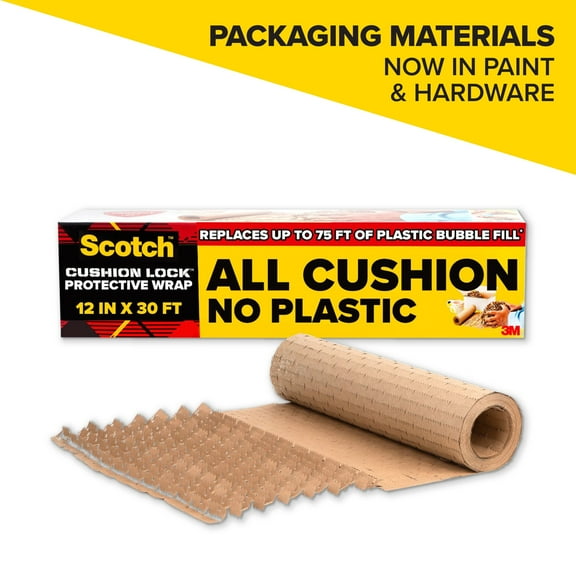
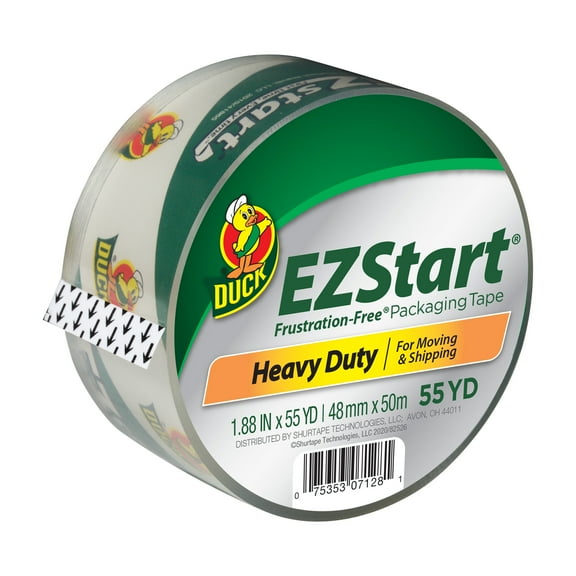
Tape helps you seal bottoms, reinforce seams, and close full cartons with fewer interruptions. Bubble wrap cushions framed decor and electronics, while packing paper helps separate dishes and glass items.
If you’re deciding between bundled supplies and separate items, you should think about convenience first. You’ll usually pack more consistently when your accessories match your box count from the start.
Matching packing boxes for moving to real rooms and tasks
For a small apartment move, you might combine small boxes, medium cartons, and one wardrobe option. You can keep books manageable, protect closet items, and reserve larger boxes for bedding.
In a family home, you may need broader size coverage and stronger cartons for heavier rooms. You should expect kitchens, garages, and home offices to need more reinforced cardboard moving boxes.
If your kitchen has plates, mugs, and pantry jars, you can use smaller reinforced boxes and packing paper. You’ll get easier lifting and neater cabinet-by-cabinet organization on moving day.
For bedroom closets, wardrobe boxes for moving can speed up packing and unpacking. You can transfer hanging garments directly and keep seasonal pieces grouped together.
When you’re packing decorations, lamps, or comforters, large and extra large cartons can help. You should keep those boxes for lighter contents so your stacks stay easier to move.
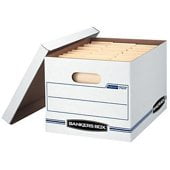
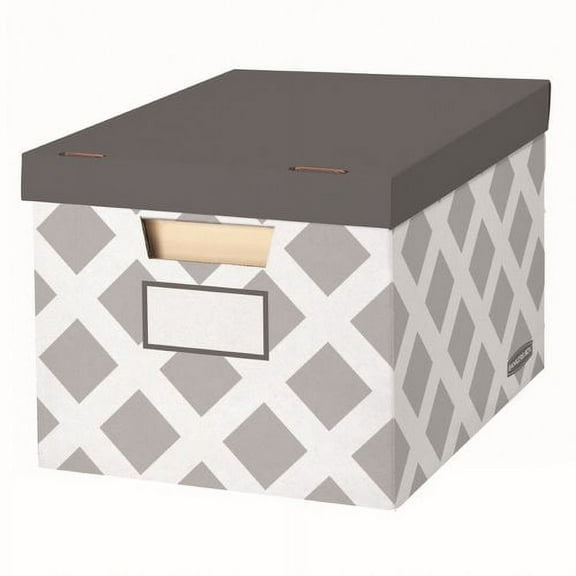
If you’re preparing for storage after the move, you may want double-wall or heavy-duty choices. You can also label each box by room, contents, and priority to simplify unloading.
With the right kit structure, you can cover room count, box strength, specialty needs, and included supplies in one plan. You’ll feel more organized from the first packed shelf to the last unloaded closet.
When you choose with home size, box strength, kit type, and accessories in mind, your move becomes easier to manage. You’ll finish with a setup that supports steadier packing, cleaner labeling, and smoother unloading.