

Shop Coolers & Insulated Lunch Bags for Camping, Travel - Walmart.com(1000+)
AmGood 18-1/2 in. x 36 in. Mobile Ice Bin with Sliding Lid – Stainless Steel, Insulated, with Bottle Holders & Casters, NSF $599.95

AmGood 18-1/2 in. x 36 in. Mobile Ice Bin with Sliding Lid – Stainless Steel, Insulated, with Bottle Holders & Casters, NSF
Top rated for capacity RTIC Ultra-Light 52 Qt Hard-Sided Ice Chest Cooler, Fits 76 Cans, Trailblazer $206.10 Was $229.00

RTIC Ultra-Light 52 Qt Hard-Sided Ice Chest Cooler, Fits 76 Cans, Trailblazer

Igloo x USSF 60 QT Laguna Ice Chest Cooler with Wheels, US Soccer Rolling Cooler for Games and Practices, Red White and Blue $59.98

Igloo x USSF 60 QT Laguna Ice Chest Cooler with Wheels, US Soccer Rolling Cooler for Games and Practices, Red White and Blue
Overall pick Coleman 316 Series 62QT Hard Chest Wheeled Cooler, Lakeside Blue $54.00

Coleman 316 Series 62QT Hard Chest Wheeled Cooler, Lakeside Blue

Fridge Pak, Unisex 6 Can Insulated Soft Cooler Bags, Lunch Bag , Waterproof Leak Proof Cooler Bags Insulated - Black $9.95


Fridge Pak, Unisex 6 Can Insulated Soft Cooler Bags, Lunch Bag , Waterproof Leak Proof Cooler Bags Insulated - Black
Igloo Legend 12 Can Capacity 9 QT Hard Sided Cooler, Red $22.28 Was $24.99 $2.48/qt

Igloo Legend 12 Can Capacity 9 QT Hard Sided Cooler, Red
9 Can + Ice capacity insulated leakproof Soft-Sided Cooler Bag, lunch bag tote $12.40


9 Can + Ice capacity insulated leakproof Soft-Sided Cooler Bag, lunch bag tote
Best seller RTIC Insulated Lunch Bag, Soft-Sided Freezable & Collapsible Cooler, Black $16.98 Was $19.98


RTIC Insulated Lunch Bag, Soft-Sided Freezable & Collapsible Cooler, Black
BN-LINK Insulated Cooler Bag,37Qt Capacity Soft Cooler with Adjustable Shoulder Strap,Leakproof Lunch Bag for Picnic, Grocery, Beach, Camping, Travel,Gray $19.99

BN-LINK Insulated Cooler Bag,37Qt Capacity Soft Cooler with Adjustable Shoulder Strap,Leakproof Lunch Bag for Picnic, Grocery, Beach, Camping, Travel,Gray
Maelstrom Cooler Backpack - 35/50 Can Insulated Soft Cooler Lunch Bag for Camping, Beach, Hiking & Shopping $37.99


Maelstrom Cooler Backpack - 35/50 Can Insulated Soft Cooler Lunch Bag for Camping, Beach, Hiking & Shopping
In 50+ people's carts Coleman 316 Series 100QT Hard Chest Wheeled Cooler, Lakeside Blue $97.00
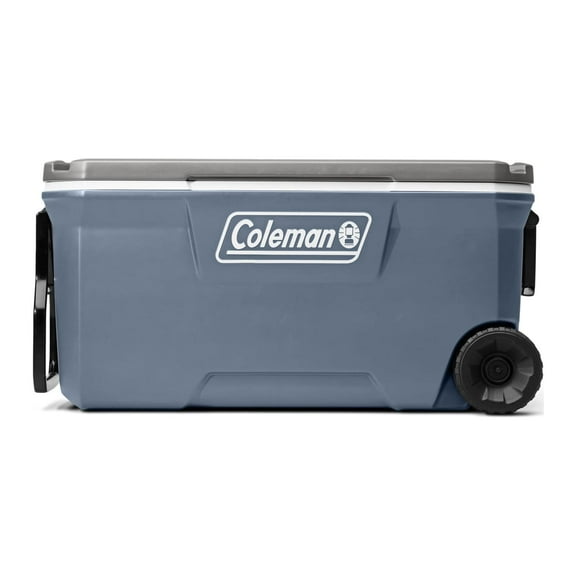
Coleman 316 Series 100QT Hard Chest Wheeled Cooler, Lakeside Blue
Gymax Wooden Cooler for Patio 54 Quart Beverage Cooler w/ Handles Rustic Brown $96.99 Was $139.99
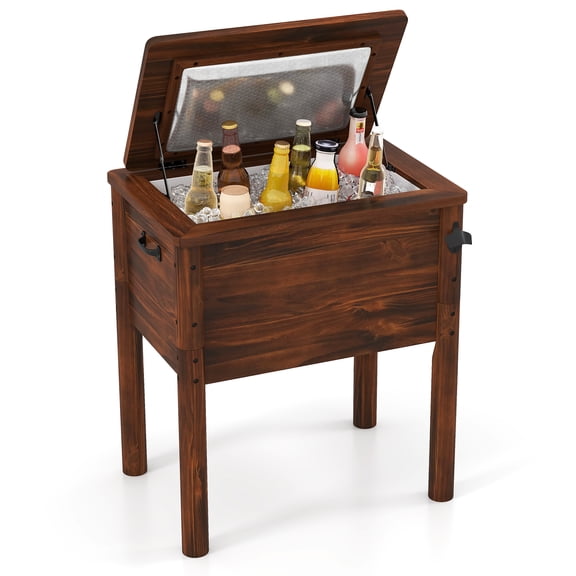
Gymax Wooden Cooler for Patio 54 Quart Beverage Cooler w/ Handles Rustic Brown
GASTROPOD 2026 New Backpack Cooler,Ensures Cleanliness Backpack Coolers Insulated Leak Proof,Prevents Liquid Leakage Cooler Bag,Hot Food Container Lunch Bag, $17.50

GASTROPOD 2026 New Backpack Cooler,Ensures Cleanliness Backpack Coolers Insulated Leak Proof,Prevents Liquid Leakage Cooler Bag,Hot Food Container Lunch Bag,
jimin Cool Bag 30L Large Cooler Bag Thermal Food Delivery Bag Insulated Picnic Lunch Bag Foldable Cool Box for Camping BBQ Shopping $9.49
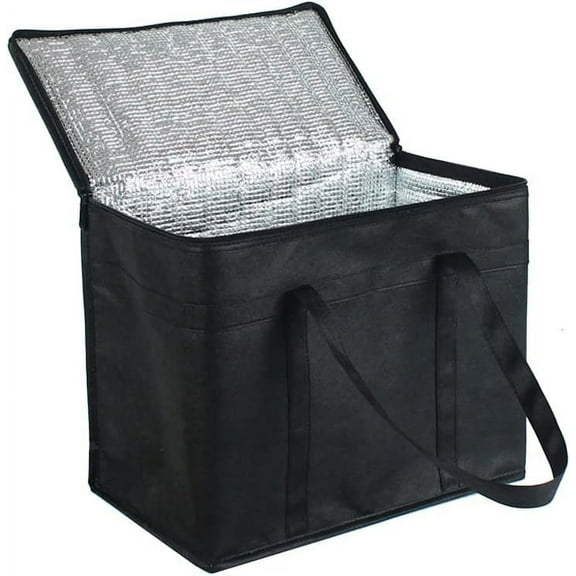
jimin Cool Bag 30L Large Cooler Bag Thermal Food Delivery Bag Insulated Picnic Lunch Bag Foldable Cool Box for Camping BBQ Shopping
Rollback Backpack Cooler for Men, 25L Cooler Backpack Insulated LeakProof, Heavy Duty Lunch Bag $43.19 Was $47.99
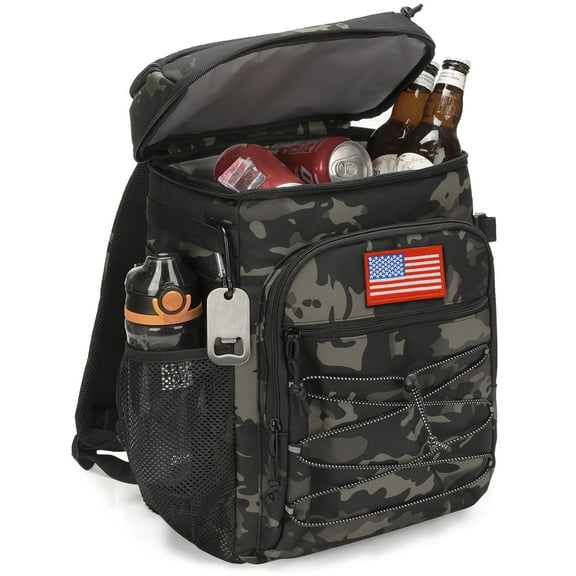


Backpack Cooler for Men, 25L Cooler Backpack Insulated LeakProof, Heavy Duty Lunch Bag
Sale Portable Soft Sided Cooler Bag - Modern Picnic Lunch Bag - Foldable Soft Cooler Insulated And Leak Proof For Travel, Camping, Beach Picnic, Keeps Warm, Cold Pink $12.25 Was $16.99
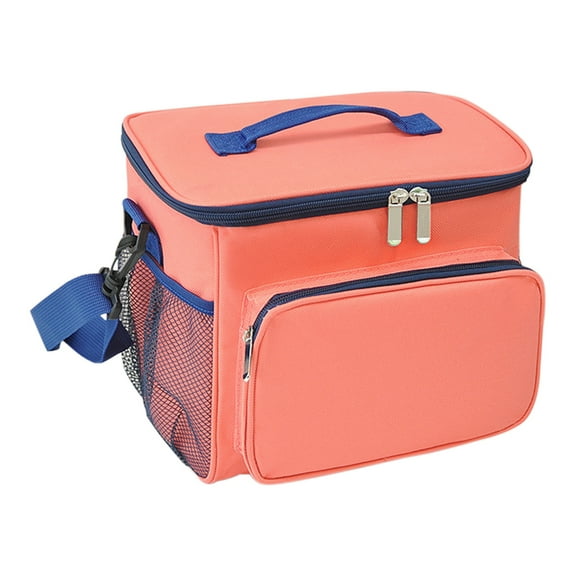


Sale Portable Soft Sided Cooler Bag - Modern Picnic Lunch Bag - Foldable Soft Cooler Insulated And Leak Proof For Travel, Camping, Beach Picnic, Keeps Warm, Cold Pink
Large Insulated 24 Can Collapsible Cooler Lunch Bag -Adjustable Shoulder Straps & Zipper Front Open Pocket For Picnic Outdoor Indoor Sports-11 X 10 X 6.5 Inch $14.99

Large Insulated 24 Can Collapsible Cooler Lunch Bag -Adjustable Shoulder Straps & Zipper Front Open Pocket For Picnic Outdoor Indoor Sports-11 X 10 X 6.5 Inch
Tgbvmt Insulated Lunch Bag 12L Large Capacity Thermal Cooler Tote Leak-Proof Heat Preservation for Camping Picnic Outdoor Work Travel Beach Lightweight Portable Food Storage Cooler Bag $6.97


Tgbvmt Insulated Lunch Bag 12L Large Capacity Thermal Cooler Tote Leak-Proof Heat Preservation for Camping Picnic Outdoor Work Travel Beach Lightweight Portable Food Storage Cooler Bag
Zmeidao Portable Hard Cooler Bag,Insulated Lunch Bag,Beach Cooler, Ice Chest,Large Leakproof Camping Cooler,Portable Travel Cooler for Grocery Shopping Picnics Work Meals $18.47


Zmeidao Portable Hard Cooler Bag,Insulated Lunch Bag,Beach Cooler, Ice Chest,Large Leakproof Camping Cooler,Portable Travel Cooler for Grocery Shopping Picnics Work Meals
Large Waterproof Cooler Bag, Removable Lunch Bag, Insulated Ice Chest Leak-Proof Cooler Bag for Men & Women, Work Outdoor Beach Trips (Beige) $25.32


Large Waterproof Cooler Bag, Removable Lunch Bag, Insulated Ice Chest Leak-Proof Cooler Bag for Men & Women, Work Outdoor Beach Trips (Beige)
Rollback Coleman 316 Series 120QT Hard Chest Cooler, Silver Ash $69.00 Was $79.00
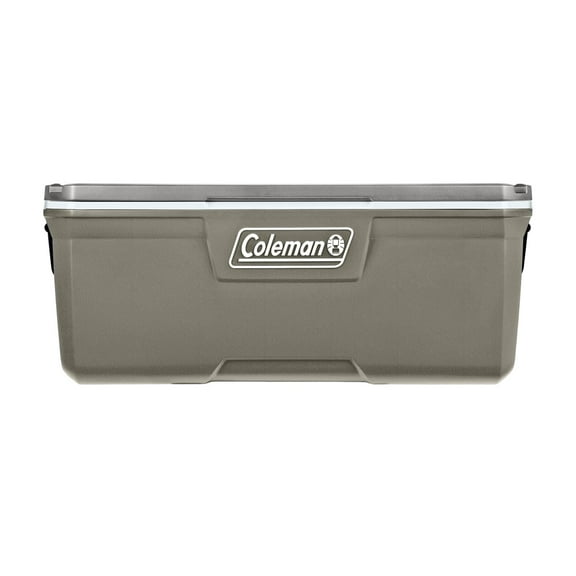
Coleman 316 Series 120QT Hard Chest Cooler, Silver Ash
In 50+ people's carts Coleman 316 Series 150QT Hard Chest Cooler, Silver Ash $99.00

Coleman 316 Series 150QT Hard Chest Cooler, Silver Ash
Jiarui Soft Cooler Bag Insulated 30 Cans Upgraded Leak-Proof Camping Black Travel Lunch Bag $16.99

Jiarui Soft Cooler Bag Insulated 30 Cans Upgraded Leak-Proof Camping Black Travel Lunch Bag
Insulated/cool lunch bag, suitable for office, picnic, hiking, beach, reusable, leak-proof, keeps food cold, adjustable shoulder strap, double-layer $14.99 Was $23.99


Insulated/cool lunch bag, suitable for office, picnic, hiking, beach, reusable, leak-proof, keeps food cold, adjustable shoulder strap, double-layer
ASTRAEA Tactical Backpack Cooler, 40 Cans Soft Leakproof Cooler Backpack for Men, Waterproof Insulated Lunch Bag for Beach Hiking Fishing Picnic, Sand $39.99 Was $49.99


ASTRAEA Tactical Backpack Cooler, 40 Cans Soft Leakproof Cooler Backpack for Men, Waterproof Insulated Lunch Bag for Beach Hiking Fishing Picnic, Sand
30L Cooler Backpack Leakproof Insulated Lunch Bag for Outdoor Camping Hiking Picnics Beach $21.68 Was $24.29

30L Cooler Backpack Leakproof Insulated Lunch Bag for Outdoor Camping Hiking Picnics Beach
Reusable Insulated Lunch Bag Cooler Bag Leakproof Portable Collapsible Soft Cooler Small Ice Chest for Beach Camping Travel Cooler for Car $7.91 Was $8.99


Reusable Insulated Lunch Bag Cooler Bag Leakproof Portable Collapsible Soft Cooler Small Ice Chest for Beach Camping Travel Cooler for Car
Explorer Bear Refrigerator Car Fridge, 40L/42.3Qt, 12/24V DC, 110-240V AC, Portable Freezer 3 Year Compressor Warranty $359.00

Explorer Bear Refrigerator Car Fridge, 40L/42.3Qt, 12/24V DC, 110-240V AC, Portable Freezer 3 Year Compressor Warranty
Cat Dog Trees Sun Clouds Cooler Bag Lunch Bag Soft Cooler Cooling Tote Insulated Lunch Box for Adult Men Women $23.99
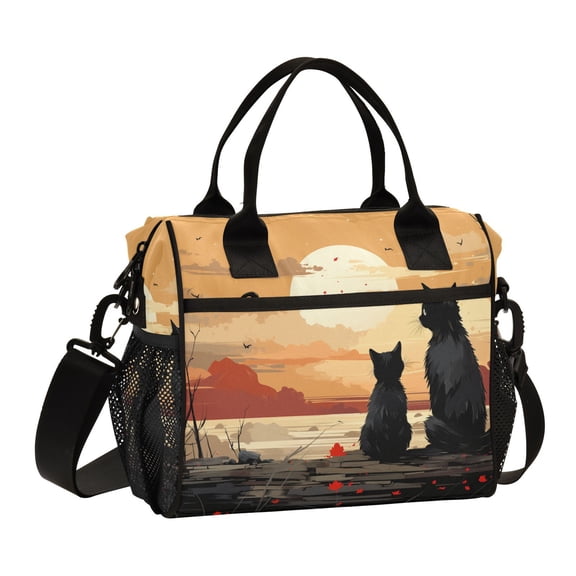
Cat Dog Trees Sun Clouds Cooler Bag Lunch Bag Soft Cooler Cooling Tote Insulated Lunch Box for Adult Men Women
AUXDIQ 13L Insulated Cooler Backpack Leak-Proof Lunch Bag Insulated Picnic Backpack, Brown $25.99
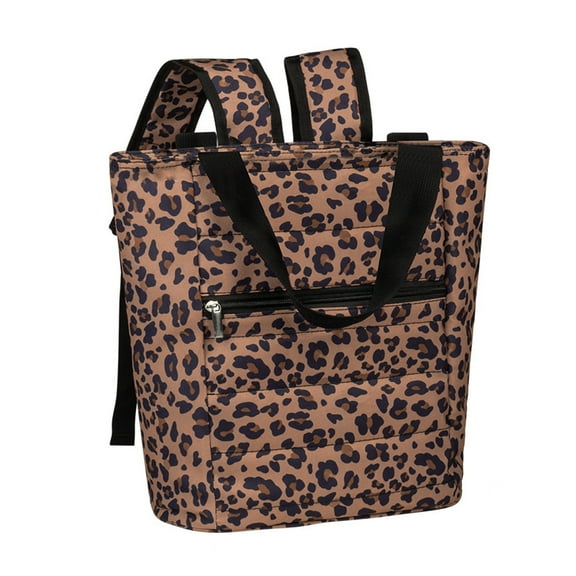


AUXDIQ 13L Insulated Cooler Backpack Leak-Proof Lunch Bag Insulated Picnic Backpack, Brown
VINGLI 80qt. Wagon Rolling Cooler Ice Chest w/Long Handle and 10" Wheels, Patio Cooler, Outdoor Park Cart on Wheels $169.99

VINGLI 80qt. Wagon Rolling Cooler Ice Chest w/Long Handle and 10" Wheels, Patio Cooler, Outdoor Park Cart on Wheels
Coleman 316 Series 70QT Hard Chest Cooler, Silver Ash $59.00
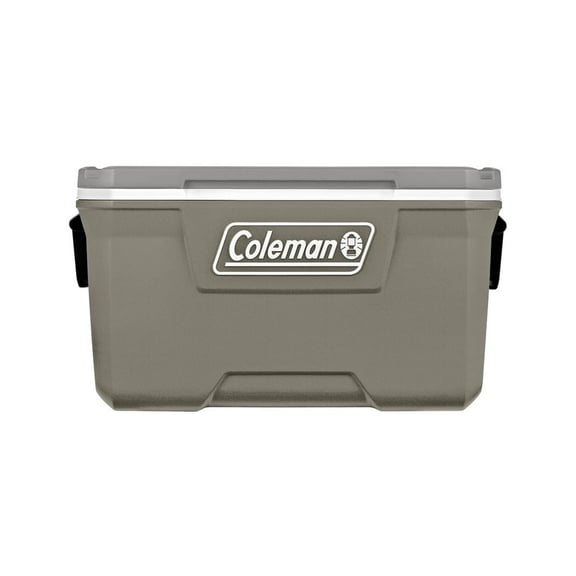
Coleman 316 Series 70QT Hard Chest Cooler, Silver Ash
Cooler bag Usa Flag 4th July American Red White Blue Star Stripes 15L Insulated Lunch Bag Large Cooler Suitable for camping and picnics $33.14

Cooler bag Usa Flag 4th July American Red White Blue Star Stripes 15L Insulated Lunch Bag Large Cooler Suitable for camping and picnics
Qunler 35 Can Cooler Backpack, Insulated Leak Proof Waterproof Cooler Bag, Portable Lightweight Lunch Bag for Travel Beach Camping Office, Gray $19.99
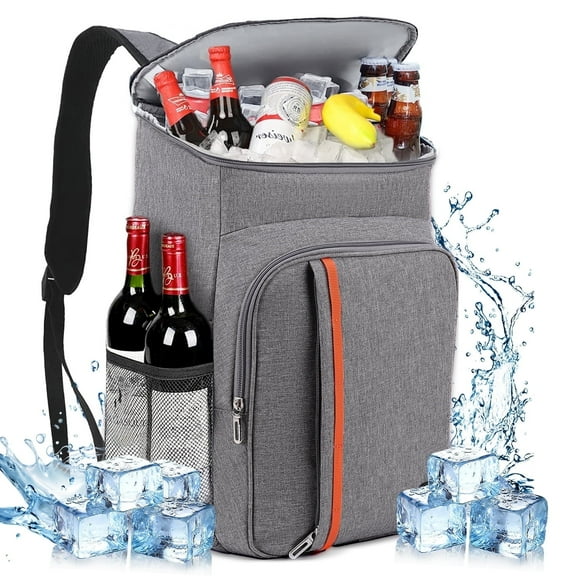


Qunler 35 Can Cooler Backpack, Insulated Leak Proof Waterproof Cooler Bag, Portable Lightweight Lunch Bag for Travel Beach Camping Office, Gray
HOMEYA 35 Cans Cooler Backpack Large Insulated Waterproof & Leakproof Women Soft Camping Lunch Bag, Teal $35.99


HOMEYA 35 Cans Cooler Backpack Large Insulated Waterproof & Leakproof Women Soft Camping Lunch Bag, Teal
Insulated Lunch Bag Cooler Tote | Waterproof Double Layer Thermal | Dual Compartment, 3-Way Carry, Large Capacity Fits 12 Cans | 9.84 x 9.05 x 6.7 in | 1 Pack $8.36


Insulated Lunch Bag Cooler Tote | Waterproof Double Layer Thermal | Dual Compartment, 3-Way Carry, Large Capacity Fits 12 Cans | 9.84 x 9.05 x 6.7 in | 1 Pack
12V Car Cooler Bag, Electric Picnic Lunch Bag Cooler Bag Foldable Cooler Bag for Carrying Picnic Food - 29cmx21cmx11cm $34.44

12V Car Cooler Bag, Electric Picnic Lunch Bag Cooler Bag Foldable Cooler Bag for Carrying Picnic Food - 29cmx21cmx11cm
CoreLiving Insulated Lunch Tote, Premium Leak-Proof Lining with Thermal Protection, Adjustable Carry Strap for Women, Reusable Container Holder for On-the-Go Meals, One Size $3.09 Was $3.45


CoreLiving Insulated Lunch Tote, Premium Leak-Proof Lining with Thermal Protection, Adjustable Carry Strap for Women, Reusable Container Holder for On-the-Go Meals, One Size
15L Insulated Cooler Bag, Large Capacity Thermal Picnic Bag,Waterproof Polyester for Beach Camping BBQ, Portable Lunch Bag for Work, Travel, Outdoor $19.99

15L Insulated Cooler Bag, Large Capacity Thermal Picnic Bag,Waterproof Polyester for Beach Camping BBQ, Portable Lunch Bag for Work, Travel, Outdoor
WEGFTDUOP Picnic Bag Shoulder Outdoor Impermeable Lunch Bag Thickened Aluminum Film Insulation Bag Insulated Large Capacity Picnic Bag $10.18


WEGFTDUOP Picnic Bag Shoulder Outdoor Impermeable Lunch Bag Thickened Aluminum Film Insulation Bag Insulated Large Capacity Picnic Bag
Insulated Lunch Bag | Leakproof Lunch Bag Large Pink Portable Cooler | Gift for Picnic Outdoor Lunch Bag for Adults $16.99


Insulated Lunch Bag | Leakproof Lunch Bag Large Pink Portable Cooler | Gift for Picnic Outdoor Lunch Bag for Adults
Shiba Inu Dogs Cooler Bag Lunch Bag Soft Cooler Cooling Tote Insulated Lunch Box for Adult Men Women $23.99

Shiba Inu Dogs Cooler Bag Lunch Bag Soft Cooler Cooling Tote Insulated Lunch Box for Adult Men Women
Colorful Insulated Backpack Cooler - 20L Soft Cooler Bag, Abstract Geometric Design for Picnic & Travel $29.99
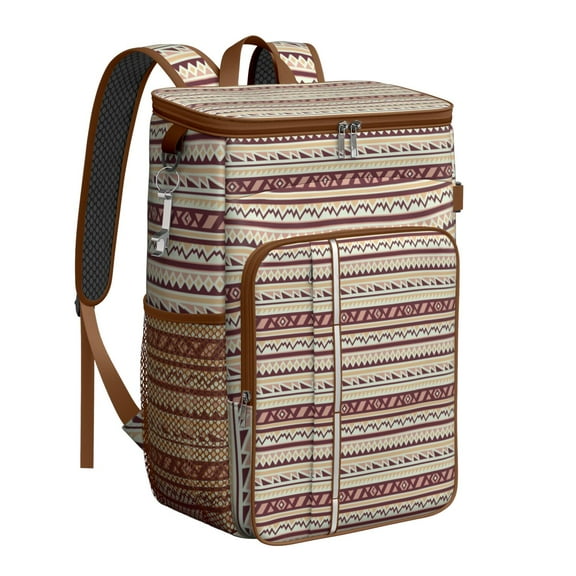


Colorful Insulated Backpack Cooler - 20L Soft Cooler Bag, Abstract Geometric Design for Picnic & Travel
RTIC Insulated Lunch Bag, Soft-Sided Freezable & Collapsible Cooler, Periwinkle $22.94 Was $26.99
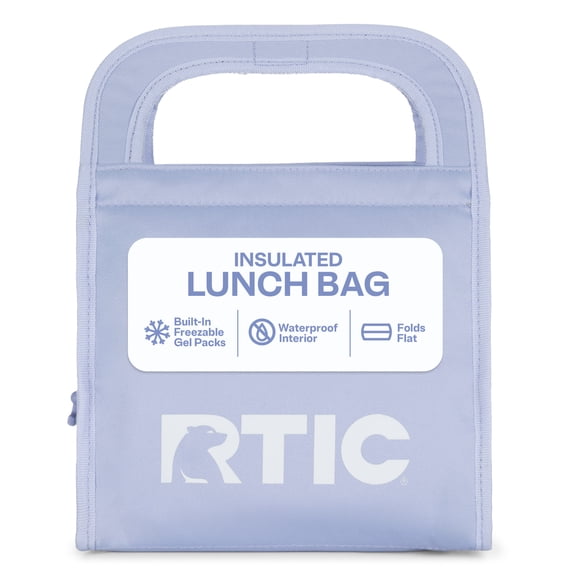
RTIC Insulated Lunch Bag, Soft-Sided Freezable & Collapsible Cooler, Periwinkle
GASTROPOD 18L Insulated Cooler Backpack Leak-Proof Lunch Bag Insulated Picnic Backpack Cooler Backpack Insulated Waterproof (Grey) $20.47 Was $23.78

GASTROPOD 18L Insulated Cooler Backpack Leak-Proof Lunch Bag Insulated Picnic Backpack Cooler Backpack Insulated Waterproof (Grey)
Romswi 18 Can Soft Cooler, Insulated Leak-Proof Waterproof Lunch Bag, Portable Ice Chest box, 25HR Cold Retention Soft Cooler for Beach, Drink, Beverage, Travel, Camping, Fishing,Picnic, Car,Gray $45.99


Romswi 18 Can Soft Cooler, Insulated Leak-Proof Waterproof Lunch Bag, Portable Ice Chest box, 25HR Cold Retention Soft Cooler for Beach, Drink, Beverage, Travel, Camping, Fishing,Picnic, Car,Gray
Lenkho Insulated Lunch Bag, Waterproof Thermal Tote for Men Women, Reusable Cooler Bag with Zipper, Leak-Proof, Lightweight, Ideal for Work, School, Picnic, Keeps Food Fresh & Cold/Hot $6.99 Was $8.99


Lenkho Insulated Lunch Bag, Waterproof Thermal Tote for Men Women, Reusable Cooler Bag with Zipper, Leak-Proof, Lightweight, Ideal for Work, School, Picnic, Keeps Food Fresh & Cold/Hot
ACDANC Insulated Lunch Box with Ice Pack,15L Cooler Lunch Box for Work School Picnic,Double Deck Work Lunch Bag for Men Women,Leakproof Freezable Cooler Box with Side Tissue Pocket $27.03

ACDANC Insulated Lunch Box with Ice Pack,15L Cooler Lunch Box for Work School Picnic,Double Deck Work Lunch Bag for Men Women,Leakproof Freezable Cooler Box with Side Tissue Pocket
Lunch Bag,Lunch Tote,Insulated Picnic Cooler Bag Large Capacity Portable Thermal Lunch Bag Leakproof Waterproof Cooler Tote for Outdoor Camping Picnic Beach Travel(MulticolorC) $13.99
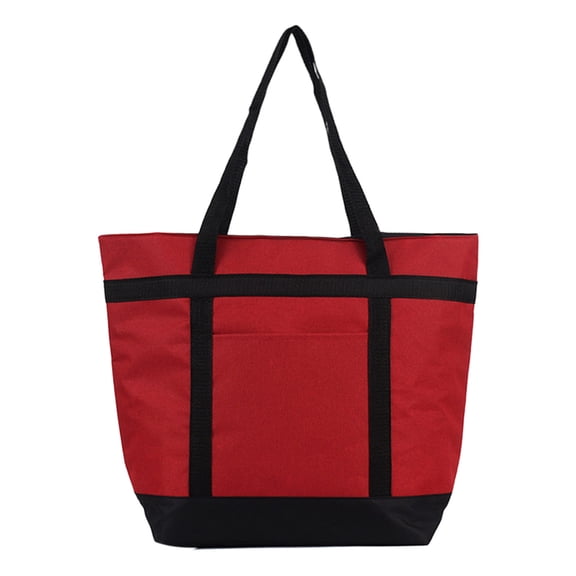


Lunch Bag,Lunch Tote,Insulated Picnic Cooler Bag Large Capacity Portable Thermal Lunch Bag Leakproof Waterproof Cooler Tote for Outdoor Camping Picnic Beach Travel(MulticolorC)
Cars Road Cooler Bag Lunch Bag Soft Cooler Cooling Tote Insulated Lunch Box for Adult Men Women $23.99
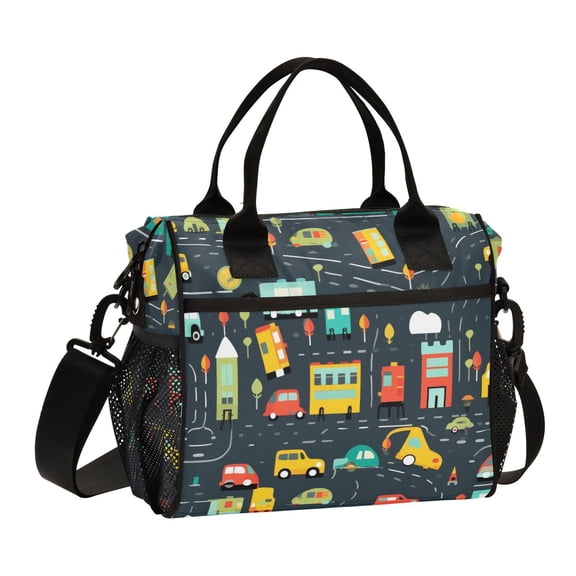
Cars Road Cooler Bag Lunch Bag Soft Cooler Cooling Tote Insulated Lunch Box for Adult Men Women
About Shop Coolers & Insulated Lunch Bags for Camping, Travel - Walmart.com
Get ready to make your Fourth of July festivities refreshingly simple with personal coolers and portable ice chests from Walmart. Whether you're headed to the local park, planning a beach gathering, or packing for a family picnic, these compact coolers help keep everything organized and chilled for your outdoor celebrations.
- Effortless portability: Lightweight designs with various carry styles—including shoulder straps, handles, and backpack options—let you bring cold drinks and snacks to any event, hands-free or by hand.
- Smart insulation: Thermal-lined and foam interiors help preserve food and beverage temperatures for hours, keeping treats ready throughout hot summer afternoons.
- No-spill assurance: Many coolers feature leak-resistant linings and secure closures, giving peace of mind on drives, walks, or busy gathering spots.
- Personalized capacity options: Choose from compact lunch totes for solo outings or larger soft- and hard-sided coolers to suit small group celebrations and family picnics.
- Convenient organization: Interior dividers and exterior pockets keep utensils, napkins, or necessities within reach, making refills and setup a breeze.
Explore Walmart's range of personal coolers to enjoy reliable cooling and hassle-free transport for every Independence Day plan. Find the cooler that fits your adventure and keep your favorite refreshments close all holiday weekend.
Popular in Shop Coolers & Insulated Lunch Bags for Camping, Travel - Walmart.com
FAQ
How do I choose the right cooler size?
Picking the best size for a personal cooler depends on how many drinks and snacks you plan to bring and your outing type.
- For solo trips, look for smaller options—think six- or nine-can coolers.
- If you’re prepping for a picnic or BBQ with a few people, consider a 12- or 16-quart cooler.
- Larger models are great for groups or packing specialty items like bottles.
What’s the easiest way to clean my cooler?
Keeping your personal cooler fresh is simple and keeps your snacks safe.
- Empty all contents and toss leftover ice or packs.
- Wipe the inside with mild soap and water using a sponge.
- Give it a rinse to remove any soap residue.
- Let the cooler air dry—keeping the lid open helps.
- For tough stains or odors, sprinkle baking soda with water and scrub gently.
How can I keep drinks cold at the beach?
Enjoying chilled drinks at the beach comes down to a few practical steps:
- Pre-chill all beverages and snacks before packing your cooler.
- Add ice packs or loose ice—just make sure your cooler is designed to handle it.
- Look for well-insulated models with foam or thermal liners for longer-lasting cold.
- Keep the cooler closed as much as possible to save cool air.
- Store your cooler in the shade—direct sunlight heats things up fast.
Are there coolers that won’t leak in my car?
Many personal coolers feature leak-resistant designs perfect for car trips.
- Look for options with sealed seams and leakproof zippers—these help keep melted ice or spills contained.
- Soft-sided coolers often use coated materials for added protection.
- Certain models include removable liners that wipe clean easily after use.
Can I use my cooler for hot food?
You can absolutely use personal coolers to help carry hot foods for picnics or gatherings.
- Many insulated options (including lunch bags) maintain food temperature, offering thermal protection for hot dishes.
- Pack hot items in heat-retaining containers and place them in the cooler soon after cooking.
- Soft-sided coolers are great for smaller meals, while larger ice chests can fit bigger containers.