





Sleep Sacks for Babies & Toddlers | Walmart

































About Sleep Sacks for Babies & Toddlers | Walmart - Walmart.com
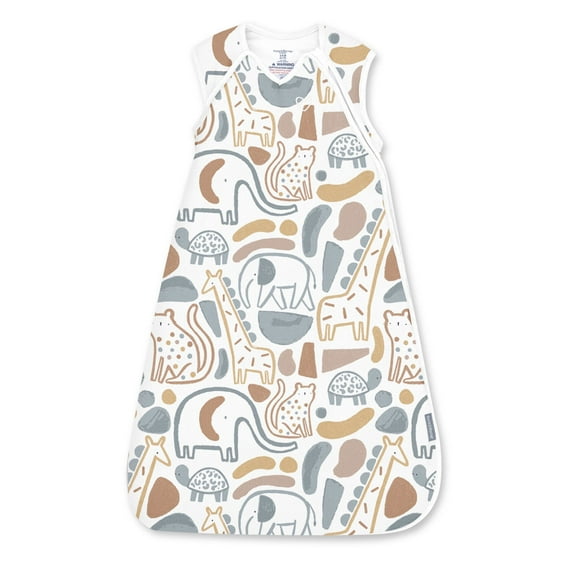
Sleep sacks help you dress your baby for rest without loose crib blankets. You can compare wearable blankets by material, TOG rating, size, and closure style for a more confident pick.
Choosing the right sleep sacks for your nursery
When you compare baby sleep sacks, you’ll want to start with your room temperature and your baby’s stage. You can then narrow your options by sleeve type, fabric feel, and zipper placement.
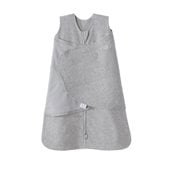
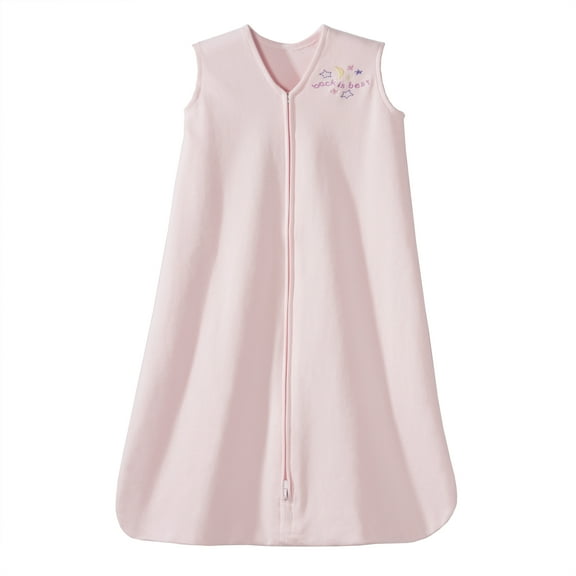
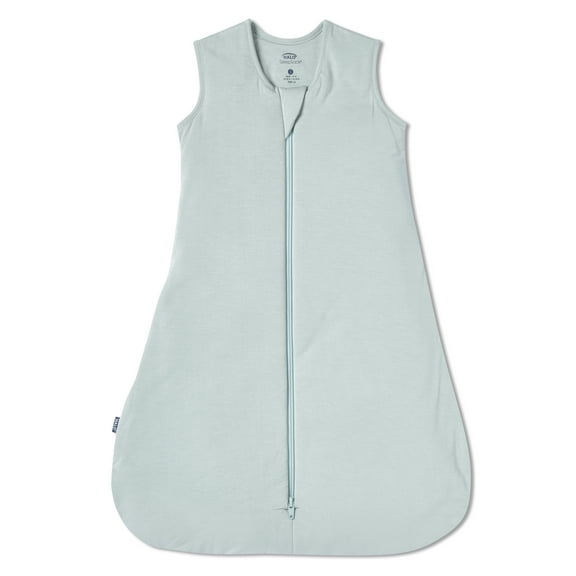
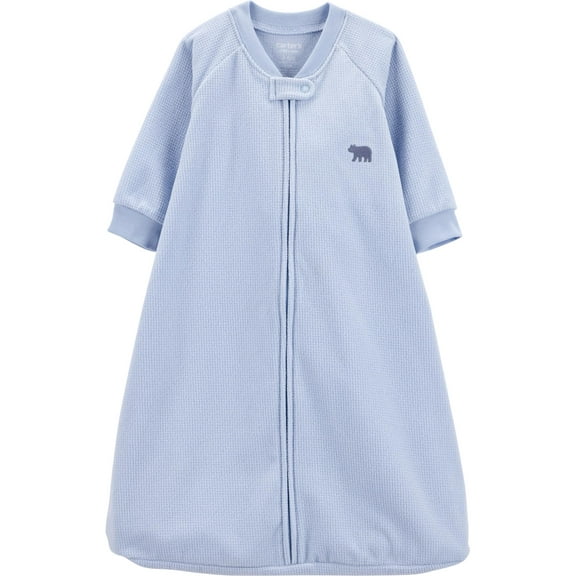
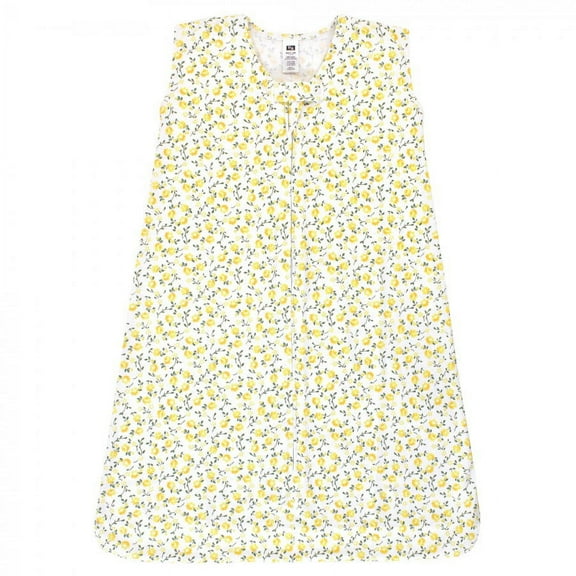
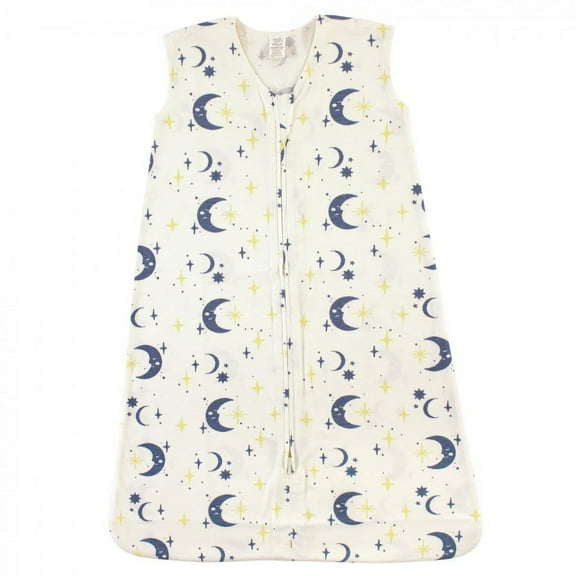
A sleep sack for babies works like wearable sleepwear, so you can focus on fit and coverage. You’ll usually notice that sleeveless styles allow airflow, while long sleeve options add extra coverage.
How to choose material and fabric feel
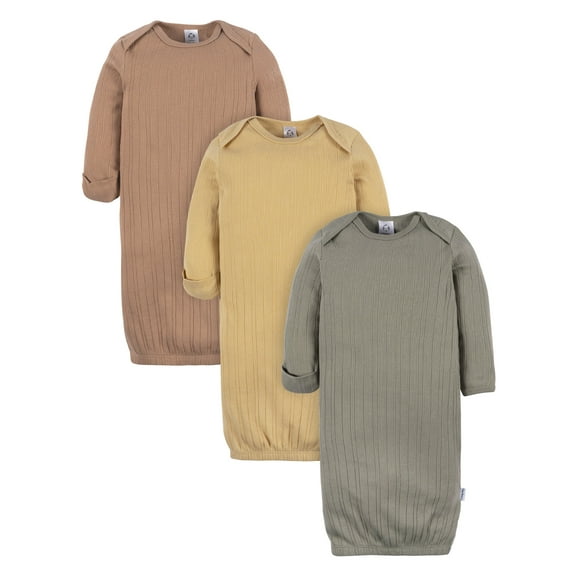
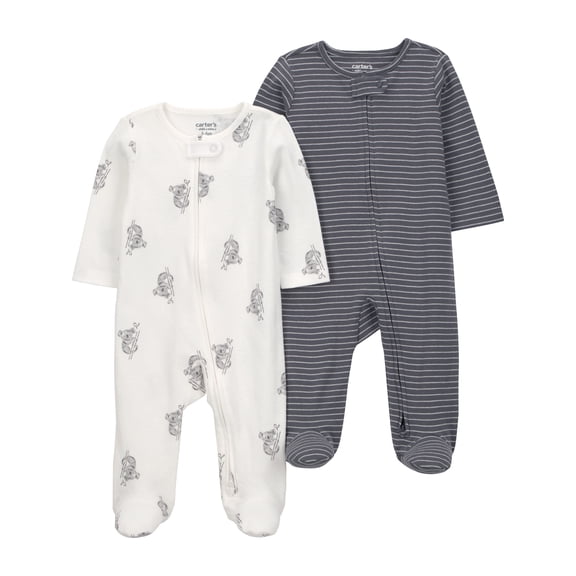
Material affects how the sleep sack feels through naps and overnight use. You may prefer a cotton sleep sack when you want a soft, breathable layer for everyday wear.
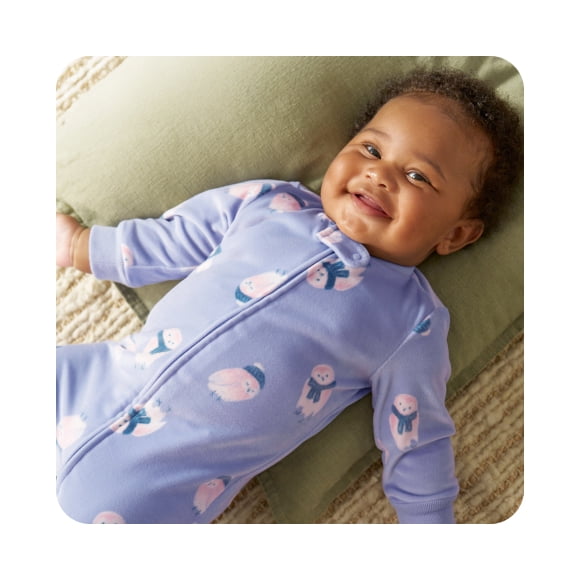
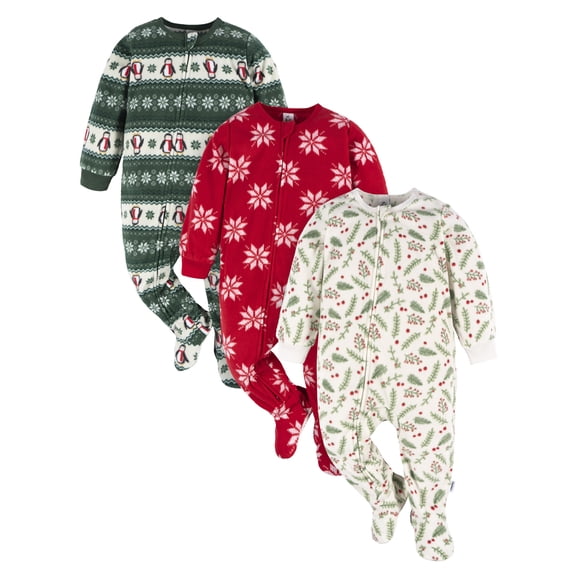
Muslin styles feel light and airy, so you may choose them for warmer rooms. Fleece styles feel warmer and cozier, so you may look at them for colder seasons.
If you’re comparing fabric labels, you may consider organic cotton for a familiar natural-fiber feel. You can also check seam placement and lining details when your baby has delicate skin.
- You can choose cotton when you want breathable comfort and easy everyday layering.
- You can choose fleece when you want warmer coverage in cooler rooms.
- You can choose muslin when you want a lighter feel for warm-weather sleep.
- You can compare fabric texture and inner seams when softness is a key priority for your routine.
Understanding TOG ratings in wearable blankets
TOG rating tells you how much warmth a wearable blanket is designed to provide. You can use that number as a quick guide when you compare nursery temperatures.
A 0.5 TOG style usually feels lighter, so you may choose it for warmer rooms. A 1.0 TOG option gives you moderate coverage for many everyday sleep setups.
If you’re planning ahead for colder months, you may consider a 2.5 TOG winter sleep sack. You should still compare the rating with your room conditions and your baby’s sleepwear layers.
When you read thermal resistance details, you’re really checking warmth level in plain terms. You can use TOG ratings to compare options faster than fabric names alone.
Checking size, fit, and closure details
Size matters because you want a sleep sack that fits comfortably around the neck and armholes. You should compare the listed age range with your baby’s current measurements.
You’ll often see sizes like 0-3 months, 3-6 months, 6-12 months, and 12-18 months. You can use those ranges as a starting point, then check the brand size chart.
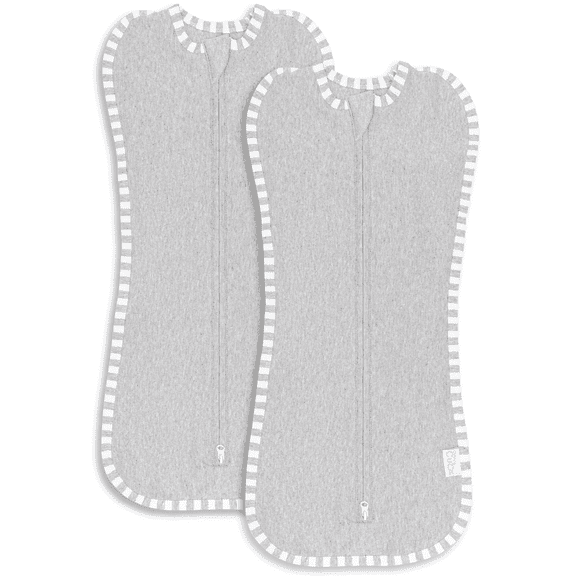
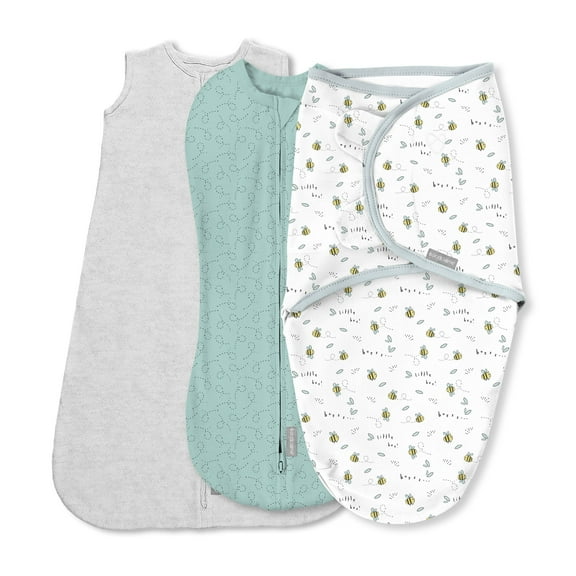
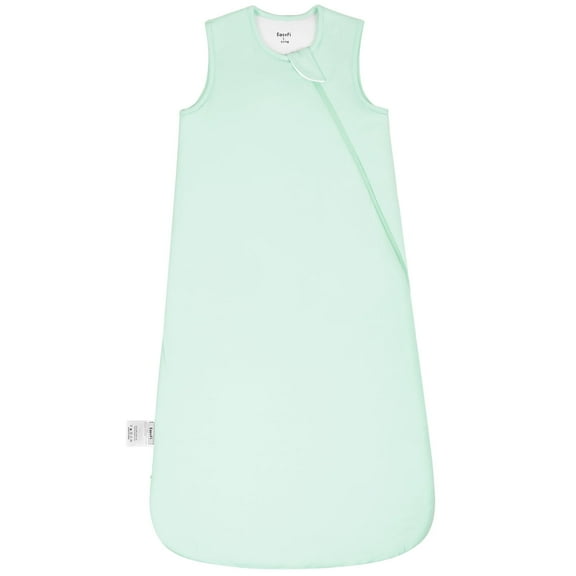
Closure design also changes your daily routine, especially during overnight diaper changes. You may prefer a 2-way zipper when you want easier access from the bottom.
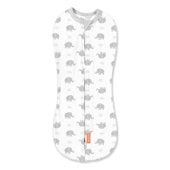
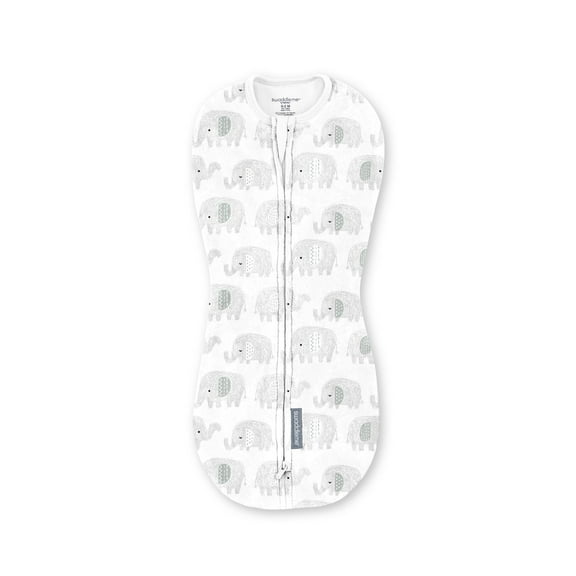
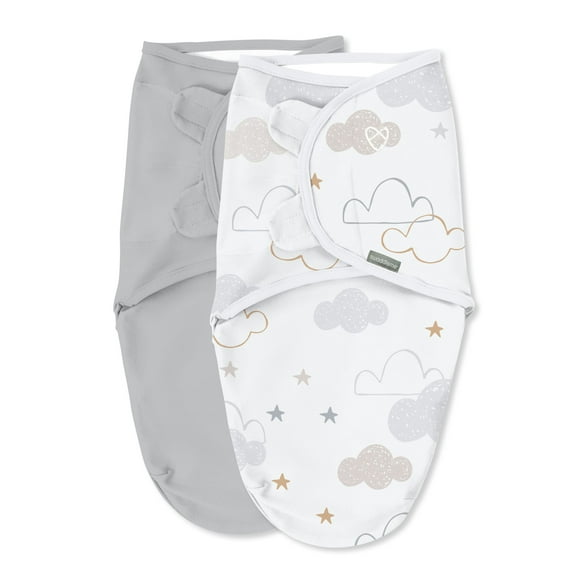
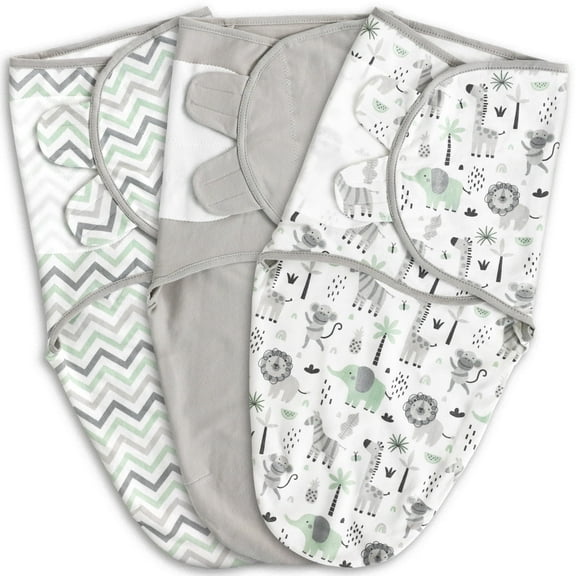
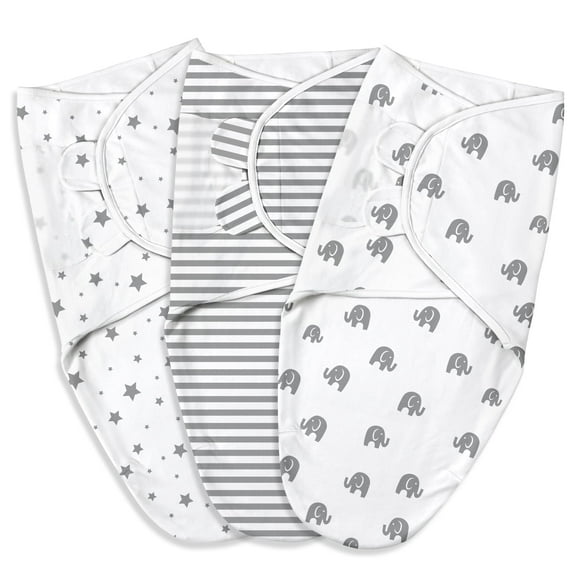
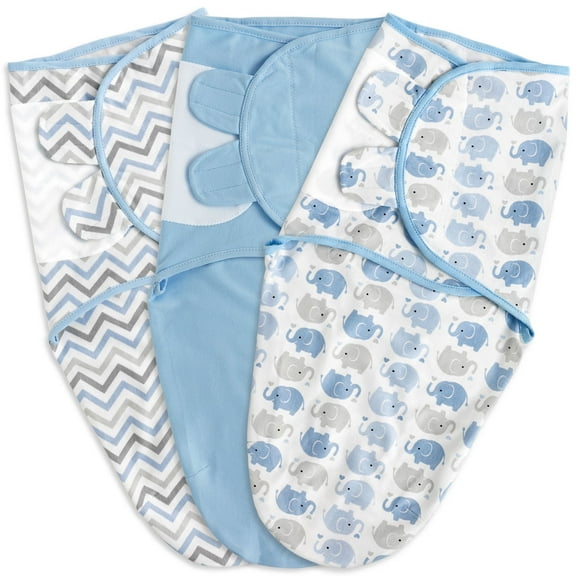
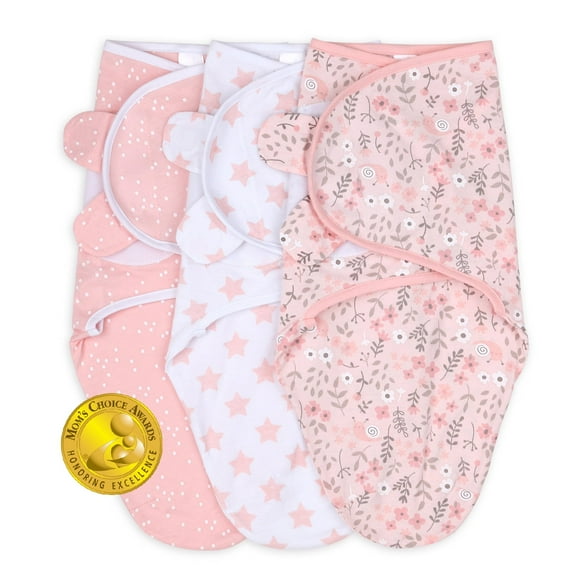
An inverted zipper can simplify dressing because the pull starts near the hem. If you’re considering a sleep sack with swaddle features, you should check whether the strap style supports your baby’s stage.
Comparing sleeve types and transition options
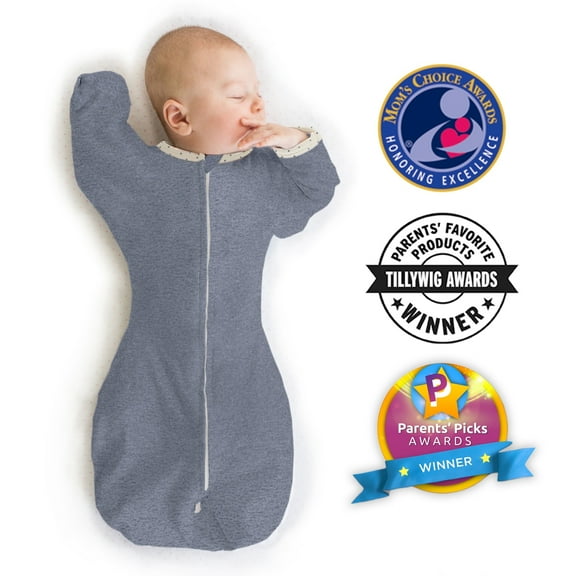
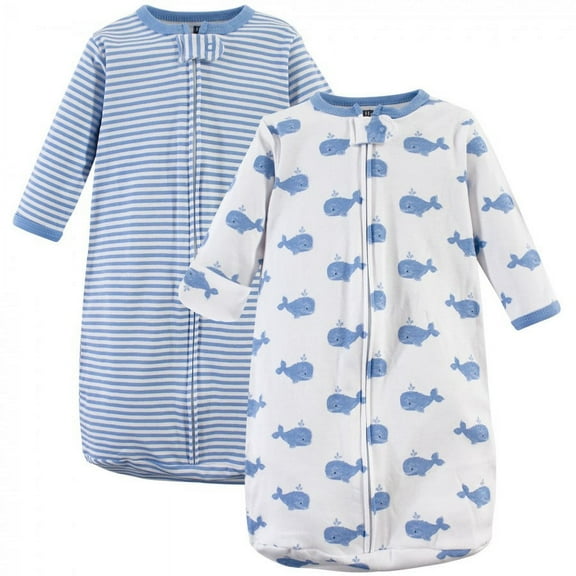
Sleeve type helps you match coverage to both the season and your baby’s movement. You can compare sleeveless, long sleeve, and swaddle transition designs by how your baby sleeps.
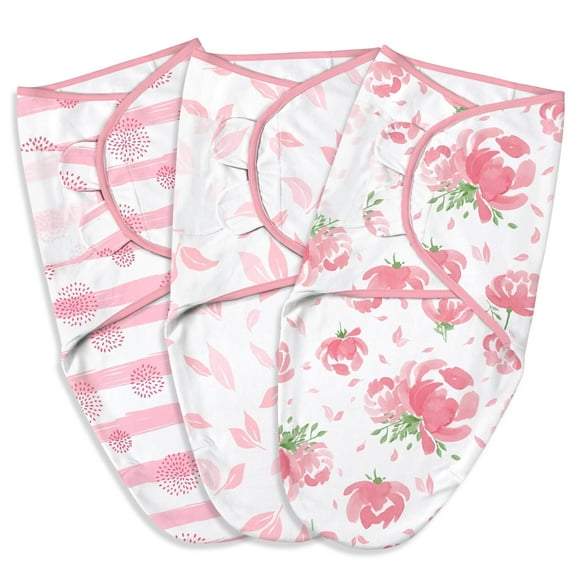
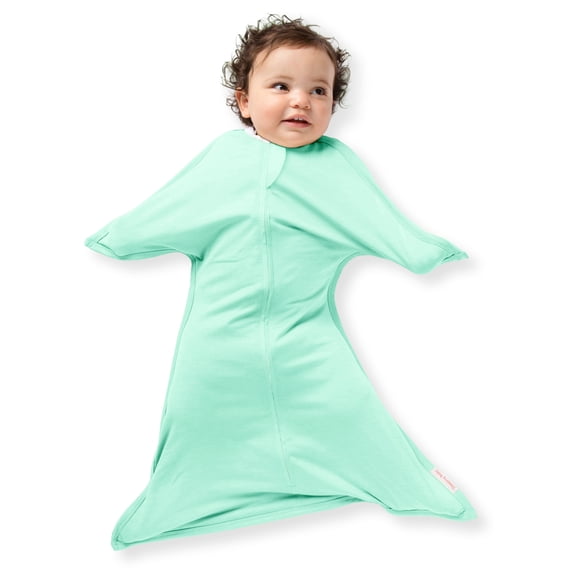
If your baby is moving toward arms-free sleep, a transition sleep sack can support that next step. You may choose swaddle transition styles that allow a gradual change in how the arms rest.
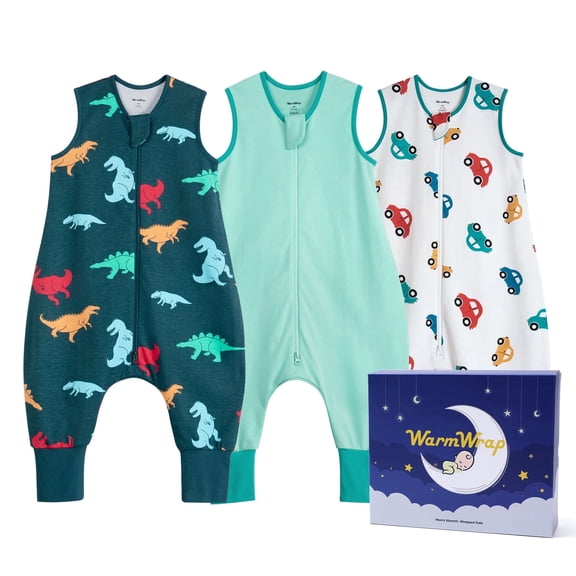
For rolling babies, you’ll want to review whether the design supports arms-out use. You can compare baby sleep sacks that focus on freer leg movement and simple nighttime dressing.
Matching sleep sacks to everyday routines
Your routine can help you narrow choices faster than color or print alone. You may want one lighter option for warm afternoons and one warmer option for cooler nights.
If you’re dressing a newborn, you may look for smaller sizes with simple closures and soft fabrics. If you’re shopping for an older baby, you may prioritize roomy leg space and quick zipper access.
You can also compare wearable blankets for travel naps, daycare routines, and seasonal changes at home. A fleece sleep sack may suit cooler rooms, while muslin or cotton may fit warmer settings.
When you want flexibility, you may keep a few fabric weights on hand across the year. That approach helps you adjust your baby’s sleepwear without relying on loose layers.
With sleep sacks, you can shop by TOG, size, material, and transition features instead of guessing. You’ll feel more prepared when your choice matches your nursery temperature, your baby’s stage, and your nighttime routine.