

Canopy Sidewalls in Canopies & Shelters









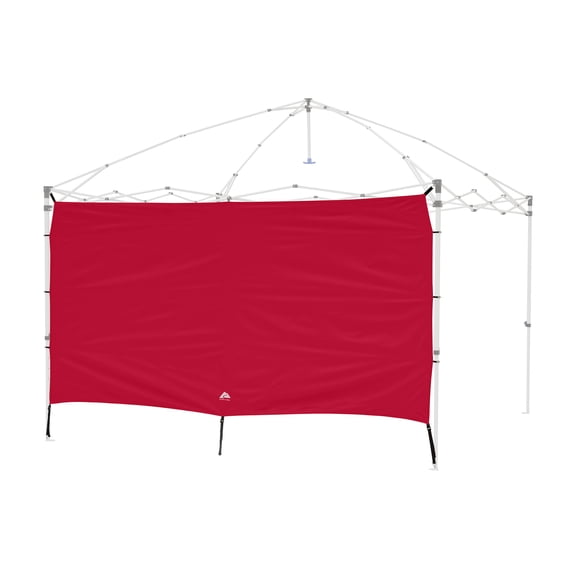

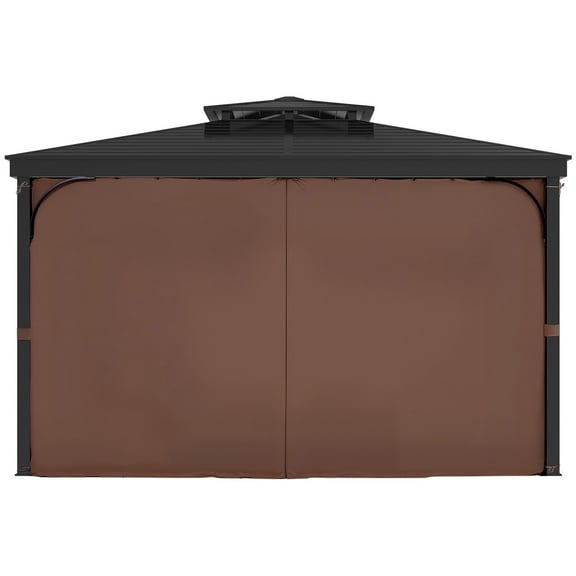


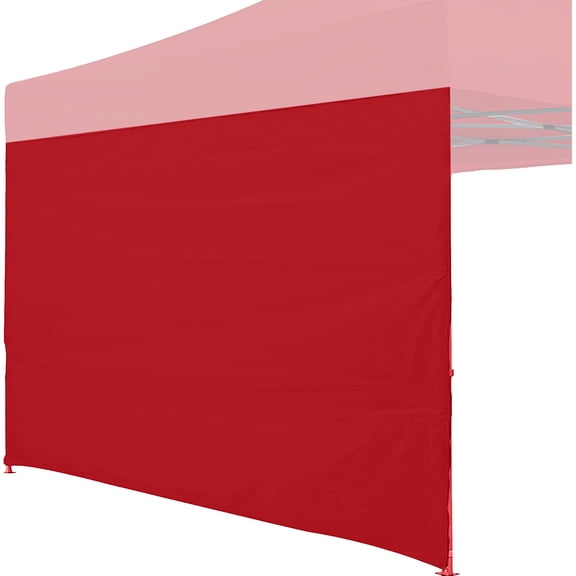


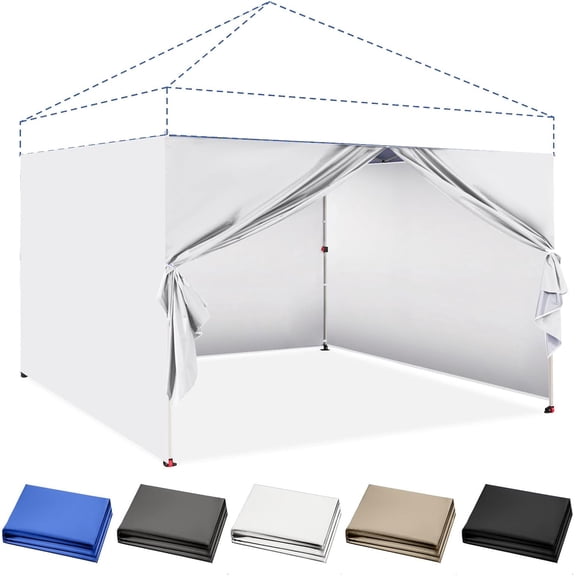


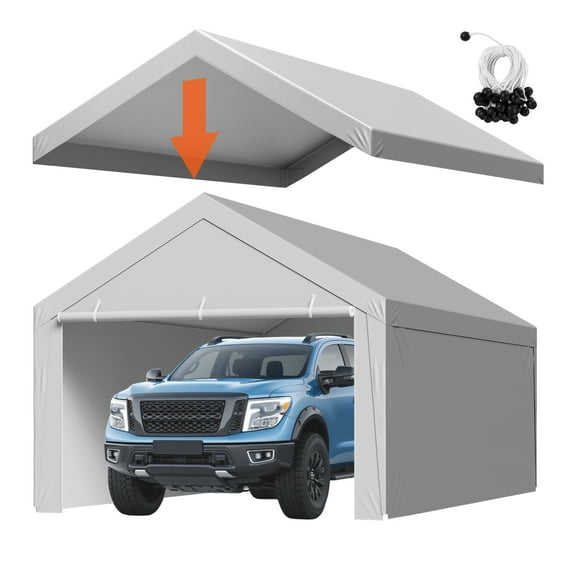
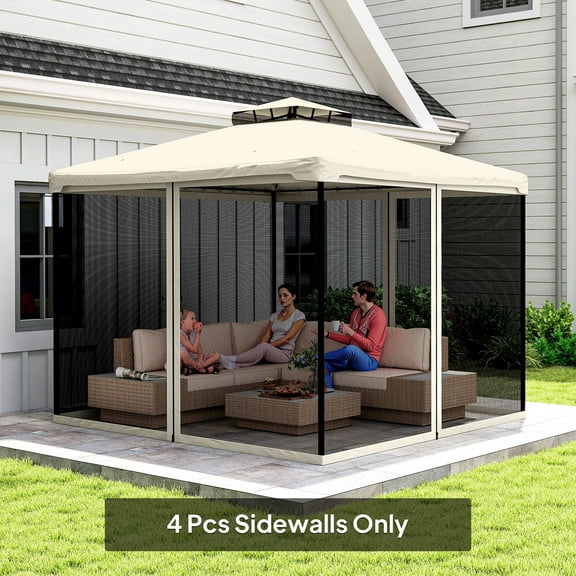


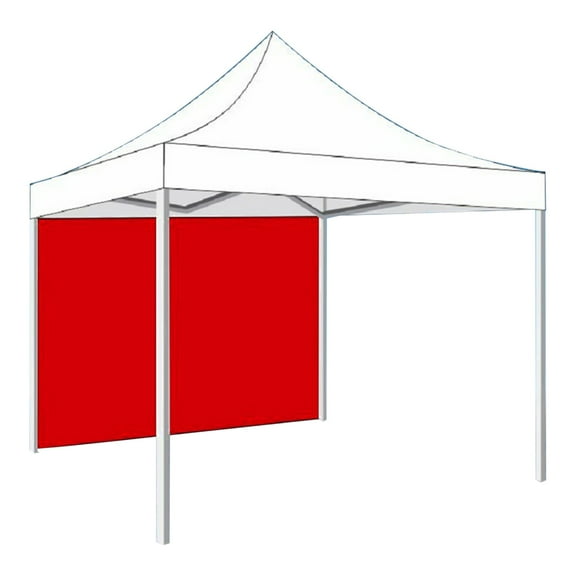


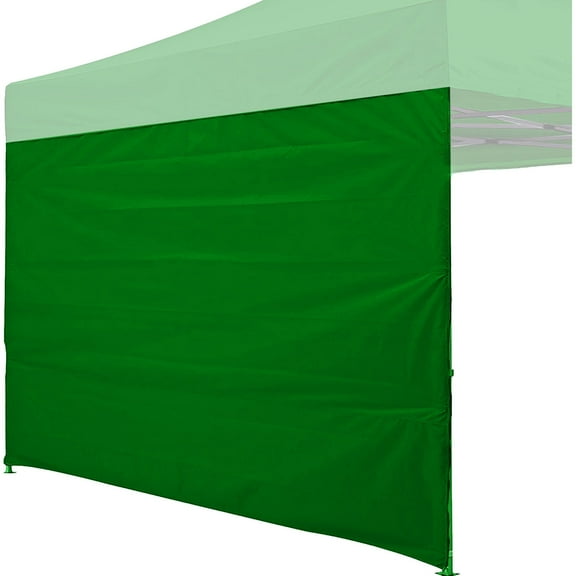









About Canopy Sidewalls in Canopies & Shelters - Walmart.com
Camping walls help turn an open canopy into a more covered outdoor setup. On this page, you’ll find panels and kits made for shade, privacy, and flexible shelter coverage.
These accessories do more than close off a frame. They help block low sun, create a cleaner edge around your setup, and give your canopy a more finished footprint.
Camping walls for covered outdoor setups
Canopy sidewalls matter when your shelter needs more than a roof. A side panel can change airflow, sightlines, and how your space works during long hours outside.
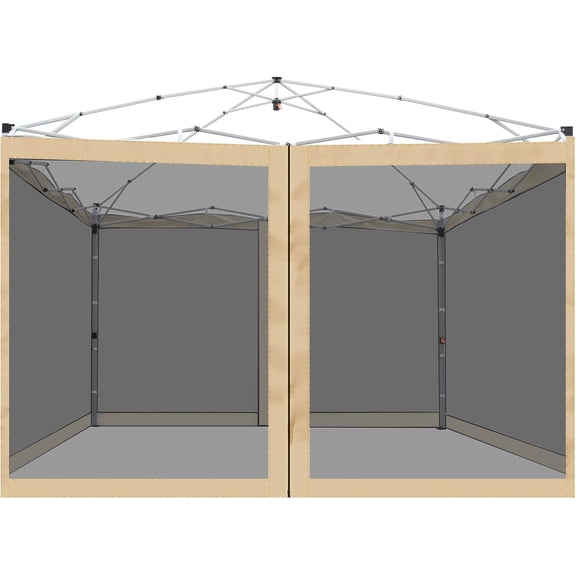
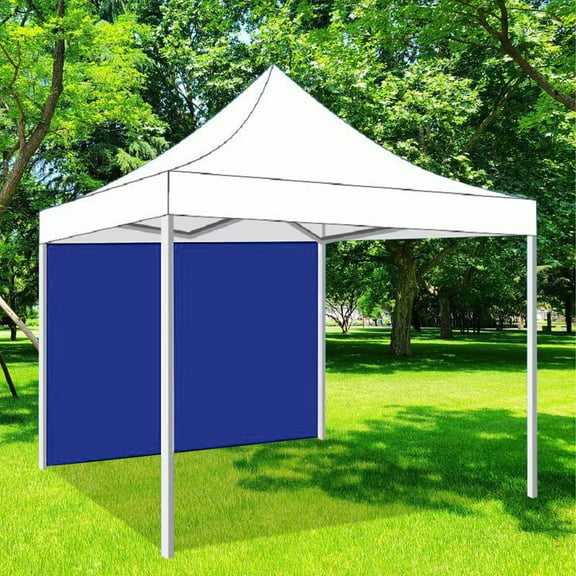
That difference shows up at campgrounds, sports fields, tailgates, and vendor tents. Solid panels, mesh sections, and windowed styles each create a different shelter experience.
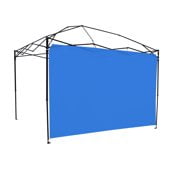
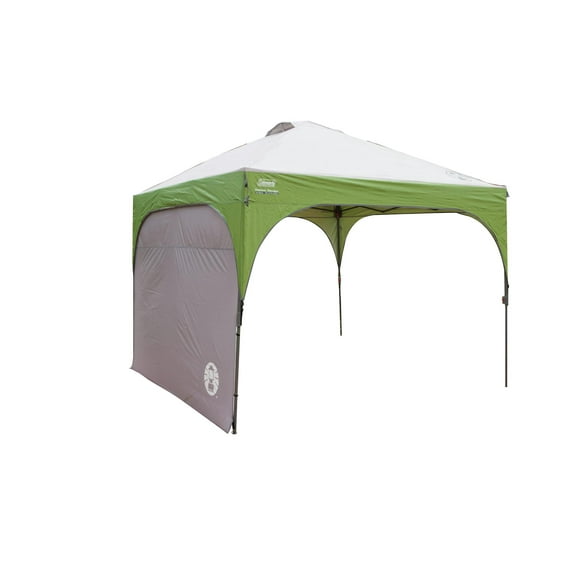
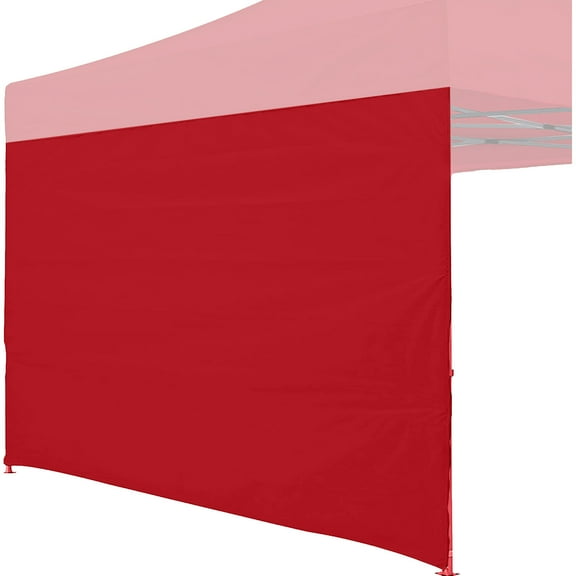
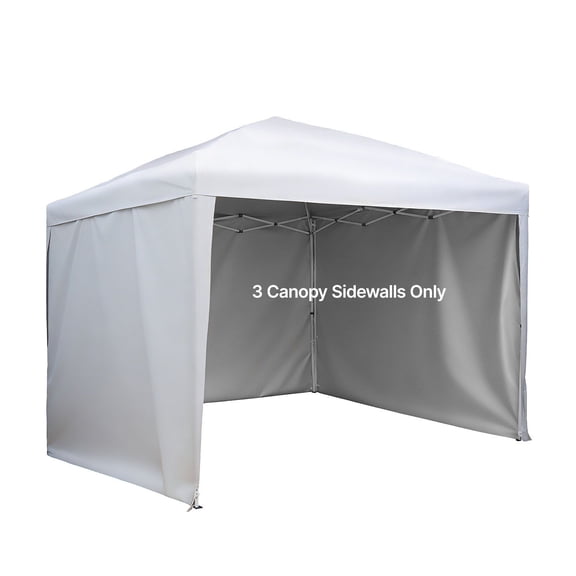
- Solid walls add shade and visual privacy around open sides.
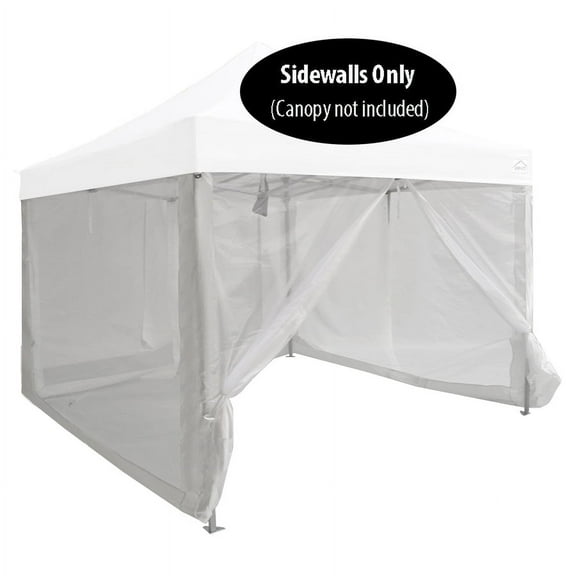
- Mesh panels support airflow while keeping the canopy more enclosed.
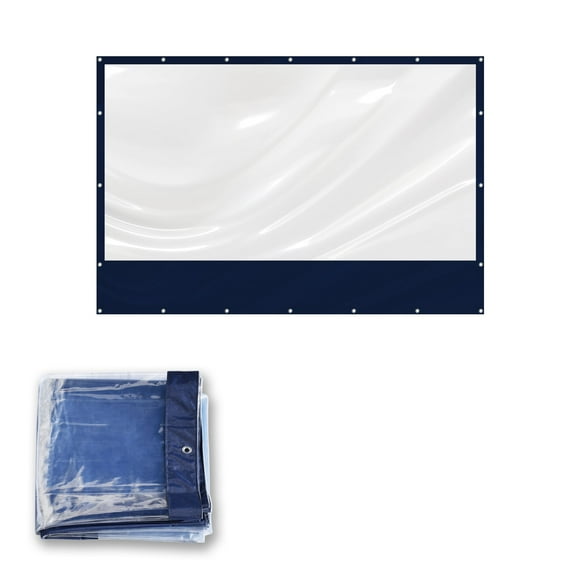
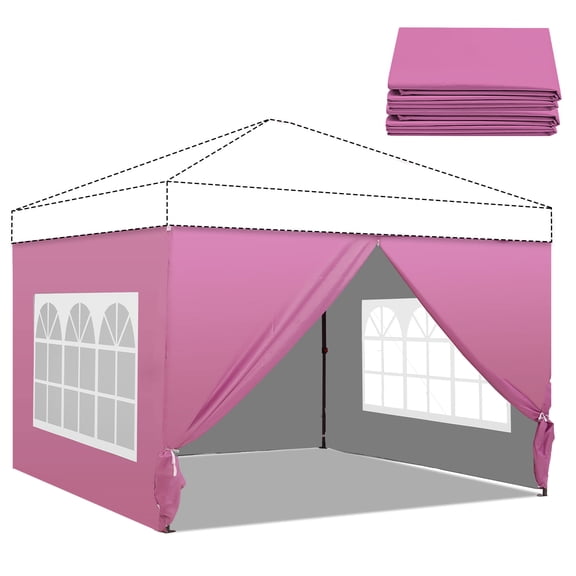
- Windowed options let in light without opening the full side.
- Wall kits help create a more complete setup from corner to corner.
If you use a canopy for gear storage, side coverage keeps the layout more organized. It also helps define entry points and usable space inside.
10x10 canopy sidewalls and fit details
10x10 canopy sidewalls are a key size for many outdoor shelters. That size is common for pop up frames used at events, campsites, and markets.
Fit starts with frame shape, not label alone. Straight-leg canopies and slant-leg canopies can share roof names while needing different panel dimensions.
Check attachment style before choosing a canopy wall kit. Some panels use hook-and-loop tabs, while others use ties, clips, or zip connections.
Panel height also matters during setup. A wall that matches width but misses the drop length can leave gaps along the ground.
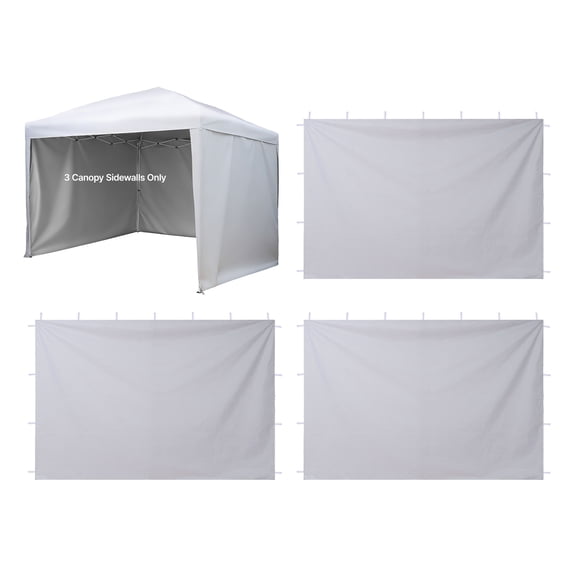
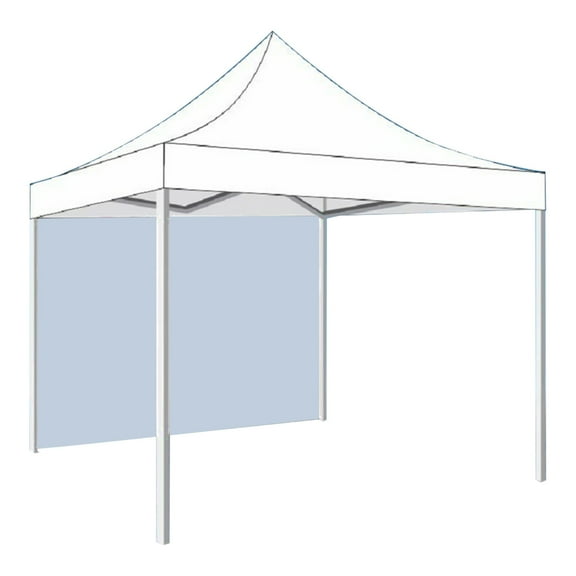
Some canopy tent walls come as single replacement panels. Others arrive as multi-piece sets for one side, two sides, or full perimeter coverage.
For pop up tent side walls, look at corner connection points and valance design. Those details affect whether the wall hangs flat or pulls unevenly.
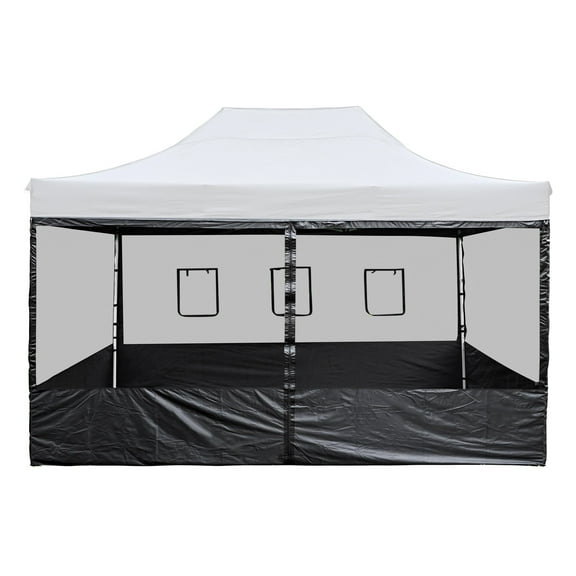
Window placement can also shape your choice. A clear section may work well for vendor displays, while solid coverage suits gear or seating areas.
Use cases for 10x10 tent sidewalls
10x10 tent sidewalls work well when you need a more defined shelter zone. They’re useful for campsite dining areas, check-in tables, and sideline seating.
At a campground, side panels can separate cooking space from sleeping gear. That makes the canopy feel more purposeful throughout the day.
For sports events, pop up canopy sides can reduce glare on one side of the tent. They also create a calmer backdrop for chairs, coolers, and bags.
Vendor setups often need flexible visibility. A windowed panel on one side and a solid panel on another can balance display access with coverage.
Beach and park gatherings also benefit from directional coverage. You can place panels where the sun hits hardest and keep other sides open.
Some shoppers need replacement canopy sidewalls after losing a single panel. Others want a full wall kit to convert a simple roof into a more enclosed station.
That’s why measurements, attachment style, and panel type matter so much. The right match helps the canopy work the way you planned.
How to choose canopy sidewalls with confidence
Start by measuring each side of the frame, then confirm leg style. A true 10x10 footprint doesn’t always mean every wall fits every canopy.
Next, compare how the panel attaches to the frame. Matching the connection method can make setup faster and create a cleaner hang.
Then think about how you use the shelter most often. Mesh, solid, and windowed canopy sidewalls each support a different layout and level of coverage.
Well-matched camping walls help your canopy feel more usable from morning setup through pack-down. That practical fit gives you cleaner coverage and a more functional outdoor space.