

Flatware Serving Sets in Flatware

























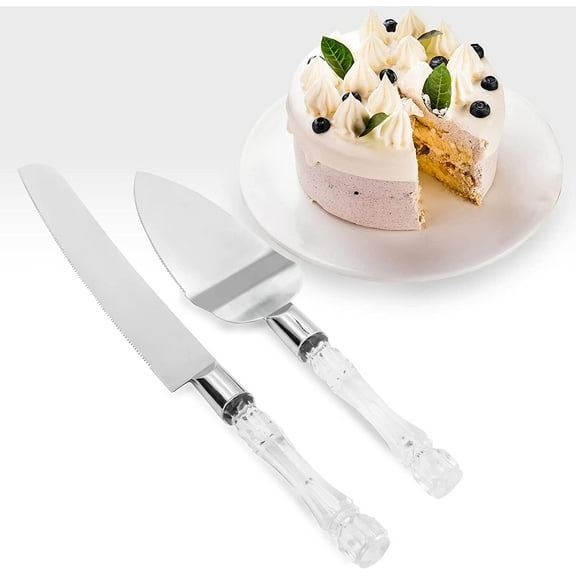


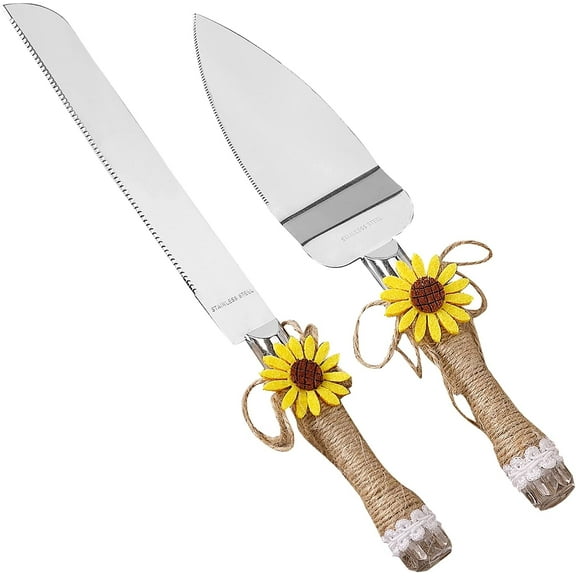


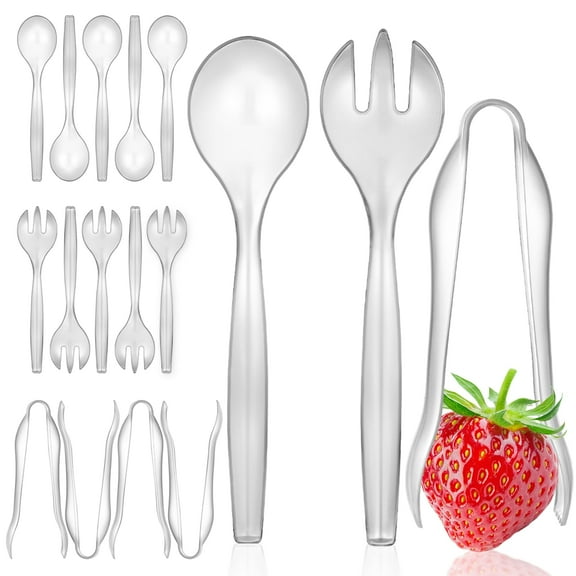
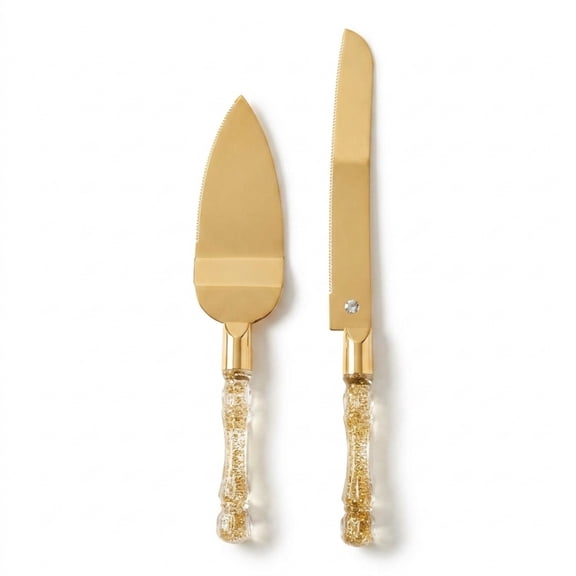
About Flatware Serving Sets in Flatware - Walmart.com
You can choose silverware for serving with more confidence when you compare piece types, finishes, and care needs. You'll also get more use from sets that match your table, menu, and cleanup routine.
When you serve family meals or host guests, you may want more than everyday place settings. You can round out your table with flatware serving pieces like serving spoons, forks, ladles, and butter spreaders.
How to choose silverware for serving
You should start with the foods you serve most often. You can then match each piece to its job, so your table feels organized and easy to use.
If you serve salads, roasts, or side dishes, you may want a serving fork and spoon. If you serve sauces or gravies, you should consider a gravy ladle for cleaner pouring.
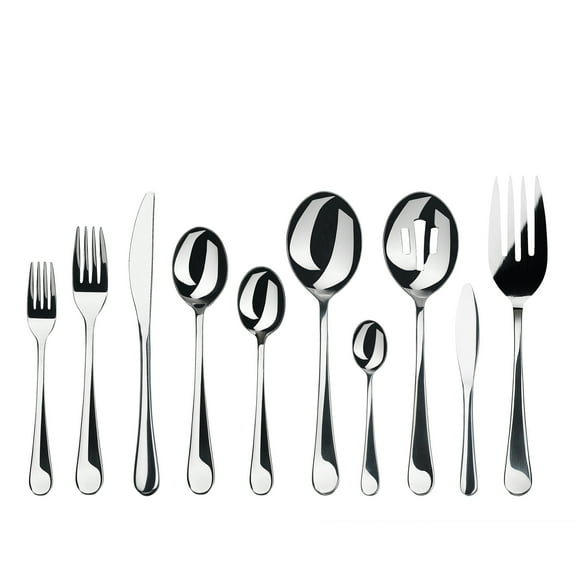
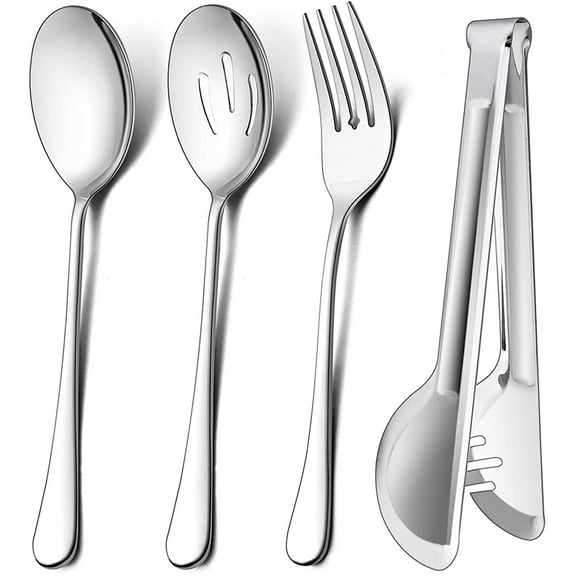
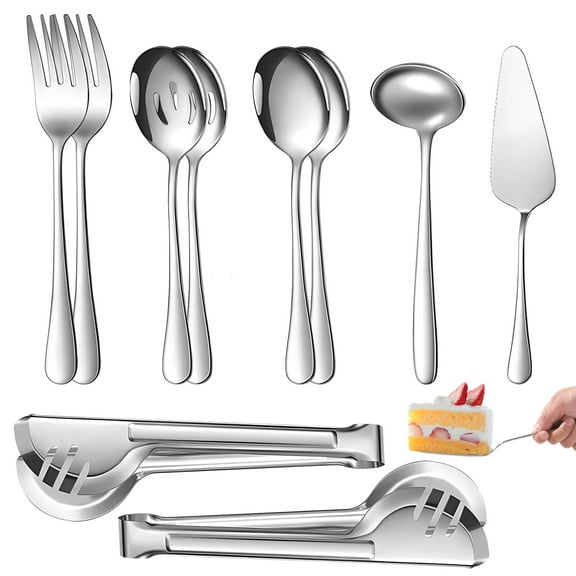
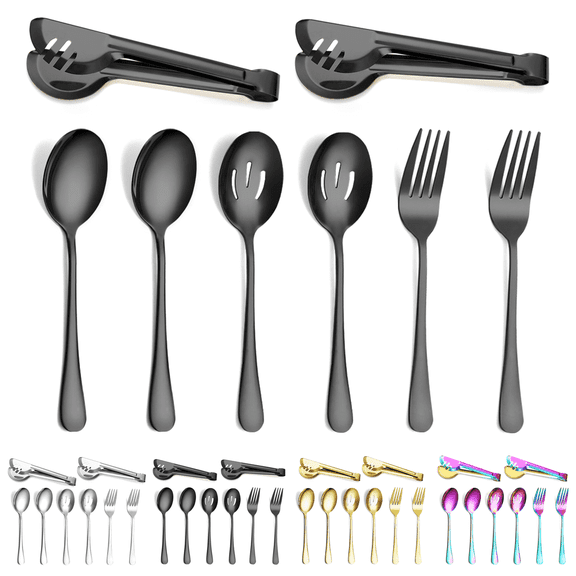
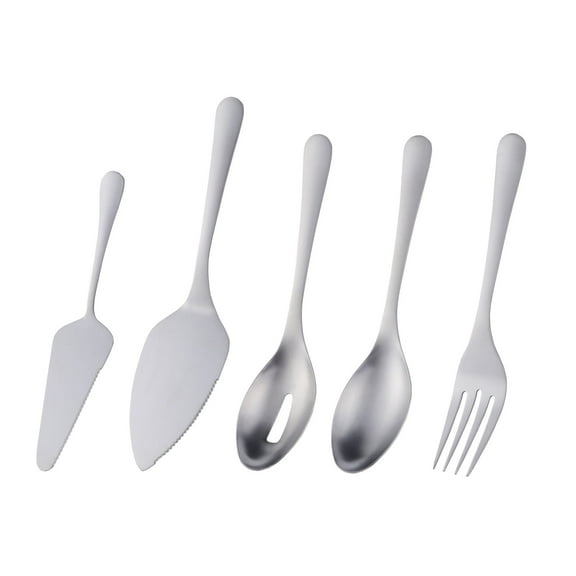
You can also compare a three-piece set, a five-piece hostess set, or individual serving pieces. You may prefer a hostess set when you want coordinated tools for larger gatherings.
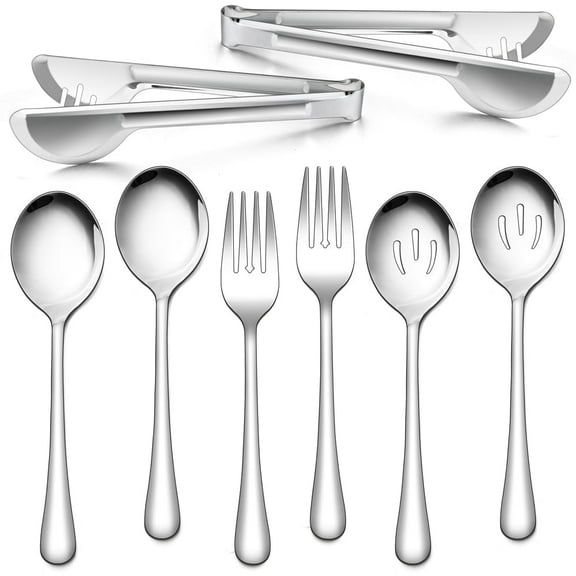
- You can use serving spoons for vegetables, rice, pasta, and side dishes.
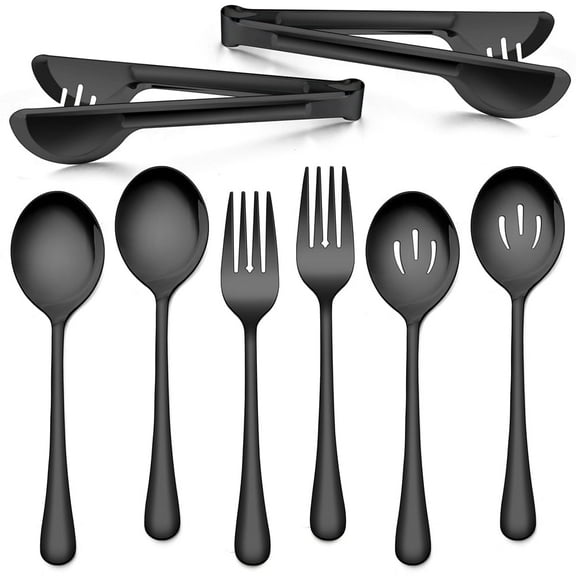
- You can choose pierced spoons when you want to lift foods while letting liquid drain.
- You can use serving forks for sliced meats, salads, and fruit platters.
- You can add a gravy ladle when you serve sauces, dressings, or warm toppings.
- You can keep butter spreaders nearby for bread baskets, brunch boards, and casual meals.
Comparing materials and finishes
You should look at material first because it affects weight, shine, and everyday durability. You can often choose stainless steel, silver-plated styles, or gold-tone finishes for different table settings.
If you compare 18/10 and 18/0 stainless steel, you'll notice a practical difference. You can expect 18/10 to offer more luster, while 18/0 often gives you a straightforward, durable option.
You may also compare mirror polish and matte finishes based on your dinnerware. You can use mirror polish for a brighter look, while matte can feel more understated on the table.
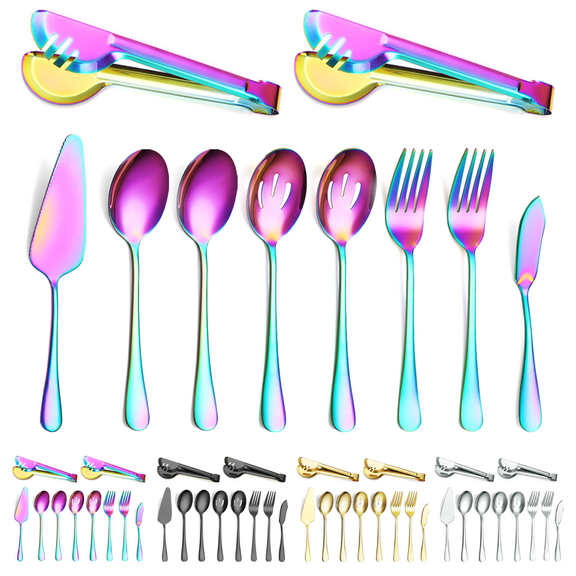
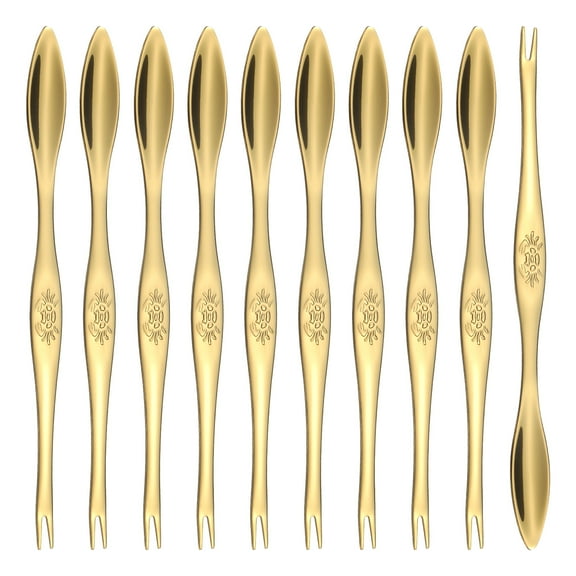
Silver-plated pieces can suit formal meals and display-focused tables. Gold-tone styles can help you coordinate with warm metallic accents, chargers, or special occasion place settings.
Choosing the right set configuration
You should measure your hosting habits before choosing a set configuration. You can keep things simple with a few essentials, or you can build a more complete serving setup.
A three-piece set often covers common needs with a spoon, fork, and another helper piece. A five-piece hostess set can give you broader coverage for buffet lines, holiday meals, or shared dishes.
You may prefer individual serving pieces when you want to replace one item or mix styles carefully. You can also add specialty pieces over time as your table setup changes.
Matching piece types to your meals
You can make serving smoother when each piece fits the food in front of you. You'll notice less reaching and fewer swaps when your utensils match the dish.
A serving spoon works well for casseroles, grains, and cooked vegetables. A pierced spoon helps you lift olives, fruit, or marinated foods without bringing extra liquid along.
You can use a serving fork for sliced poultry, carved meats, or large salad portions. You can keep a butter spreader ready for toast bars, charcuterie boards, and bread service.
If you host often, you may want a flatware serving set with several functions covered. You can create a more coordinated presentation when pieces share the same finish and handle design.
Choosing a style that fits your table
You should compare design style with your current plates, glassware, and serving bowls. You can keep your table cohesive when your silverware complements the shapes and trim you already use.
Modern styles often feature clean lines and simpler handles. Classic and ornate styles can bring more detail to traditional settings, holiday meals, or formal dining rooms.
You may want casual designs for daily dinners and weekend brunches. You can reserve formal looks for celebrations, guest tables, and coordinated dinnerware collections.
Checking care and maintenance
You should always check whether your silverware fits your cleanup routine. You can save time with dishwasher safe options, or you can choose hand wash recommended finishes for a more delicate look.
Stainless steel pieces often suit frequent use and repeat cleanup cycles. Silver-plated or gold-tone finishes may ask for gentler care, especially when you want to preserve their appearance.
You can also compare handle shapes and surface finishes when thinking about cleaning. You'll usually find that simpler contours are easier to wipe, dry, and store between gatherings.
Using silverware for everyday meals and entertaining
You can use serving utensils far beyond holiday dinners. You'll appreciate them during weeknight meals, potlucks, buffet setups, and family-style dining.
If you host brunch, you may want butter spreaders and serving spoons near breads and egg dishes. If you set out salads or carved meats, you can pair a serving fork with matching spoons.
You can also keep extra flatware serving pieces for dessert tables, snack spreads, and seasonal gatherings. You'll create a neater serving flow when each bowl or platter has its own utensil.
With the right silverware, you can match serving pieces to your menu, table style, and care preferences. You'll end up with a setup that feels coordinated, practical, and ready for every shared meal.