




Beach House Style Decor & Coastal Home Accents | Walmart

Shop by category
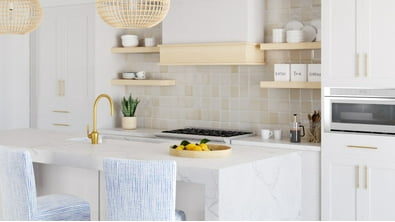

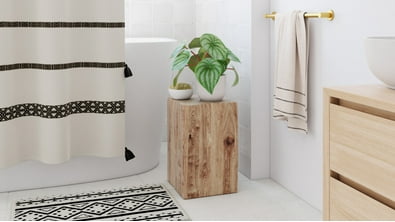
More rooms to explore


Better Homes & Gardens
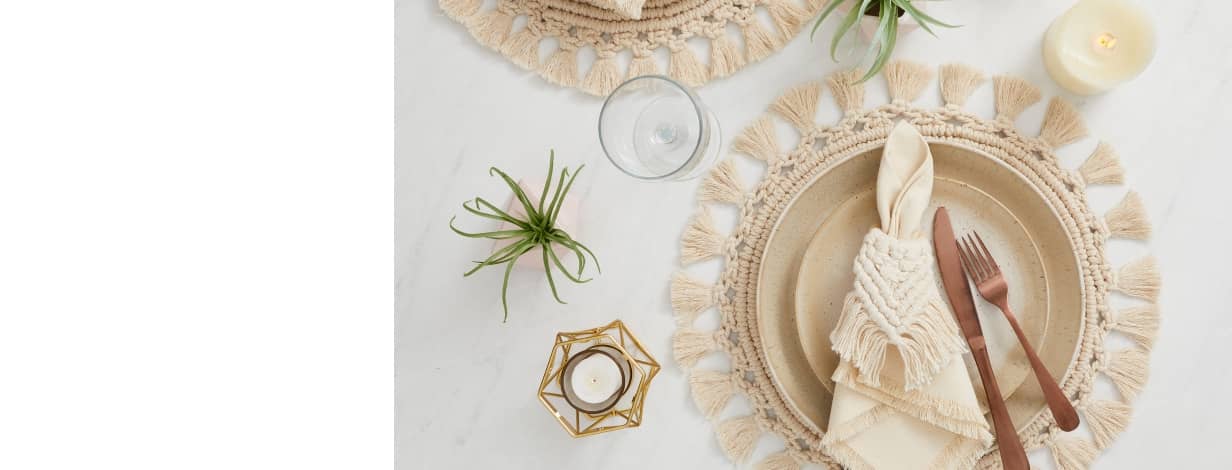
Coastal meets casual
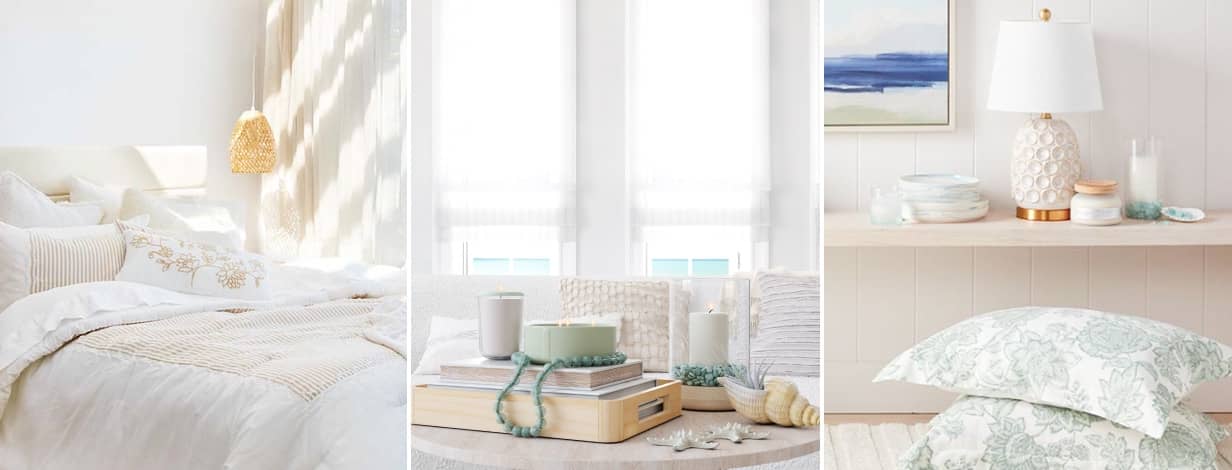
From decor to dining, add beachy vibes to your space.Shop now

FAQ
About Beach House Style Decor & Coastal Home Accents | Walmart - Walmart.com
Beach house style decor helps you create a light, relaxed home with coastal character. You can mix airy colors, natural textures, and seaside details without making rooms feel crowded.
You may be updating one room or shaping a full retreat-inspired look. You can keep your space cohesive when your furniture, accents, and colors follow one coastal direction.
How to choose beach house style decor
You should start with your overall design style before adding smaller pieces. You can choose modern coastal, traditional nautical, beach cottage style, or tropical for a clearer plan.
If you prefer modern coastal rooms, you can look for clean lines and crisp white finishes. You can pair ocean blue, sandy beige, and seafoam green for a calm, open feel.
If your taste leans traditional nautical, you may prefer striped patterns and classic maritime details. You can use deeper blues, weathered wood, and rope-inspired textures for a grounded look.
Beach cottage style gives your home a softer, lived-in appearance with relaxed charm. You can bring that look together with distressed finishes, cozy pillows, and casual wall art.
Tropical styling adds brighter color and more organic texture to your rooms. You can combine leafy prints, woven materials, and warm wood tones without losing that beach-inspired mood.
Choosing coastal home accents by material
You should compare materials carefully because texture shapes the entire room. You may notice driftwood, jute, rattan, sea glass, and weathered wood each create a different coastal mood.
Driftwood tones help you add a sun-washed look that feels relaxed and natural. You can use driftwood-inspired frames, mirrors, and table accents to soften sharper interiors.
Jute and rattan bring woven texture that helps your rooms feel layered, not flat. You may choose them for rugs, baskets, lighting, or accent furniture when you want warmth.
Sea glass details give you a lighter, breezier finish with gentle color. You can use sea glass-inspired vases or lamps when your room needs subtle shine.
Weathered wood works well when you want a timeworn coastal look with structure. You may see it in consoles, side tables, shelving, and framed coastal decorations.
- You can use jute rugs to anchor seating areas with texture.
- You may choose rattan lighting when you want an airy overhead statement.
- You can add driftwood wall art for a relaxed, beach-worn finish.
- You can place sea glass accents on shelves for soft color.
If you’re styling bathrooms or covered patios, you should check whether materials are moisture-resistant. You can choose finishes that suit humid spaces while keeping your coastal home decor consistent.
Matching coastal decorations with the right color palette
You should build your palette before choosing pillows, rugs, and artwork. You can get a more cohesive result when your colors repeat across furniture, textiles, and accessories.
Ocean blue and crisp white suit modern coastal spaces with a clean, open appearance. You can add sandy beige so your room feels balanced instead of sharp.
Sandy beige, seafoam green, and weathered wood fit beach cottage rooms with easy warmth. You may layer these shades through rugs, throws, and coastal decorations for home styling.
Traditional nautical spaces often use navy, white, and touches of brass or rope texture. You can keep that palette focused so your room feels styled instead of theme-heavy.
If you want cute coastal decor, you should keep smaller accents within your main palette. You can avoid clutter when shells, lanterns, frames, and tabletop pieces share related tones.
Comparing coastal furniture and room-by-room pieces
You should choose product categories based on how each room functions every day. You can use wall art, accent furniture, decorative pillows, lighting, and rugs to shape the right balance.
Wall art helps you set the tone quickly, especially in entryways and living rooms. You may choose framed prints, ocean scenes, or textured panels to create home decor beach style.
Accent furniture gives you storage, surface space, and strong visual structure. You should measure consoles, benches, and side tables so your walkways stay open and comfortable.
Decorative pillows let you repeat color and texture without changing larger furniture pieces. You can combine stripes, solids, and woven fabrics to connect your coastal accessories.
Lighting affects how airy and relaxed your space feels throughout the day. You can look for woven shades, glass bases, or weathered finishes when building layered coastal home accents.
Rugs help you define zones in open layouts and beach house floor plans. You should measure the seating area first so your rug supports your furniture arrangement.
In living rooms, you may want front furniture legs on the rug for a unified layout. In bedrooms, you may want extra rug width beside the bed for a softer finish.
Using beach decor in real spaces
You can use beach decor differently in each room while keeping your home cohesive. You can get an ideal result when style, material, and palette stay connected from space to space.
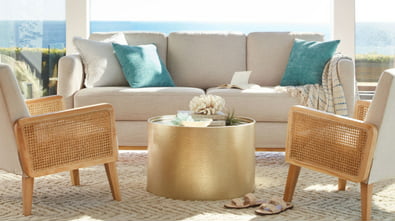
For a modern coastal living room, you may pair crisp white seating with jute textures. You can finish the look with ocean blue pillows, simple wall art, and weathered wood tables.
For a traditional nautical bedroom, you may prefer striped textiles and navy accents. You can add classic lamps, framed maritime prints, and a soft rug for balance.
In a beach cottage dining area, you should look for relaxed finishes and casual texture. You can create warmth with woven lighting, sandy neutrals, and cottage-inspired coastal home accents.
For covered patios or humid bathrooms, you should check size, finish, and moisture-resistant details. You can keep those spaces styled with compact storage, easy-care rugs, and simple coastal decorations.
If your layout is smaller, you may want fewer statement pieces and more repeated texture. You can keep the room open with mirrors, lighter finishes, and scaled-down coastal accessories.
When your home has an open floor plan, you should repeat one or two signature materials. You can create flow when jute, rattan, or weathered wood appears across connected rooms.
You can make beach house style decor feel collected by editing each surface with purpose. You can end with a calm, coastal space that looks coordinated, open, and easy to live in.