

RV Under Lighting in Exterior RV Lights


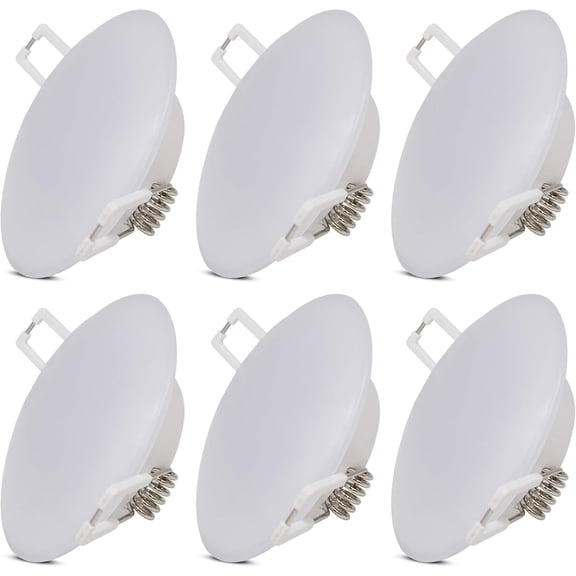
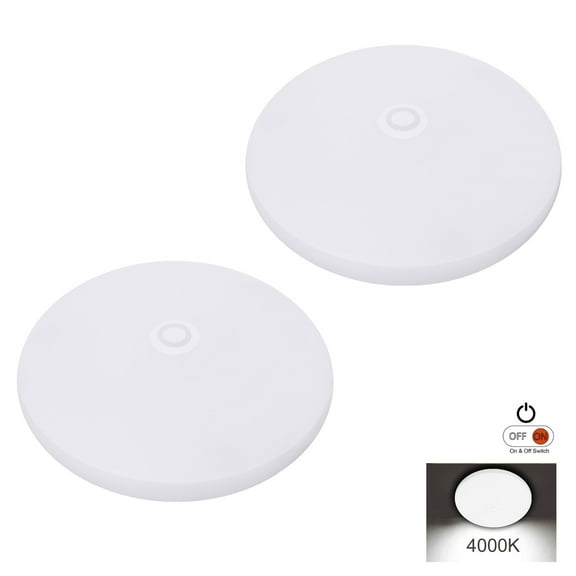
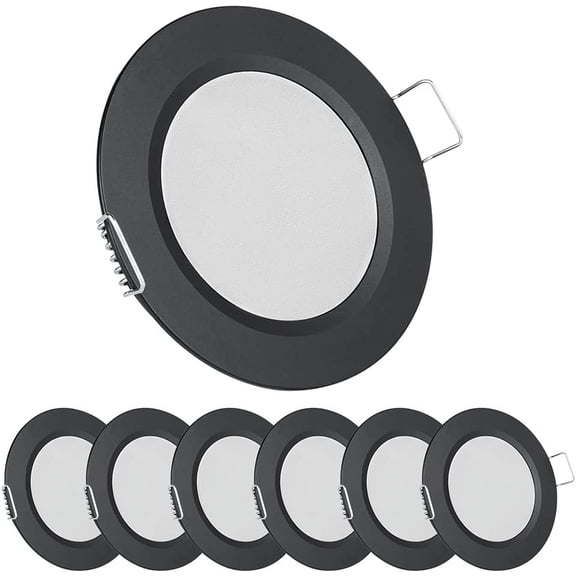


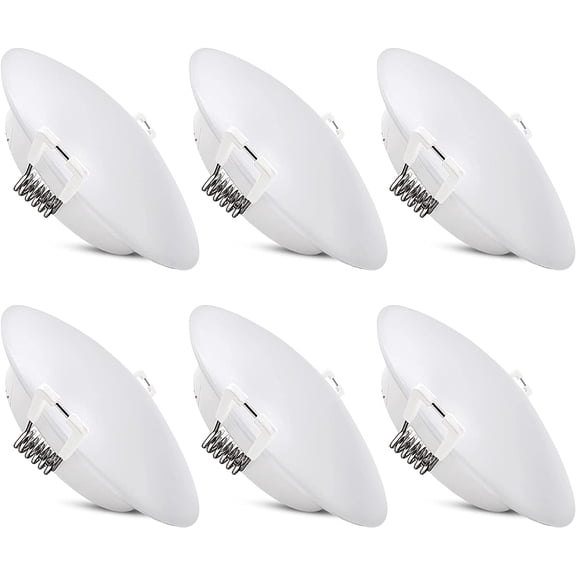



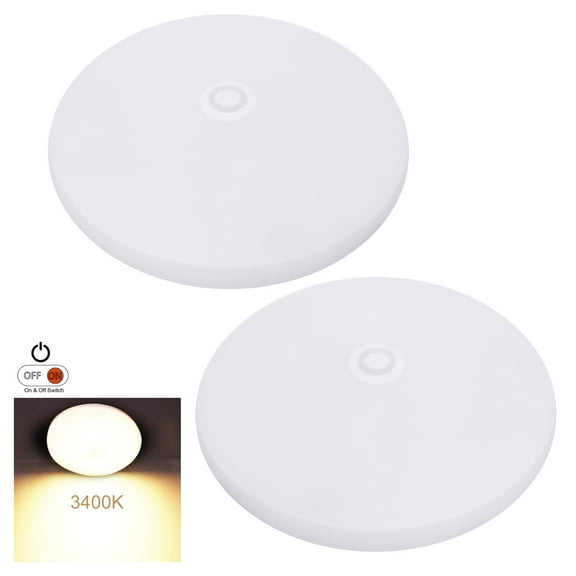
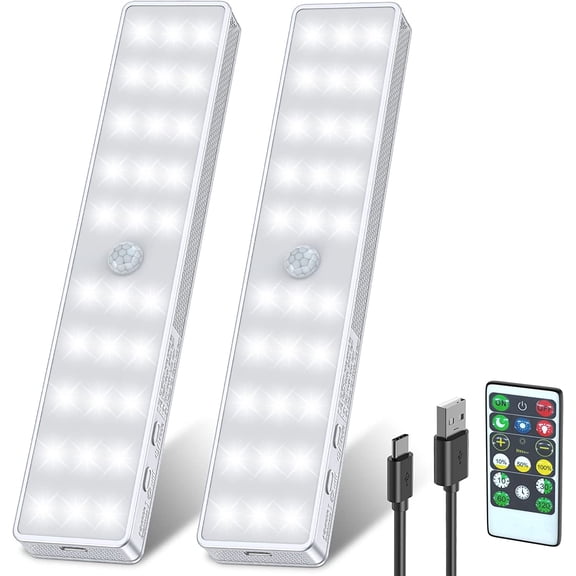
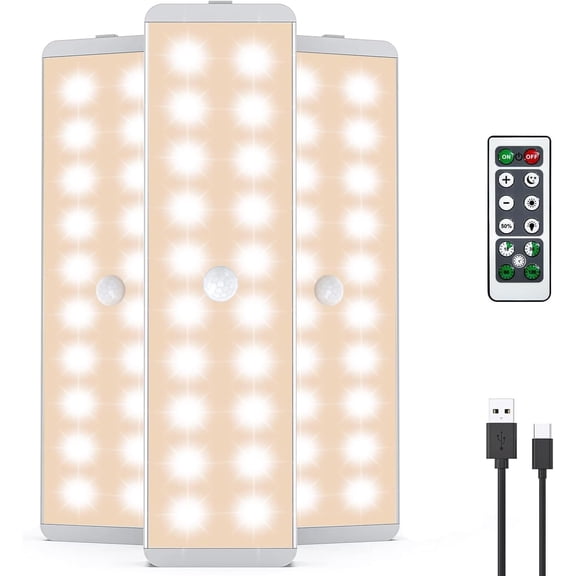


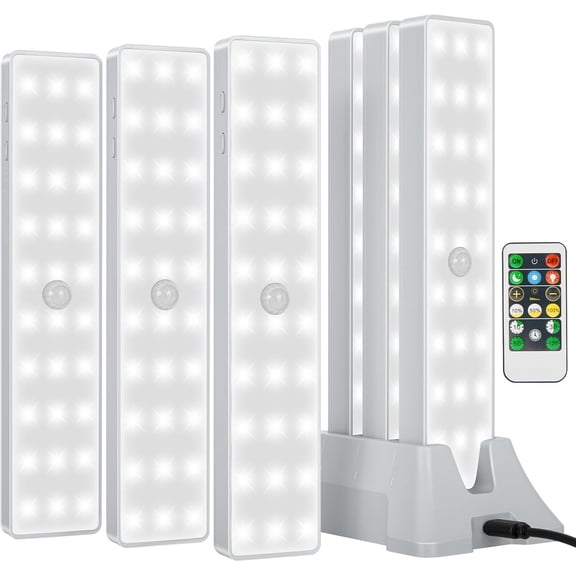
About RV Under Lighting in Exterior RV Lights - Walmart.com
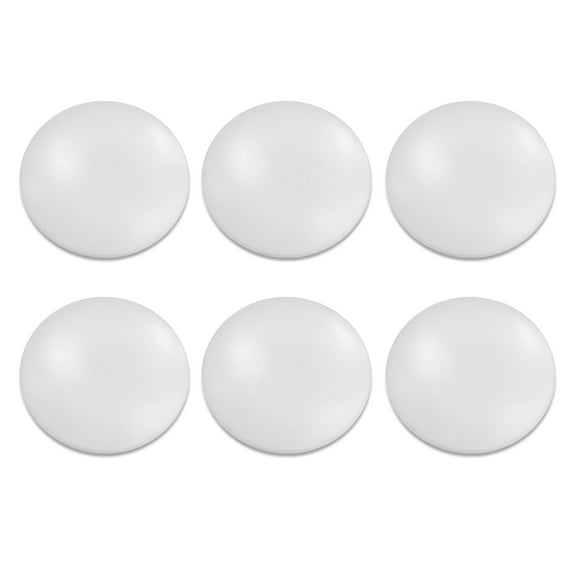
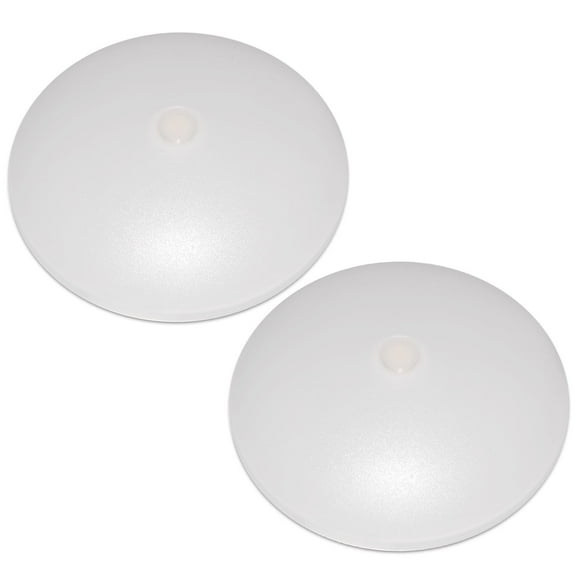
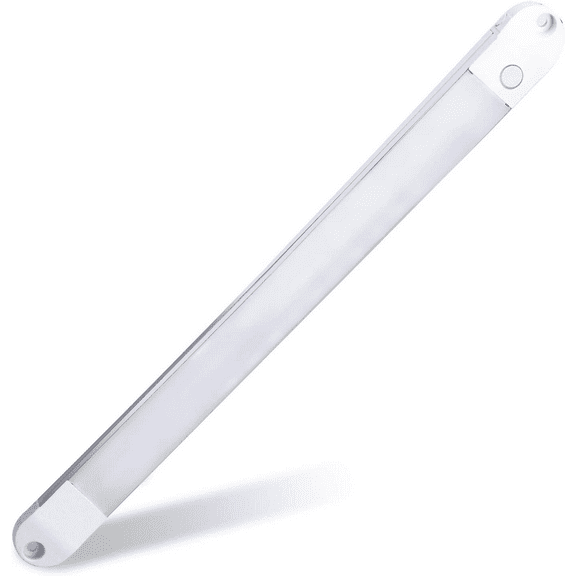
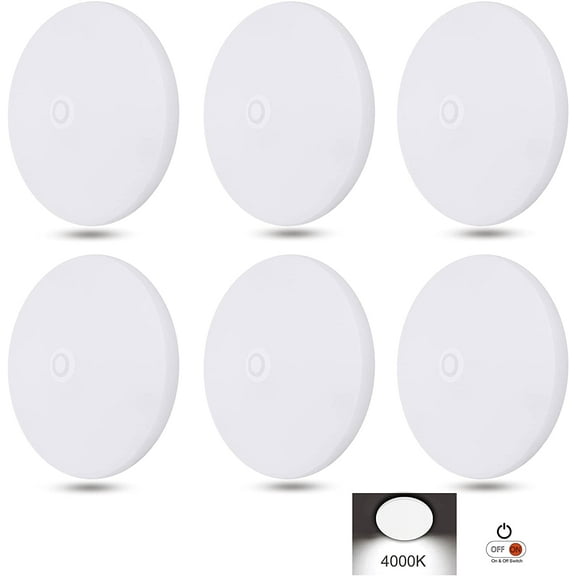
Under rv lighting helps you give your motorhome or trailer a cleaner look and clearer campsite visibility after dark. You can compare strip, pod, and bar designs that fit different frame layouts and lighting goals.
How to choose under rv lighting
When you compare under rv lighting, you should start with the shape of your RV and the areas you want to illuminate. You may prefer LED strips for long, even lines or pod lights for focused zones.
Bar lights can work well when you want rigid housings and defined placement under steps, storage doors, or side rails. You should measure your mounting space first so your kit matches your RV length.
You can narrow your options faster when you focus on the choices that affect daily use. Consider these common decision points before you pick a setup.
- You can use LED strips for continuous glow along the frame.
- You can choose pod lights when you want separate light points around wheels or corners.
- You can pick bar lights when you want a structured look and firmer mounting.
- You should check 12V DC compatibility for direct RV system integration.
- You can compare Bluetooth app, RF remote, and hardwired switch controls.
- You should look for IP67 or IP68 ratings for wet roads and campground conditions.
- You can select RGB, RGBW, or white output based on the look you want.
Choosing lighting type, power source, and color output
LED strips usually suit you when you want flexible placement around slide-outs, lower rails, or awning-side edges. You can bend them around contours, and you can create a continuous underglow line.
Pod lights may fit you if your RV has uneven surfaces or segmented mounting points under the chassis. You can space each pod where you need light around steps, tires, or entry zones.
Bar lights often help you when you want a fixed housing with a more directional beam. You can mount them under compartments or along straight sections for a tidy appearance.
Power choice matters because your RV may support different installation styles and usage habits. You should check whether you want 12V DC hardwired power, battery operation, or solar support.
A 12V DC hardwired setup usually gives you steady power from your RV electrical system. You should confirm fuse requirements and wiring length so your installation matches your coach layout.
Battery-powered options can help you avoid routing wires through tight panels or enclosed underbodies. You may like them when you want simpler placement for shorter trips or occasional accent lighting.
Solar-powered options can appeal to you when you want daytime charging with less reliance on onboard power. You should check panel placement and runtime expectations before you choose that route.
Color functionality changes how your RV looks at camp and how you use the lights. You can choose RGB multi-color for variety, RGBW for added white output, or single color white for a cleaner style.
What to look for in waterproof and durable rv underglow lighting
Weather exposure matters because your lights sit low to the ground and face road spray, dust, and washdowns. You should compare IP65, IP67, and IP68 ratings before you install anything underneath.
IP65 can suit you for basic moisture protection in milder conditions. You may want a higher rating if your RV sees frequent rain, puddles, or rough roads.
IP67 usually gives you stronger protection against splashes and temporary water exposure around campgrounds and highways. You should also look for sealed connectors and coated wiring for added durability.
IP68 may fit you when you want a more robust option for repeated wet travel conditions. You can pair that rating with sturdy housings if your routes include gravel, debris, and long-distance towing.
Mounting style also affects how your lights hold up over time. You can use adhesive-backed options for cleaner surfaces, or you can choose brackets for extra security.
Adhesive backing may work for you when you want a simpler install on smooth, prepared surfaces. You should clean and measure carefully so the strips sit evenly and stay aligned.
Mounting brackets can help you secure pods or bars when your RV underside has textured surfaces. You may prefer brackets when vibration and road movement are regular parts of your travel.
Comparing controls and installation for everyday RV use
Control method shapes how easily you change colors, brightness, and effects at camp. You can compare Bluetooth app control, RF remote access, and a hardwired switch.
A Bluetooth app can give you settings from your phone without adding another handheld accessory. You may like app control when you want custom scenes or quick changes outside your RV.
An RF remote can work well when you want simple button control from a short distance. You can change modes without opening an app, which feels convenient during setup.
A hardwired switch may suit you when you want straightforward on and off control from a fixed location. You should consider this option if you prefer fewer electronic extras.
Installation planning starts with your RV's 12V system and the route for cables or connectors. You should measure the frame, check power access, and confirm whether your kit includes mounting hardware.
You can use under cabinet RV lights inside storage areas, but exterior underglow kits serve a different purpose underneath the coach. You should pick exterior-rated lighting when you need frame-mounted illumination and weather exposure protection.
RV underglow lighting can make sense for campsite setup, evening entry, or showing the edges of your rig after sunset. You can choose a simple white glow for utility or multi-color output for a custom look.
With the right voltage match, waterproof rating, and control style, you can choose under rv lighting that fits your RV and travel routine. This helps you get a setup that looks clean, mounts with purpose, and works reliably outdoors.