

Rowenta Irons & Steam Irons







About Rowenta Irons & Steam Irons - Walmart.com
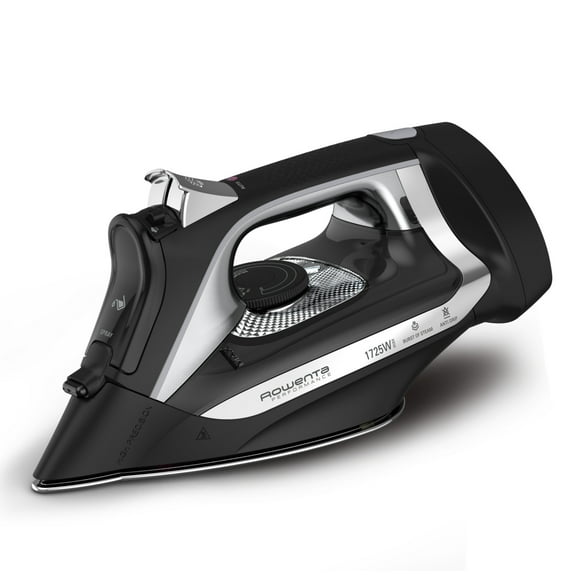
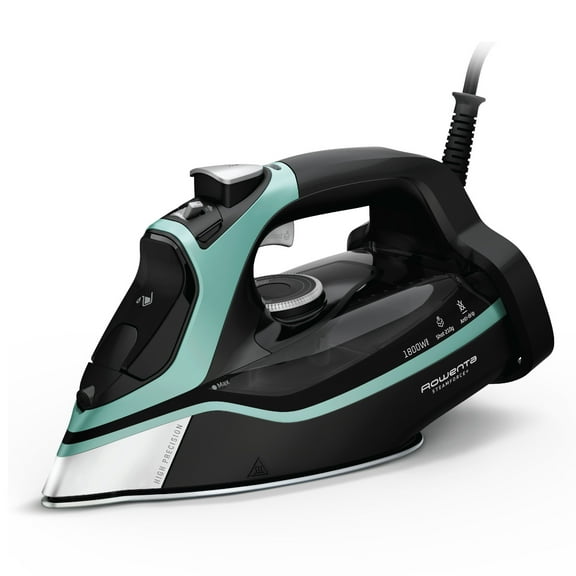
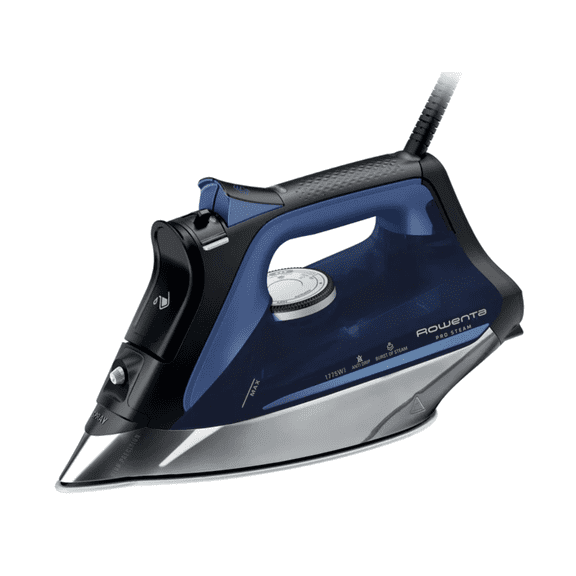
You can compare rowenta irons by steam coverage, wattage, and cord design, so your ironing routine feels faster and more precise. You'll also find category guidance here that helps you sort through microsteam soleplates, vertical steam, and cordless options.
How to choose rowenta irons for your routine
If you press work shirts often, you'll want steady heat and a soleplate that glides smoothly across collars, cuffs, and plackets. If you handle mixed fabrics, you'll benefit from models that pair strong steam output with clear temperature controls.
Some shoppers focus on quick touch-ups, while others need longer sessions for sheets, uniforms, and sewing projects. You can narrow your choice faster when you compare wattage, soleplate design, and cord setup first.
As you review rowenta steam irons, look for features that match how and where you iron. You may prefer cordless movement, a retractable cord, or a stainless steel soleplate that feels smooth on repeated passes.
- You can use higher wattage for faster heat-up during busy mornings.
- You can choose microsteam coverage when you want steam spread across more of the soleplate.
- You can compare cord designs based on storage needs and freedom of movement.
- You can look for vertical steam when you refresh hanging garments or drapes.
Choosing wattage and steam output
When you compare wattage, you'll usually see options such as 1500W, 1725W, and 1800W. Higher wattage often means your iron heats faster and keeps up during longer sessions.
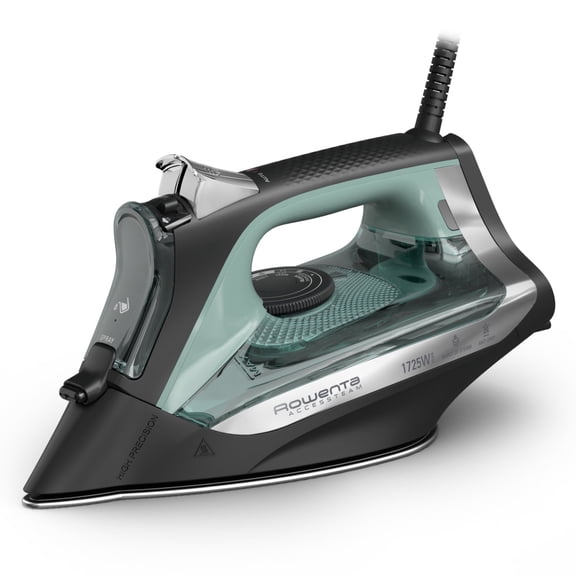
If you iron several garments in one stretch, you may appreciate a rowenta iron 1725w or 1800W model. Those ratings can help you move through thicker cotton, denim hems, and stacked seams with fewer pauses.
Steam coverage matters just as much as wattage when you want smooth results. If you compare a rowenta focus steam iron or similar styles, you'll often notice microsteam patterns with hundreds of holes.
More steam holes can help you distribute steam across a wider area with each pass. You may find that useful when you press dress shirts, table linens, or pleated pieces.
Burst of steam gives you extra output for stubborn creases and layered fabrics. Vertical steam helps you freshen hanging garments, curtains, and suit pieces without setting up a board.
What to look for in soleplates and cord design
Your soleplate choice affects glide, control, and how the iron feels over different fabrics. You can compare rowenta stainless steel soleplate options, ceramic styles, and microsteam designs as separate decision points.
Stainless steel often appeals when you want a smooth feel and easy movement across broad fabric panels. Ceramic can feel controlled on delicate passes, while microsteam designs focus on steam distribution through the plate.
If you want fewer interruptions after ironing, a retractable cord iron can make storage simpler in smaller laundry spaces. If you move around a large board, a standard cord may feel familiar and steady.
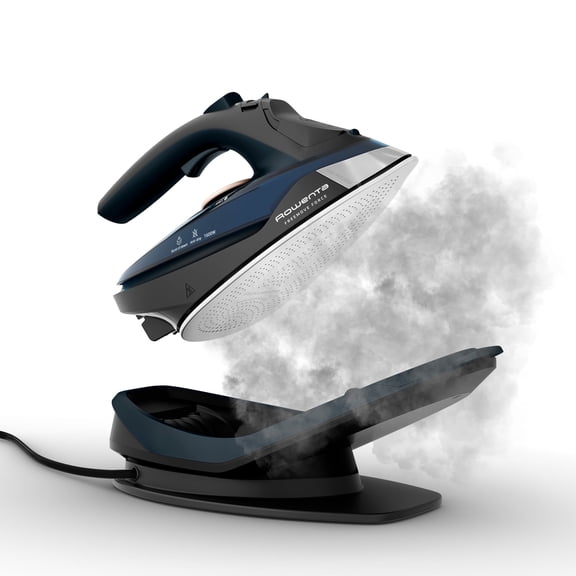
A rowenta cordless iron can suit quick touch-ups when you want more freedom at the board. You'll want to compare recharge timing and session length with how often you press full loads.
Handle shape, water tank access, and control placement also matter during longer use. You should look for details that help your hand stay comfortable while you guide the iron through repeated strokes.
Comparing steam technology and water care
If you want stronger steam support, compare steam station formats with standard steam iron models. Steam station options can suit larger loads, while standard irons may fit everyday shirt and pant touch-ups.
You'll also want to check whether your preferred model supports regular tap water use. That detail matters because it affects how simply you can fill the tank before each ironing session.
An anti-calc system helps you manage mineral buildup in plain language and daily practice. You can think of it as a feature that supports cleaner steam pathways and steadier long-term performance.
Self-clean functions and anti-calc features are worth comparing if your household uses hard water. You should still review the care instructions so your iron keeps delivering consistent steam over time.
Water tank size changes how often you stop to refill during larger loads. If you iron bedding or uniforms, you may prefer more capacity and easy-to-read fill access.
Matching rowenta steam irons to real use cases
If you press office wear several times a week, you'll likely want fast heat-up and reliable vertical steam. Those features can help you handle shirts on hangers and pants on a board.
For sewing, quilting, or craft rooms, you may prefer a professional iron feel with a stainless steel soleplate. That setup can help you guide precise edges, seams, and fusible materials with steady control.
If your laundry area has limited storage, you should compare cordless and retractable cord options first. Those formats can make setup and put-away easier when your space shares shelves with cleaning supplies.
When you iron tablecloths, pillowcases, or school uniforms in batches, you'll want stronger steam coverage and a comfortable handle. A rowenta steam iron with microsteam holes can suit broad surfaces and repeated passes.
If you need one iron for many fabric types, compare wattage, steam burst, and temperature controls together. You'll make a clearer choice when your iron matches your weekly load, board setup, and storage space.
You can feel more confident choosing rowenta irons when you compare wattage, microsteam coverage, cord style, and water care as connected decisions. That approach helps you land on an iron that fits your fabrics, your space, and your routine.