


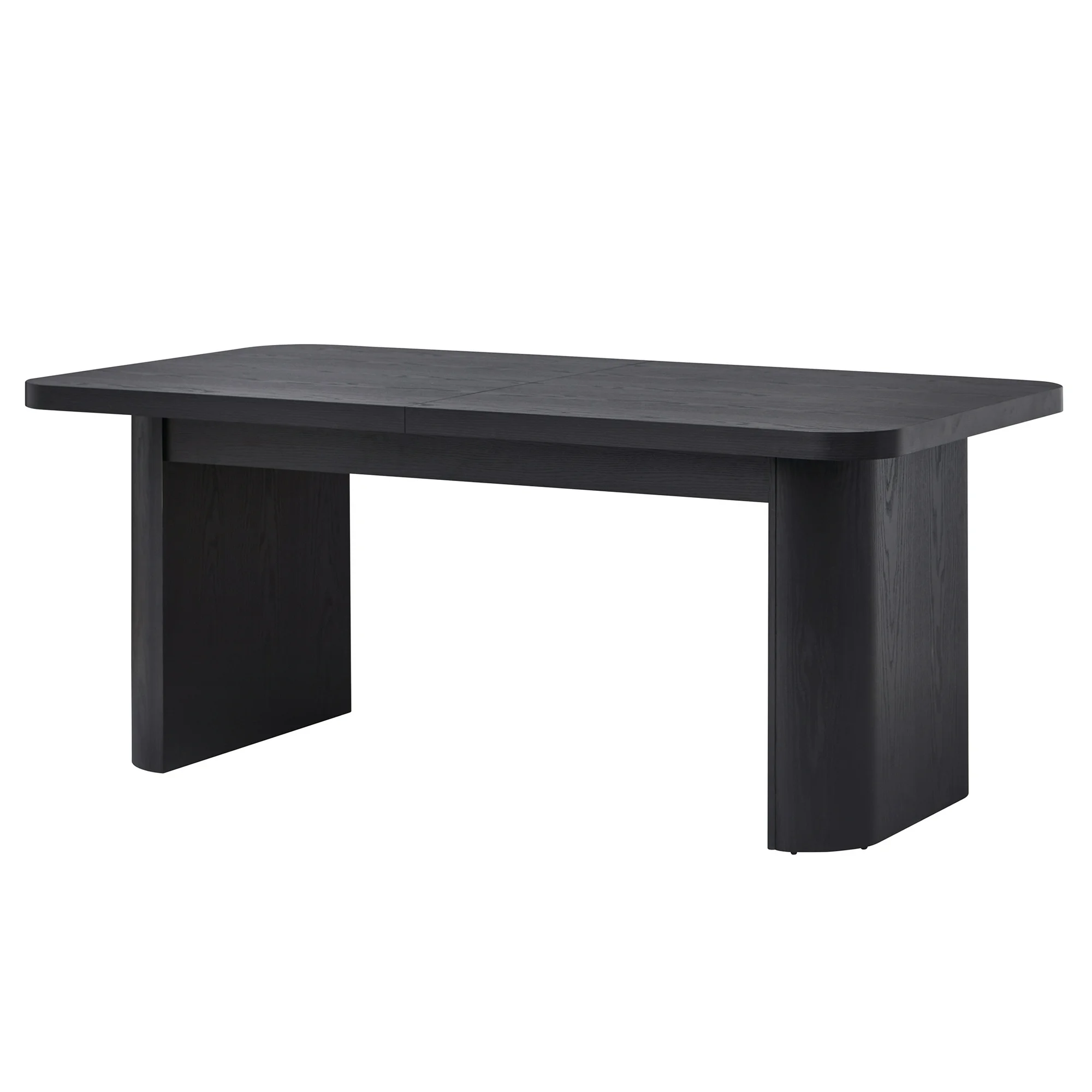
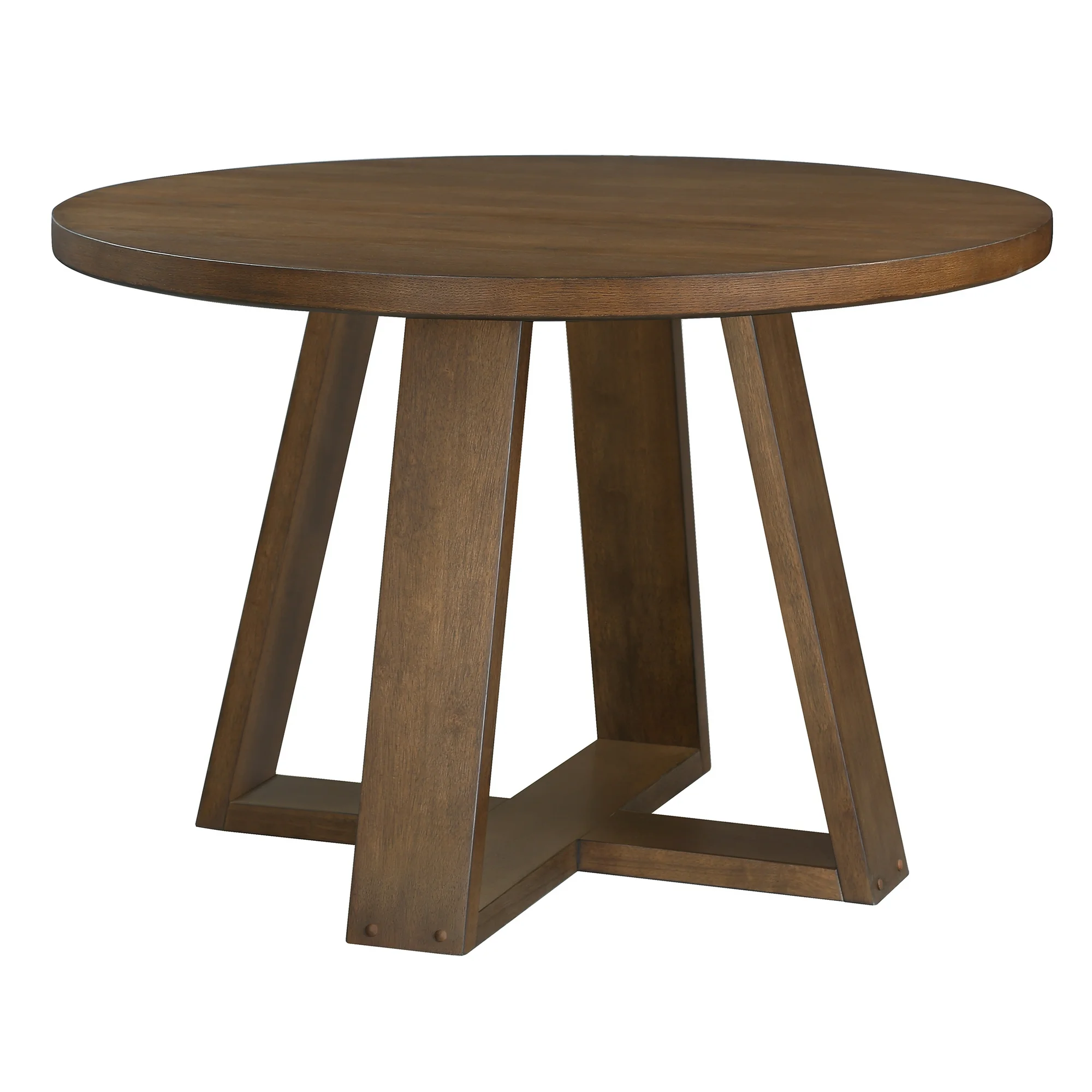
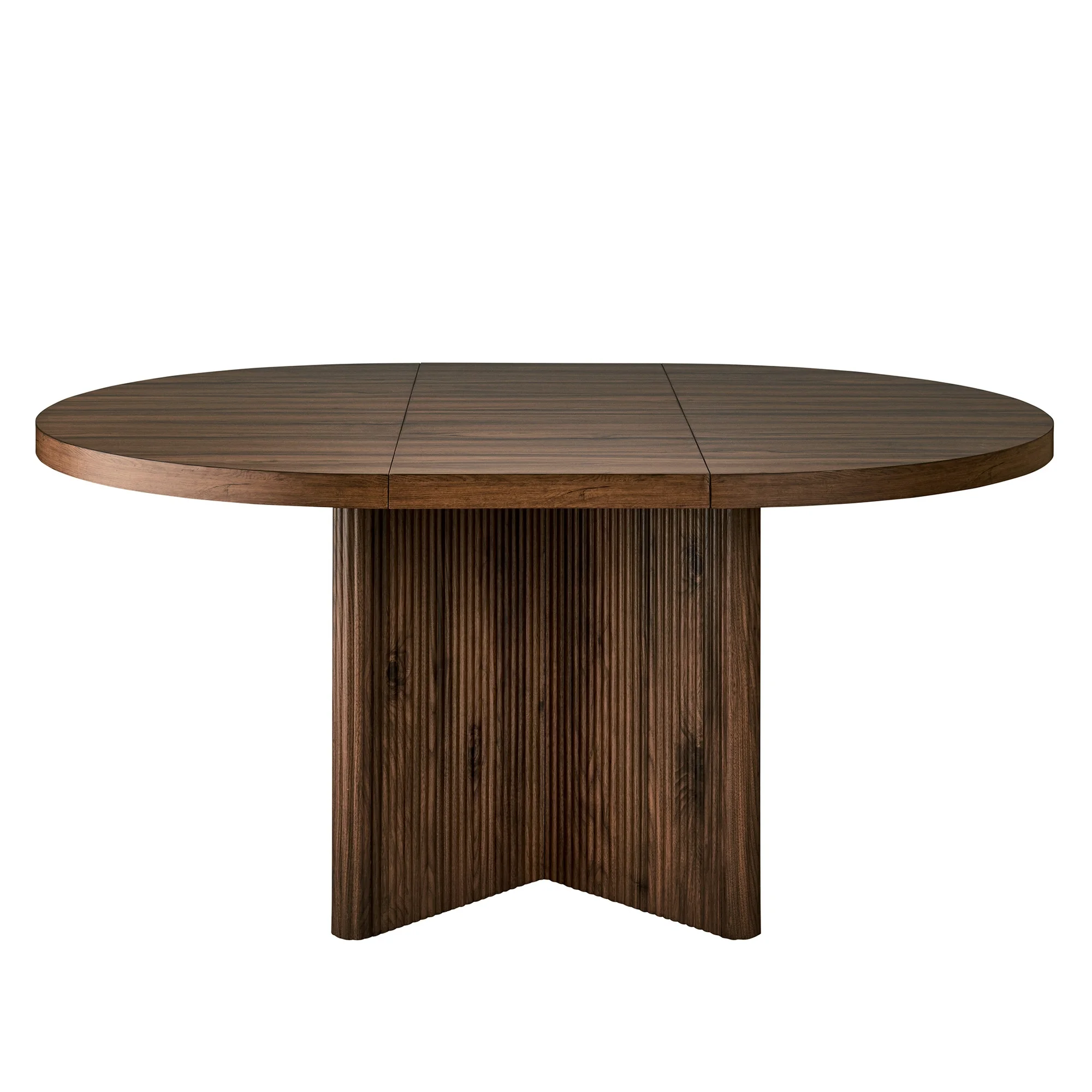

Round Dining Tables in Dining Tables












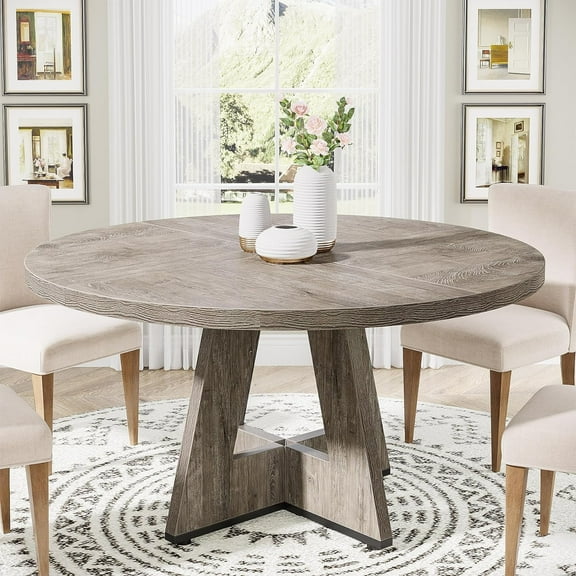


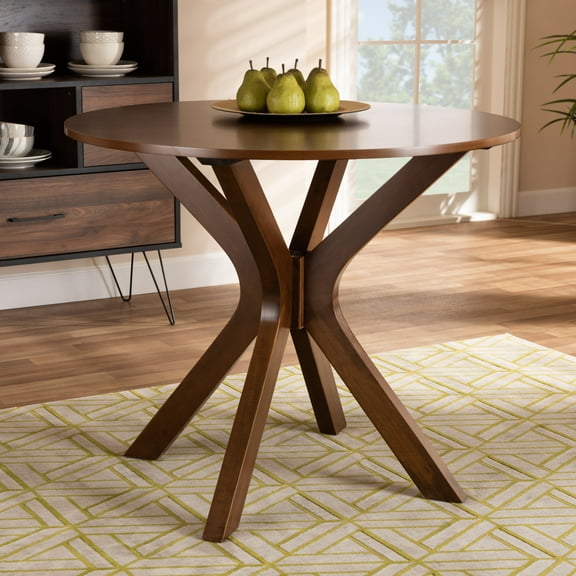
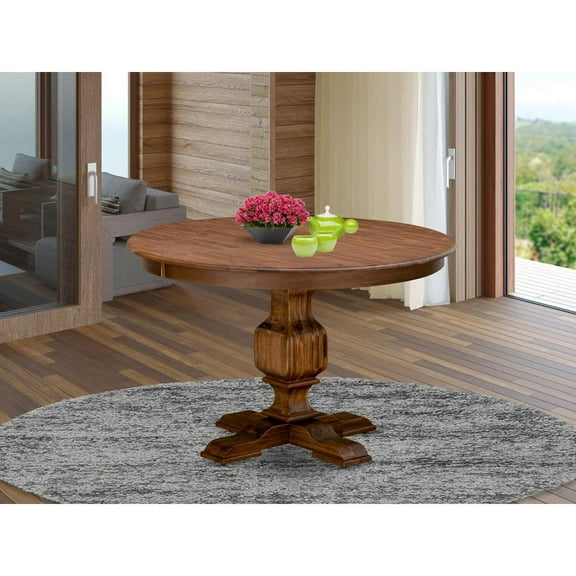


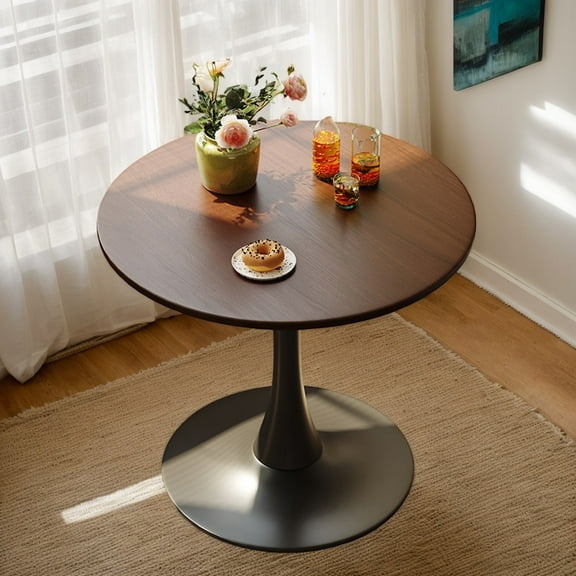


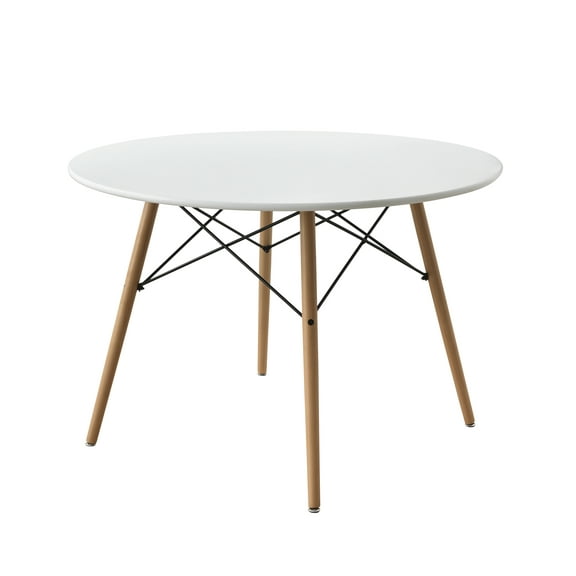
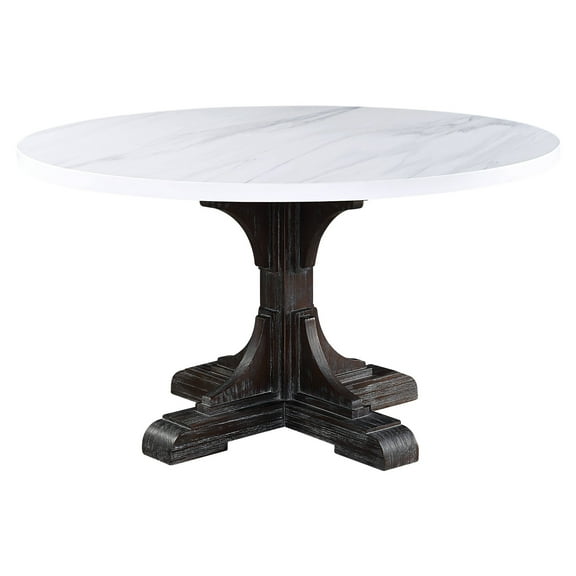
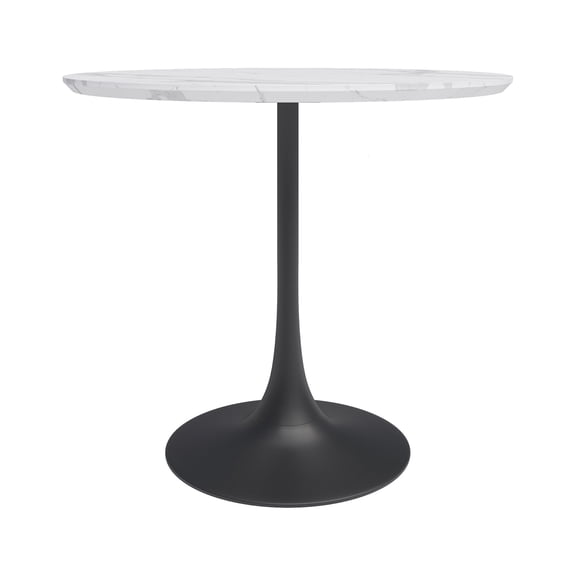

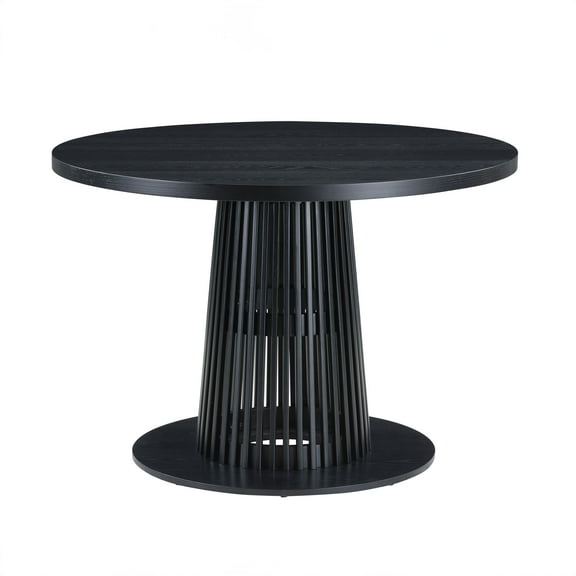


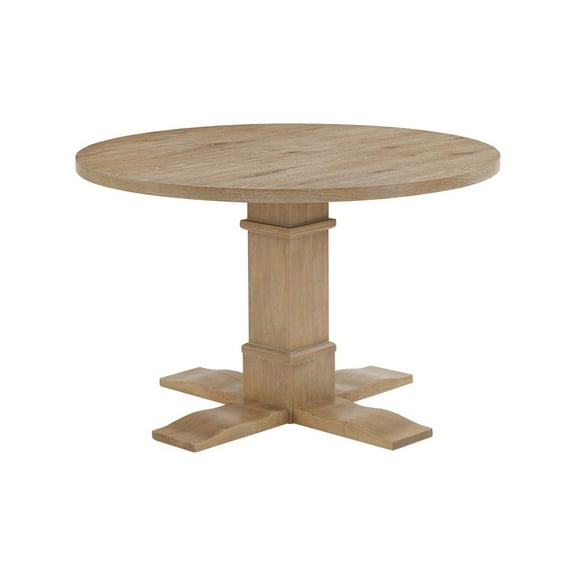
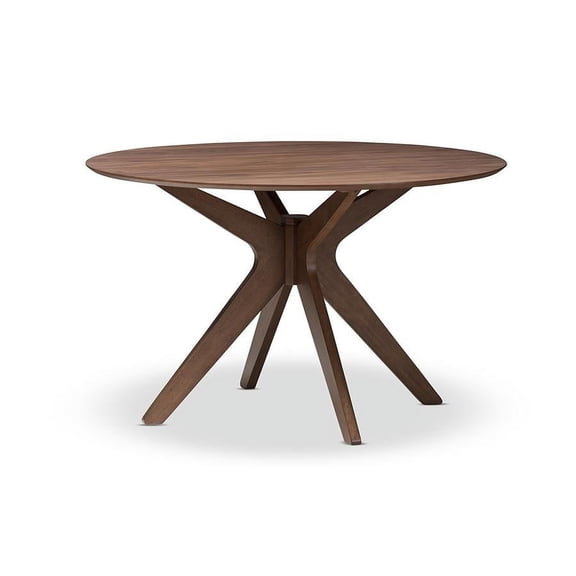
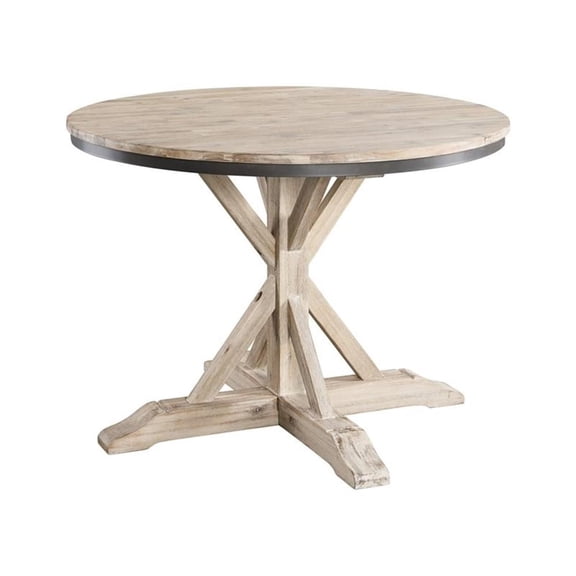

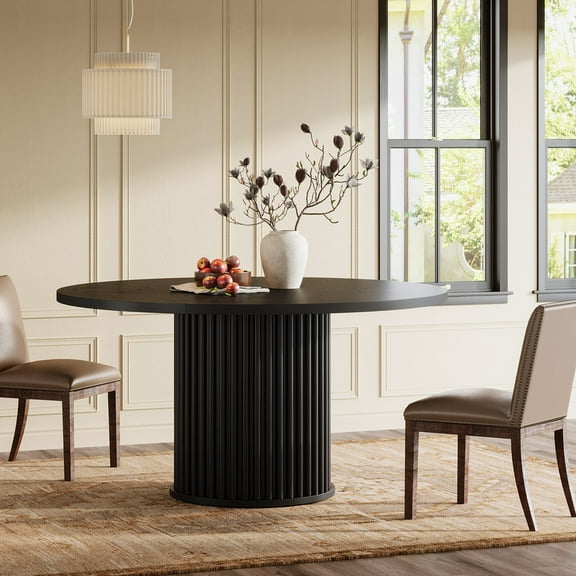














About Round Dining Tables in Dining Tables - Walmart.com
Futon mattresses help you turn a living room, office, or guest space into a sleep-ready setup with flexible comfort and frame-friendly sizing. You can compare thickness, core material, size, and cover options to match how often you sit, fold, and sleep on your futon.
How to choose futon mattresses for your space
When you shop futon mattresses, you should start with your frame dimensions and how you plan to use the piece. You may want a replacement futon mattress for daily lounging, overnight guests, or a compact room that does both jobs.
A futon differs from a standard mattress because you need it to bend with the frame and still feel supportive. You should look for designs that fold smoothly, keep their shape, and sit securely during everyday use.
Your cover material also changes how the mattress feels and cleans up over time. You may prefer microfiber for a soft touch, polyester for easy upkeep, cotton for a classic feel, or leather for a polished look.
Choosing the right thickness and size
Your first decision is usually thickness, because it affects both comfort and how easily the mattress folds. You can compare a 6 inch, 8 inch futon mattress, or 10 inch profile based on sleep frequency.
If you need seating for a den or occasional overnight use, you may like a 6 inch option. If you expect regular guests, you’ll often prefer more cushion and structure from an 8 inch futon mattress.
For a room where your futon works like a bed more often, you may consider a 10 inch style. You should also check whether your frame handles thicker builds without resisting the fold.
Size matters just as much because your mattress needs to align with standard futon frame dimensions. You can choose twin options for compact rooms, a full size futon mattress for versatile seating, or a queen futon mattress for extra sleep space.
- You can use twin sizes when your room needs a smaller footprint.
- You may choose a full size futon mattress when you want balanced seating and sleeping space.
- You can select a queen futon mattress when you need more room for overnight guests.
- You should measure your frame width, length, and fold position before you choose.
Comparing memory foam and innerspring futon mattresses
Your next decision is internal construction, because core material shapes both feel and long-term use. You can compare memory foam futon mattress styles, innerspring futon mattress designs, cotton fiber fills, and hybrid builds.
If you want closer body-conforming comfort, you may lean toward a memory foam futon mattress. You’ll often notice foam layers create a smoother sleep surface with fewer pressure points from the frame below.
If you prefer a more lifted feel, you may choose an innerspring futon mattress. You can look at coil count as a helpful clue, because more coils often mean steadier support across the surface.
Foam density also matters when you compare everyday use options. You should check whether denser foam gives your mattress more structure, especially if you plan to sit on it often.
Hybrid designs combine springs and foam, which can help you balance flexibility and support. You may also see cotton fiber options when you want a traditional futon feel with a lighter, fold-friendly profile.
What to look for in frame compatibility and folding
Your futon mattress should fit your existing frame without overhang, gaps, or bunching near the hinge. You can avoid frustration by matching the mattress size to your frame and checking product dimensions closely.
Because futons switch between sofa and bed positions, you need a mattress that bends without sliding out of place. You should look for flexible construction, stable tufting, and surfaces that help grip the frame during folding.
If you use your futon often, you may want a build that returns to shape after repeated folding. You’ll also benefit from edges that stay even, because uneven sides can make seating feel awkward.
Cover material plays a practical role here, not just a style role. You may find microfiber and polyester easier to maintain, while cotton can feel familiar and leather can give your room a more tailored finish.
Matching futon mattresses to everyday use
You can narrow your choice faster when you match the mattress to a real room and routine. You may want different thickness and core combinations for a dorm, guest room, apartment, or home office.
For occasional visitors, you might choose a comfortable futon mattress for guests with medium thickness and easy-fold construction. You’ll keep the room flexible while still giving overnight visitors a more inviting sleep surface.
In a studio or apartment, you may want a full size futon mattress that works hard every day. You can pair that size with memory foam or hybrid construction when you need frequent seating and regular sleeping use.
For larger shared spaces, you may prefer a queen futon mattress with extra width for guests. You should consider whether your frame supports the added size and whether thicker cushioning still folds smoothly.
If your current mattress feels worn or no longer fits your room plans, you may need a replacement futon mattress. You can use the same frame while updating thickness, support, or cover material for a more comfortable setup.
How futon mattresses support smarter decisions
When you compare futon mattresses by thickness, core material, size, and cover, you can choose a setup that fits your frame and routine. You’ll get a living space that shifts smoothly from seating to sleeping with comfort that matches how you use it.