

Rotomolded Coolers in Coolers by Features


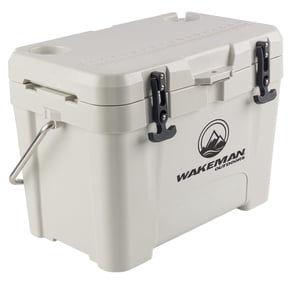


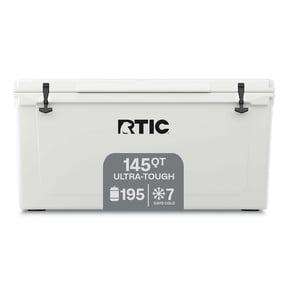


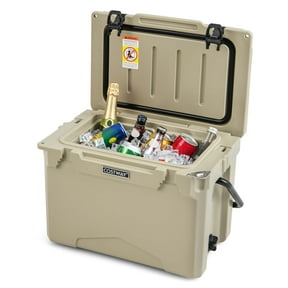


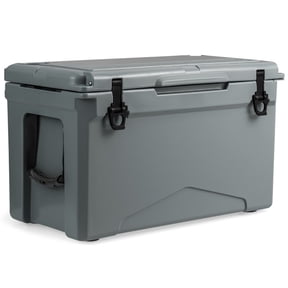


About Rotomolded Coolers in Coolers by Features - Walmart.com
You can compare every rotomolded cooler here by trip length, ice retention, and carry style. You’ll also get hard-use construction details that matter for camping, tailgates, fishing, and longer outdoor weekends.
When you’re choosing this category, you’re usually balancing cold-holding power with loaded weight. You may also want a shape that fits truck beds, boat decks, or campsite storage without wasting space.
How to choose a rotomolded cooler
You should start with capacity because quart numbers feel abstract during real trip planning. You can estimate space faster by thinking in drink cans, food containers, and the ice you’ll need.
If you’re packing lunch, drinks, and ice for one or two people, you may prefer a 20 qt size. You’ll usually get easier lifting and simpler storage in smaller vehicles.
For day trips or short overnights, you may look at 45 qt options. You can often fit drinks, meal packs, and a practical ice ratio for a small group.
When you’re feeding a crew or heading out for several days, 65 qt models make more sense. You’ll have room for bulkier food items and a deeper layer of ice.
If you’re planning extended hunting camps, big gatherings, or boat use, 110 qt sizes can help. You can load larger cuts, more beverages, and extra ice for longer stretches.
What to look for in ice retention
You should compare ice retention in days, because that number helps you match a cooler to your schedule. You’ll commonly see ranges like three, five, seven, or 10 days.
If you’re heading out for a single game day, three-day performance may cover your needs. You’ll still want enough ice space, because packed air warms faster than packed ice.
For weekend camping, five-day and seven-day ratings often fit your plan more closely. You can keep drinks colder longer when your lid gasket seals tightly and your walls are thicker.
On longer trips, you may prefer 10-day retention targets for less frequent ice replacement. You’ll notice that pre-chilling contents and limiting lid openings can support steadier internal temperatures.
- You can use shorter retention ratings for tailgates, road trips, and beach days.
- You may choose five-day or seven-day options for weekend camps and cabin stays.
- You can consider 10-day performance when your route limits easy ice restocks.
- You should check gasket seals and drain plug design when retention is critical.
Many rotomold coolers use thick insulated walls and freezer-style gaskets to slow heat transfer. You’ll usually get more consistent performance when the lid closes firmly and drains seal cleanly.
Choosing portability for how you travel
You should think about transport before you choose a larger body size. You may love extra capacity until you’re lifting a full cooler from the garage to the truck.
If you move gear across parking lots, docks, or campsites, wheeled designs can feel easier to manage. You’ll want sturdy wheels that roll over gravel, dirt, and uneven ground.
Carry handles work well when you’re lifting in and out of vehicles or boats. You can look for comfortable grips and side placement that helps two people share the load.
If you hike from the car to a lookout, shoreline, or festival area, backpack styles may fit better. You’ll keep your hands freer for chairs, tackle, or extra supplies.
You may also want to compare overall shape with your storage setup. You can fit some models under benches, behind seats, or against other camping gear more neatly.
Comparing rotoform cooler construction details
You should focus on construction when your cooler will face rough ground, sun, and repeated loading. You’ll often see shoppers use the term rotoform cooler for this rugged molded style.
Rotomolded construction creates thick walls and a one-piece body that feels more solid under hard use. You’ll often notice this matters when your cooler rides in truck beds or on boats.
Heavy-duty latches matter because you need a secure lid after repeated openings. You can compare latch style and closure feel when you want dependable sealing at camp.
Bear-resistant designs are another decision point for remote outdoor use. You should check whether a model lists certification details if your campground or trip rules require them.
UV protection can also matter when your cooler spends long hours in direct sun. You may prefer that extra surface durability for beach setups, boat decks, and open-tailgate parking.
Drain plug design deserves attention because you’ll empty meltwater more easily with a practical outlet. You can also clean your cooler faster when the interior corners wipe down smoothly.
Matching your trip to the right setup
You can simplify your choice by matching size, retention, and portability to your routine. You’ll usually narrow the field faster when you picture one exact trip instead of every trip.
For fishing days or tailgates, you may want a 20 qt or 45 qt body with carry handles. You’ll get easier loading, quicker access, and enough room for drinks, snacks, and ice.
For family camping, you might lean toward a 65 qt model with five-day or seven-day retention. You can keep food separated longer and reduce ice runs during the weekend.
For hunting camp, off-grid cabins, or boat decks, you may need 110 qt capacity and heavier hardware. You’ll appreciate sturdy latches, strong handles, and longer cold-holding potential.
If pickup, shipping speed, or item availability shapes your decision, this category supports convenient planning. You can compare form factors online and choose the transport style that fits your next outing.
You’ll feel more confident when your cooler matches your trip length, load size, and carry method. That practical match helps you keep ice longer, move gear easier, and stay organized outdoors.