







Rock Salt in Ice Melt





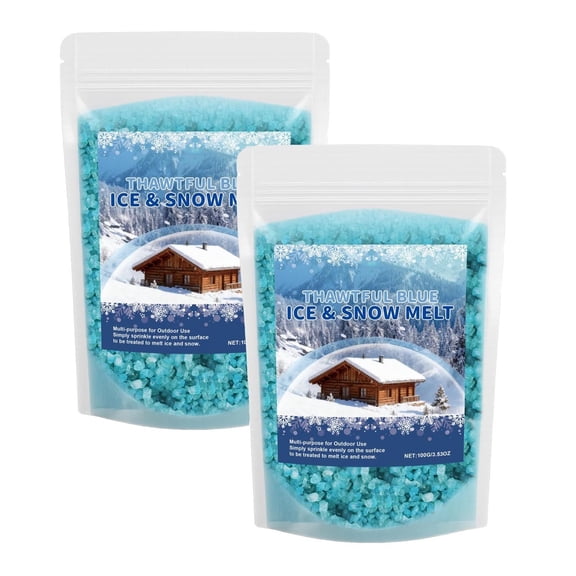

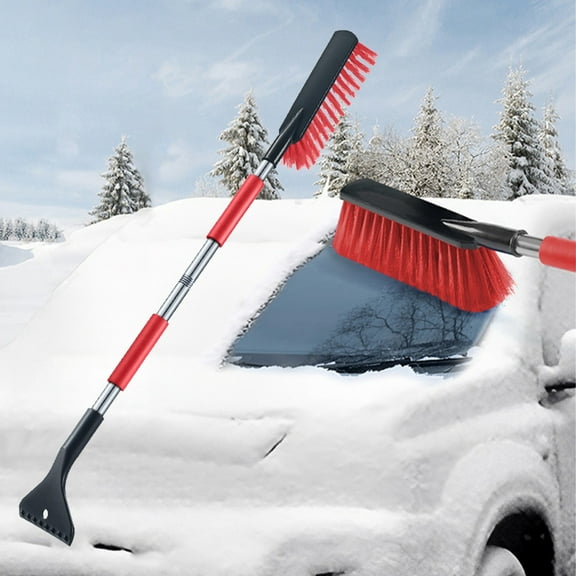


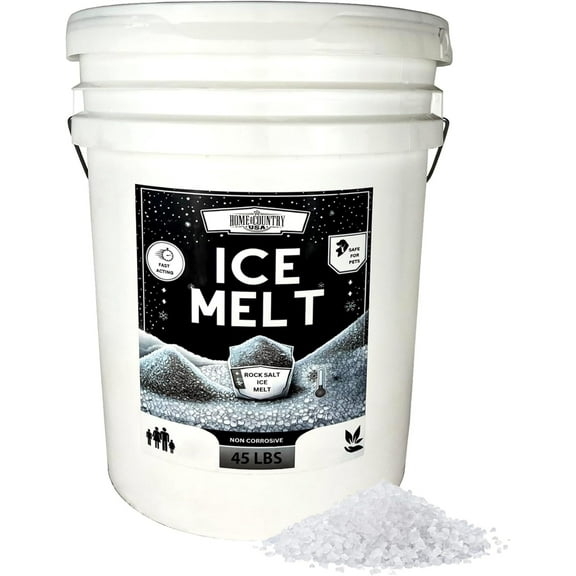
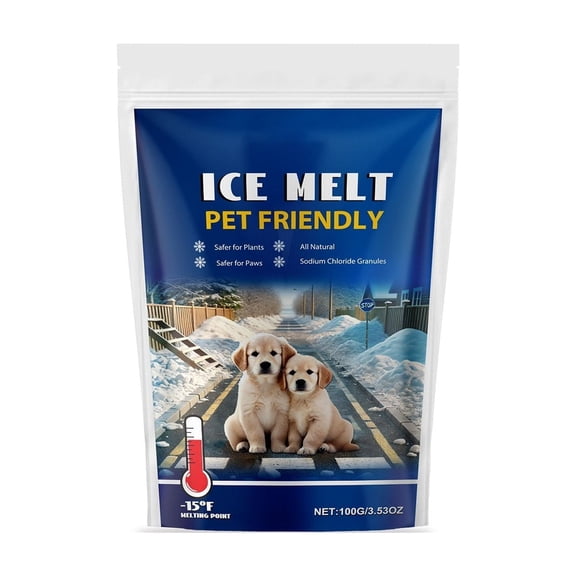












About Rock Salt in Ice Melt - Walmart.com
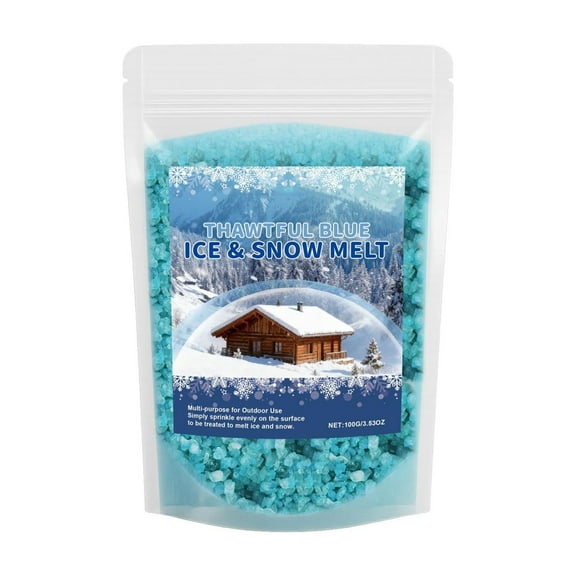
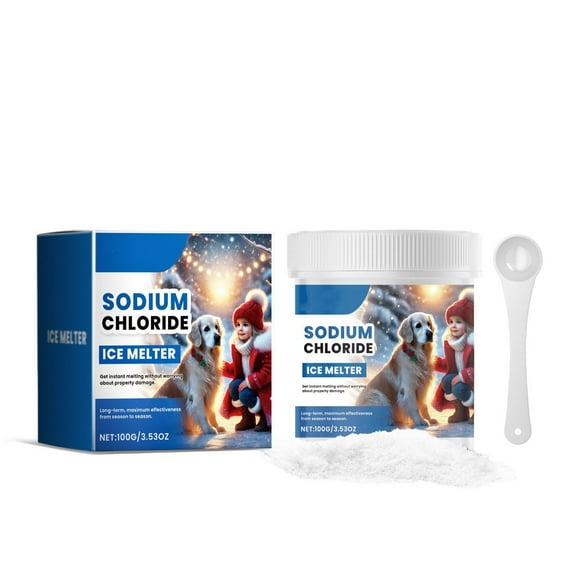
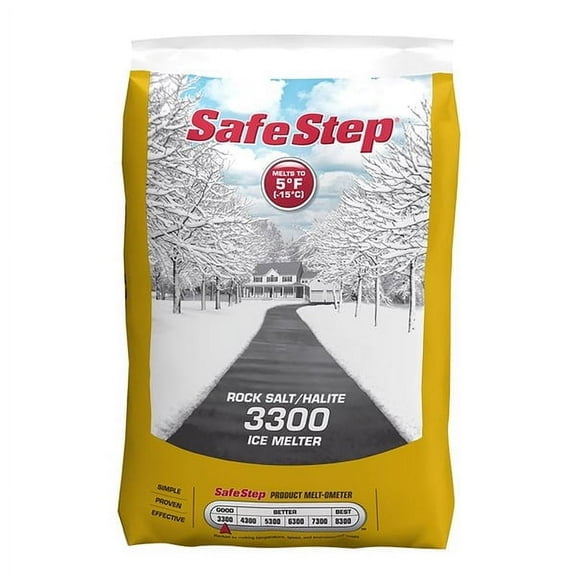
You can compare rock salt for snow options by temperature rating, coverage, and application style before winter weather hits your driveway or walkway. You'll also find clear guidance here on where to buy rock salt, how it handles ice, and which formulas fit your surfaces.
Choosing rock salt for snow by temperature
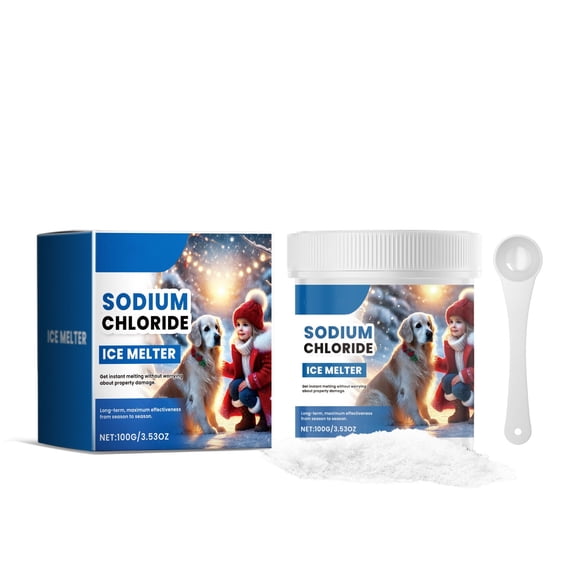
You should start with temperature rating because each deicer works differently as conditions drop. You'll usually see sodium chloride work in milder winter weather, while calcium chloride and magnesium chloride keep working at colder temperatures.
If you need rock salt ice melting for typical sidewalks and short cold snaps, you may prefer sodium chloride. If your forecast stays near 15°F or lower, you'll want to compare formulas labeled for colder working temperatures.
You can use eutectic temperature as a helpful technical clue when you compare ice melt types. You'll understand it as the lowest temperature where that material can still help loosen ice and packed snow.
- You can choose sodium chloride for common snow and ice on driveways, steps, and walkways in moderate cold.
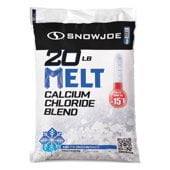
- You can compare calcium chloride when your area sees deeper cold and you need faster melting action.
- You may pick magnesium chloride when you want cold-weather performance with a gentler feel on many surfaces.
- You can check potassium chloride when you want another alternative for lighter winter conditions.
Where to buy rock salt and how packaging affects your job
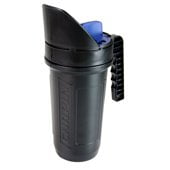
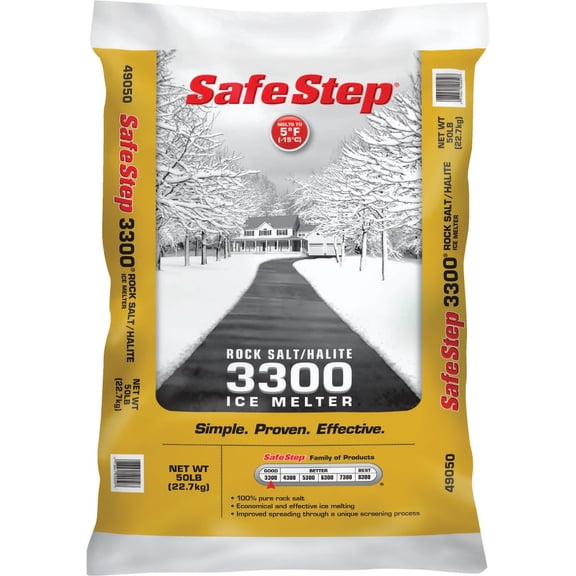
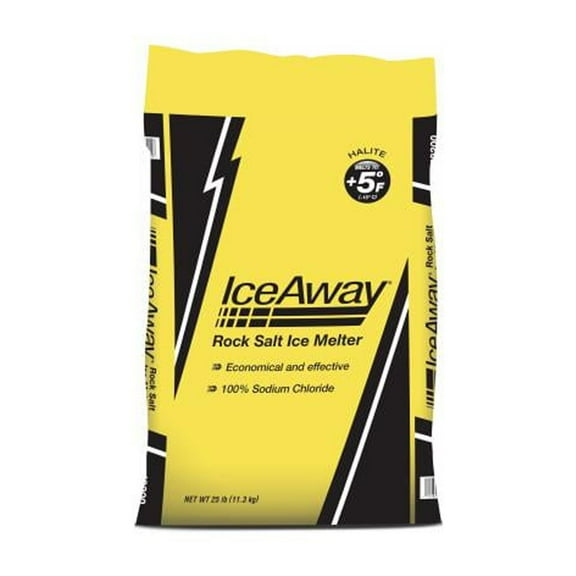
You can narrow your choice quickly by matching bag size or container type to your coverage area. You'll usually want small shaker bottles for steps, medium bags for routine sidewalks, and larger bags for long driveways.
If you treat a front walk or porch, you may like a shaker bottle for easy, controlled spreading. If you cover several hundred square feet, you'll often reach for 25-pound or 50-pound bags that work with many spreaders.
You can estimate coverage before you buy so your supply matches the storm and the surface. You'll often find a 50-pound bag covers several hundred square feet, depending on ice thickness and how heavily you apply it.
When you need repeated applications through the season, you may prefer bulk packaging for fewer refills. You'll also appreciate bagged options when you want easier lifting, storage, and quick grab-and-go use.
Comparing safety profile and surface needs
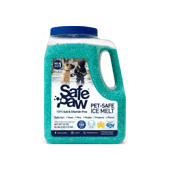
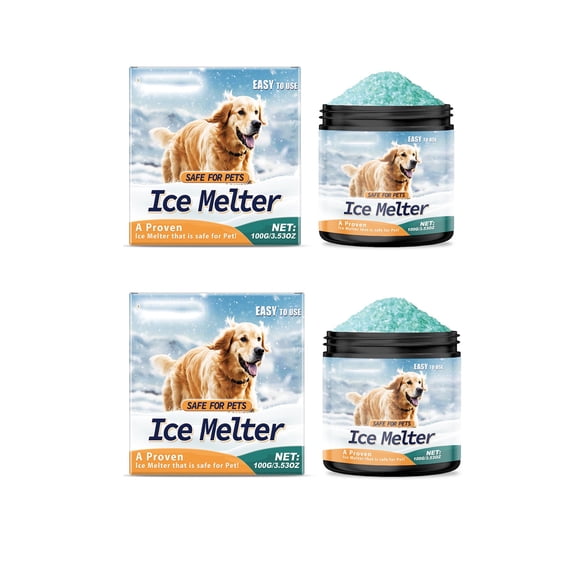
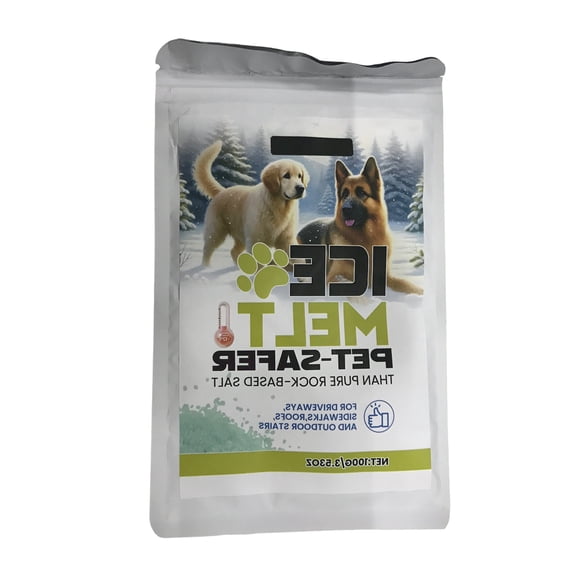
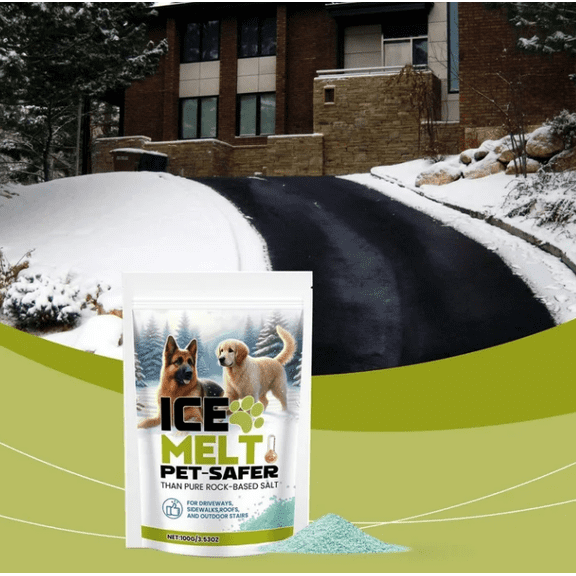
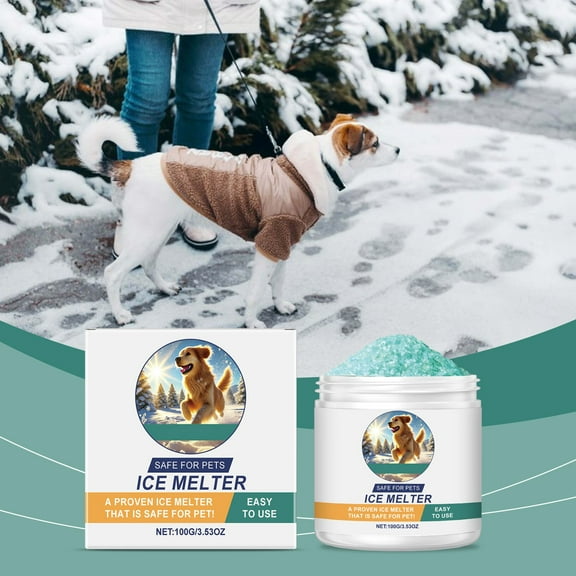
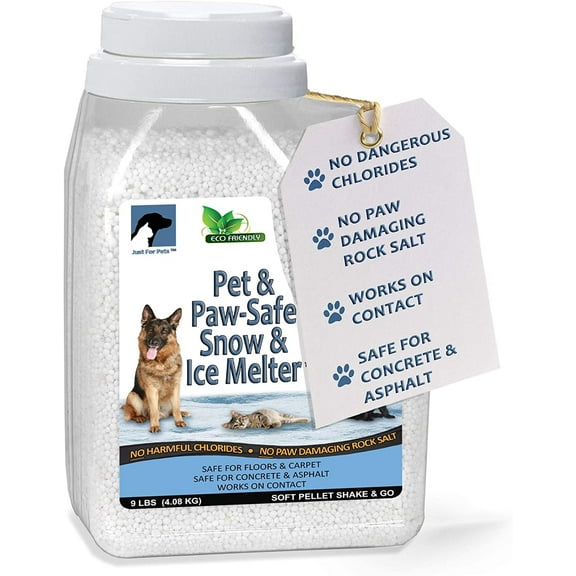
You should compare safety notes carefully when pets, concrete, or landscaped edges are part of your routine. You'll want to check labels for pet-safe or concrete-safe wording and follow application directions for cleaner coverage.
If your dog uses the same path you treat, you may prefer options designed with pet paws in mind. If your walkway has decorative concrete, you'll want products labeled for concrete-safe use and measured spreading.
You can also think about placement near grass beds and planting areas before you spread any material. You'll get cleaner results when you apply only what your surface needs and sweep excess granules away afterward.
When you compare formulas, you'll notice that surface care depends on both product choice and application amount. You'll reduce residue and mess when you spread evenly instead of piling material in one spot.
How rock salt snow melt works for pre-treatment and post-treatment
You can choose pre-treatment or post-treatment based on timing and the kind of buildup you expect. You'll use pre-treatment before snowfall to help reduce bonding, and you'll use post-treatment after accumulation to loosen slick layers.
If you expect overnight precipitation, you may spread material ahead of time on walks and driveways. You'll often make shoveling easier because snow has less chance to stick tightly to the surface.
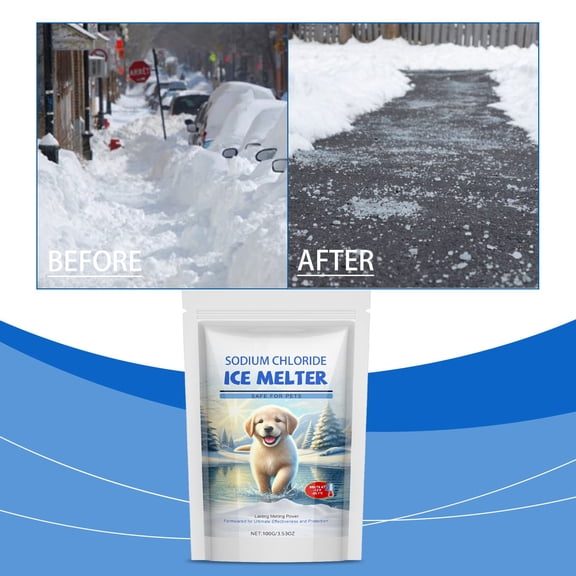
When ice has already formed, you can apply rock salt snow melt to help break up that layer. You'll usually get the strongest results when you remove loose snow first and then spread an even amount.
You should also match the package style to your application method for cleaner coverage. You'll find shaker tops useful for stairs and entryways, while spreader-friendly bags help you cover larger paved areas faster.
Using rock salt for snow around your home and vehicle areas
You can use these products in several winter zones, but each space may need a different formula or package. You'll often treat front steps, sidewalks, driveways, garage aprons, and paths to mailboxes with different amounts.
If you clear a narrow path to your door, you may want a shaker bottle for quick touch-ups. If you maintain a wider driveway, you'll likely need larger bags and a broadcast spreader for steady, even coverage.
You may also keep extra deicer near your trunk or garage for storm follow-up after commuting. You'll appreciate a smaller container when you need to handle a shaded patch or a slippery spot near the car.
When you compare rock salt for snow options by temperature, packaging, safety profile, and application type, you can choose with more confidence. You'll end up with steadier winter footing and less guesswork during snow and ice cleanup.