

Roasting Pans & Roaster Pans with Lids | Walmart

























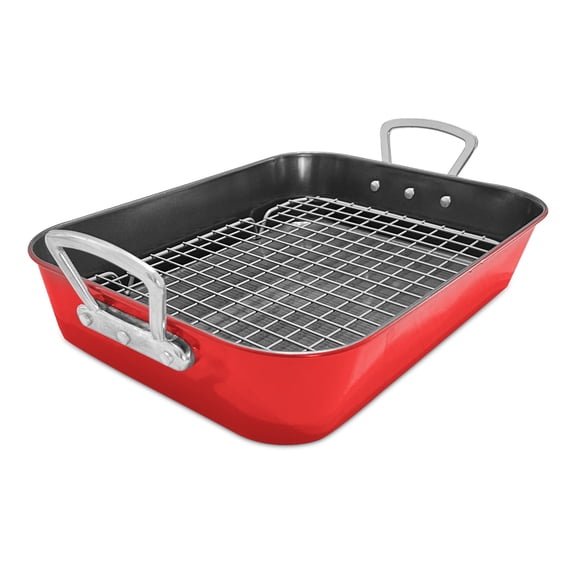
About Roasting Pans & Roaster Pans with Lids | Walmart - Walmart.com
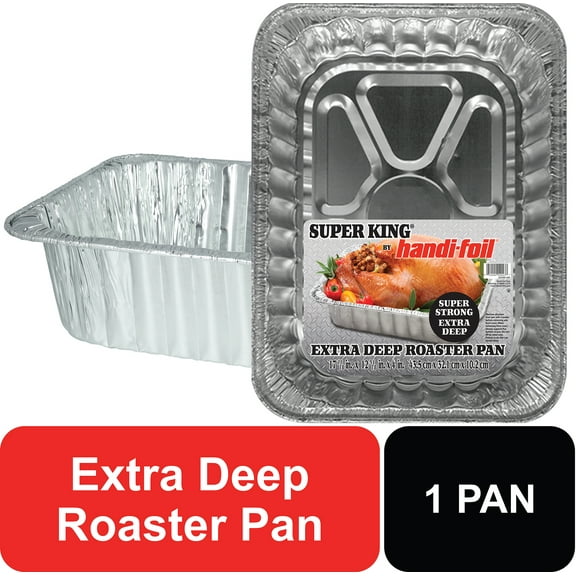
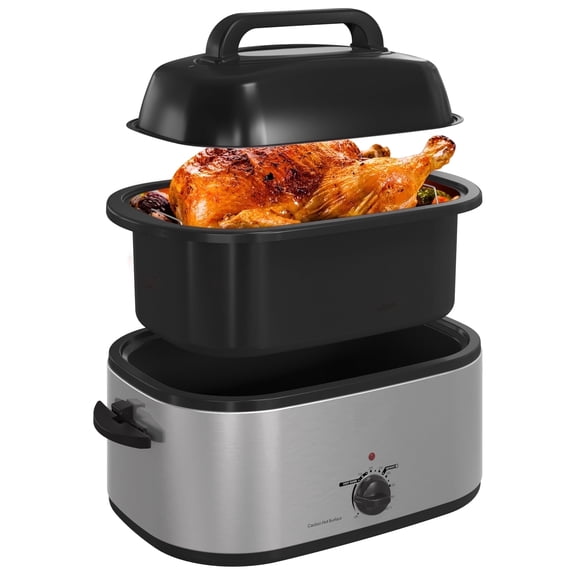
Roasting pans help you prepare evenly browned meats, vegetables, and holiday meals with the capacity and support your oven cooking needs demand. You can compare sizes, rack styles, and materials to choose a pan that fits your turkey, your handles preference, and your cleanup routine.
How to choose roasting pans for your kitchen
When you compare roasting pans, you should start with size, material, and whether your pan includes a rack. You’ll want those choices to match your oven space, your typical portions, and your preferred cooking style.
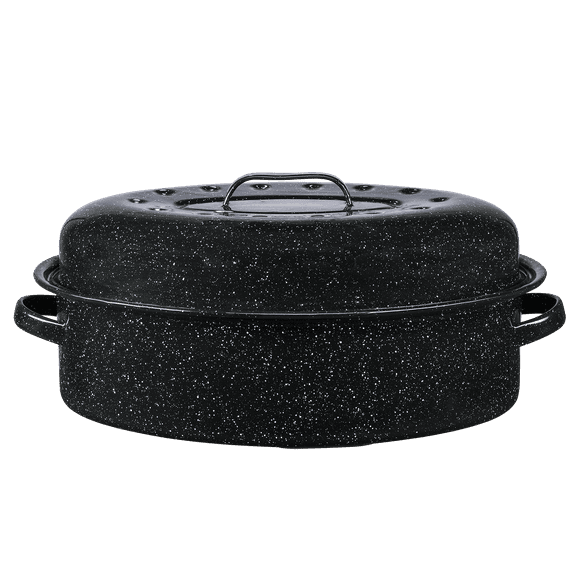
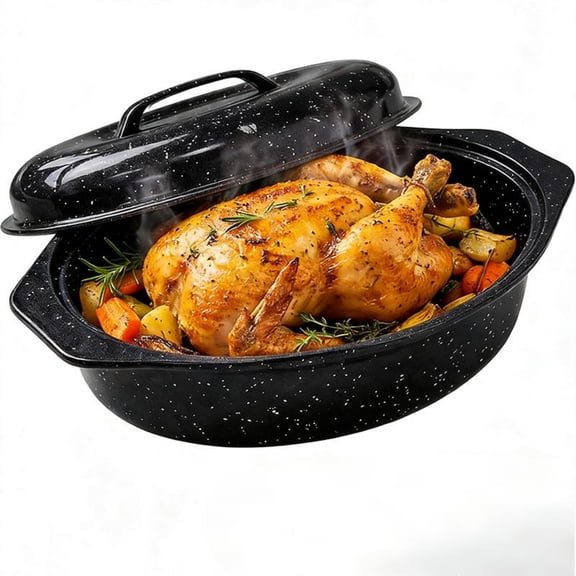
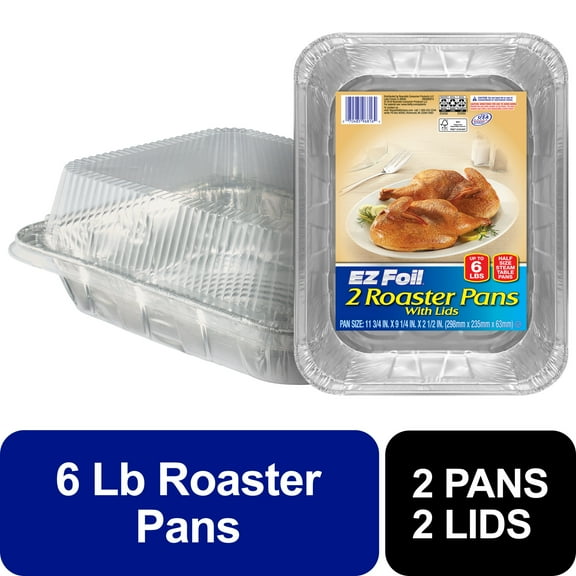
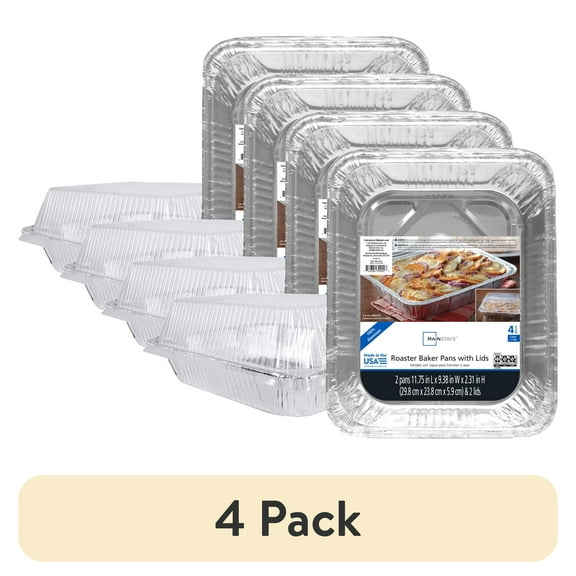
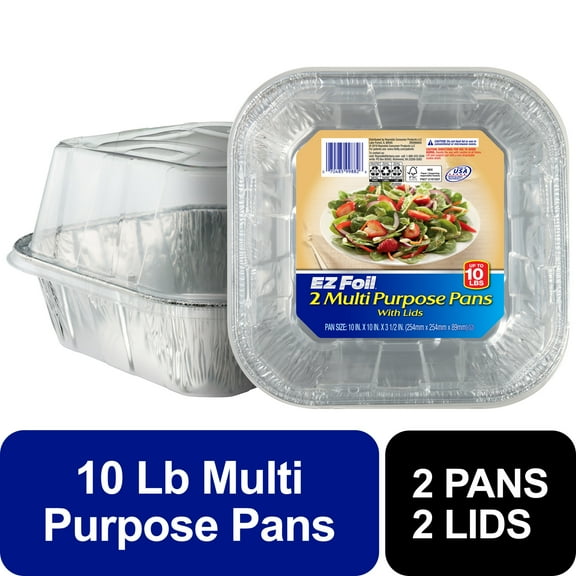
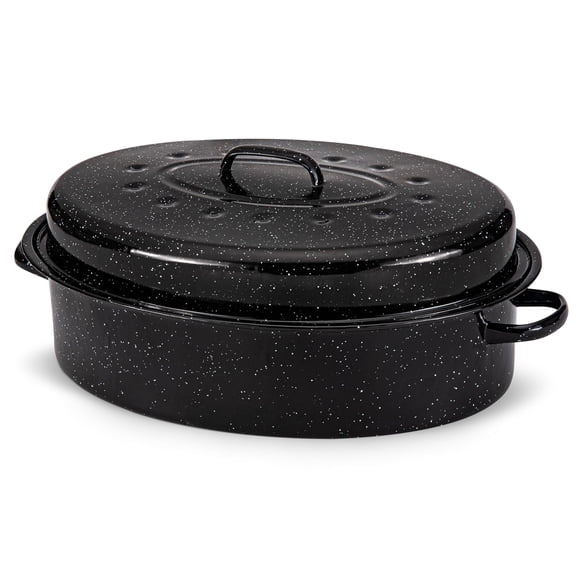
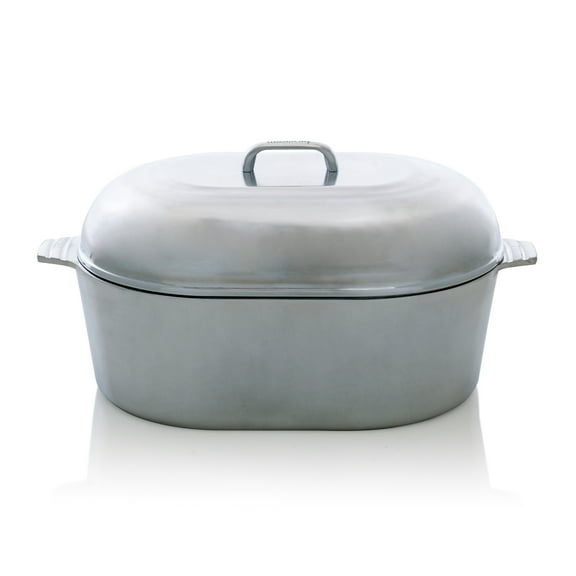
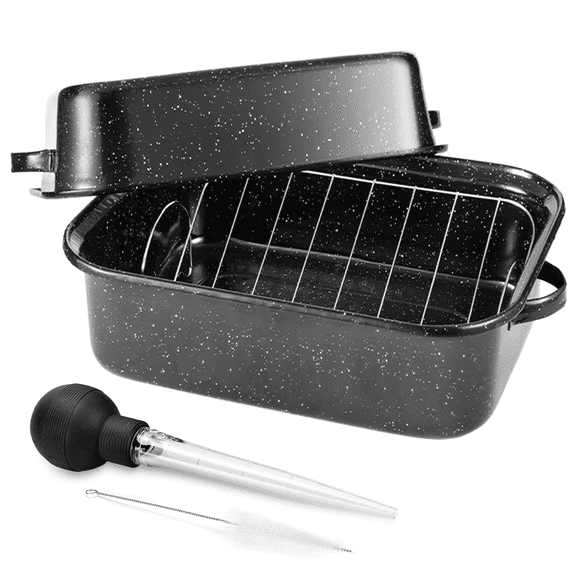
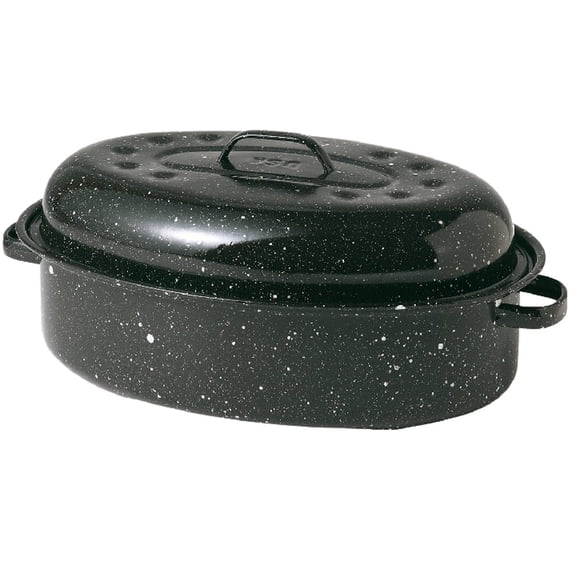
A large roasting pan gives you room for bigger cuts and more vegetables around them. You can also choose a roasting pan with lid when you want extra coverage during part of your cook time.
- You can use deeper sides to hold drippings for gravy and roasting juices.
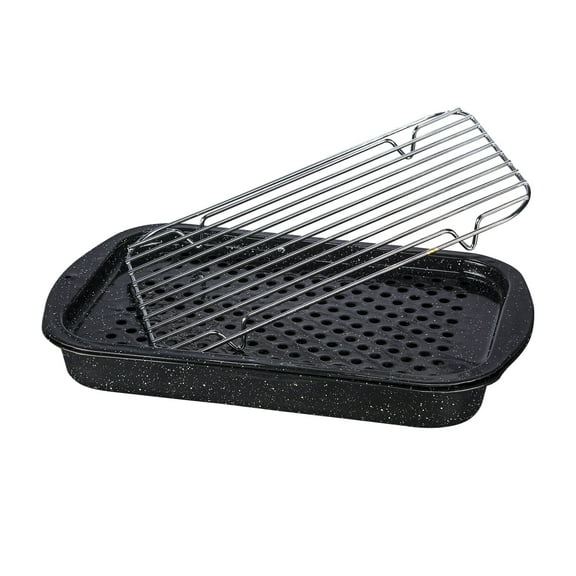
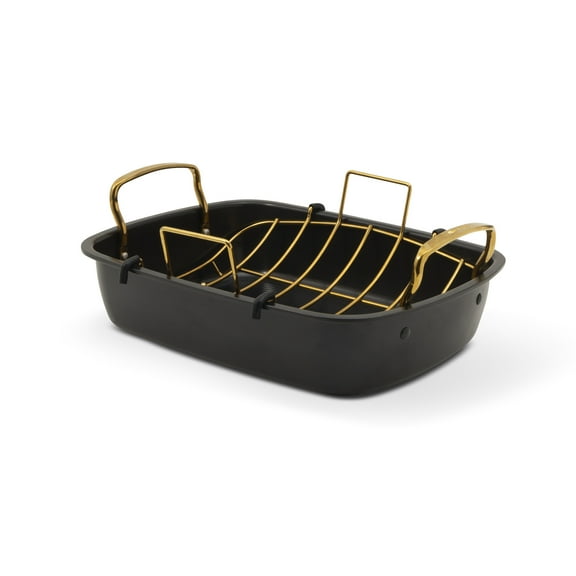
- You can use a rack to lift meat above the pan surface for more even browning.
- You can choose sturdy handles when you need a steadier grip on heavier meals.
- You can match pan size to bird weight so your roast fits without crowding.
If you cook for holidays, you may want a turkey roasting pan with extra capacity and strong side handles. If you roast more often, you may prefer a versatile shape that fits weeknight chicken and vegetables.
Choosing the right roasting pan with rack
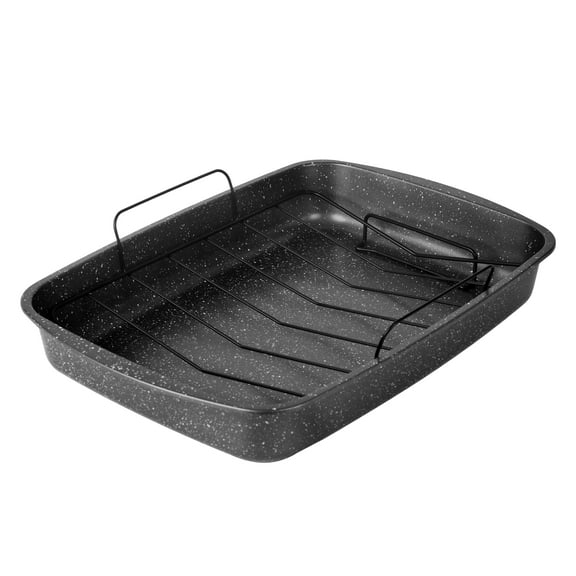
When you look at rack options, you should compare pans with rack and pans without one. You’ll usually get more airflow under meat when you choose a roasting pan with rack.
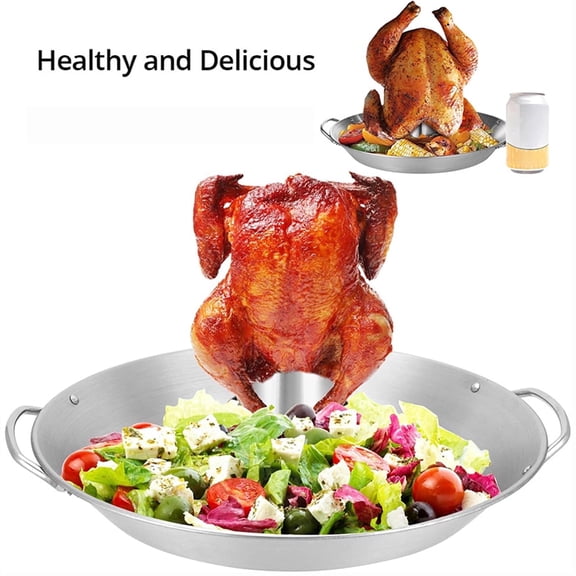
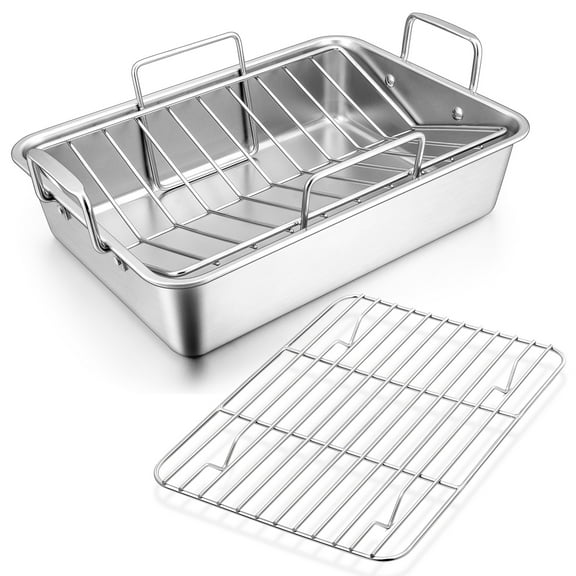
A V-shaped rack cradles poultry and larger roasts in the center of the pan. You can use that shape when you want your bird held securely during roasting.
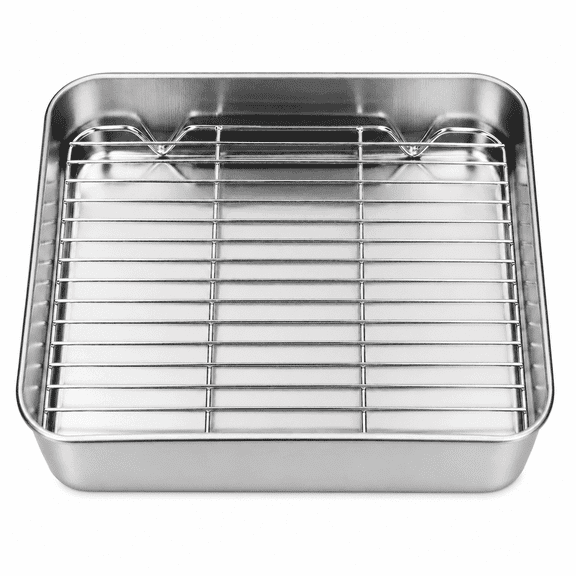
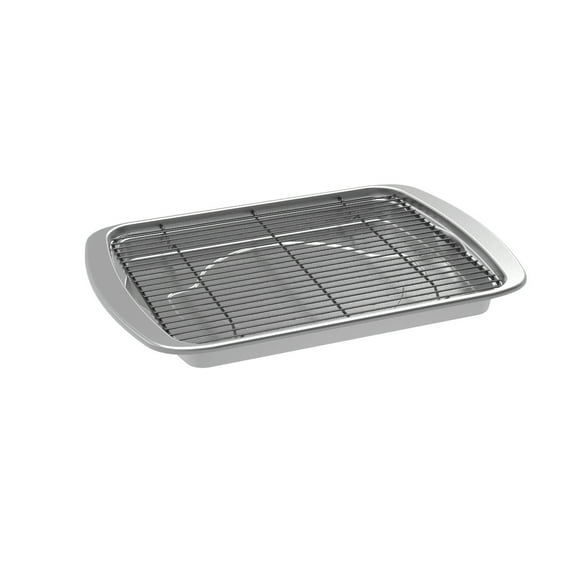
A flat rack gives you a level surface for smaller cuts, fish, or vegetables. You may prefer that style when you want more flexibility across different meals.
If you skip the rack, you can still roast vegetables or bake casseroles in the same pan. You should check whether your recipes depend on drippings collecting below elevated meat.
Comparing materials in roasting pans
Material changes how your roasting pans feel, heat, and clean up after cooking. You should compare weight, browning, and maintenance before you choose your pan.
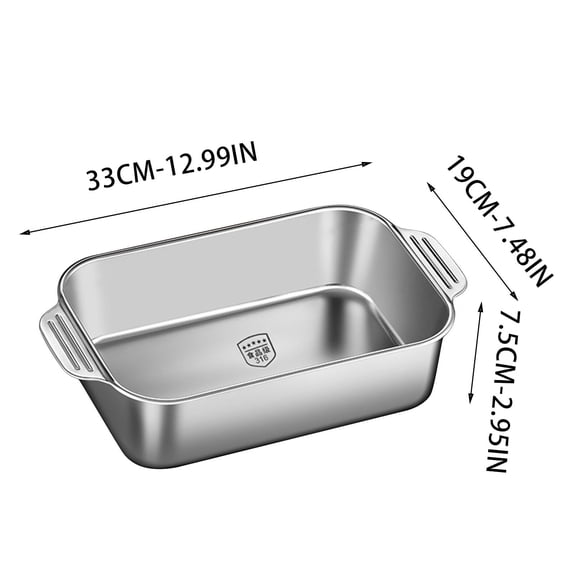
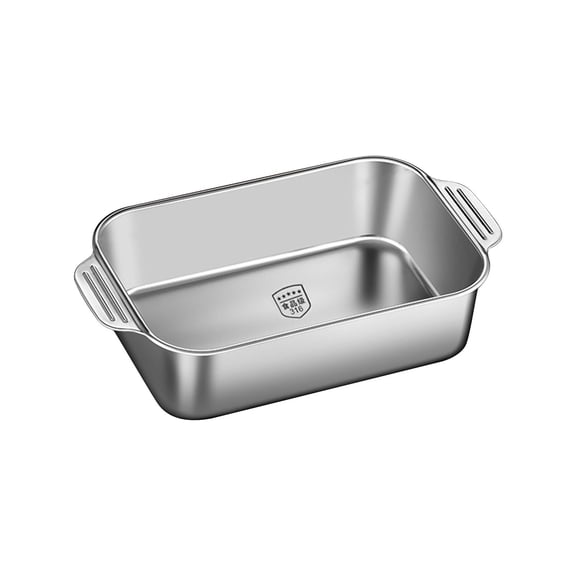
A stainless steel roasting pan often appeals to you when you want durability and a classic kitchen look. You’ll also notice stainless steel suits deglazing when you make pan sauces from browned bits.
Hard-anodized aluminum can feel lighter in your hands while still offering steady heating. You may like that balance when you move a full pan from oven to counter.
Cast iron gives you substantial weight and strong heat retention for longer roasts. You should make sure your handles feel comfortable, because a loaded cast iron pan can feel heavier.
Carbon steel can give you a responsive cooking surface that many home cooks appreciate for roasting and browning. You may choose it when you want a lighter alternative to cast iron.
A nonstick roasting pan can simplify cleanup after sticky glazes or roasted vegetables. You should check utensil guidance and care steps if you want that finish to last longer.
Choosing size, capacity, and lid options
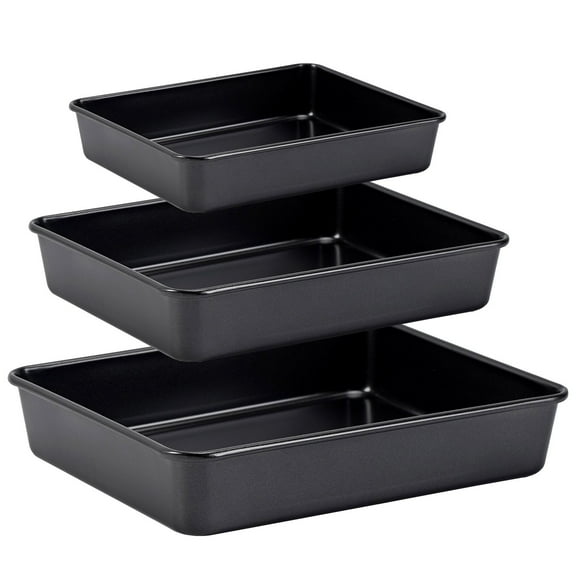
Size is one of the biggest decisions you’ll make, especially for holiday cooking. You should compare pan dimensions in inches with the weight of your roast or bird.
A small 12-inch pan may suit compact meals, side dishes, or smaller chickens. A medium 14-inch pan can work when you want more room without taking over your oven.
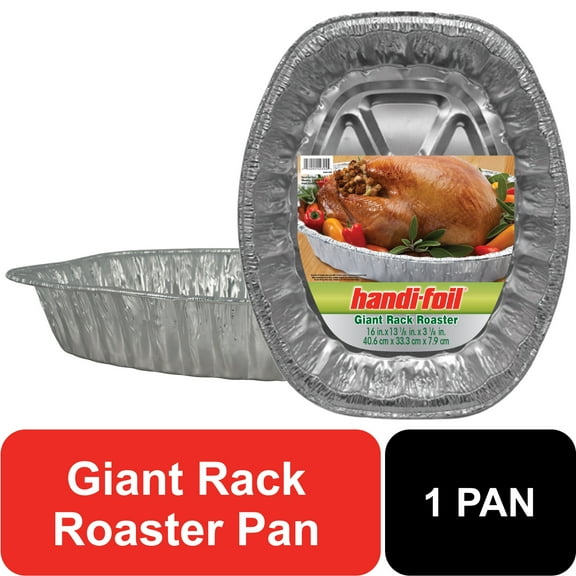
A large 16-inch pan often gives you space for family dinners and larger cuts. An extra-large 18-inch pan may fit your holiday roaster plans when you need room for a big turkey.
You should leave space around your food so heat can circulate instead of crowding the pan. You’ll also want enough depth for drippings, stock, or vegetables under the rack.
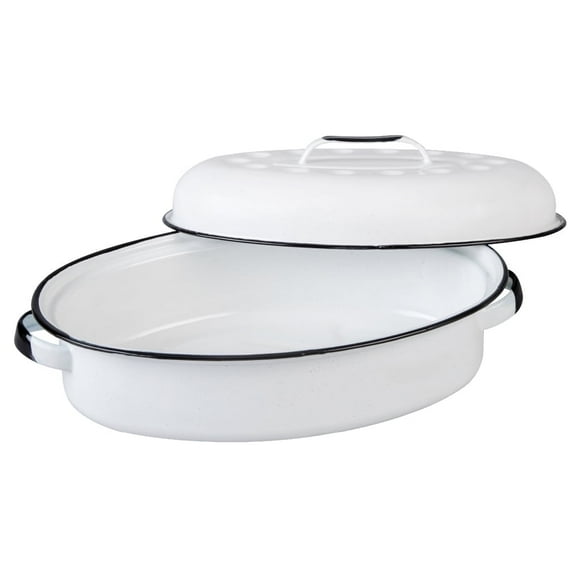
If you’re considering a roasting pan with lid, compare open-top and domed-lid designs carefully. You can use a lid early for moisture, then remove it when you want more browning.
An open-top design gives you easy access for basting and checking color during roasting. You may prefer that setup when you want a crisp finish on skin or vegetables.
Matching roasting pans to everyday meals and holiday dinners
You can use roasting pans for much more than large holiday birds. You may reach for the same pan when you roast chicken, root vegetables, ham, or sheet-style dinners.
A turkey roasting pan makes sense when you cook larger birds and want room for aromatics underneath. You should look for sturdy handles and a rack shape that supports the bird well.
For weeknight cooking, you may prefer a medium pan that stores more easily in your cabinet. You can use it for chicken baking, pork loin, or mixed vegetables without excess bulk.
If your menu includes gravy, you should consider a surface that works well for collecting browned drippings. You’ll appreciate that detail when you transfer juices into a saucepan after roasting.
Handle design matters when your pan is full and hot from the oven. You should look for handles that give your hands a confident grip while you carry heavier meals.
When you compare these decision points, you can narrow your choice with more confidence. You’ll end up with roasting pans that fit your oven, your menu, and your holiday cooking plans.