

Planners & Personal Organizers (Monthly & Weekly)



















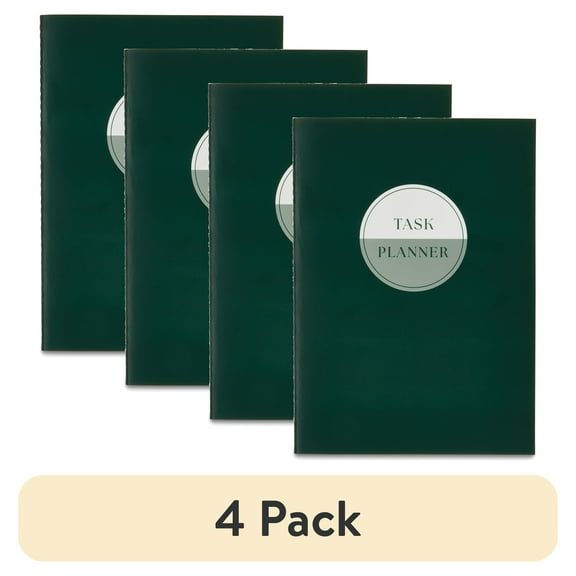

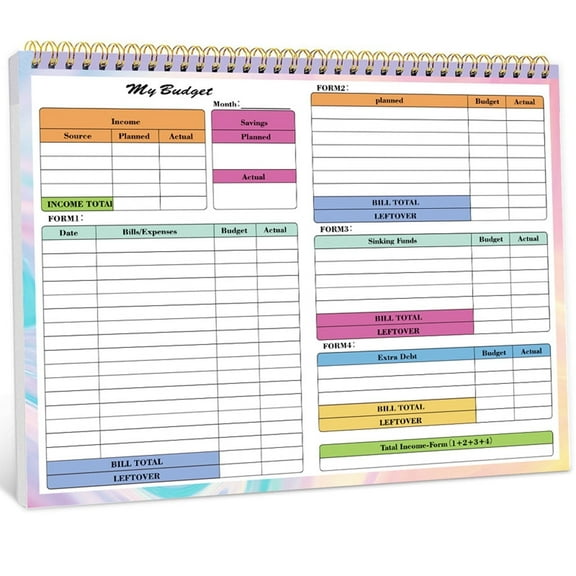


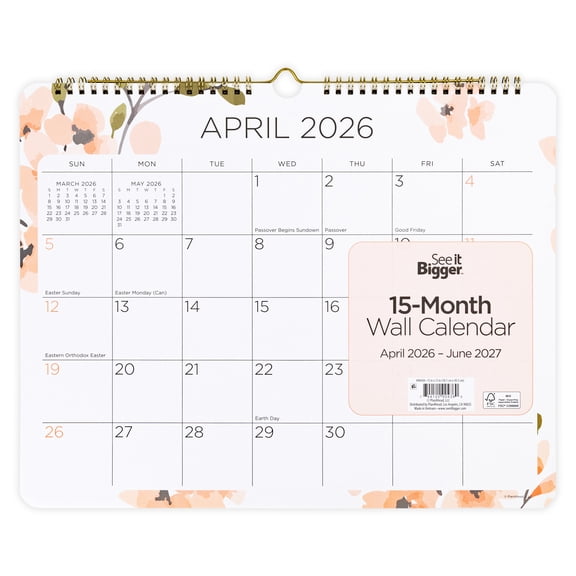






About Planners & Personal Organizers (Monthly & Weekly) - Walmart.com
With calendars and planners, your schedule stays visible across school terms, work deadlines, and home routines. You can compare layout, year, size, and binding, so your planning tools match the way you organize each day.
How to choose calendars and planners
Start with your planning habits, because your routine should guide your format choice. When your days move quickly, weekly monthly planners can give your schedule both detail and a broader date view.
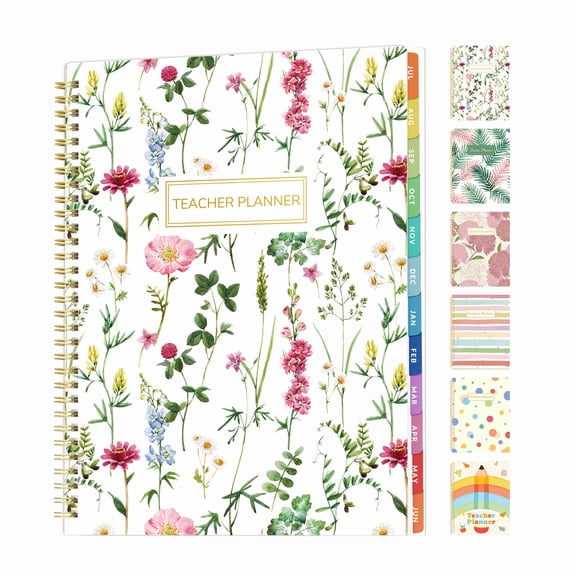
For school schedules, your choice between academic and standard year formats shapes how your pages line up with the months ahead. If your planning starts midyear, academic formats can feel simple to use through each semester.
Your writing location matters as much as your page layout. At your desk, a large desk size can keep dates visible, while travel days may fit a pocket calendar well.
Choosing planners and organizers by type
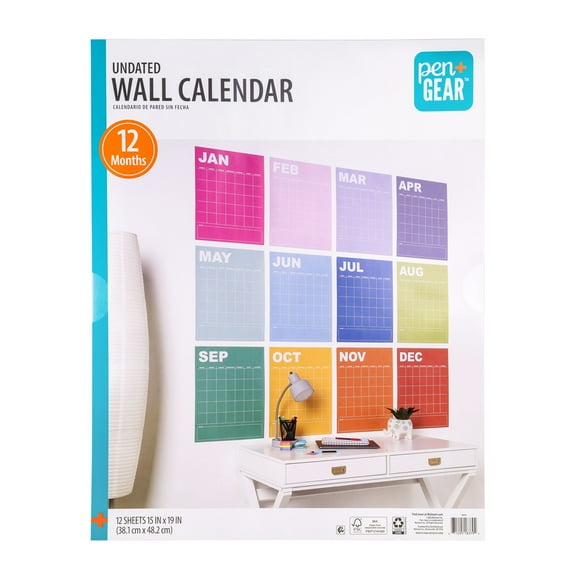
Different planners and organizers suit different spaces, so your type should match where you can see it often. A wall calendar keeps shared dates in view, while a bookbound planner fits neatly in your bag.
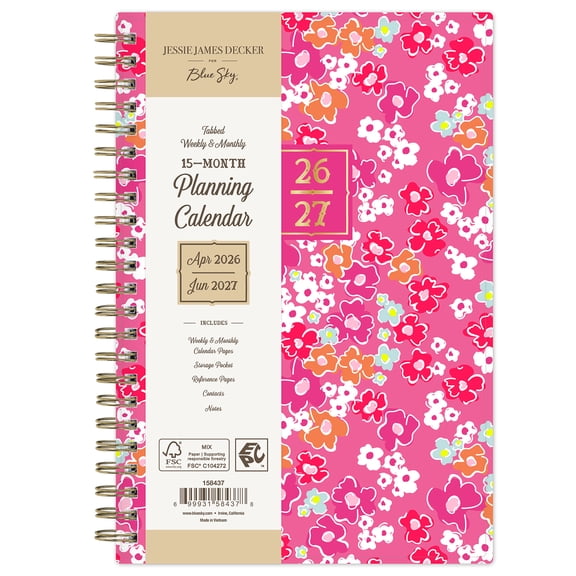
- You can track classes and assignment dates with an academic planner that follows your school year.
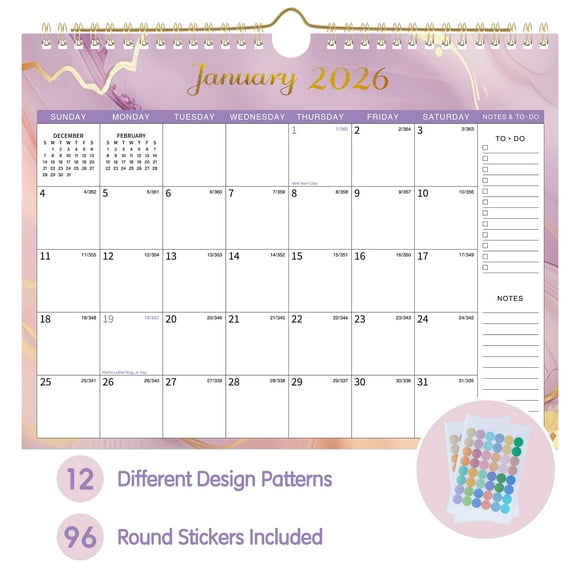
- You can keep household events visible with a wall calendar in your kitchen, office, or study area.
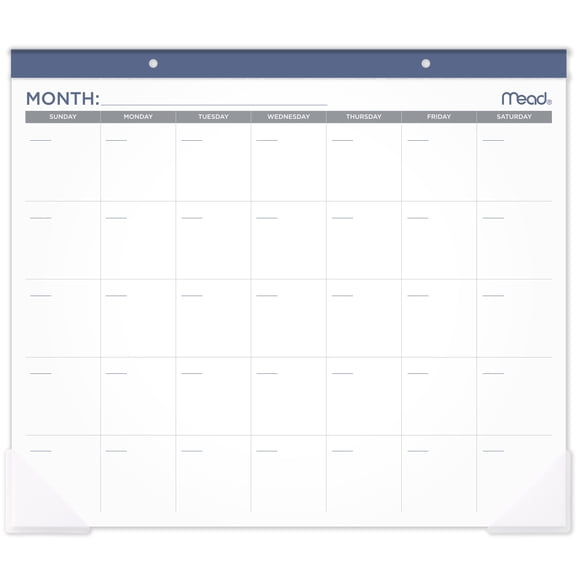
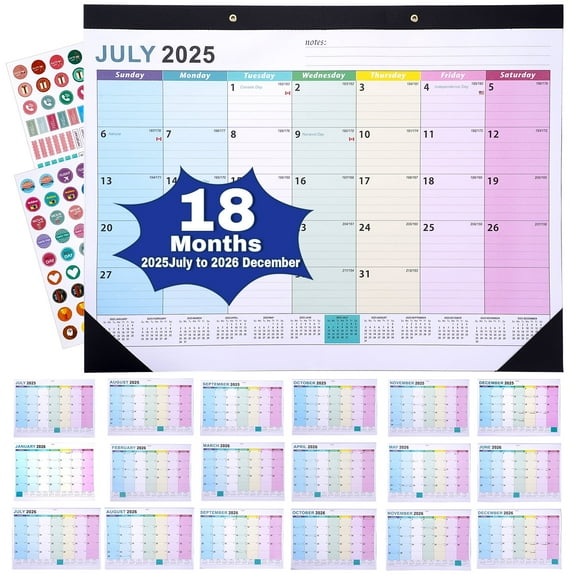
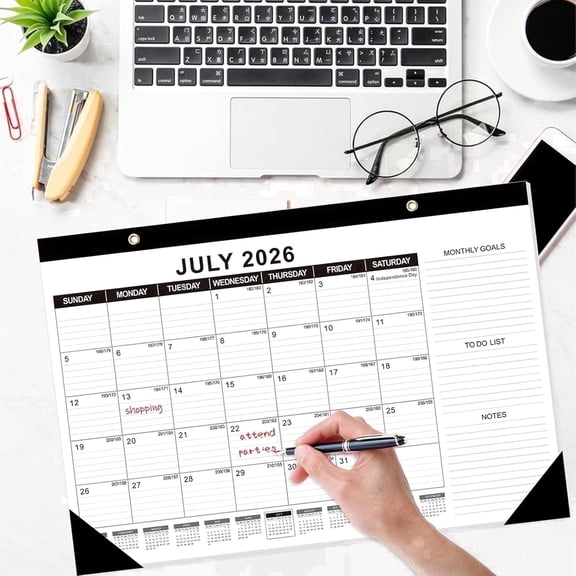
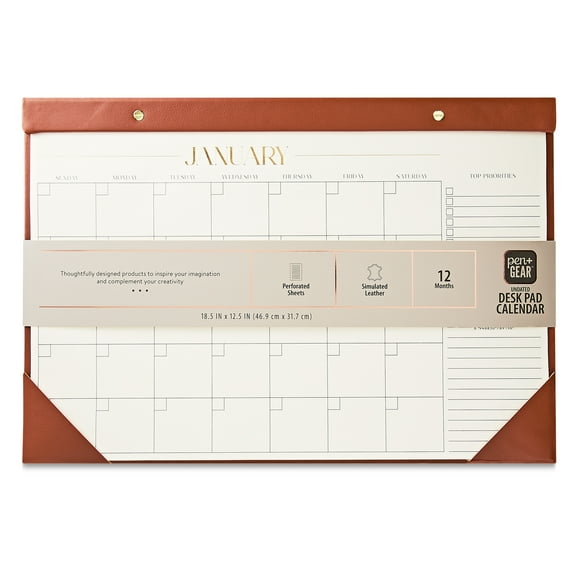
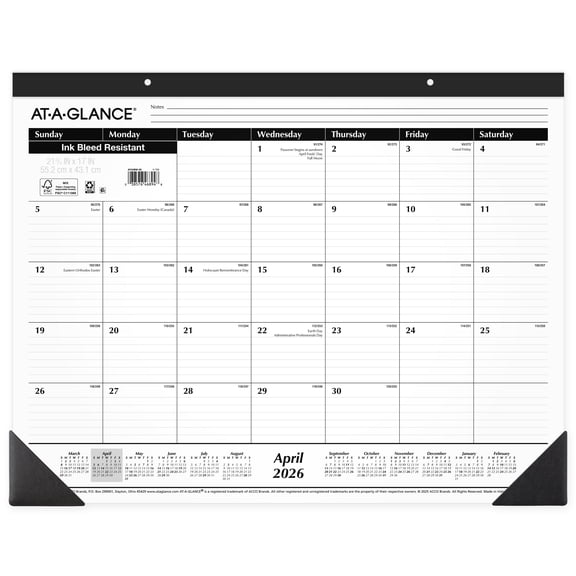
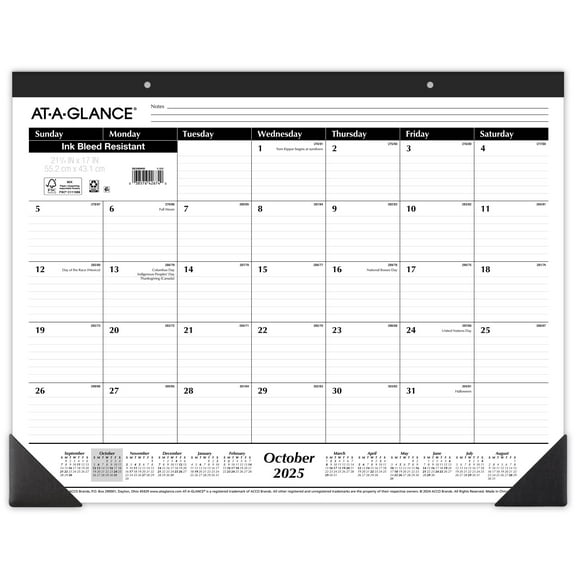
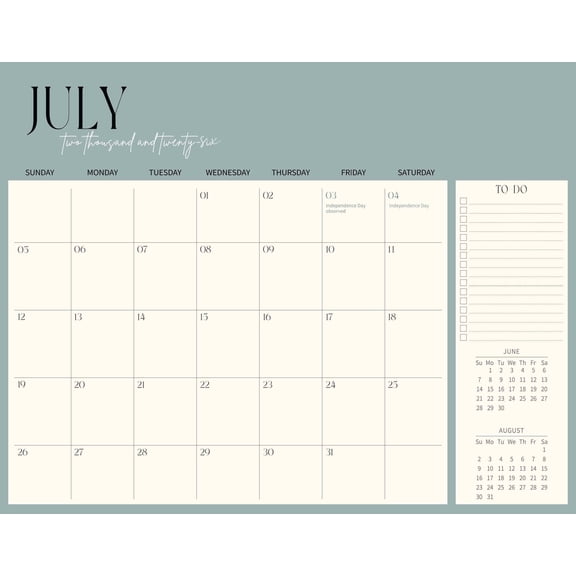
- You can note reminders beside your keyboard with desk calendars and desk pads.
- You can carry appointments and to-dos with a pocket calendar or compact planner.
Your writing style can narrow the right type for your routine. If your notes run long, larger pages may suit you, while shorter entries often fit compact planners and organizers.
Shared planning needs a format that stays in view through your day. Personal planning often works well when your pages fit your tote, backpack, or briefcase without extra bulk.
Choosing planners and organizers by format
Your layout preference is a key decision, because your pages shape how you read time. Monthly spreads help you scan deadlines quickly, while weekly pages give your schedule extra writing room.
If your plans include bills, trips, and project milestones, monthly views can give you a broad snapshot. When your days include meetings, assignments, or meal plans, weekly sections can keep each day simple to read.
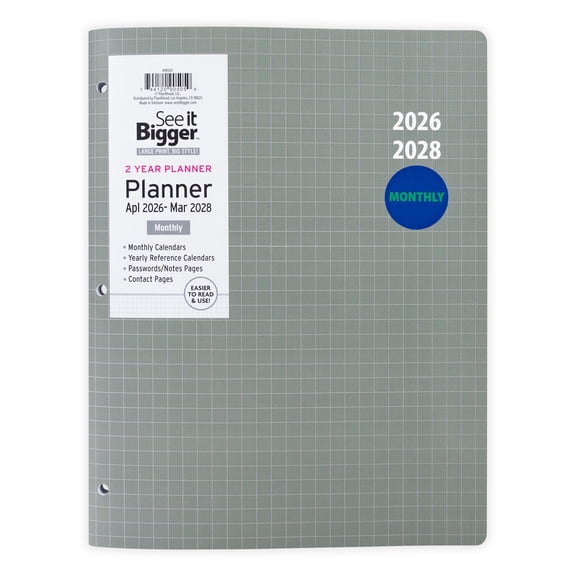
Daily layouts fit routines that change hour by hour and need extra writing space. With weekly monthly planners, your schedule can hold a big-picture view and room for follow-through.
Comparing year, size, and binding for calendars and planners
Your date range affects how smoothly your planner fits your routine. You can choose 2025 calendars for annual planning, or you can pick undated pages when your start date needs flexibility.
Academic formats usually follow your school term, which helps when your year begins in July or August. Standard year formats fit January planning, so your holidays, office dates, and household events stay aligned.
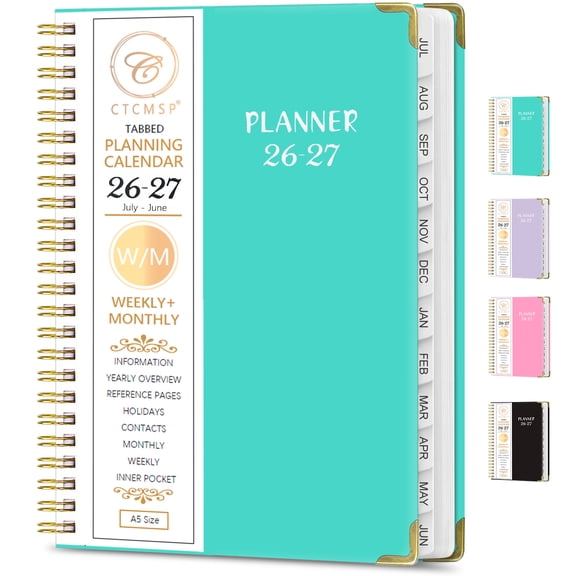
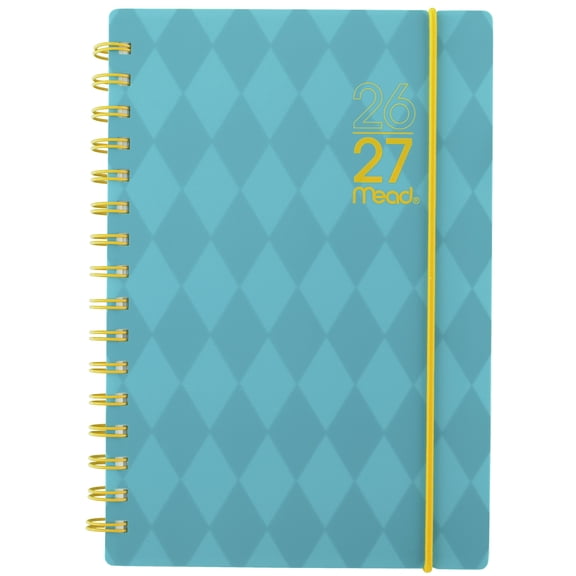
Your size choice should reflect where you use your planner each day. A pocket size option supports travel, a medium A5 format balances carry and writing room, and a large desk size stays visible at work.
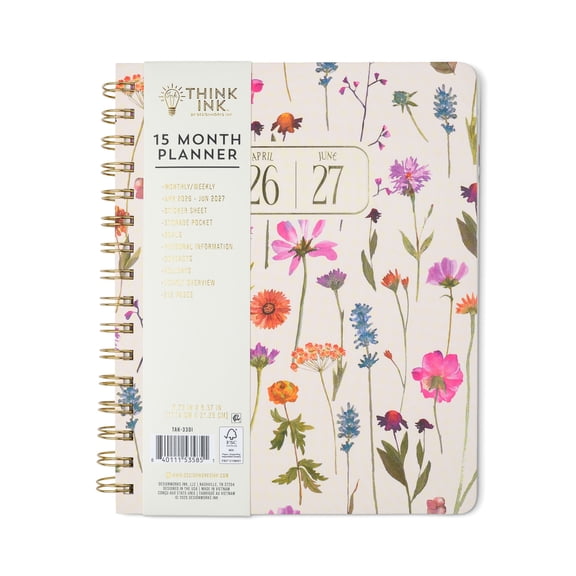
Your binding choice changes how your pages turn, stack, and store. Spiral bound pages flip back neatly, stapled styles stay slim, and bookbound formats give your planner a structured feel.
Your cover and page durability also deserve a close look before you decide. You may want sturdy corners, protective covers, and pages that keep your writing neat through regular use.
Matching calendars and planners to real routines
Your schedule may call for multiple formats when home, work, and school overlap. A wall calendar can hold shared dates, while a portable planner keeps your personal tasks close.
At work, desk calendars can keep dates within view beside your monitor or phone. During class terms, an academic planner can keep your assignments, exams, and due dates together.
If your routine balances long-term goals with daily tasks, weekly monthly planners can support both views in one place. For yearly planning, 2025 calendars help you map holidays, milestones, and office schedules across the full year.
When your schedule travels everywhere, pocket calendars and medium planners can fit naturally into your routine. For stationary setups, desk pads and wall formats keep your dates visible without taking space in your bag.
You can make a confident choice when your format matches your pace, page needs, and planning season. With the right calendars and planners, your dates stay clear, your notes stay readable, and your routine feels simple to track.