


Soccer Rebounders & Ball Return Nets | Walmart





















About Soccer Rebounders & Ball Return Nets | Walmart - Walmart.com
You can improve solo drills with a soccer rebounder that sends passes and shots back quickly. You can compare rebound style, frame material, size, and portability to match your training space.
If you're building a backyard practice setup, you can use this page as a practical buying guide. You can sort through rebounder types that fit first touch, passing rhythm, volleys, and finishing work.
How to choose a soccer rebounder
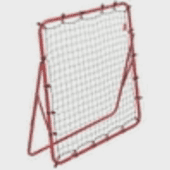
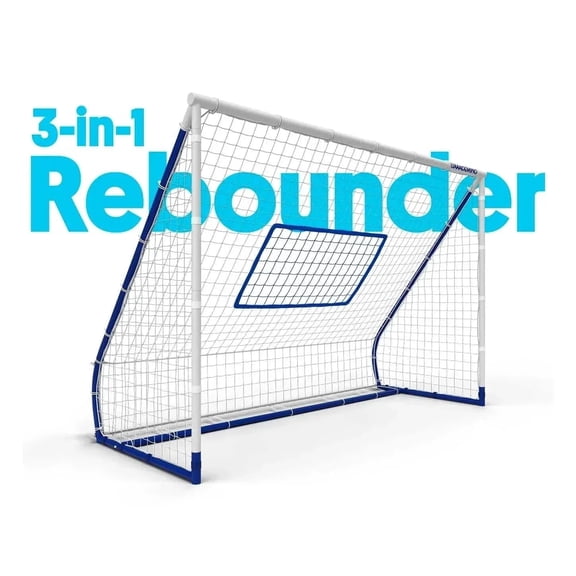
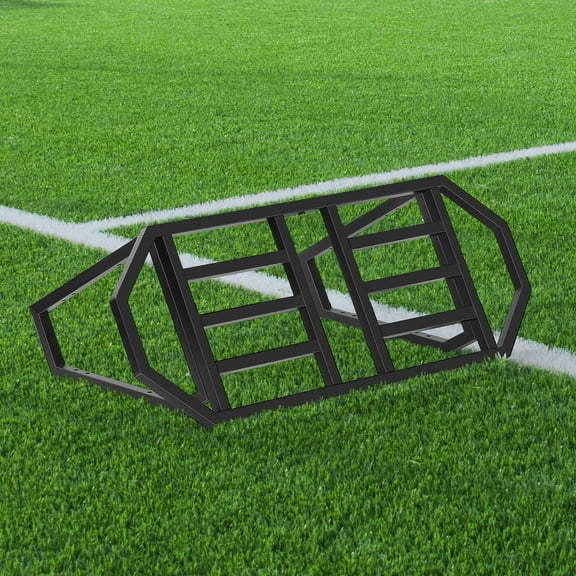
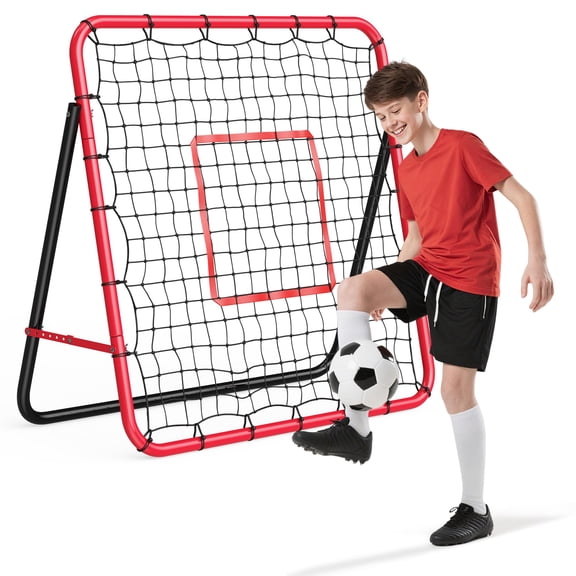
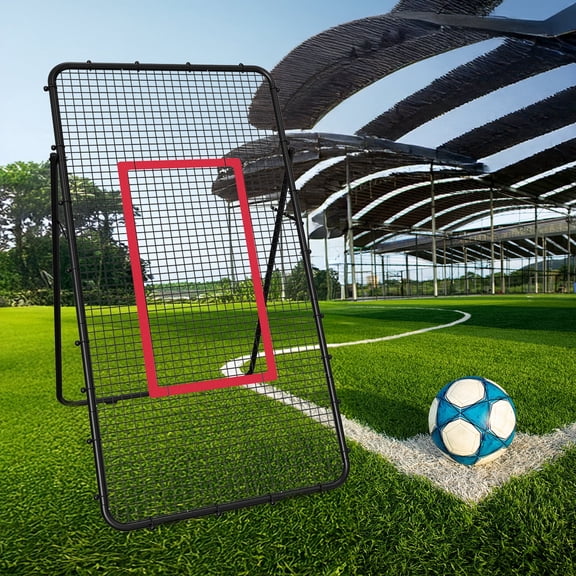
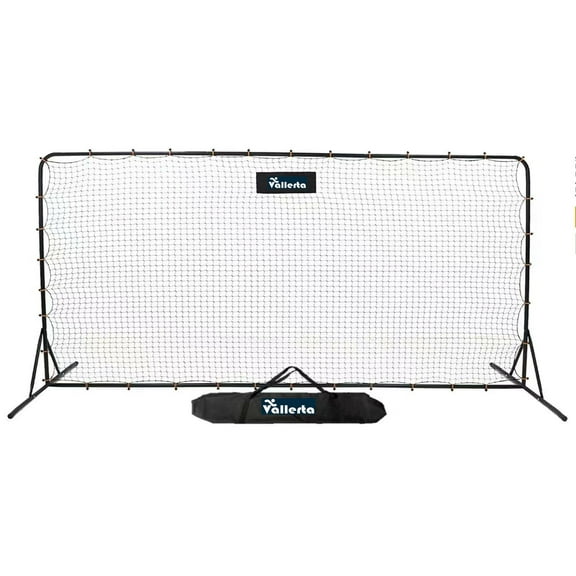
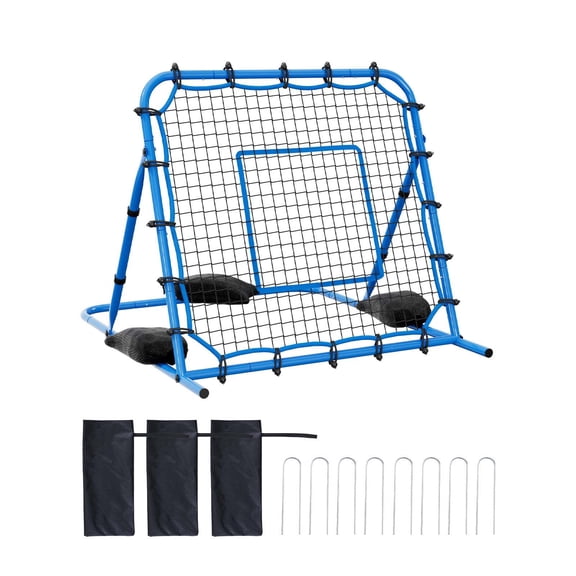
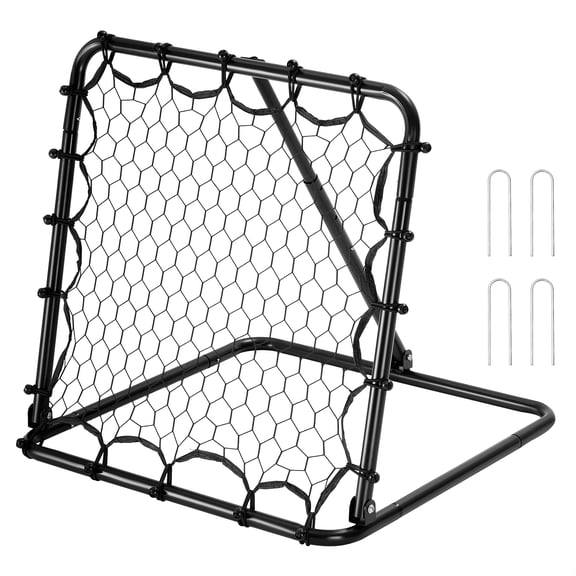
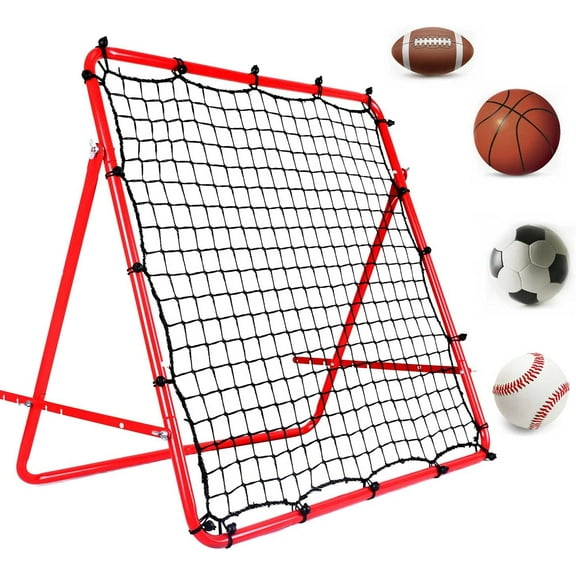
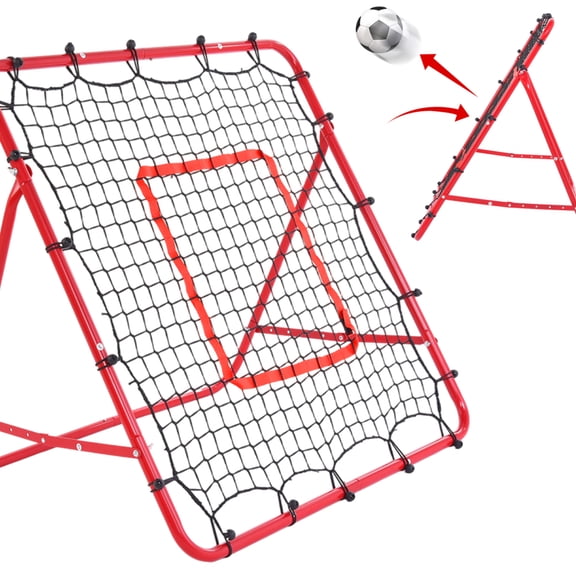
You should start with rebound style, because it changes how the ball returns to your feet. You can choose an elastic net, a solid board, or a dual-angle net.
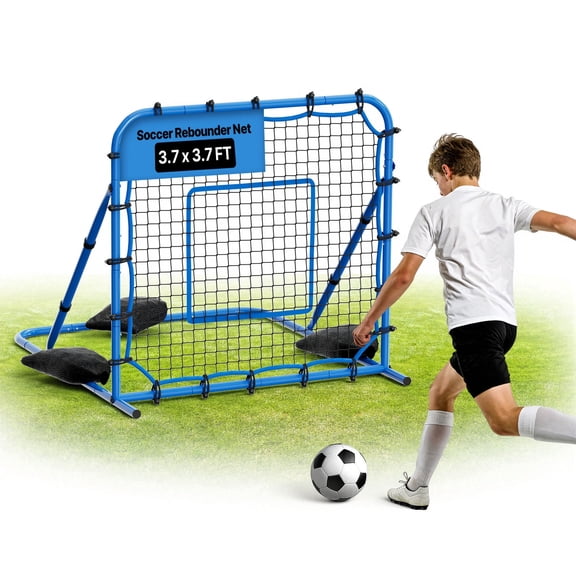
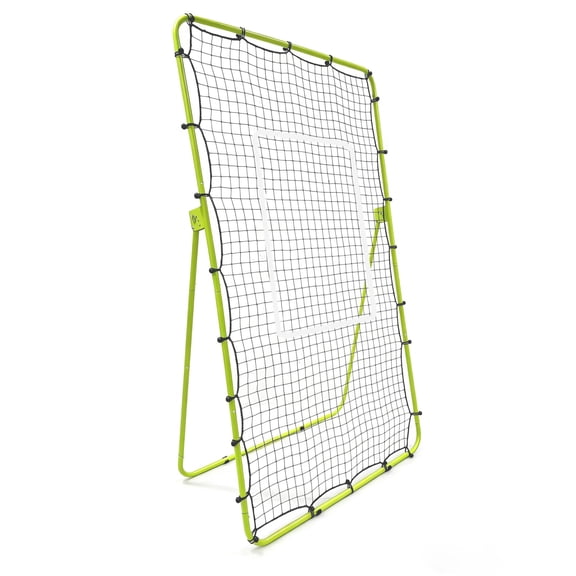
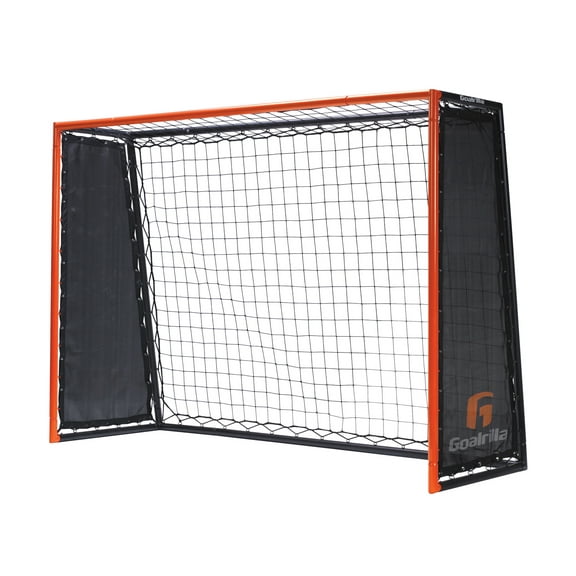
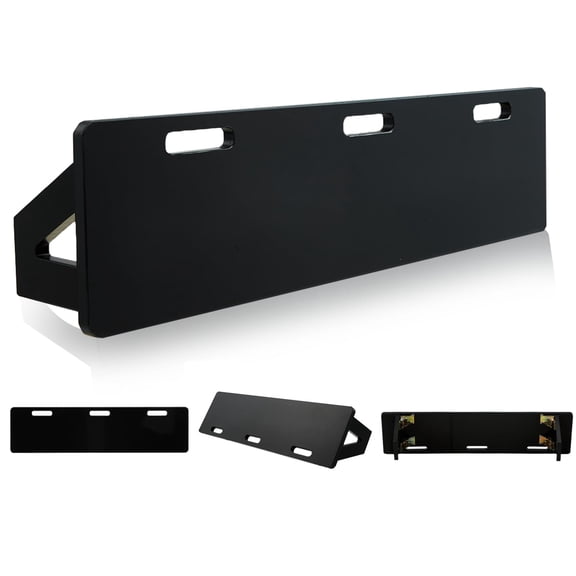
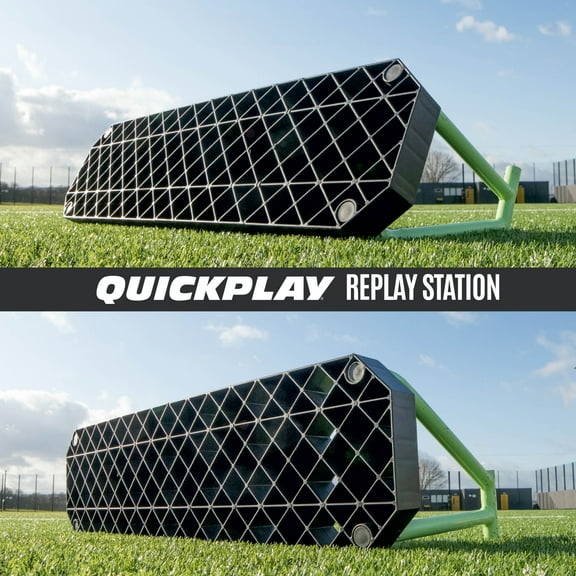
With an elastic net, you get a softer return that helps you repeat passing drills smoothly. With a solid board, you get a faster return that sharpens reactions and quick touches.
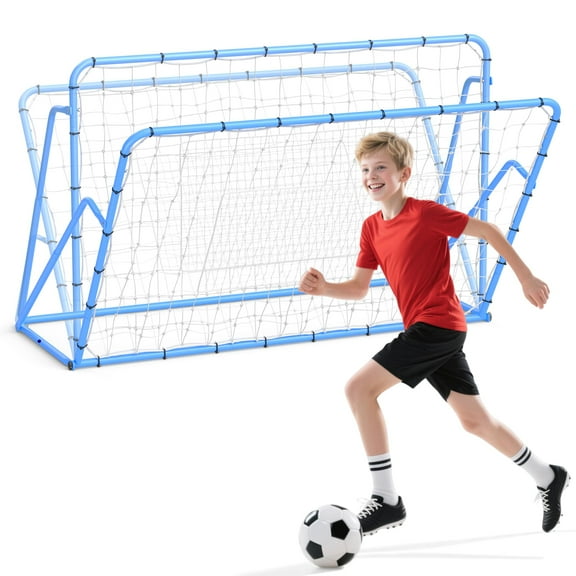
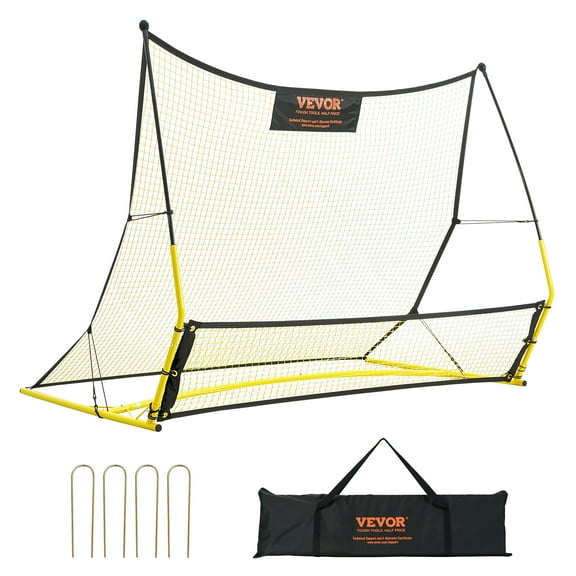
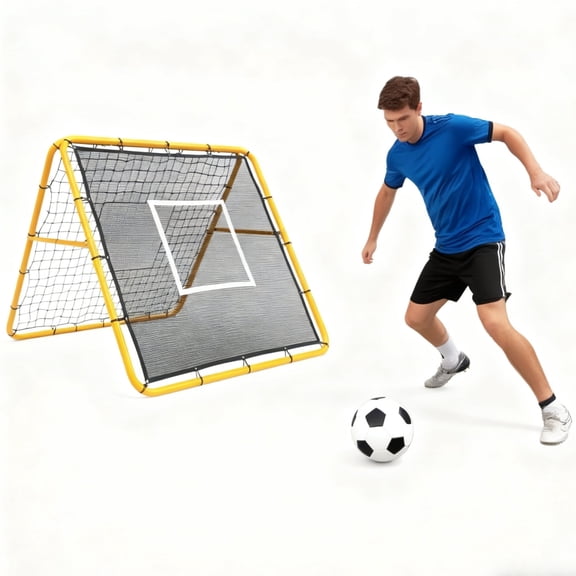
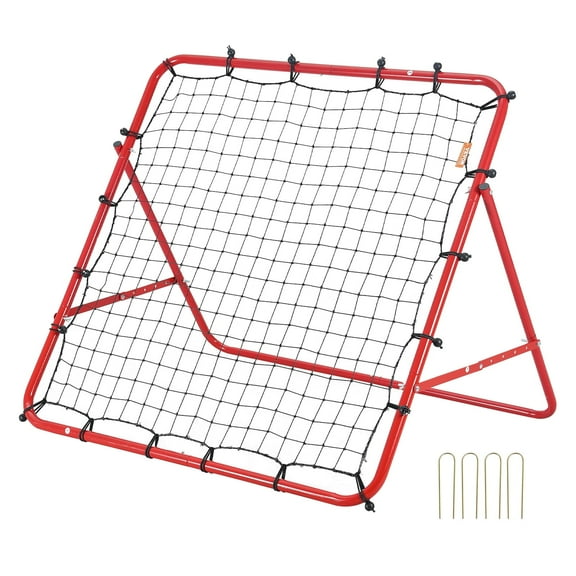
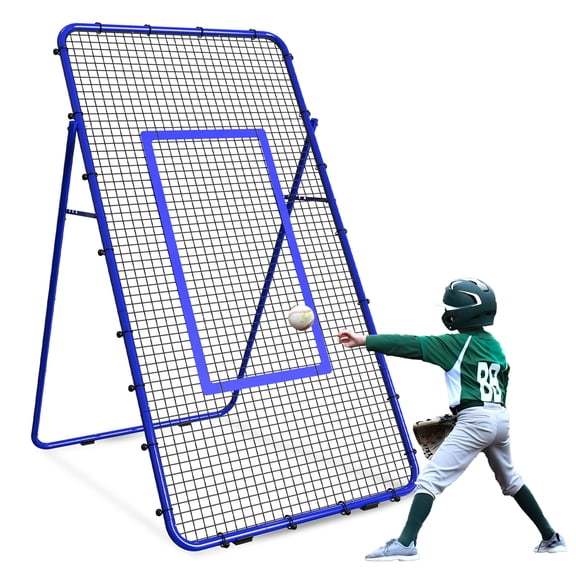
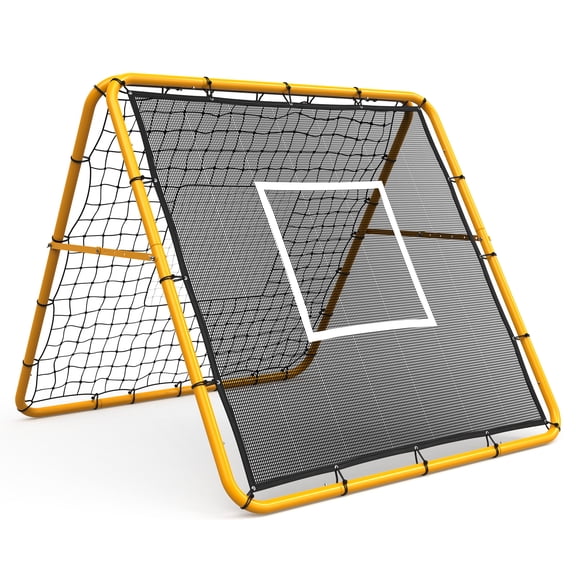
If you want more variety, you can compare a dual-angle net for ground passes and lofted balls. You can also look for tension level, because rebound speed changes with tighter or looser netting.
- You can practice first touch with a softer elastic response.
- You can train reaction speed with a firm soccer pass back board.
- You can repeat passing and receiving drills without a second player.
- You can use dual angles to switch between low balls and higher returns.
When you compare a soccer passing block to a rebounding net, you should think about drill tempo. If you want quick one-touch work, you may prefer a firmer surface.
If you want longer passing sessions, you may prefer a net that cushions impact and resets smoothly. You can match the rebound style to your age, skill level, and practice goals.
Choosing the right soccer ball return net size
You should measure your practice area before you choose a soccer ball return net. You can use a 4x4 ft model for tighter spaces and focused footwork sessions.
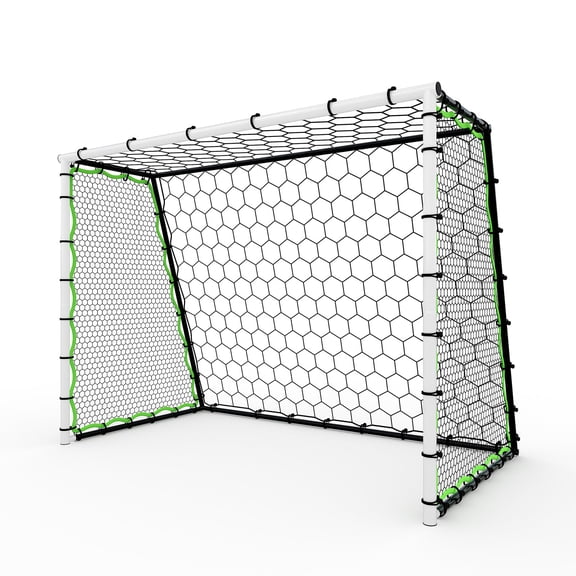
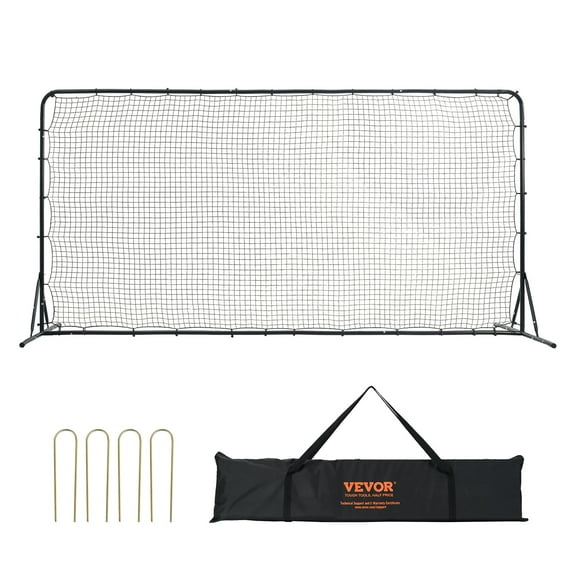
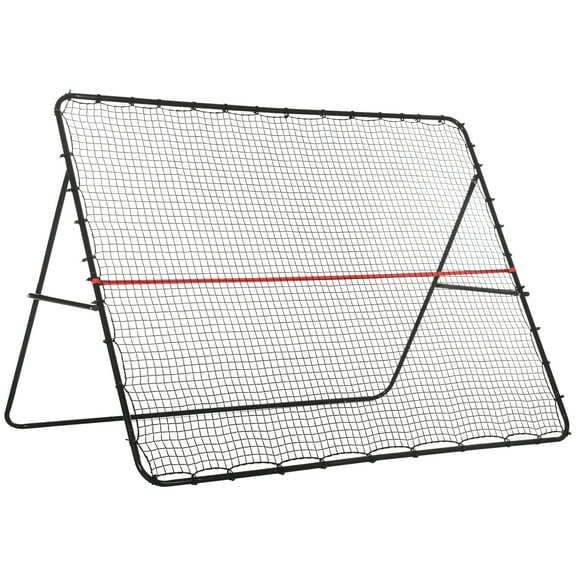
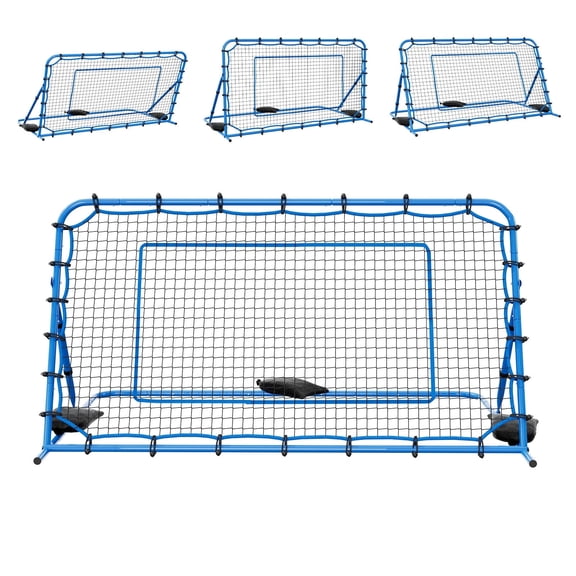
If you want more target area, you can step up to a 6x6 ft frame. You can also compare large passing nets when you train longer passes, volleys, or group drills.
Younger players may do well with smaller frames that keep setup simple and returns predictable. Older players may want wider targets that handle stronger passes and harder strikes.
If you're training in a driveway or side yard, you should check frame depth and anchor points. You can avoid awkward placement by matching dimensions to your surface.
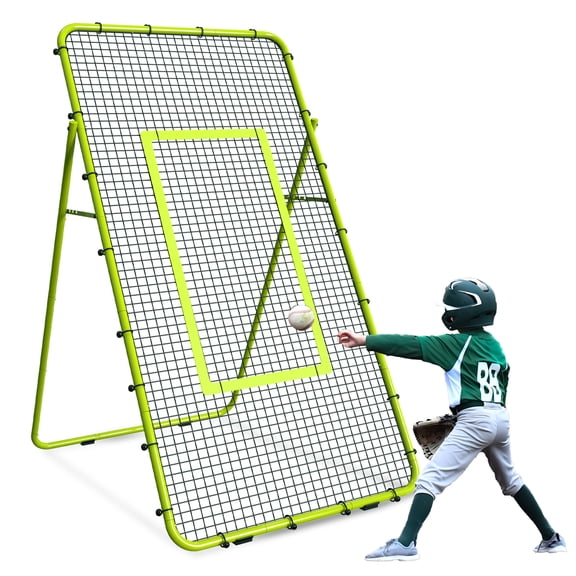
You may also compare how a rebound football net or football rebound net uses similar sizing logic. If you want multi-sport practice, you can choose dimensions that fit soccer drills and general ball work.
What to look for in frame material and setup
You should compare frame material closely, because it affects stability, weight, and outdoor use. You can look for powder-coated steel, fiberglass, or heavy-duty plastic construction.
With powder-coated steel, you get a sturdy feel that works well for stronger shots. With fiberglass, you get a lighter setup that can be easier to move.
If you want a simple carry-and-store option, you may prefer heavy-duty plastic parts. You should also check whether the frame includes ground stakes for added hold.
When you compare a sports rebound net or football rebounder net, you should notice how anchors support cleaner returns. You can keep the frame steadier during passing patterns when the base stays planted.
You should also review joint design and assembly steps before you choose. You can reduce setup frustration by picking frames with clear locking points and fewer loose parts.
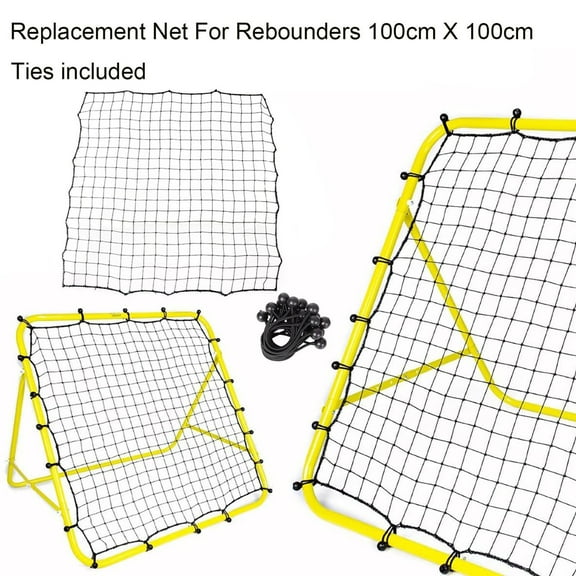
If your rebounder stays outside often, you can look for weather-ready finishes and durable net attachments. You can keep practice more consistent when the frame handles regular backyard use.
Comparing portability for practice anywhere
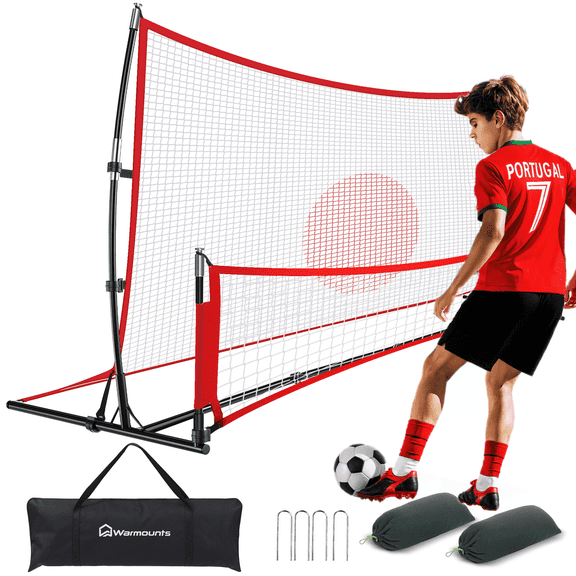
You should think about where you'll train before you choose a folding or fixed setup. You can compare lightweight frames, carrying bags, and quick-collapse designs.
If you move between the park, the yard, and team practice, you may want a folding frame. If you keep one station at home, you may want a sturdier setup.
You can carry a rebound football net more easily when the frame breaks down into smaller sections. You can also store a bounce back football net faster when it folds flat.
For quick sessions, you may prefer a lightweight frame that sets up in minutes. For repeated hard strikes, you may prefer extra weight and a wider base.
If you train alone after school or work, portability can shape how often you practice. You can remove barriers to short sessions when setup and takedown stay simple.
Matching rebounders to your drills
You can use a soccer rebounder for passing sequences, first-touch drills, volleys, and receiving under pressure. You can also repeat shooting setups that return the ball into your path.
If you're building clean passing habits, you may choose an elastic net with a medium rebound speed. If you're sharpening reactions, you may choose a football rebound board style surface.
You can use a soccer ball return net for one-touch passing and controlled receiving in smaller spaces. You can use larger nets when you want longer service and less chasing.
If you cross-train, you may compare a rebound net football setup with a soccer-focused frame. You can get more from one station when dimensions and return speed support multiple drill types.
You should match rebound style to the touches you want to repeat often. You can build more efficient sessions when your equipment returns the ball the way you expect.
With the right frame, rebound style, and size, you can create steady solo practice at home. You can turn extra minutes into sharper passing, cleaner control, and more useful repetitions.