


Find auto parts that fit
Let’s search for parts that fit your vehicle.Rear View Mirrors in Interior Parts & Accessories





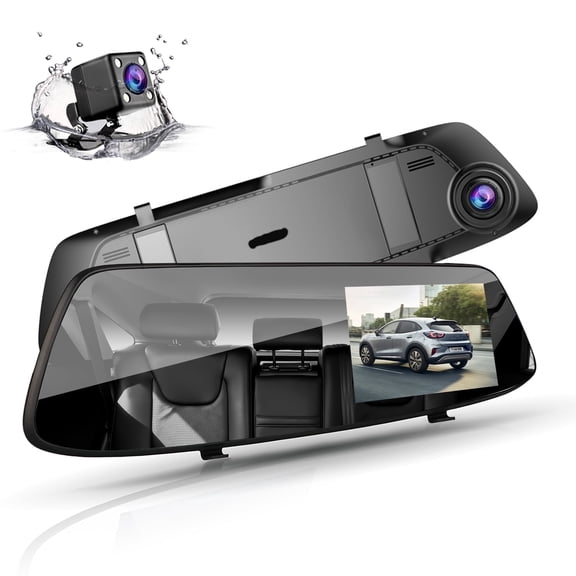

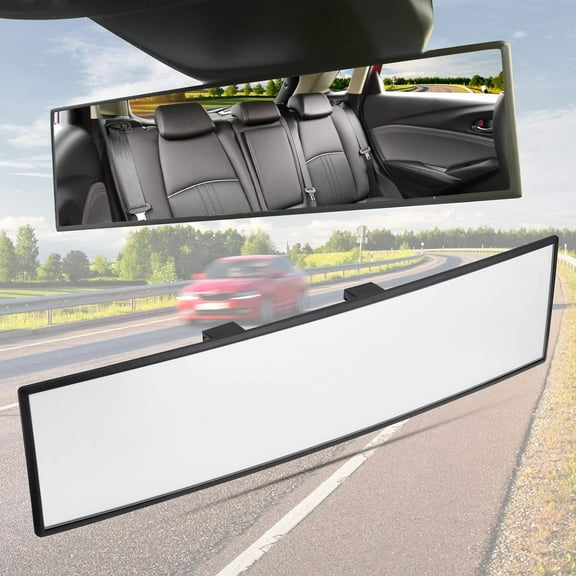
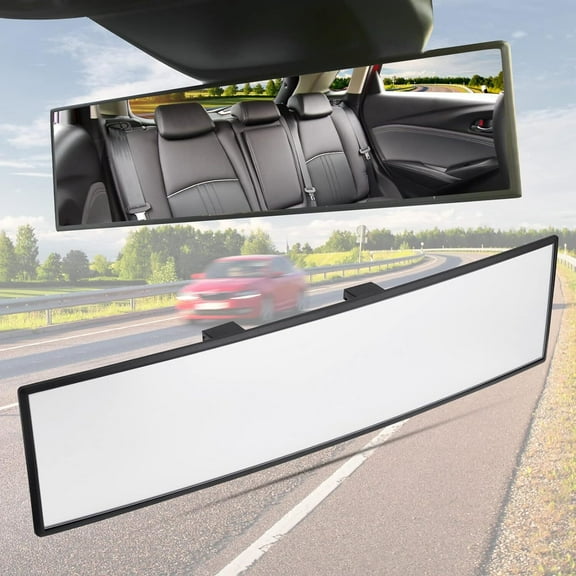
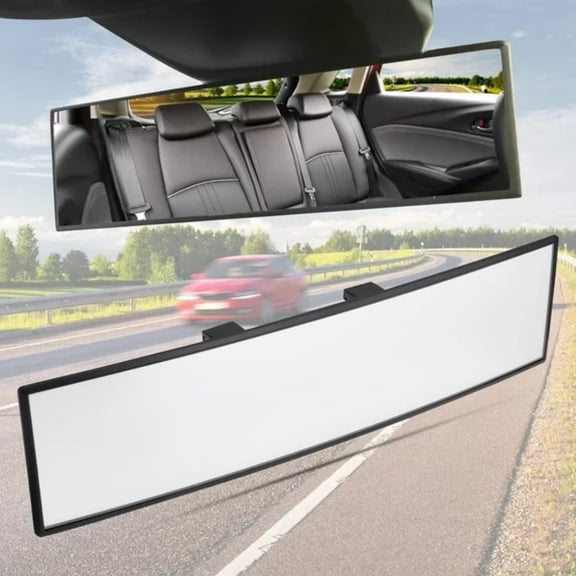


















About Rear View Mirrors in Interior Parts & Accessories - Walmart.com
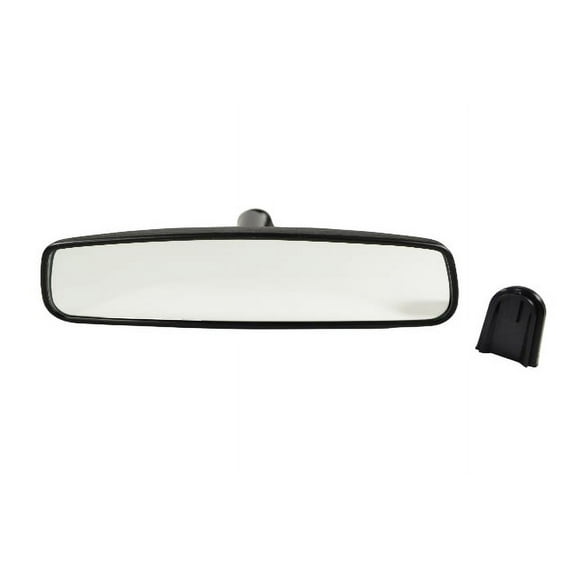
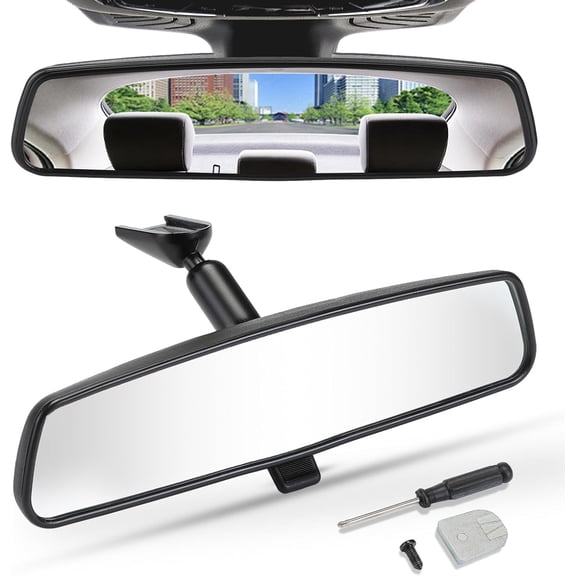
Rear view mirrors help you restore clear cabin visibility and compare fitment, attachment, and viewing angle before you choose. You can narrow your options efficiently when you understand bracket style, button compatibility, and mirror width.
How to choose rear view mirrors
When you compare rear view mirrors, you should start with fitment because your mount needs to match your windshield button or bracket. You can also check whether you need a universal fit or a vehicle-specific replacement rear view mirror.
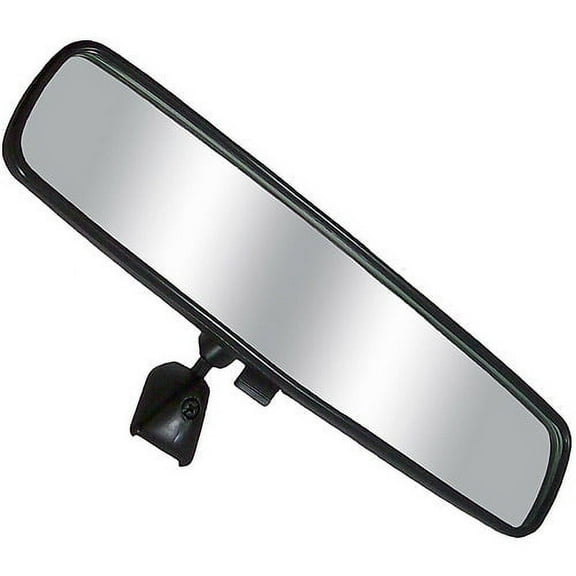
If your original mirror detached or cracked, you may want a replacement rear view mirror that matches your existing mount. You should measure your current mirror and compare stem shape before you install anything.
A clear buying path helps you focus on the details that affect daily driving comfort and visibility. You can compare these decision points before you choose a mirror style.
- You can match your mirror to a universal fit or vehicle-specific mount.
- You can choose a standard, panoramic, wide-angle, or dual-lens view.
- You can compare clip-on, suction cup, adhesive glue, and bracket mount installation.
- You can look for anti-glare or auto dimming rear view mirror options.
Choosing the right replacement rear view mirror
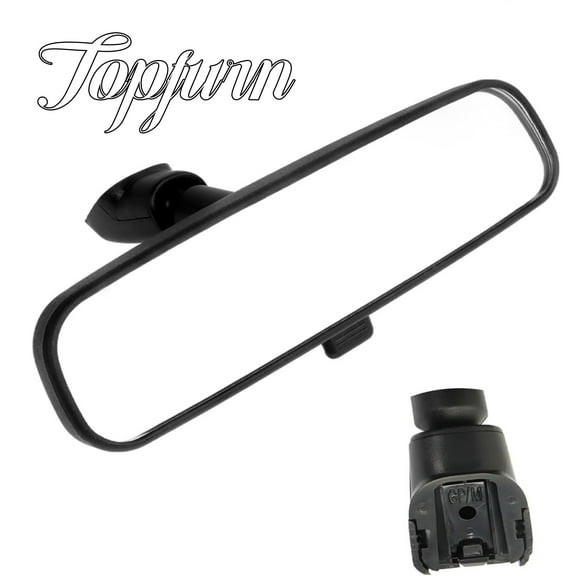
You should check mounting bracket style first because the wrong connection can prevent a secure fit. You can also compare button compatibility if your mirror attaches to a windshield-mounted metal button.
Some vehicles use a slim wedge mount, while others use a larger button or a bracket mount. You should compare your current hardware shape with the product details before you commit.
If you want a quick swap, you may prefer a universal option that works with common mounting setups. If your vehicle uses a specific connector, you should look for a vehicle-specific replacement rear view mirror.
You should also think about mirror size because width changes how much of the cabin and road you can see. A larger surface can help you monitor traffic behind you with fewer head movements.
Comparing mirror types and field of view
You can choose a standard mirror if you want a familiar shape and a straightforward rearward view. You may prefer this style when you want a close match to your factory setup.
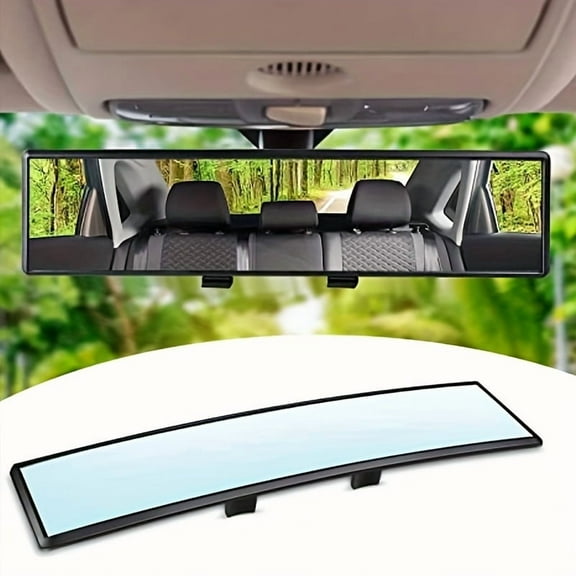
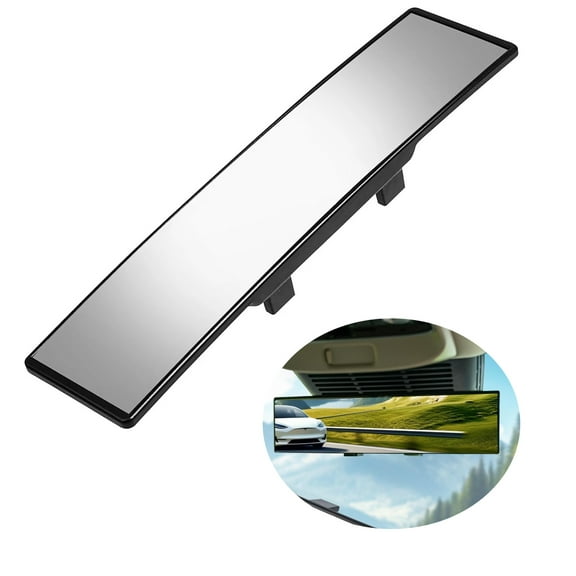
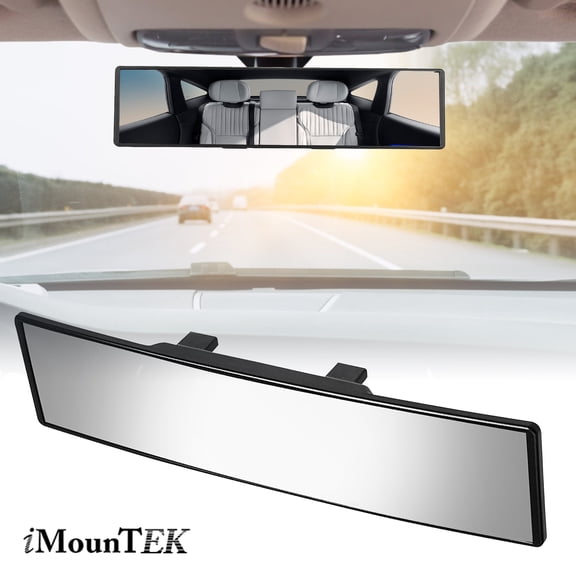
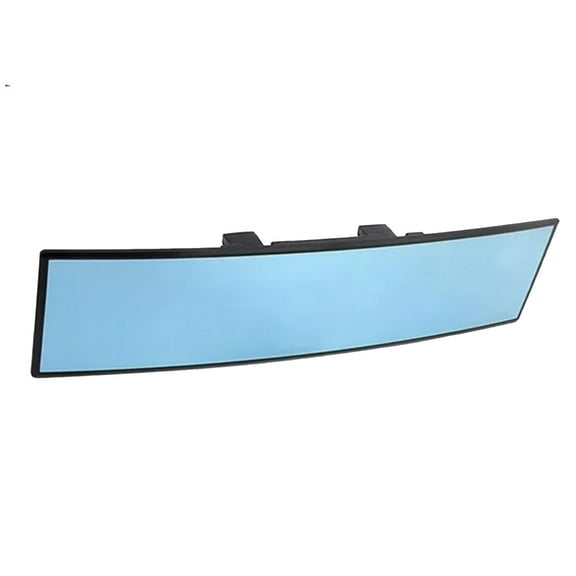
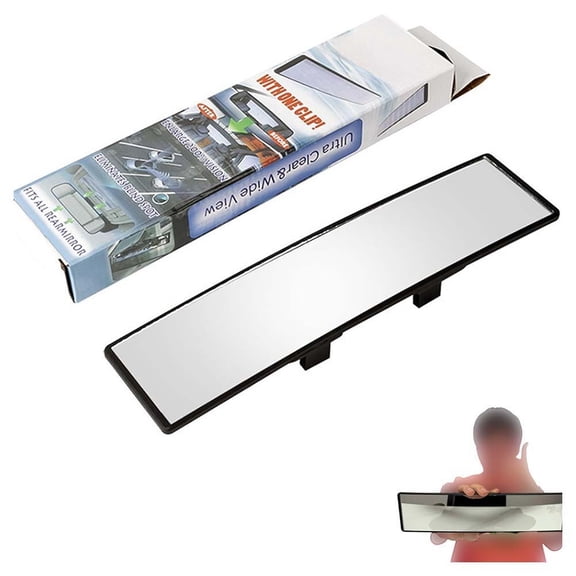
A panoramic rear view mirror gives you a wider view across multiple lanes and the edges of your rear window. You can use that extra width to check surrounding traffic with less guesswork.
Wide-angle designs can expand your line of sight even more, which helps you scan adjacent lanes quickly. You should compare curvature carefully because stronger curves can make distant vehicles appear smaller.
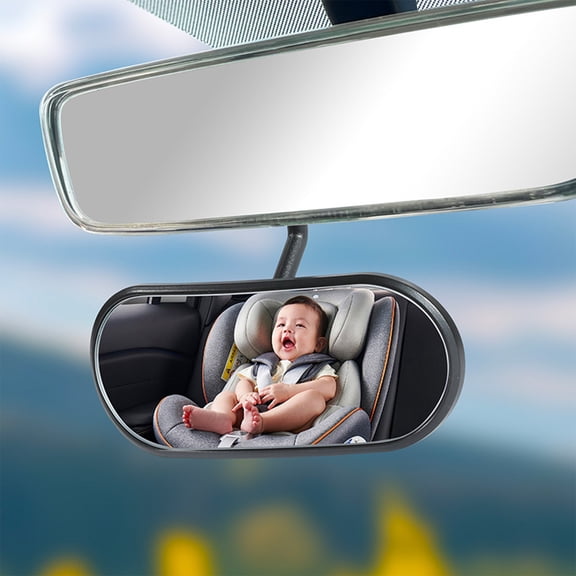
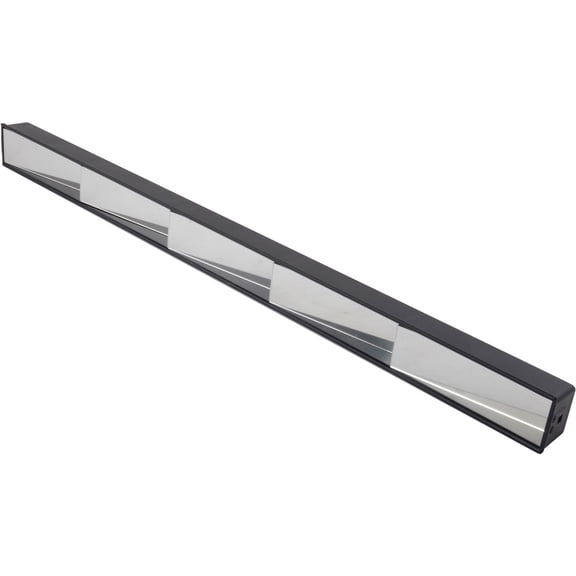
If you want multiple viewing zones, you may consider a dual-lens design with separate reflective sections. You can use that setup to monitor a broader area without changing mirrors again later.
Choosing clip-on, suction cup, adhesive, or bracket mount options
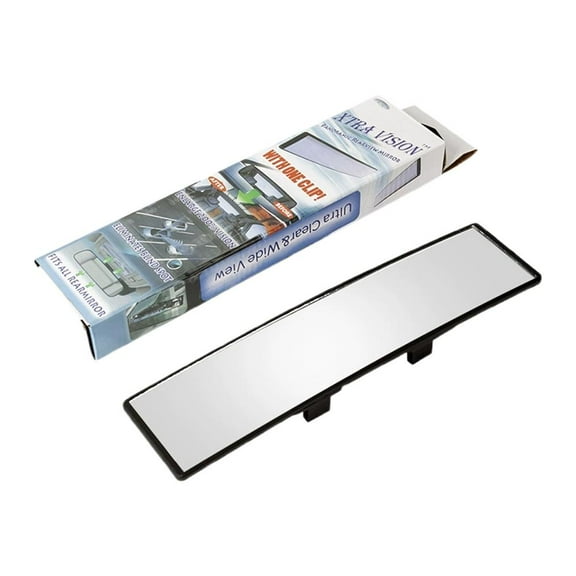
You should choose your installation method based on your current setup and how permanent you want the mirror to be. You can often install a clip on rear view mirror over an existing mirror without changing the original mount.
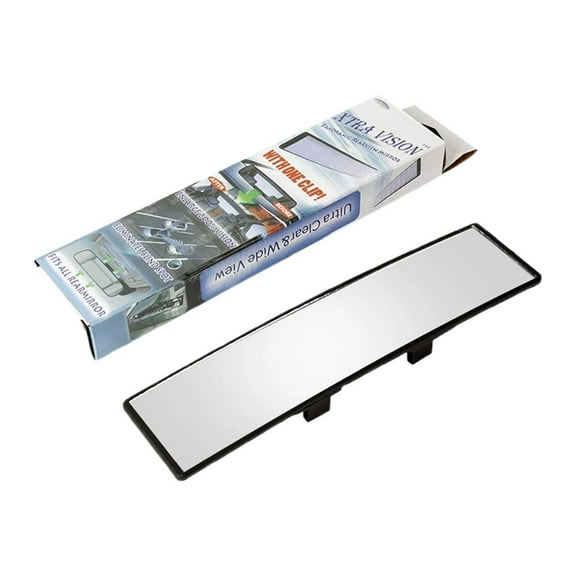
A clip-on style works well when you want a wider view or a quick upgrade with minimal setup. You can remove it easily if you switch vehicles or update your interior accessories.
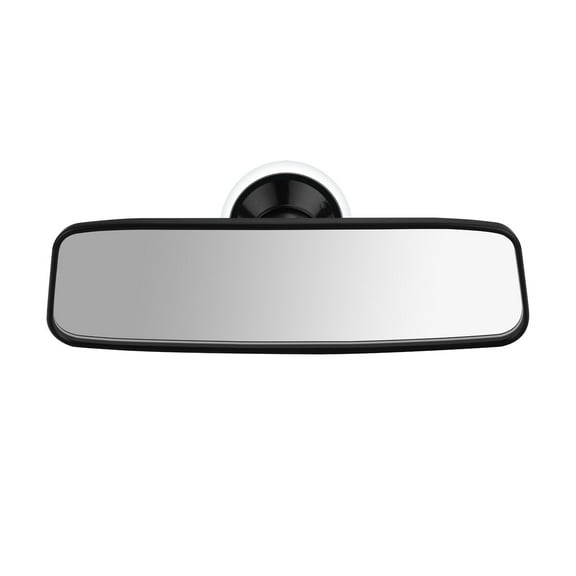
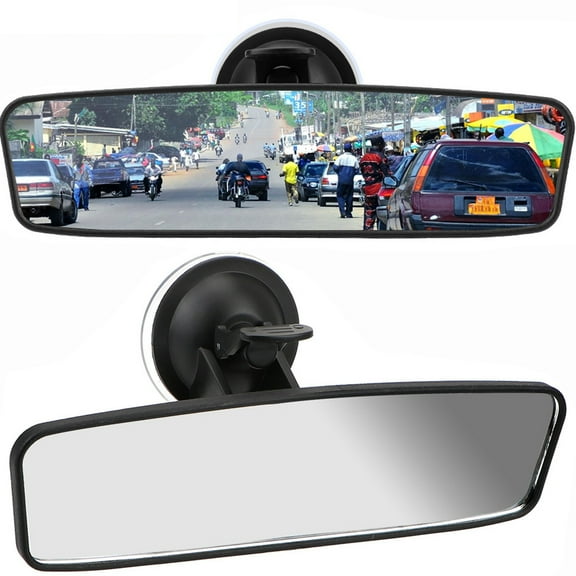
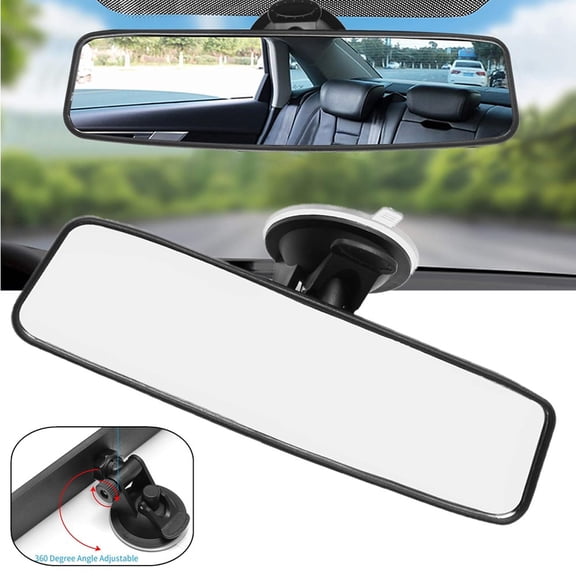
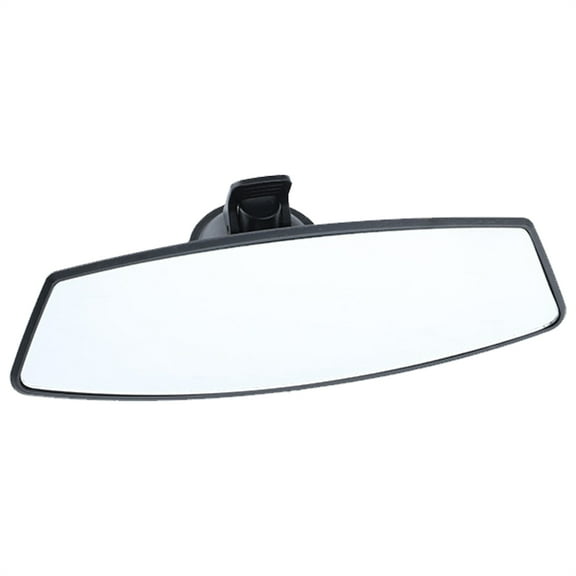
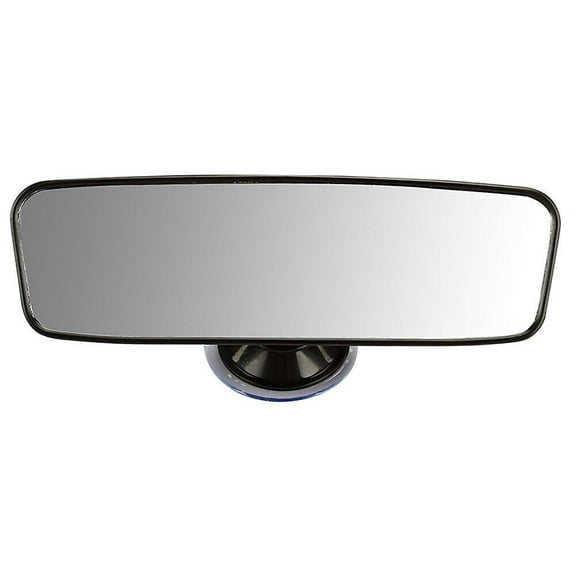
A suction cup rear view mirror can suit temporary setups, specialty vehicles, or flexible placement needs. You should check glass surface compatibility and placement area before you attach it.
An adhesive glue setup can work when you need to attach a mirror directly to a windshield button or mount pad. You should confirm cure instructions and mount type so your installation matches your vehicle.
If your vehicle already uses a bracket mount, you can simplify your search by matching that exact connection style. You should compare stem length and pivot design for a cleaner fit and smoother adjustment.
Comparing glare control and added features
You can improve driving comfort by comparing manual and electronic glare control options. You may already know the flip tab style that changes the mirror angle for nighttime use.
If you want less manual adjustment, an auto dimming rear view mirror can darken reflected light as conditions change. You can choose this feature when you drive often after sunset or on bright highways.
Anti-glare finishes can also help you maintain a clearer reflected image in changing light. You should compare feature lists carefully so you know whether the mirror uses a coating, a flip tab, or electronic dimming.
Some mirrors include added functions like integrated displays or a built-in dash cam. You should check power requirements and mounting space if you want those extra features in one unit.
Matching rear view mirrors to your vehicle and routine
If you commute daily, you may want a standard or auto dimming option that keeps your cabin view familiar. You can prioritize easy adjustment, stable mounting, and clear glare control.
If you drive a larger vehicle, you may prefer a panoramic rear view mirror or wide-angle style for broader visibility. You can use that expanded view to monitor lane changes and traffic flow confidently.
When you share a vehicle or use rentals, a clip-on option can make sense because it installs quickly. You can move it between vehicles easily than a fixed adhesive setup.
If you need a straightforward replacement after damage or wear, you should start with fitment and mount compatibility. You can finish with a mirror that aligns properly, adjusts smoothly, and restores your rearward view.
Rear view mirrors become easier to choose when you compare fitment, viewing angle, installation method, and glare control in that order. You can make a more confident pick when your mirror matches your vehicle and your daily driving routine.